-
-
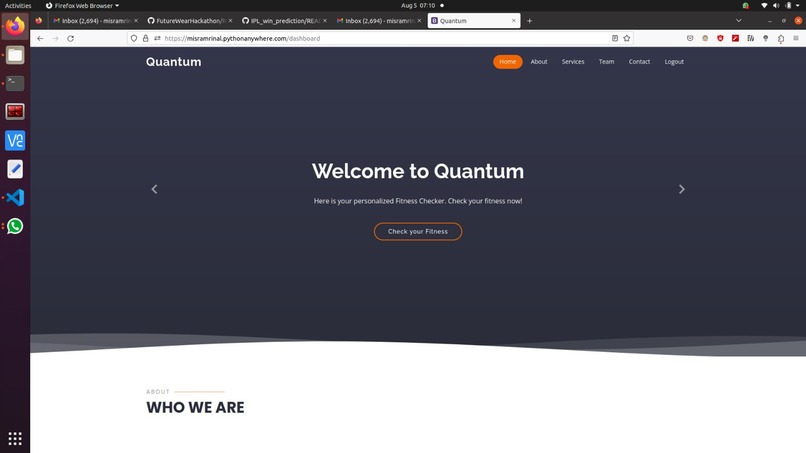
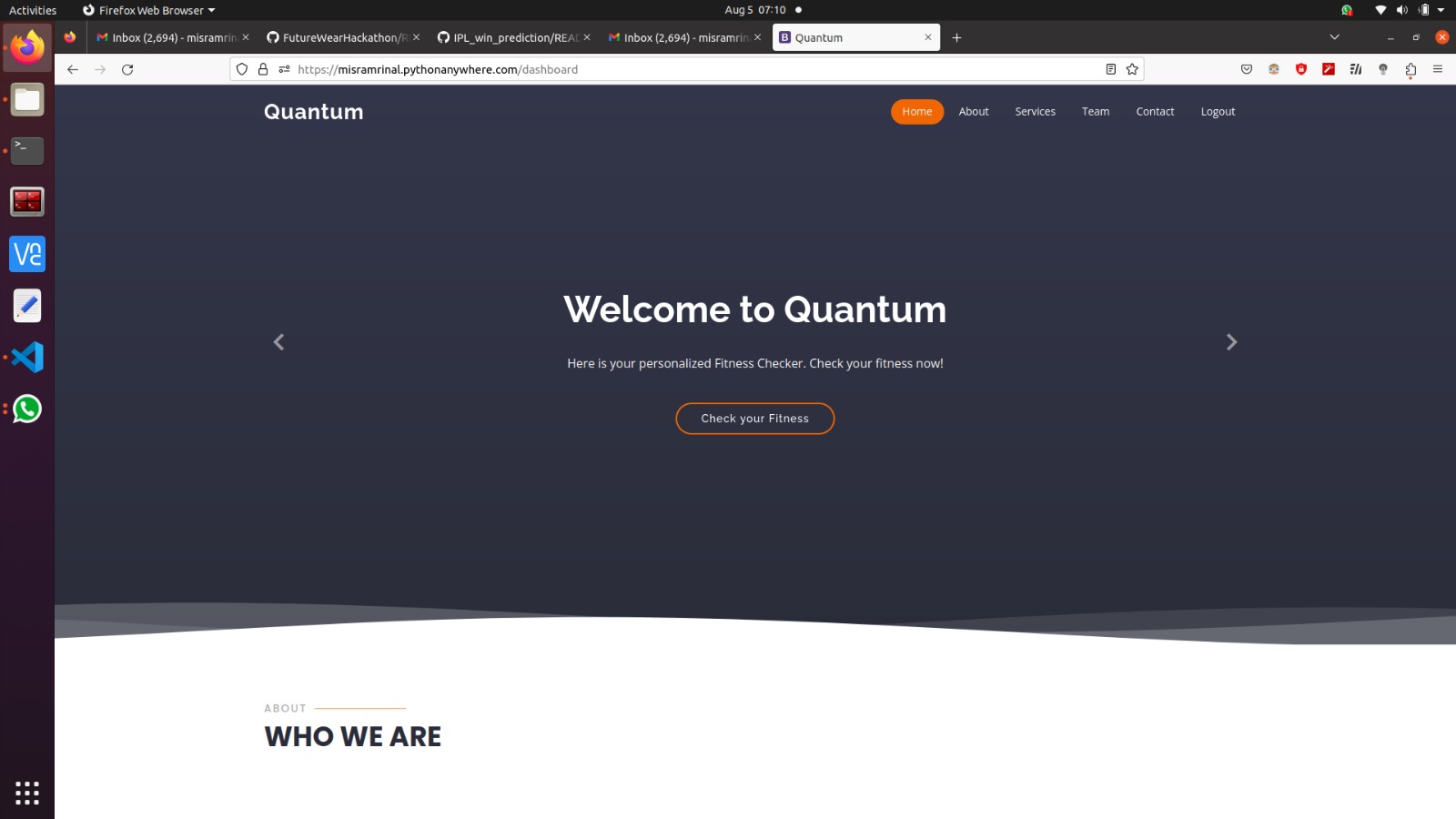
Web Page
-
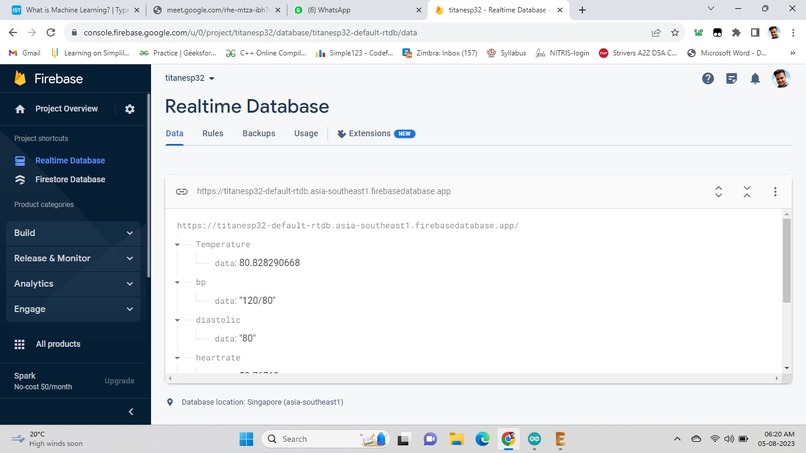
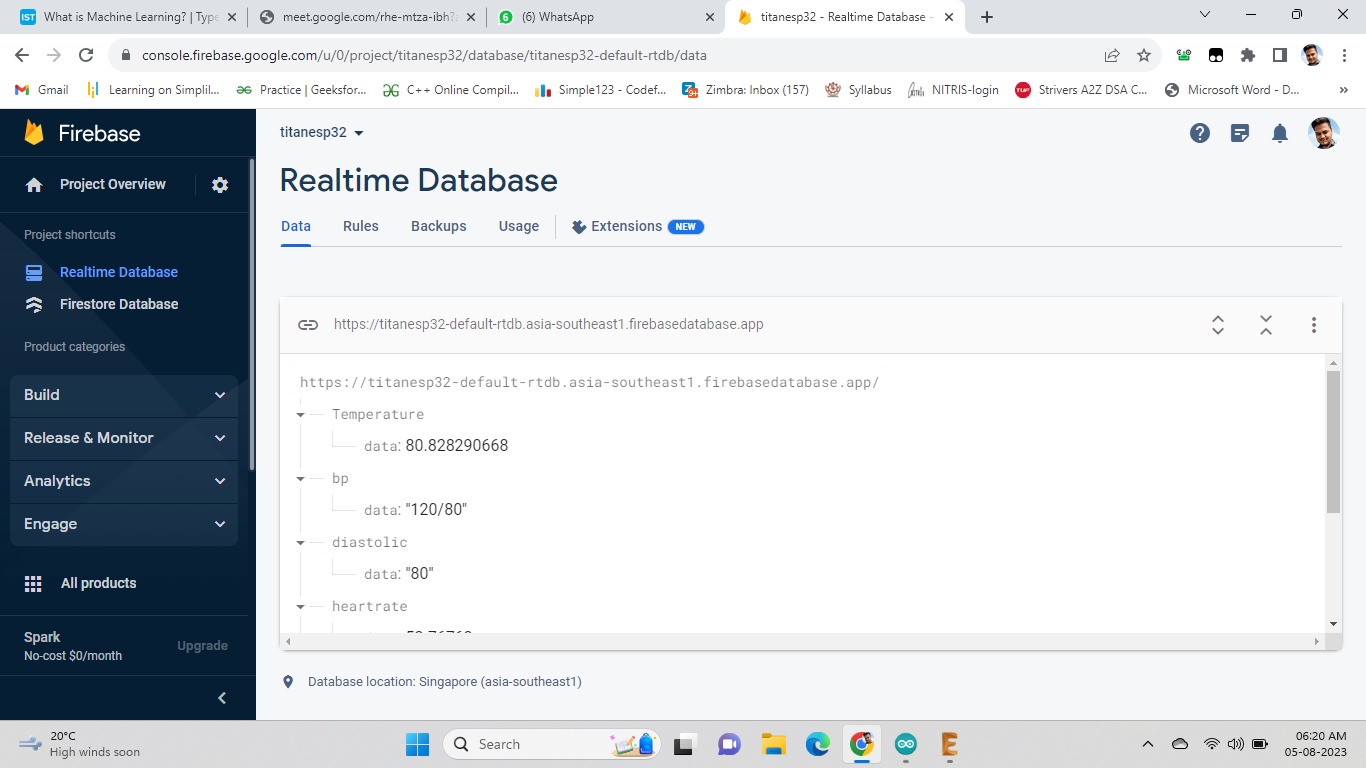
Realtime Database
-
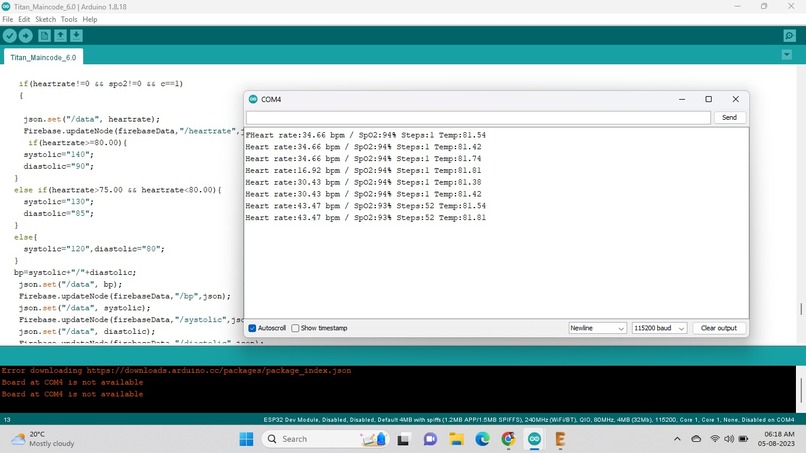
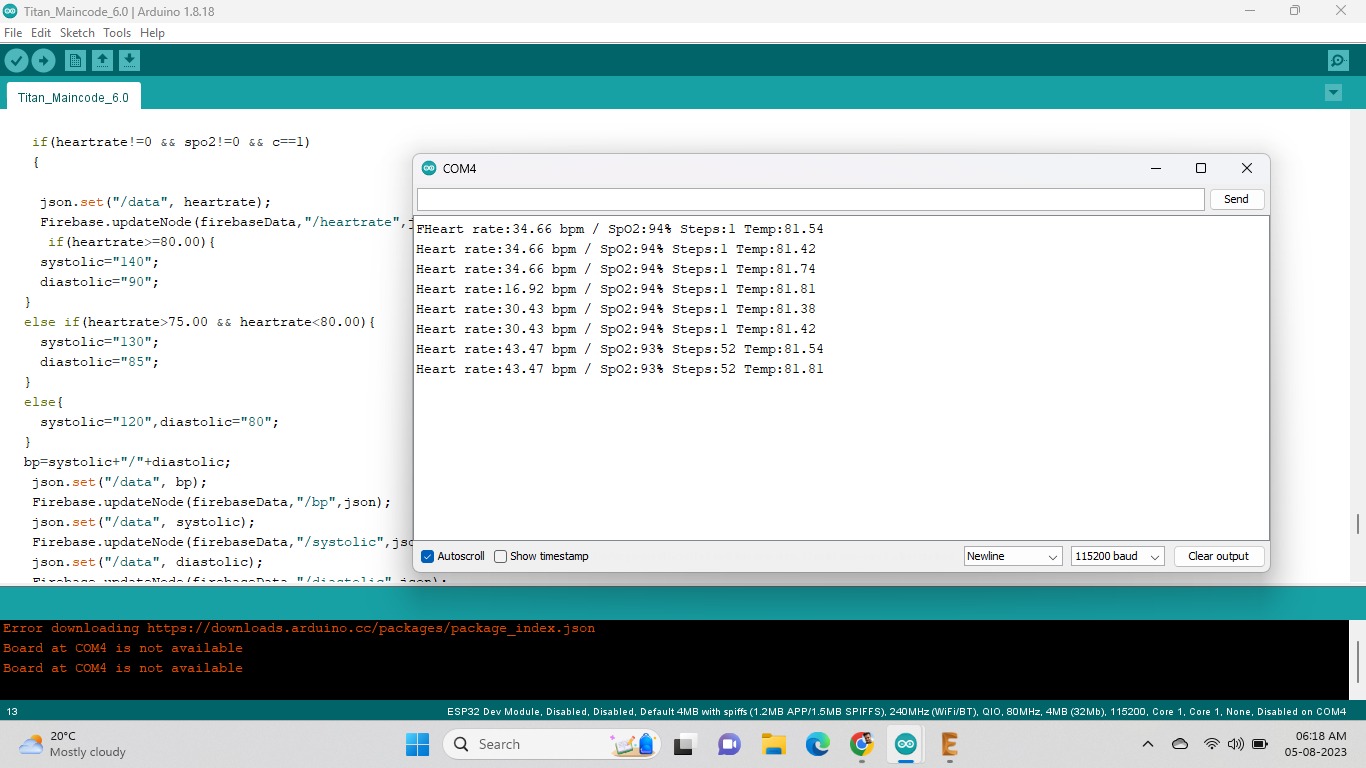
Sensors integration
-
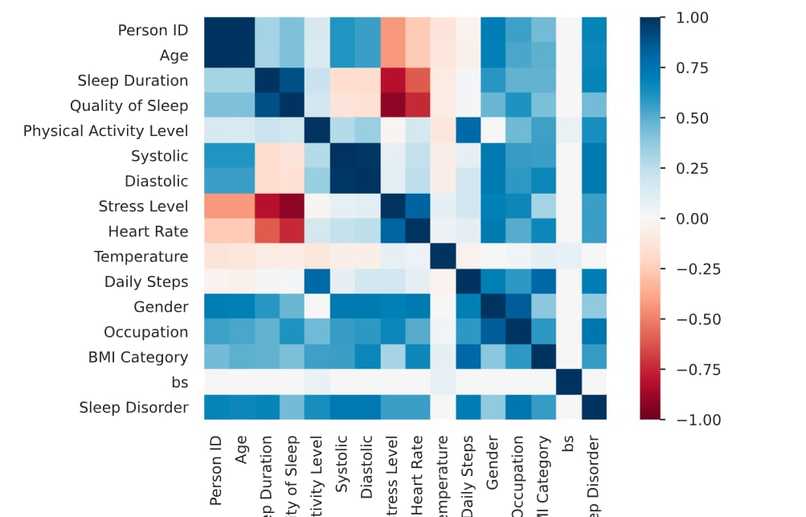
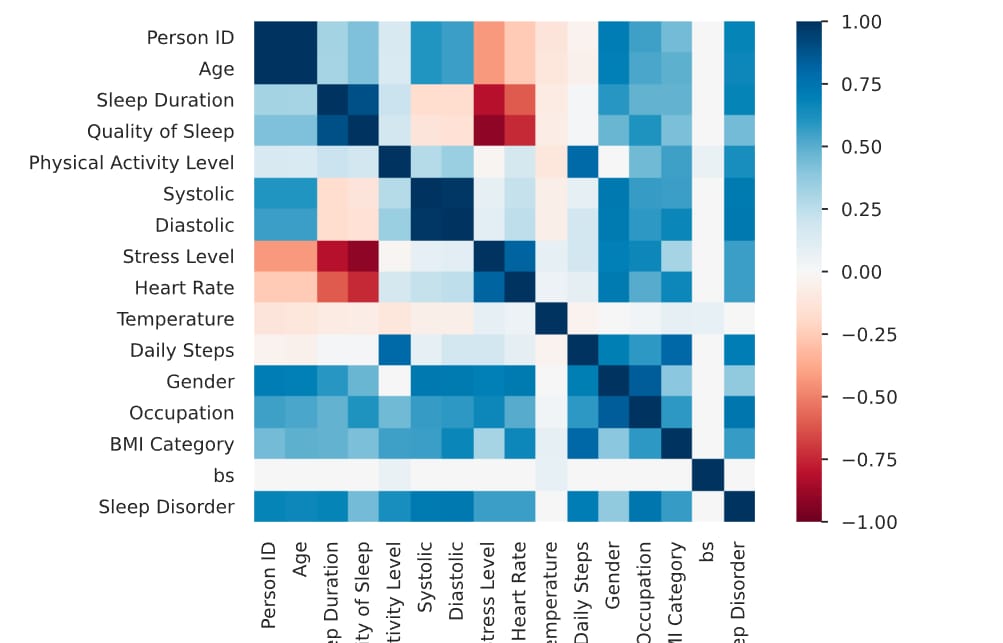
Heatmap showing correlations
-
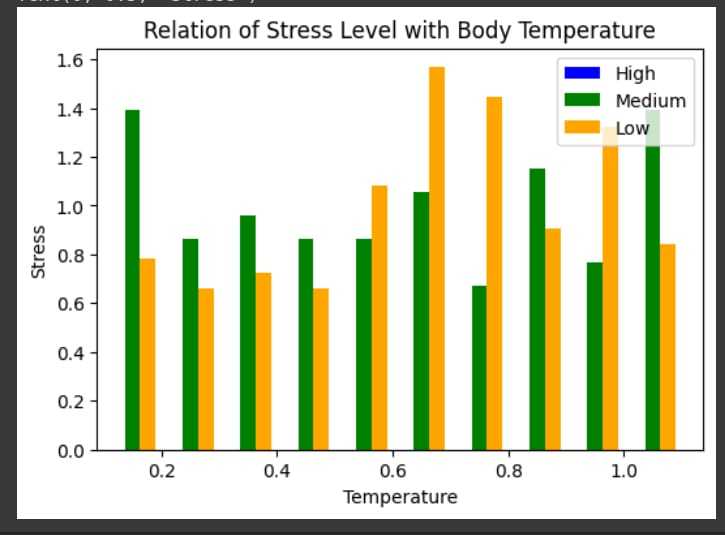
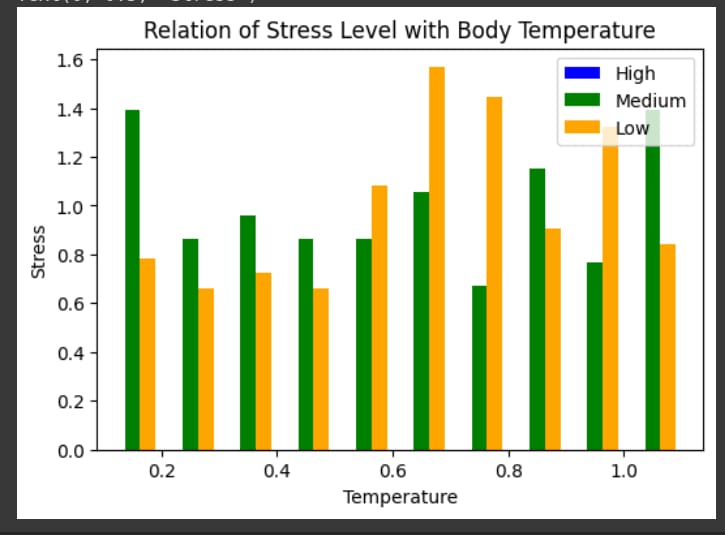
Data Visualisations
Inspiration
-With busy lifestyles and the increasing awareness of the importance of fitness, people are looking for efficient ways to track their well-being.
-Early detection and prevention can reduce healthcare expenses and allow for proactive action to be taken to address them.
-Non-invasive methods and facial reading technologies can make health and fitness monitoring more accessible to a broader population.
-This data can be used to improve healthcare practices and develop new interventions.
-By providing individuals with a fitness score and guidance on maintaining or improving their health, the burden on healthcare systems can be reduced.
The goal is to employ AI/ML techniques to analyse data and generate a fitness score that accurately reflects a person's overall health and fitness level, hence improving their overall quality of life.
What it does
-Heart rate monitoring, Daily step Count, Body temperature measurement, Blood Pressure measurement, Strees Level Detection
-Gives a fitness score based on prediction of health stats.
-Counts Situps and Pushups, and daily steps.
- Alerts users about his fitness goals.
How we built it
Collection of health data:
Collected health vitals like blood pressure, heart rate, temperature from sensors, processed them using AI/ML techniques, and generated a fitness score.
Training and Data Analysis:
First of all, we built a model for predicting fitness using data from diverse sources. Data was processed, and exploratory data analysis was carried out. It was discovered that health measures such as blood pressure, heart rate, and stress level have strong correlations with fitness level. Even data acquired from a user's input via an app, such as height, weight, occupation, and gender, had an impact on the person's health.
Testing Model:
All of the data collected from sensors was sent to Firebase from ESP-32. via Wifi. This way the data would be secure and scalable and only available to those who require it. Out of several algorithms Random Forest, Decision Tree, XGB Classifier,we found Multilayer Perceptron(MLP), a type of Artificial Neural Network gave best score of 95%, i.e out of 374 data samples it could correctly predict fitness level of about 349 data points in levels of 0(not fit), 1(need to achieve more),2(perfectly fit).
Model Deployment:
The model was deployed on website and an app named “Quantum” with an intuitive user interface where user can get all details of his/her health statistics and get fitness score on daily basis. Based on health stats, it would also instruct user how to achieve fitness goals. It will also count situps and pushups for a person.
Challenges we ran into
- Sensor calliberation.
-Making compact and easy to use wearable.
-Proper device placement on the body,and individual response in physiological responses.
-Influence of external factors such as environmental conditions, stress, and hydration levels on data.
-Deriving an accurate fitness equation from correlations of health data.
Accomplishments that we're proud of
-Our solution is accurate, reliable, scalable, and can be deployed in various settings, from individual homes to large healthcare organizations.
-The wearable is non-intrusive, compact and efficient methods have been found to make it cost-effective.
-The circuit design is made with proper planning and a PCB is designed with the smd technology to ensure that it is compact and and safe to wear.
-All the outputs of health vitals can be seen in mobile app which is very user-friendly to track health and fitness. User also get fitness goal points and instructions on how to be more fit through app.
-It can be used by all people of all age groups and various types of patients as our AI/MLmodel can can deal with irregular data.
What we learned
-Use of advanced Machine Learning and Deep learning techniques to predict fitness level.
-Pose detection by MediaPipe to count situps and pushups accurately.
-Deployment in Webpage.
-Team Work
What's next for Quantum
-An SOS feature can be added which will send location of the watch to the family members in case of an emergency or an accident.
-More efficient optimizers for deep learning an be added for fast and accurate performance.
-This Multi-sensor wearable devices can be sensitive tools capturing cycle-related physiological features pertinent to women's health. The levels of estrogen and progesterone change during different phases of the menstrual cycle, affecting the cardiovascular system and body temperature through various mechanisms. These effects are mirrored on sleep, sleep distal skin temperature, heart rate (HR) and vagal-mediated heart rate variability (HRV, rMSSD), readiness and mood. The data fed into machine-learning algorithms, can predict her entire menstruation cycle(luteal phase, ovulation phase, menstruation days)
Screenshots
Web page
Situps
https://github.com/misramrinal/medihacks/assets/100671634/60e564a8-ab07-41e6-99f4-5f3613cb7943
Pushups
https://github.com/misramrinal/medihacks/assets/100671634/ef5d65f9-eb93-4305-9312-cddb05f4a654
PCB design of Smart Watch
Tools and Tech Stacks
Flask
Numpy
Pandas
Matplotlib
sklearn
Firebase
Arduino
Mediapipe
Eagle
HTML, CSS, javascript, bootstrap


Log in or sign up for Devpost to join the conversation.