Inspiration
The inspiration for QEOS (Quantum-Enhanced Operating System) came from the realization that traditional operating systems face limitations in tackling NP-hard resource management problems, such as multi-objective scheduling and memory allocation. We envisioned an OS kernel layer that could harness quantum algorithms to perform these optimizations more efficiently, paving the way for high-performance, secure, and intelligent computing.
What it does
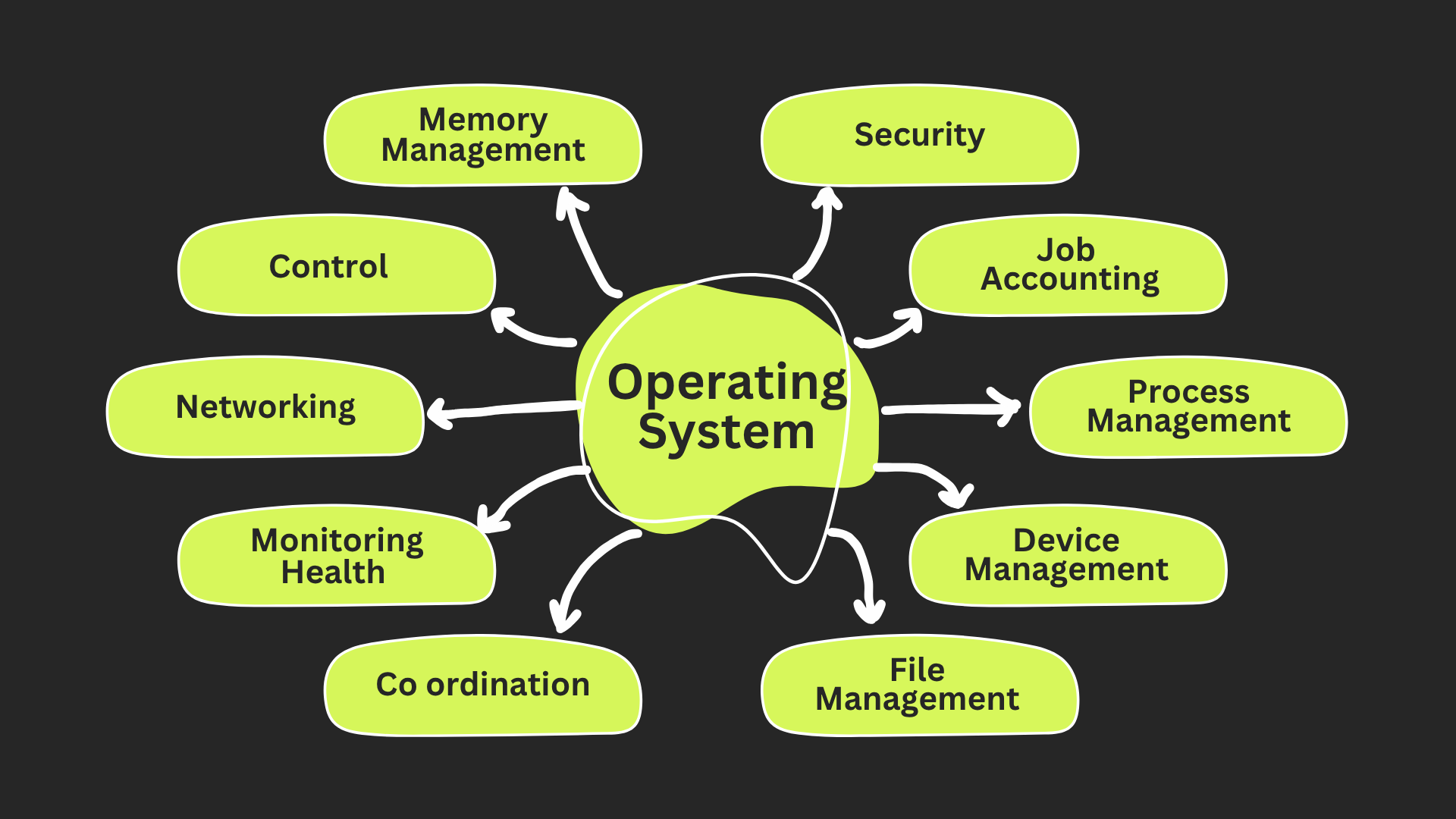
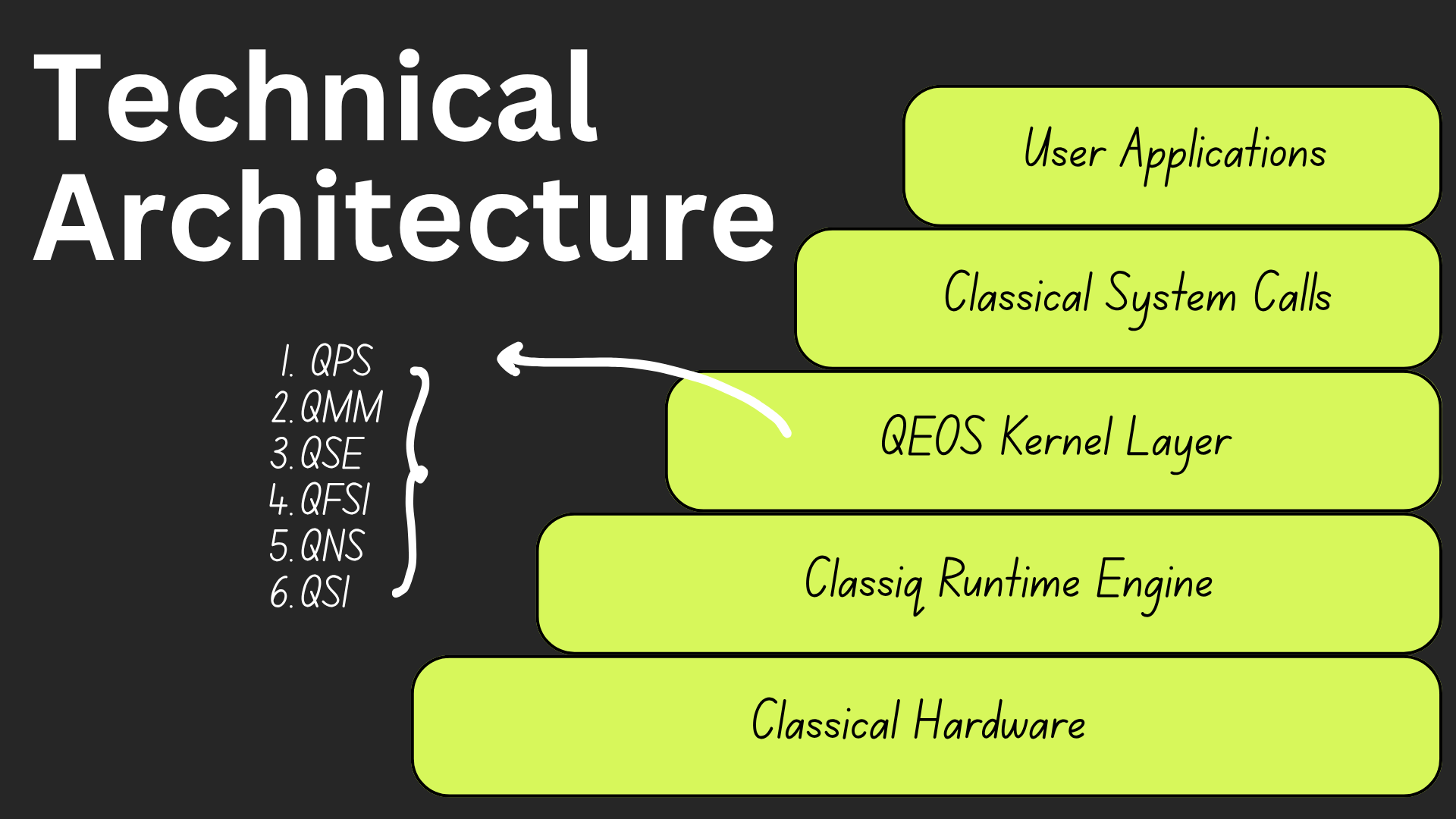
QEOS integrates six quantum-powered modules into its kernel layer:
Quantum Process Scheduler (QPS) – Uses QAOA to optimize CPU scheduling across latency, energy, and throughput.
Quantum Memory Manager (QMM) – Applies QAOA to minimize fragmentation and optimize allocation.
Quantum Security Engine (QSE) – Implements a Deutsch–Jozsa-inspired circuit for anomaly detection in cryptographic checks.
Quantum File System Intelligence (QFSI) – Uses Grover’s Search for rapid file retrieval.
Quantum Network Stack (QNS) – QAOA-driven optimization of routing paths.
Quantum System Intelligence (QSI) – Quantum oracles for anomaly detection in system performance.
How we built it
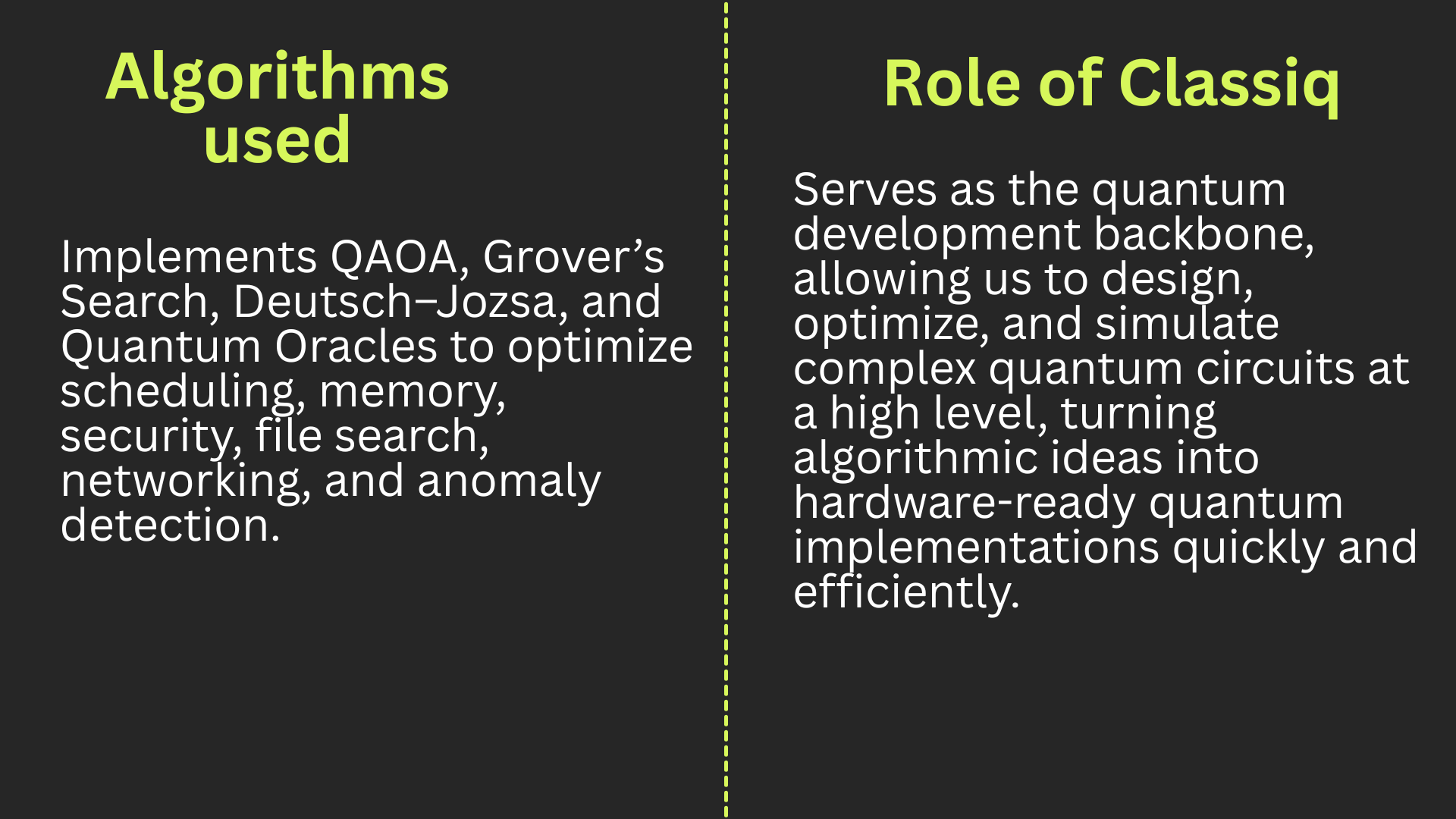
Designed and simulated quantum circuits using the Classiq platform, which allowed high-level algorithm design without manually constructing low-level gates.
Integrated the quantum modules into a hybrid classical–quantum kernel layer.
Tested algorithms on quantum simulators to ensure correctness before integration.
Used Python and the Classiq SDK for circuit generation and optimization.
Challenges we ran into
Algorithm Tuning: QAOA parameter optimization was tricky due to its dependence on problem-specific cost functions.
Hybrid Integration: Designing seamless communication between the classical runtime and quantum modules required careful architectural planning.
Resource Constraints: Limited access to real quantum hardware meant relying on simulators for validation.
Accomplishments that we're proud of
Successfully designed six distinct OS-level quantum modules (QPS, QMM, QSE, QFSI, QNS, QSI) — each powered by a different quantum algorithm.
Integrated QAOA, Grover’s Search, Deutsch–Jozsa, and Quantum Oracles into a single cohesive system architecture.
Leveraged Classiq’s platform to rapidly prototype circuits without manually designing gate-level implementations.
Created cost functions that realistically represent multi-objective trade-offs in scheduling, memory, and network routing.
Achieved parallel evaluation of billions of possible configurations in simulation, demonstrating the potential of hybrid quantum-classical OS design.
What we learned
How to apply quantum optimization algorithms to practical OS-level problems.
The power of Classiq’s abstraction layer for rapidly prototyping quantum algorithms.
Strategies for designing cost functions that accurately reflect multi-objective trade-offs.
Best practices for hybrid quantum-classical architectures.
What's next for Quantum-Enhanced Operating System
Dynamic Hybrid Scheduler: Implement a real-time system that decides whether to use the classical or quantum scheduler based on workload.
Scalability Enhancements: Expand file system intelligence to handle petabyte-scale datasets with multi-step Grover iterations.
Security Layer Expansion: Incorporate post-quantum cryptography alongside quantum-enhanced security checks.
Open Source Release: Package QEOS as an open-source quantum OS research framework for the community.
Built With
- classiq
- colab

Log in or sign up for Devpost to join the conversation.