-
-
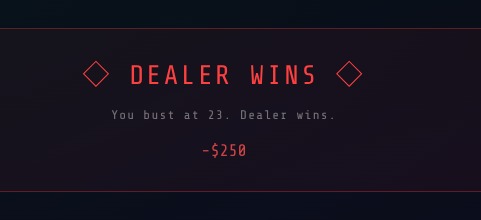
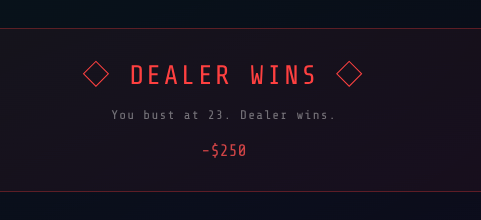
Loses against the dealer
-
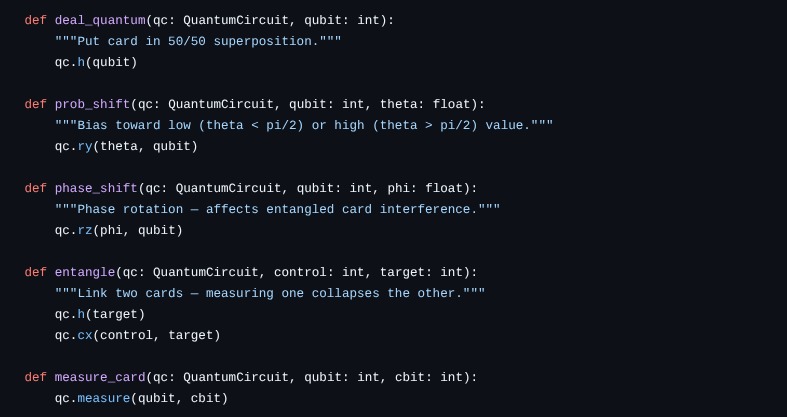
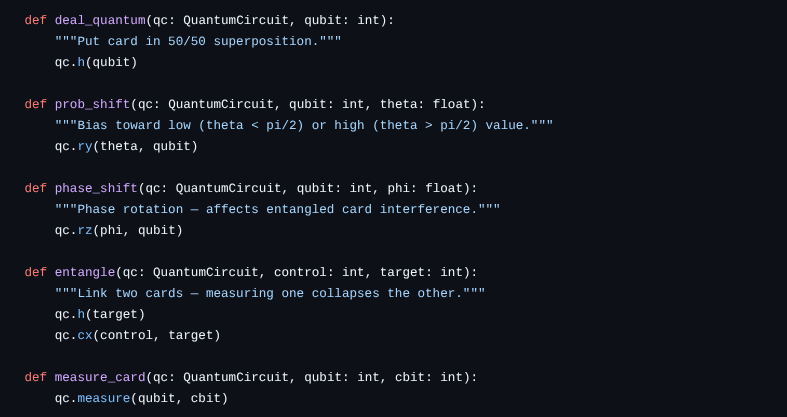
Using the qiskit quantum circuits to manipulate possibility
-
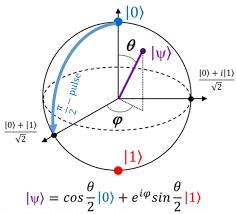
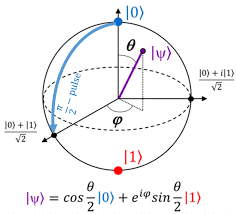
Bloch sphere
-
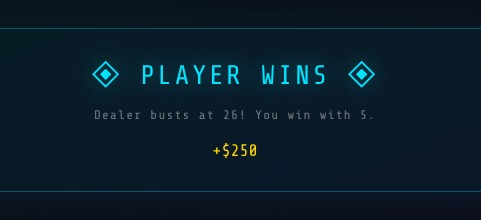
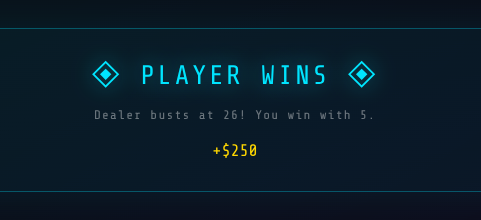
Wins against the dealer
-
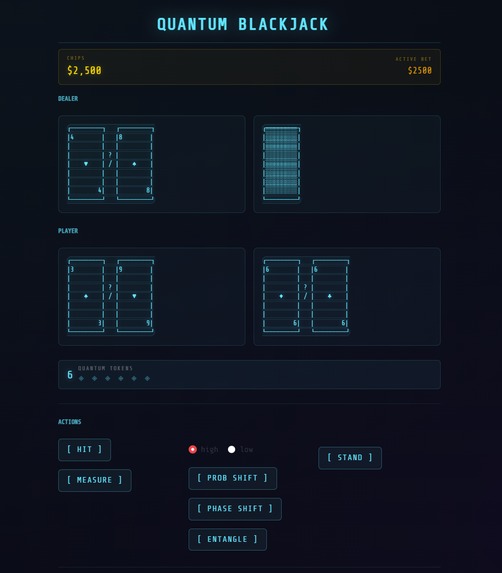
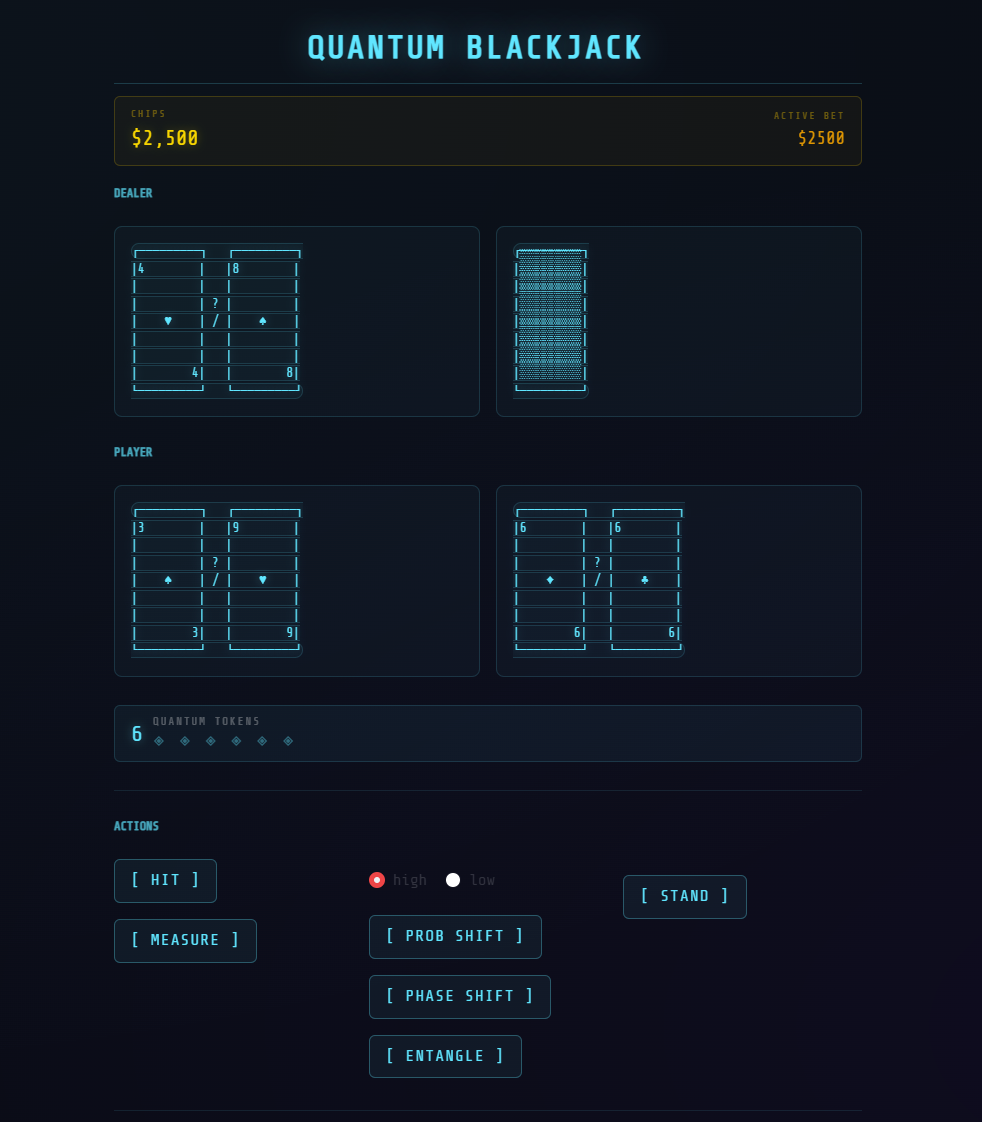
a screenshot of the gameplay of our game - Quantum Blackjack
Inspiration
We wanted to take a familiar game like blackjack and reimagine it using quantum computing ideas such as superposition, measurement, and entanglement. Our goal was to make these abstract concepts intuitive and fun by embedding them directly into gameplay.
What it does
Quantum Blackjack is a blackjack-style game where cards start in probabilistic quantum states (low/high) instead of fixed values. Players use actions such as measurement, probability shifting, and entanglement to manipulate probabilities and how these states collapse, shaping the outcome of the hand.
How we built it
We built the game in Python with a Streamlit front end, modeling each card as a quantum-like object with a value map, qubit index, and measurement behavior.
Challenges we ran into
Designing mechanics that are both faithful to quantum concepts and easy to understand as a card game was surprisingly tricky. We also had to carefully handle entanglement logic, edge cases, and probability tuning so the game felt fair and didn’t devolve into chaos.
Accomplishments that we're proud of
We’re proud that we turned core quantum ideas into a playable experience for everyone to enjoy. Shipping a full end-to-end demo with clear game logic and a live Streamlit interface was a big milestone for our team.
What we learned
Implementing superposition, measurement, and entanglement in code gave us much stronger intuition for how quantum systems behave. We also learned a lot about balancing educational content with fun, and about structuring game logic around probabilistic outcomes.
What's next for Quantum Blackjack
We’d like to add more advanced quantum actions, improved visualizations of probabilities and entanglement, and multiple game modes. In the future, we’re also interested in tighter integration with quantum frameworks like Qiskit and iterating based on player feedback.
Built With
- python
- qiskit
- streamlit


Log in or sign up for Devpost to join the conversation.