-
-

Thambnil
Inspiration The idea for the Quantum-AI Medical Diagnosis System came from the need for a faster and more accurate way to diagnose medical conditions. Traditional AI models in healthcare often struggle with large, complex datasets and can be slow to make predictions. With the advent of quantum computing, there is an exciting opportunity to optimize AI algorithms and improve diagnostic accuracy, particularly for time-sensitive medical conditions. The challenge of incorporating quantum computing into healthcare motivated me to explore how this cutting-edge technology could benefit medical AI, making it more efficient and precise.
What it does The Quantum-AI Medical Diagnosis System is a hybrid platform that integrates quantum computing with AI models to provide accurate, real-time medical diagnosis suggestions. Users input their symptoms and medical history into a user-friendly frontend, which sends this data to the AI model for analysis. The model uses quantum-enhanced algorithms to optimize feature selection and refine predictions for faster and more reliable diagnosis. The system aims to assist healthcare professionals by providing accurate diagnosis predictions that can be used for further medical evaluation.
How we built it We built the Quantum-AI Medical Diagnosis System in three key layers:
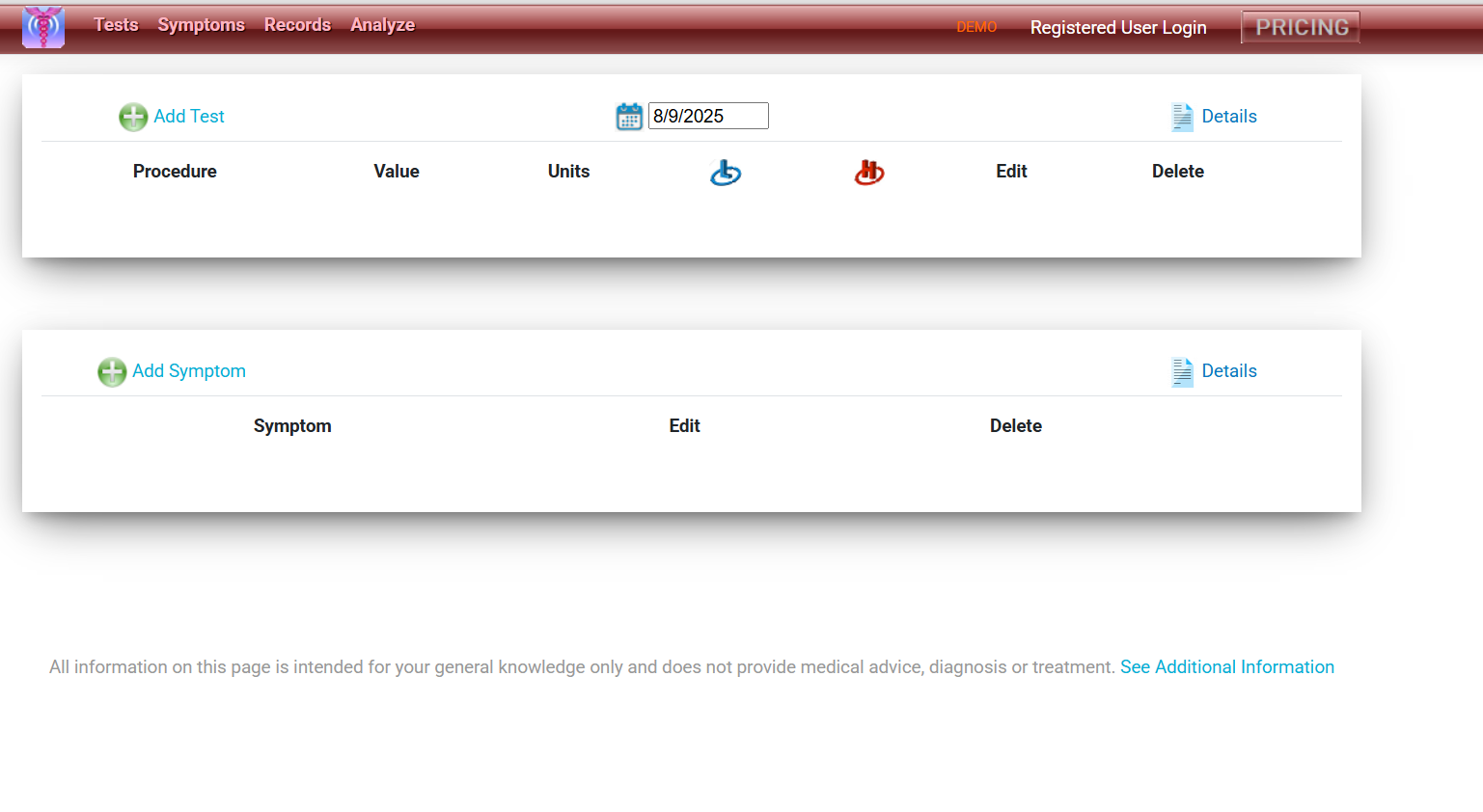
Frontend (UI): We used React.js along with Tailwind CSS to build an intuitive and responsive user interface. This allows users to easily input their symptoms and medical history.
AI Layer: The backend uses Python along with machine learning libraries like TensorFlow or Scikit-learn. The system utilizes Logistic Regression or Neural Networks trained on a medical dataset (such as the Heart Disease Dataset), providing an AI-based prediction for the user’s diagnosis.
Quantum Layer: The most innovative part of the project is the quantum optimization layer. Using Qiskit, we enhance the feature selection process by selecting the most relevant symptoms and medical history data. Additionally, quantum algorithms are used to refine the probability predictions, improving the system’s accuracy and speed.
The three layers are connected seamlessly, allowing users to interact with the system smoothly while benefiting from the power of quantum computing in the background.
Challenges we ran into Quantum Computing Integration: Quantum computing is still an emerging field, and integrating it with traditional AI models was one of the most significant challenges. Ensuring that quantum optimization didn’t slow down the process was critical.
Data Complexity: Medical datasets can be complex and have many variables, making it difficult to choose the right features for analysis. We had to experiment with various quantum algorithms to optimize the selection of features without losing crucial information.
Backend Optimization: Building a system that could handle large medical datasets, run quantum-enhanced AI predictions, and return results in real-time was a performance challenge. Ensuring a balance between speed and accuracy was key to the system's success.
User Interface and Experience: Designing a user-friendly interface for medical professionals and patients who may not be technically inclined was challenging. The system had to provide relevant results without overwhelming the user.
Accomplishments that we're proud of Successfully integrated quantum optimization into an AI-based medical diagnosis system.
Achieved faster prediction times and improved accuracy compared to traditional AI models.
Developed a seamless user interface that allows easy interaction with complex backend systems.
Improved the diagnostic accuracy of traditional AI models through the use of quantum computing, which we believe can be applied in real-world medical applications.
What we learned Quantum computing can indeed enhance traditional AI models, especially in feature selection and optimization tasks.
The importance of data preprocessing and handling medical datasets carefully cannot be overstated. Small mistakes in feature selection or data handling can lead to significant prediction errors.
Working with quantum algorithms is challenging but exciting. The potential applications in healthcare and other industries are immense.
The process of integrating quantum computing into real-world applications requires a deep understanding of both fields—AI and quantum computing—which led to a steep but rewarding learning curve.
What's next for Quantum-AI Medical Diagnosis System Scaling the Model: We plan to extend the system’s capabilities to handle more medical conditions and a broader range of symptoms.
Collaborating with Healthcare Institutions: To validate the system in real-world medical scenarios, we hope to collaborate with hospitals and clinics to conduct further testing and refinement.
Enhancing the Quantum Layer: We aim to improve the quantum optimization process by experimenting with more advanced quantum algorithms and models. This could include leveraging Classiq for easier quantum workflow creation.
Expanding the Dataset: Incorporating a larger variety of medical datasets will make the system more robust and applicable to a wider range of diseases.


Log in or sign up for Devpost to join the conversation.