-
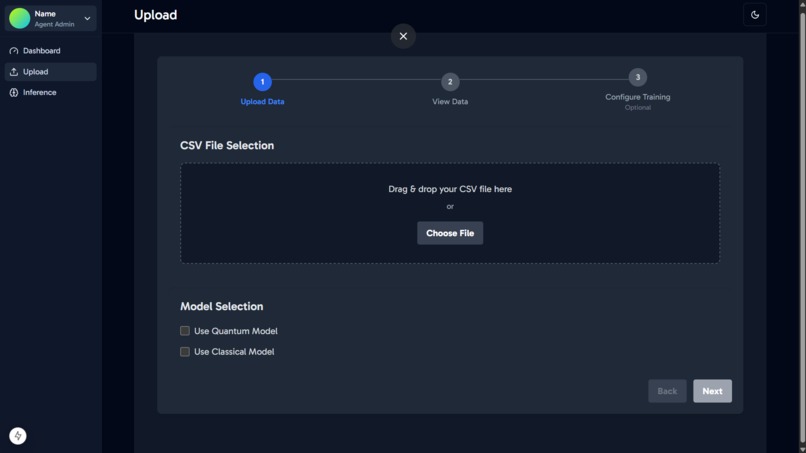
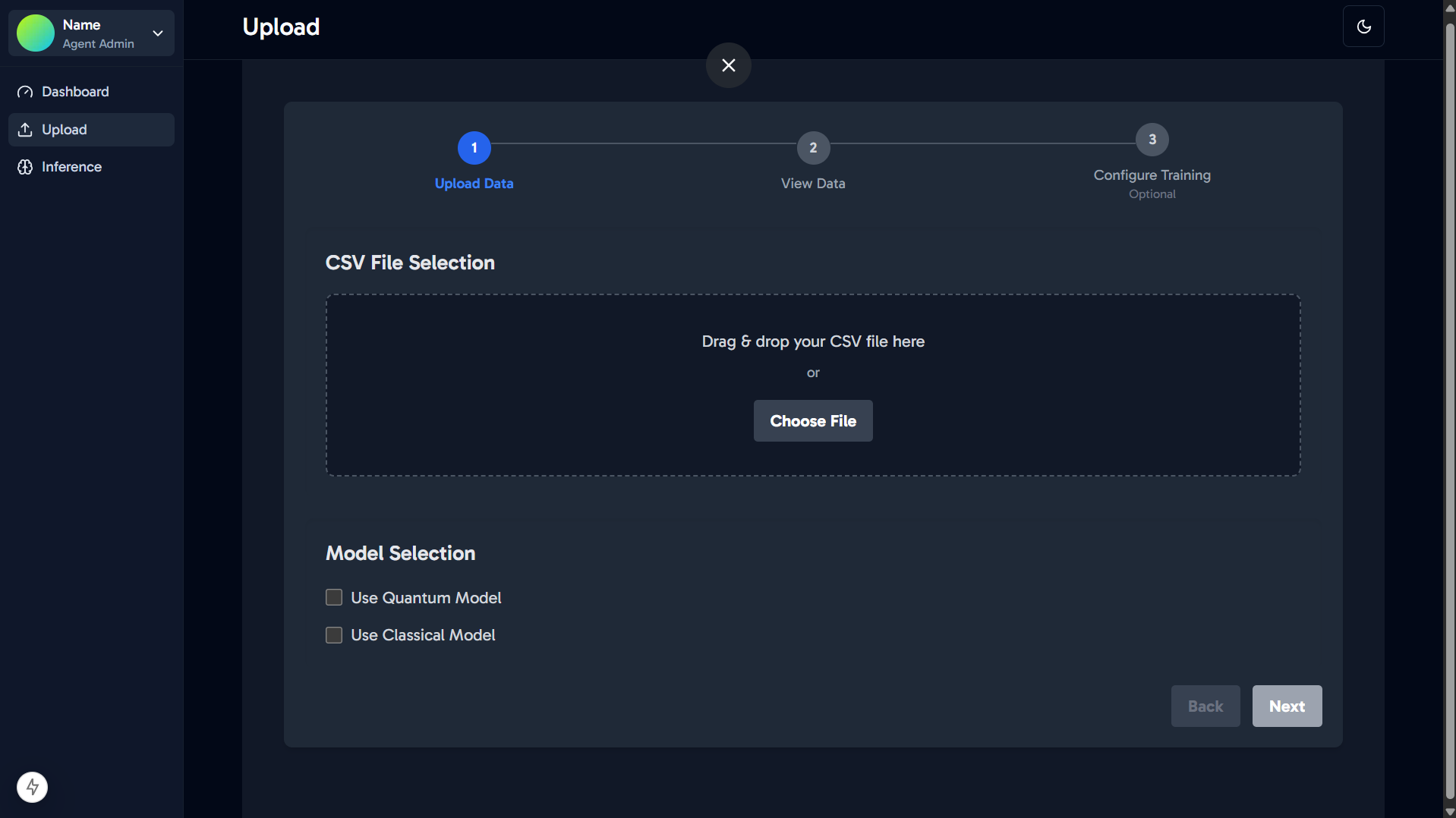
User can upload a custom dataset which the model will then be trained on.
-
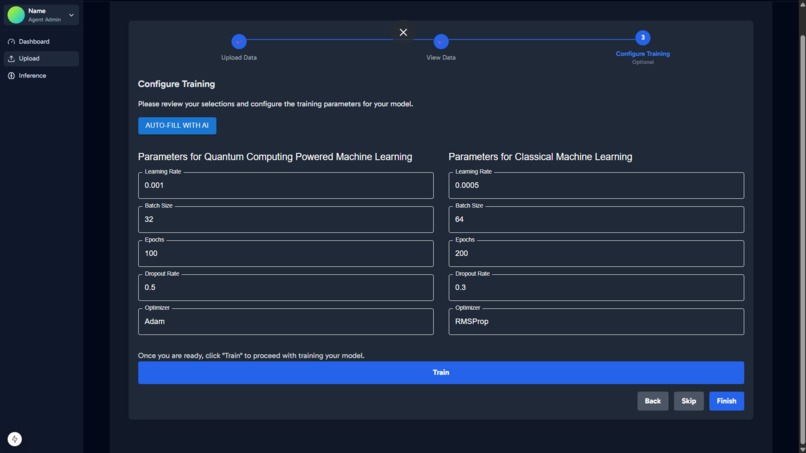
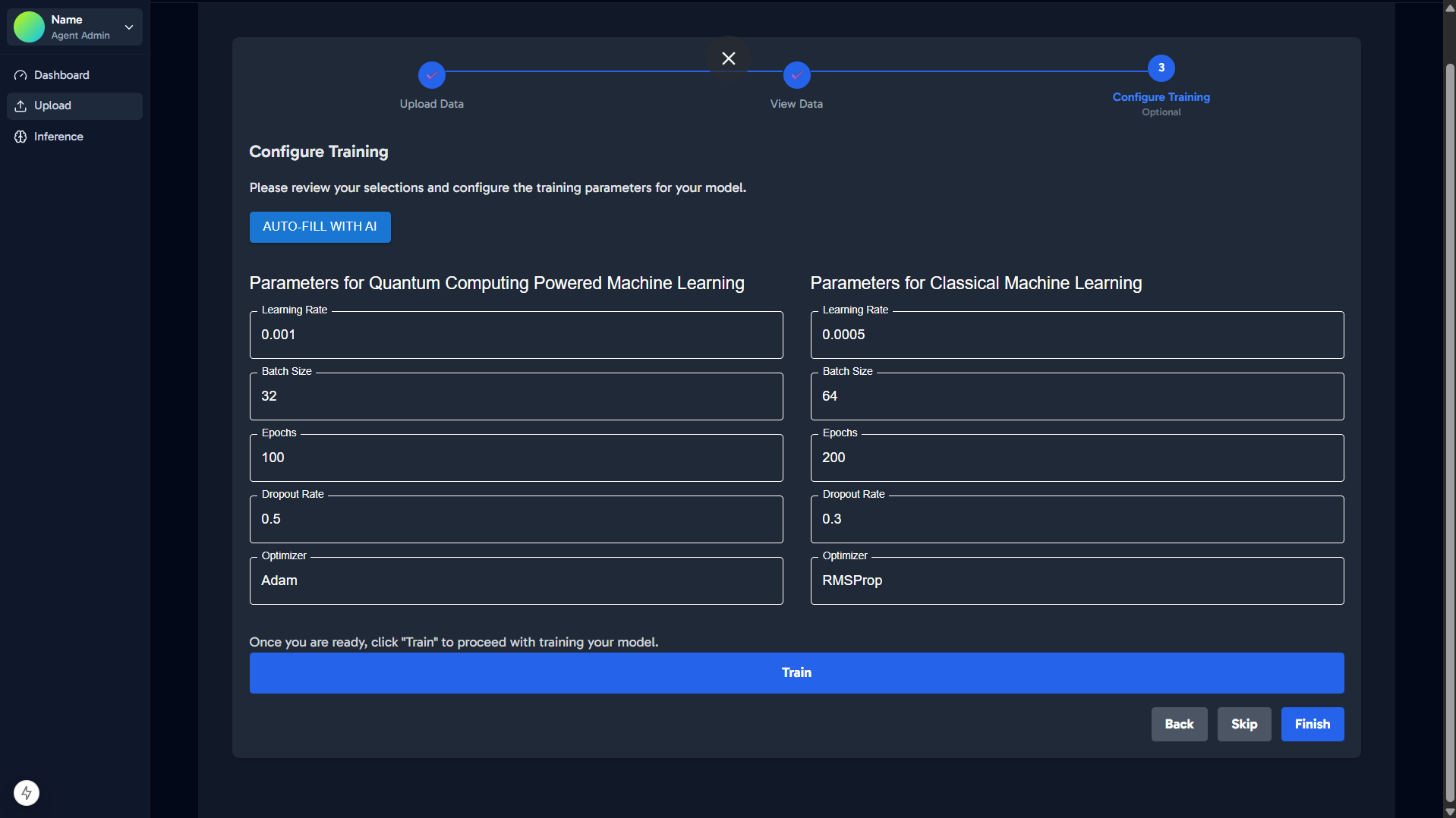
User can automatically train a model based on the dataset that they upload.
-
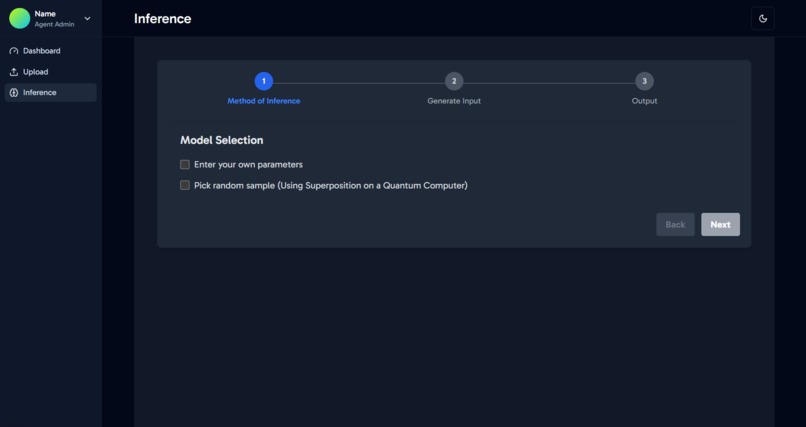
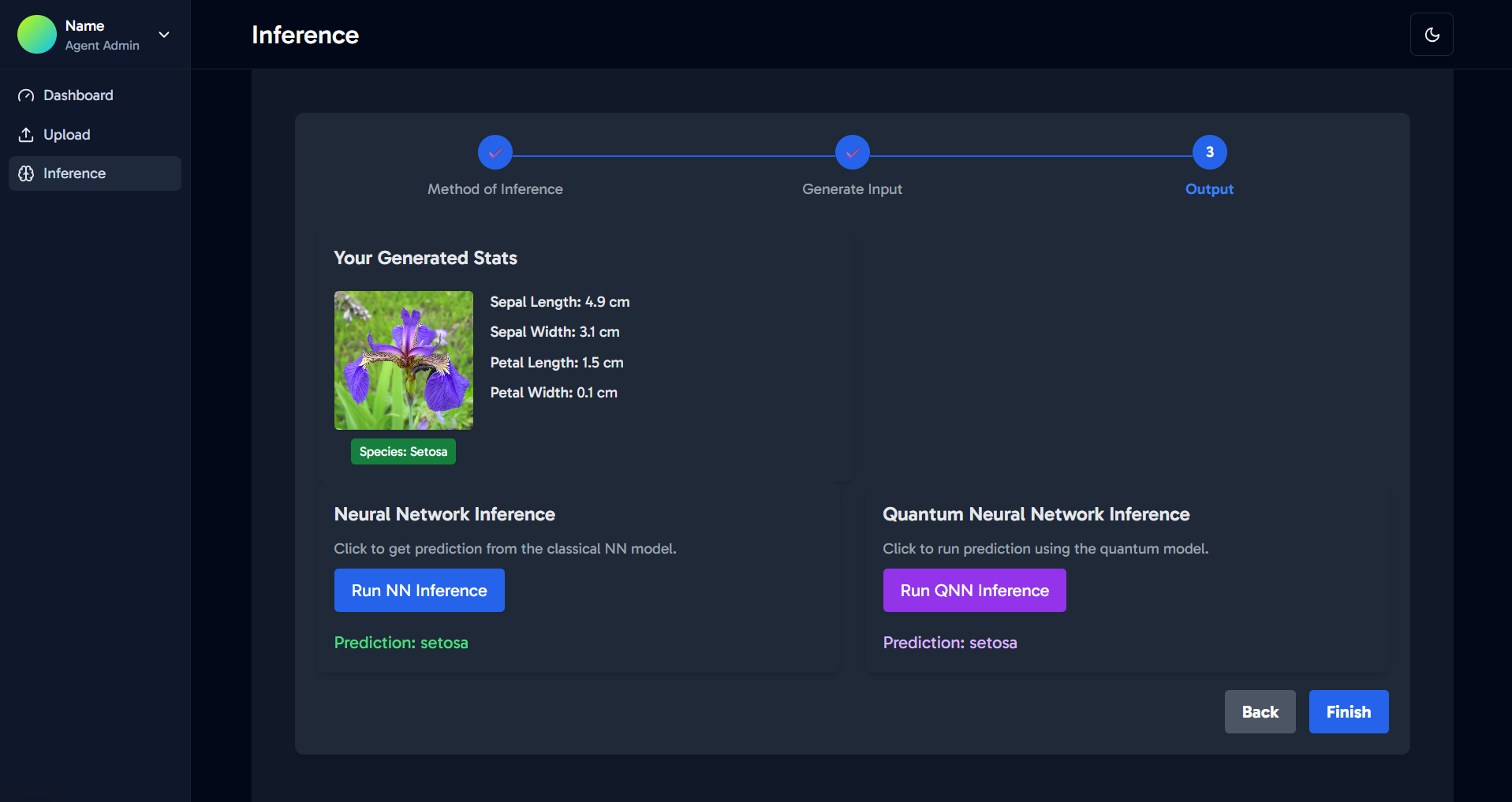
User can make predictions on new examples using trained model.
-
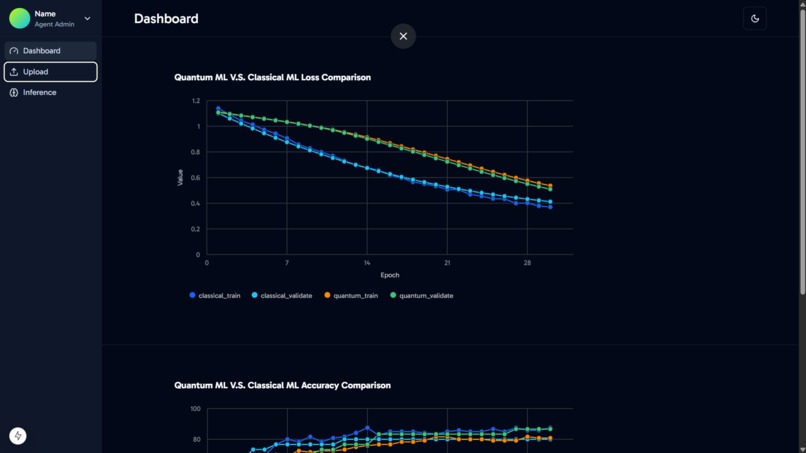
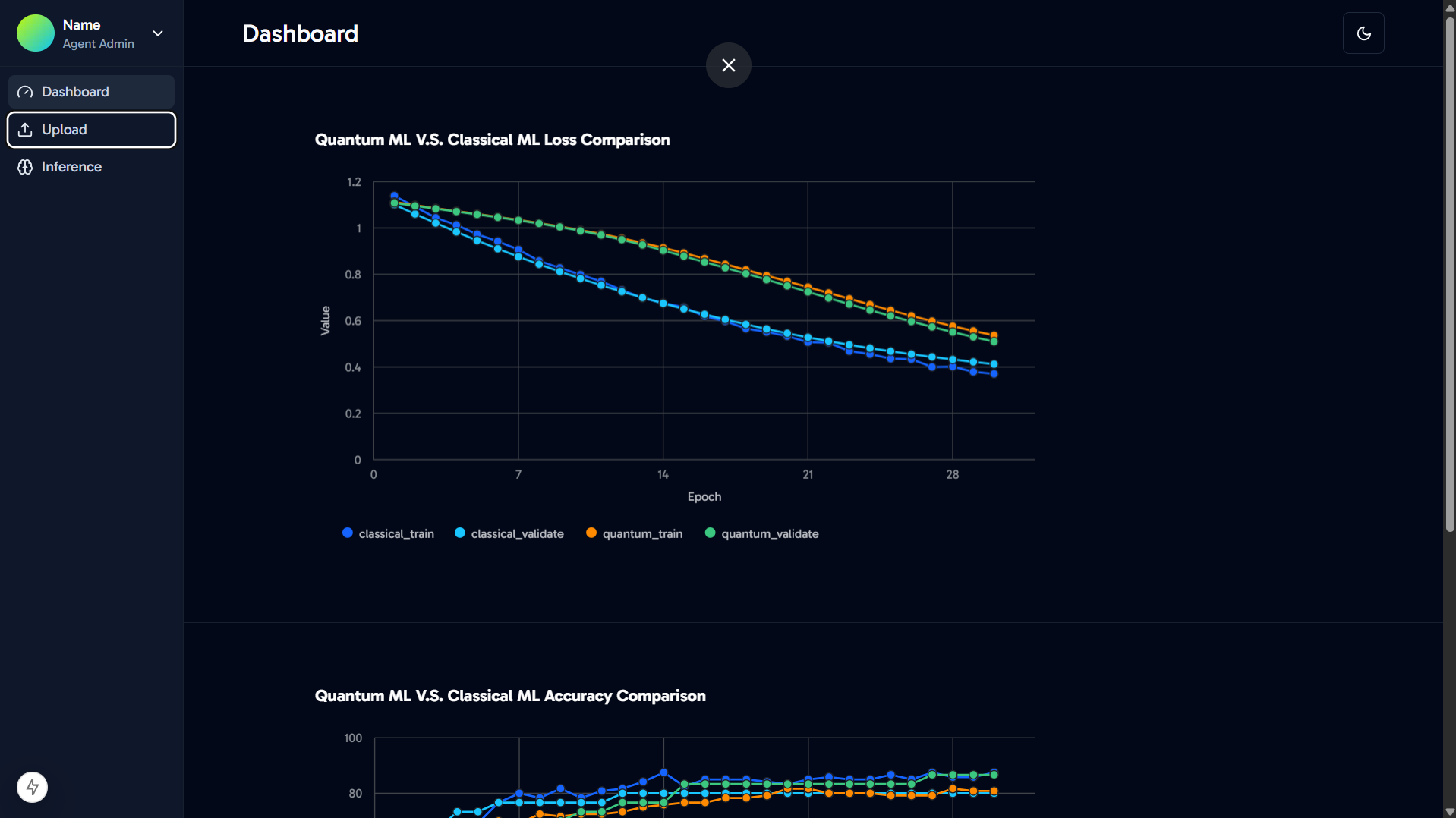
User can visualize model training statistic and compare between different methods.
-
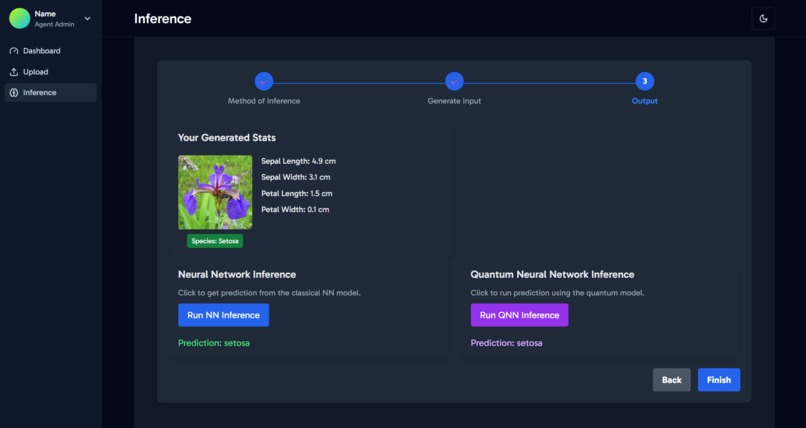
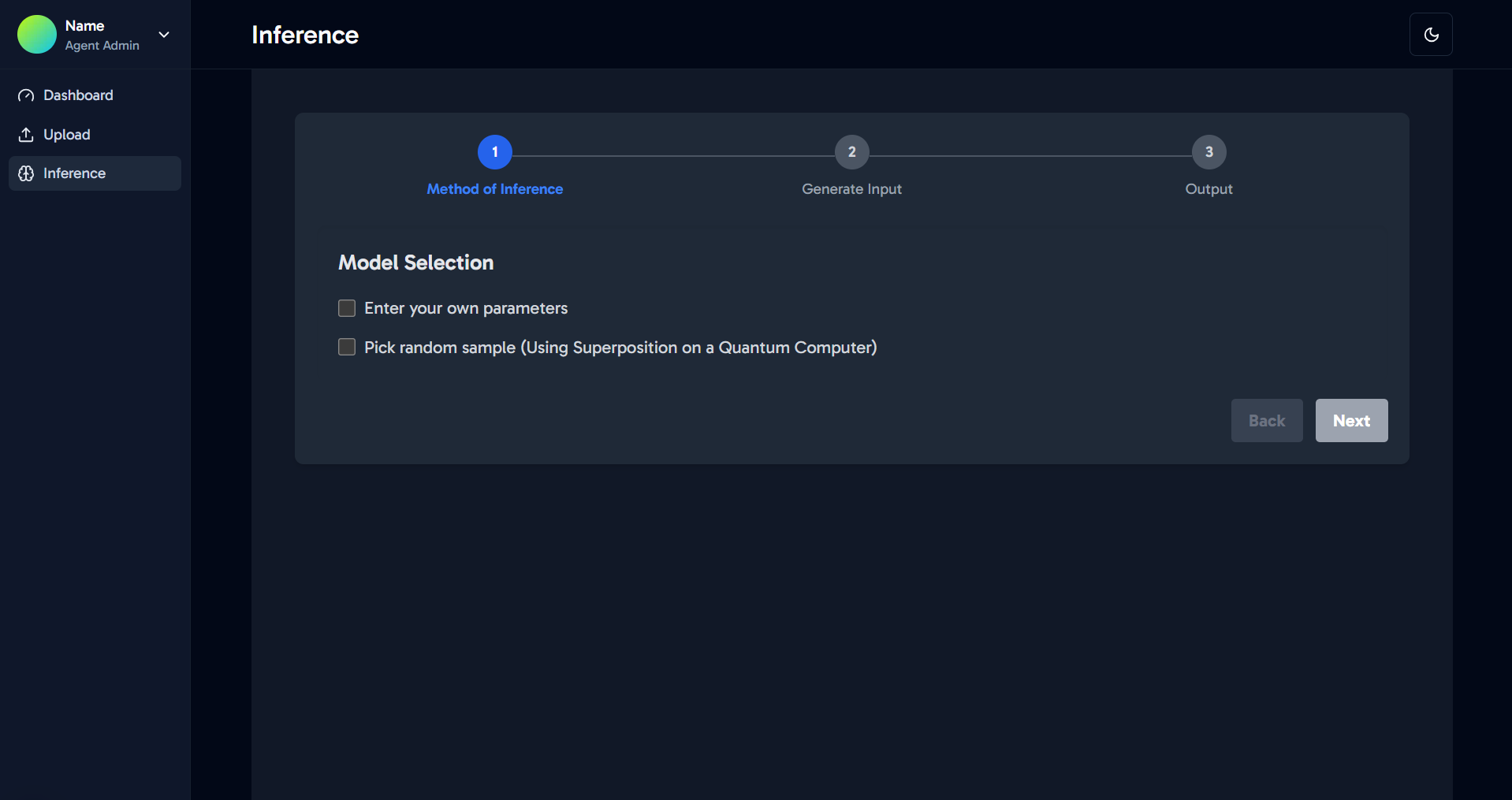
User can make predictions on random samples generated using qubits and make predictions using trained models.
-
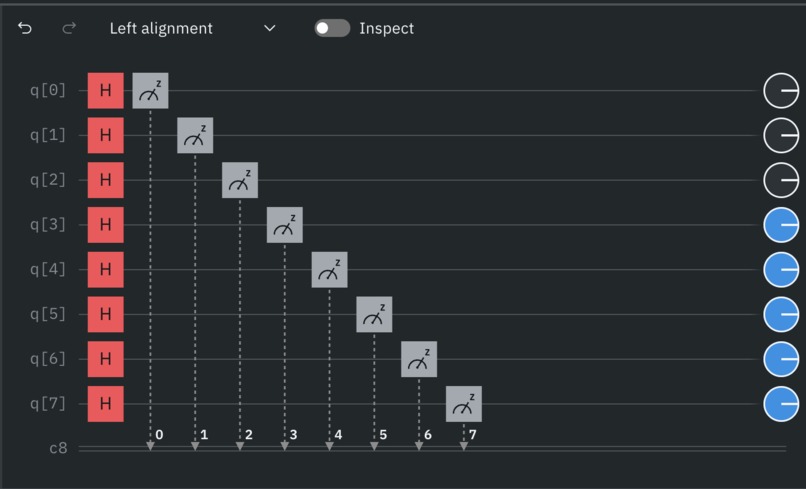
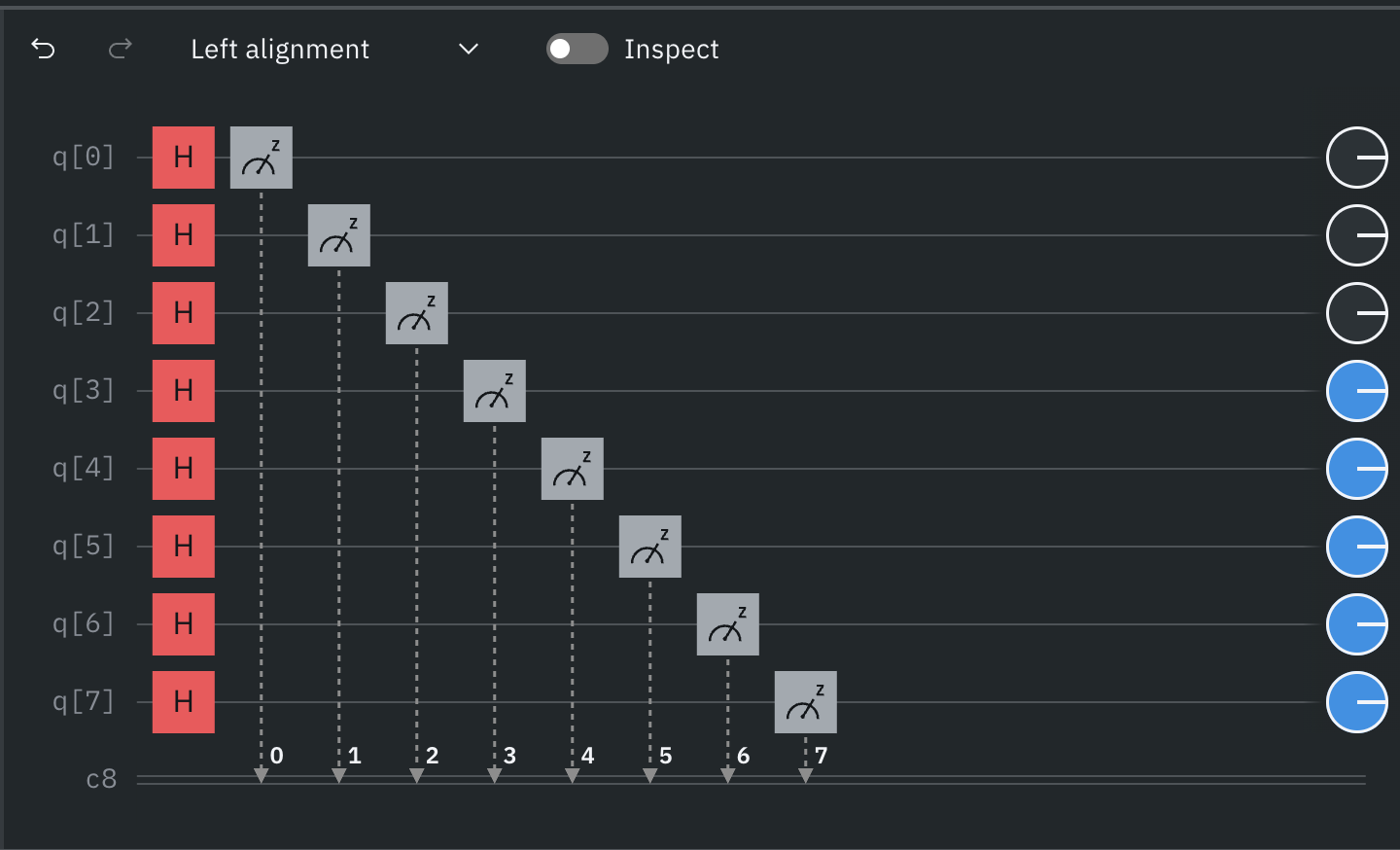
Quantum Circuit Diagram for generating random numbers to sample.
Inspiration
A.I is the future, but quantum computing is even further beyond 🤌. We built this project to open the door to the future for everyone. We believe the amazing power of machine learning with quantum computing shouldn't be just for experts. It's about empowering anyone to easily explore their data, uncover insights, and help build a smarter future, simply by dragging, clicking, and discovering.
What it does
The program's primary purpose is to provide a user-friendly platform for quantum machine learning experiments. It streamlines the process from raw data to model training and inference, making advanced quantum computing algorithms more accessible, even for users who may not have deep coding knowledge. It acts as a guided, full-stack environment for building and deploying machine learning models powered by quantum computing based algorithms.
How we built it
In the Front-end, we used Nodejs, React, and Nextjs. In the back-end, we used Flask, Python, Qiskit and Pytorch.
Challenges we ran into
Originally, we wanted to implement a linear equation solver using the HHL algorithm which gives a good and fast approximation of Ax = b. This would allow us to solve systems of linear equations specifically for linear regression and other machine learning applications. However, the algorithm required high-fidelity qubits (about 5 of them for our application) but the best modern systems to date can only support about 2, hence we had to pivot.
Accomplishments that we're proud of
We were able to interact with real Quantum computing hardware through the Qiskit API and measure physical Qubits.
What we learned
We learned how to use Qiskit and it's API pretty fast and got the hang of it. This rapid understanding didn't just save us time; it truly unlocked our capabilities, allowing us to dive deep into the fascinating world of building intricate quantum circuits and implementing sophisticated quantum machine learning algorithms, far quicker and with more confidence than we had initially anticipated.
What's next for quAntIfy
-add more user friendly features to the UI, especially for non-technical personas.
-make our quantum computing algorithm runtime faster
-explore more quantum computing algorithms


Log in or sign up for Devpost to join the conversation.