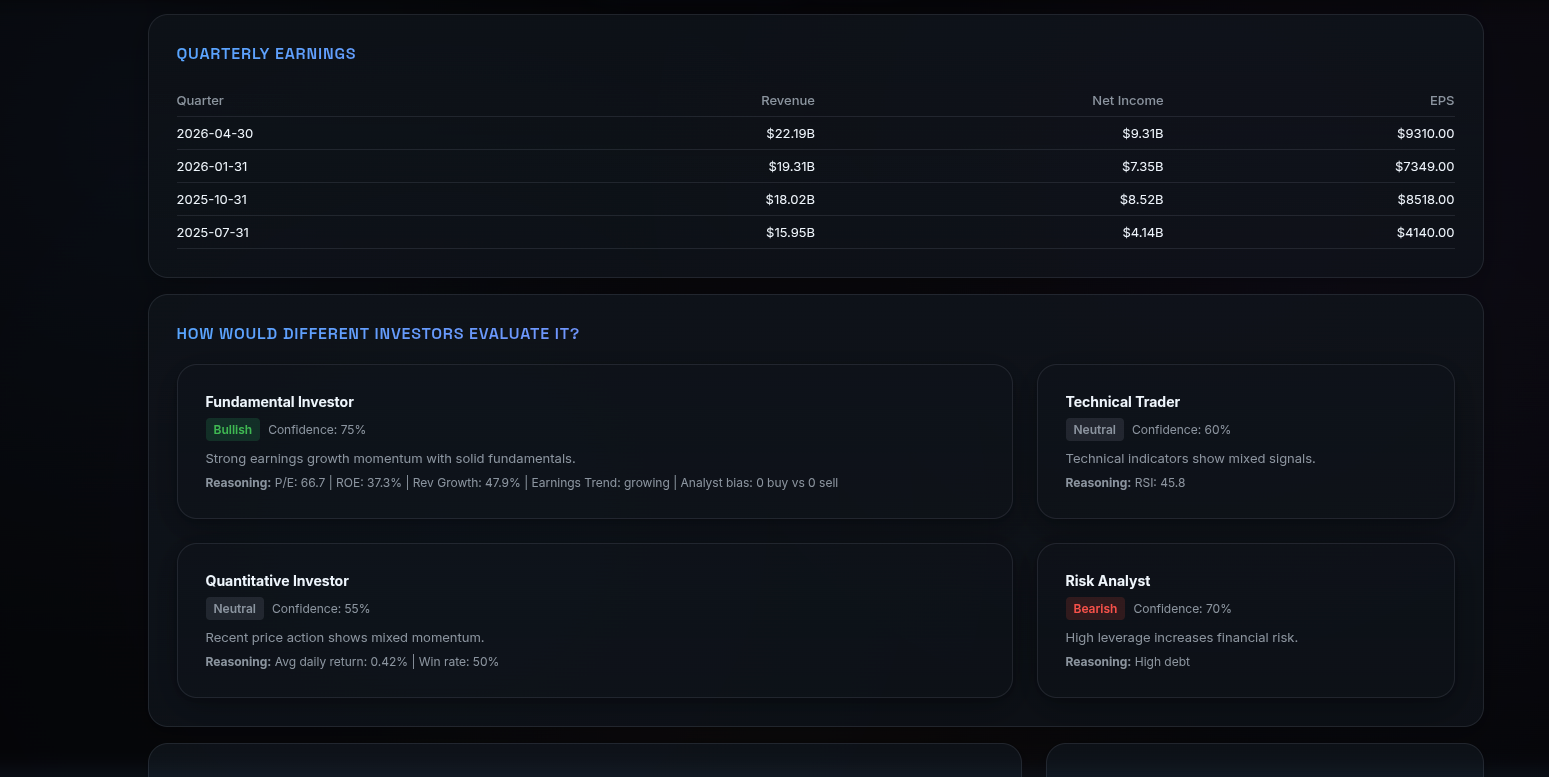
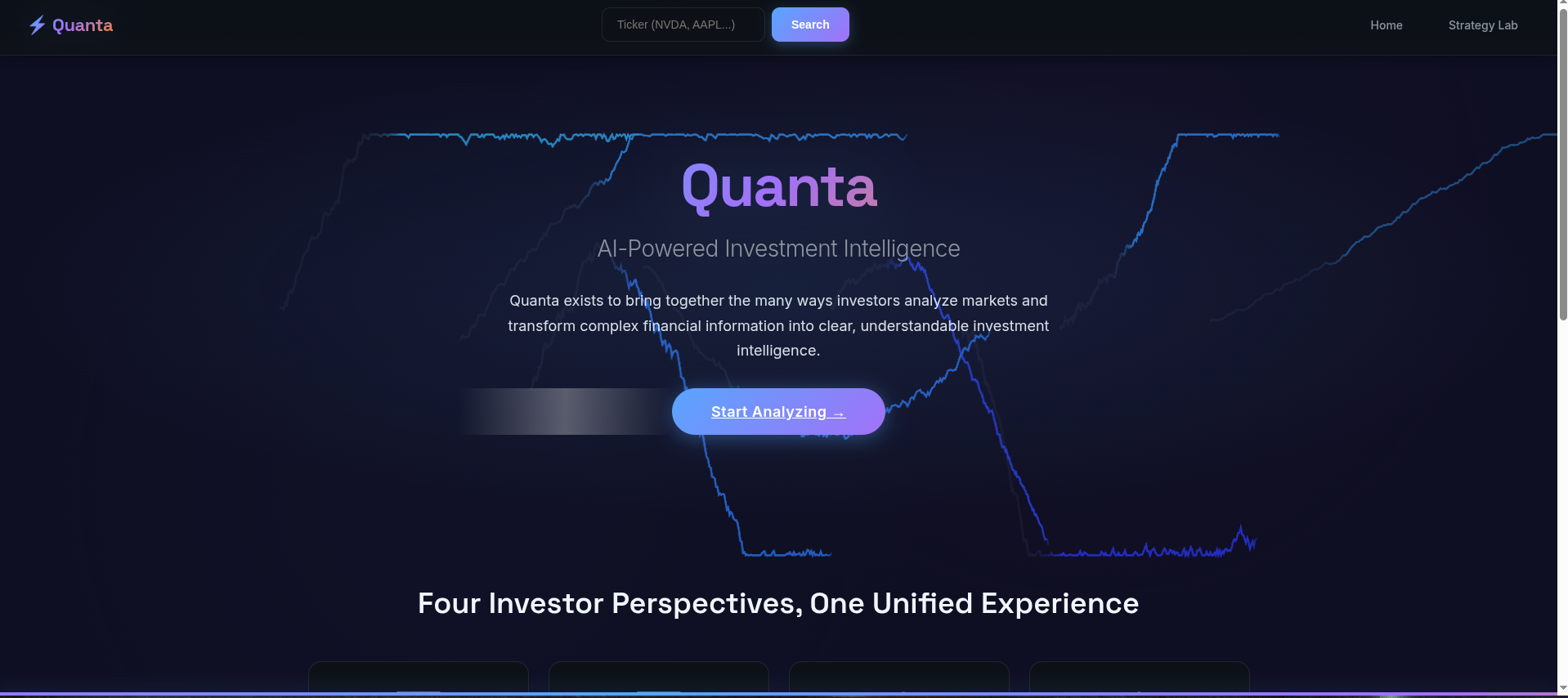
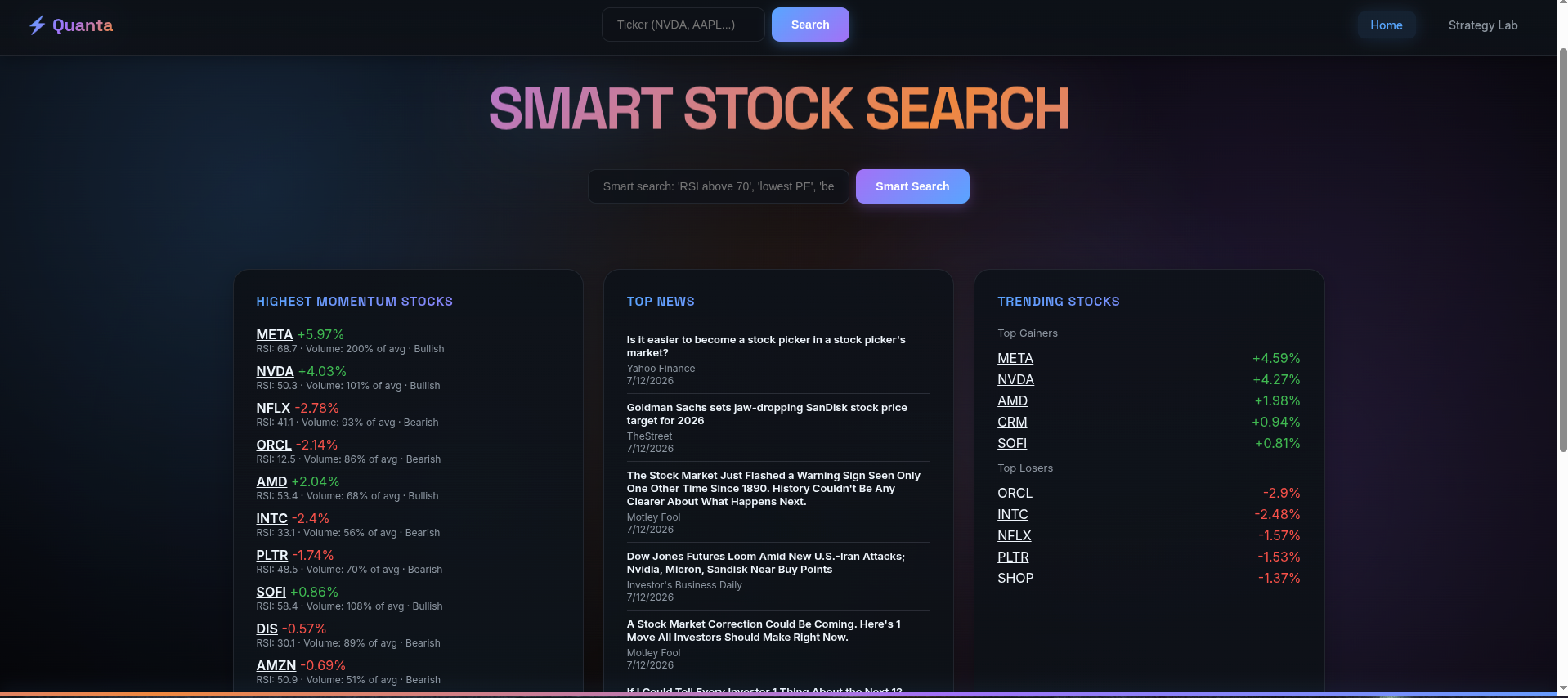
What Inspired Us We noticed that whenever someone wants to get into the stock market, they are immediately hit with a wall of confusing numbers, charts, and news. Most platforms are either too dumbed down to be useful or so complicated that you need a finance degree to understand them.
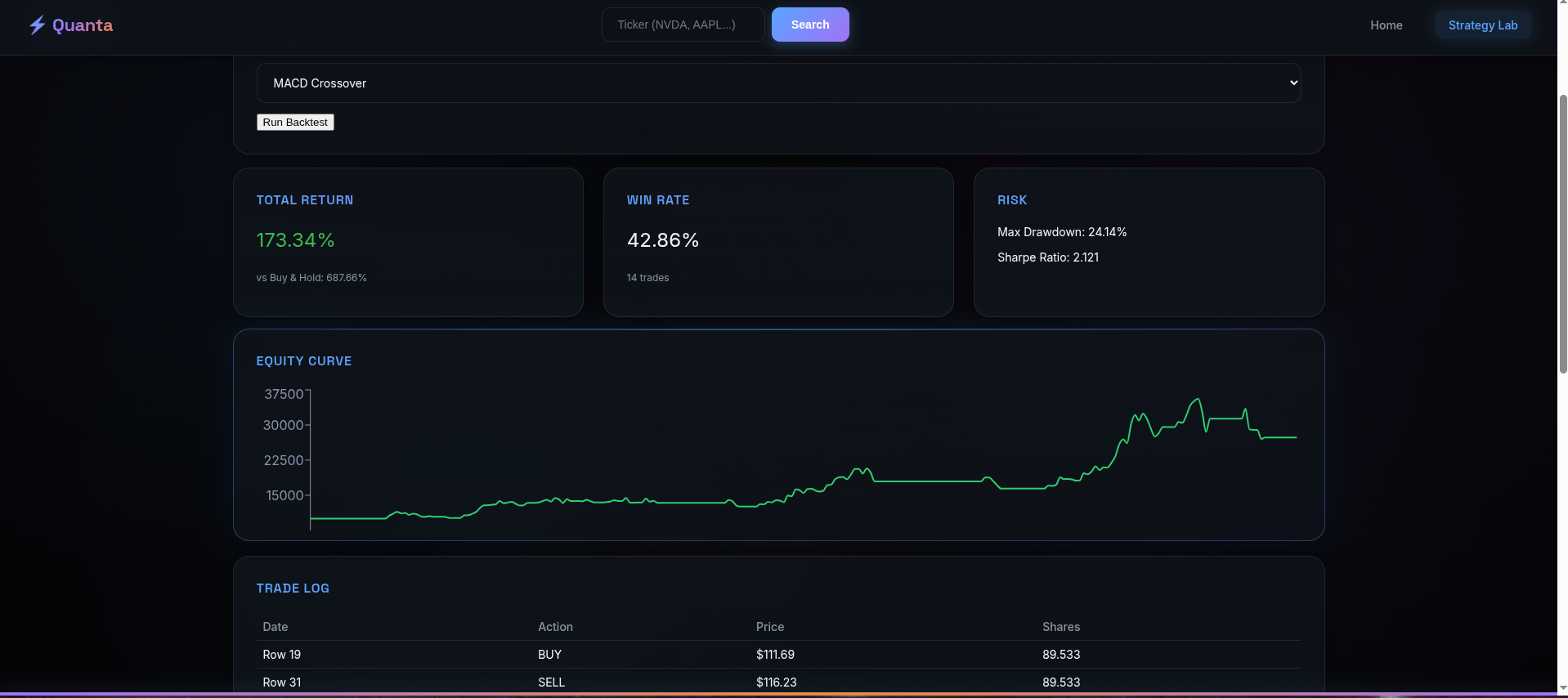
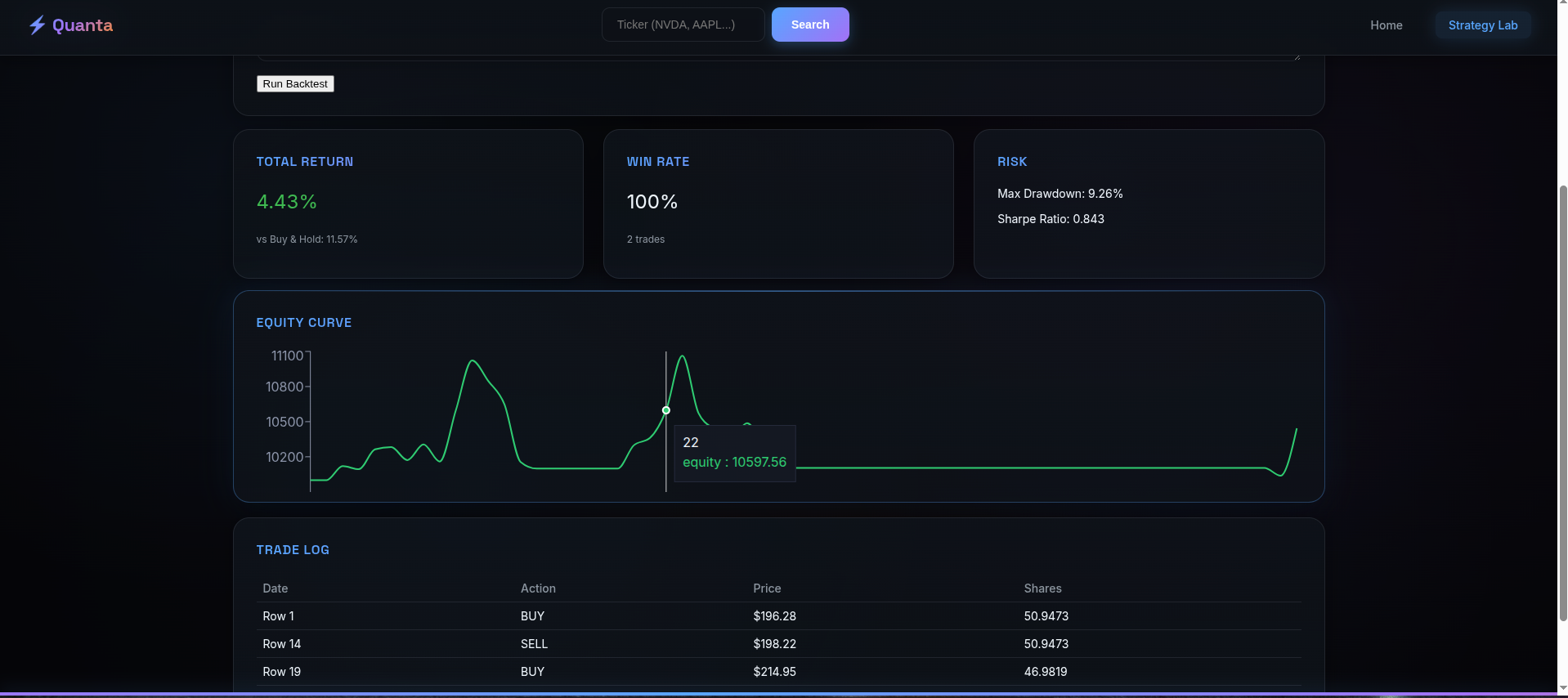
More importantly, if you want to test a trading strategy to see if it actually works, you historically have to write tedious Python programs using libraries like Pandas from scratch. It takes forever and requires serious coding knowledge. We wanted to build a tool that solves both problems—translating real market data into plain English and letting users backtest their ideas without writing a single line of code.
How We Built It We built the app as a modular full-stack application:
Frontend: React combined with TailwindCSS for a clean, fast user interface.
Backend: A Flask engine in Python that handles all our data calculations and scraping.
Database: PostgreSQL used to cache historical data and keep load times fast.
Data Sources: We pulled real-time stock history and live articles straight from yfinance.
AI Layer: Instead of paying for expensive cloud APIs, we ran a local version of the Phi-3 Mini model using Ollama to generate quick text summaries that answer core investor questions.
Challenges We Faced Data consistency was our biggest headache. Financial APIs love to return messy, unpredictable JSON structures, and network errors happen all the time. We had to build a custom data pipeline to parse through nested responses, extract clean URLs, and normalize completely different date formats into standard Unix timestamps.
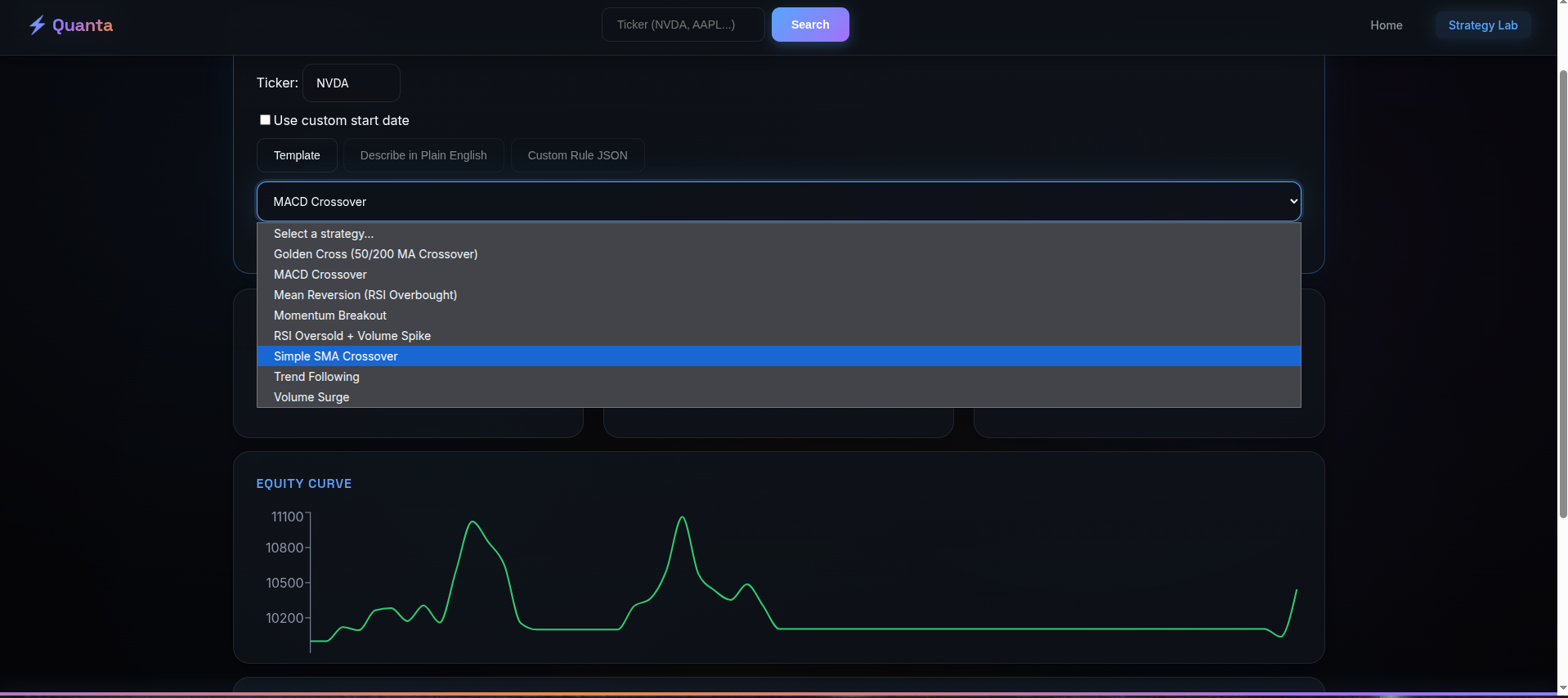
Building the Strategy Lab was another major hurdle. Turning the complex logic of writing Python backtesting scripts into a backend engine that can take a simple, plain-English sentence and process years of historical data in milliseconds took a lot of trial and error.
We also hit hardware limitations trying to run AI locally. We couldn't just throw a massive enterprise model at our computers without crashing them or running up huge cloud bills. Choosing a lightweight, local model like Phi-3 meant we had to get creative with our prompts to get structured data back quickly without melting our CPUs.
What We Learned We learned how to handle messy real-world data pipelines and how to turn hardware constraints into smart design choices. More importantly, we learned that good software isn't just about collecting data, it is about making that data actually make sense to the person using it.
Built With
- css3
- flask
- html5
- javascript
- json
- llm
- natural-language-processing
- ollama
- phi-3
- postgresql
- python
- react
- tailwind-css
- yfinance


Log in or sign up for Devpost to join the conversation.