Inspiration:
Our inspiration came from everyday struggles: choosing what to wear and managing a busy day. We wanted one assistant that could understand simple requests, remember useful details, and help with daily routines. That idea grew into AURA, with a future vision of connecting it to ORBIT, a robot that can provide physical assistance.
What it does:
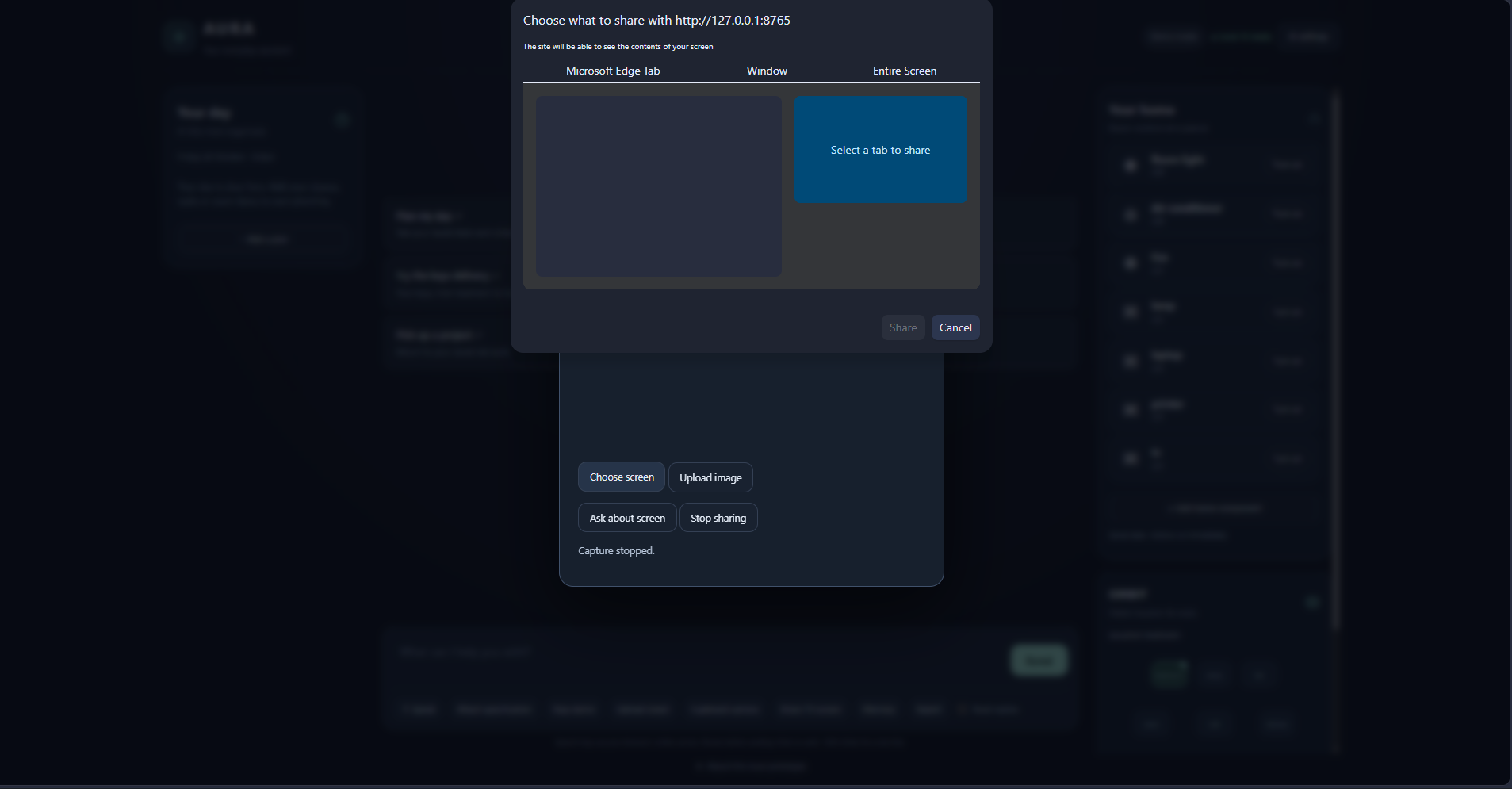
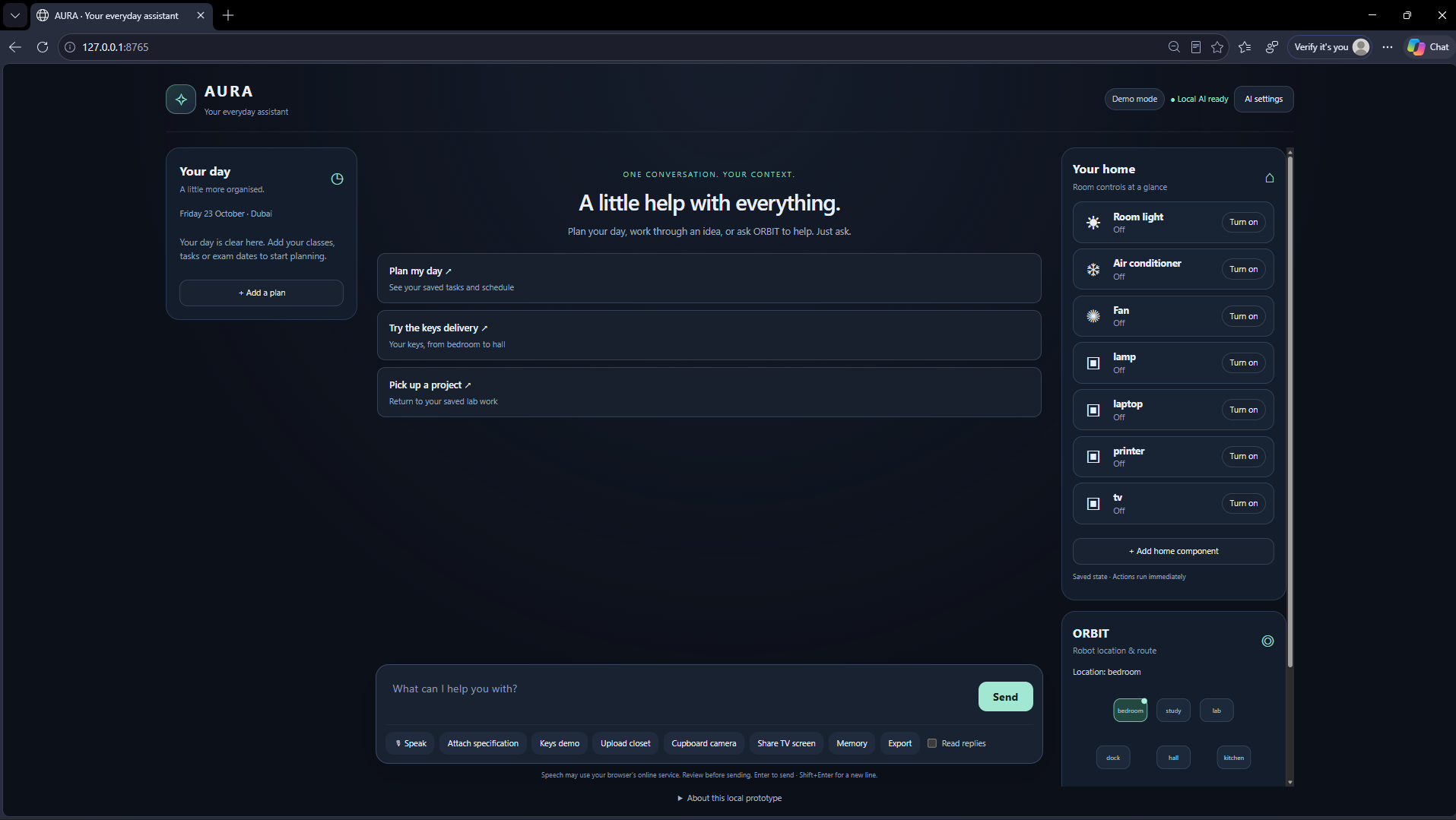
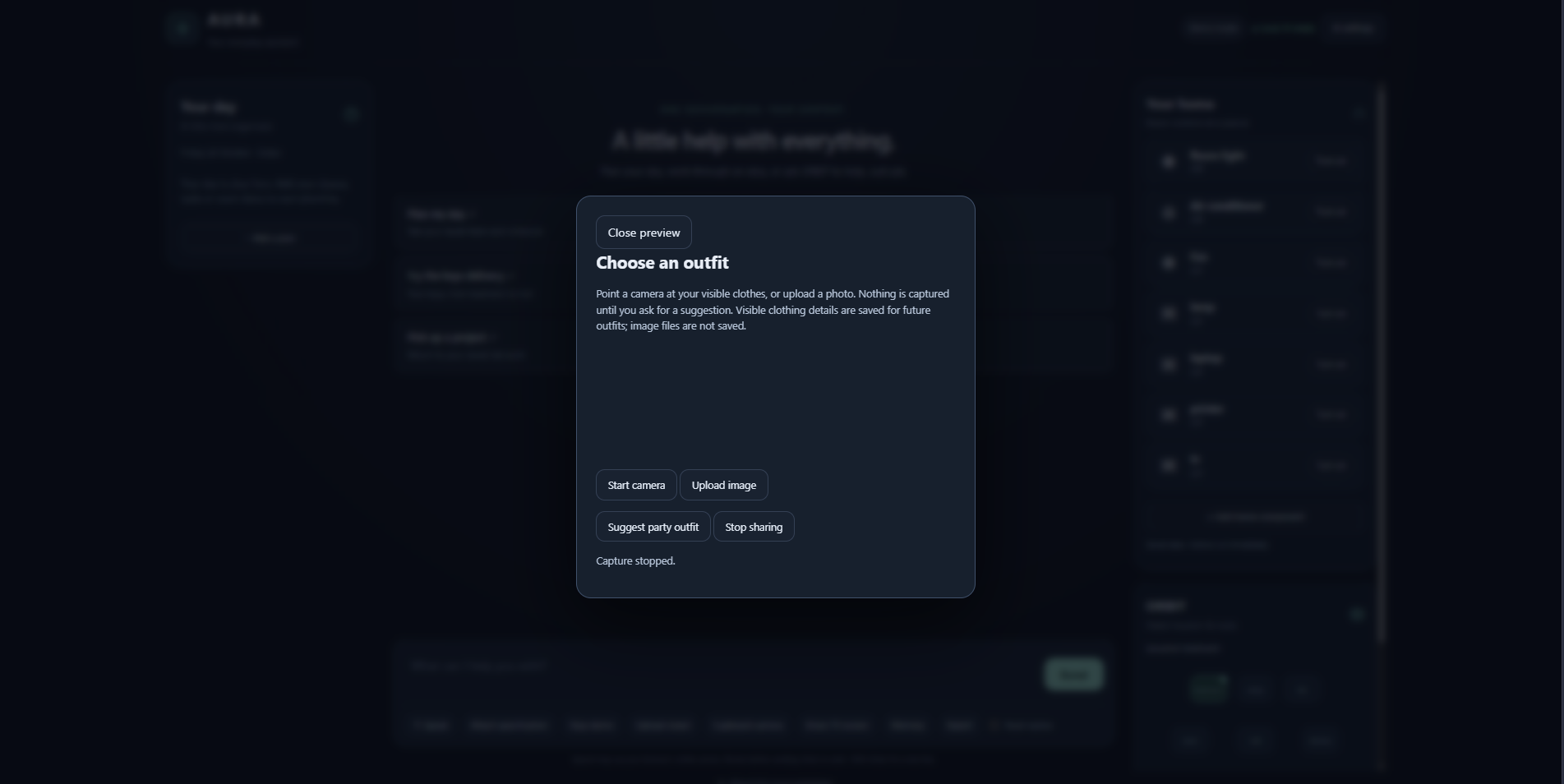
AURA brings day planning, meeting reminders, outfit suggestions, home controls, and robot mission planning into one conversation. It remembers reported locations and asks for missing information. For example, if you ask ORBIT to bring your bottle, it uses the bottle’s saved location or asks where you left it. Our prototype includes simulated home controls and robot deliveries, plus local AI support for cupboard images and shared video frames. Real Alexa and robot connections are planned for the future.
How we built it:
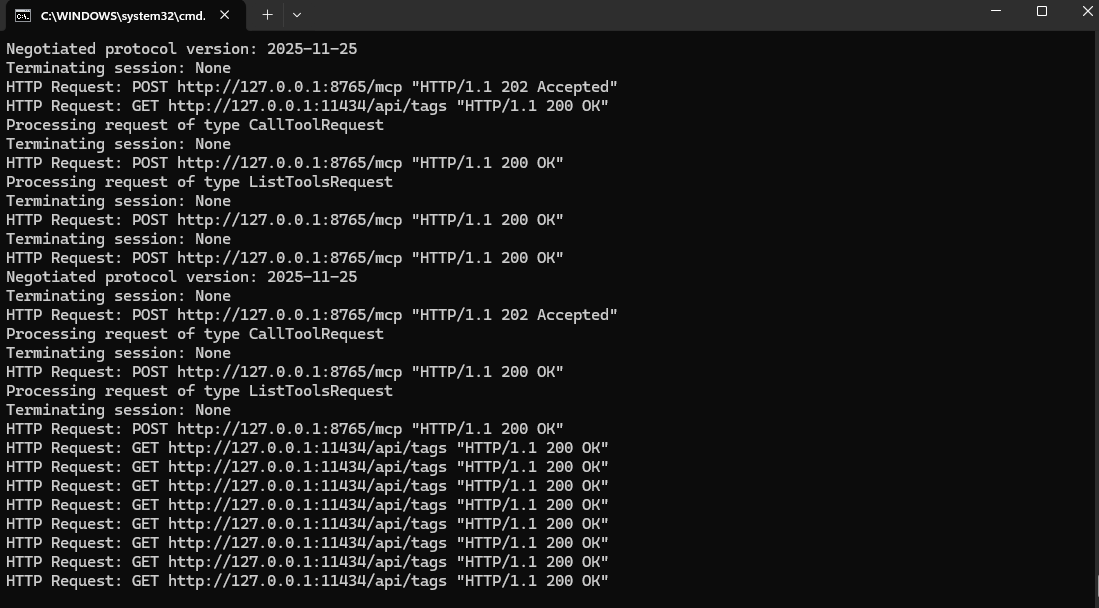
We built AURA using Python, an MCP server with Streamable HTTP, SQLite for persistent memory, and a simple web interface. Local Ollama models support natural-language responses and image understanding. The MCP tools connect the assistant to its capabilities, including planning, memory, home controls, and ORBIT’s delivery workflow. We also added confirmation steps and automated tests to check that actions behave as expected.
Challenges we ran into:
Coding and connecting the different parts were our biggest challenges. We had to make conversational memory useful, handle incomplete requests, and keep the interface simple while adding several capabilities. Setting up local AI models, troubleshooting errors, and testing the complete experience also took time. Joining the hackathon late made prioritization especially important.
Accomplishments that we're proud of:
We are proud that we completed a working prototype on time despite joining the hackathon late. We brought several useful capabilities into one assistant and tested them together. Most importantly, we created something with the potential to help people manage their routines and, eventually, receive physical assistance through robotics.
What we learned:
We learned how MCP servers expose tools to an AI assistant and how persistent memory supports more natural conversations. We also explored how Alexa works and how AI-powered services could connect to it. The project taught us the importance of testing, clear communication, and distinguishing a working prototype from a real-world integration.
What's next for QuadRacers:
We plan to make the MCP server more capable, reliable, and easier for Alexa to use. We want to improve conversational understanding, expand supported devices, and strengthen privacy and user control. Our longer-term goal is to build ORBIT as a physical helper robot and integrate it with Alexa—so a spoken request can eventually become a useful, safely executed action in the real world.
Built With
- mcp-server
- ollama
- python
- steamable-http
- visual-studio

Log in or sign up for Devpost to join the conversation.