




Inspiration
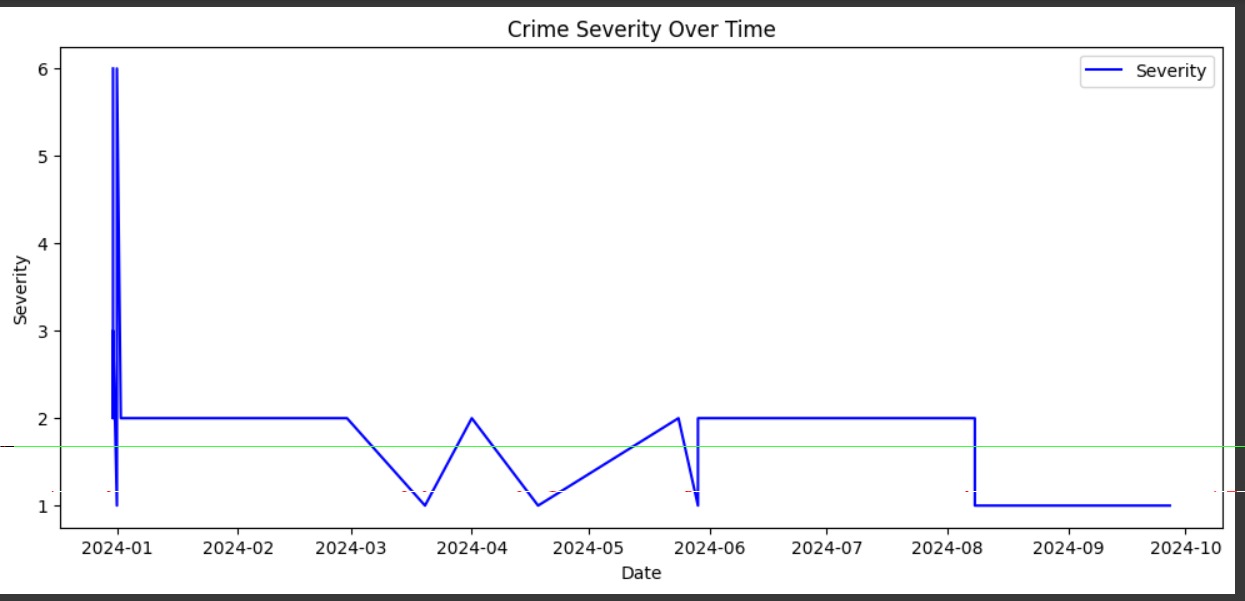
Crime prediction is a critical aspect of public safety and law enforcement. This project was inspired by the need to analyze historical crime data to understand current crime severity levels in New York City (NYC). By leveraging AI, this model aims to provide insights that help law enforcement agencies allocate resources effectively and enhance crime prevention strategies.
What I Learned
During this project, I gained valuable experience in:
- Crime Data Analysis: Understanding crime trends, severity levels, and their influencing factors.
- Feature Engineering: Identifying key attributes from past crime data that influence current severity.
- Machine Learning for Classification: Applying models to categorize crime severity.
- Data Preprocessing: Cleaning data, handling missing values, encoding categorical variables, and normalizing features.
- Model Evaluation: Measuring performance using classification metrics like accuracy, precision, recall, and F1-score.
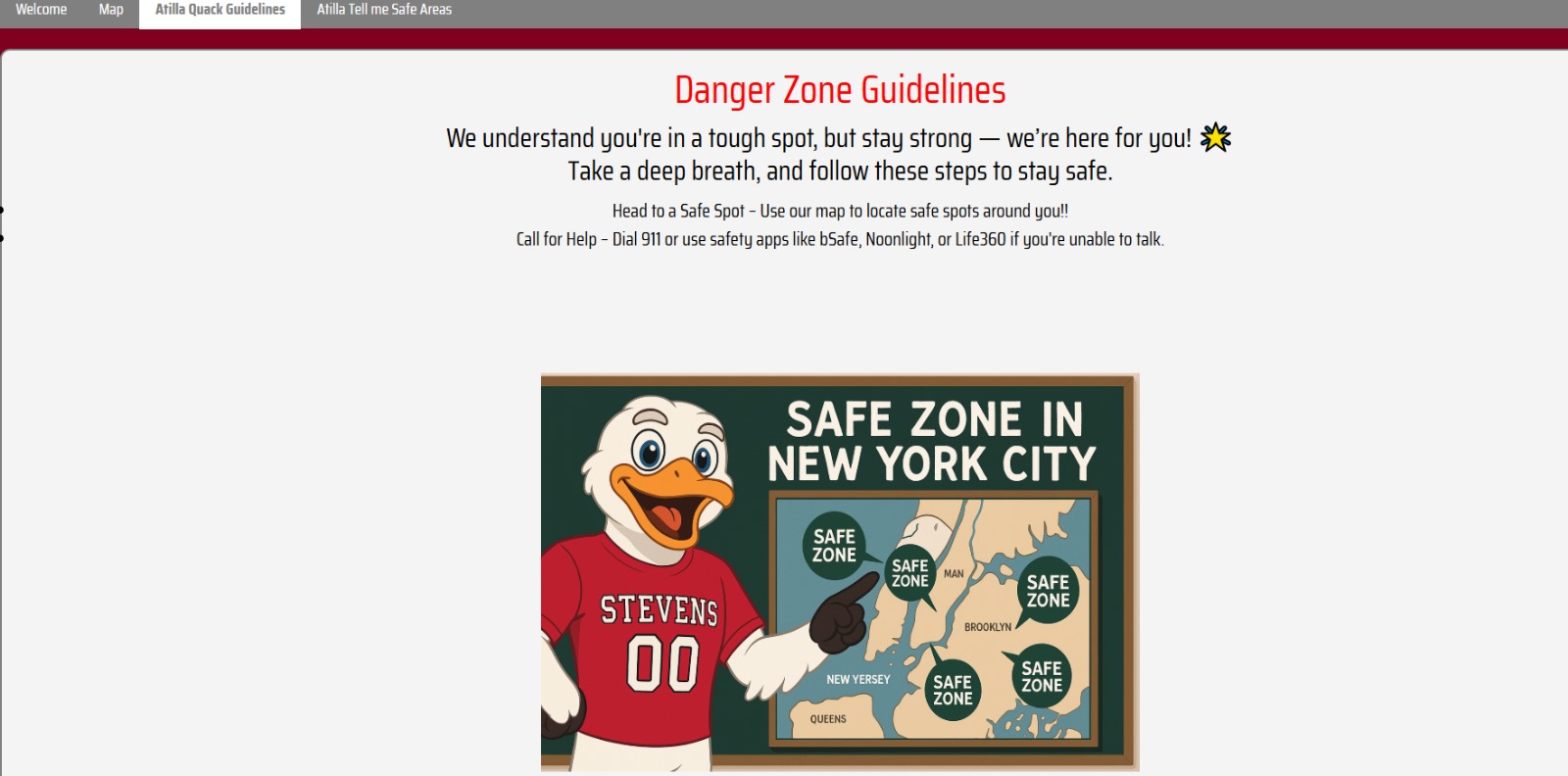
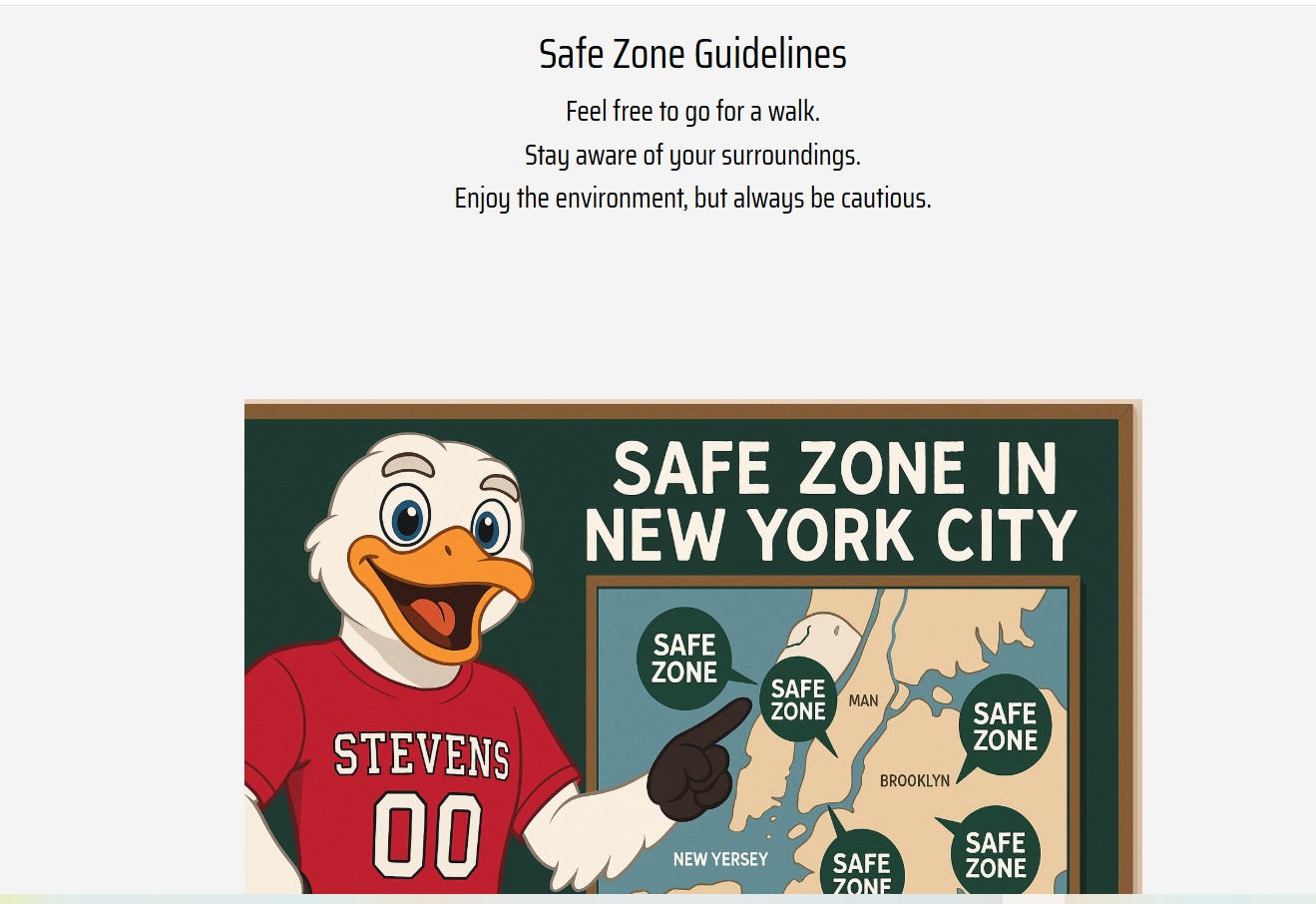
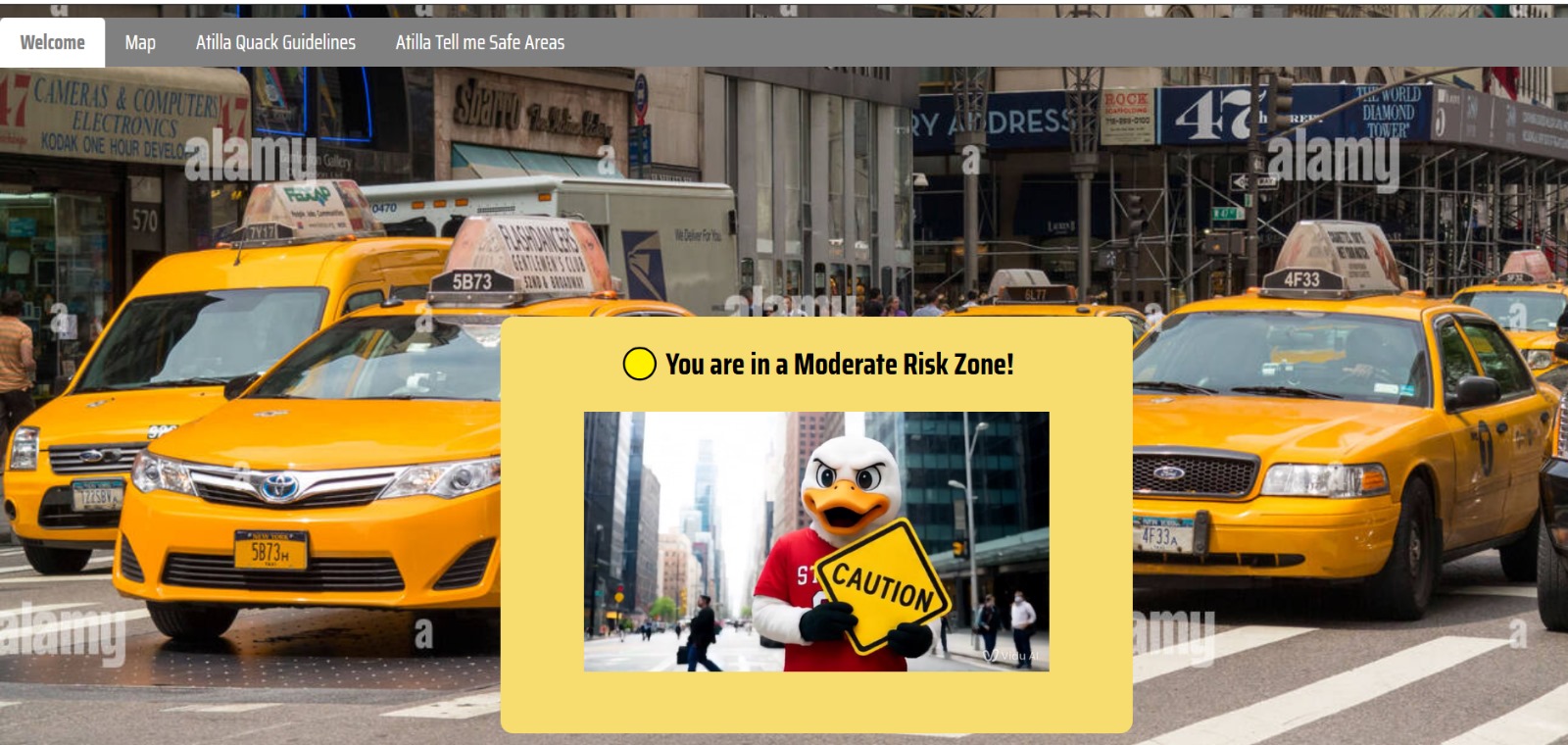
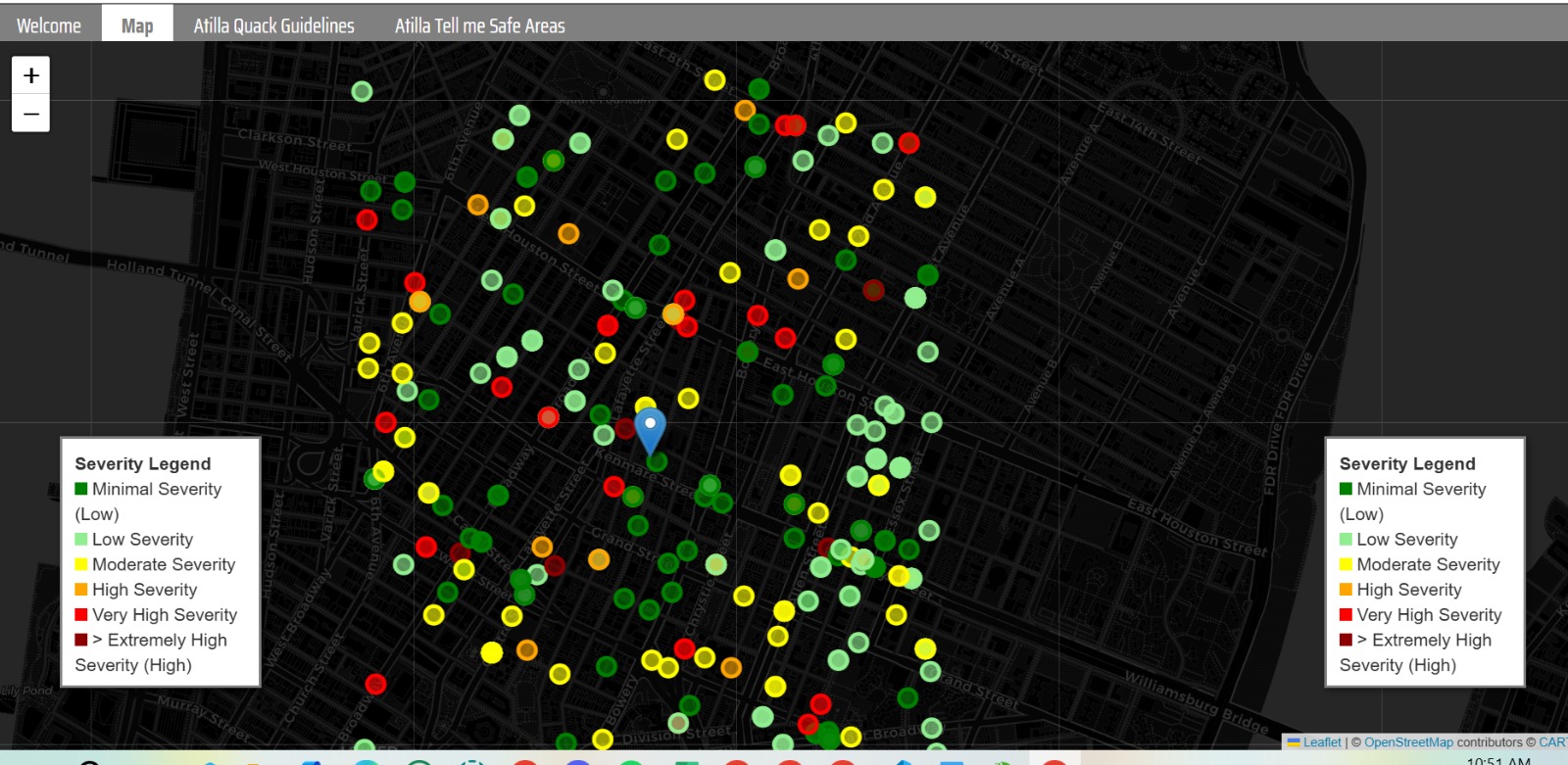
- Data Visualization: Creating heatmaps to highlight high-risk areas and severity distribution across NYC.
How I Built It
- Dataset Acquisition: Collected historical NYC crime data, including crime type, severity, and location.
- Data Preprocessing:
- Handled missing values and inconsistencies in reports.
- Encoded categorical variables such as crime type and location.
- Normalized numerical features for better model performance.
- Handled missing values and inconsistencies in reports.
- Feature Engineering:
- Extracted meaningful features from past crime data to represent current crime severity.
- Created aggregated features based on location and crime frequency patterns.
- Extracted meaningful features from past crime data to represent current crime severity.
- Model Implementation:
- Trained a classification model using past crime data to predict current crime severity.
- Used algorithms such as Random Forest, XGBoost, or Neural Networks for prediction.
- Fine-tuned hyperparameters to optimize accuracy.
- Trained a classification model using past crime data to predict current crime severity.
- Evaluation & Visualization:
- Assessed model performance using classification metrics.
- Generated heatmaps to visualize crime severity across different NYC regions.
- Assessed model performance using classification metrics.
Challenges Faced
- Data Quality Issues: Incomplete and inconsistent records required extensive cleaning.
- Feature Selection: Identifying the most relevant historical data points that influence current severity was challenging.
- Computational Efficiency: Processing large-scale crime data required optimization techniques.
- Model Generalization: Ensuring the model accurately captures crime severity patterns across different areas of NYC.
Ongoing Improvements
- Enhancing User Logic: We are working on making the system more intuitive, providing a sustainable and seamless user experience.
- Future Integration of Time Series Analysis: While the current model uses historical data to predict present severity, we plan to integrate time series forecasting to predict future crime occurrences more accurately.
Future Enhancements
- Incorporate external data sources like weather and socioeconomic factors to improve prediction accuracy.
- Experiment with deep learning techniques for more robust crime severity classification.
- Develop an interactive visualization tool for law enforcement and policymakers.
This project marks an essential step in AI-driven crime severity analysis. By continuously improving the user experience and incorporating time series forecasting, we aim to create a more powerful and sustainable predictive model.
Built With
- css
- data.gov
- excel
- html
- javascript
- python
- springboot


Log in or sign up for Devpost to join the conversation.