
InspirationInspiration
QSAI TV began with a simple frustration: most television players still feel like database viewers. They display channels, movies, and series as long, inconsistent lists, while every provider structures its content differently.
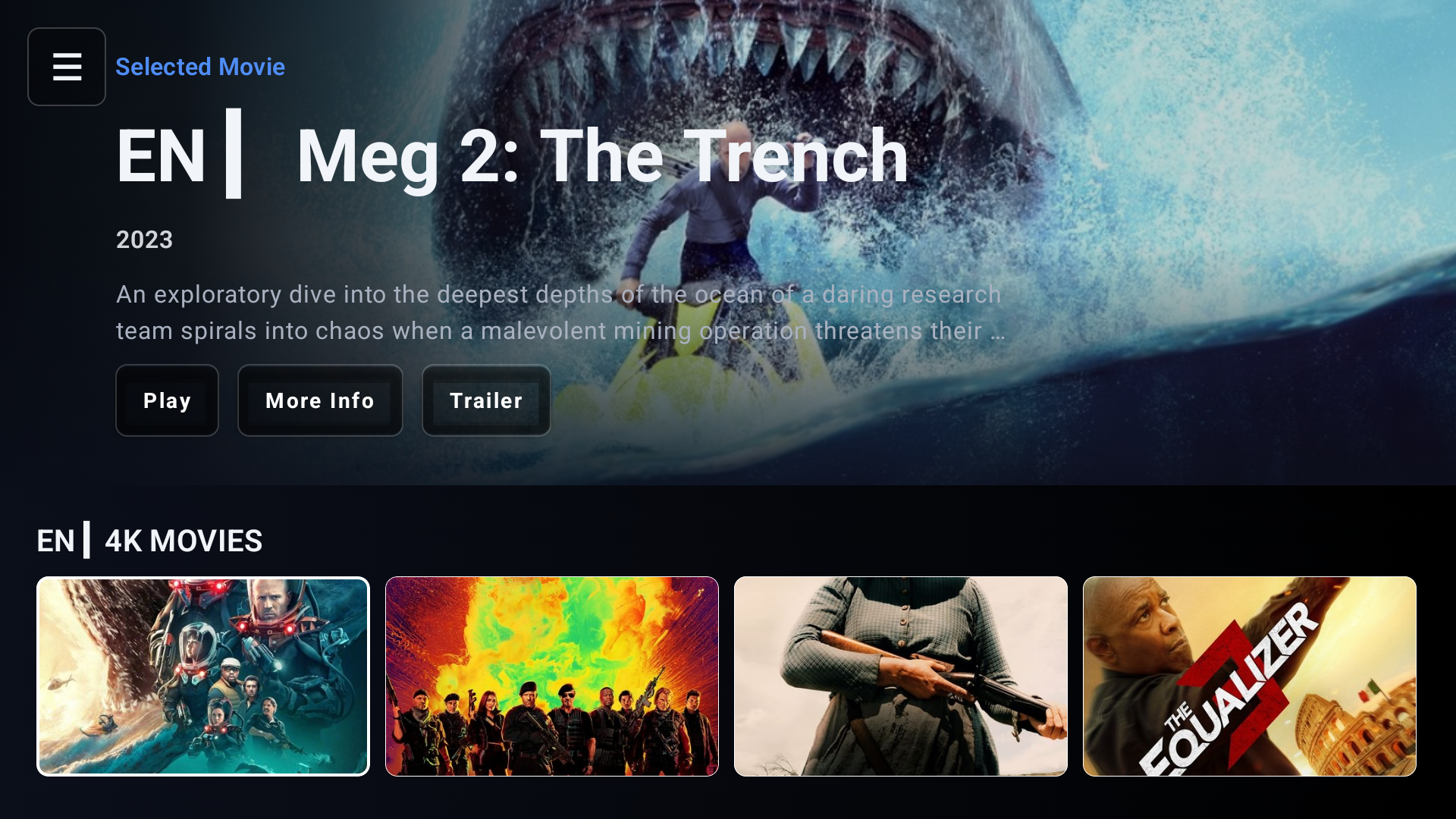
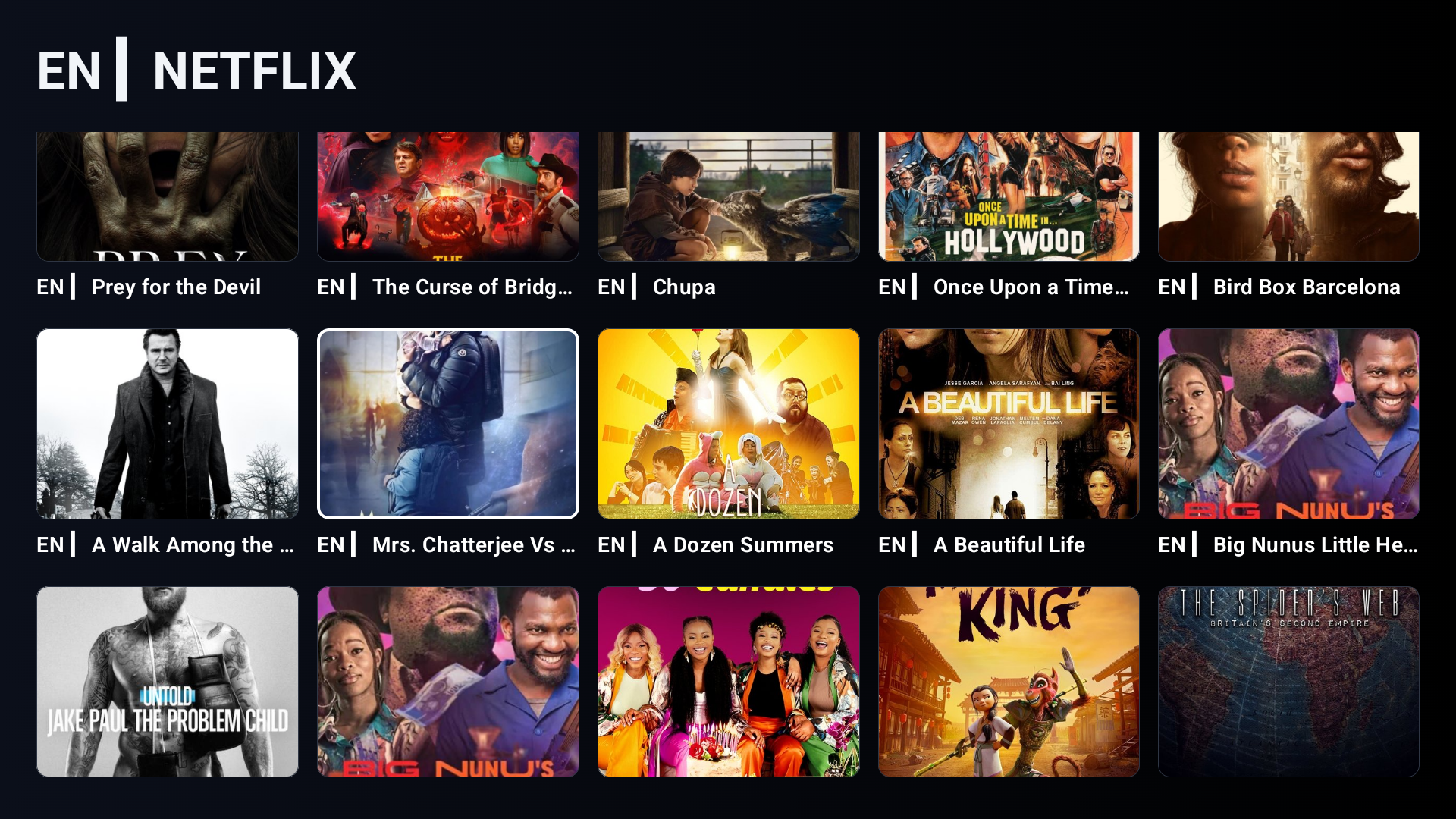
The goal was not to build another IPTV list player. The goal was to create a modern Android TV experience that can take fragmented, inconsistent provider data and transform it into one clean, cinematic, and personalized entertainment environment.
I started this project without traditional programming experience. What began as a product vision became a working platform through intensive collaboration with ChatGPT and Codex. Codex helped me analyze complex problems, understand the existing architecture, implement features, investigate crashes, and repeatedly test the application on real Android TV hardware.
What it does
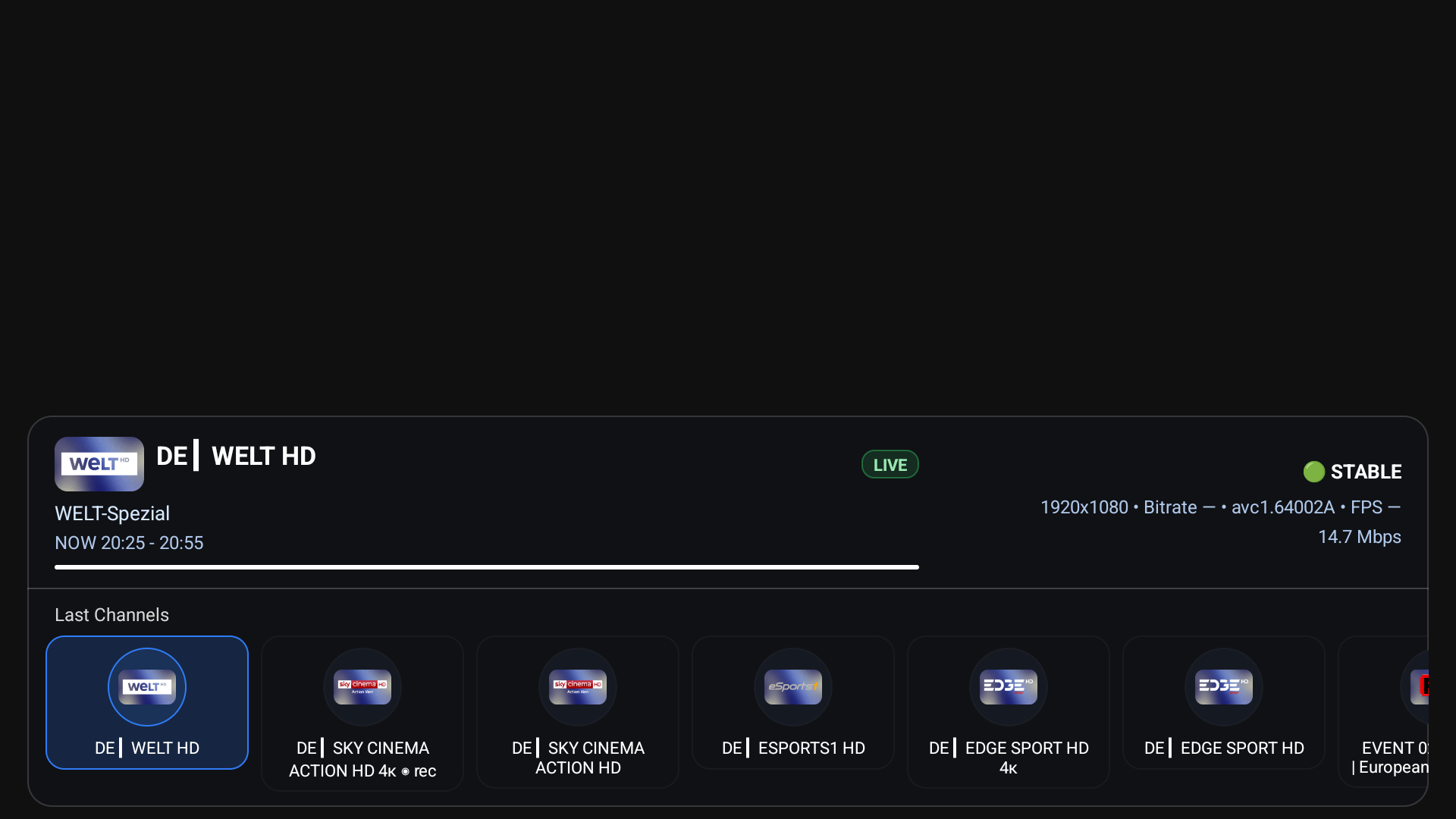
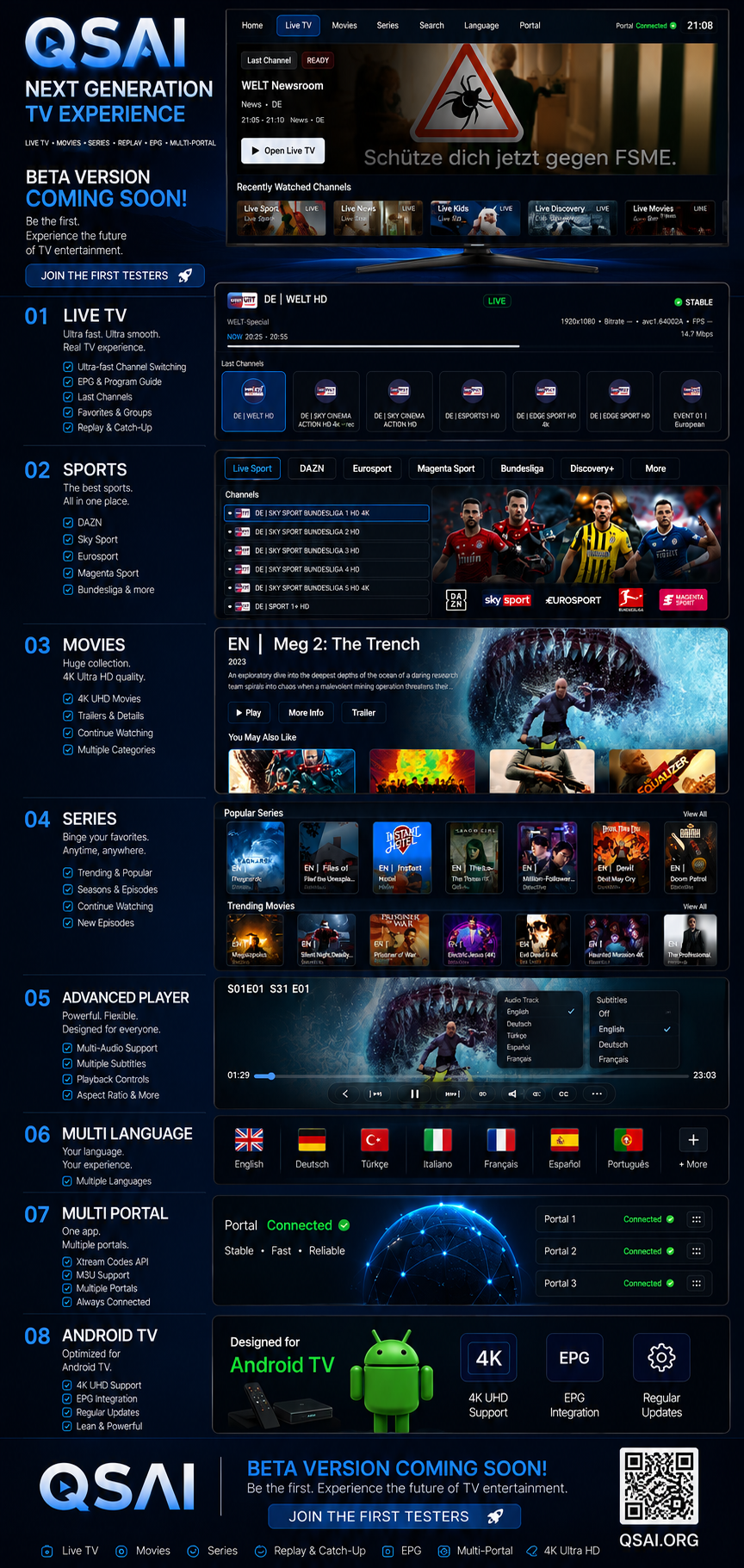
QSAI TV creates a consistent entertainment experience across different portal technologies and provider structures.
Instead of simply displaying the provider’s original lists, QSAI TV processes and reorganizes the available data into a canonical system covering:
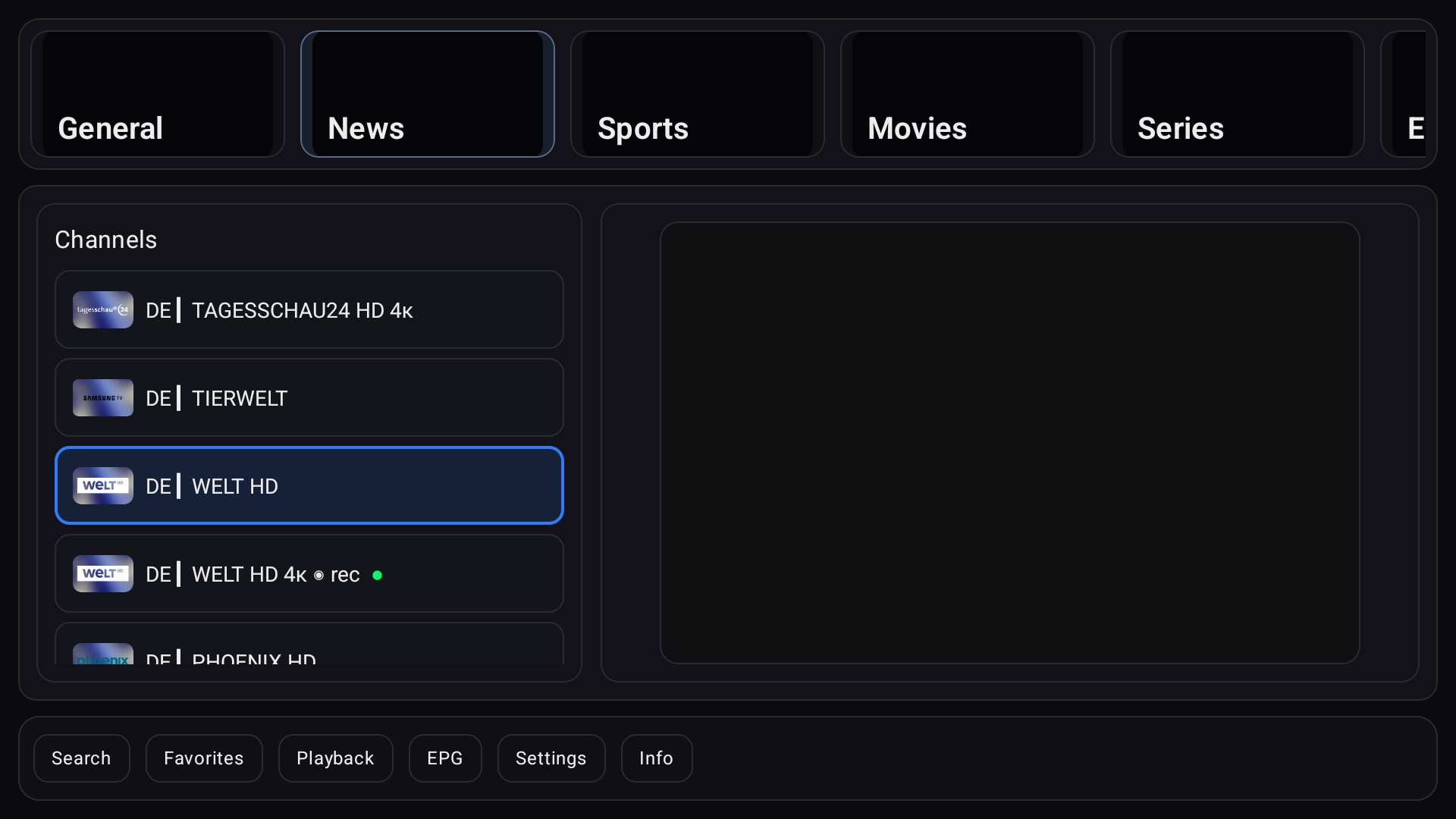
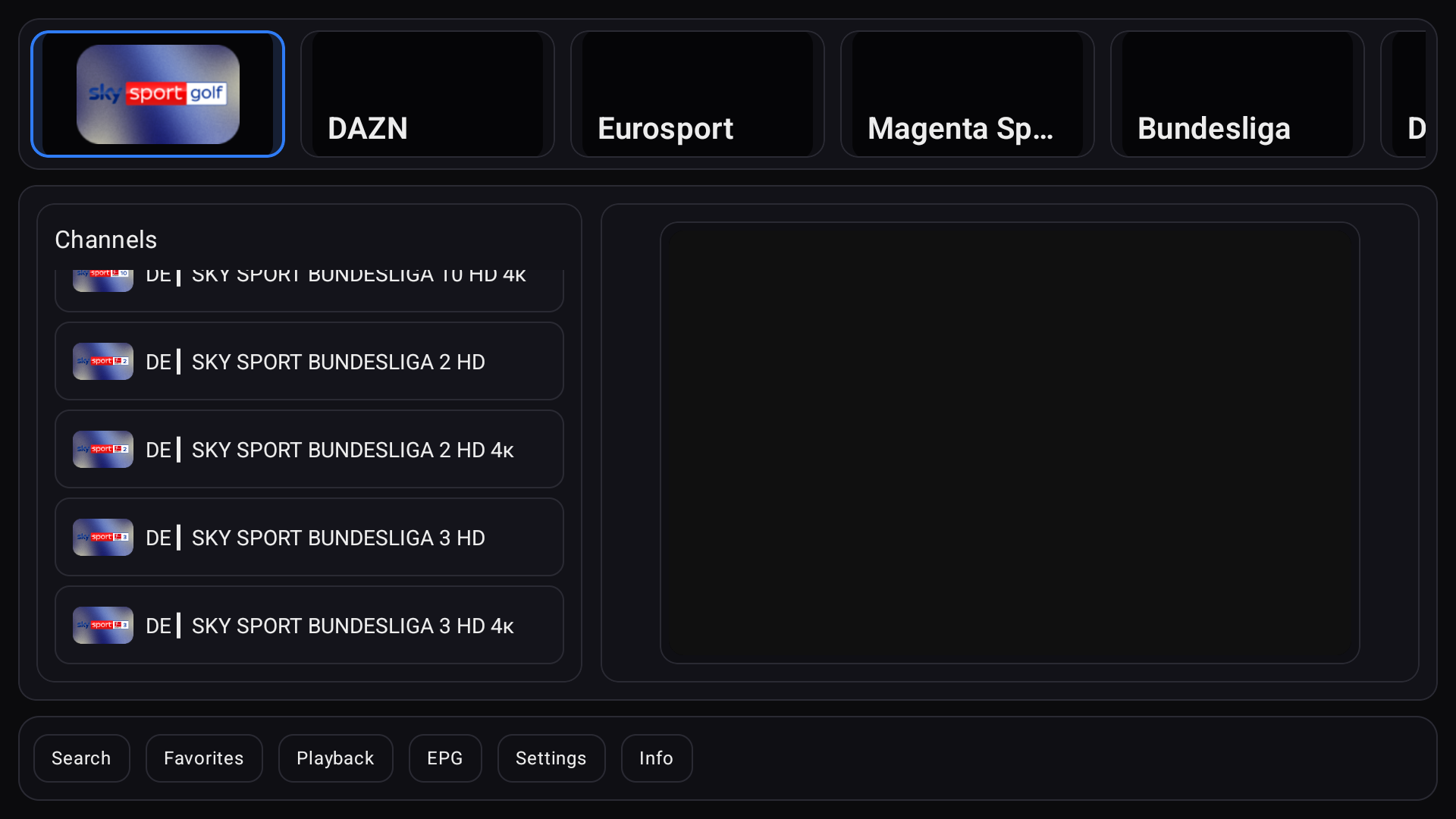
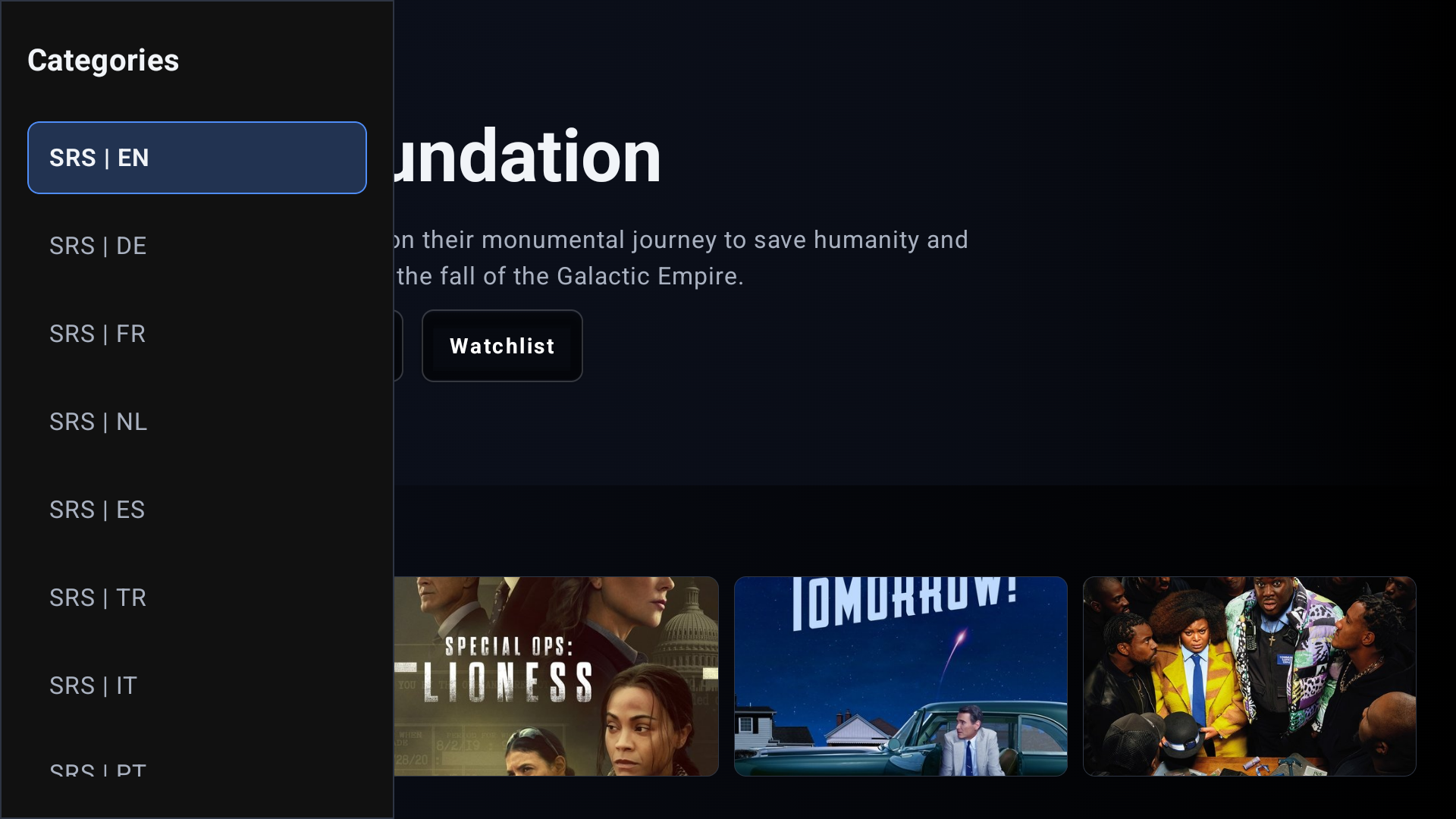
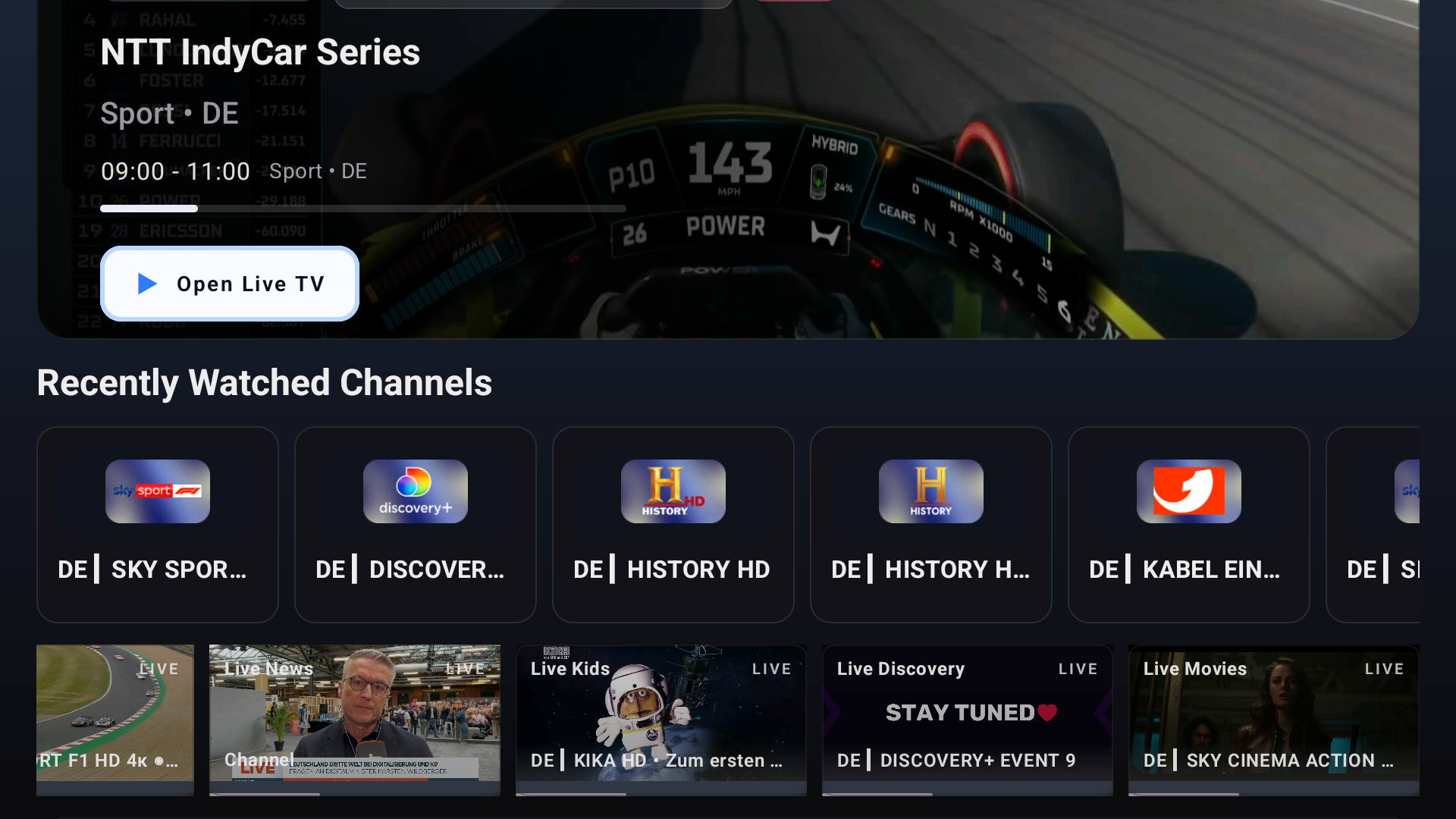
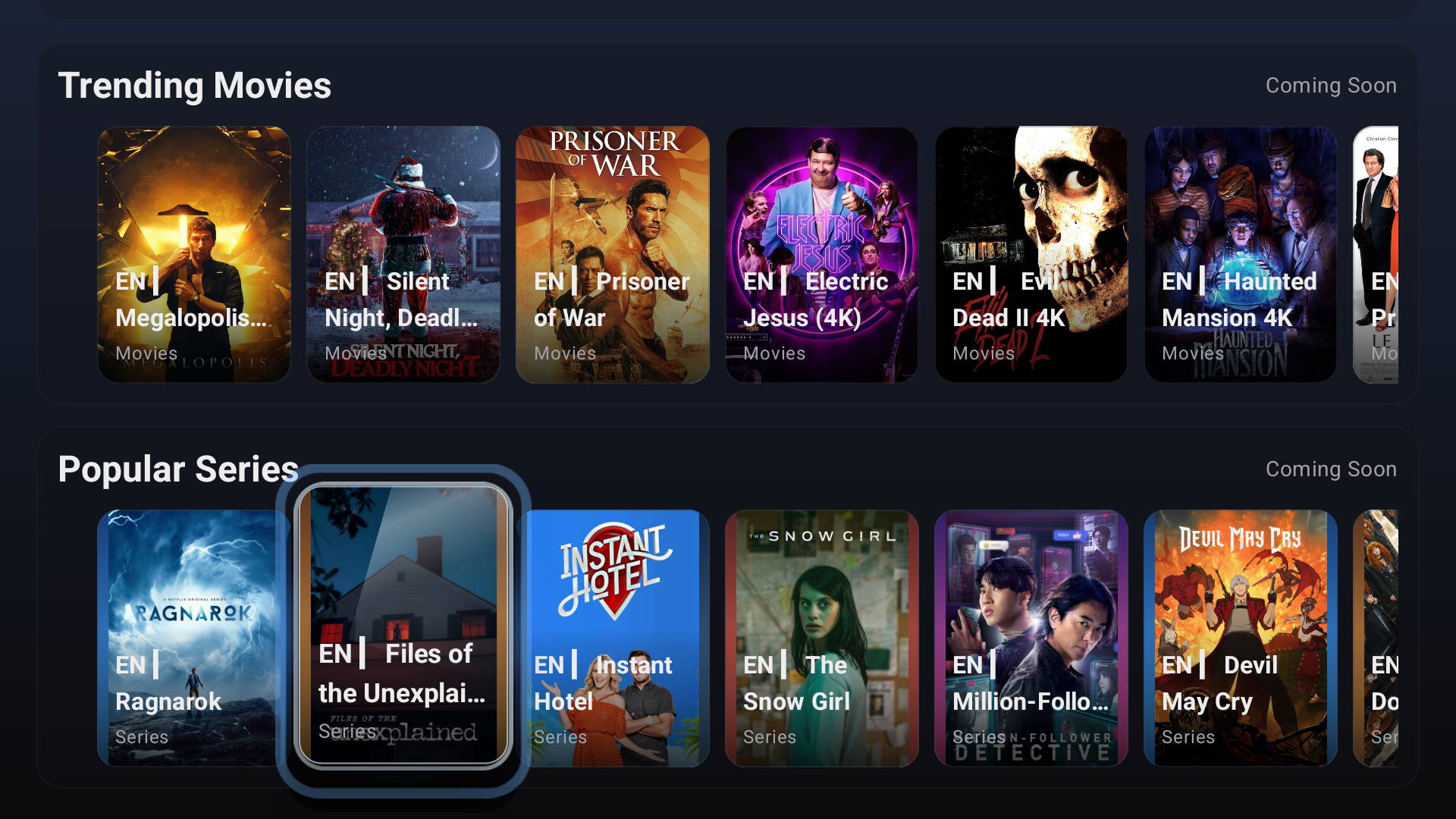
Live TV Movies and Video on Demand Series and episodes Countries and languages Sports, children’s content, news, documentaries, and other content groups
Users can enable or disable individual countries across Live TV, Movies, and Series. The interface then adapts to those preferences instead of presenting thousands of irrelevant categories.
The platform also includes:
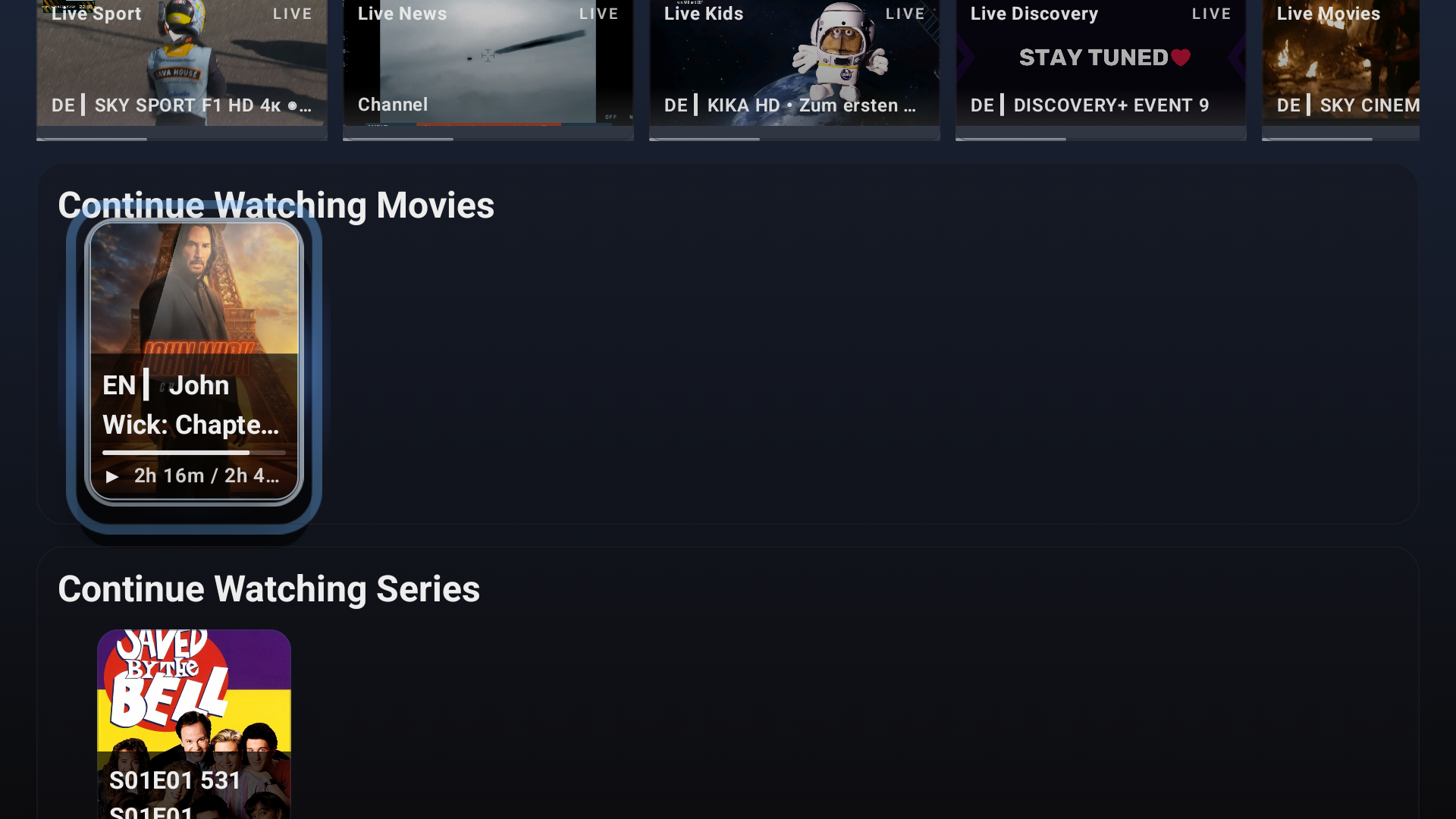
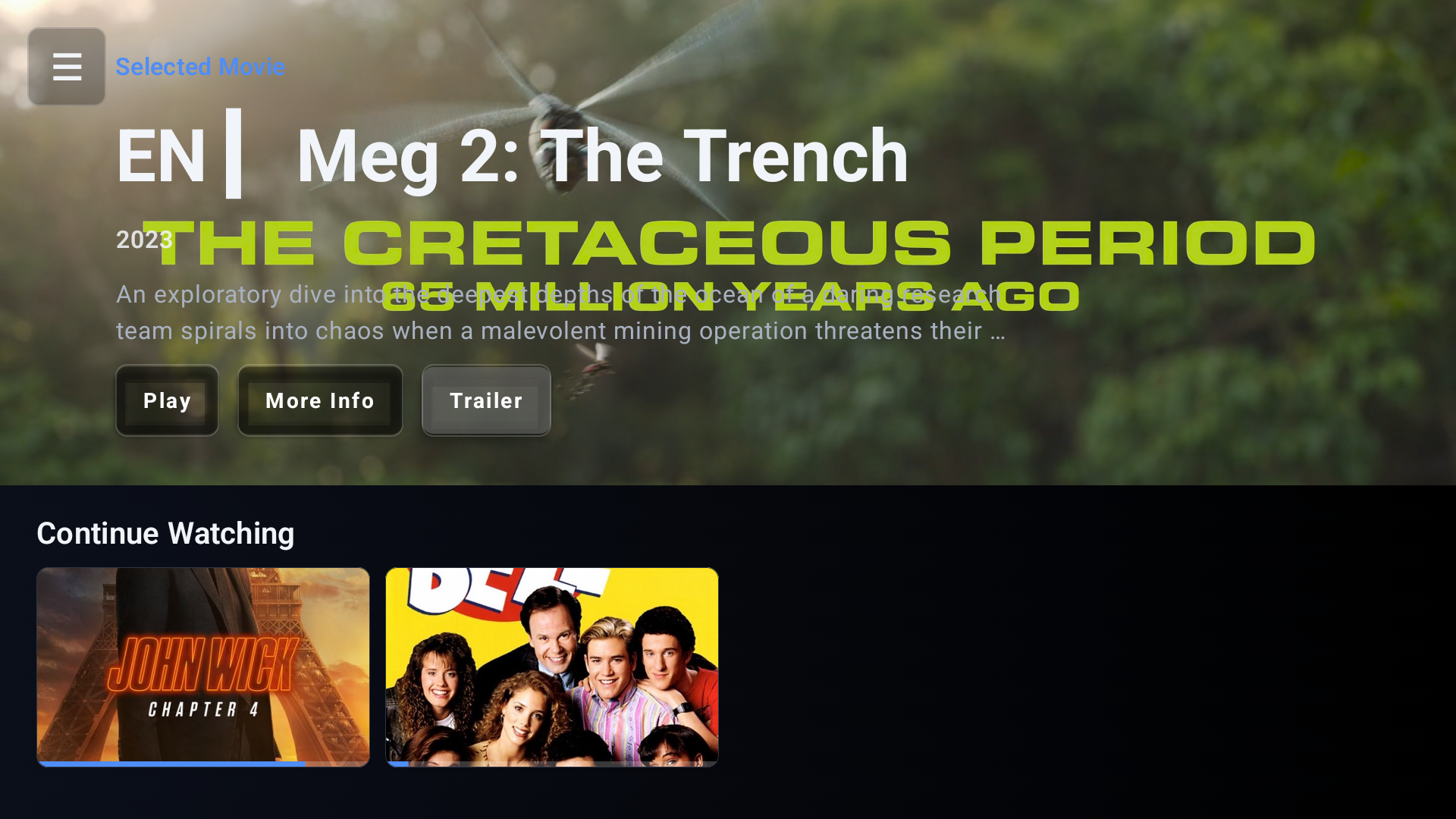
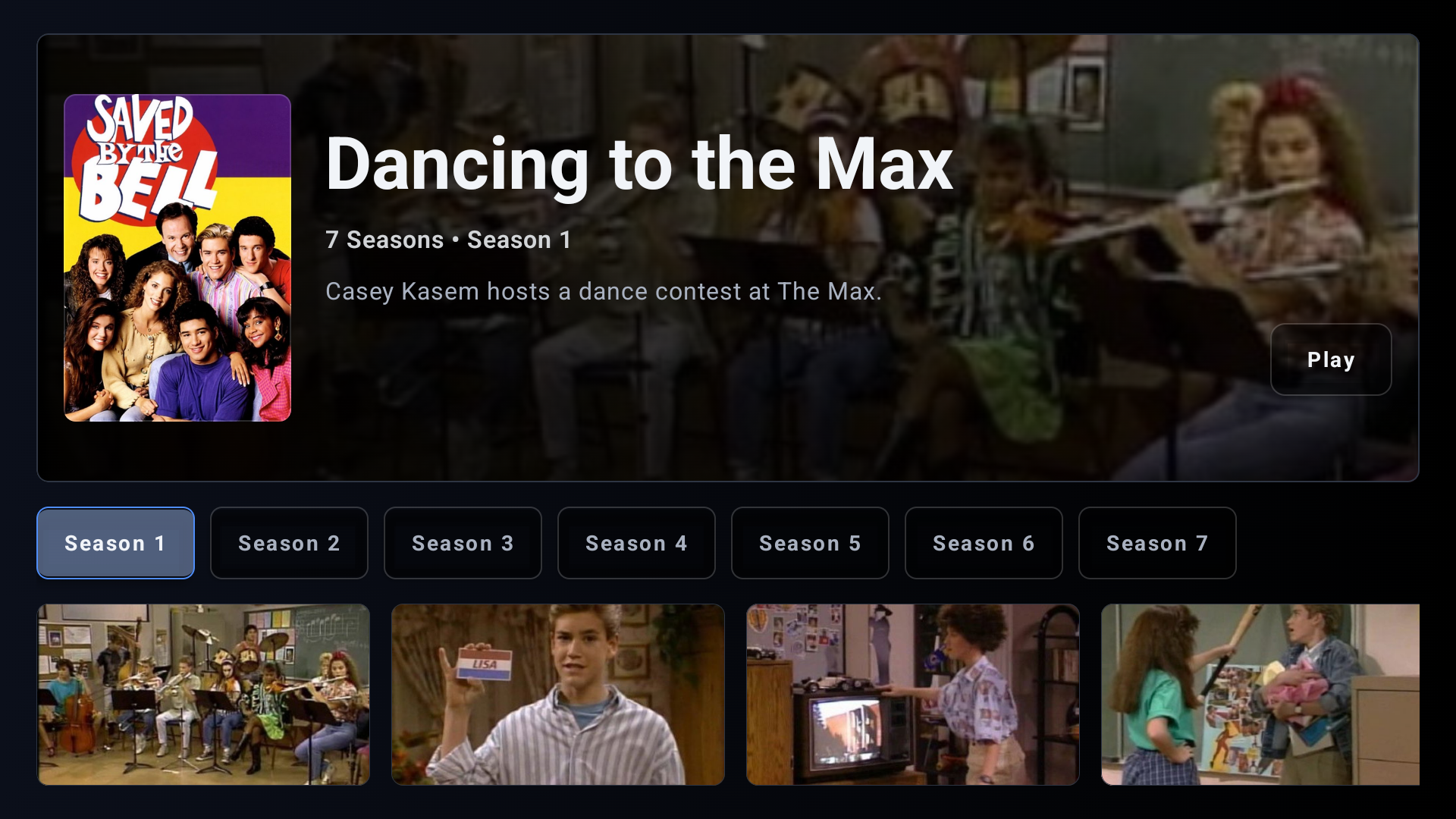
Continue Watching for movies and series Resume playback Automatic episode progression Intelligent series and season navigation Metadata and artwork enrichment Personalized country and content controls Search across large entertainment libraries Remote-control-first navigation Progressive loading for very large provider catalogs A consistent cinematic interface across incompatible portal formats
QSAI TV does not provide television channels or copyrighted media. It is a media-player platform that organizes content supplied by a user’s authorized provider.
How we built it
QSAI TV is built for Android TV using Kotlin and Jetpack Compose. It supports multiple provider technologies, including Xtream-based APIs and Stalker/MAG portals.
The most important architectural idea is the canonical processing layer. Every portal may use different names, category structures, languages, metadata, and delivery methods. QSAI TV interprets those differences and maps them into a consistent internal experience.
Codex became part of the development workflow rather than simply generating isolated pieces of code. We used it to:
inspect and understand a large existing codebase compare different portal implementations diagnose playback, focus, lifecycle, and performance problems design minimal-risk fixes implement new Android TV functionality analyze ADB and Android system logs build and install test versions verify behavior on physical TV boxes protect stable areas while improving individual modules package and validate reproducible releases
Every major change followed an analysis-first workflow: reproduce the problem, collect evidence, identify the exact execution path, implement a limited change, build the application, install it on real hardware, and verify regressions before creating a stable backup.
Challenges we faced
The greatest challenge was not drawing the interface. It was making fundamentally different provider systems behave like one coherent product.
A portal may contain tens of thousands of channels and more than one hundred thousand movies or episodes. Loading or reorganizing that information incorrectly can block the main interface, break remote-control focus, cause playback conflicts, or produce Android ANRs.
Other major challenges included:
inconsistent category names across providers duplicated or incorrectly grouped content missing artwork and metadata maintaining focus during asynchronous loading navigating very large TV libraries with a remote control preserving playback state between screens preventing background audio from surviving screen transitions supporting both fast cached entry and reliable first-time loading keeping Live TV, Movies, and Series stable while developing new features
Codex was especially valuable when the visible symptom appeared in one screen but the real cause existed in another lifecycle, loading, or persistence layer.
Accomplishments that we are proud of
The project has grown from an idea into a working Android TV platform tested on physical consumer hardware.
We are particularly proud that:
incompatible portal structures can produce the same recognizable QSAI experience users control which countries appear throughout the application large libraries remain navigable with a standard TV remote movies and series retain progress and continue naturally provider data is transformed into a modern visual experience stable releases are rebuilt and verified from clean archives a non-technical founder was able to direct and build a complex product through sustained collaboration with Codex
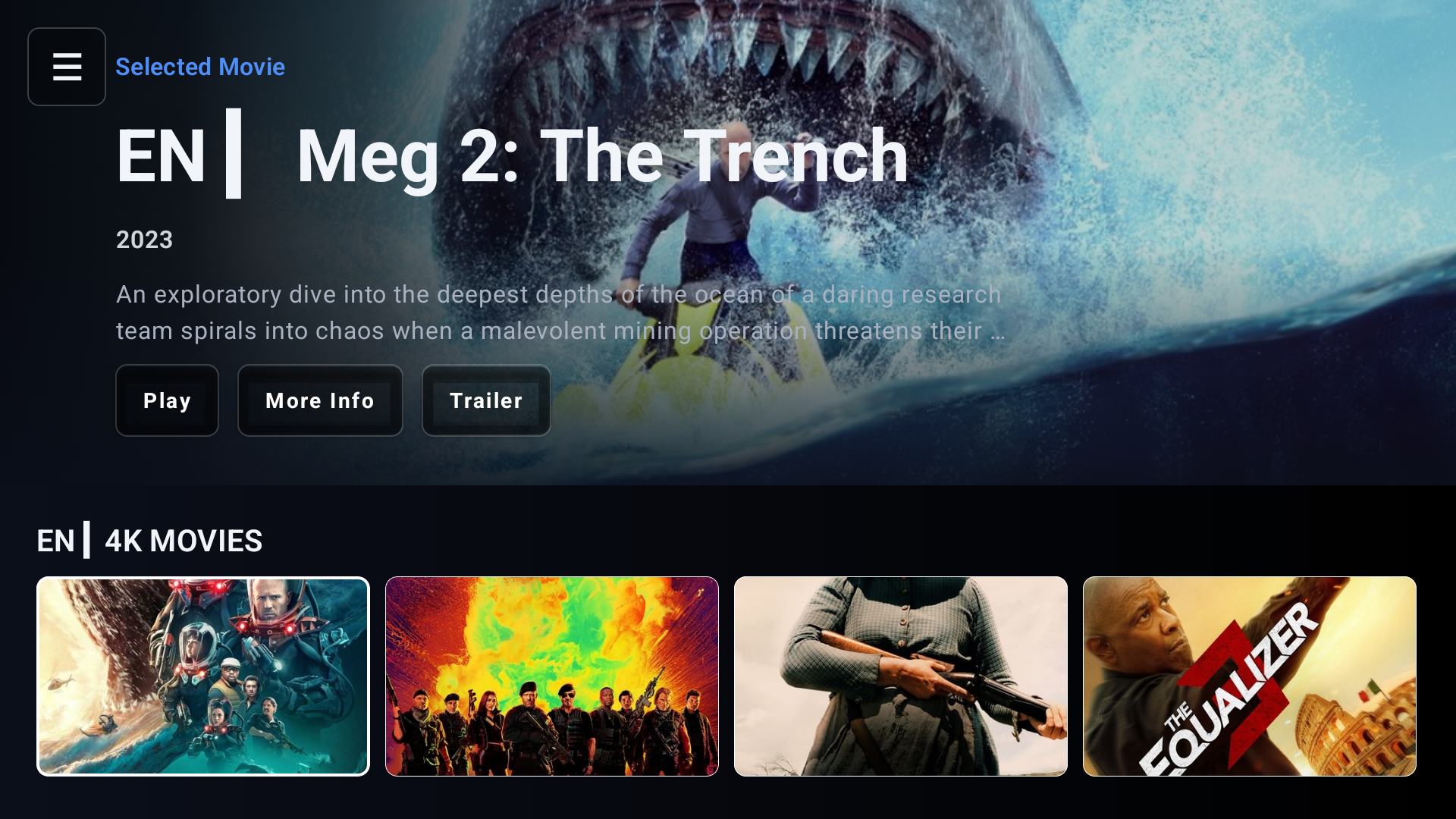
The biggest accomplishment is not one individual feature. It is that the application behaves like a designed entertainment platform rather than exposing the raw structure of the provider behind it.
What we learned
We learned that AI-assisted development works best when it is treated as disciplined engineering collaboration.
The strongest results did not come from asking Codex to “build an app.” They came from giving it clear boundaries, real device evidence, logs, reproduction steps, product context, and measurable acceptance criteria.
We also learned that a non-technical founder can contribute far beyond generating an initial prototype. With the right workflow, the founder can control product direction, challenge technical assumptions, test every behavior, and use Codex to turn detailed product knowledge into functioning software.
What’s next
The next stage is to complete the canonical portal system across additional provider families while continuing to improve performance, personalization, and reliability.
Planned development includes:
deeper automatic portal classification improved recommendations and discovery additional accessibility and language support stronger synchronization between devices further optimization for extremely large catalogs continued refinement of the cinematic home experience broader testing across Android TV devices and provider structures
The long-term vision is for QSAI TV to become an intelligent entertainment layer: regardless of how fragmented the source data is, the user always receives one familiar, organized, and enjoyable television experience.

Log in or sign up for Devpost to join the conversation.