-
-
Car Data!
-
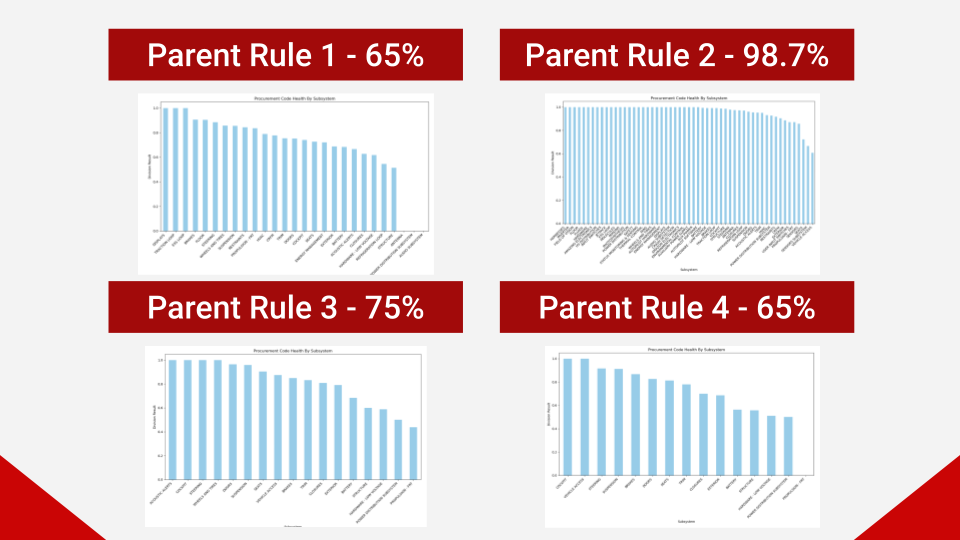
Procurement Health Graphs
-
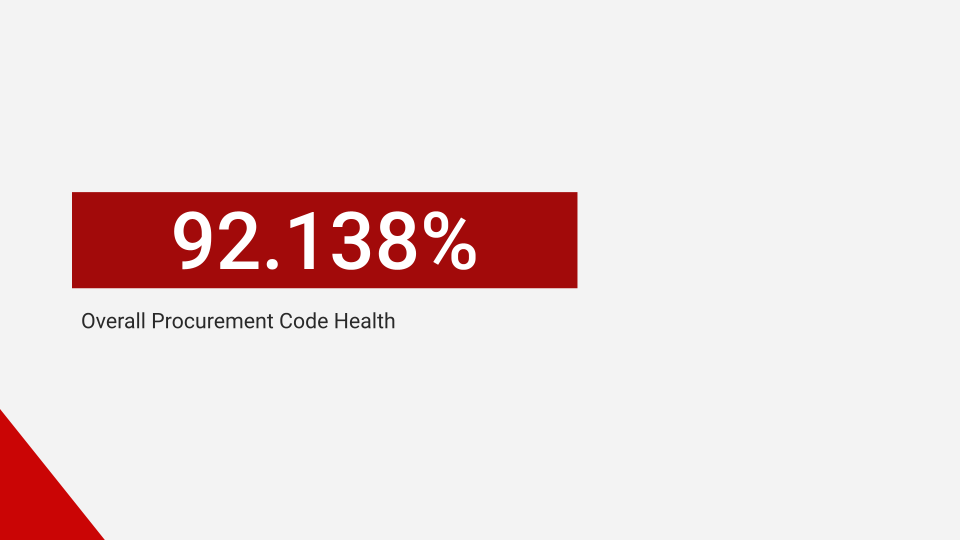
Average Procurement Health
-
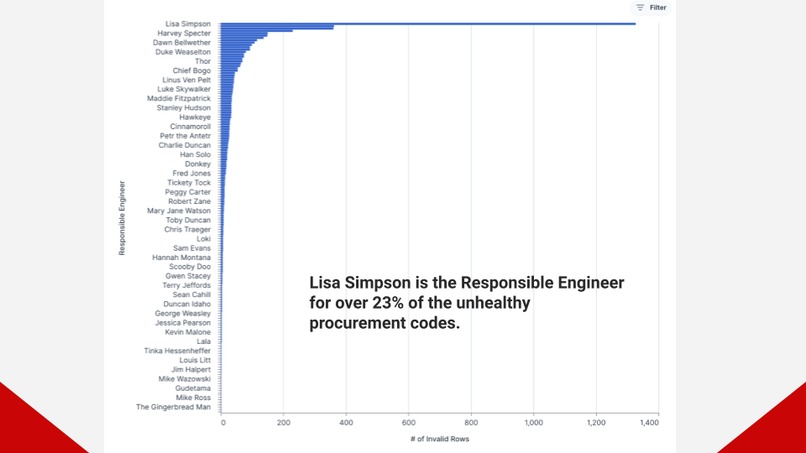
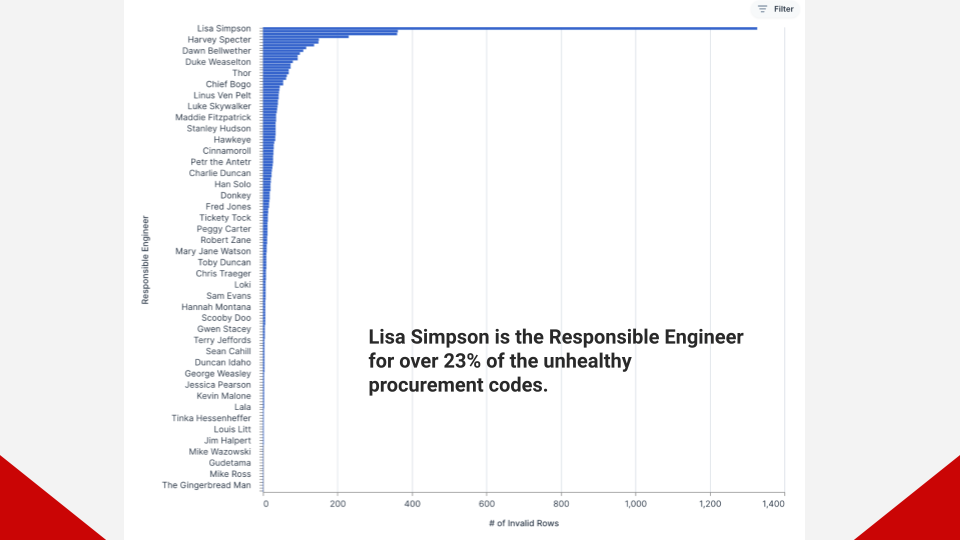
Interesting Statistics
-
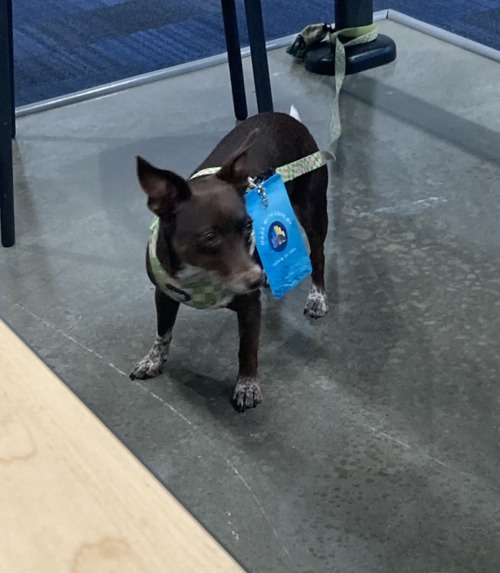
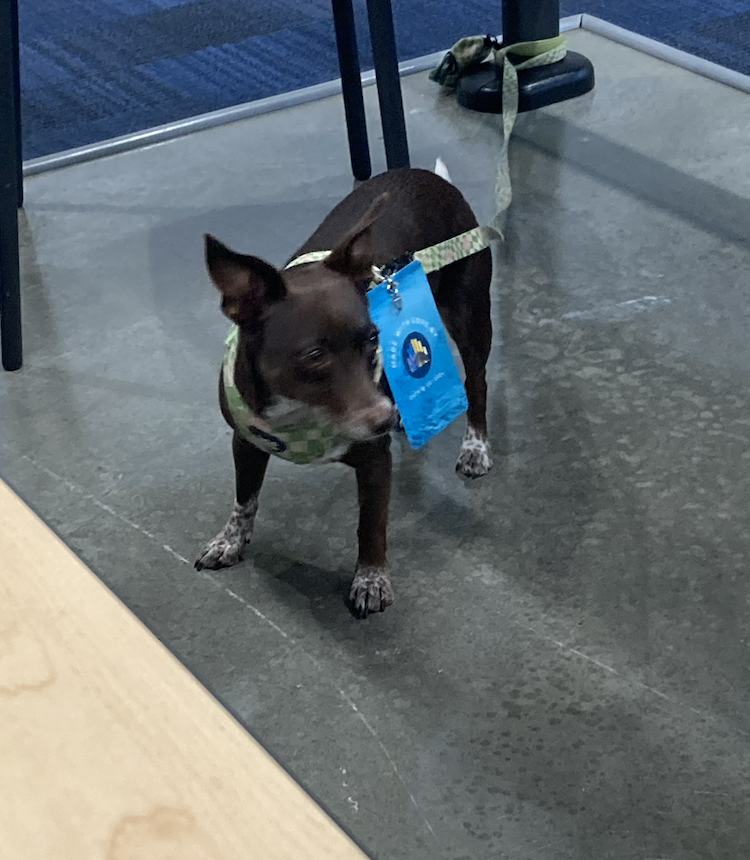
Penny !
-
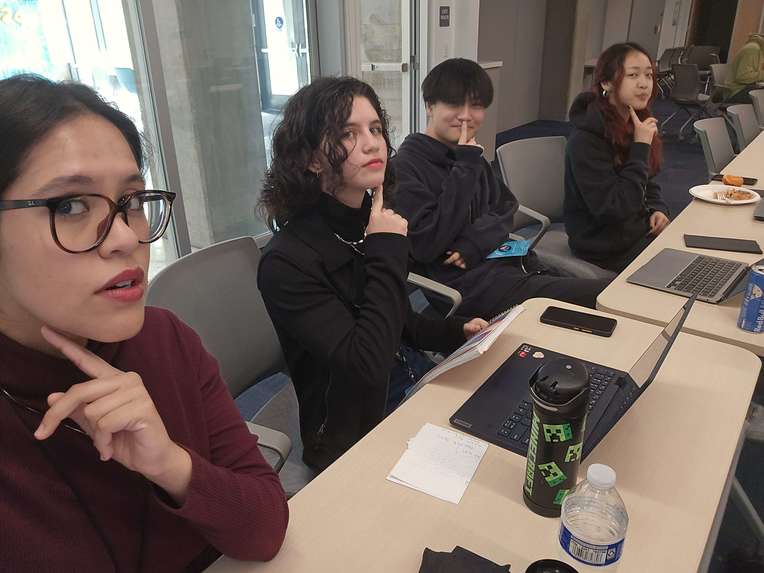
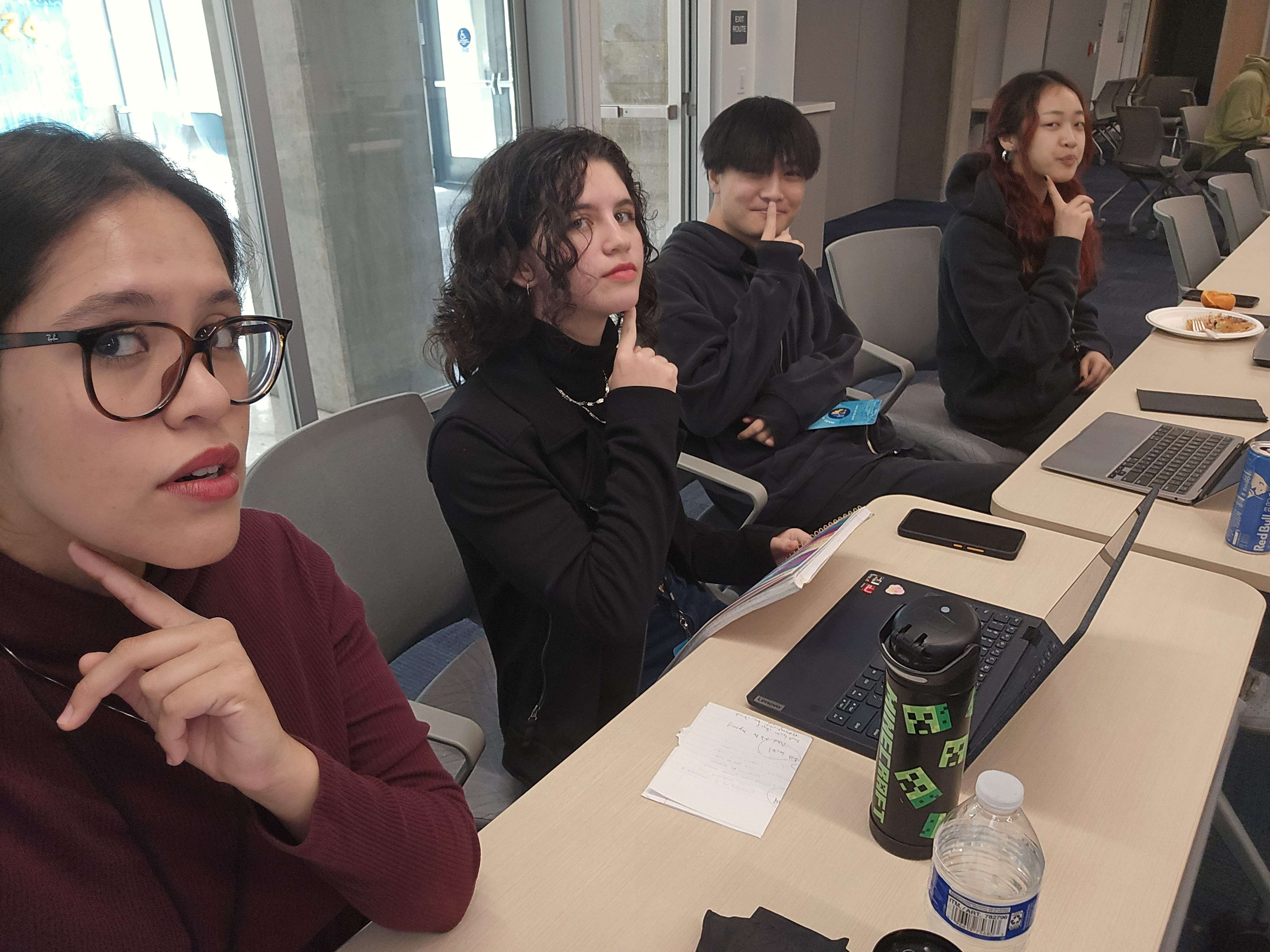
Team Mewers
Inspiration
The inspiration behind QRV DataMariner comes from the complex behind the scenes data analyses processes that all companies rely on! Drawing parallels with mariners navigating the oceans, we aim to chart a clear path through our data and find the strongest insights that will lead to a cleaner and ultimately more efficient dataset.
What it does
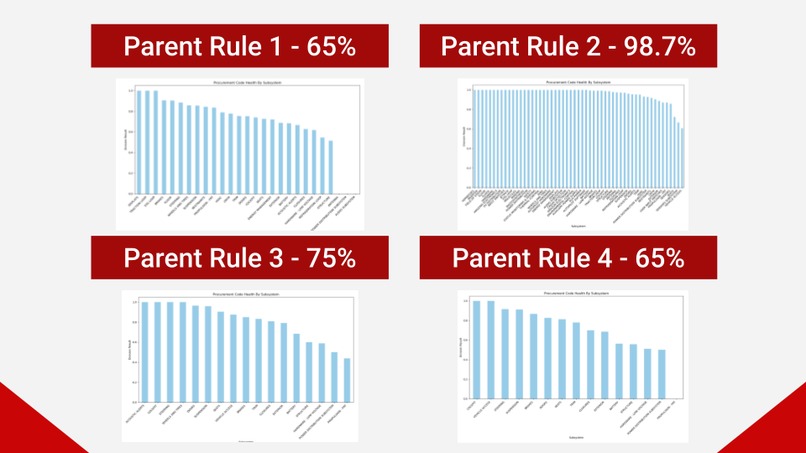
QRV DataMariner is a comprehensive analysis on the QRV's Bill of Materials. Throughout our process we identified discrepancies, analyzed trends, and visualized data to provide insights on potential errors within the given dataset. Using these errors along with our knowledge of the data we also came up with suggestions to how to fix the dataset and how to best address these issues.
How we built it
QRV DataMariner was built using Python, using analysis libraries like Pandas and Matplotlib. We heavily relied on Jupyter Notebooks, as well as Deepnote for collaborative development. Using the prompt's given tasks we broke up the problem into a systematic approach that included extracting the right data, transforming the data into a more useful format and visualizing the data in meaningful ways.
Challenges we ran into
Prompt Difficulty: The given prompt was very complex and there were many concepts that needed to be understood about the dataset before we could begin the project.
Data Complexity: The hierarchical structure of the data required careful handling to map parent-child relationships accurately. Additionally, the specific procurement rules were initially challenging.
Time Constraints: Balancing a thorough analysis with pressing time constraints was difficult, and needed prioritization, good planning and time management.
Accomplishments that we're proud of
Comprehensive Analysis: Successfully conducted a deep dive into the procurement data, uncovering valuable insights and trends.
Visualization: Developed clear and informative visualizations that enhance understanding and facilitate decision-making.
Collaboration: Fostered a collaborative team environment, effectively leveraging each member's strengths to achieve project goals.
What's next
Expansion: With additional time we could further analyze the dataset and better understand the intricacies of the data. We could find better insights and develop better ways to solve the issues within the data.
Using our Skills: After completing our project we learned many valuable lessons in data analysis, collaboration, teamwork, code development, data wrangling and more! We will continue to develop these skills and take what we learned and apply it throughout our careers.


Log in or sign up for Devpost to join the conversation.