-
-
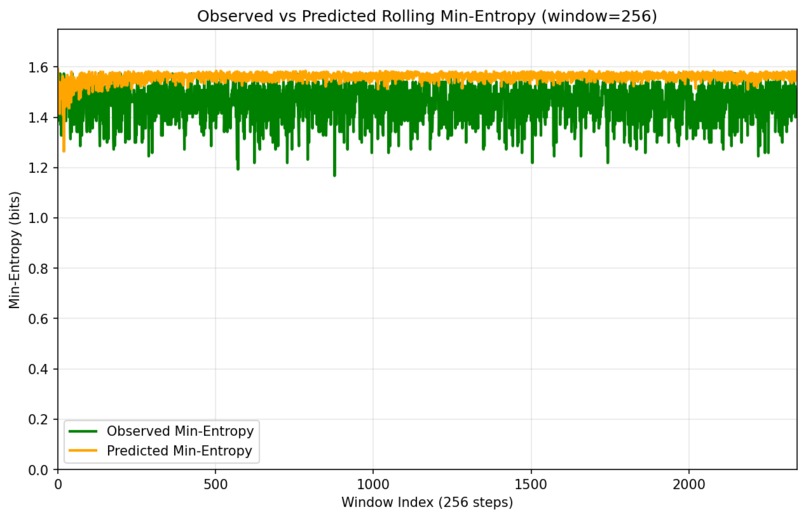
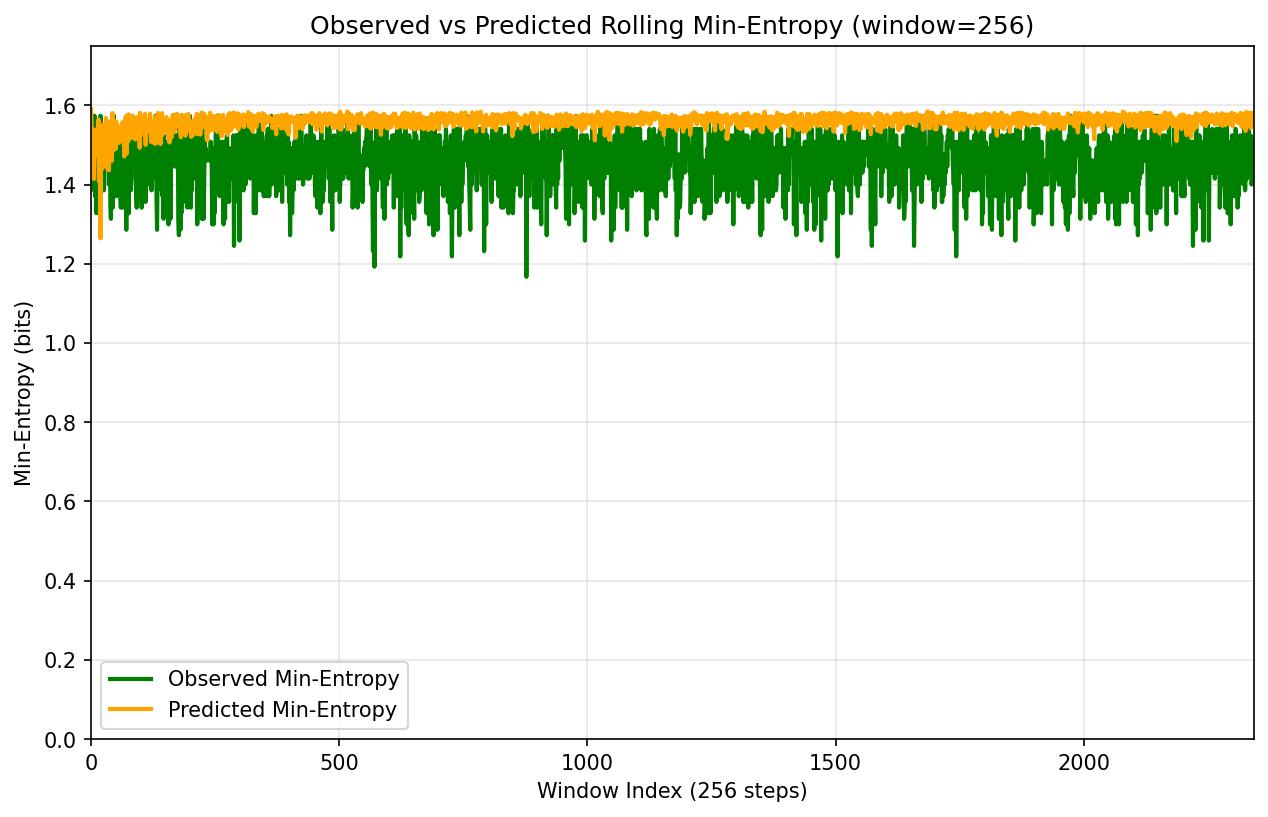
Observed entropy fluctuates slightly. Predicted entropy stays stable. This shows strong ability to predict DRBG paths.
-
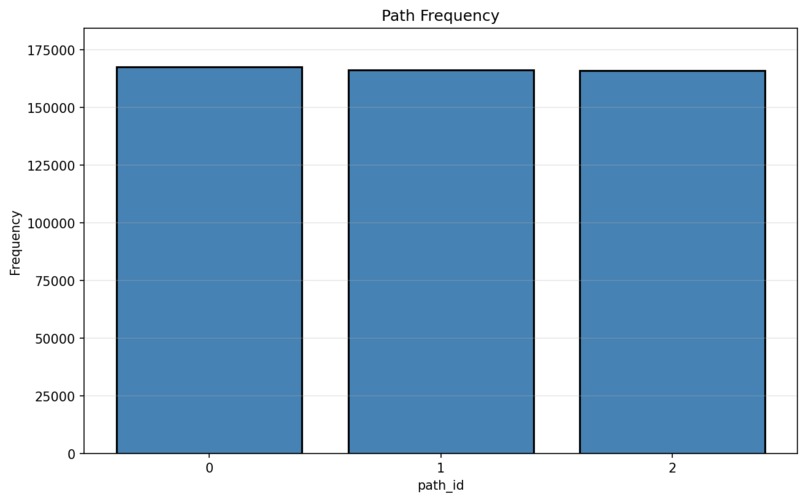
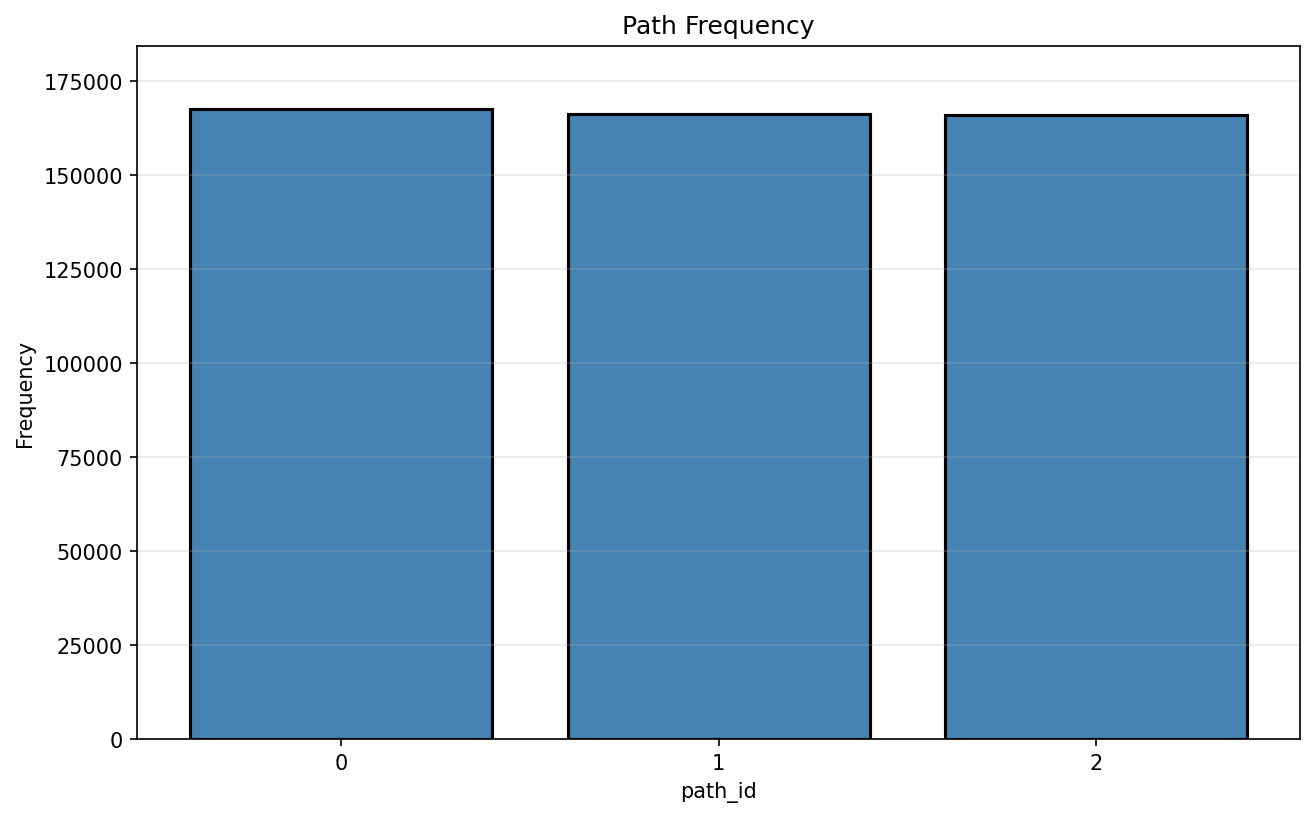
This bar chart represents the frequency distribution of three distinct path IDs (0, 1, and 2) during a random multipath exploration process.
-
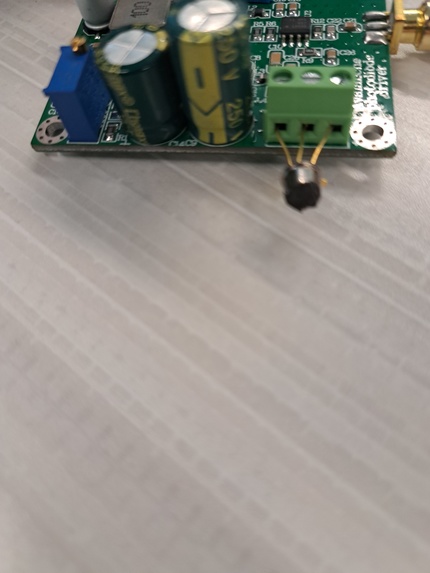
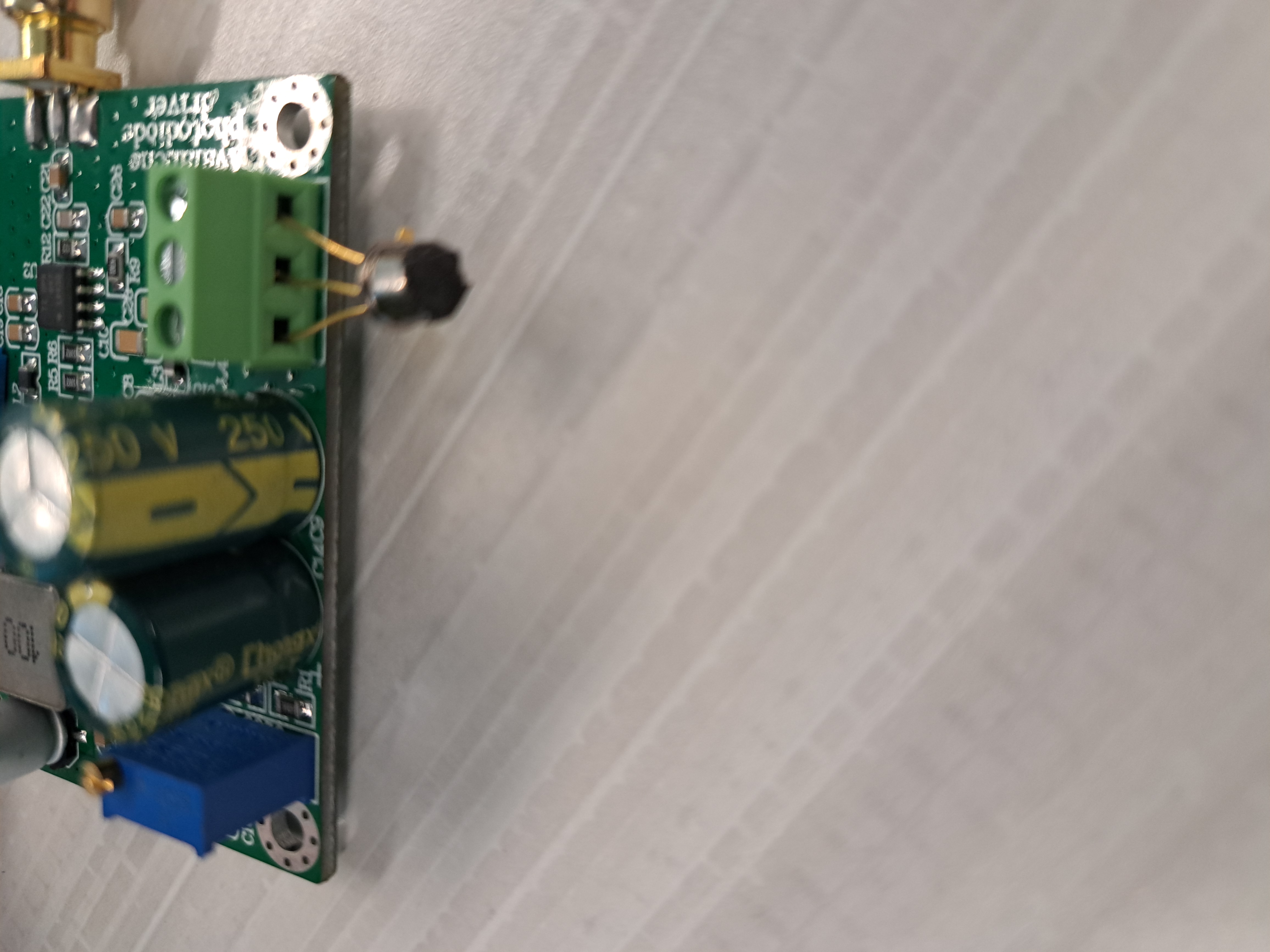
A photodiode detector with the window covered in black epoxy to ensure no light enters.
-
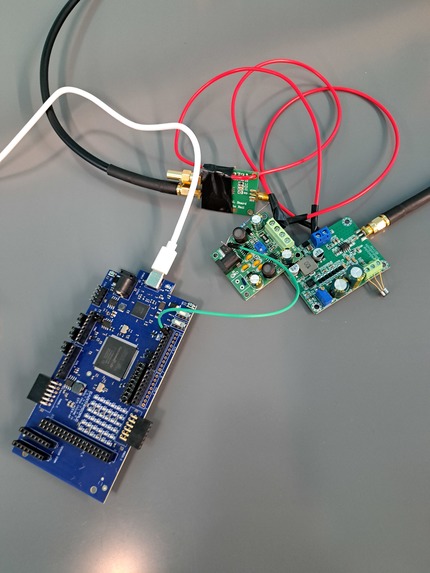
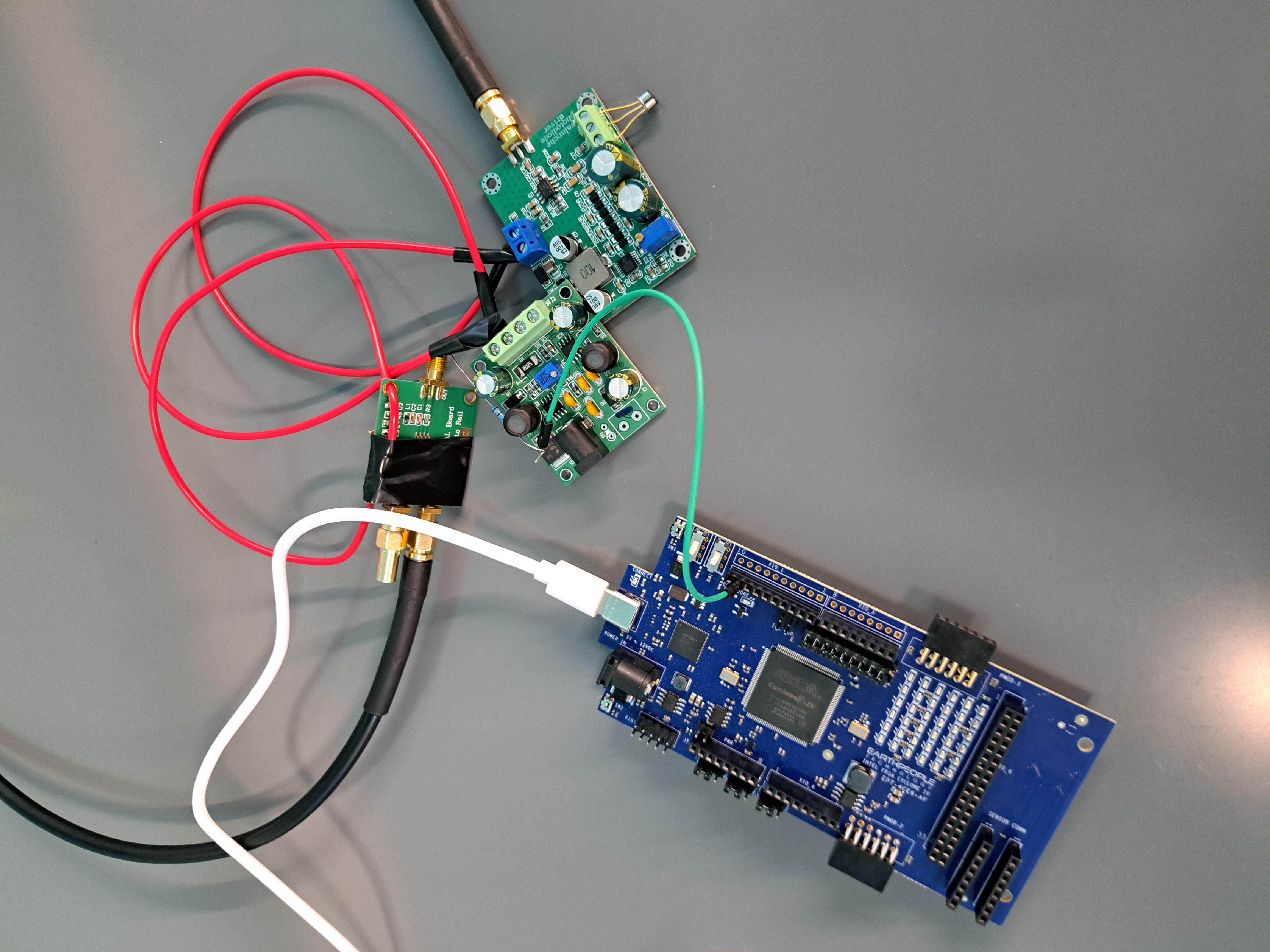
A few of the key components (not powered).
Inspiration
Traffic congestion, network instability, and predictable routing algorithms often share a common flaw: deterministic randomness. I wanted to explore whether truly quantum randomness could improve the efficiency and unpredictability of routing decisions in distributed networks.
What it does
This project demonstrates real-time path selection using quantum random number generators (QRNGs) as entropy sources for traffic routing. It contrasts software-based pseudo-random routing with quantum-generated randomness, showing measurable differences in path predictability and load balance.
How we built it
I integrated a live QRNG feed into a routing simulator, where packets are dynamically assigned to routes based on quantum bitstreams. A visualization module tracks routing entropy and latency changes in real time. The exact source of randomness I used was quantum tunneling. To produce this, I simply added black epoxy to the photosensitive window of an avalanche photodiode and biased the output of the voltage passed through it. When this happens, electrons tunnel at random and send an electric pulse each time, which can be used for many important purposes.
Challenges we ran into
Capturing consistent QRNG output with low latency was difficult, especially when integrating hardware components and routing logic. Balancing speed and true randomness required several iterations of buffering and threading optimization.
Accomplishments that we're proud of
Successfully achieved low-predictability routing patterns and proved that quantum entropy can reduce route bias without sacrificing efficiency.
What we learned
We solidified that QRNGs are generally safer and DRBGs are generally faster.
What's next for QRNGs for Traffic Routing
The next step is deploying this framework on real network hardware to evaluate its performance in larger, decentralized systems.


Log in or sign up for Devpost to join the conversation.