-
-
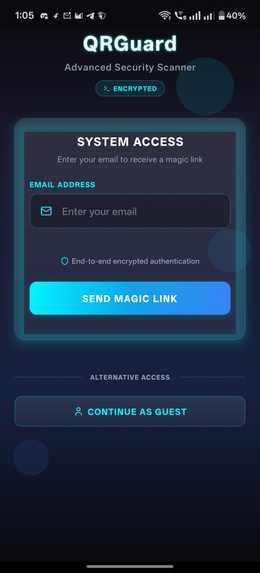
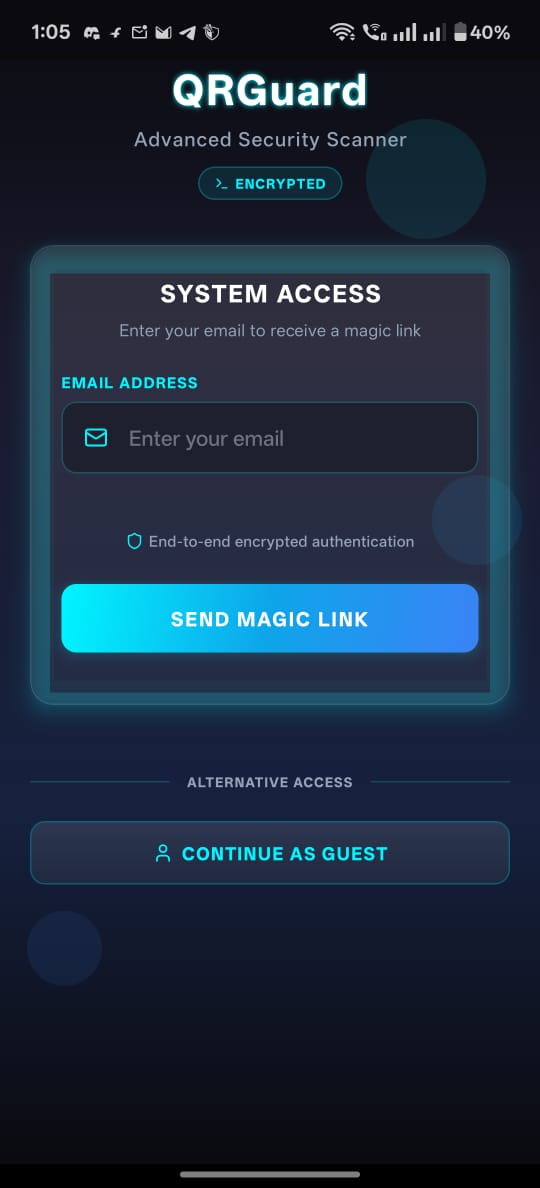
login page
-
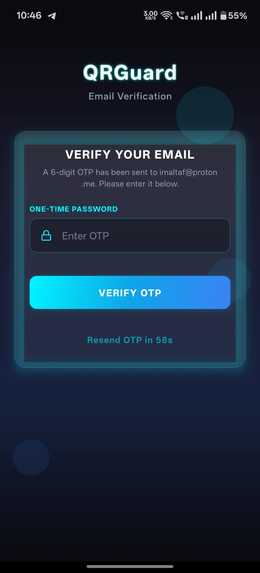
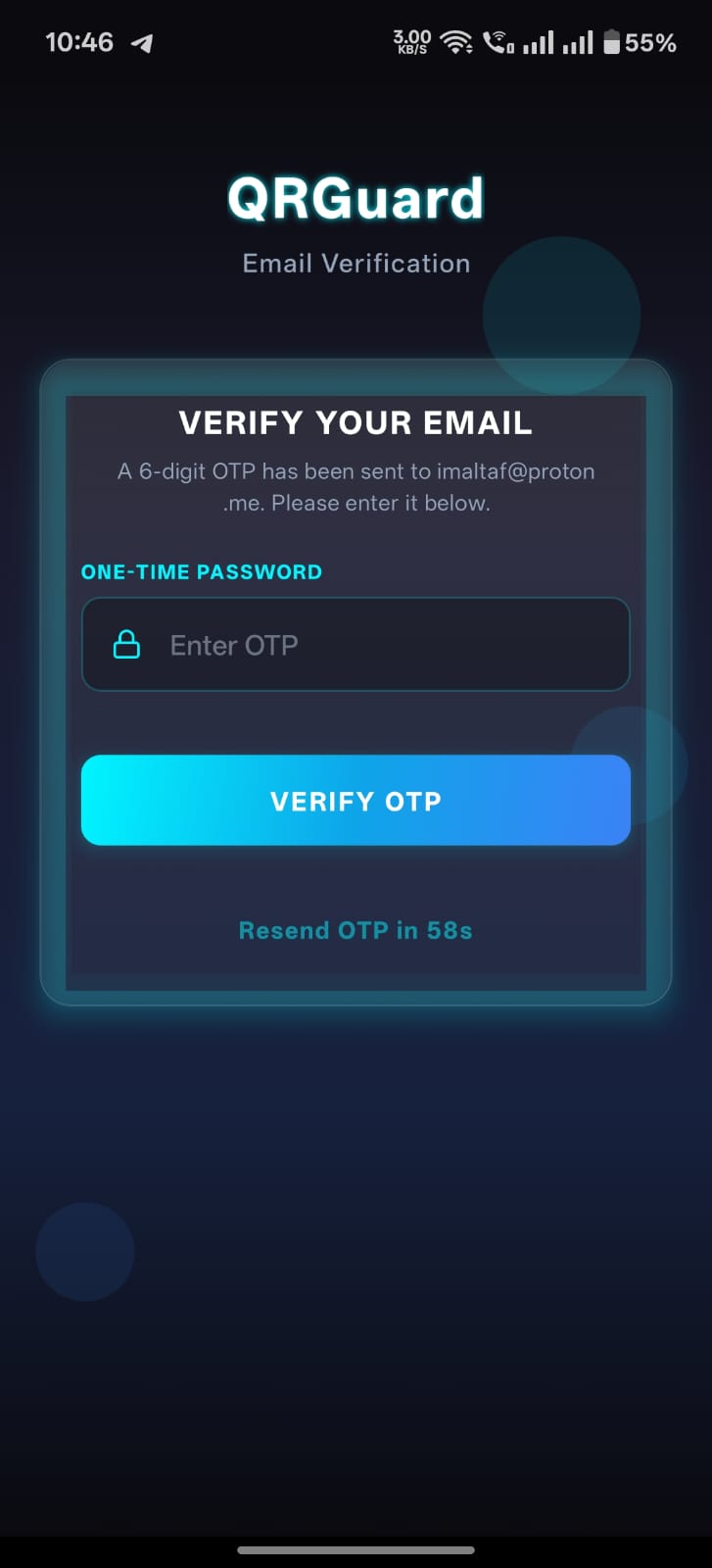
otp page
-
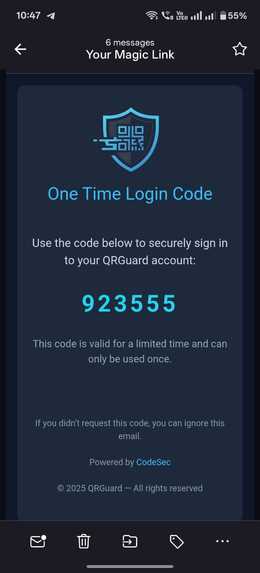
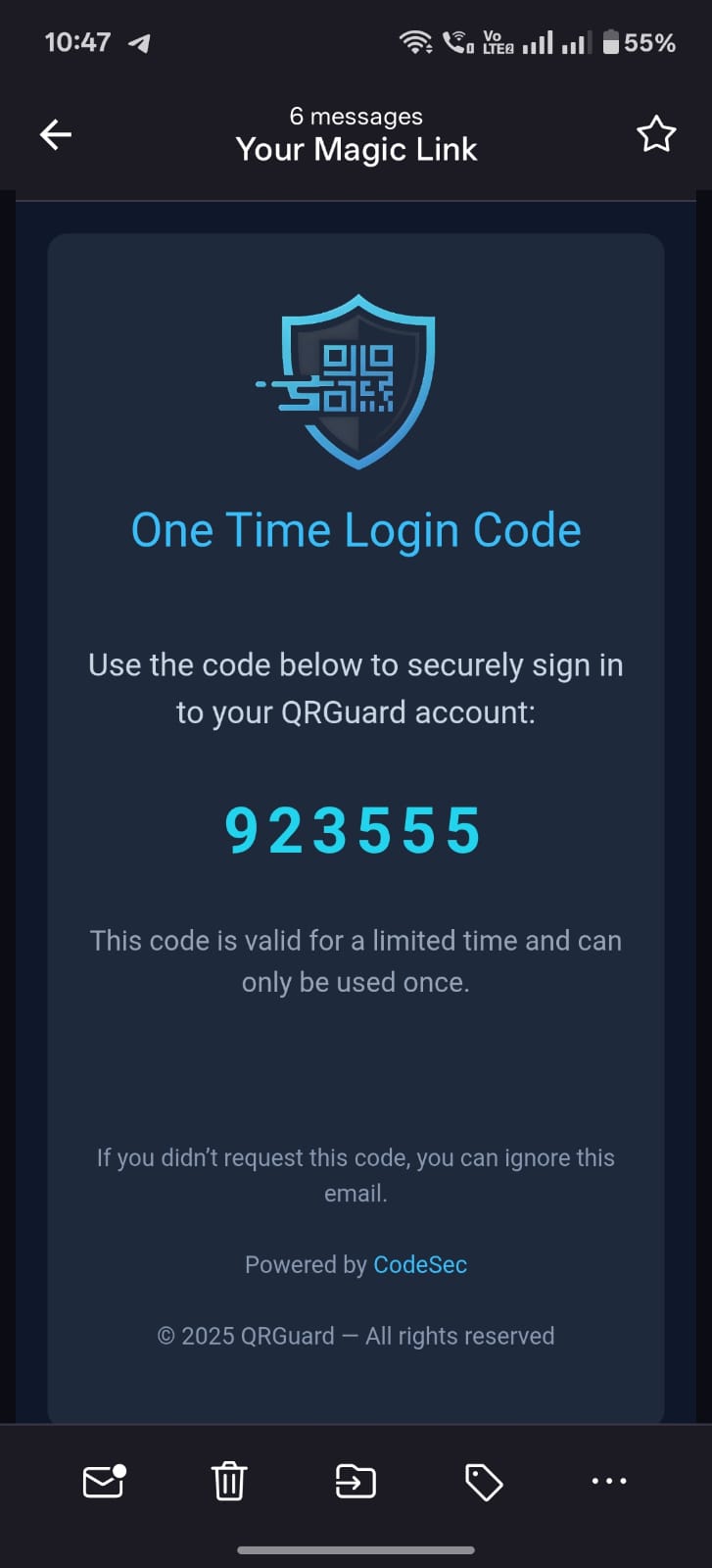
mail otp
-
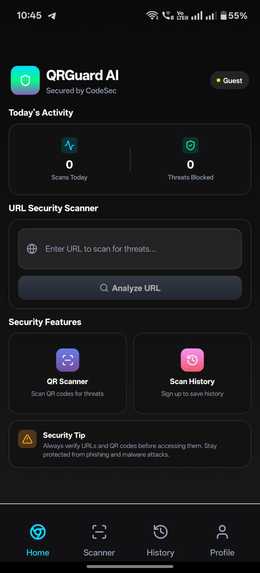
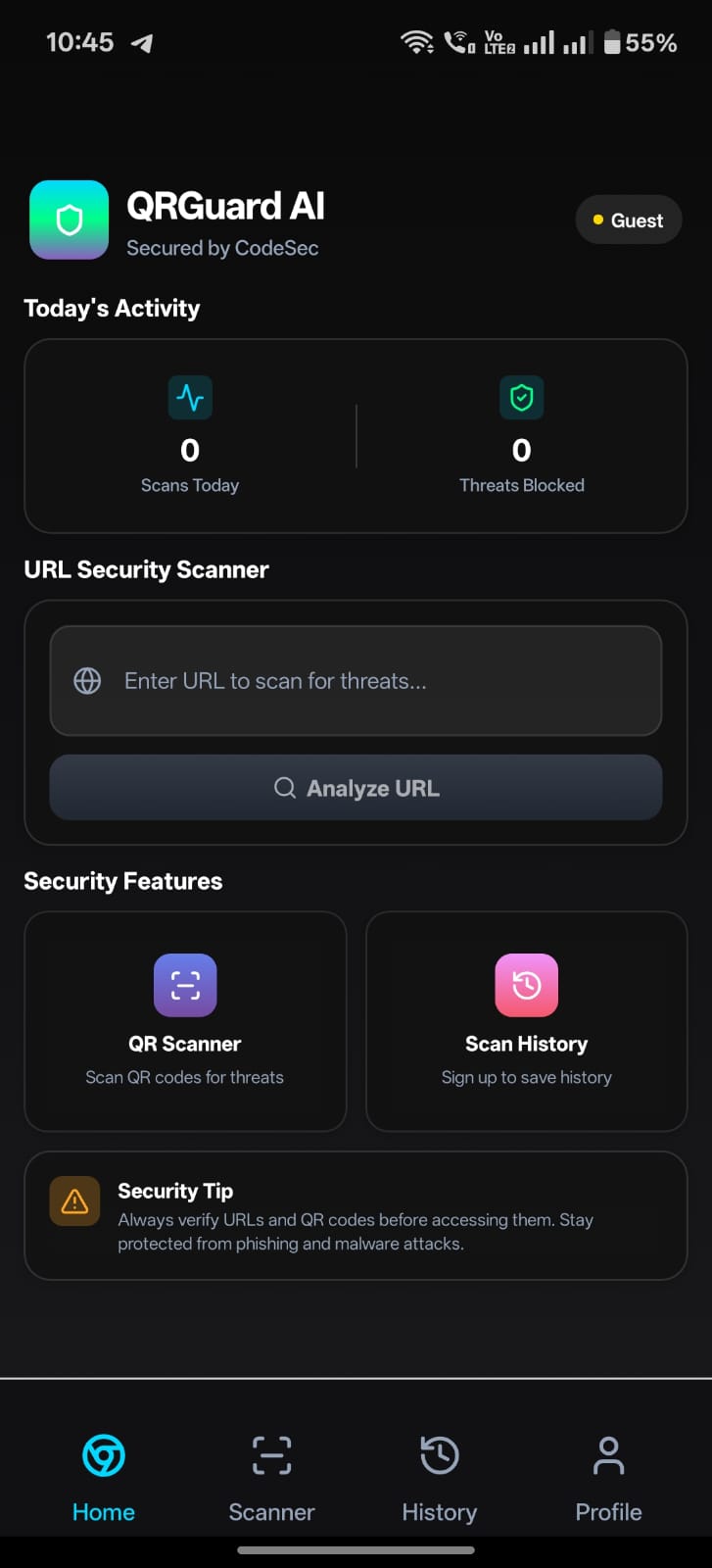
home page
-
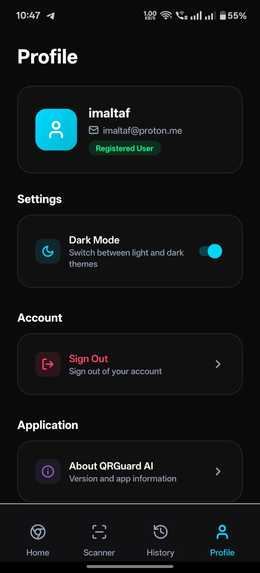
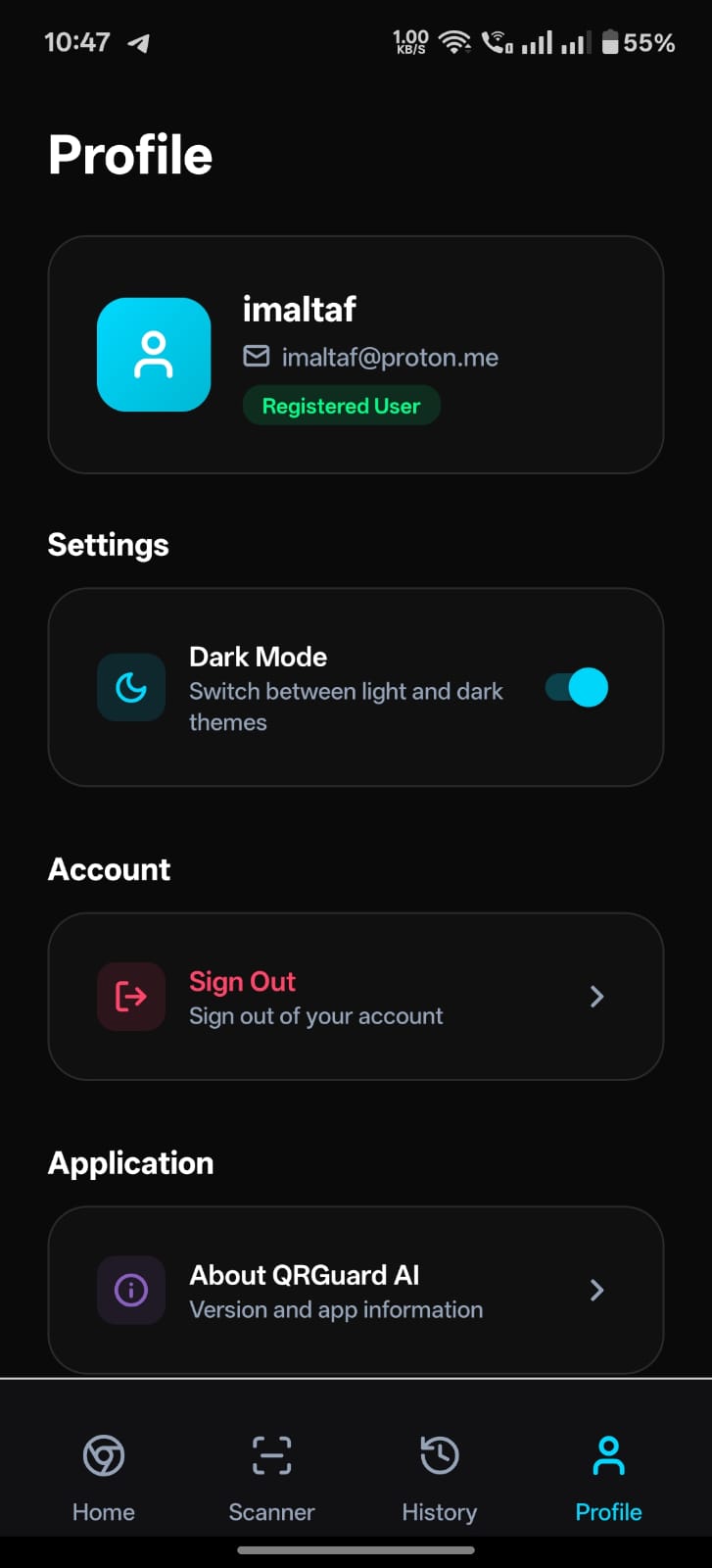
profile
-
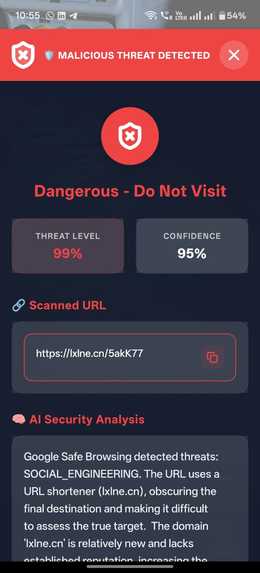
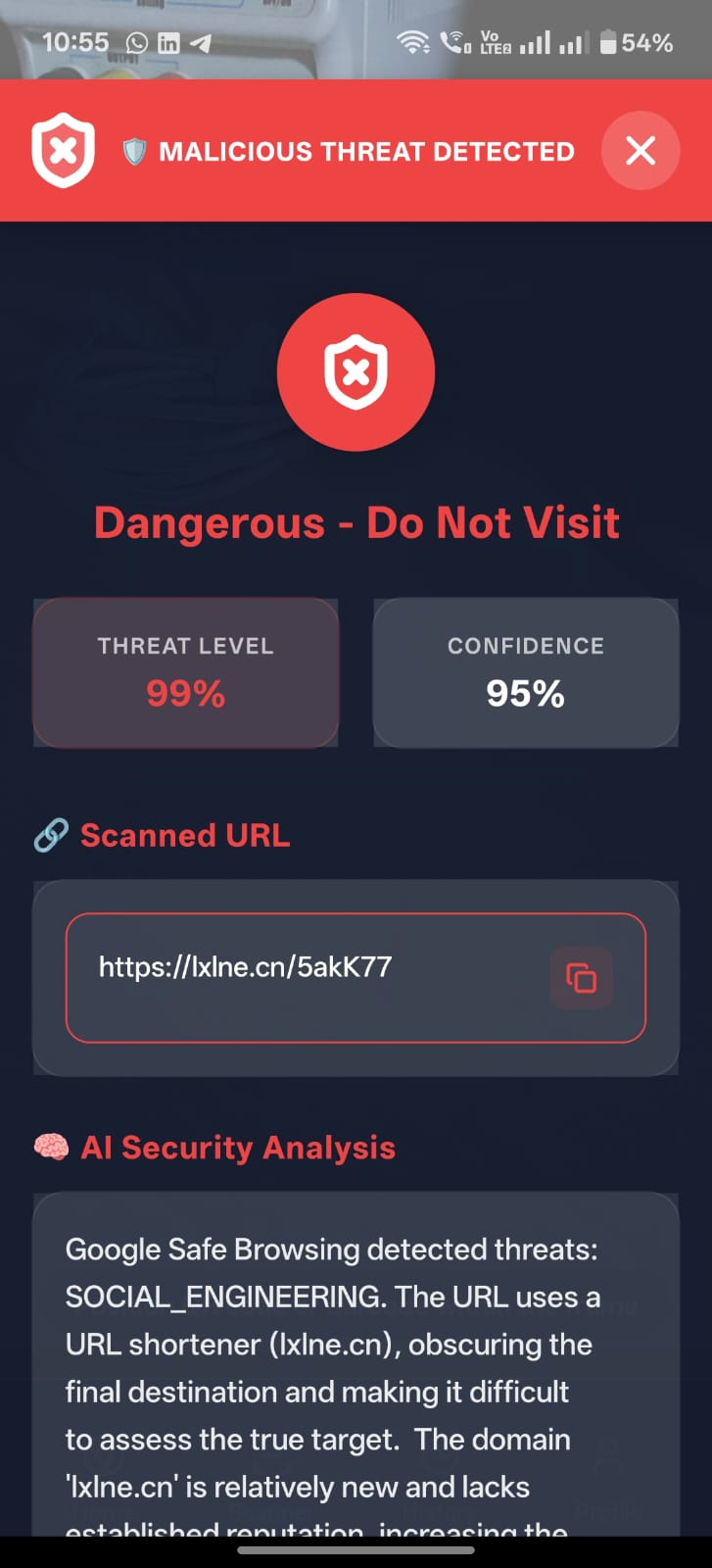
scan alert
-
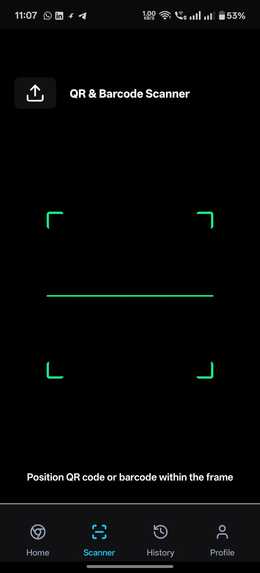
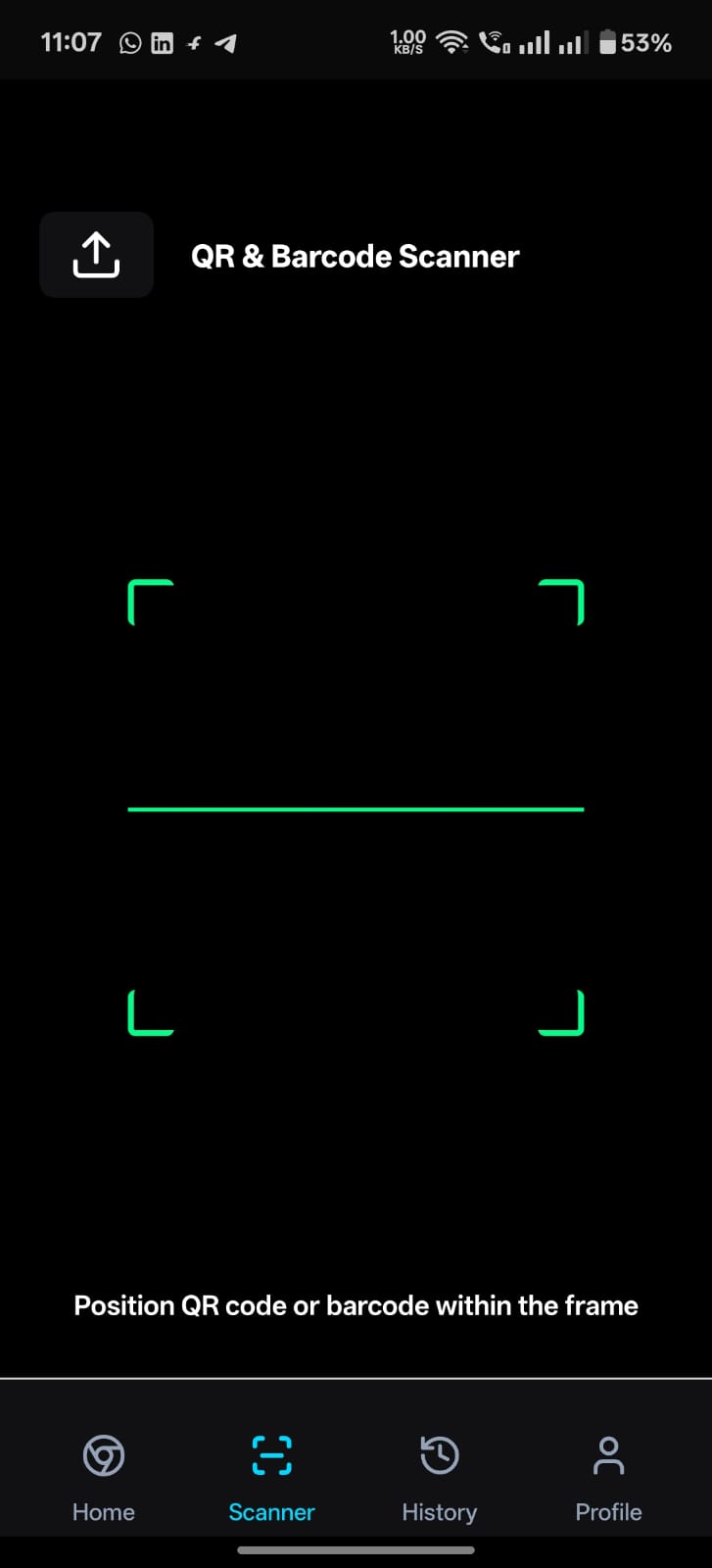
scanner
-
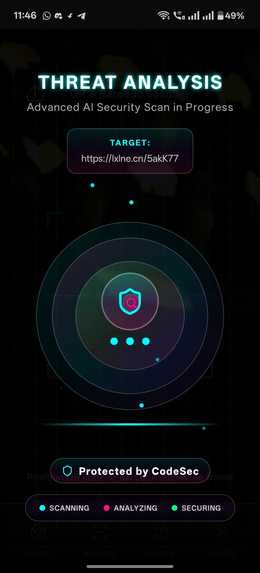
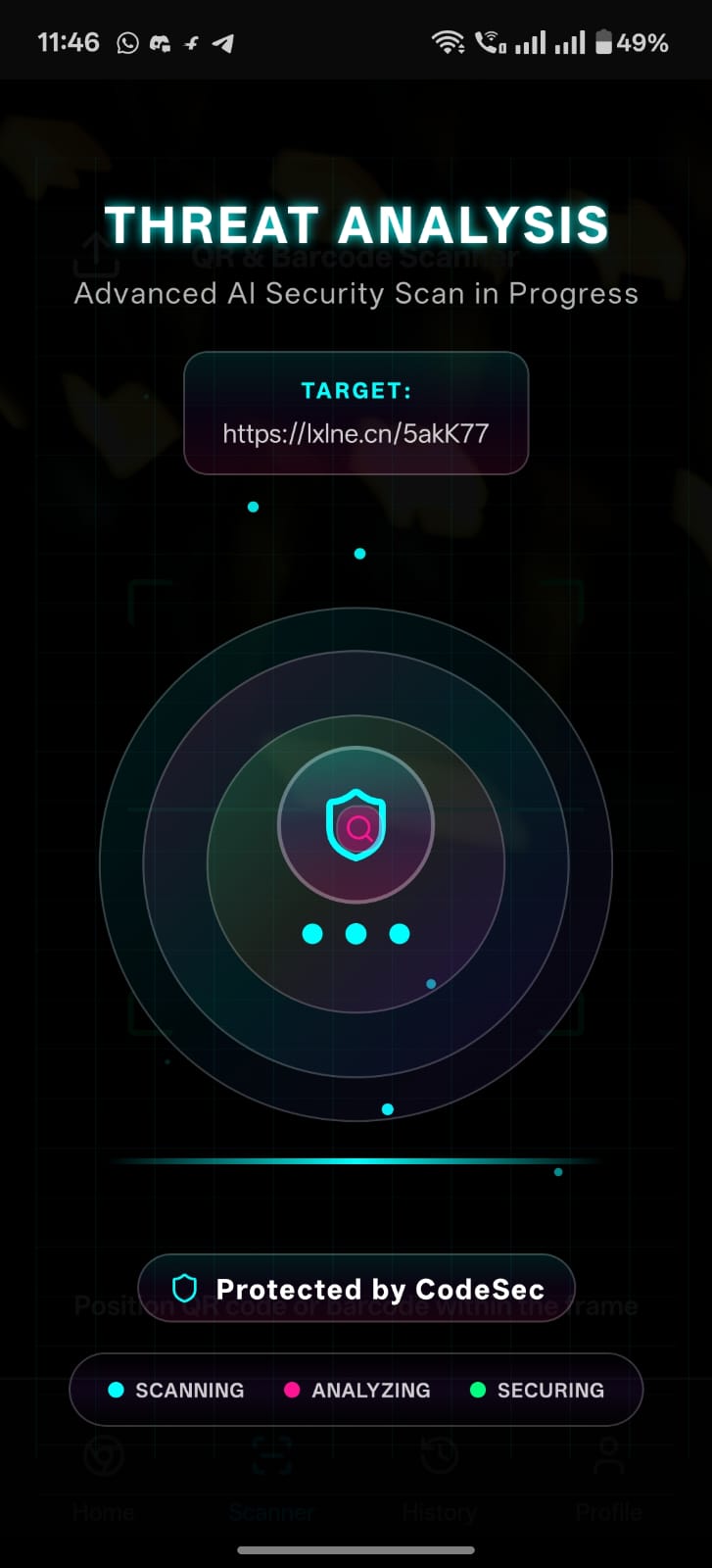
scanner animation
-
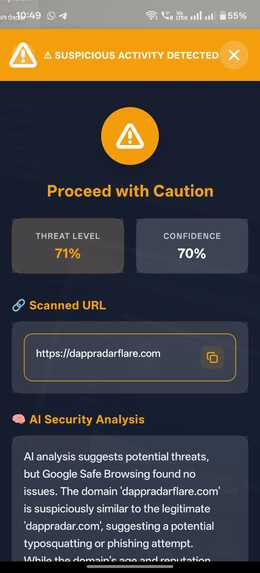
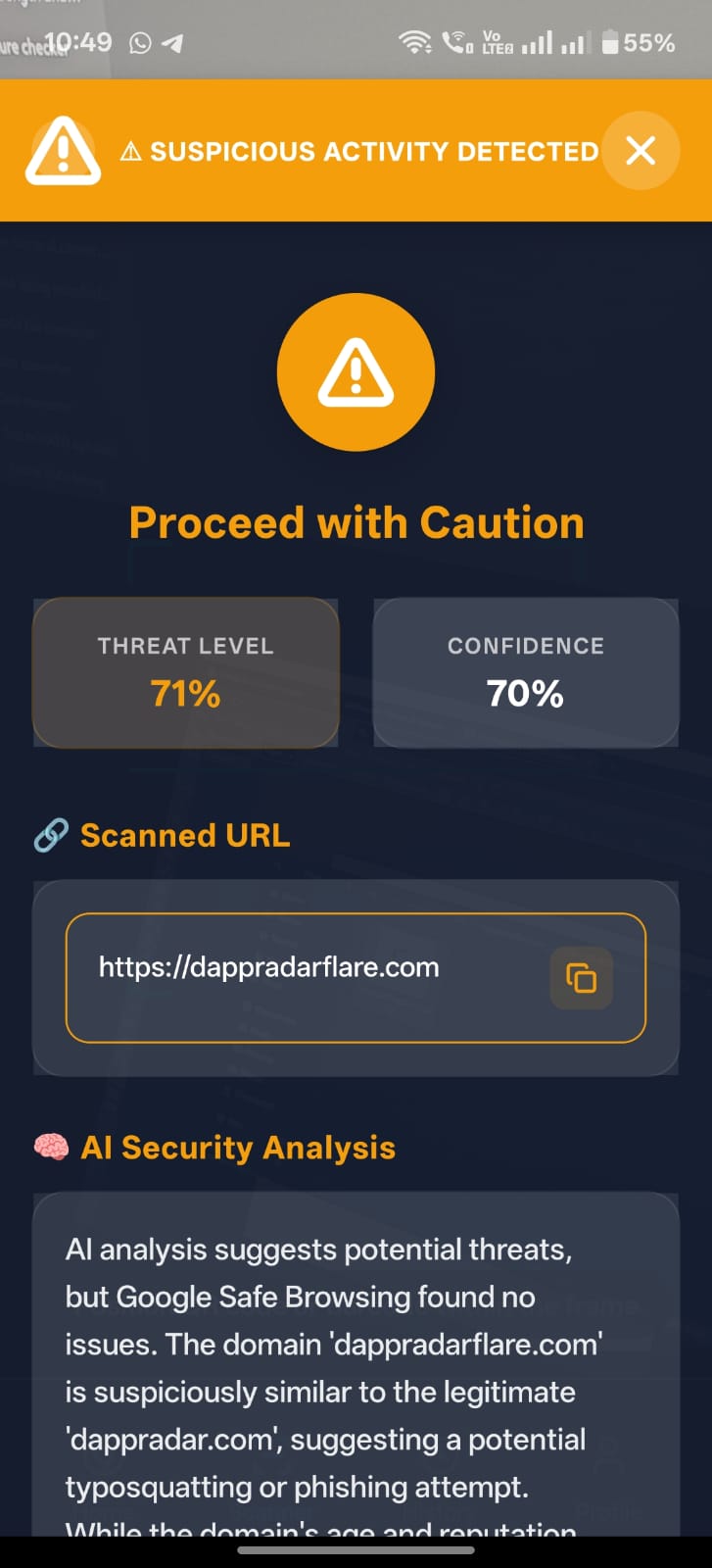
results
-
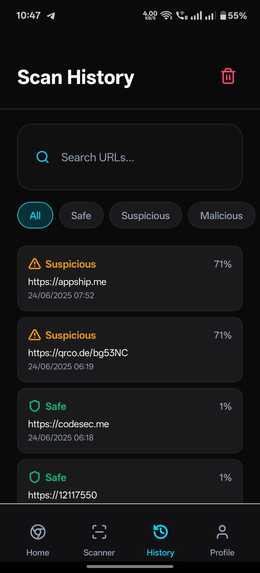
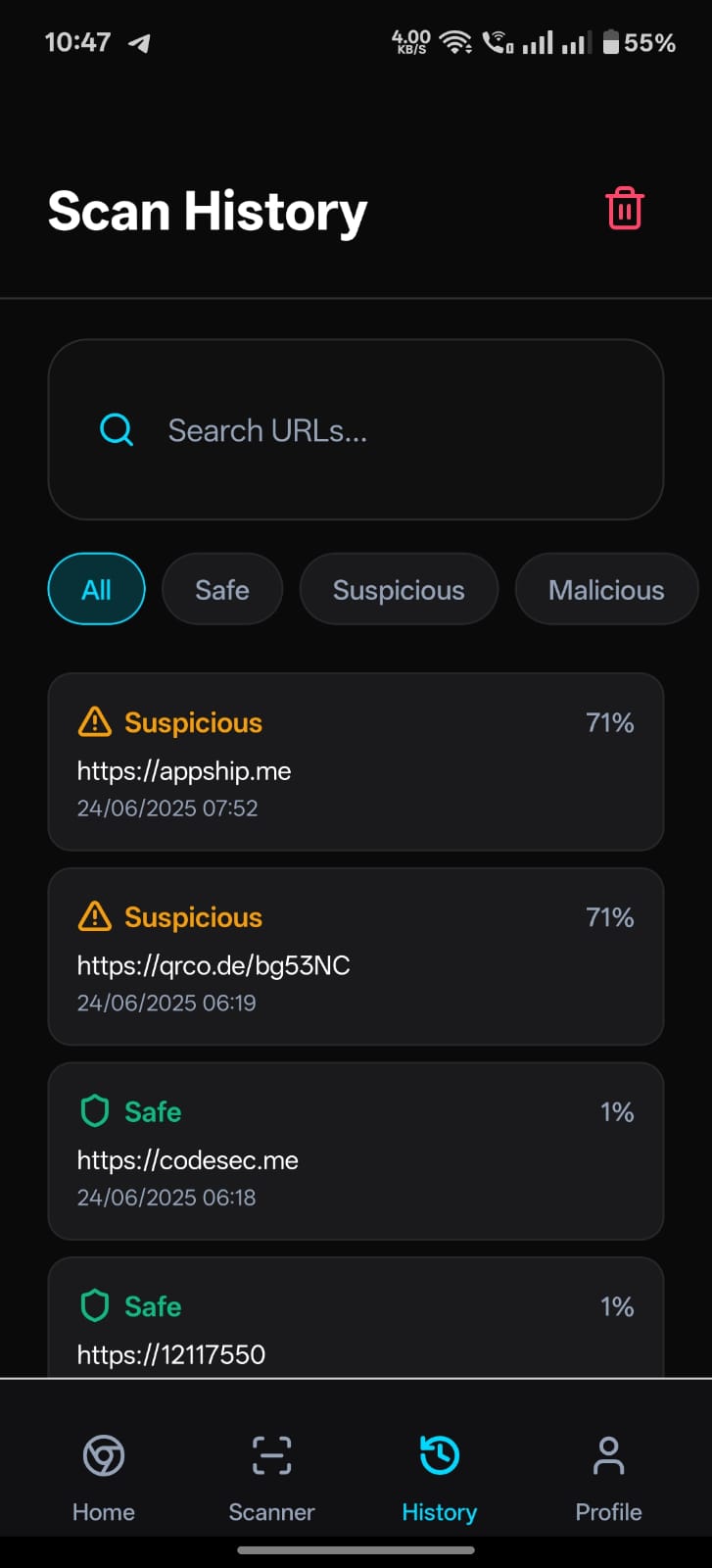
History page
QRGuard – Project Story
Inspiration
The idea for QRGuard came from a growing concern over malicious QR codes being circulated in public places—be it phishing scams on posters, payment frauds via fake UPI codes, or even malicious URLs shared offline. I realized there was no easy-to-use tool that could proactively check the safety of a QR code before a user clicks. With rising digital threats, I wanted to build a simple mobile-first scanner that empowers everyday users to protect themselves.
What it does
QRGuard is a smart QR code scanner that instantly checks the safety of any scanned URL using trusted sources like Google Safe Browsing, PhishTank, and other daily-updated threat databases. It leverages AI models such as ChatGPT, Gemini, and Claude.ai to provide real-time analysis, flag suspicious links, and suggest safe alternatives. Users can log in via magic link authentication or continue as guests, with the app maintaining a history of scanned links.
How we built it
I developed the app using TypeScript with React Native and Expo for the mobile frontend. For authentication, database storage, and edge functions, I integrated Supabase. The backend API was built using NestJS, which handles threat-checking by interfacing with Google Safe Browsing, PhishTank, and internal ML logic powered by AI models like ChatGPT.
The app supports:
- Magic link login (via Supabase)
- Guest access with limited features
- History of scanned links
- AI-based threat summaries
- Clean UI built with dark mode support
Challenges we ran into
- Integrating real-time URL scanning APIs and handling rate limits from services like Google Safe Browsing.
- Creating a seamless magic link login flow across platforms.
- Combining multiple AI outputs (ChatGPT, Claude, Gemini) into one meaningful summary for the user.
- Ensuring the app remains lightweight while still being powerful in its detection capabilities.
Accomplishments that we're proud of
- Built and shipped a full-stack mobile app as a solo developer.
- Integrated multi-AI models into a single pipeline to analyze malicious content in scanned QR links.
- Designed a user-friendly interface with both guest and authenticated modes.
- Enabled real-time protection using only open-source and developer-first tools.
What we learned
- Efficiently combining AI models like ChatGPT, Claude, and Gemini for a single task.
- The power of Supabase for quickly adding secure, scalable backend features.
- The importance of UI/UX when building cybersecurity tools for non-technical users.
- How essential URL safety is in the modern digital landscape—and how underprotected users are.
What's next for QRGuard
The roadmap for QRGuard includes:
- SMS Scan: Detecting suspicious links in SMS content automatically.
- Payment Scan: Validating UPI/payment QR codes to protect against financial fraud.
- Push notifications for newly discovered threats in previously scanned links.
- Browser extension to scan QR codes and links directly on the web.
- Local ML models for faster and offline-first threat detection.
QRGuard is powered by open-source technologies and AI—designed to make digital safety simple and accessible to all.
Built With
- bolt.new
- chatgpt
- claude.ai
- expo.io
- gemini
- nestjs
- react-native
- supabase
- typescript


Log in or sign up for Devpost to join the conversation.