-
qrate logo
-
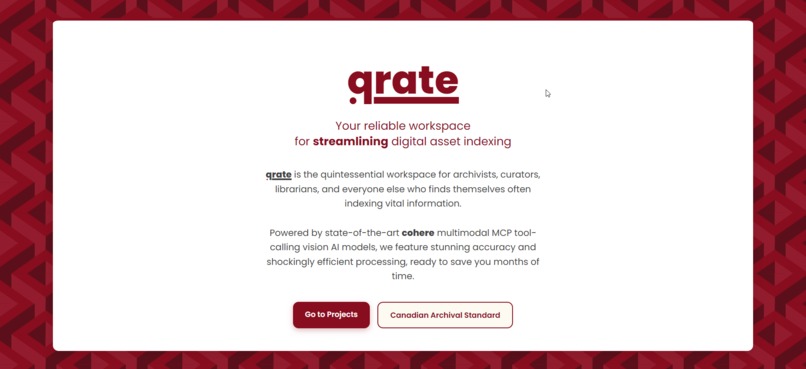
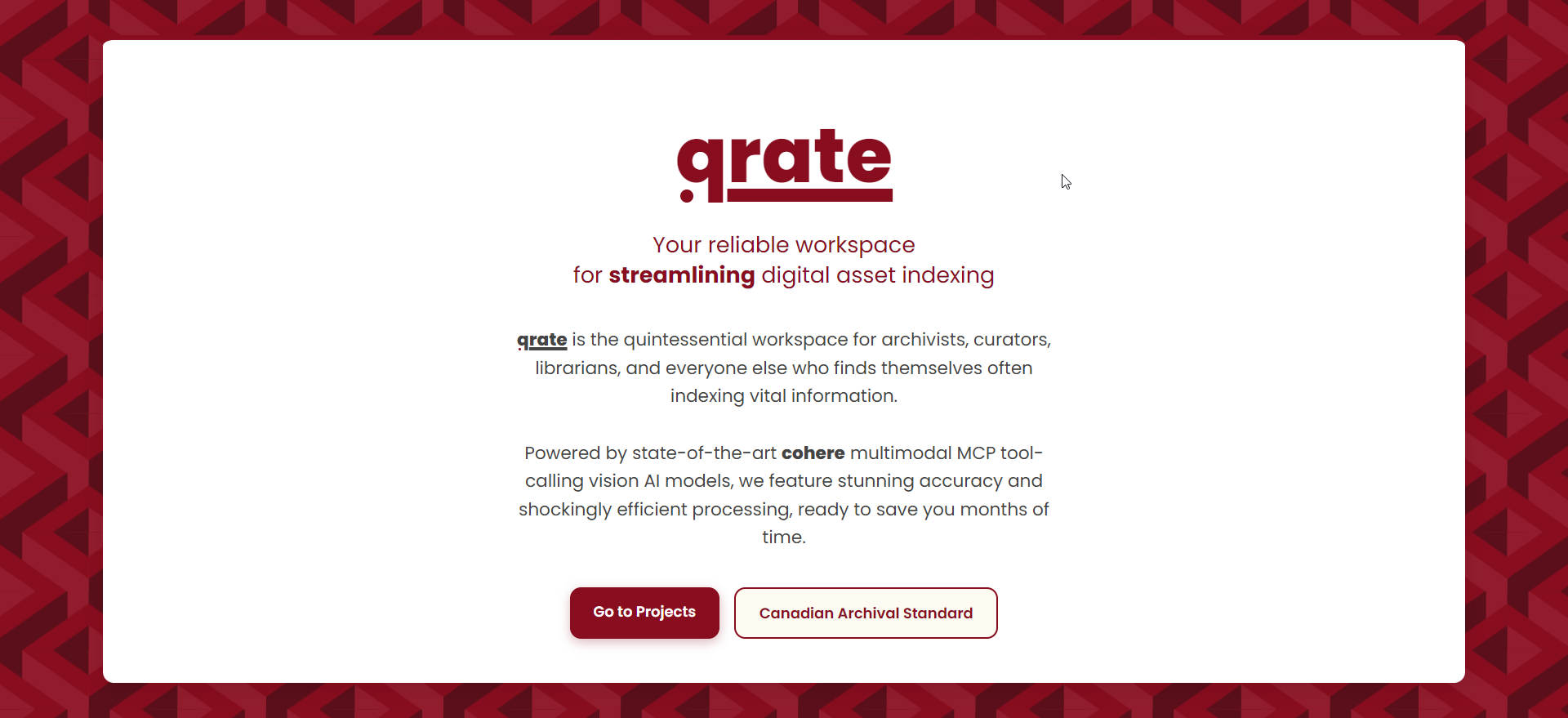
Landing page
-
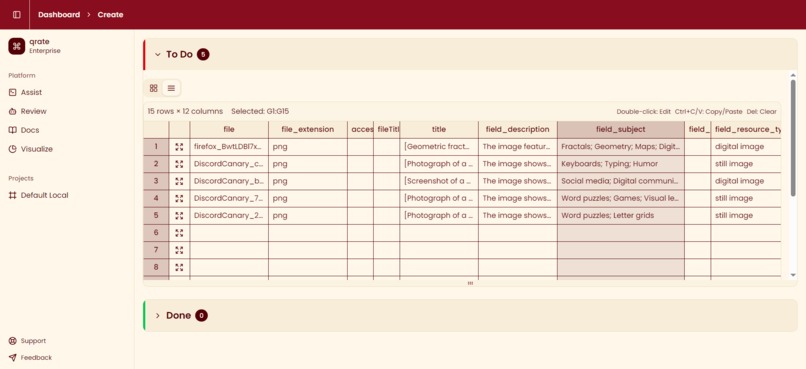
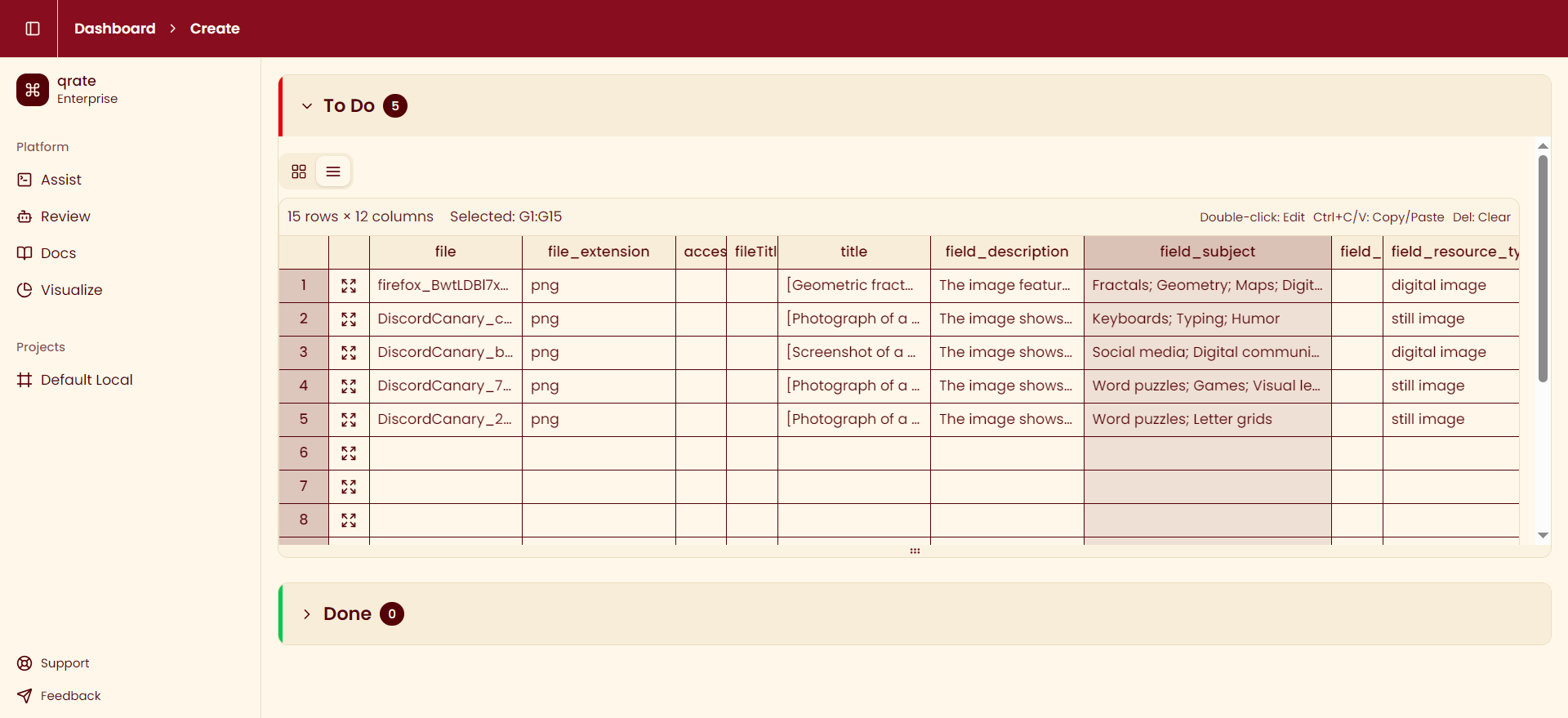
Spreadsheet page
-
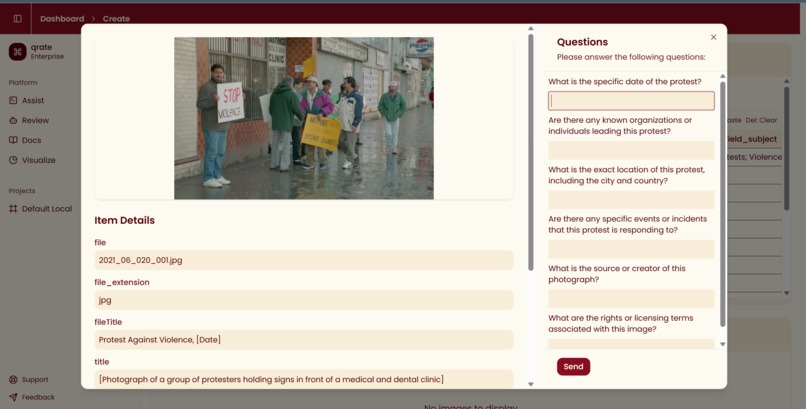
qrate - The Quintessential Archivist's Tool
What if we lost information about the past because we ran out of time in the present?
Inspiration
As an expert in the archival field (for museums, libraries, etc.), one of our teammates has personal experience with how tedious, mind-numbing, and infuriating archiving can be. Data entry takes entire years, precious time that could be spent anywhere else. In the digital age, archiving information and objects isn't just keeping them safe. It means saving them online in standardized formats, keeping information alive as long as the fans in our computers keep spinning.
This is why we created qrate (pronounced curate). qrate isn't just an assistant for indexing historical information. It is an entire versatile and reliable AI-enhanced workspace that makes sure it gets the facts right. qrate helps significantly lower the time cost of archiving vital information about the past, while keeping accuracy and truthfulness at a maximum.
What it does
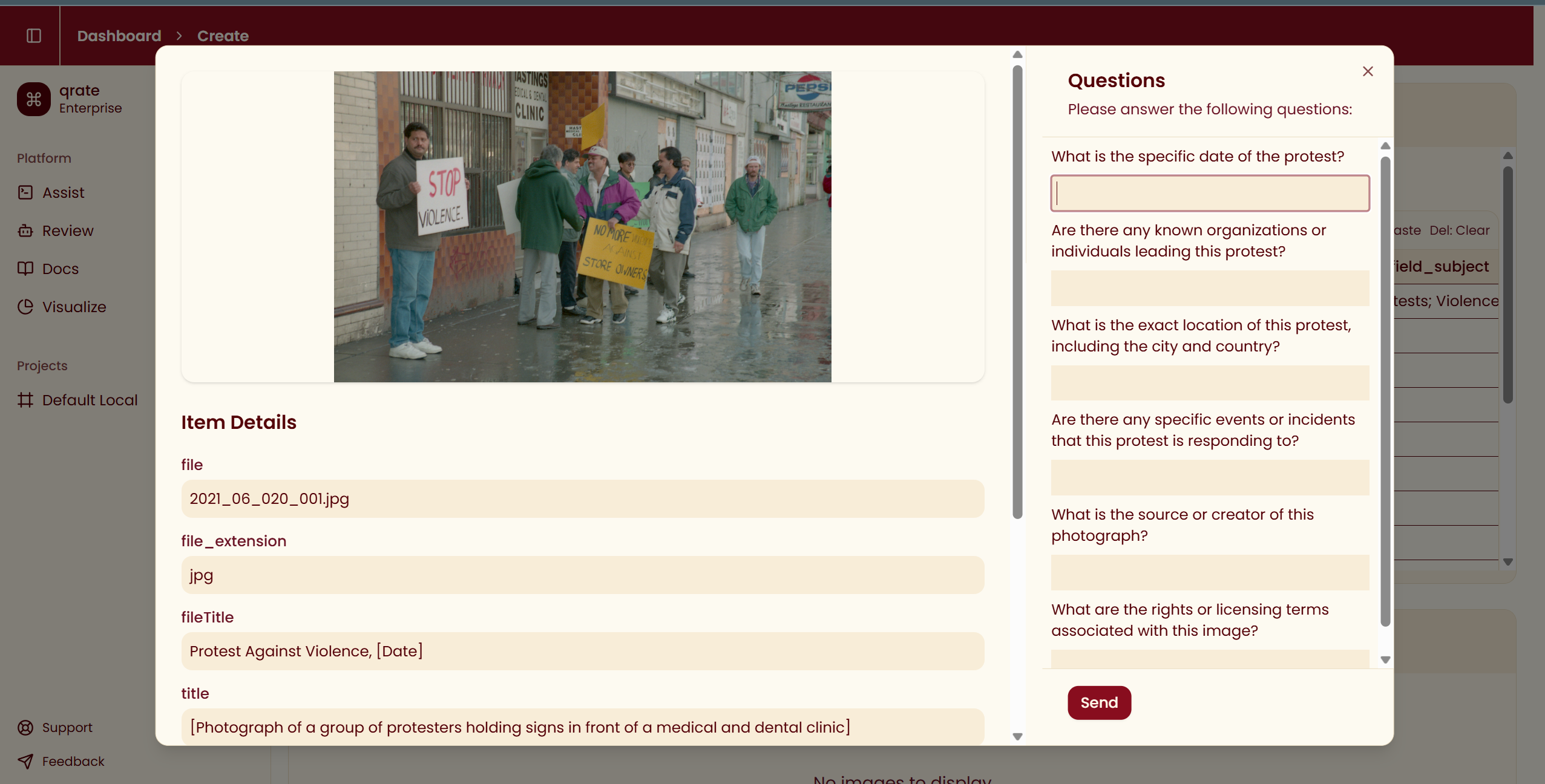
qrate is a fully-fledged workspace deeply intertwined with AI, made for archivists, historians, librarians, and everyone in-between. When you open it up and upload the images to be archived, you'll immediately see our custom spreadsheet. While it may appear like any regular spreadsheet at first, it will be immediately noticeable that several fields have already been filled out for you! These fields are simple enough that the AI assistant can immediately know enough to fill them in. If that didn't save enough time, if you click on an individual image, it will expand it, revealing a set of questions that the assistant wasn't sure about. When you answer them, the remaining fields will be filled out, and the entry will be completely done!
You can be sure that it's reliable, as you're the person supplying the unknown data. Using this system, archivists and others can easily annotate and index hundreds to thousands of entries in a fraction of the time that it would normally take. The entire workspace being designed around this ensures that you'll be fully focused. Everything automatically saves, so you can close the page, and come back when ready again!
How we built it
We began with pen and paper to design the first pages, then mapped out the data flow from user input to cache and finally to local storage. After that, we set up the environment by installing all the necessary dependencies, including the latest versions of Node, Svelte, Cohere, and Shadcn.
Next, we focused on the backend, experimenting with the Cohere playground to test functionality and measure query response times. Once we had a clear estimate of performance, we divided the work: assigning different pages to each team member to develop menus, dashboards, pop-ups, and tables.
Challenges we ran into
As the project scaled, we noticed certain fields were slow to transfer between the server and client. To address this, we implemented caching techniques such as IndexedDB, which significantly improved performance and streamlined the process. Toward the end, however, fatigue set in and we began making mistakes with Git. A few merge conflicts unfortunately resulted in data loss.
Accomplishments that we're proud of
We encountered a particularly challenging issue and weren’t initially sure it was even solvable. However, through persistence and long hours of focused coding, we managed to overcome it right up until the final deadline. At the same time, we built valuable connections and took the opportunity to apply for jobs.
What we learned
Since this was the first prompt engineering project for most of us, the ruleset that we had to strictly define in order to get the best results from the AI became a crucial learning experience. We quickly realized that even small changes in phrasing could drastically alter the outputs, so establishing clear guidelines and iterating carefully was essential. This process not only improved our final results but also gave us a deeper understanding of how to effectively communicate with AI systems.
What's next for qrate
Many of our tabs for deep-searching assets are still under development. We believe there’s strong potential to leverage AI further to improve asset discovery and retrieval using models such as MCP. In the future, we can continue to develop and expand this technology.
Built With
- cohere
- css
- html
- indexeddb
- javascript
- svelte
- sveltekit
- tailwind
- typescript


Log in or sign up for Devpost to join the conversation.