What it does
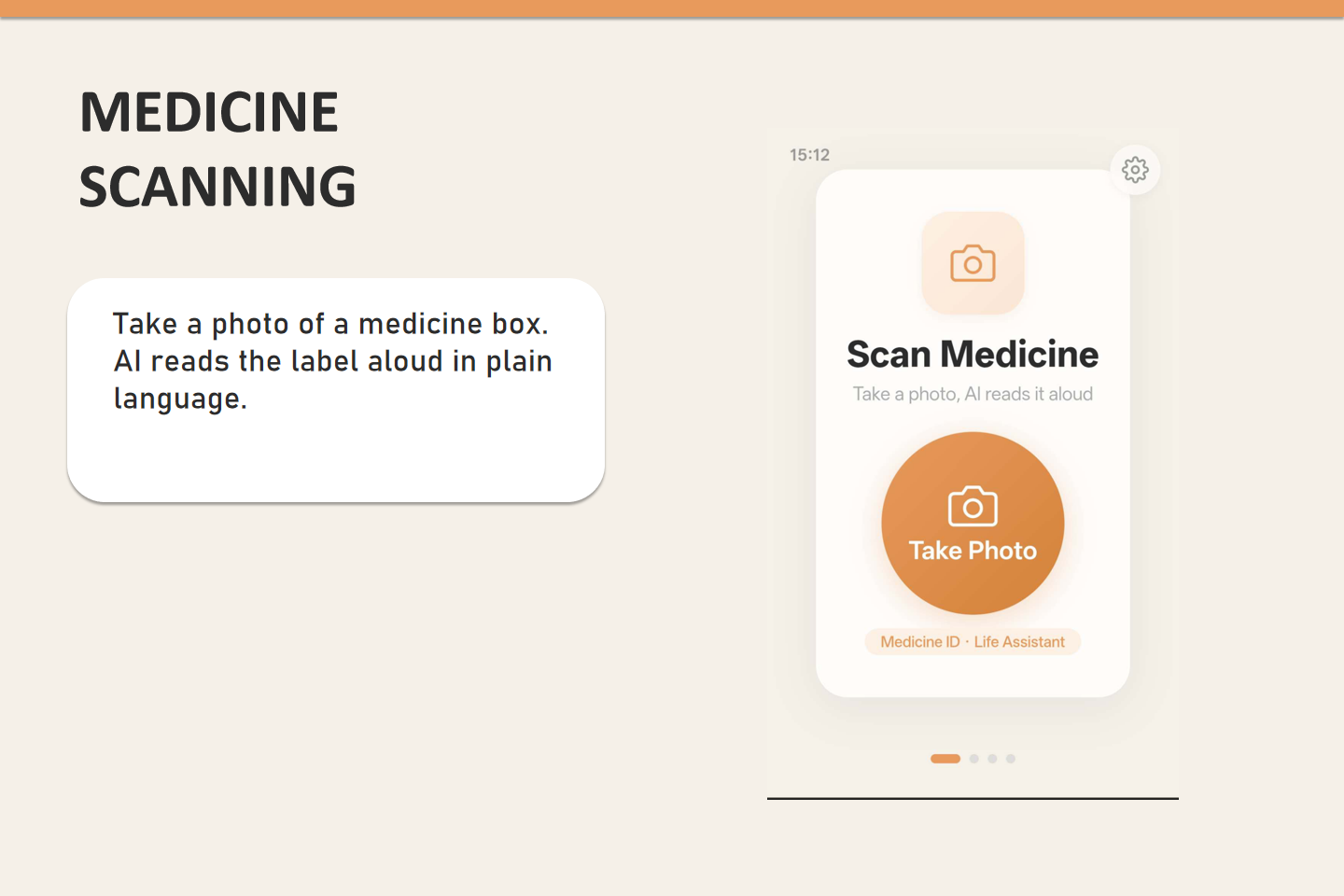
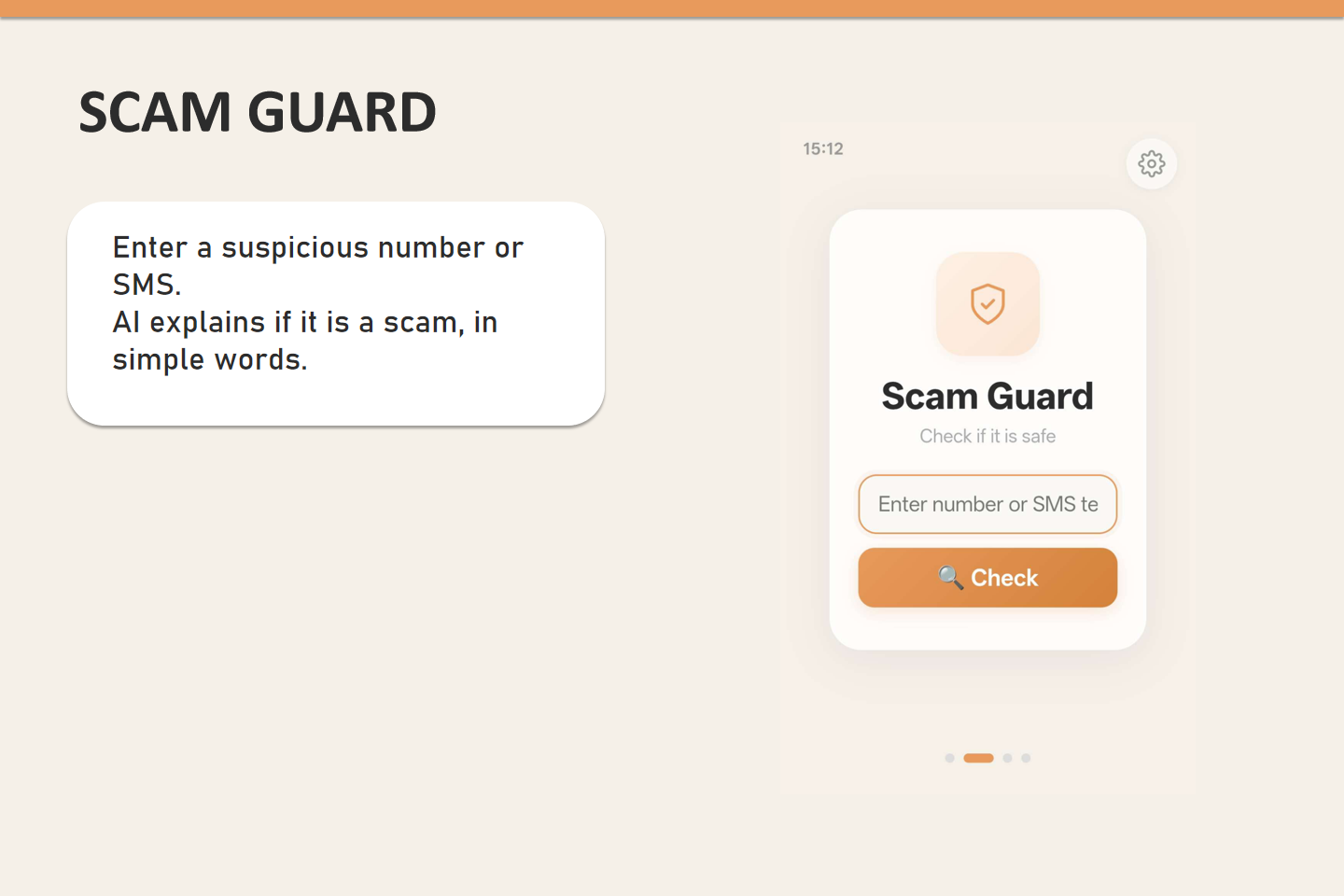
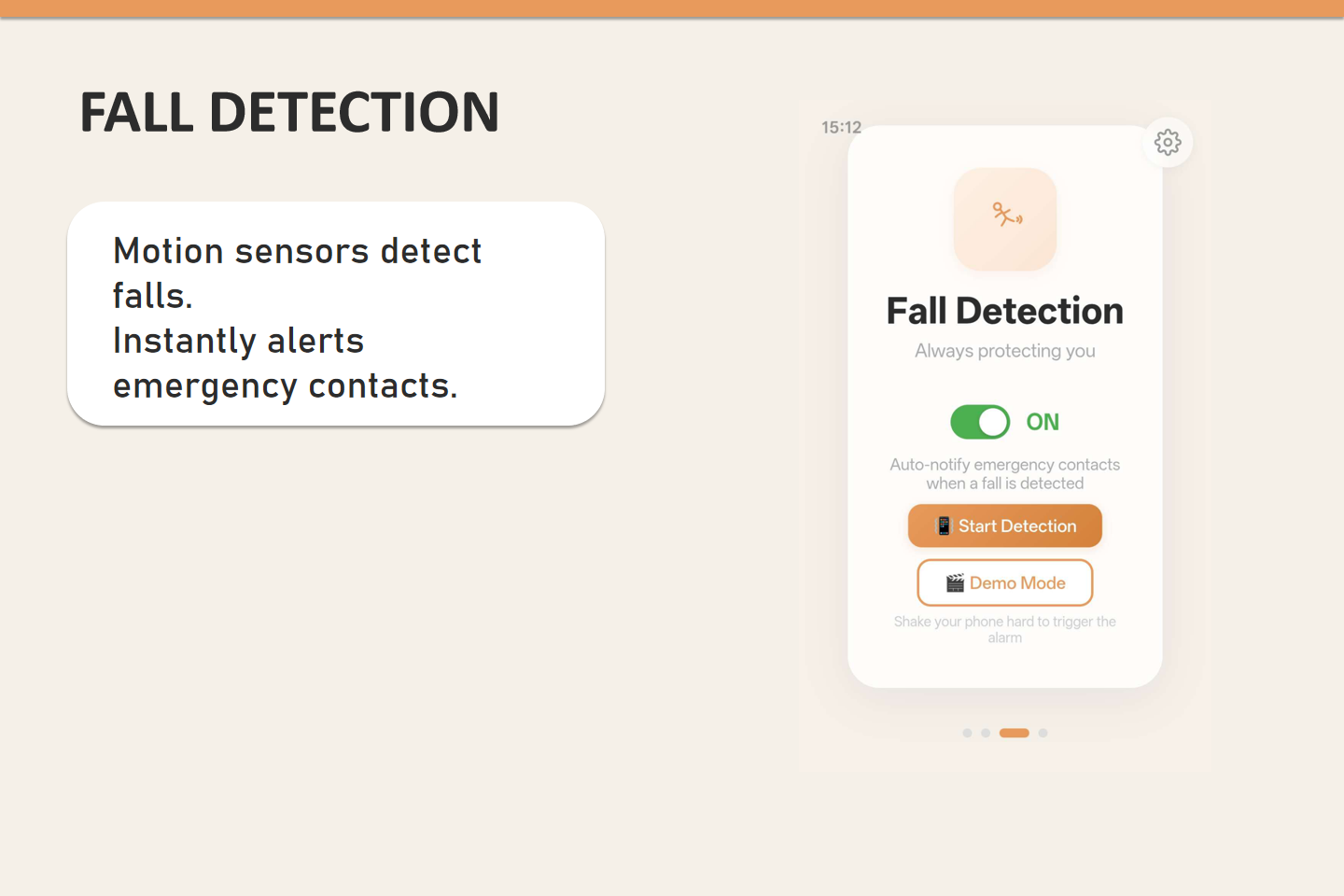
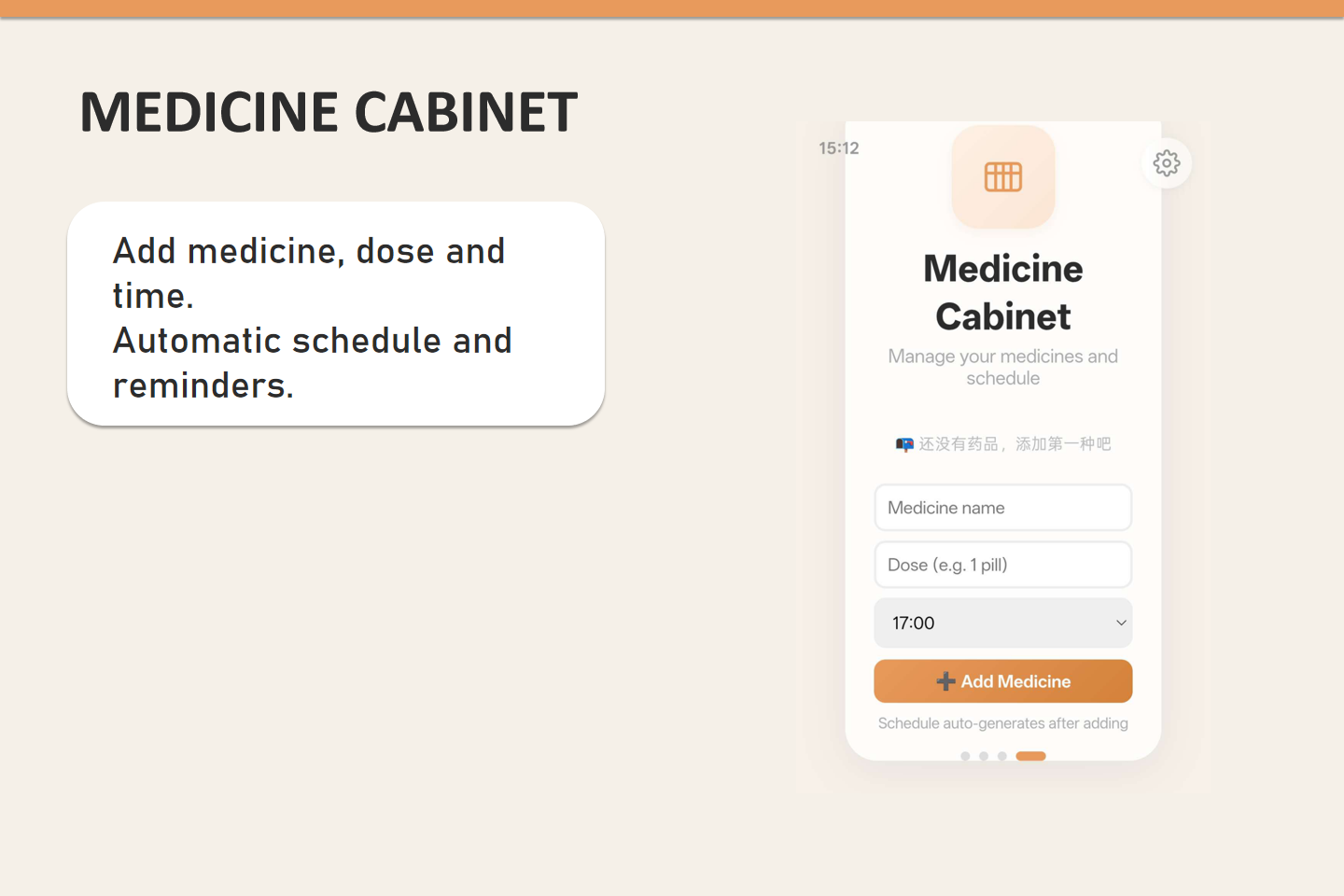
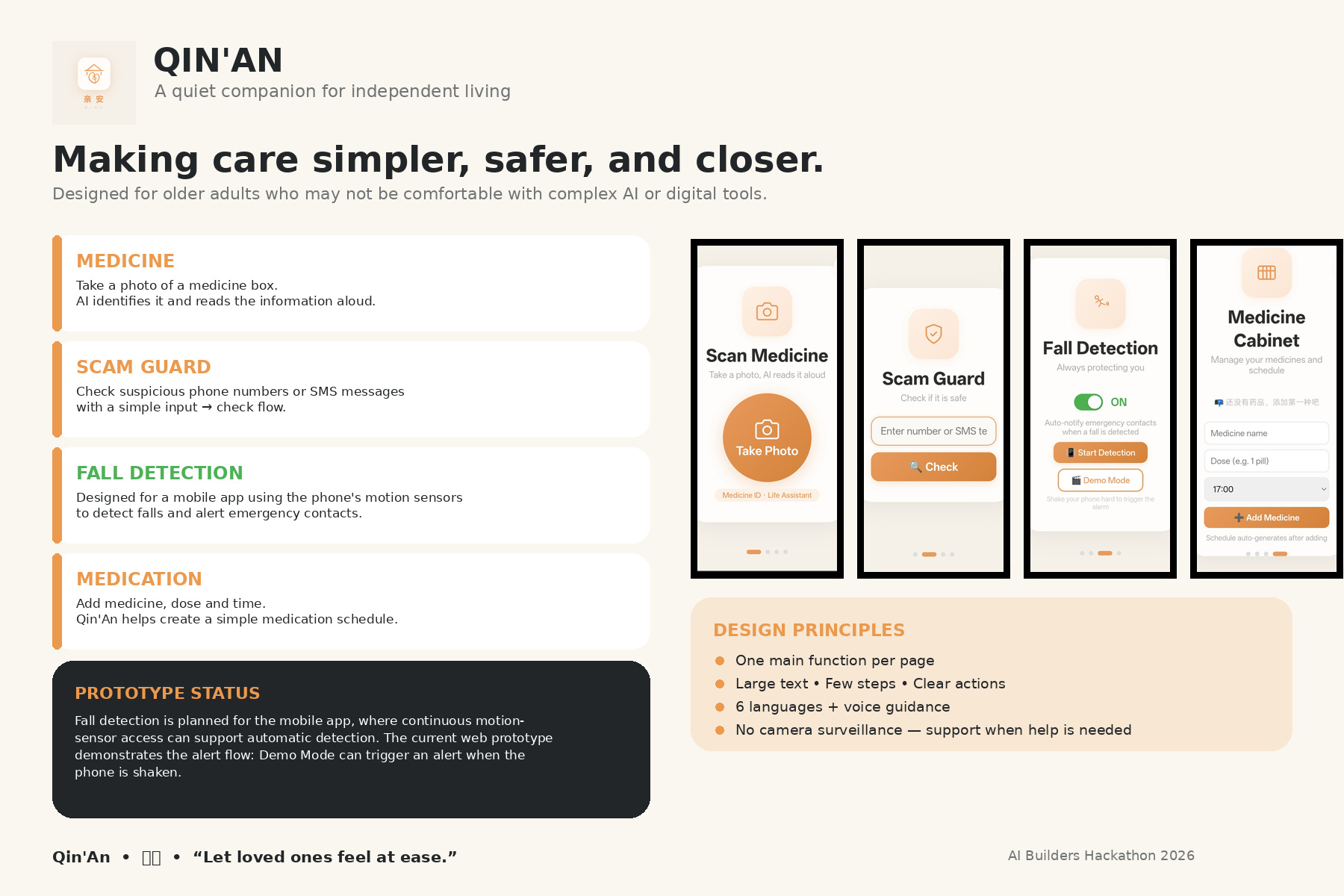
Qin'An is an AI-powered safety and care assistant designed for older adults living alone. The name “Qin'An” means “peace of mind for family.” We believe that family members often notice an older person's needs before the older person does. Qin'An is designed to help families care for their loved ones without constantly monitoring them. The prototype provides several simple, single-purpose features: Scan Medicine: Take a photo of a medicine package and let AI identify it and read the information aloud. Medicine Cabinet: Add medicines, dosages, and schedules to help users remember when to take them. Scam Guard: Check suspicious phone numbers or SMS messages for potential scams. Fall Detection: The prototype demonstrates an emergency alert flow. In the future mobile version, motion sensors can be used for automatic fall detection and emergency notifications. Voice support and six languages: Make the experience more accessible to users with different language and reading needs. Qin'An is not a camera-based monitoring system. Instead, it aims to be a quiet guardian that stays nearby and helps when something goes wrong.
How we built it
We built Qin'An as a web prototype with an interface specifically designed for older adults. Instead of putting many complicated functions on one screen, we designed single-function pages, large text, clear buttons, and fewer steps. This makes each task easier to understand and reduces the amount of technology the user needs to learn. We integrated AI-powered interactions for medicine recognition and scam detection, while designing the medication scheduling and emergency-alert flows around real-life situations. The fall detection feature is currently demonstrated through the web prototype's alert flow. Because a browser cannot continuously access the phone's motion sensors in the same way a native mobile application can, automatic sensor-based fall detection is planned for the future mobile version.
Challenges we ran into
One of our biggest challenges was balancing more features with simplicity. As we added medication support, scam detection, fall detection, reminders, voice output, and multiple languages, the product could easily become complicated. However, our target users may not be familiar with AI or complicated interfaces. We therefore had to constantly ask: How can we add more help without making the product harder to use? Another challenge was implementing fall detection in a web prototype. We wanted to demonstrate the complete emergency experience while being honest about the limitations of browser-based sensor access. This led us to separate the current prototype from the future mobile implementation.
Accomplishments that we're proud of
We are proud that Qin'An has grown from an idea about elderly safety into a working prototype with a complete user experience. We created: A complete elderly-friendly interface AI-powered medicine recognition Medicine scheduling and reminders Scam detection A fall emergency-alert demonstration Voice output Support for six languages A consistent visual identity and logo Most importantly, we are proud that the project is built around a human problem rather than simply adding AI for the sake of using AI. Qin'An is designed to help families feel safer when they cannot always be there.
What we learned
We learned that good technology is not necessarily technology with the most features. While building Qin'An, we realized that adding more functions can actually make a product harder to use. For older adults, simplicity, clarity, and accessibility can be just as important as the underlying AI. We also learned to design around the difference between a prototype and a real-world product. Some ideas that work well in a web demonstration require different technical approaches to become reliable mobile features. Most importantly, we learned that building an AI product is not only about making AI work — it is about understanding who will use it, what they need, and how technology can fit naturally into their lives.
What's next for Qin’an — AI Care, When Family Can’t Be There
Our next step is to turn Qin'An from a web prototype into a mobile application. The mobile version could provide continuous access to motion sensors, enabling automatic fall detection and faster emergency notifications. We also hope to expand Qin'An with more safety and health features while keeping the interface simple enough for older adults to use independently. Our long-term vision is simple: Qin'An should not feel like complicated technology. It should feel like a quiet companion that is there when family can't be.
Built With
- ai
- alibaba
- api
- cloud
- css
- dashscope
- devicemotion
- github
- html
- javascript
- learning
- machine
- speech
- web

Log in or sign up for Devpost to join the conversation.