-
-
Wrist device for detecting if a person's tai chi movement is misaligned
Inspiration
Following a Tai Chi video is harder than it looks. You’re watching the teacher, trying to remember the steps, and checking your own movement at the same time.
Qi Mirror came from wanting a little more help in that moment. Something that lets you slow down, focus on one movement, and understand what to try differently next time.
What it does
Qi Mirror helps you practise Tai Chi at your own pace. You can explore 24 forms, watch demonstrations, and follow movement guides through your camera.
In the opening lesson, starting squares help you get into position, paths guide your movement, and ending targets show where to finish. Spoken feedback follows each attempt, and a Factory-powered AI Wellness Movement Review brings together the lesson’s corrections and practice priorities.
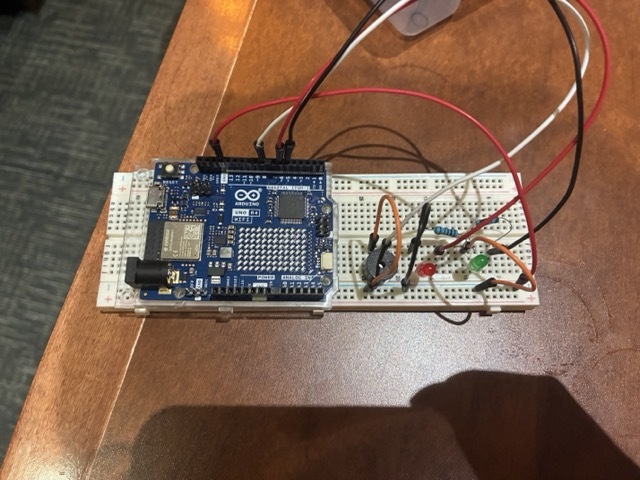
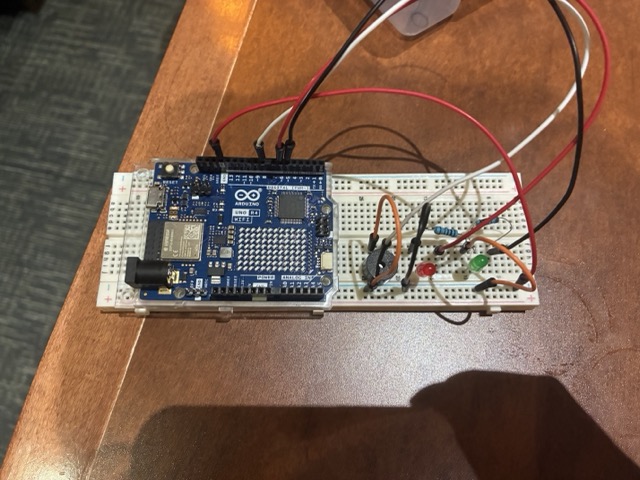
You can also upload an instructor video and turn it into smaller teaching steps. There’s a rotatable 3D skeleton for a closer look at the movement, plus optional Arduino lights and a buzzer for physical cues.
How we built it
We used Next.js, React, and TypeScript for the app. The design takes inspiration from ink painting, with a circular form selector and a calmer feel that fits Tai Chi.
MediaPipe tracks body landmarks locally in the browser. Those observations help us work out palm and foot positions, align the practice guides, and review movement. Three.js handles the 3D skeleton.
The Factory Droid SDK runs inside the app as a coaching agent. It receives a short text summary of measured movement issues and chooses coaching that fits those observations. At the end of a lesson, it uses the retained attempt history to put together the final review. Camera frames and raw landmarks stay local.
Challenges we ran into
Getting the guides to line up with someone’s body took a lot of work. Camera distance, body proportions, and mirroring all affect where things appear.
Tracking also gets unclear sometimes. A missing hand shouldn’t automatically become a movement mistake, so separating those cases was important.
Then there was pacing. People need time to find their starting position and finish a movement. AI feedback takes time too, so we started preparing Factory sessions while the learner watches the demonstration.
Accomplishments that we’re proud of
We’re proud of getting the full practice loop working: watch, get into position, move, hear feedback, and try again.
Bringing uploaded instructor videos into that same experience was a big milestone. Getting the 3D view, spoken coaching, and Arduino cues working alongside it made the project feel much more complete.
There are also 124 automated core tests, along with browser checks covering important parts of the flow.
What we learned
Small interaction choices make a big difference. Holding the teacher’s pose on screen can be more helpful than adding another instruction. One clear correction gives someone something manageable to work on.
We also learned how much an agent’s usefulness depends on the context it receives. Giving Droid specific movement evidence and a focused coaching role helped keep its feedback connected to what happened during practice.
What’s next for Qi Mirror
Next, we want to bring Factory coaching to more of the 24-form library, make uploaded videos easier to divide into teaching steps, and let people revisit their practice history.
The most useful next step is trying it with more beginners and Tai Chi instructors. Their feedback will help us figure out which cues work, where the pacing feels awkward, and what deserves attention next.
Built With
- mediapipe
- next.js
- python
- react
- three.js
- typescript

Log in or sign up for Devpost to join the conversation.