Inspiration
We were inspired by the massive challenge fashion retailers face in predicting demand accurately. Every season, companies like Mango struggle with overproduction (wasting resources) or underproduction (missing sales opportunities). We wanted to leverage AI to transform this guessing game into a data-driven science.
What it does
analyzes historical sales data, product characteristics, and seasonal patterns to predict exactly how much of each fashion item will be demanded. Our AI model provides production recommendations that minimize lost sales while reducing excess inventory, helping fashion brands optimize their supply chain and maximize profitability.
How we built it
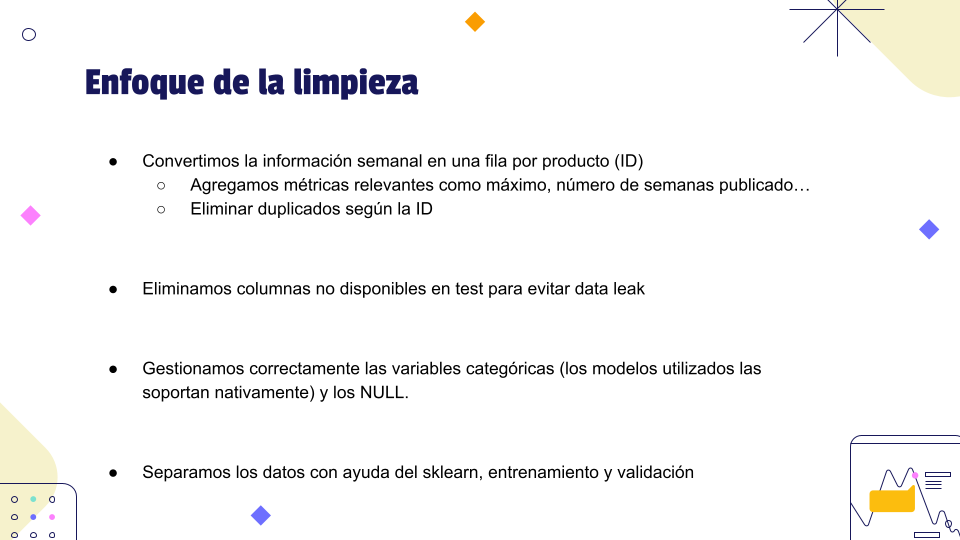
Data Pipeline: Built robust data preprocessing handling multiple file formats and messy real-world data
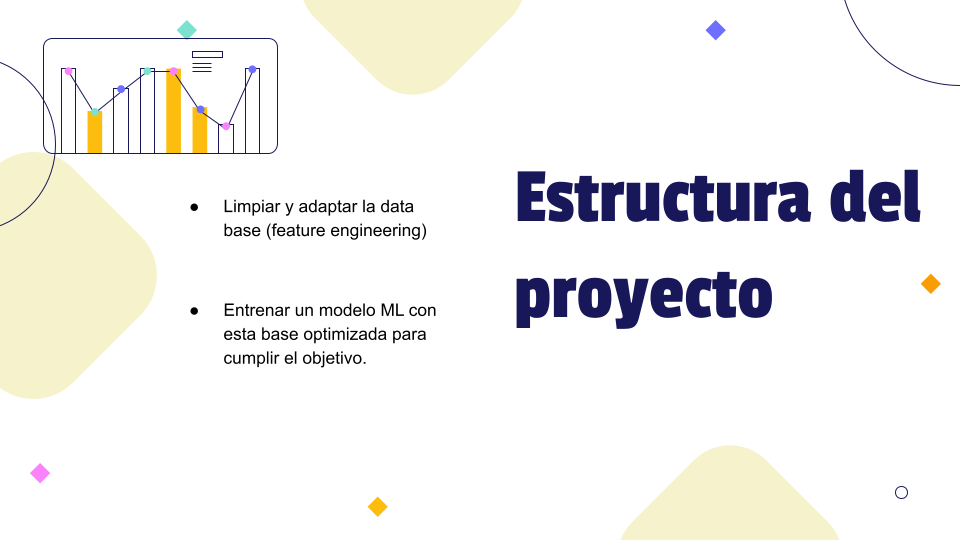
Feature Engineering: Created intelligent aggregations transforming weekly sales data into product-level features
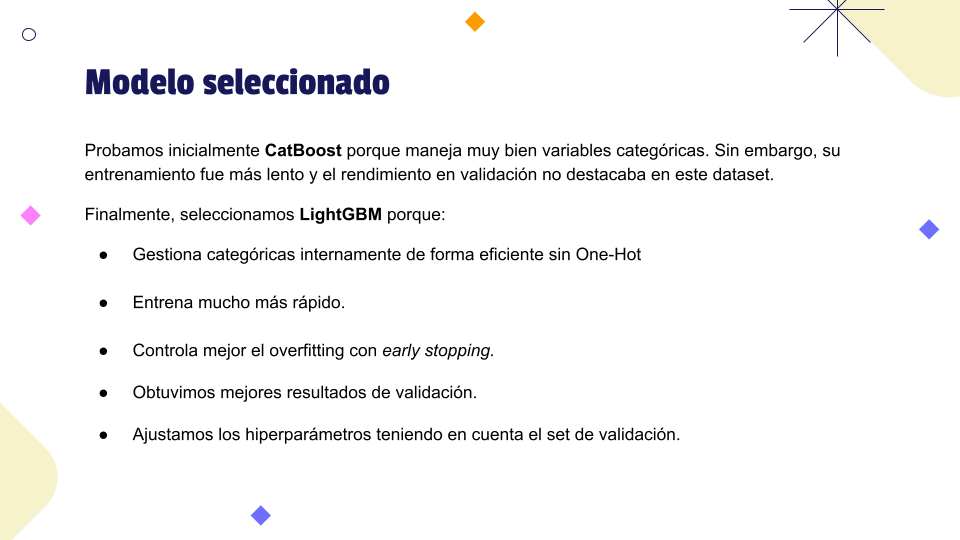
AI Models: Implemented both CatBoost and LightGBM ensembles specialized for tabular data with categorical features
Validation Framework: Developed cross-validation with temporal splits to prevent data leakage
Production Ready: Designed end-to-end pipeline from raw data to submission file
Challenges we ran into
Handling inconsistent column names between train and test datasets
Managing high-dimensional categorical features (colors, fabrics, styles)
Dealing with sparse temporal data across multiple seasons
Balancing model complexity with computational efficiency
Ensuring predictions align with business constraints (no negative production)
Accomplishments that we're proud of
Created a robust pipeline that handles real-world data inconsistencies gracefully
Achieved strong predictive performance using ensemble methods
Developed interpretable feature importance to provide business insights
Built a scalable solution that can adapt to new seasons and product lines
Successfully transformed complex temporal data into actionable production recommendations
What we learned
The critical importance of feature engineering in retail forecasting
How CatBoost excels with categorical data compared to other algorithms
Strategies for handling hierarchical data (products → weekly sales)
The balance between model sophistication and practical business constraints
How fashion retail data has unique seasonal and product lifecycle patterns
What's next for Qbav
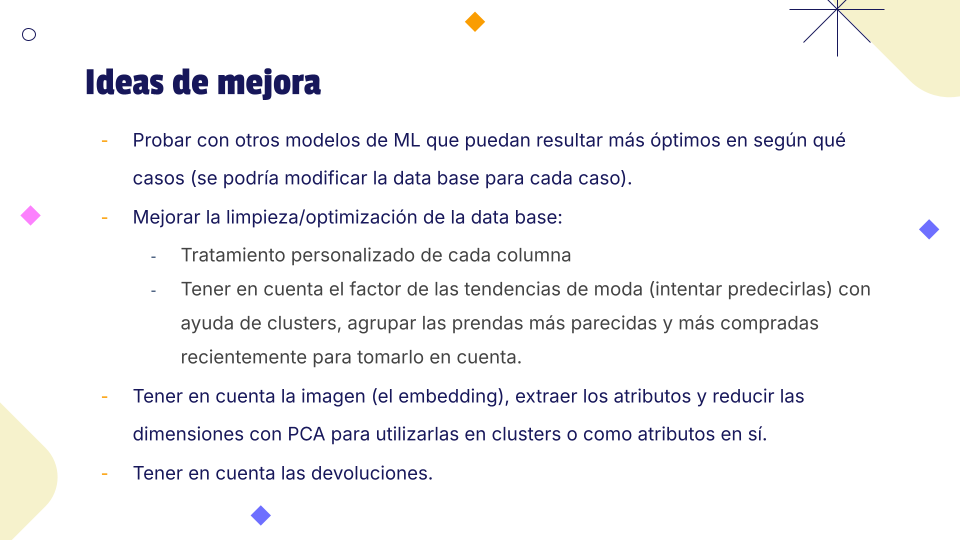
Multi-season Forecasting: Incorporate longer historical data for better trend detection
Image Analytics: Integrate computer vision using garment images for style similarity
Real-time Adaptation: Create dynamic models that update as new sales data arrives
Product Recommendations: Suggest optimal product mixes and new style development
API Integration: Deploy as a cloud service for fashion retailers worldwide
Built With
- colab
- keggle
- ml
- python

Log in or sign up for Devpost to join the conversation.