
Inspiration
Modern apps ship faster than ever, but QA teams struggle to keep up with the growing number of user scenarios, edge cases, and device combinations. Most testing tools focus on automation after requirements are already written.
We wanted to answer a different question:
What if teams could rehearse user behavior before real users ever touch the product?
QA Rehearsal Theater was inspired by the idea that AI personas can simulate realistic users, challenge product assumptions, and uncover usability issues much earlier in the development cycle.
What it does
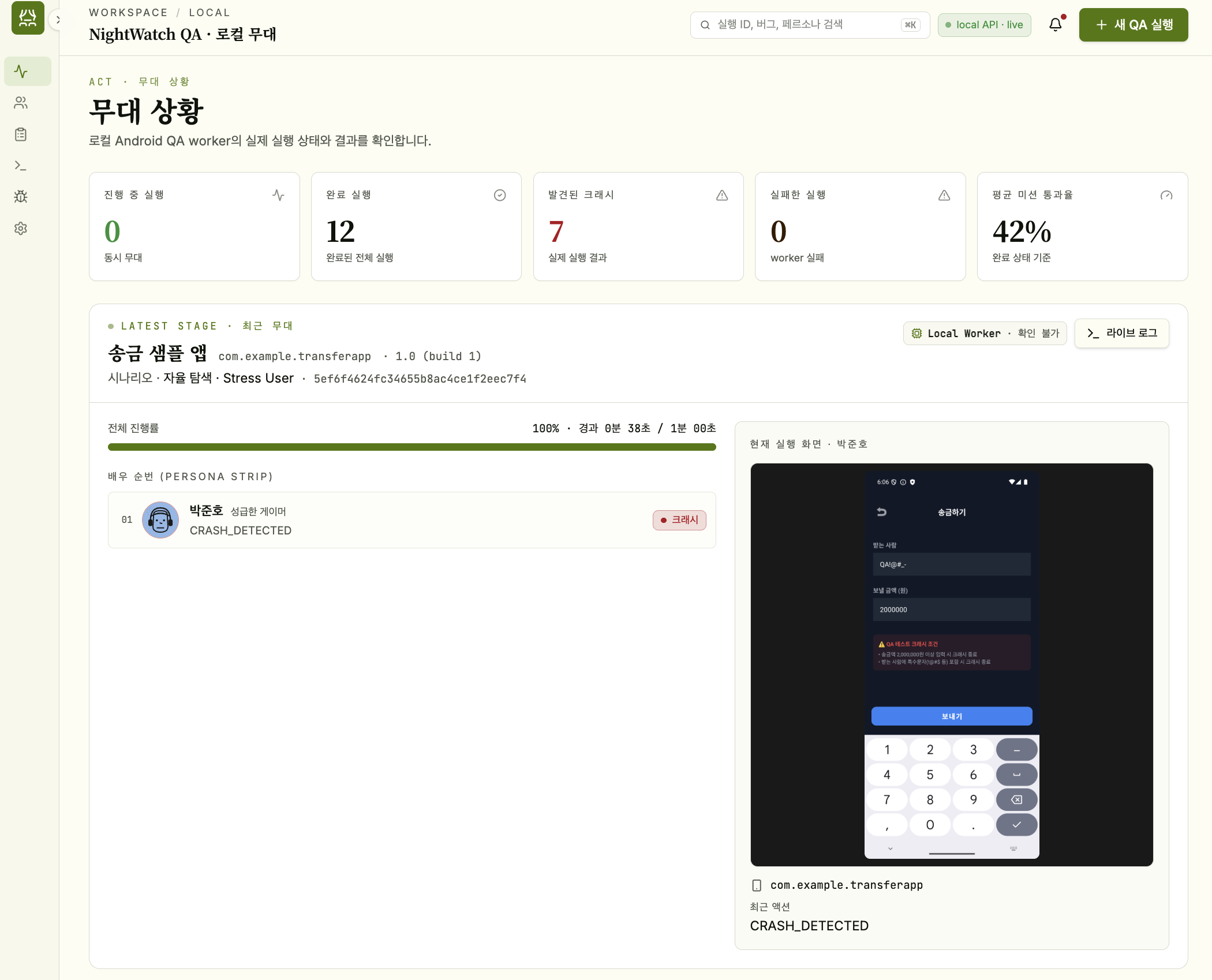
QA Rehearsal Theater generates AI-powered user personas and lets teams run simulated product reviews before launch.
The platform can:
- Create diverse user personas with different goals, experience levels, and behaviors
- Simulate realistic user journeys through an application
- Generate QA feedback from each persona’s perspective
- Identify usability issues, confusing flows, and missing functionality
- Compare feedback across multiple personas
- Help teams prioritize improvements before investing in expensive testing cycles
Instead of asking “Does the feature work?”, we ask:
“How would different users experience this feature?”
How we built it
We built QA Rehearsal Theater as a local-first AI application.
Frontend
- React dashboard
- Bootstrap-based UI
- Persona management interface
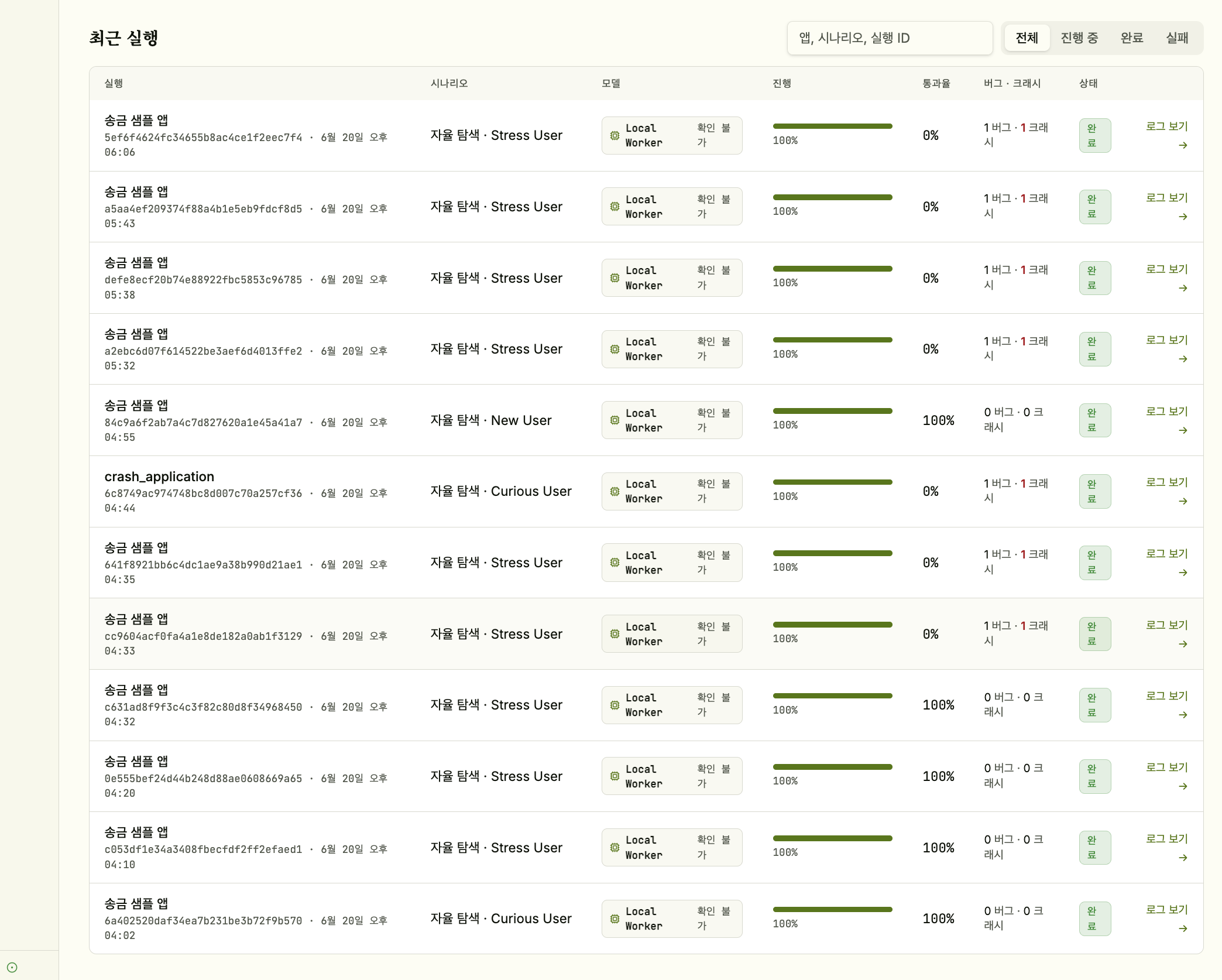
- QA simulation monitoring dashboard
Backend
- Python service layer
- REST APIs
- Persona orchestration engine
- Scenario execution pipeline
AI Layer
- LLM-powered persona generation
- Persona memory and behavioral profiles
- Structured QA evaluation prompts
- Multi-persona review aggregation
Infrastructure
- Dockerized deployment
- Local execution without mandatory paid services
- Optional integration with advanced AI providers
Challenges we ran into
Creating believable personas
Many AI-generated personas sounded generic and produced repetitive feedback. We spent significant time designing persona presets and behavioral constraints to make each persona feel unique.
Avoiding AI echo chambers
When multiple AI agents review the same product, they often converge on identical opinions. We had to introduce diversity mechanisms to generate independent perspectives.
Actionable QA output
Raw AI feedback can be overwhelming. Converting hundreds of comments into prioritized insights that product teams can actually use was a major challenge.
Balancing speed and realism
More realistic simulations require more reasoning and context, which increases execution time and cost. Finding the right balance was critical.
Accomplishments that we're proud of
- Built a working multi-persona QA simulation platform
- Created a reusable persona management system
- Generated realistic user feedback without recruiting test participants
- Reduced the effort required to explore edge-case user behavior
- Designed a local-first architecture that can run without expensive infrastructure
- Demonstrated how AI can assist product validation before traditional QA begins
What we learned
- Good QA is fundamentally about understanding users, not just finding bugs.
- Persona quality matters more than model size.
- Diverse perspectives uncover more product issues than a single powerful agent.
- Product teams need prioritized insights, not large volumes of feedback.
- AI agents are most effective when augmenting human QA rather than replacing it.
What's next for QA Rehearsal Theater
Short-term
- Android application testing support
- Improved persona libraries
- More realistic behavioral simulation
- Better issue prioritization and reporting
Mid-term
- Automated app exploration agents
- Integration with CI/CD pipelines
- Team collaboration features
- Historical QA trend analysis
Long-term
- A reusable AI QA platform for startups and product teams
- SDKs for community-driven persona creation
- Continuous AI user simulation throughout the software lifecycle
- A future where every release is reviewed by thousands of AI-generated users before reaching real customers


Log in or sign up for Devpost to join the conversation.