-
Demo Model
Inspiration
As the world races toward faster, safer communication—from defense to disaster response—we saw a clear gap. Laser communication is the future, and we wanted to make it accessible, secure, and scalable from right here in India. That vision became Q_LASE.
What it does
Q_LASE is a tiny satellite with big potential. It sends data not through radio waves, but laser beams—think faster speeds, zero interference, and way more security. What makes it special? It uses blockchain to log every command and event securely. If someone tries to mess with the system, you’ll know. It’s smart, fast, and built for real-world use in defense, emergency response, and research.
How we built it
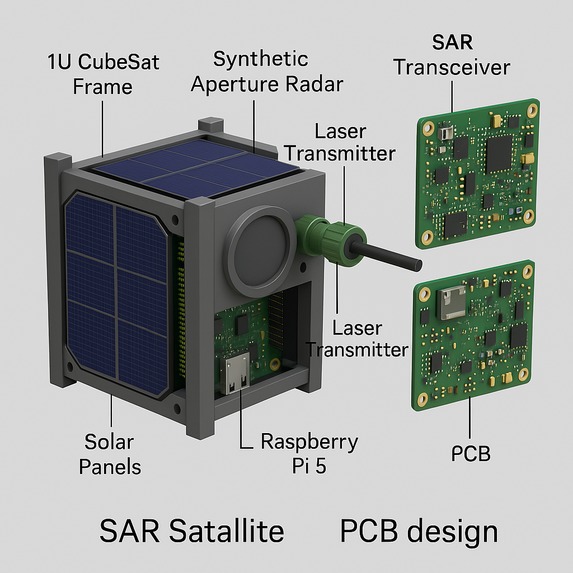
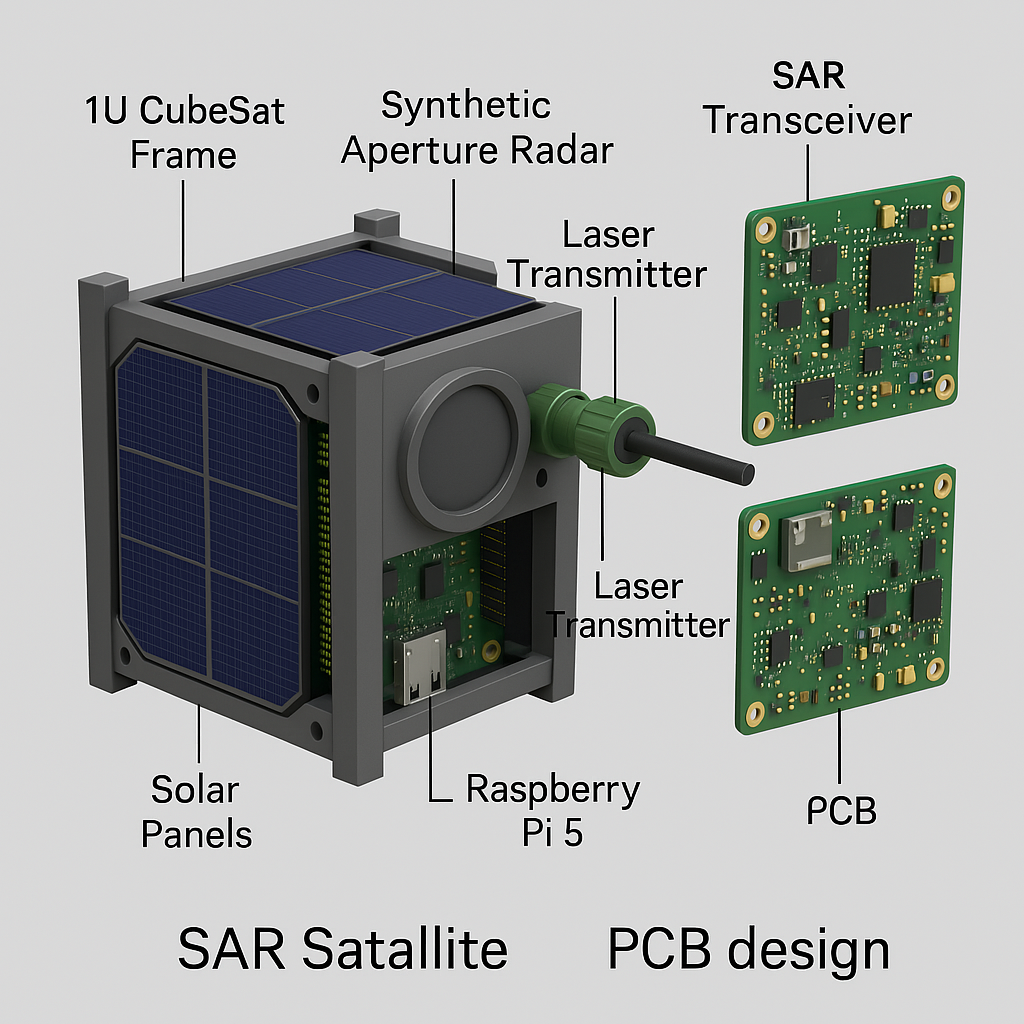
We started with a CubeSat—about the size of a shoebox—but packed it with powerful tech:
A Raspberry Pi 5 running a custom-built real-time Linux OS
A laser transceiver to shoot data between the satellite and ground station
Blockchain tech for logging every action safely
And a good old RF module as backup—because space is unpredictable!
The ground station runs on Linux, too—designed to receive laser data and talk to the satellite in real-time.
Challenges we ran into
Let’s be honest—it wasn’t easy. Getting the laser perfectly aligned? That was intense. Merging blockchain tech with embedded hardware took real brainpower. And making sure it all fit in a tiny, heat-sensitive box… well, that tested our patience. But every roadblock taught us something—and brought us one step closer to orbit.
Accomplishments that we're proud of
We didn’t just build a cool prototype. We created a working satellite system that:
Sends laser data securely
Logs every command using blockchain
Runs on a Linux OS we built ourselves And we did all this with a clear mission: to prove that India can lead in next-gen space communication.
What we learned
More than anything, we learned the power of combining disciplines: space systems, cybersecurity, embedded OS, optics. We learned how to think like engineers and innovators. We saw how much regulation, design, and teamwork go into launching something off this planet. And we realized that real innovation happens when you stop saying “That’s too hard” and start asking, “How can we make it work?”
What's next for Q_LASE
Built on a modular CubeSat platform, it integrates a custom real-time operating system, quantum-safe encryption, and blockchain-based telemetry logging to ensure data integrity and resilience. The system includes a dedicated ground station with optical receivers and RF fallback. Designed for defense, emergency response, and scientific missions, Q_LASE overcomes the limitations of traditional RF communication by delivering high-bandwidth, interference-free links, making it ideal for India's growing space and national security infrastructure.
Built With
- laser
- linux
- raspberry-pi

Log in or sign up for Devpost to join the conversation.