Inspiration
Millions of people in Kazakhstan and Central Asia rely on foreign antivirus products that ignore local threats: phishing clones of Kaspi bank, Halyk, and eGov, regional malware campaigns, and ransomware hitting small businesses. When sanctions and licensing issues cut off major vendors, the region was left even more exposed. We decided to build the first homegrown AI antivirus — made in Kazakhstan, for Kazakhstan.
What it does
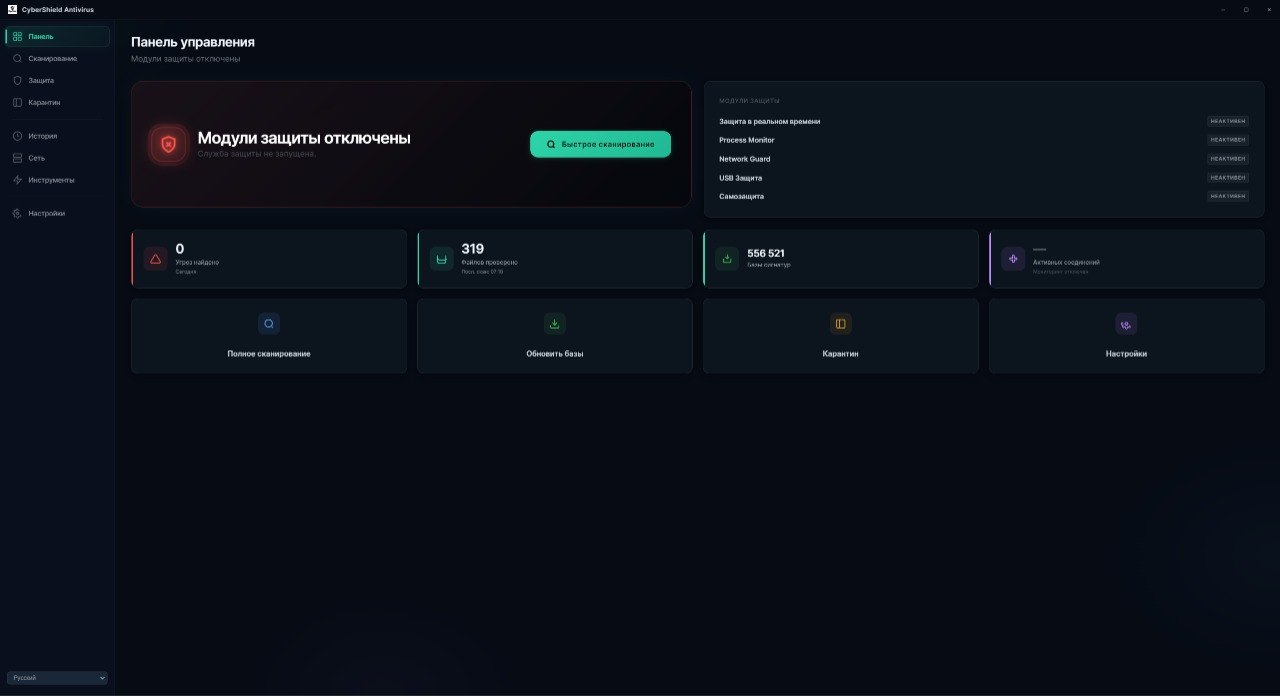
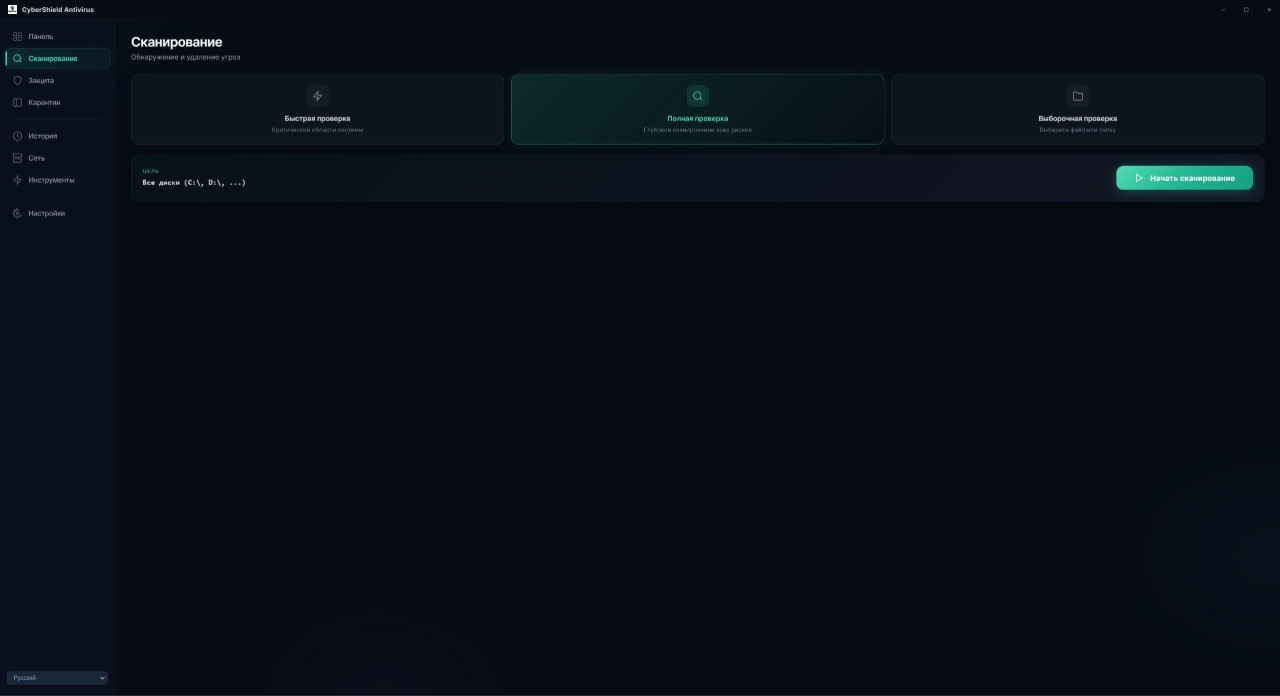
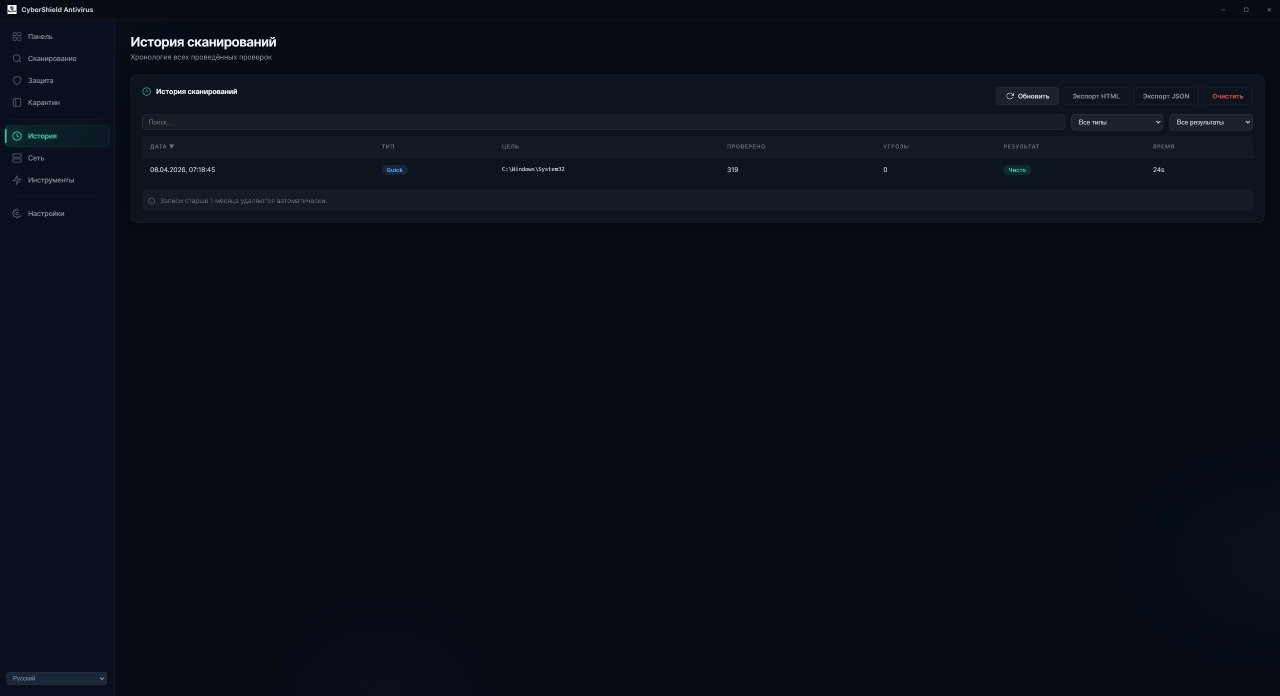
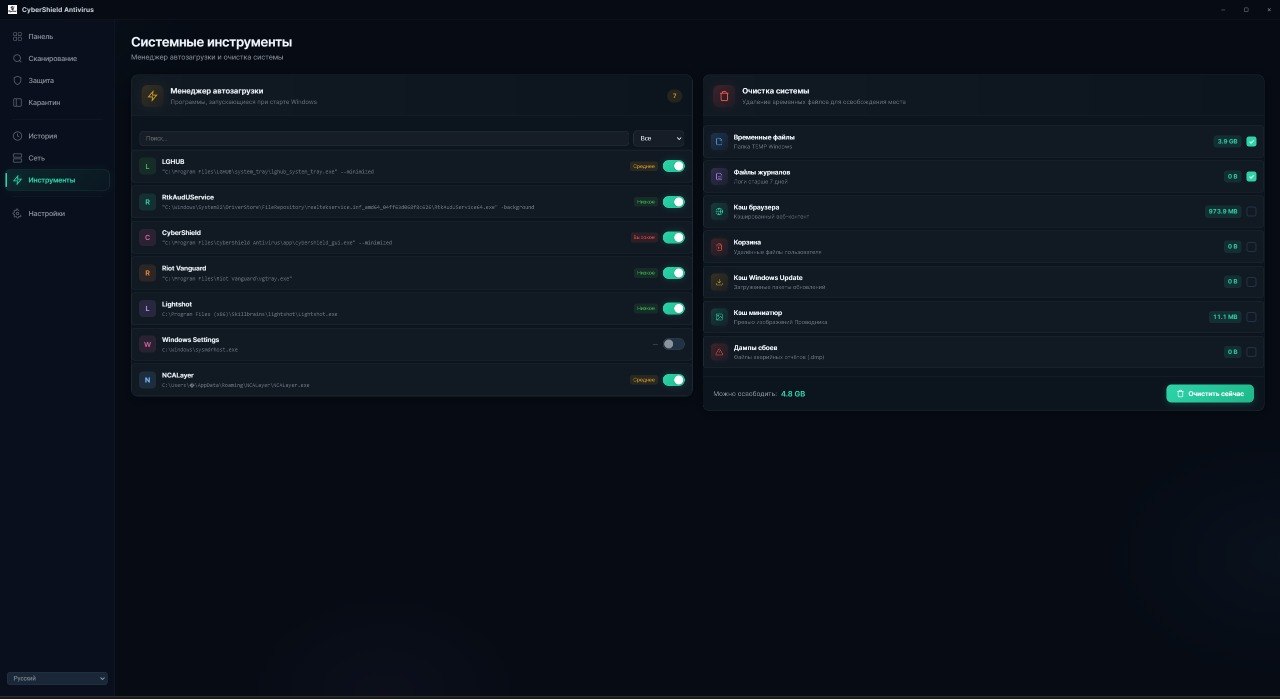
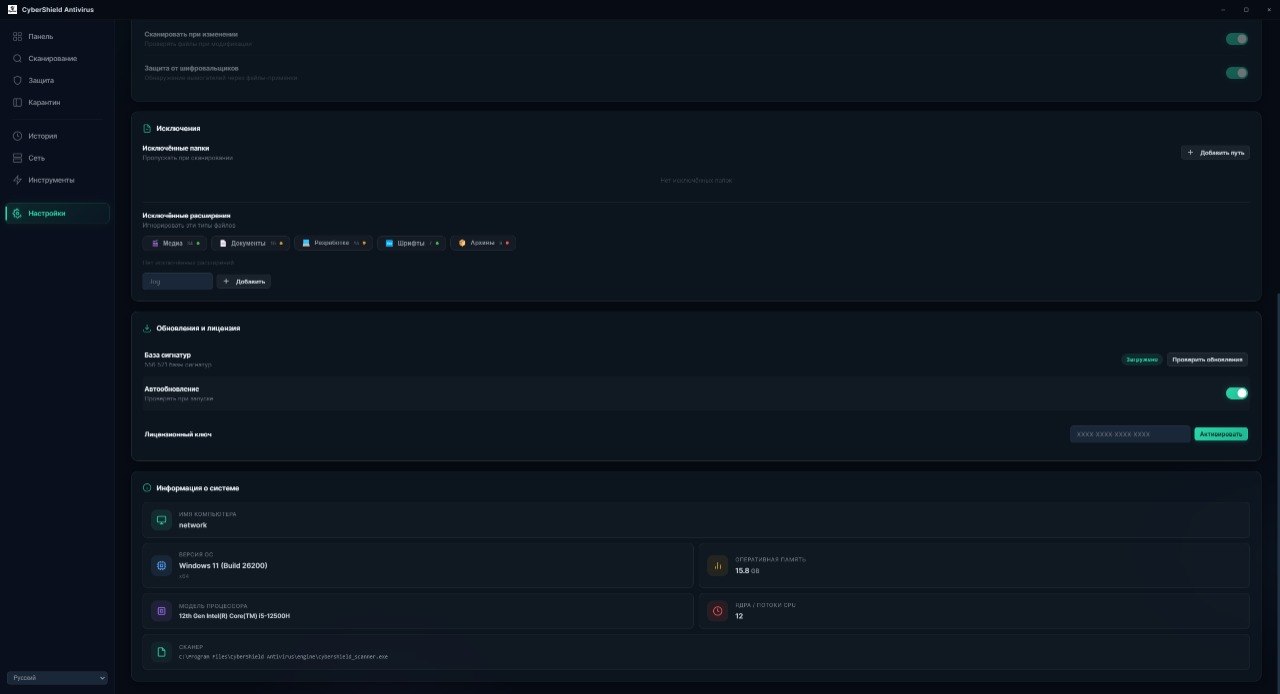
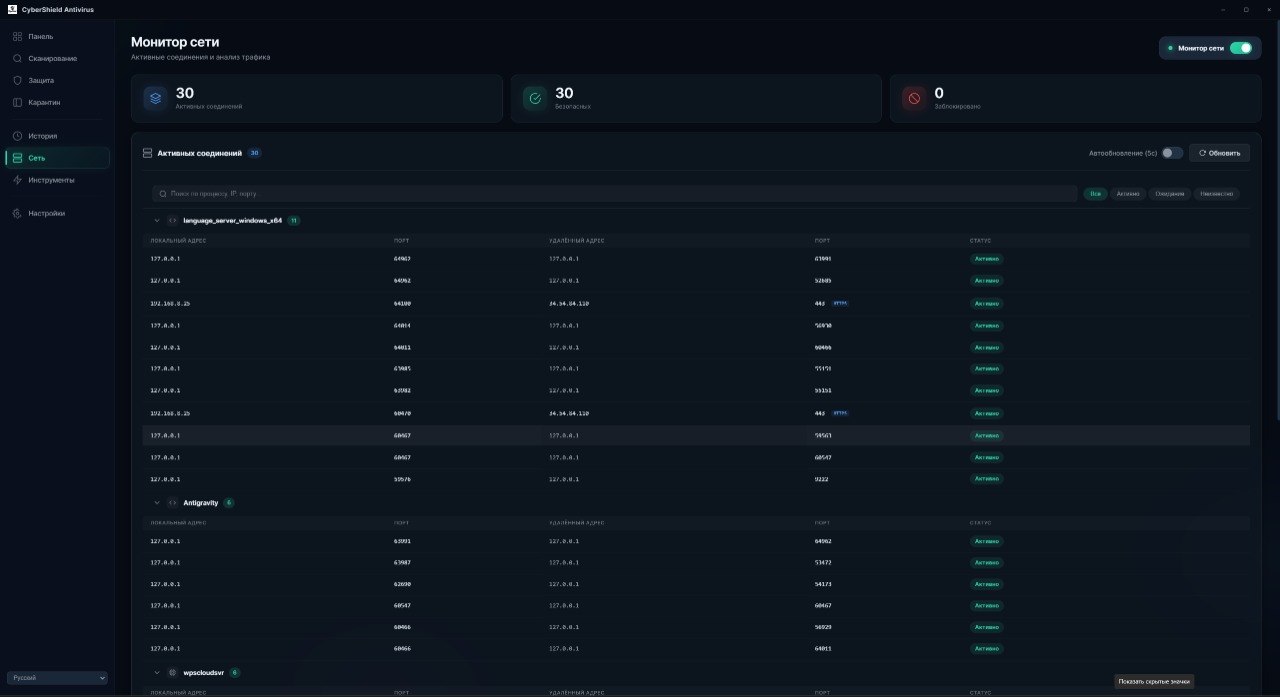
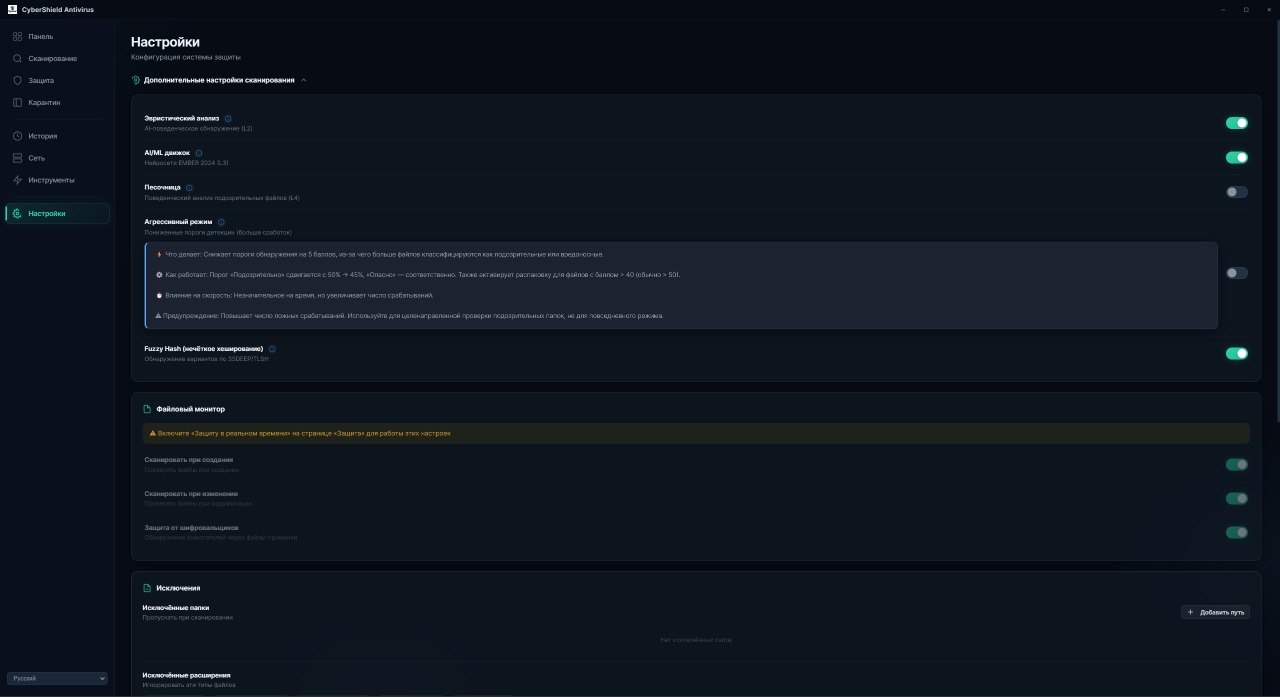
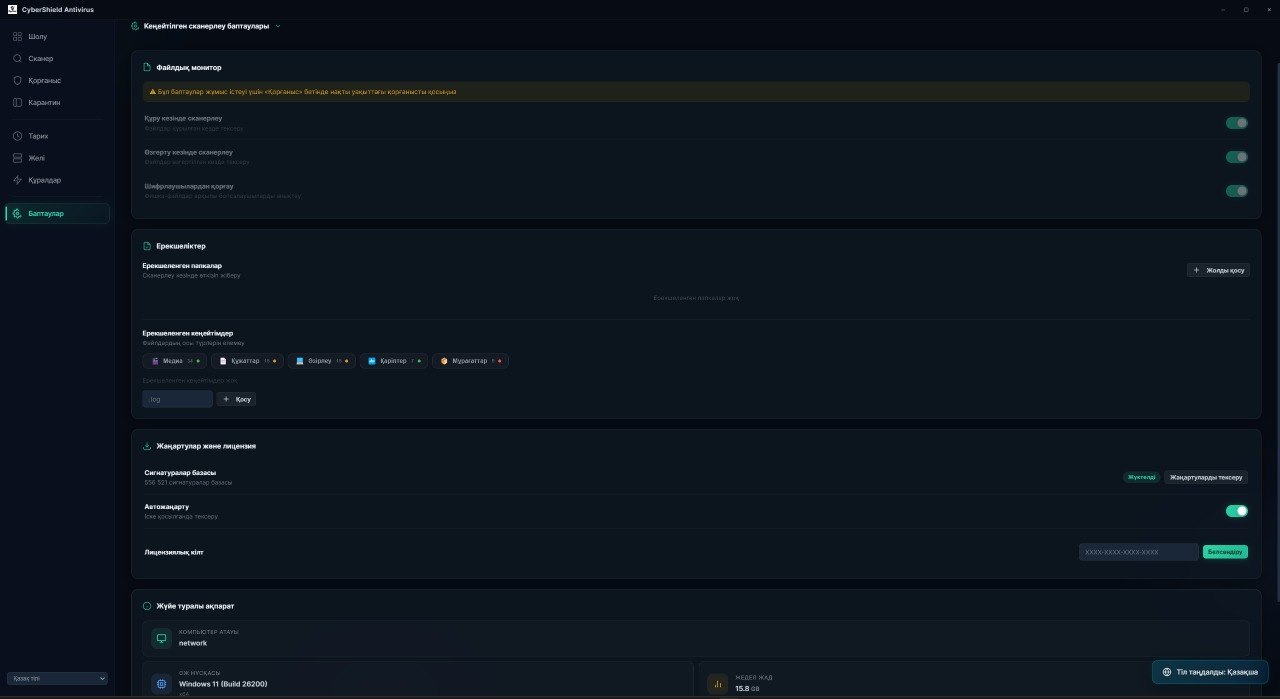
Q-Ray Vision is a full-featured AI antivirus for Windows 10/11:
- 5-layer detection pipeline: Trust check → Hashing → Evidence collection → Static ML analysis → Dynamic sandbox (Unicorn Engine)
- 9 ML models trained on the EMBER2024 dataset, running fully on-device via ONNX Runtime — no cloud required
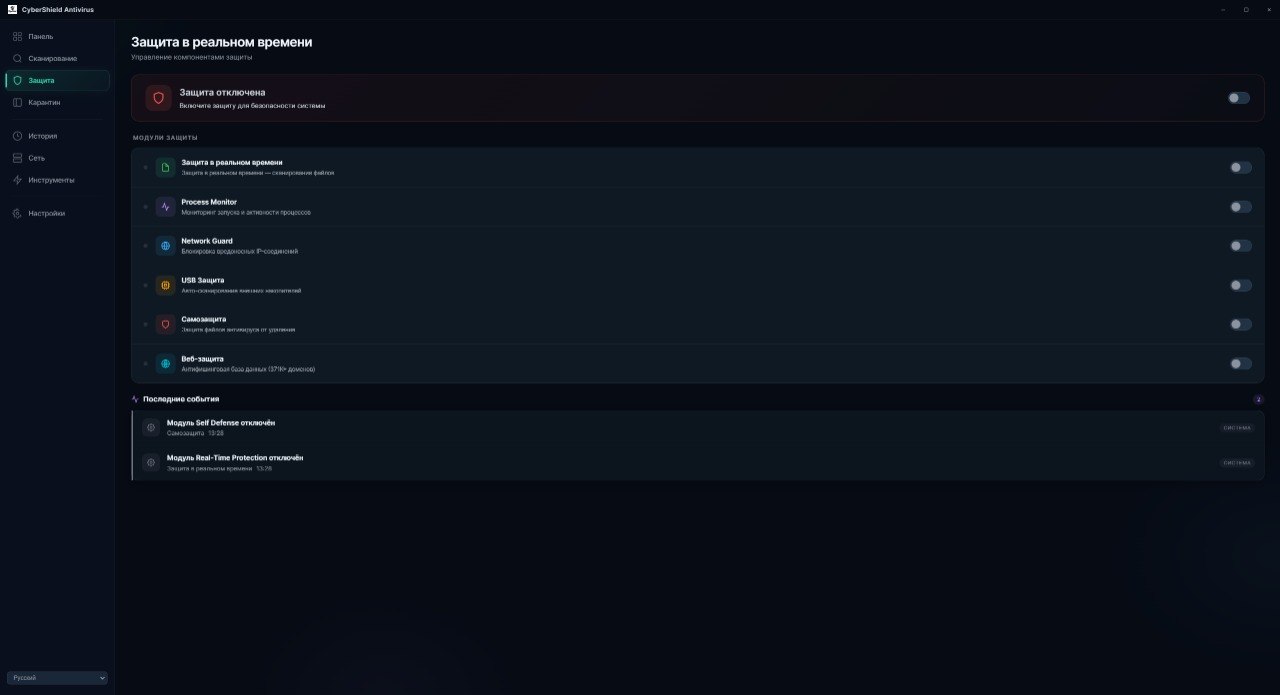
- Real-time protection with a kernel-mode driver and AMSI integration
- Anti-phishing database of 371K+ domains (goal: 1M+), focused on clones of Kaspi, Halyk, eGov and other local services
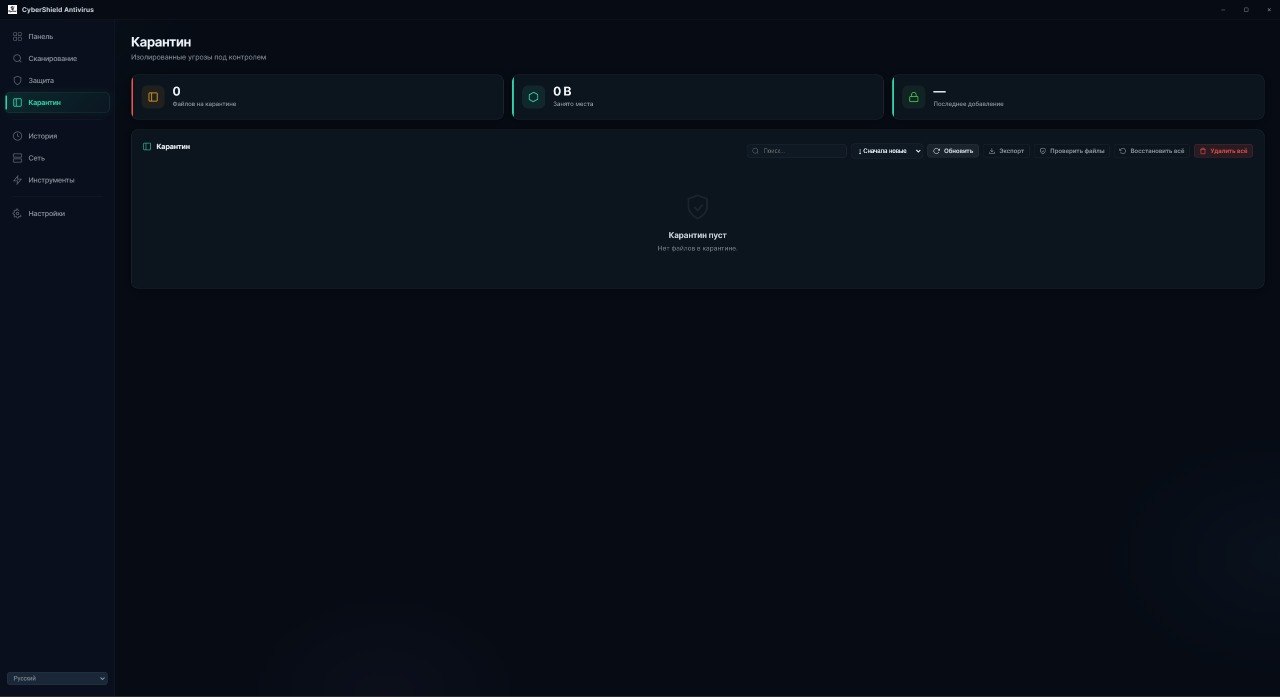
- Anti-ransomware behavioral protection and AES-256 encrypted quarantine
How we built it
The core is 150K+ lines of C++20 with a JS-based interface layer. Static analysis extracts PE features and feeds an ensemble of 9 ONNX models; suspicious samples are detonated in a lightweight CPU-emulation sandbox built on Unicorn Engine. The kernel-mode driver intercepts file system activity in real time, and AMSI integration catches script-based attacks.
Challenges we ran into
- Keeping false positives under 0.5% while pushing detection above 95% — tuning the ensemble thresholds took many iterations
- Writing a stable kernel-mode driver for Windows 11 without breaking system performance
- Building a phishing dataset for local threats from scratch — no public feeds cover Kazakh banking clones
Accomplishments that we're proud of
- Working MVP with real-time protection, used daily on our own machines
- One of the first AI-first antivirus engines developed in Central Asia
- A team of 4 from Semey, Kazakhstan, competing in a market dominated by global giants
What we learned
Shipping security software solo teaches you everything at once: ML ops, Windows internals, UX for non-technical users, and how to make an ML ensemble run fast on an average home laptop.
What's next for Q-Ray Vision
During Build Week we're using Codex to accelerate development: refactoring the C++20 core, building an automated ML model update pipeline, and shipping the user dashboard. Next milestones: 1M+ phishing domains, public beta with 500+ users, and B2B pilots with local businesses.
Built With
- c++
- codex
- javascript
- machine-learning
- onnx
- python
- unicorn-engine
- windows


Log in or sign up for Devpost to join the conversation.