-
-
-
-
-
-
-
-
-
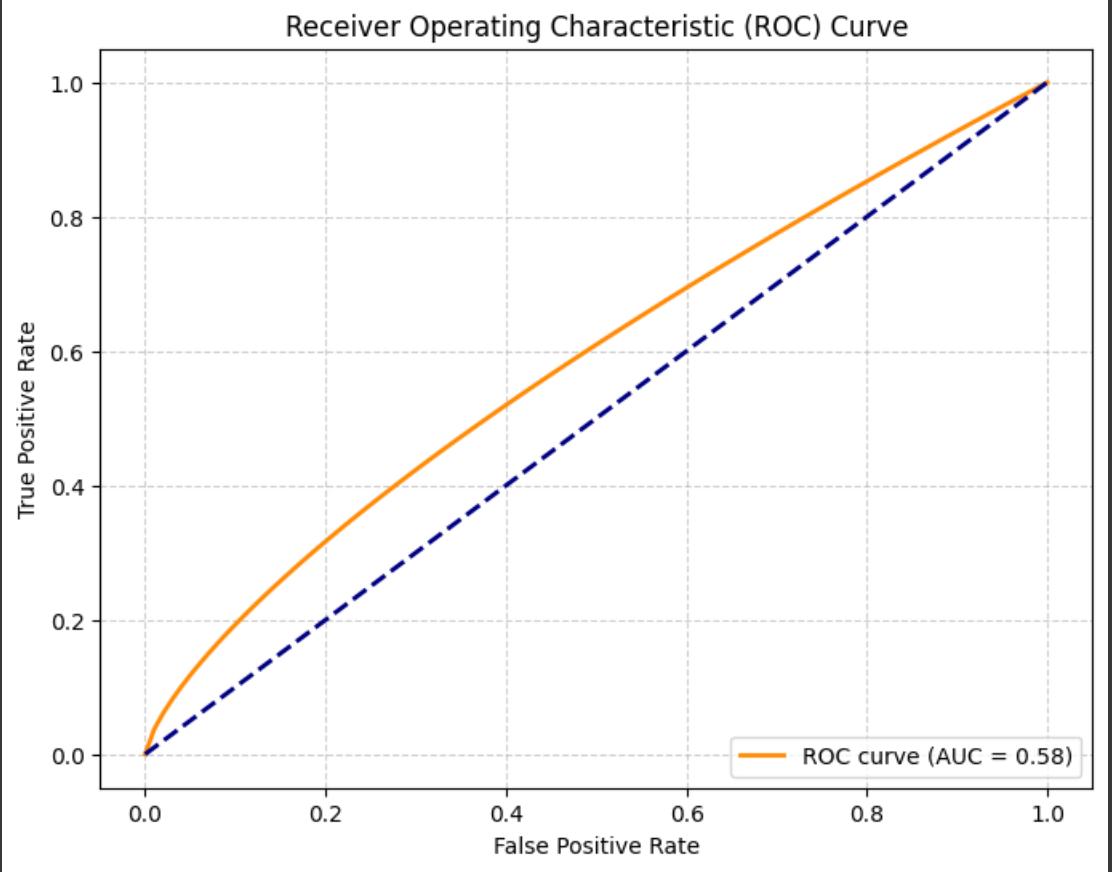
F1 SCORE
Inspiration
What it does
How we built it
Challenges we ran into
Accomplishments that we're proud of
What we learned
What's next for Q-FEDSHIELD
Inspiration
Fraud detection in finance and cybersecurity is increasingly critical, yet traditional machine learning approaches often struggle with decentralized data and privacy constraints. We were inspired to combine Quantum Computing and Federated Learning to create a system that can train AI models across multiple clients without centralizing sensitive data, improving both security and efficiency. Our goal was to push the boundaries of privacy-preserving AI while making it practical for real-world applications.
What it Does
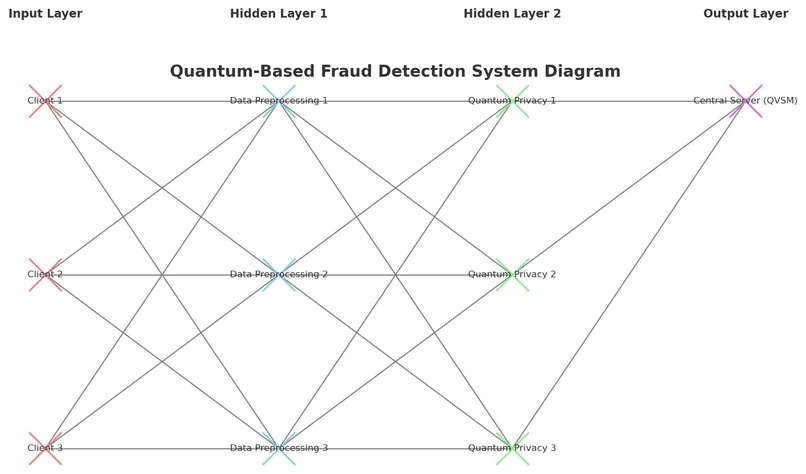
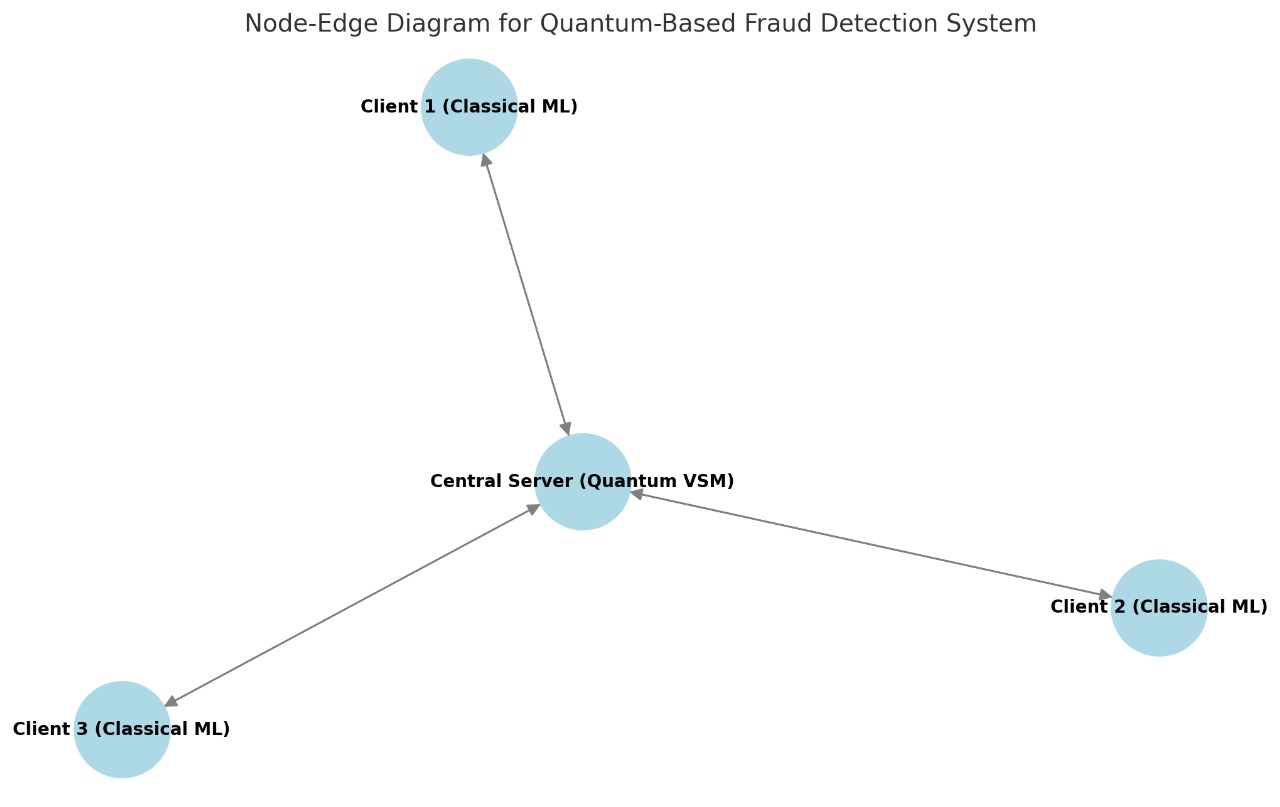
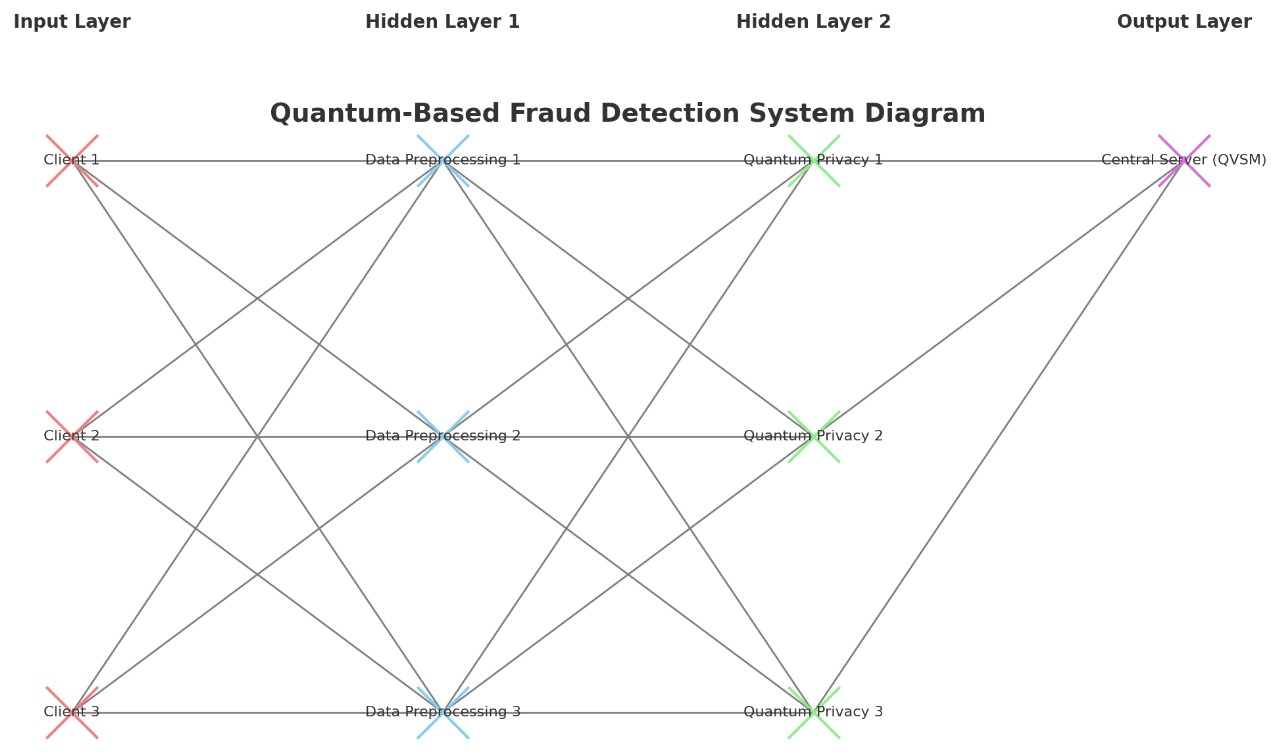
Q-FEDSHIELD is a hybrid Quantum-Federated Learning system that:
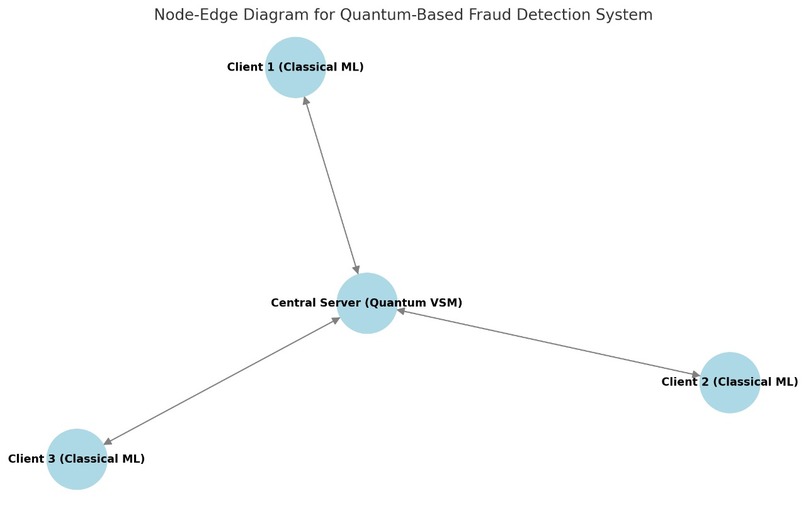
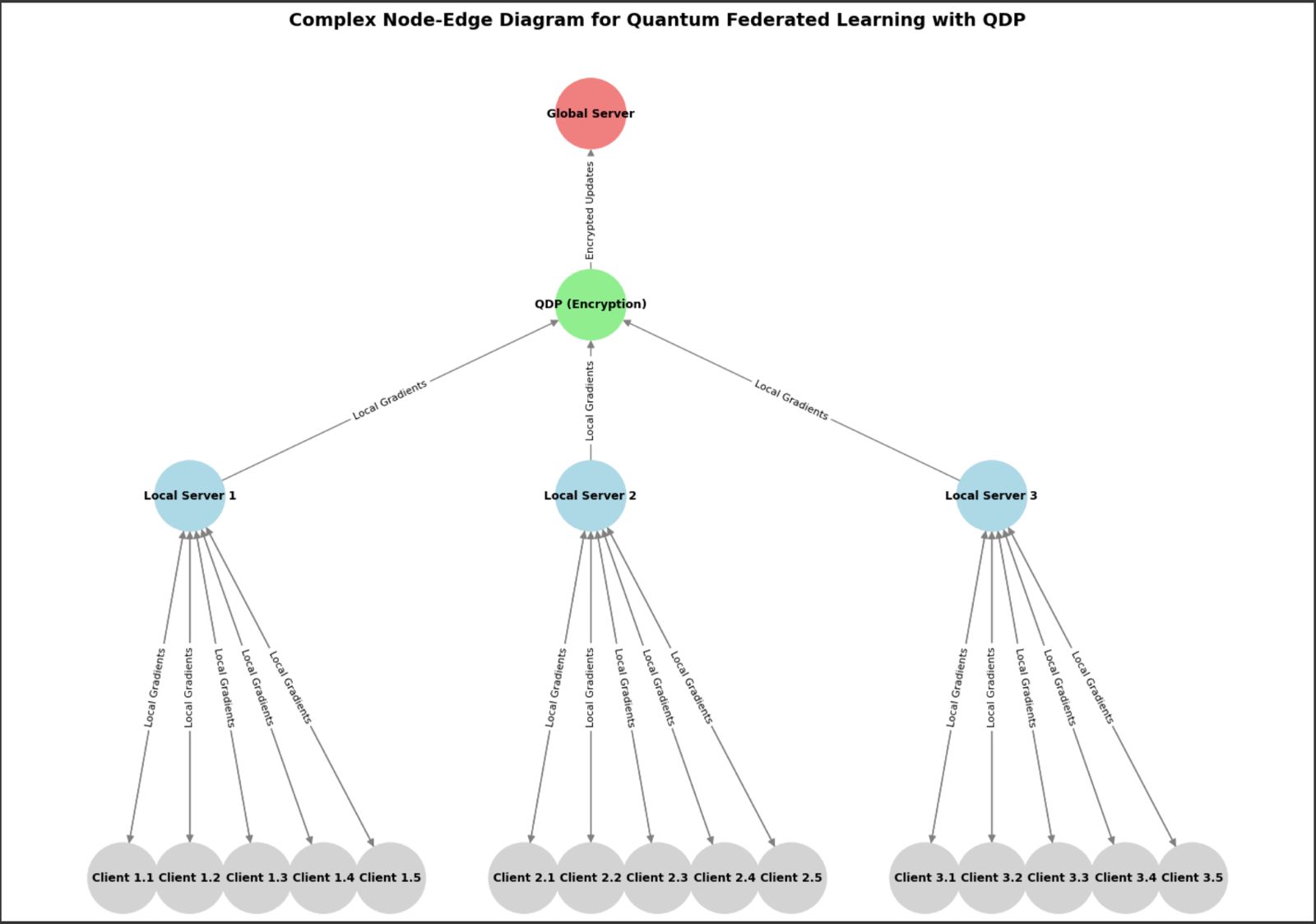
Trains AI models across multiple client nodes without moving sensitive data to a central server.
Detects fraudulent activity using quantum-enhanced machine learning algorithms for better accuracy and speed.
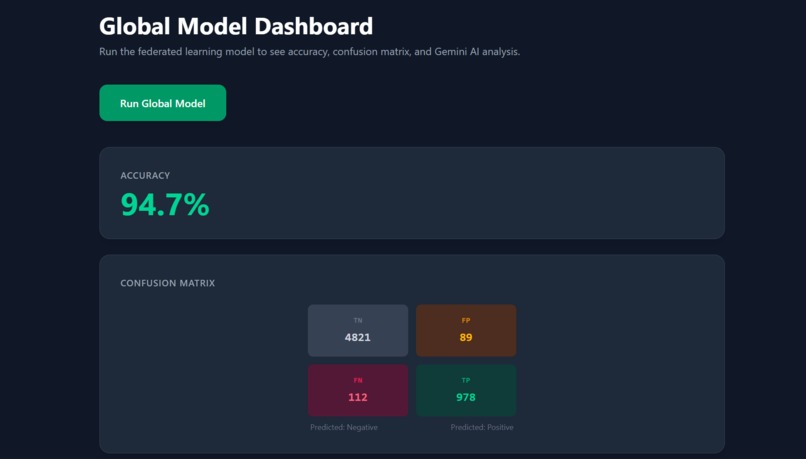
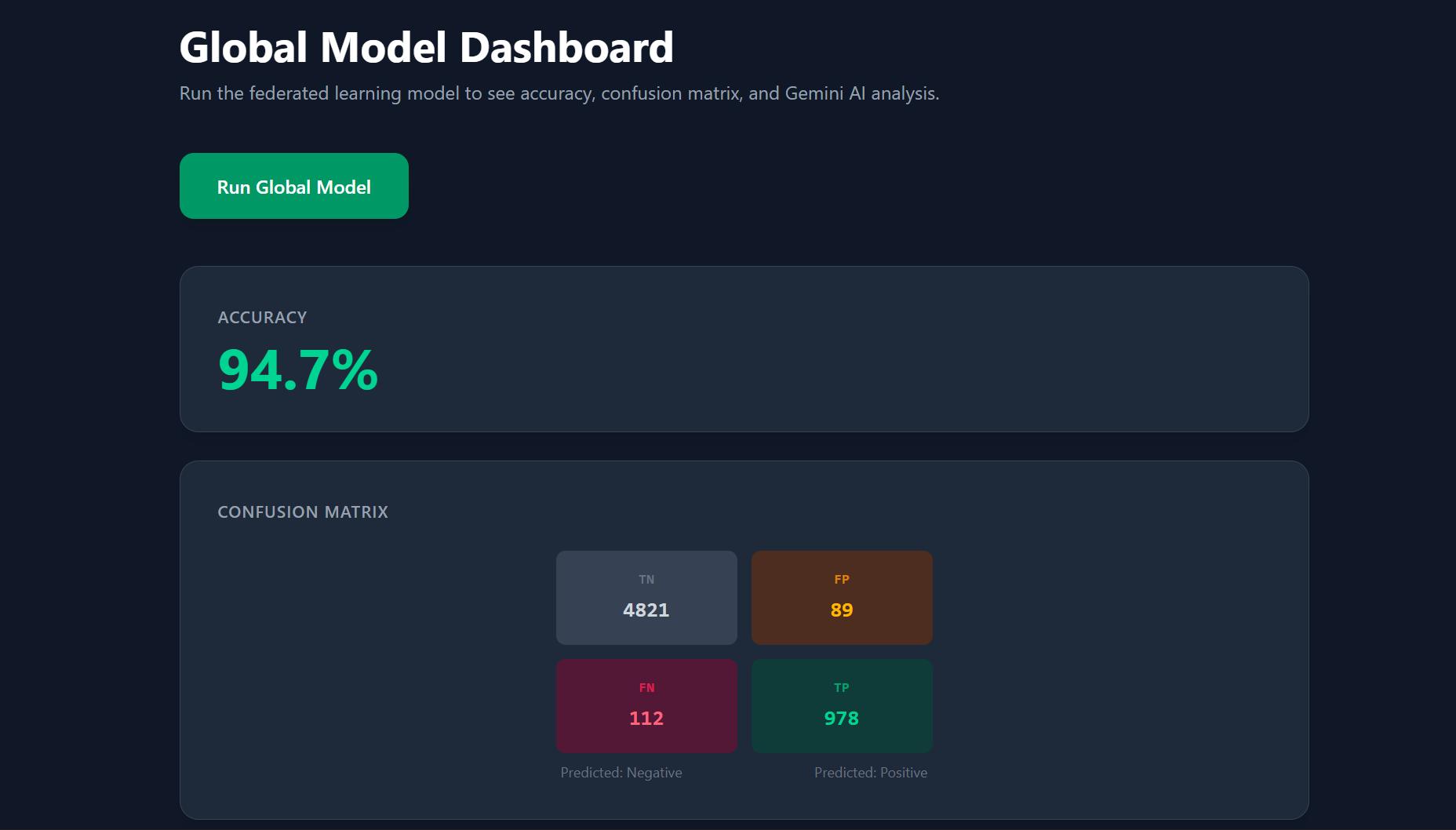
Provides a dynamic, interactive dashboard for monitoring training, evaluation metrics, and fraud detection outcomes in real time.
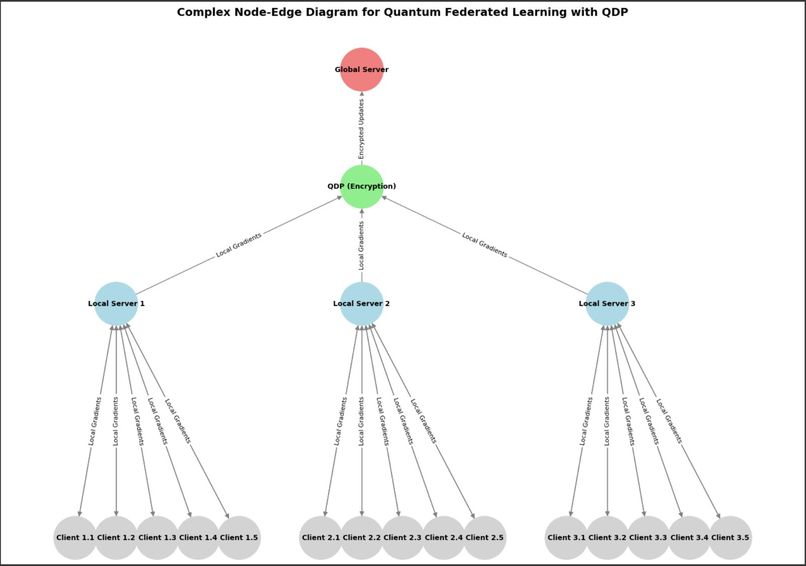
Ensures data privacy and secure aggregation, allowing organizations to leverage decentralized data without compromise.
How We Built It
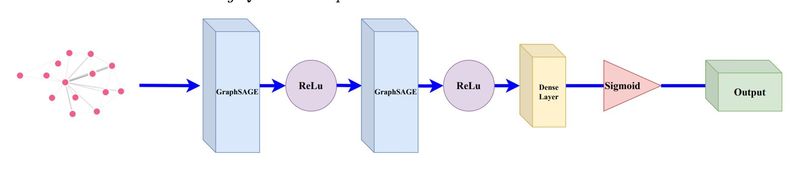
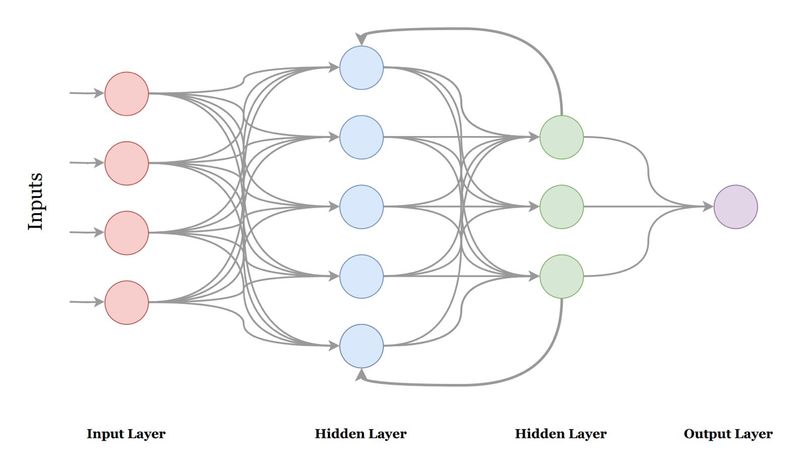
Quantum Algorithms: Designed and implemented variational quantum circuits (VQC) to optimize federated learning updates.
Federated Learning Framework: Simulated multiple clients training locally while sharing only encrypted gradients with a central server.
Backend Development: Built API endpoints using Flask/FastAPI to manage client-server communication and aggregate model updates.
Frontend Dashboard: Developed a React-based dashboard with real-time metrics and visualization of fraud detection results.
Integration & Real-Time Communication: Used WebSockets to stream live updates from the backend to the dashboard for instant feedback.
Challenges We Ran Into
⚡ Quantum Circuit Simulation: Running large qubit simulations on classical machines was slow; we optimized circuit design to manage resources.
🔐 Privacy-Preserving Aggregation: Ensuring model updates could be shared without exposing raw client data.
🌐 Real-Time Dashboard Performance: Streaming live metrics from backend to frontend efficiently.
🧩 System Integration: Combining quantum computing, federated learning, and frontend visualization in a seamless workflow.
Accomplishments That We're Proud Of
Successfully implemented a hybrid Quantum-Federated Learning framework capable of detecting fraudulent activity on decentralized datasets.
Built a user-friendly real-time dashboard that tracks client-server interactions, training metrics, and model performance.
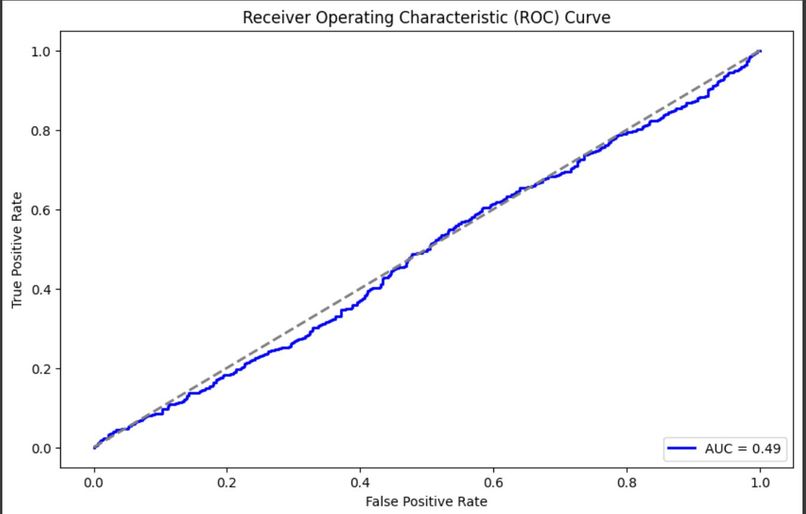
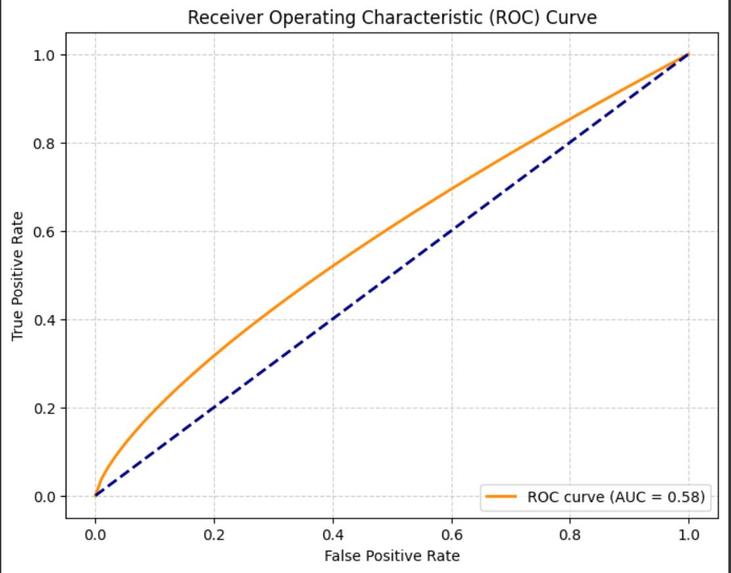
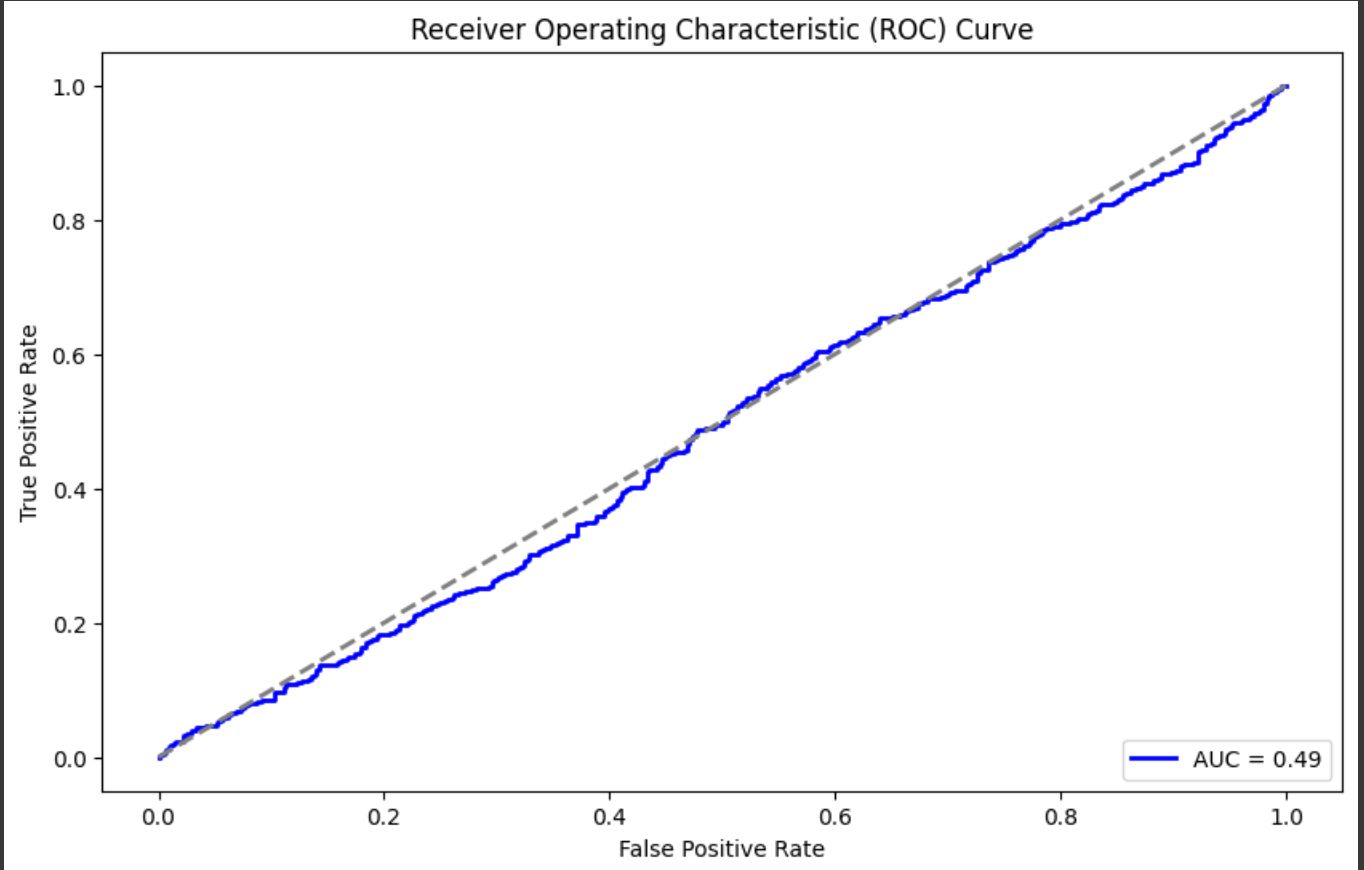
Achieved high detection accuracy while maintaining strong privacy guarantees.
Developed a modular and extensible codebase, making the project scalable for future research or deployment.
What We Learned
Quantum computing can significantly enhance certain federated learning operations and speed up model optimization.
Maintaining real-time synchronization between clients and server is crucial for decentralized ML systems.
Effective frontend-backend integration improves usability and clarity of results.
Designing privacy-preserving AI systems requires careful planning of communication protocols and model aggregation methods.
What's Next for Q-FEDSHIELD
🔮 Integrate Real Quantum Hardware: Test models on IBM Quantum devices for true quantum speedups.
🌍 Scale Up: Expand to hundreds of client nodes for large-scale decentralized datasets.
📈 Advanced Visualization: Enhance dashboard with analytics for fraud patterns and predictive insights.
🤖 Self-Updating Models: Explore reinforcement learning or automated updates in a federated setting.
🛡 Deployment-Ready System: Package the framework for production deployment in financial or cybersecurity environments.
Built With
- https://github.com/sanjaijayababu/qfedshield-by-team-aksd.git

Log in or sign up for Devpost to join the conversation.