-
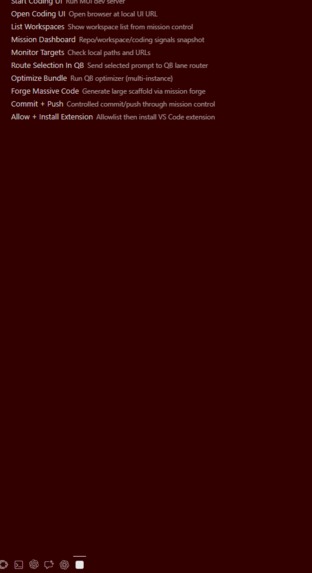
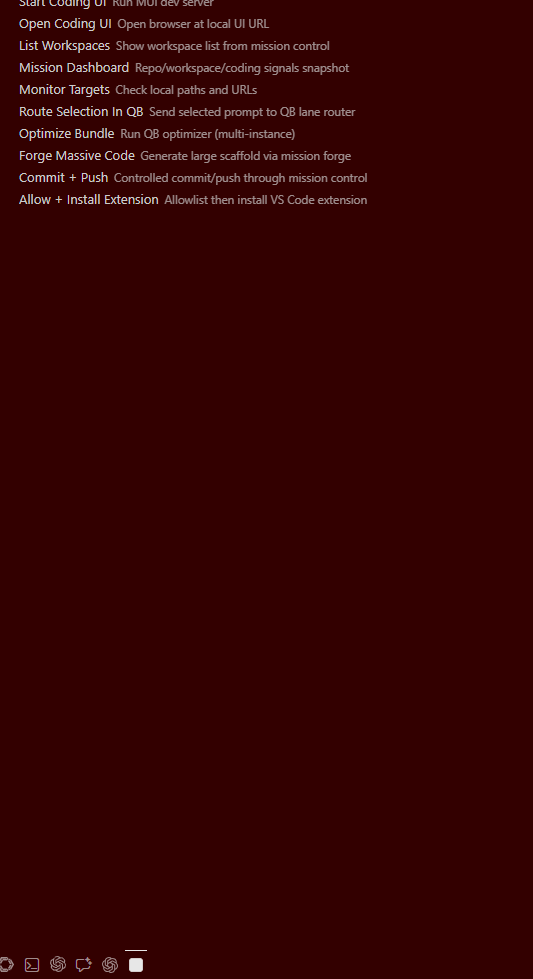
Q-Base is “now in VS Code” because the extension is no longer just a launcher, it directly operates the live Q-Base runtime API.
-
One platform for all your AI needs.
Inspiration
We wanted AI-assisted development to be reliable, auditable, and team-ready, not just fast. Q-Base was built to turn prompt chaos into structured execution with routing, bounded parallel lanes, and evidence-backed outputs.
What it does
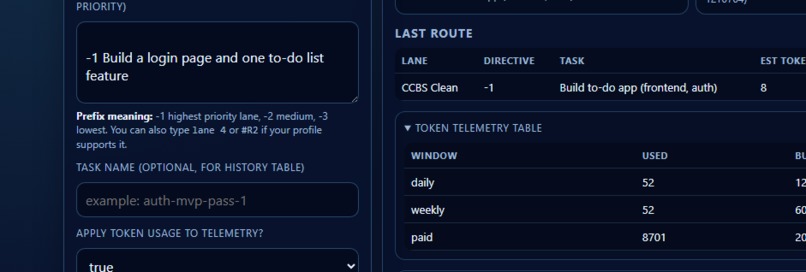
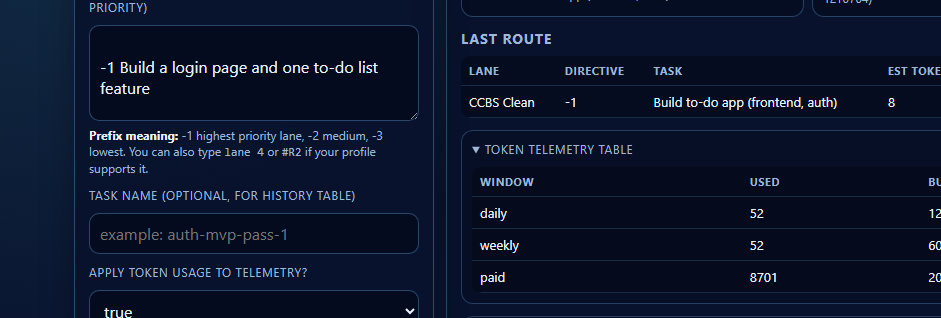
Q-Base routes tasks to the best lane, optimizes multi-lane execution bundles, tracks runtime state/telemetry, and returns structured decision data so teams can review and trust how work was automated.
How we built it
We built a local-first runtime with API endpoints for chat, routing, and optimization; a lane orchestrator; a bounded selector model; and VS Code integration for day-to-day operator workflow.
Challenges we ran into
Balancing flexible input with deterministic routing, controlling parallelism without overload, integrating API orchestration cleanly into VS Code, and maintaining clarity across multiple legacy/archive project artifacts.
Accomplishments that we're proud of
We delivered a functioning multi-lane automation system, live route/optimize flows, editor-native control in VS Code, and clear evidence-oriented outputs that make automation transparent and operationally useful.
What we learned
Orchestration quality matters as much as model quality. Local-first design improves trust and resilience. Structured outputs and strong documentation are critical for adoption in real engineering teams.
What's next for Q-base
We plan to improve adaptive lane policies, deepen execution/evidence dashboards, strengthen one-command onboarding, and expand the VS Code-first operator experience for larger team workflows.
Built With
- fastapi
- json
- local-first-ai-runtime
- multi-instance-orchestration
- powershell
- python
- qpu
- sqlite
- typescript
- vs-code-extension-api

Log in or sign up for Devpost to join the conversation.