Problem Identification and Inspiration
Firefighters across urban areas operate in high-stress environments, requiring them to make split-second decisions that could lead to deadly consequences from taking the wrong action. Oftentimes, physical injuries and high carcinogen exposure arise from prolonged contact with high-temperature flames, which prove to be a major issue when firefighters are preparing for duty.
Through our team’s brainstorming sessions, we were inspired by this year’s keynote speaker, along with initiatives spearheaded by the U.S. Fire Administration (USFA), to create a solution that balances innovation with feasibility through typical resource constraints within a standard fire department. We wanted to build a budget-friendly tool that could be implemented on a common existing firefighter resource – drones. As such, for this challenge, we want to mitigate the risks that firefighters face by outsourcing these tasks to a resource not affected by health concerns that can be utilized time and time again.
Background Research
We wanted to start our research by first analyzing data more around the problem at hand.
First is around physical injuries. Firefighters face significant risks of physical injuries from high-temperature flames, with burns being a prominent concern. According to the National Fire Protection Association, 40% percent of the injuries sustained during fireground operations were strains, sprains, or muscular soreness, and fifteen percent were burns from fire or chemicals. In addition, 12 percent had cuts, wounds, bleeding, and bruises; 8 percent had inhaled smoke or gas.
The National Fire Protection Association (NFPA) also found that the majority of fireground injuries (31 percent) were from overexertion or strain, with falls, jumps, slips, or trips accounting for another 22 percent.
Second is regarding cancer rates. Citing data from the The National Institute for Occupational Safety and Health (NIOSH), firemen are 14% more likely to die from cancer and have a 9% higher chance of being diagnosed with the disease overall than the general U.S. population. Data compiled by the International Association of Fire Fighters (IAFF) for the year 2023 also showed that a startling 72% of line-of-duty deaths among its members were due to occupational cancer. In 2024, this percentage rose even higher to 75%.
These cancer rates were primarily tied to factors like smoke exposure during operations. During their operations, firefighters may be exposed to many chemical compounds through the inhalation of gases, vapors, and particulate matter. Several known human carcinogens, including asbestos, benzene, benzopyrene, 1,3-butadiene, cadmium, formaldehyde, silica, acetaldehyde, naphthalene, polychlorinated biphenyls, styrene, trichloroethylene, trichlorethylene, and toluene diisocyanates, as well as several suspected ones, have been found in smoke originating from fires. One Benzene, toluene, and naphthalene are the most prevalent volatile organic compounds (VOCs) found in most burned materials, and they account for a large number of the carcinogens found.
After identifying core data around the problem at hand, we wanted to observe the utility of a product that can marry a budget-friendly solution with directly solving the problems at hand.
The U.S. Fire Administration (USFA) states that while departments of all sizes, career and volunteer, structural and wildland, are working to decrease danger and educate their people, more assistance is required. The majority of occupational cancer research is not being communicated to street firefighters in a language or mechanism they can comprehend.
Finally, by examining a case study of an Illinois fire department that would statistically represent the technological capabilities of the typical firefighter department, we looked to examine the current use of drone technology by both employer-based and volunteer-based fire departments in the state. We made the decision to investigate this by examining a case study from the fire department of the City of Champaign.
In January 2018, the Champaign Fire Department initiated an Unmanned Aerial Systems (UAS) program to improve emergency response in a proactive manner. This project intends to use drone technology to deliver real-time information for firefighter training and during a variety of situations, including huge fires, water rescues, natural catastrophes, and hazardous materials events. In keeping with their dedication to efficacy and safety, the department appointed eight firefighters to become FAA-certified drone pilots at Parkland College.
This aligns with the Illinois Fire Service Institute's (IFSI) Unmanned Aerial System (UAS) program, which prioritizes adherence to regulations and imparts necessary drone operation skills to public safety personnel for duties like aerial reconnaissance, search and rescue, equipment delivery, operational overwatch, and incident mapping.
One key takeaway that we discovered was that the Champaign Fire Department’s early adoption and implementation of this program highlighted dedication to leveraging technology to improve operational capabilities and firefighter safety.
Design Process
Based on our research, we decided to design a product to drop single-use sensors into high-risk areas to gauge danger levels for firefighters. Upon entering a burning structure, the drone would drop a sensor that would transmit a signal to the first responders to determine the severity of the fire to determine preparation upon entering.
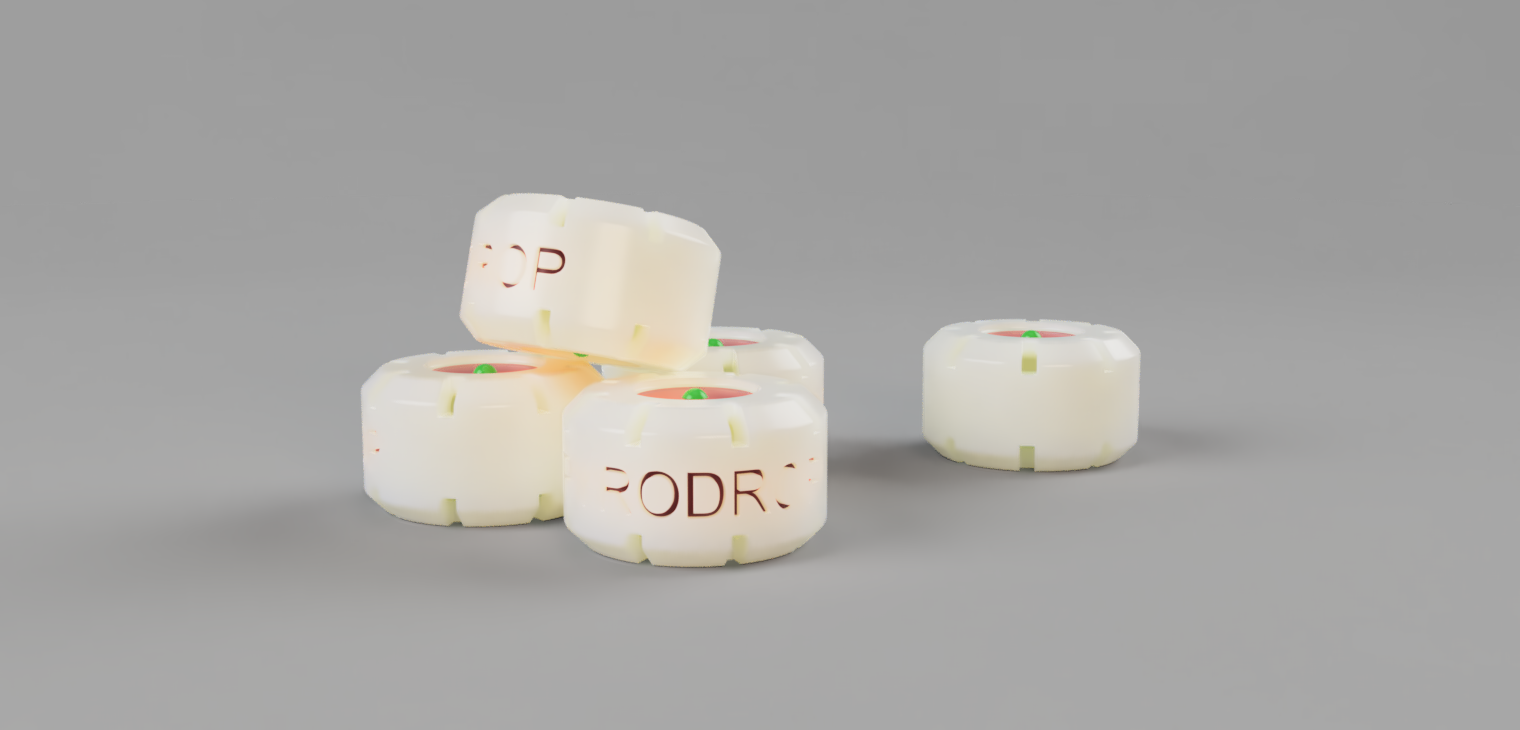
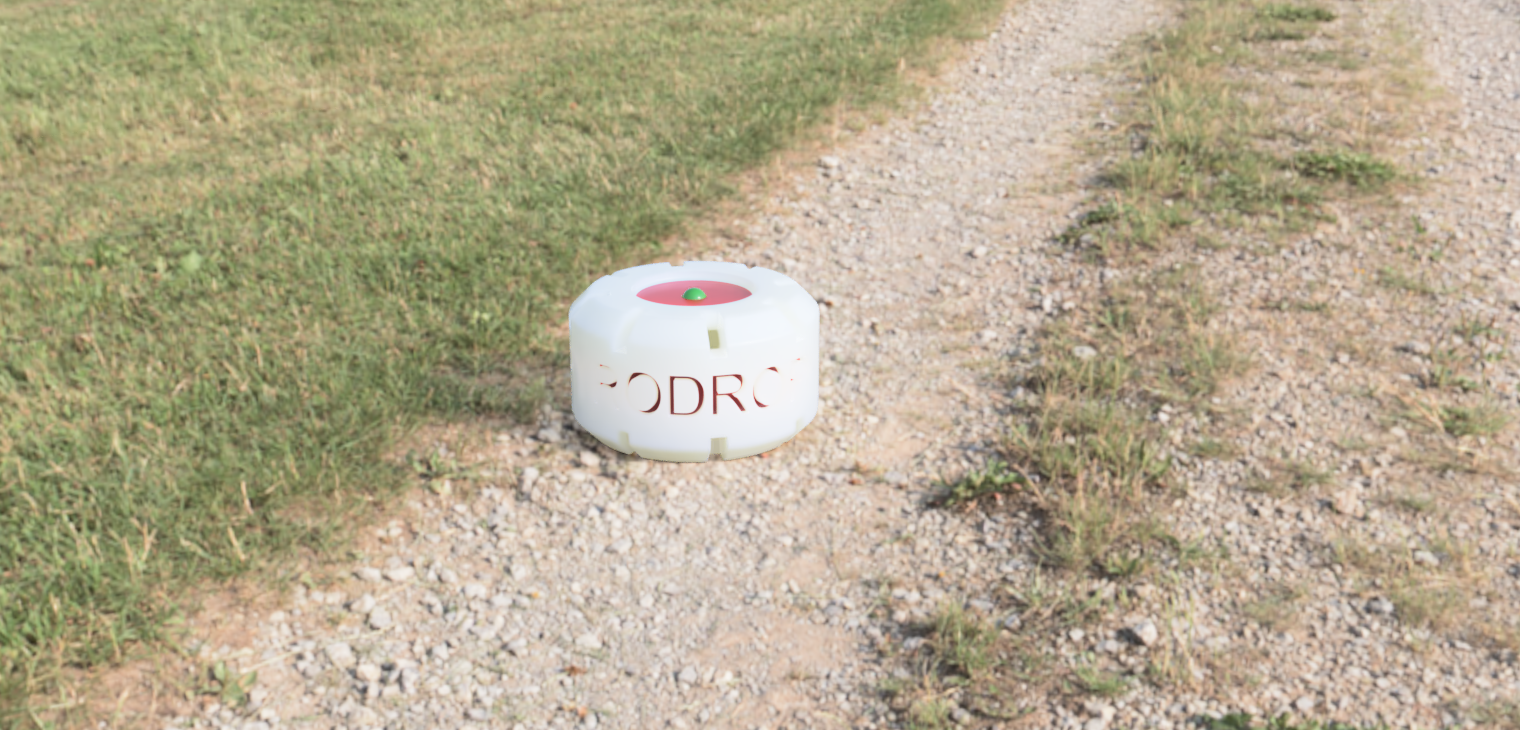
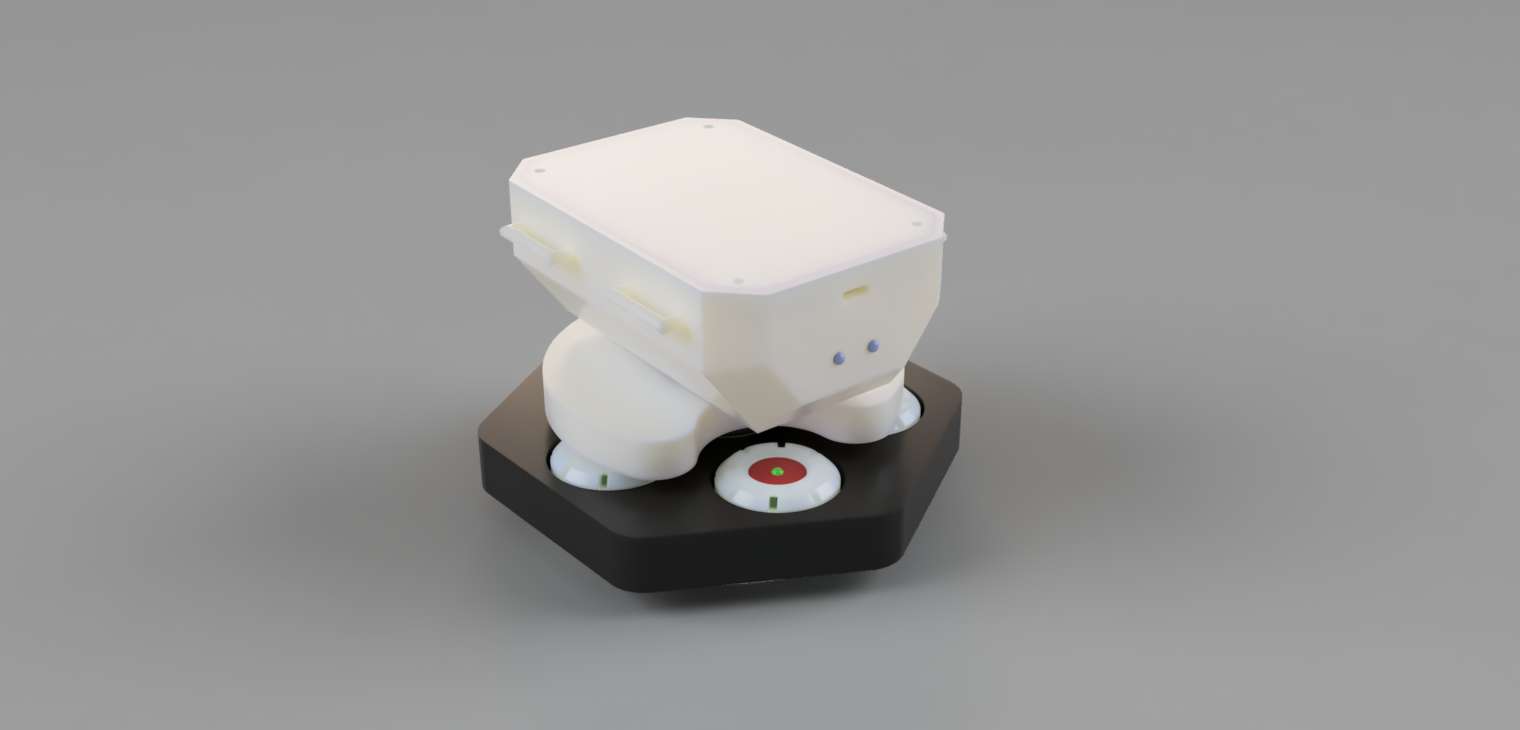
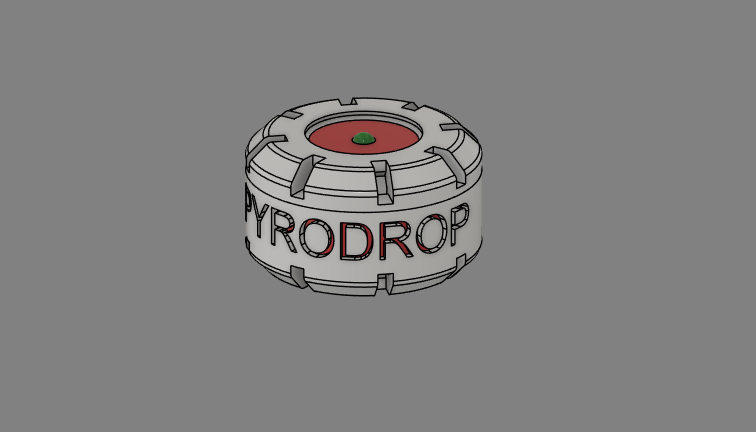
We started off with preliminary sketches of the three components that we wanted to implement: the sensor, the vertical latching component, and the drone. The design was broken down into three components to simplify our solution, as to be easier to design and manufacture. Most importantly are the sensors and the latching component, which would be adjustable and hang from a firefighter department’s existing drone, ready to drop the sensor at a moment’s notice. The sensor itself would function from BME280, MICS 5524, ESP32 C3 microchips, held together by a Firewire FR-ABS shell, a filament made of a flame retardant plastic. Attached below are lithium coin batteries as the energy source. The microchips within the sensor component would instantaneously record temperature levels, carcinogen and carbon monoxide levels, and air quality, relaying the information back to a central device. The sensors would measure 50 millimeters in diameter. The materials are estimated to cost $5 a piece, which is an inexpensive resource to deploy with each mission to account for budget constraints.
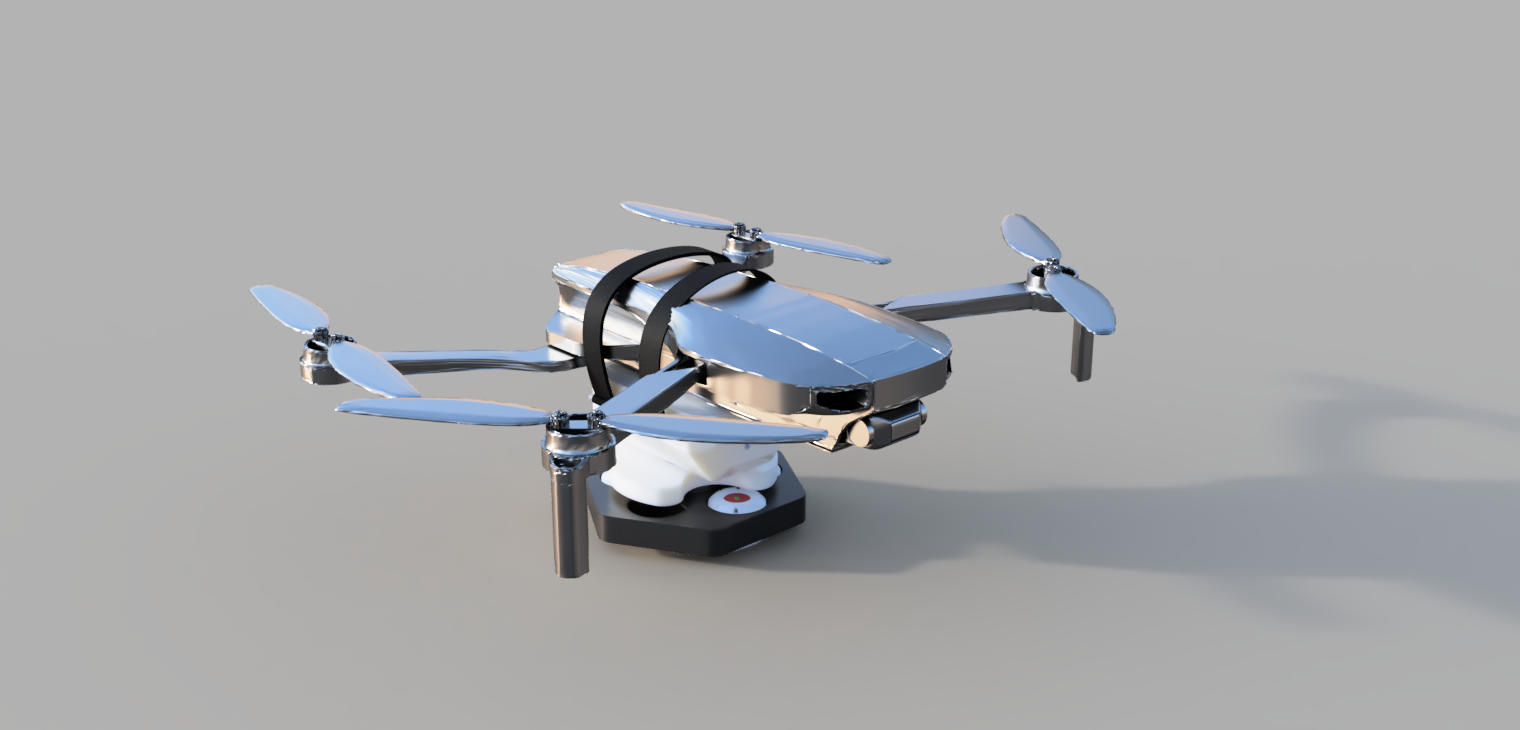
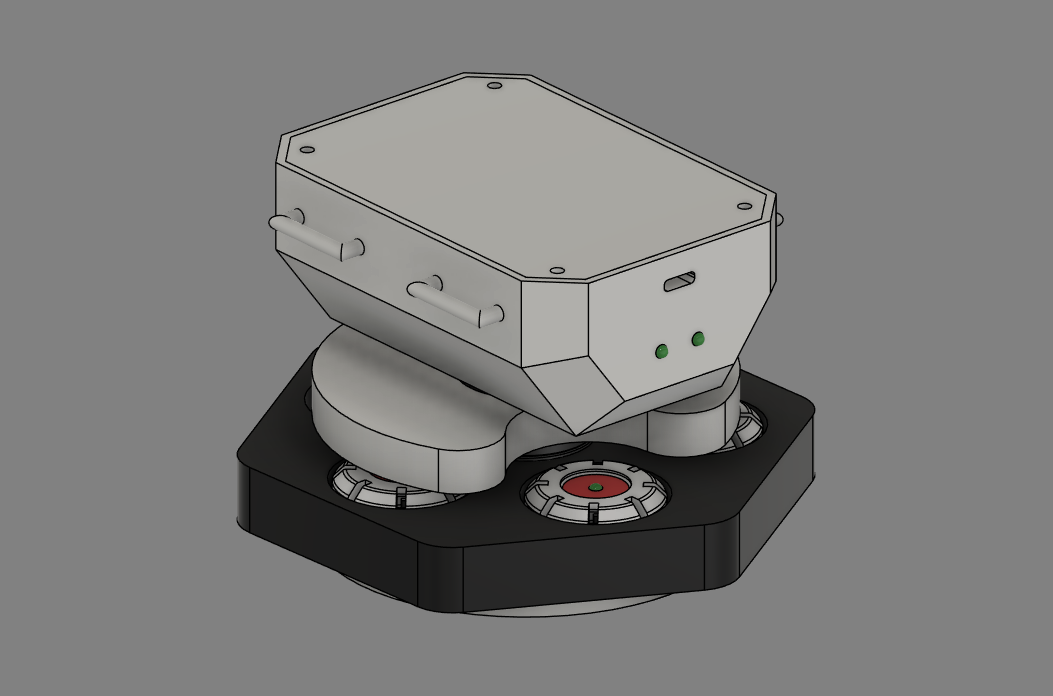
The main piece of the vertical latching component is a motor that turns two pieces in a clockwise motion to release the sensor. The motor is controlled by the ESP32-C3 SuperMini microcontroller, which is related to another device, such as a phone. To ensure compatibility, we designed a belt to hold the component to most types of drones so that the majority fire departments can utilize this tool on rescue missions despite varying drone sizes.
Additionally, we included a typical 3D model of a drone that fire departments can utilize. For demonstration purposes, this model is included to portray the compatibility with the vertical latching component. Many departments already have a drone, but others can opt to print their own though similar models as a cost-effective way to obtain this resource for future missions.
What’s next
When trying to understand the future implication of our product, one aspect that we identified was highlighting the importance of data collection and analysis with the data that PyroDrop would collect and report back to an information system or data platform for active decision making and future reference.
When it comes to data platforms, we discovered a significant push for data collection in firefighter departments on a national level. In fact, according to the Federal Emergency Management Agency (FEMA), the U.S. Fire Administration (USFA) is leading a nationwide initiative to develop and launch a new interoperable fire information and analytics platform, known as the National Emergency Response Information System (NERIS). NERIS will empower the fire and emergency services community by equipping them with a basis for decision-making by providing the community with reliable predictive analytics to support enhanced preparedness and response to all-hazard incidents, wildland urban interface events, community risk reduction efforts and associated resilience and mitigation efforts.
Long-term, PyroDrop would be able to integrate directly with the National Emergency Response Information System (NERIS) to provide value-based data and analytics to support preparation towards resilience and mitigation efforts for thousands of fire departments across the country, creating both long-term and scalable value.
PyroDrop would also be able to integrate and report data to platforms native to the state of Illinois, such as FlowMSP and the National Fire Incident Reporting System (NFIRS) in order to create value on a state and national level.
Challenges We Faced
Our ideation phase took the longest time throughout the whole design process, as we ultimately narrowed down four different ideas to our proposed solution. Combined with conducting research to determine feasibility of each of the products, our team spent a large amount of time discussing the various use cases for each idea. However, this proved to be a critical task through the process, as it allowed us to explore many possibilities and solutions to the given problem, narrowing it down to PyroDrop’s design.
What We Learned
This challenge gave us the opportunity to explore the design process through a real-world scenario. We were able to further develop our technical, problem-solving, and collaboration skills through this project, while learning more-in depth about common firefighting issues.
Works Cited
Business Insider. “Fire Departments in Illinois Use FlowMSP to Share Data for Safer Response.” https://markets.businessinsider.com/news/stocks/fire-departments-in-illinois-use-flowmsp-to-share-data-for-safer-response-1027464115. City of Champaign. “Champaign Fire Department Will Begin Utilizing Unmanned Aerial Systems in Emergency Response.” https://champaignil.gov/2017/09/08/champaign-fire-department-will-begin-utilizing-unmanned-aerial-systems-emergency-response/. City of Phoenix. “Burn Injuries.” https://www.phoenix.gov/administration/departments/fire/safety-prevention/fire-safety-information/burn-injuries.html. Federal Emergency Management Agency. “Workgroup Summary Firefighter Cancer.” https://www.usfa.fema.gov/downloads/pdf/summit/2024/2024-summit-firefighter-cancer-workgroup-report.pdf. National Fire Protection Association. https://www.nfpa.org/education-and-research/emergency-response/firefighters-and-cancer. National Fire Protection Association. https://www.nfpa.org/education-and-research/research/nfpa-research/fire-statistical-reports/firefighter-injuries-in-the-united-states. National Fire Protection Association. https://www.nfpa.org/education-and-research/research/nfpa-research/fire-statistical-reports/patterns-of-firefighter-fireground-injuries. National Fire Protection Association. “United States Firefighter Injuries.” https://www.nfpa.org/education-and-research/research/nfpa-research/fire-statistical-reports/firefighter-injuries-in-the-united-states. National Institute of Health. “Cancer risk and mortality among firefighters: a meta-analytic review.” https://pmc.ncbi.nlm.nih.gov/articles/PMC10213433/. National Institute of Health. “Listing Occupational Carcinogens.” https://pmc.ncbi.nlm.nih.gov/articles/PMC1247606/. National Institute of Health. “Lung cancer among firefighters: smoking-adjusted risk estimates in a pooled analysis of case-control studies.” https://pmc.ncbi.nlm.nih.gov/articles/PMC7254920/. Nevada Cancer Coalition. “Recognizing Firefighter Cancer Awareness Month.” https://www.nevadacancercoalition.org/blog/recognizing-firefighter-cancer-awareness-month. Office of the Illinois State Marshal. “National Fire Incident Reporting System (NFIRS).” https://sfm.illinois.gov/iam/firedepartment/nfirs.html.
External 3D model
Drone modelling link: https://sketchfab.com/3d-models/drone-eac2b4bc20f54b3ba8c3ddbcdf03c8d6

Log in or sign up for Devpost to join the conversation.