-
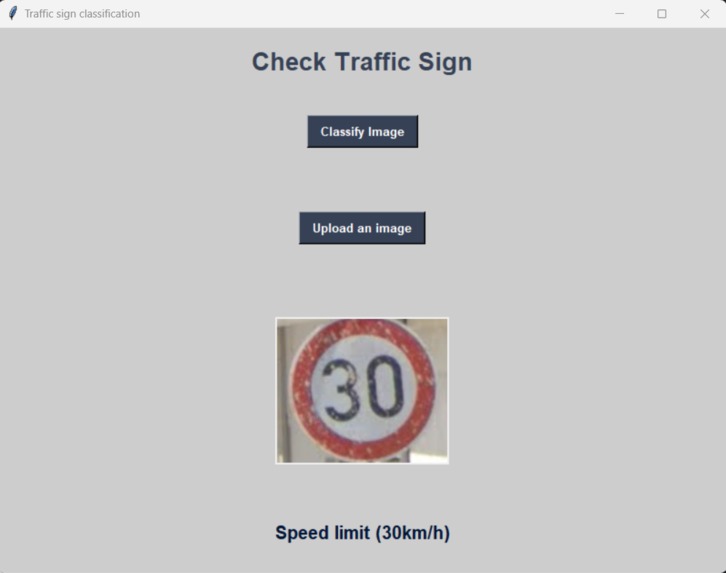
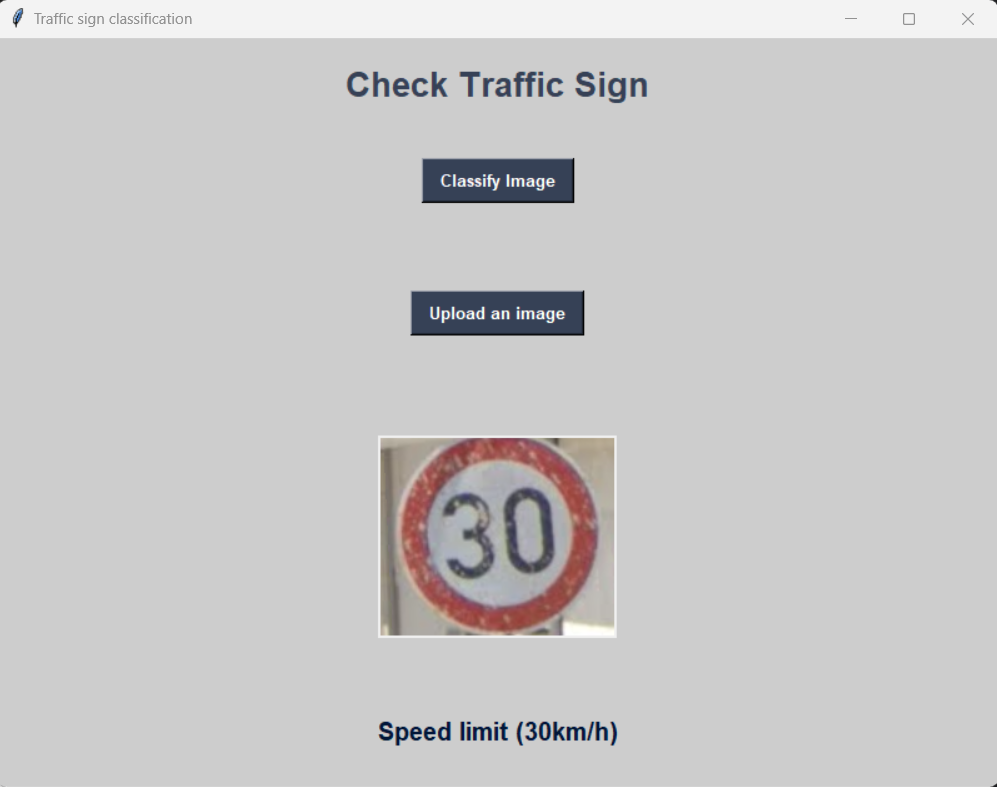
GUI of Single-Road sign detection
Inspiration
Our project is an exciting venture in the realm of artificial intelligence, focused on enhancing road safety through the development of an AI model capable of accurately recognizing traffic signs, even when they are in less-than-ideal conditions such as being dirty, broken, or partially obscured. This initiative is driven by a need to address a critical gap in current driving assistance systems and to ensure safer navigation for both drivers and autonomous vehicles.
What it does
The core of our solution is a sophisticated AI model trained on a diverse dataset of traffic signs in various states of visibility. This model is designed to detect and interpret signs that are partially covered by foliage, obscured by graffiti, dirt, or snow, or damaged due to wear and tear or vandalism. By recognizing these signs, the system can alert drivers or autonomous navigation systems about the actual traffic rules in place, despite the compromised visibility of the signs.
In addition to enhancing driver awareness, our technology promises to improve the maintenance of traffic sign infrastructure. By identifying damaged or dirty signs, it can notify relevant authorities for timely maintenance, ensuring that road signage remains clear and effective.
This project stands at the intersection of road safety, AI innovation, and infrastructure maintenance, offering a comprehensive solution to a common but often overlooked problem in modern traffic management.
How we built it
Imagine we have a special computer program designed to understand and recognize different types of road signs, even if they are dirty, damaged, or partially hidden. This program is like a smart assistant for drivers and self-driving cars, helping them see and understand road signs better, which makes driving safer for everyone.
Here's how it works:
Learning from Pictures: First, the program looks at thousands of pictures of different traffic signs. These pictures show all sorts of signs - some are clean, while others might be dirty, broken, or hard to see.
Training to Recognize Signs: Using these pictures, the program trains itself to recognize each type of sign. It's like how we learn to recognize different shapes and colors as kids, but this program does it by looking at lots of images and learning patterns.
Testing Its Knowledge: After learning, the program tests itself by looking at new pictures it hasn't seen before. It tries to identify the signs in these pictures. This is like a pop quiz for the program to see how well it has learned.
Getting Smarter Over Time: Each time the program looks at more pictures, it gets better at recognizing different signs, no matter if they are clean, dirty, or partially hidden.
Helping in the Real World: Finally, this program can be used in cars to help drivers or even in self-driving cars. It can quickly look at the road signs while driving and understand what they say, even if they're a bit hard to see. This helps make sure that the car follows the rules, like knowing when to stop or what speed to go, making roads safer for everyone.
In simple terms, this program is like a super-smart friend for drivers and cars that helps them "read" road signs better, no matter what condition they're in!
Challenges we ran into
Developing our AI model for traffic sign recognition in autonomous vehicles presented intricate challenges, including data quality, data quantity, and minor coding issues. These obstacles required innovative solutions, meticulous planning, and continuous refinement.
The first major hurdle was ensuring data quality. Accurate recognition of traffic signs, especially when dirty, damaged, or obscured, hinges on high-quality input data. Finding and curating such a dataset involved high-resolution images of traffic signs under diverse conditions and precise labeling. This meticulous examination and verification process was crucial for the consistency and reliability of our data.
Following data quality, the quantity of data needed posed a significant challenge. The AI model required exposure to a wide array of scenarios, necessitating a comprehensive dataset with various traffic signs in different designs, sizes, and conditions. Compiling this dataset demanded considerable resources and careful balance to prevent biases, ensuring a well-rounded learning experience for the AI model.
Alongside data-related challenges, we also faced minor coding issues. These ranged from bugs affecting image processing to optimizing the code for speed and accuracy. Addressing these issues involved an iterative process of debugging, testing, and refinement, crucial for the AI model's efficiency and integration with existing systems.
Each challenge – data quality, data quantity, and coding issues – was addressed through a collaborative approach. By augmenting our datasets, employing advanced data processing techniques, and rigorously testing our code, we developed a robust AI model capable of accurately recognizing traffic signs in various conditions, enhancing the safety and efficiency of autonomous driving.
Accomplishments that we're proud of
What we learned
In the initial stages of this project, data collection and annotation played a paramount role. We gathered a comprehensive dataset of street signs captured in diverse urban environments, learning about the challenges of obtaining high-quality data, ensuring proper labelling, and maintaining data integrity.
As we delved into the development of our AI model, a solid understanding of computer vision and image processing became essential. This knowledge enabled us to pre-process and enhance the images, extract relevant features, and implement object detection algorithms effectively.
The heart of our project lay in the realm of machine learning and deep learning. We used various neural network architectures and techniques to teach our AI model to recognize and interpret street signs accurately. This phase provided a valuable opportunity to learn about model training.
What we will need to learn for the future
In the future, we will master the art of real-time processing and decision-making to integrate our AI model into self-driving cars. We will develop algorithms and systems that can analyse live footage swiftly, make instant assessments about street signs, and contribute to the vehicle's safe navigation.
Ensuring the data privacy and security of the information we will collect will be of utmost importance. In handling live footage from public streets, we will gain insights into encryption, secure data transmission, and adherence to data protection regulations such as GDPR, emphasizing the importance of responsible data handling.
To make our AI model practical for self-driving cars in the future, we will explore edge computing and deployment. This will involve optimizing the model to run efficiently on resource-constrained devices within the vehicle, an important consideration for real-world applications.
The process of building our AI model will not end with its initial development. In the future, through continuous improvement and iteration, we will gather more data, fine-tune our model, and enhance its performance over time. This iterative approach will be crucial for maintaining its accuracy and adaptability.
What's next for PyJam
By harnessing the power of artificial intelligence, our project aims to enhance road safety by providing crucial information about the state of street signage, contributing to more informed and safer self-driving experiences within urban landscapes. Our vision for the future of this project not only promises to reduce accidents and optimize traffic management but also lays the foundation for the seamless integration of self-driving technology into our cities, revolutionizing the way we commute and interact with urban environments.
(partly generated by ChatGPT4)


Log in or sign up for Devpost to join the conversation.