Inspiration
What do the puzzles of the future look like? That was the question that inspired Puzzleform.
Could I take classic logic puzzles and give them a new dimension? The goal was to build something futuristic, minimalist, but still familiar enough that anyone could pick it up and play.
What it is
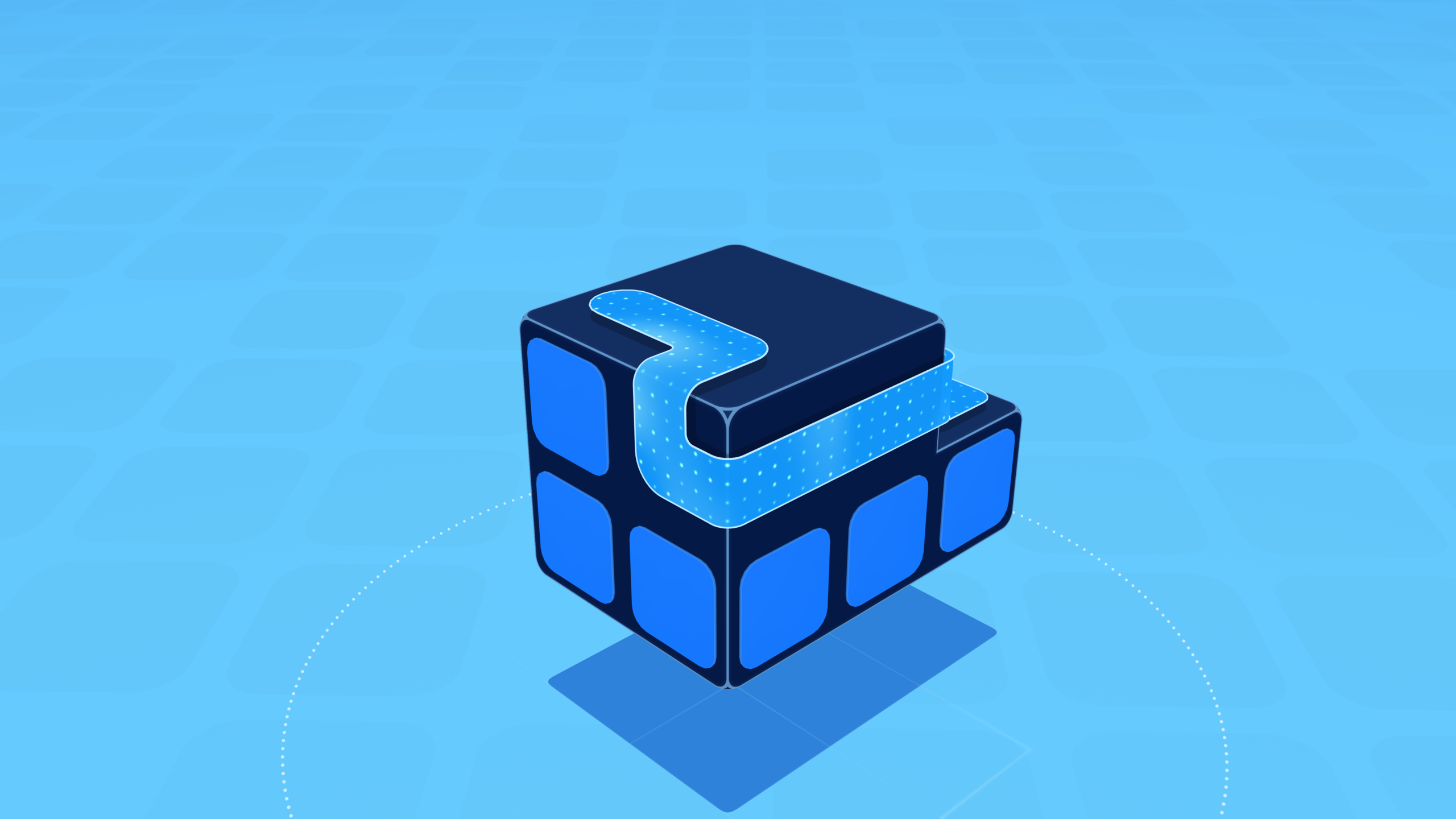
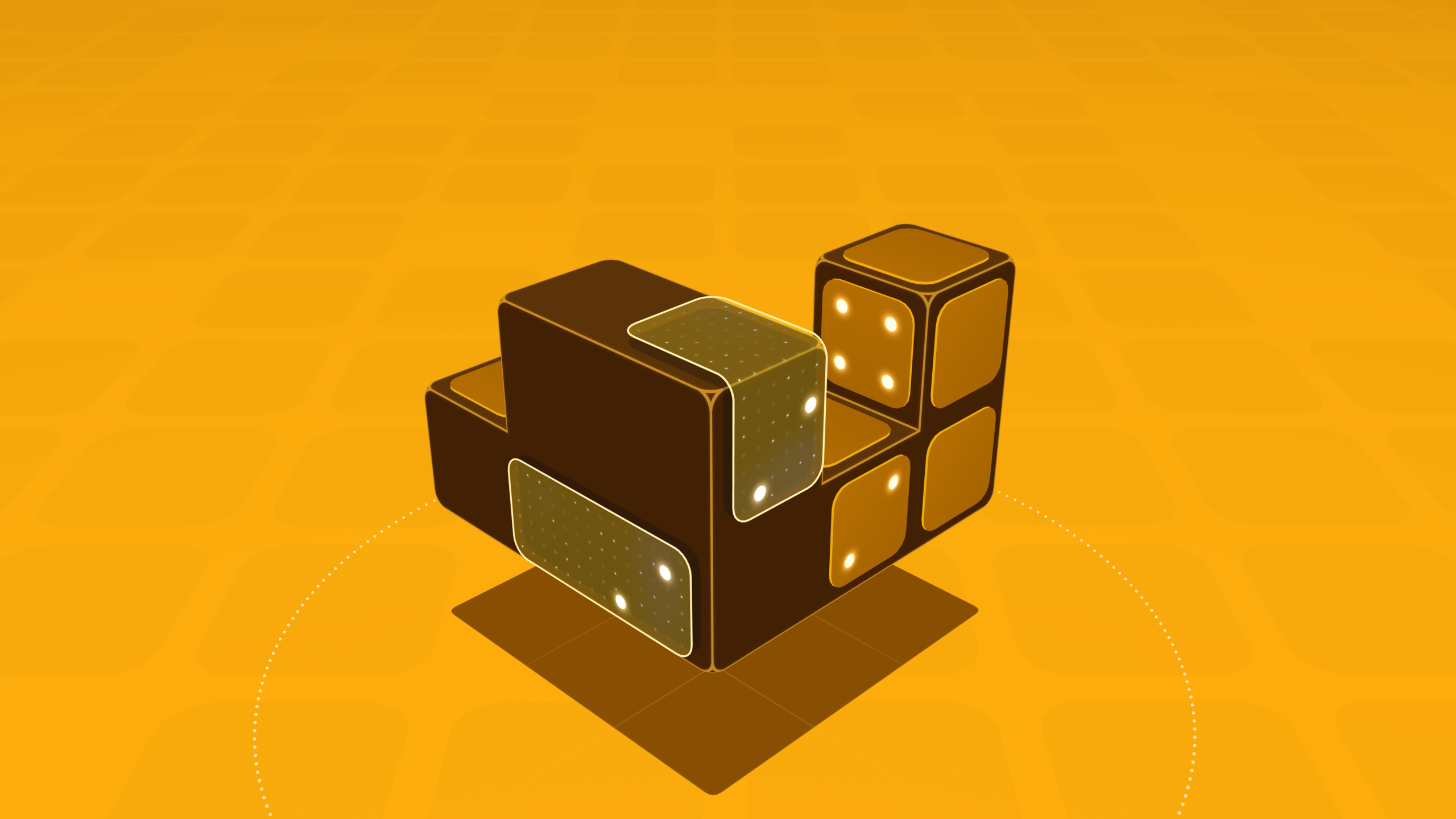
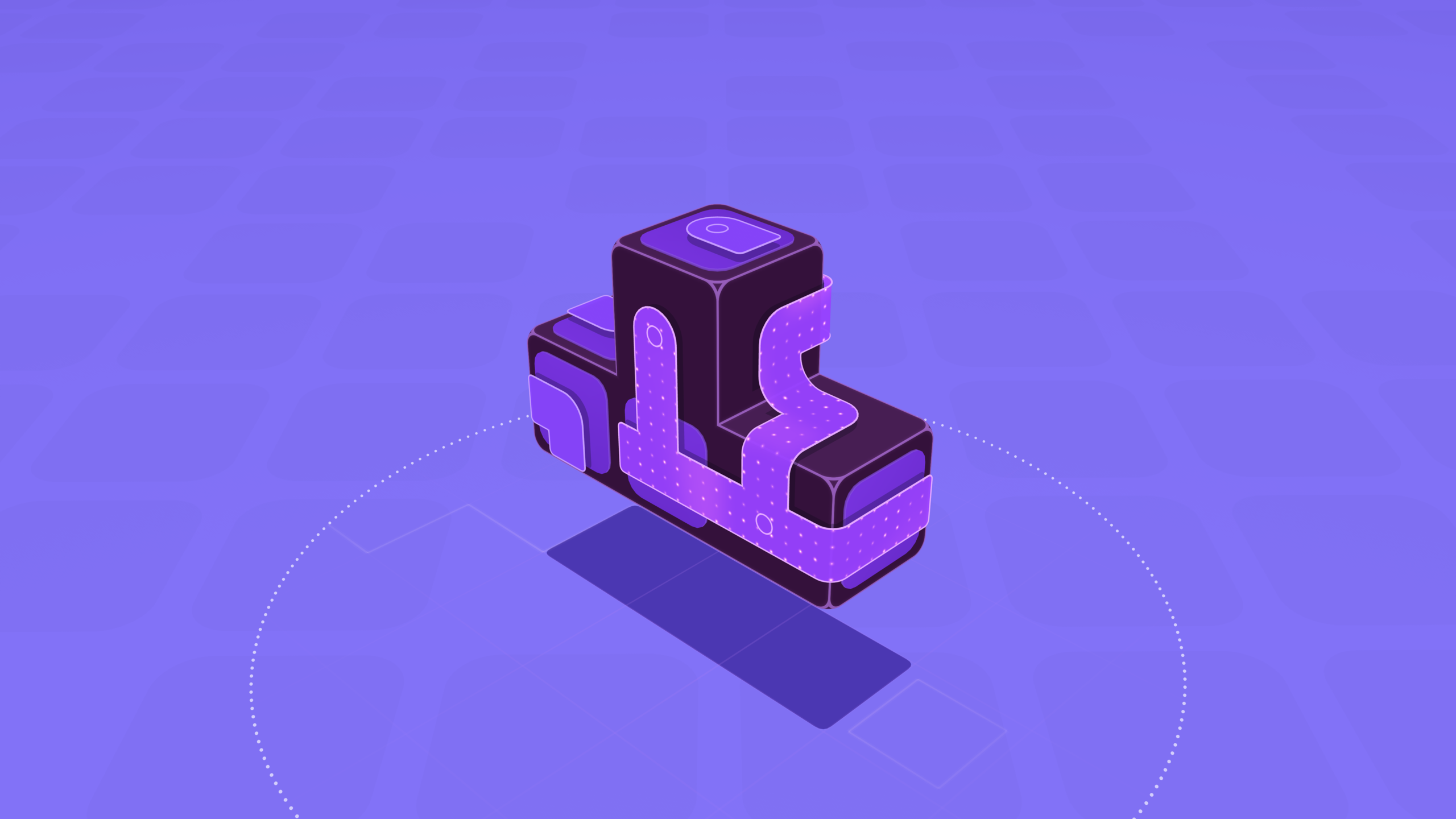
Puzzleform is a collection of 3D spatial puzzles adapted and evolved from classic 2D puzzles. Levels wrap around three-dimensional forms, and each one has a unique solution that can be arrived at by deduction.
- Links Draw a line that connects endpoints and passes through every tile.
- Circuits Form a complete circuit by spinning connectors.
- Islands Separate tiles into groups of specified sizes.
With three types of puzzles and ninety levels, all which you can play using hands, eyes or controllers, it'll have you hooked for hours. Puzzleform can be played in VR or passthrough, in light or dark theme.
How I built it
Building Puzzleform as a solo developer meant figuring out how to iterate quickly. I staggered the project with a web version first and tested interactions and puzzle mechanics in WebXR. Once it had taken shape, I went on to port it to C, with a new focus on level generation, performance, and graphics. I leveraged Claude for much of the implementation but retained a lot of control over design decisions and graphical direction.
Challenges I ran into
Input was tricky; each interaction modality had its own quirks and restrictions. I built the game hands-first, and as a result controllers were a simple addition. However, I quickly found that pinching every tile became tedious for direct interactions and swapped over to a poke-based approach instead. Gaze required yet another rethink and a ton of testing with a head-pose stand-in on Quest 3.
Rendering was also a challenge. Wanting to keep a minimalist UI design meant experimenting with multiple ways of drawing lines and dots, anti-aliasing techniques and distance-based shaders. Everything had to stay readable at both small and large scales, close or far away from the player.
Accomplishments that I'm proud of
I'm most proud of the intuitiveness of where the game's interface landed: players with little to no VR experience (my wife and kids in particular) could become proficient quickly. The new user tutorial also ended up being a light-touch way of explaining the rules of each puzzle within the first few levels.
What I learned
Mixing a longstanding genre (logic puzzles) with a new paradigm (spatial VR) worked better than expected. Familiarity keeps the game approachable while the new medium makes it uniquely suited to reasoning from every direction.
What's next
With Puzzleform, I feel like I've only scratched the surface of bringing logic puzzles to 3D. There is still an enormous catalogue of pen-and-paper puzzles just waiting to be reimagined. So that's what's next: more classics rebuilt as spatial puzzles, including multicolor links, inverse minesweeper and more.
Logic puzzles have been around for ages, but only now in VR do they feel brand new.
The puzzles of the future, today.