-
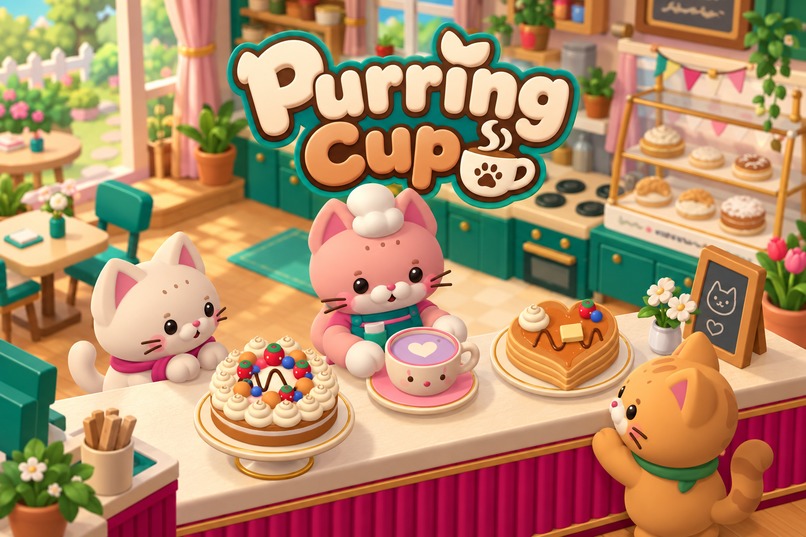
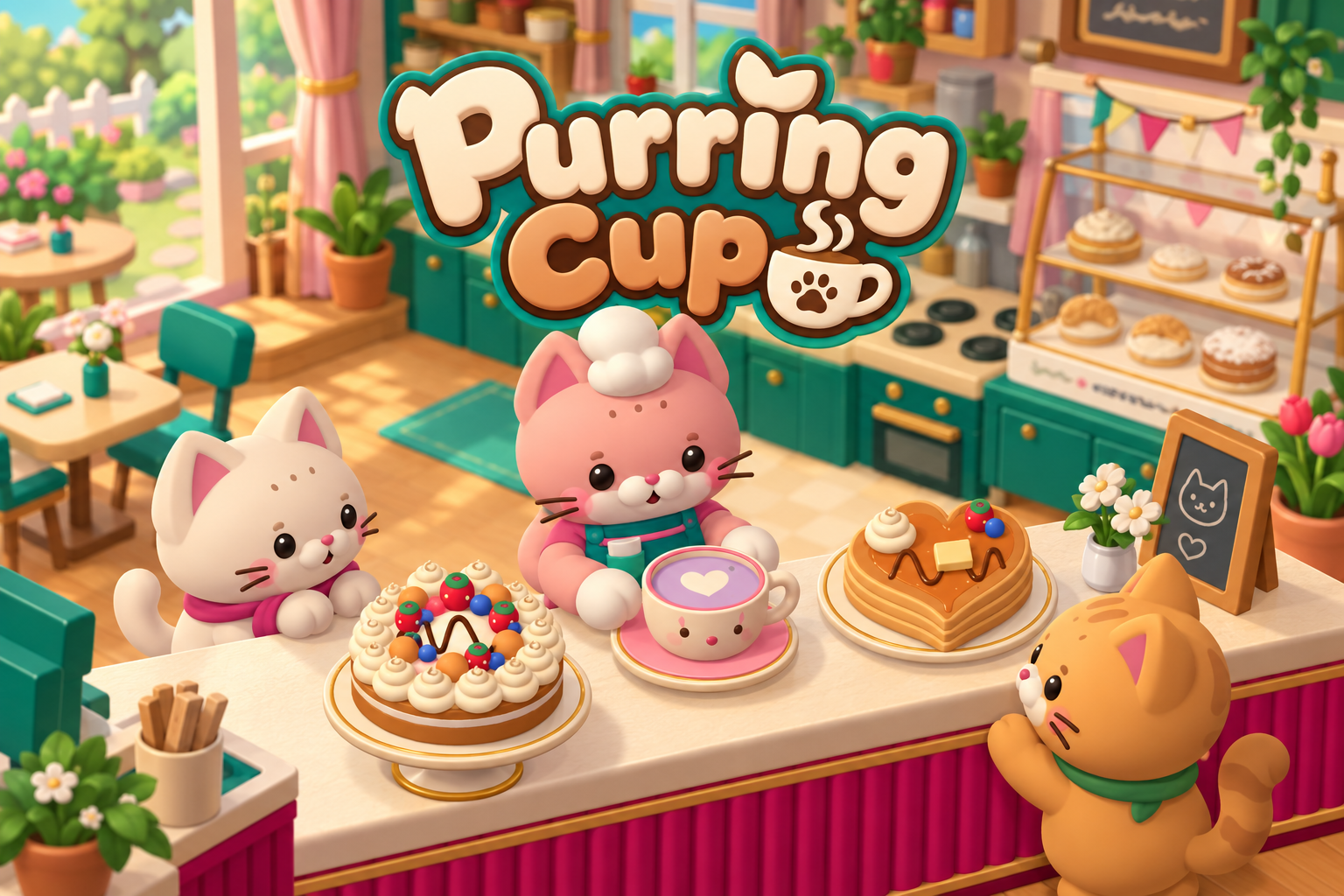
Cover image based on actual game screenshots
-
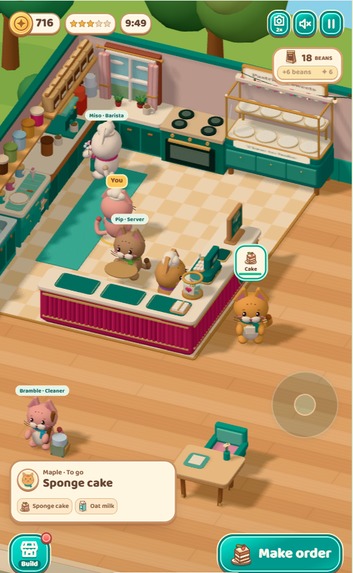
Screenshot of the game with everything unlocked
-
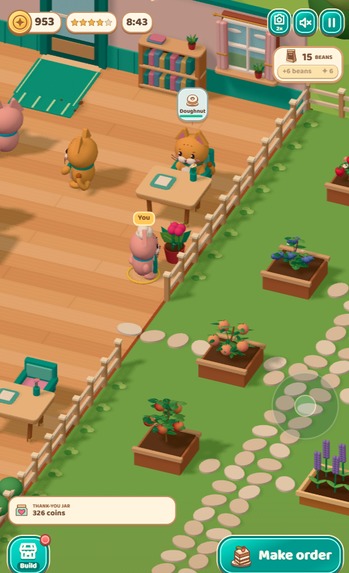
Screenshot of the game with everything unlocked
-
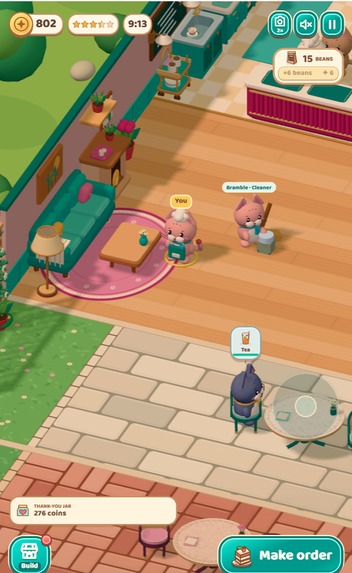
Screenshot of the game with everything unlocked
-
-
-
-
-
-
-
Inspiration
I wanted to build a game I would love to play myself. Purring Cup grew out of that idea: a café run by a cat, where attention to detail makes customers happy and growing your own ingredients is part of the experience.
What it does
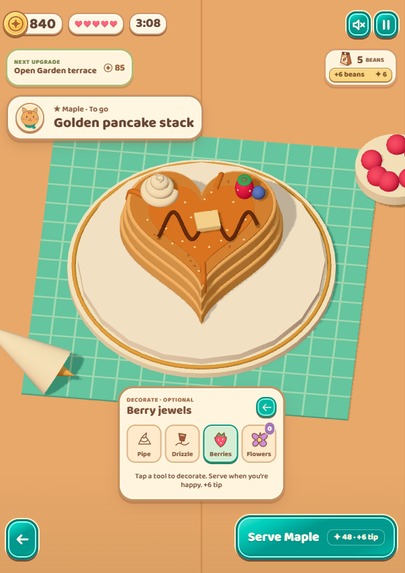
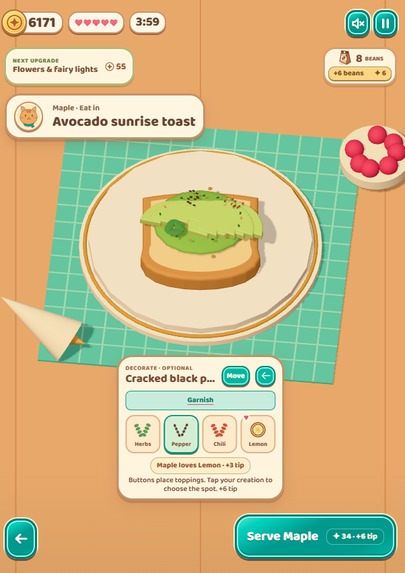
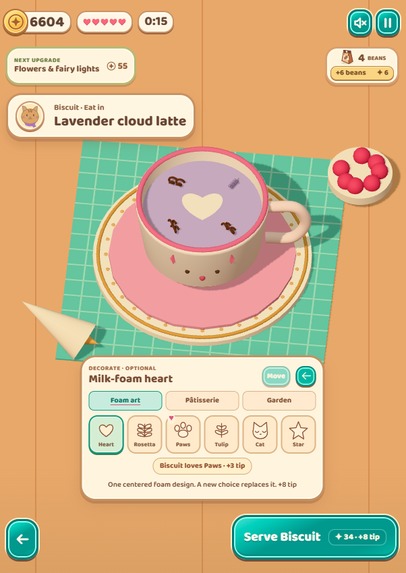
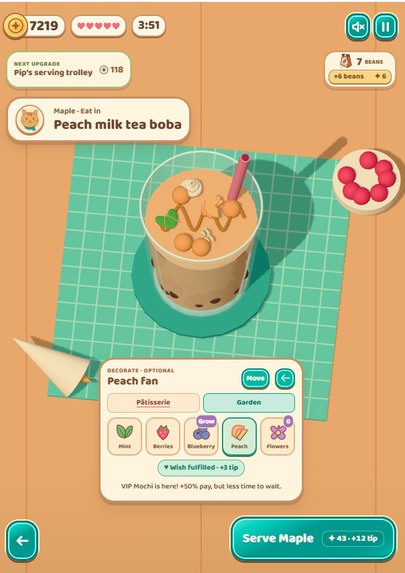
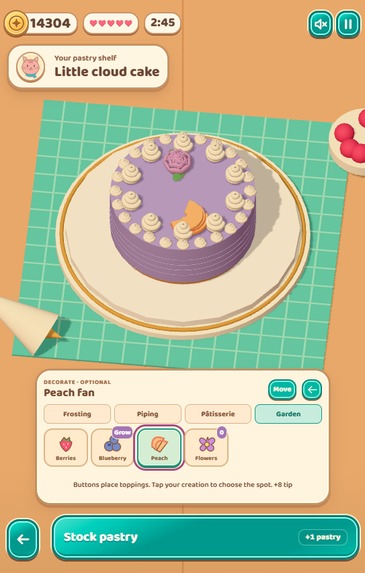
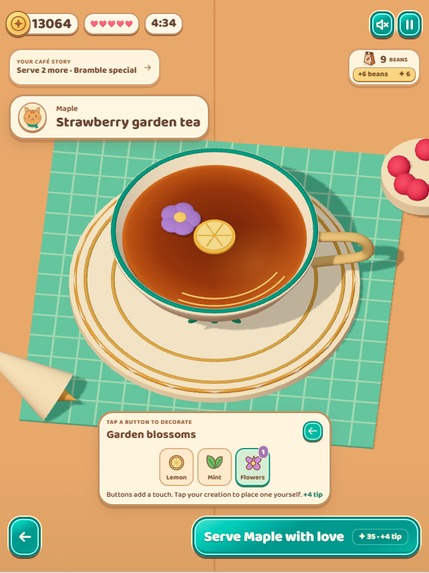
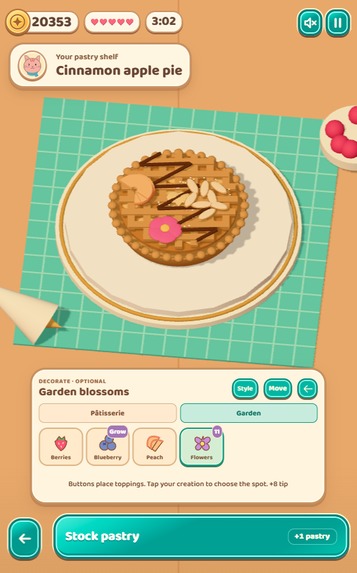
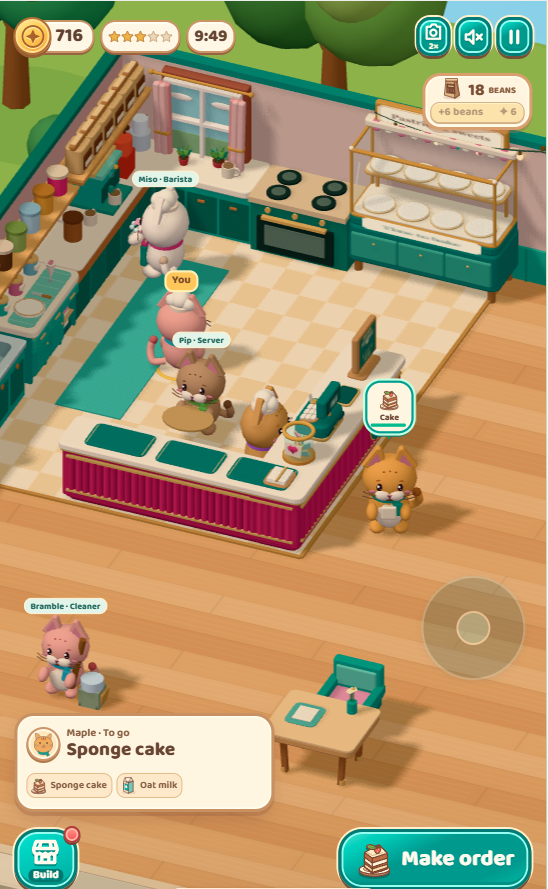
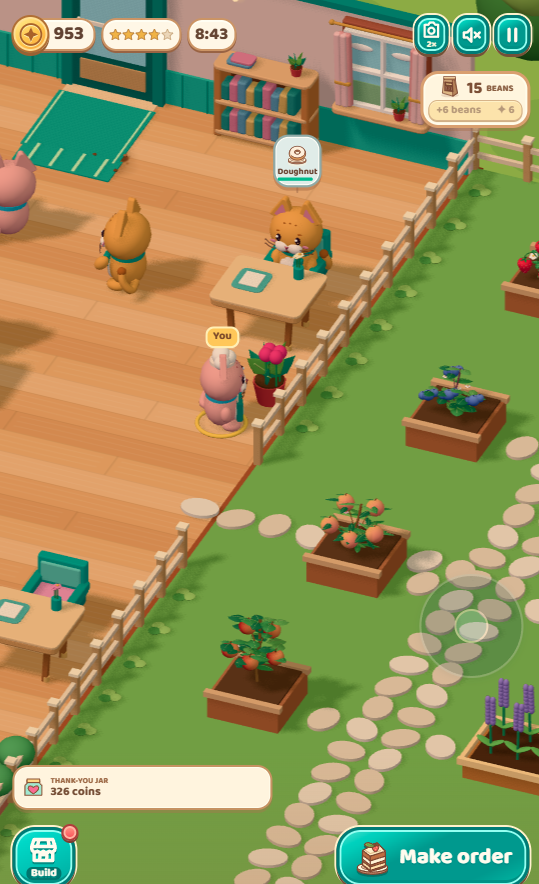
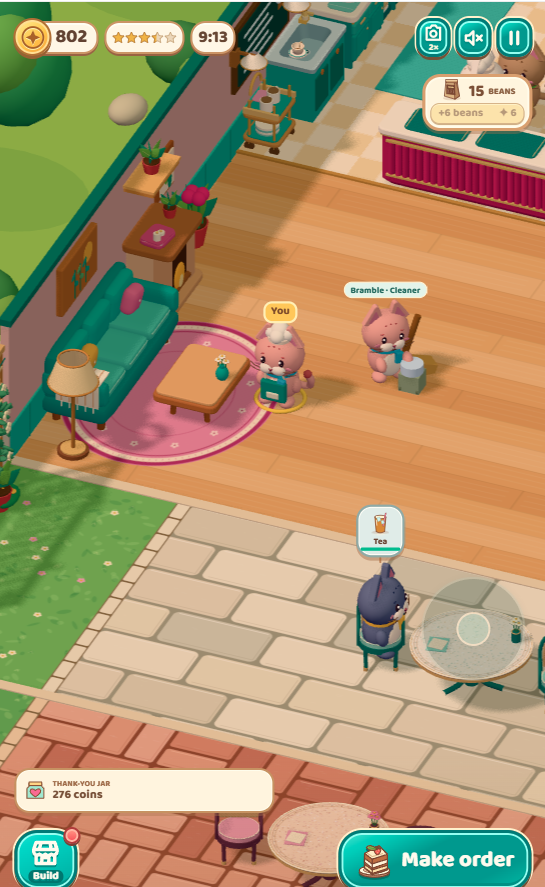
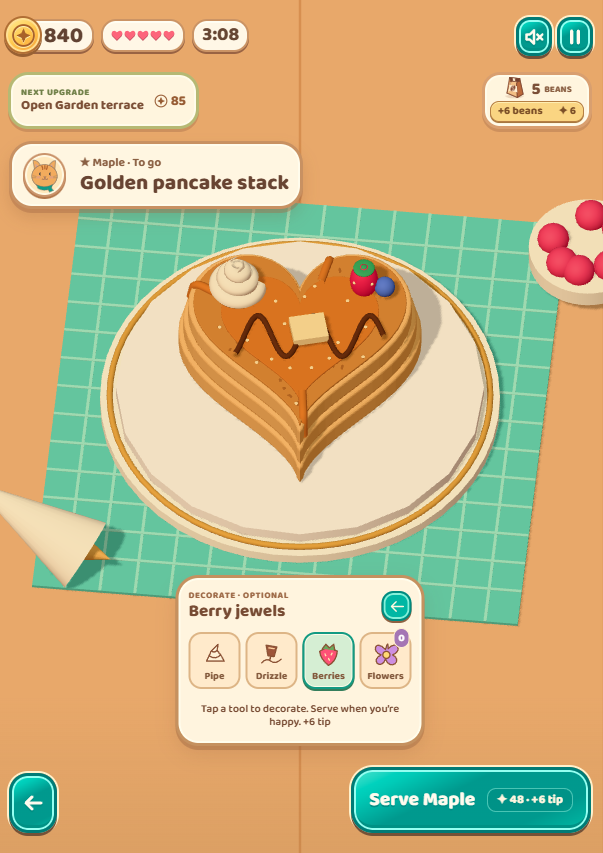
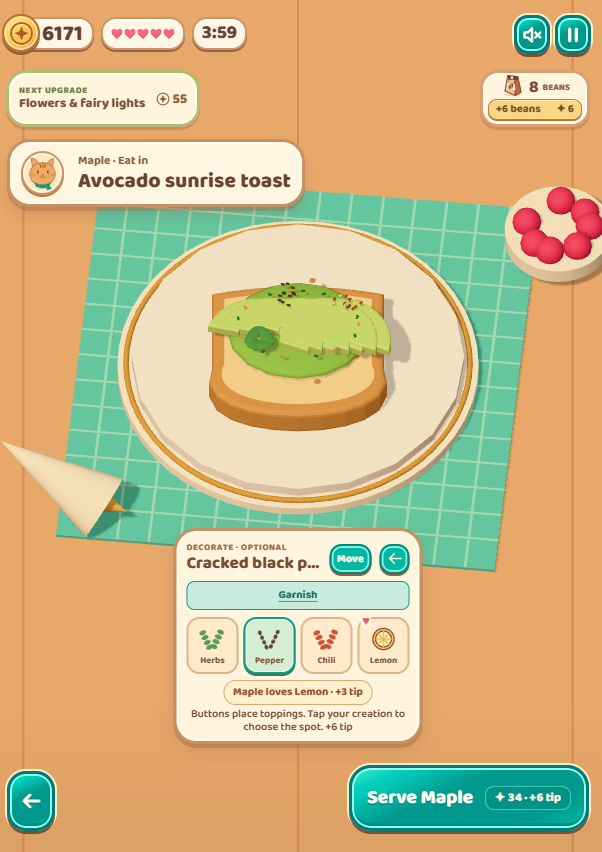
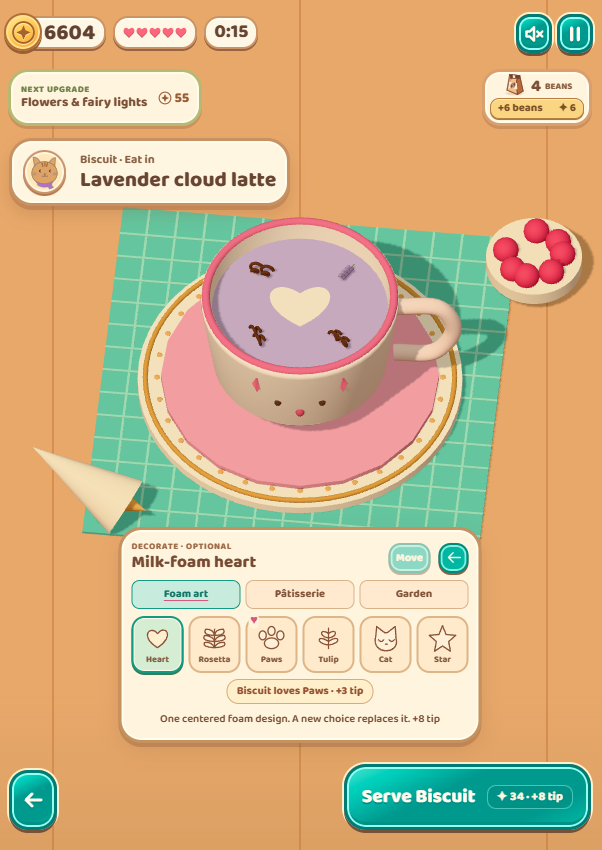
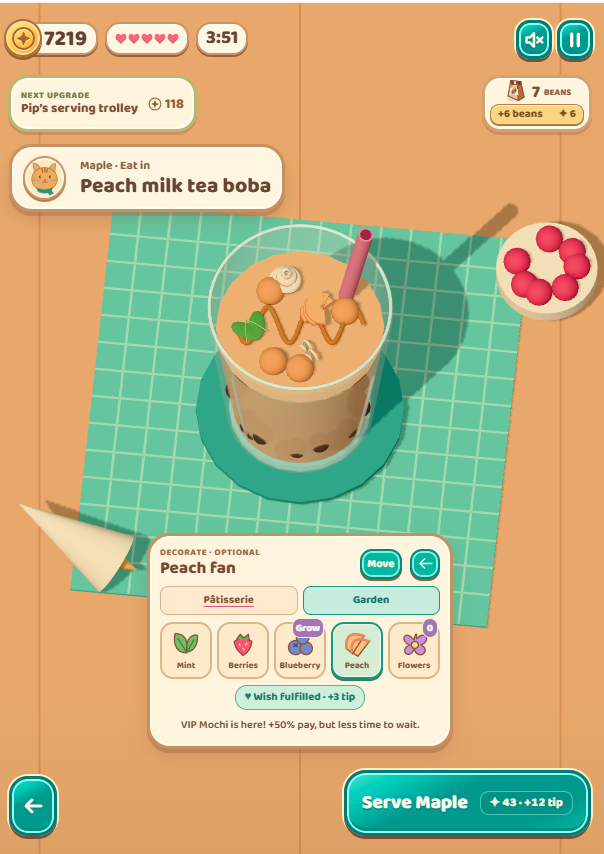
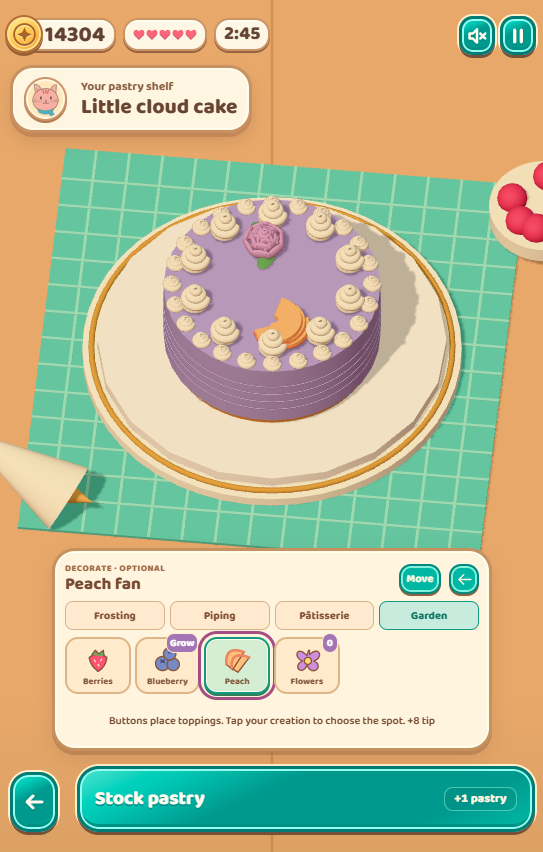
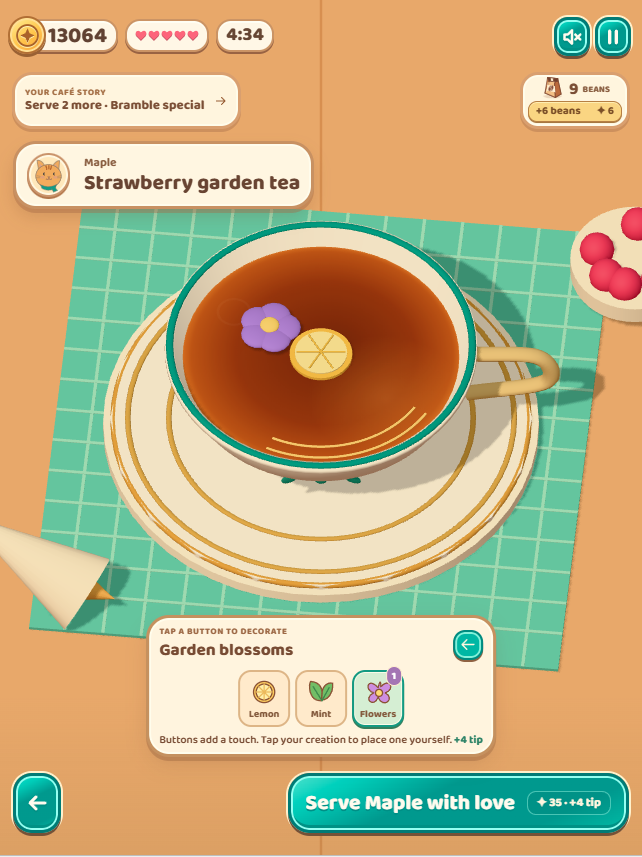
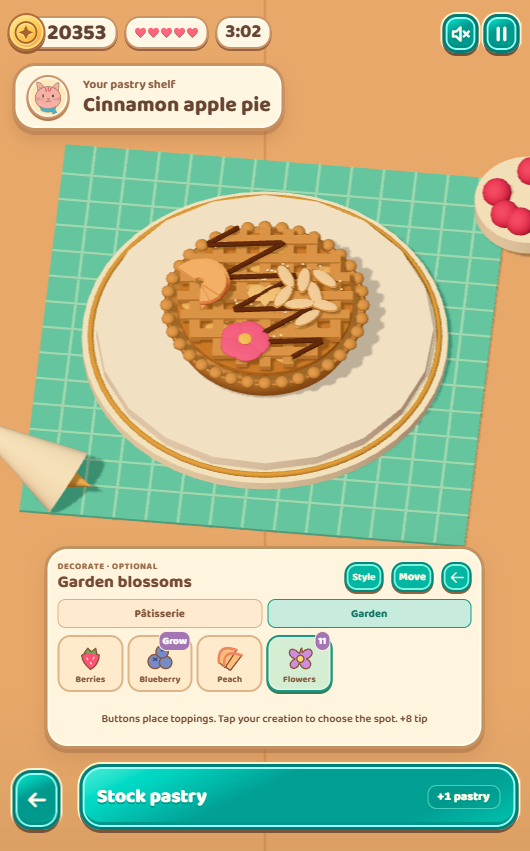
Purring Cup is a cozy café simulation and management game where you play as a cat with an eye for detail. Prepare customer orders, customize and decorate your drinks, bake a variety of pastries, make breakfast items, and grow your own berries and flowers to add specialty items to your menu. Along the way, keep the dishes washed and the floor swept, or risk losing customers. Unlock a seating area to give your customers a comfortable place to wait—and more patience while you prepare their orders.
Designed for people who love customization, the game combines a satisfying order-preparation loop with plenty of ways to make each creation special and earn tips from happy cat customers. A varied menu and creative decoration options keep the experience fresh, so preparing orders doesn’t feel like doing exactly the same thing over and over..
Progression is intentionally sped up in the current prototype so players can experience the game’s depth, menu variety, and customization options within a single play session.
How we built it
I started by experimenting with different ideas, pursuing a direction more deeply when it resonated with me and building on what worked well.
I didn’t manually write a single line of code. The entire game was built by prompting AI, switching between Codex and Claude throughout development. I used AI to run and test the game in the browser, while also actively playing it myself and providing detailed feedback to guide each iteration.
In the later stages, I used Grok for an additional audit to get a fresh perspective. I also asked a few people to playtest the game, including a 10-year-old boy.
Even though the unzipped game is under 4 MB, AI produced around 15 GB of screenshots during development and testing.
Challenges we ran into
Getting the kitchen island’s layout right was an early challenge. Once that foundation was in place, it became easier to guide AI toward a cohesive design.
As the game’s systems became more complex, making sure everything worked together as intended became increasingly difficult. Each addition required more testing, careful feedback, and iteration.
Accomplishments that we're proud of
I’m proud of turning an idea into a complete, thoroughly tested game without manually writing any code, while actively shaping its design and how it feels to play.
It honestly became hard to stop working on it. The more the game took shape, the more excited I became—it was turning into something I genuinely wanted to play myself.
What we learned
Early on, leaving room for experimentation worked better than trying to force an extremely specific outcome. Exploring different directions helped me discover what was worth developing further.
Later in the process, precision became essential. I had to be explicit about what I wanted to change and how I wanted it to work. Learning when to explore and when to give detailed direction was a major part of building with AI.
What's next for Purring Cup
Purring Cup has been thoroughly playtested, but there’s always more to refine. New ideas keep coming to me, and I want to keep shaping the game around my vision, improving the details, and making it even more enjoyable to play. The current prototype introduces features quickly so playtesters can experience its depth in a single sitting. For the final version, I plan to adjust the pacing to make progression feel more natural and balanced after testing with more people.
Built With
- claude
- codex
- grock



Log in or sign up for Devpost to join the conversation.