-
-
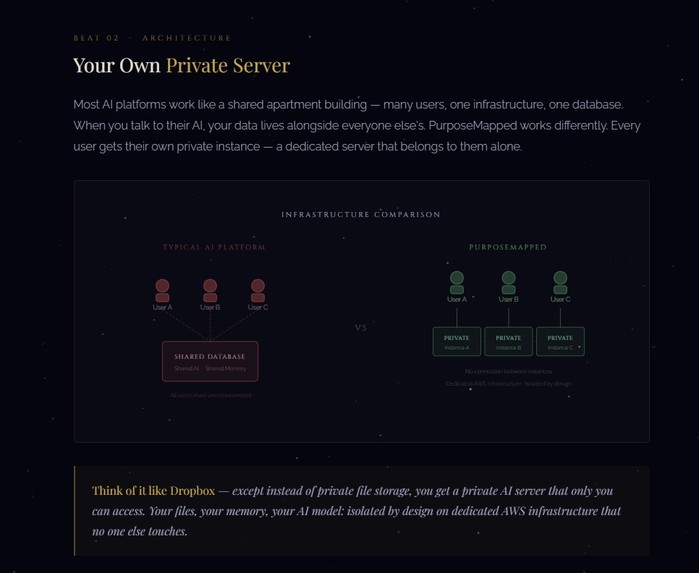
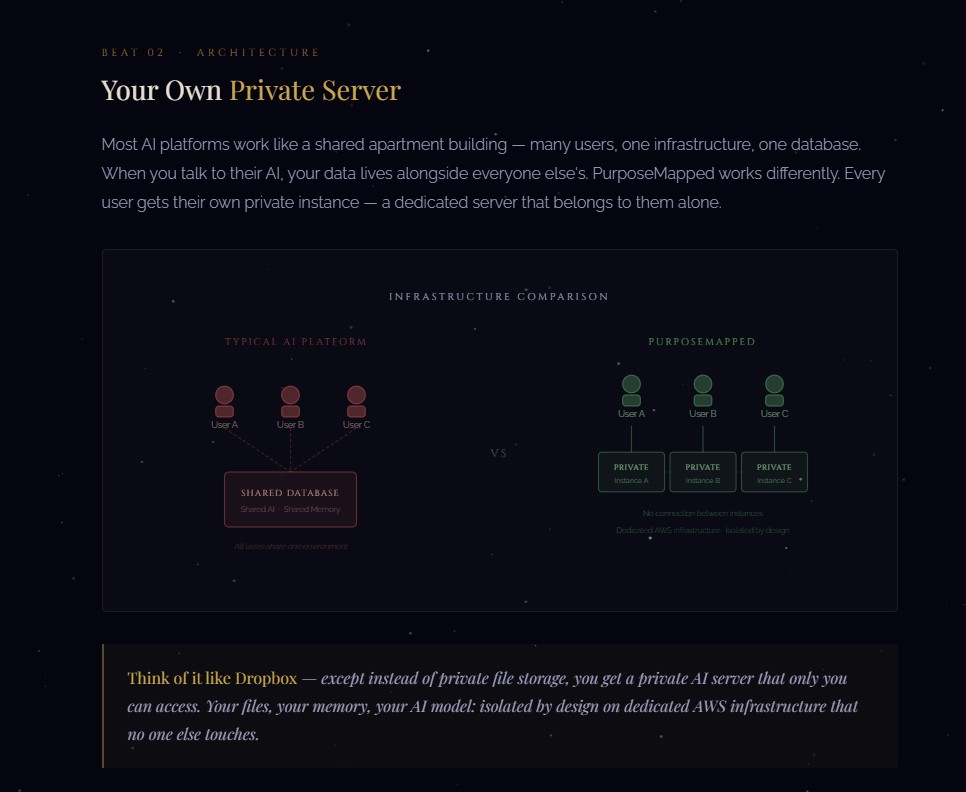
Security and Privacy Architecture
-
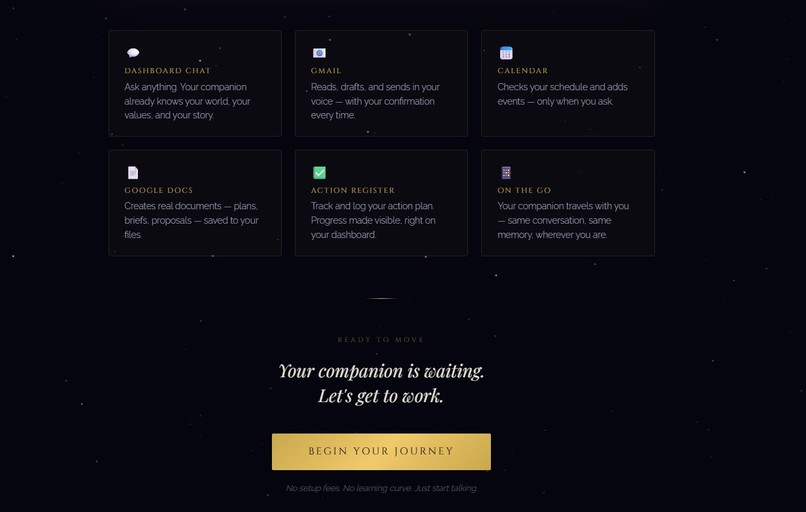
Actions and capabilities
-

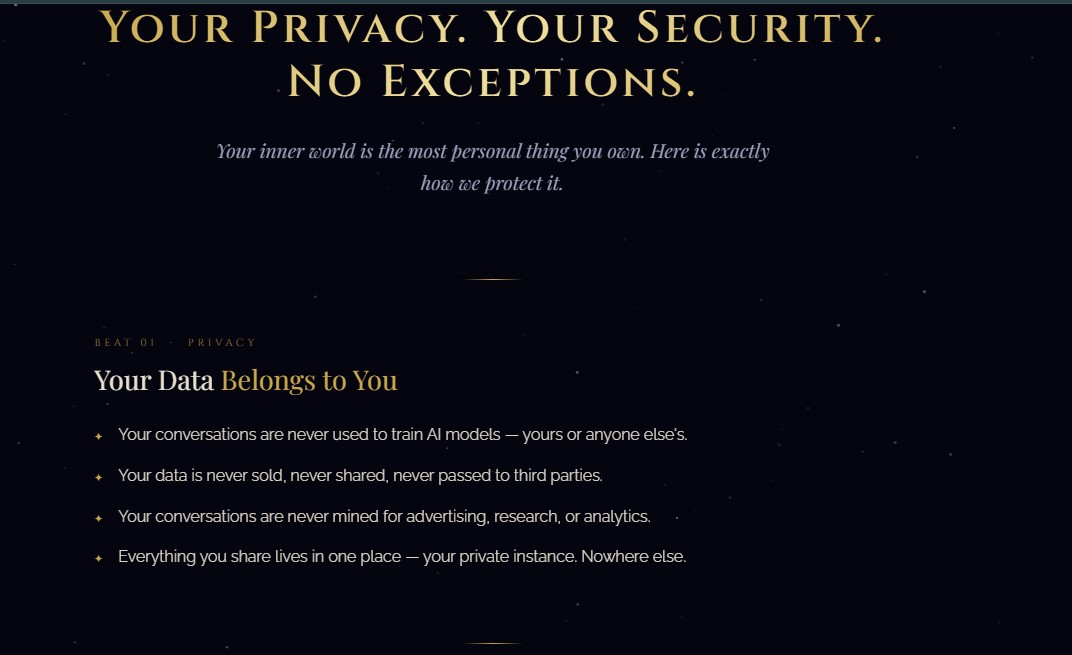
Privacy
-
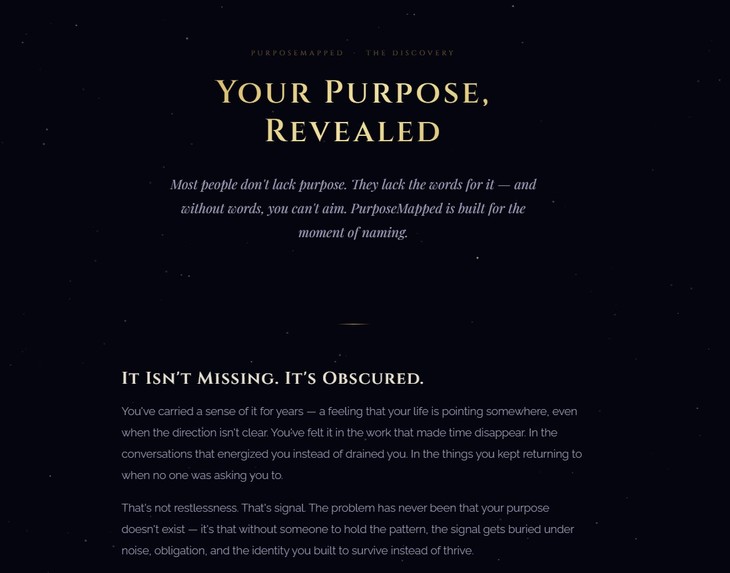
Purpose Driven
-

Arena World
-
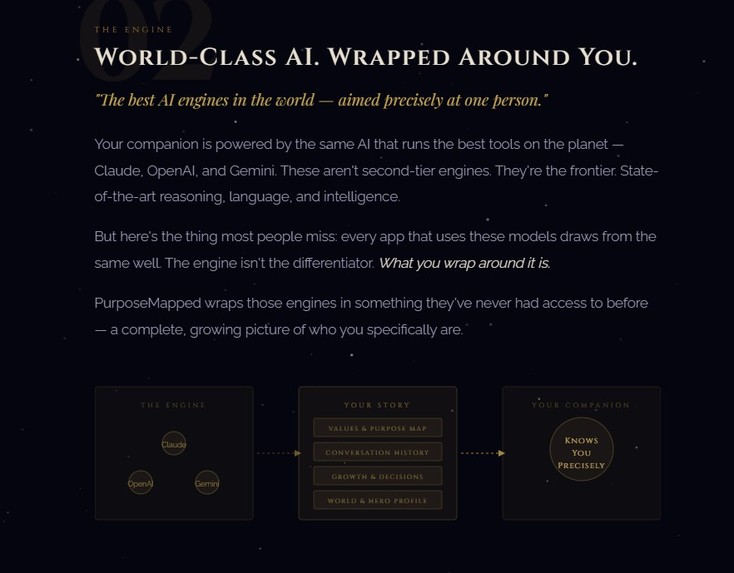
Multi LLM Triage
-
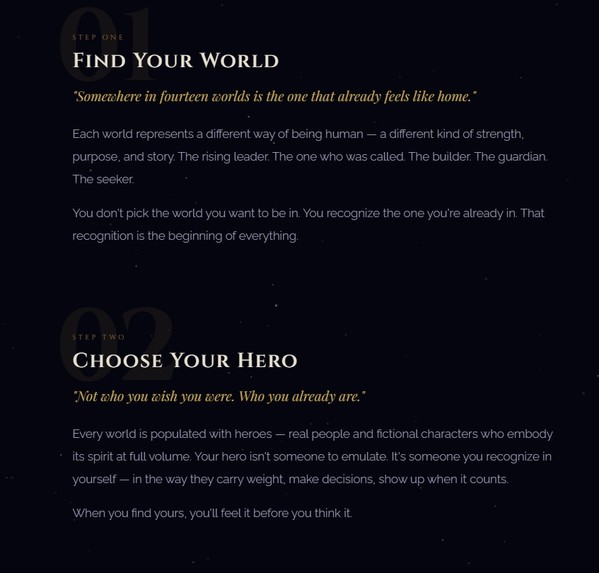
World Selection
-
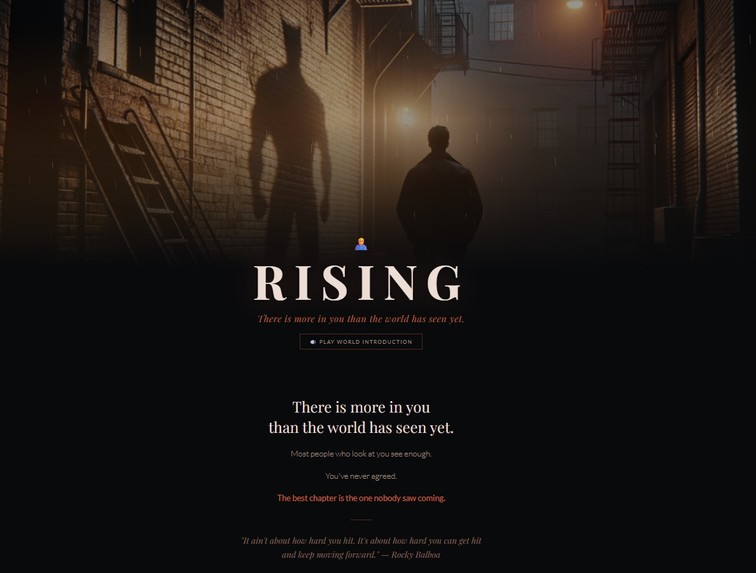
Rising World
-
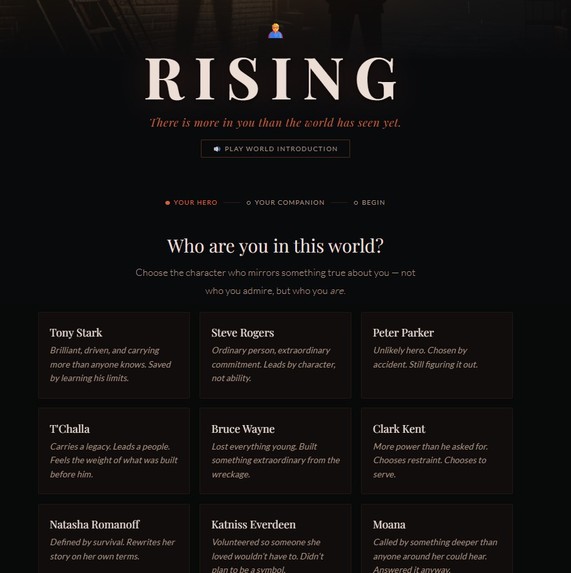
Rising Heroes
-
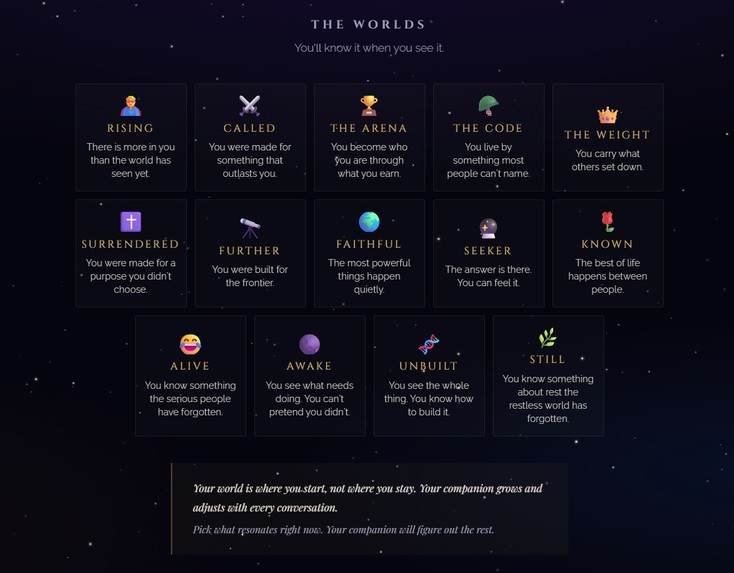
14 worlds
-

Values Assessment
-
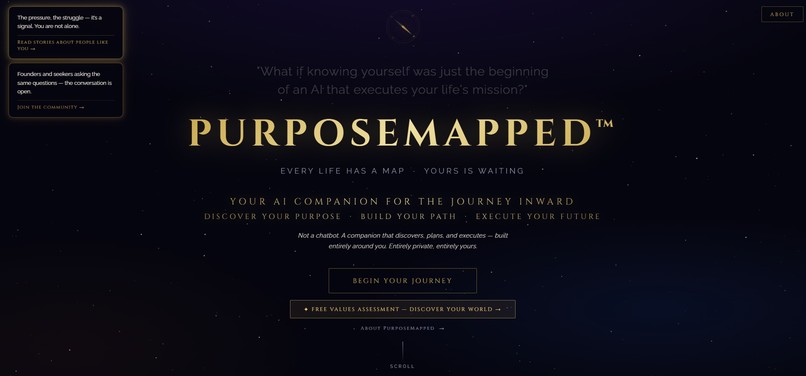
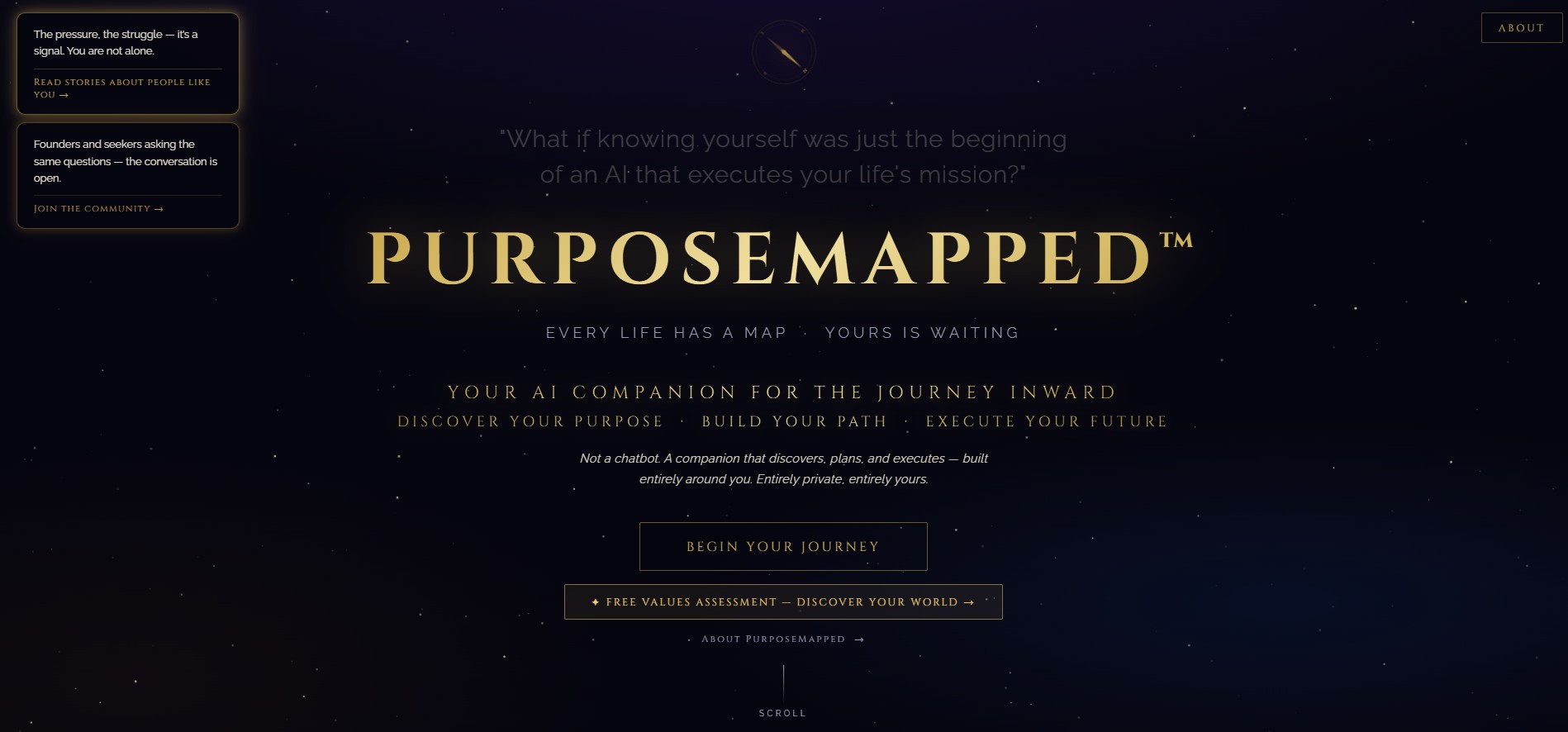
Landing Page
-
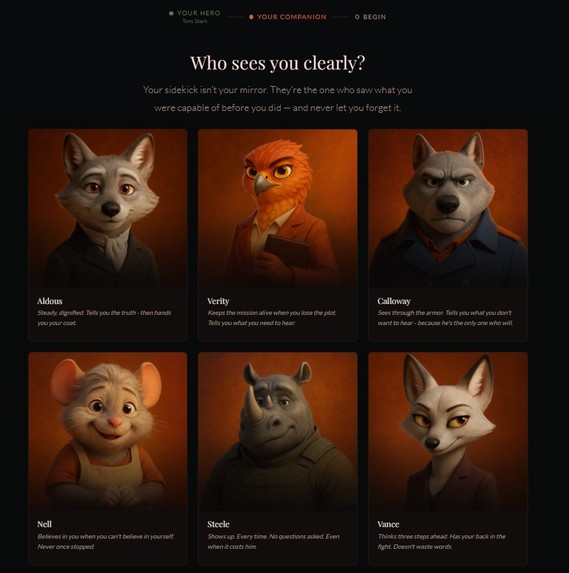
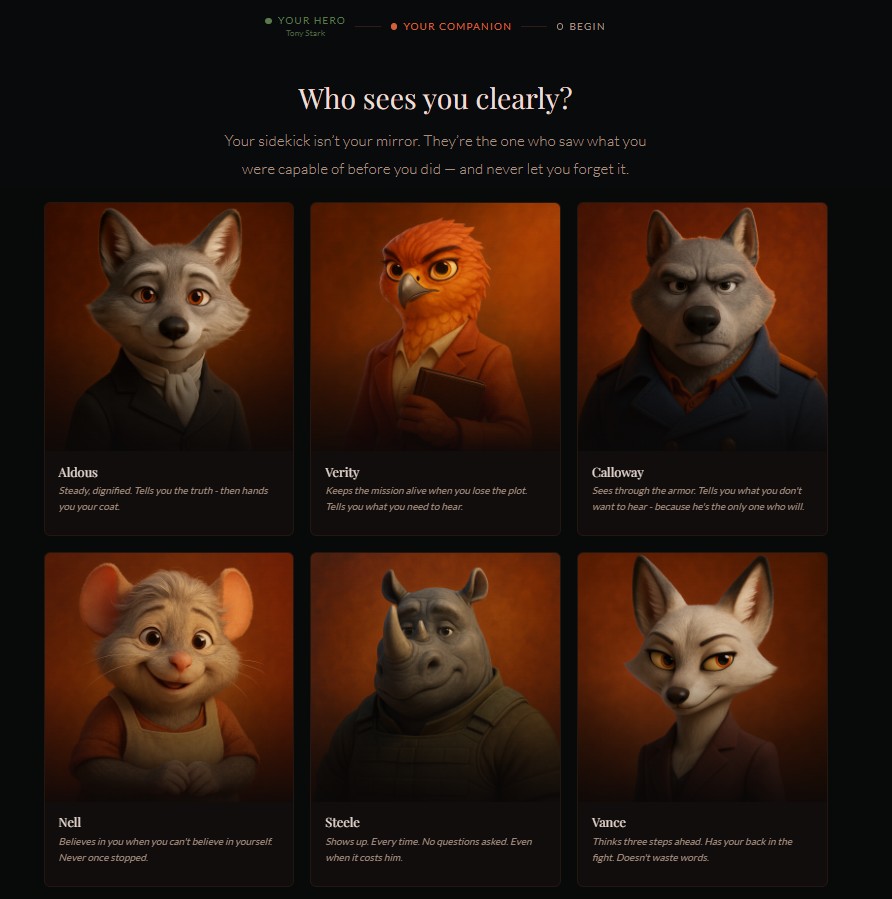
Companions Example
-
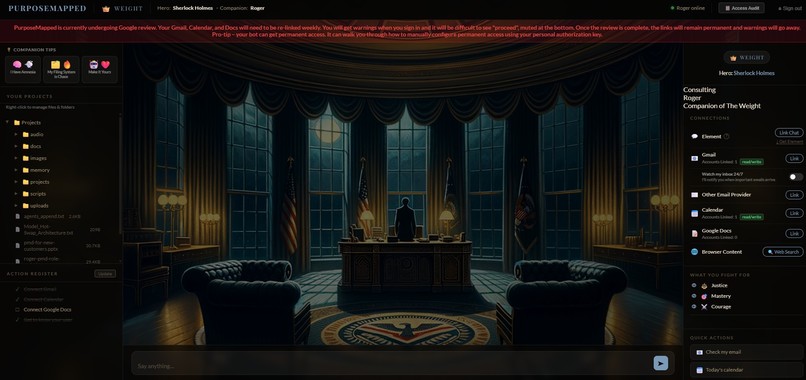
User Dashboard



Inspiration
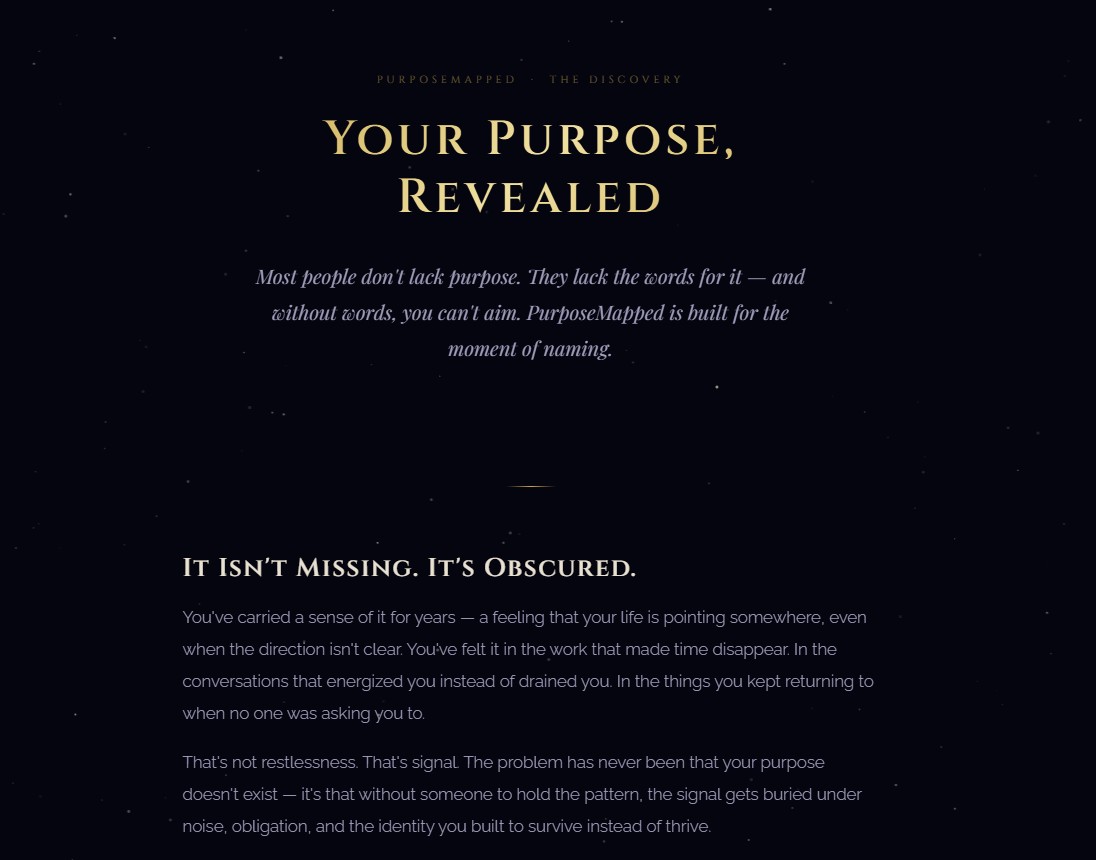
PurposeMapped started with a simple question: what if self-discovery felt less like taking a test and more like being met?
A lot of personality tools label people quickly, but purpose is more alive than that. People change. Seasons change. The same person can be driven by courage, healing, faith, creativity, justice, or belonging depending on where they are in life.
For Build Week, we wanted to create a public entry point into PurposeMapped: a reflective values assessment that helps someone pause, answer honestly, and receive a meaningful first map of where they are now.
What It Does
PurposeMapped’s Values Map Assessment asks users a series of reflective questions, then uses OpenAI to generate a structured personal report.
The report includes:
- The user’s top values and why they matter
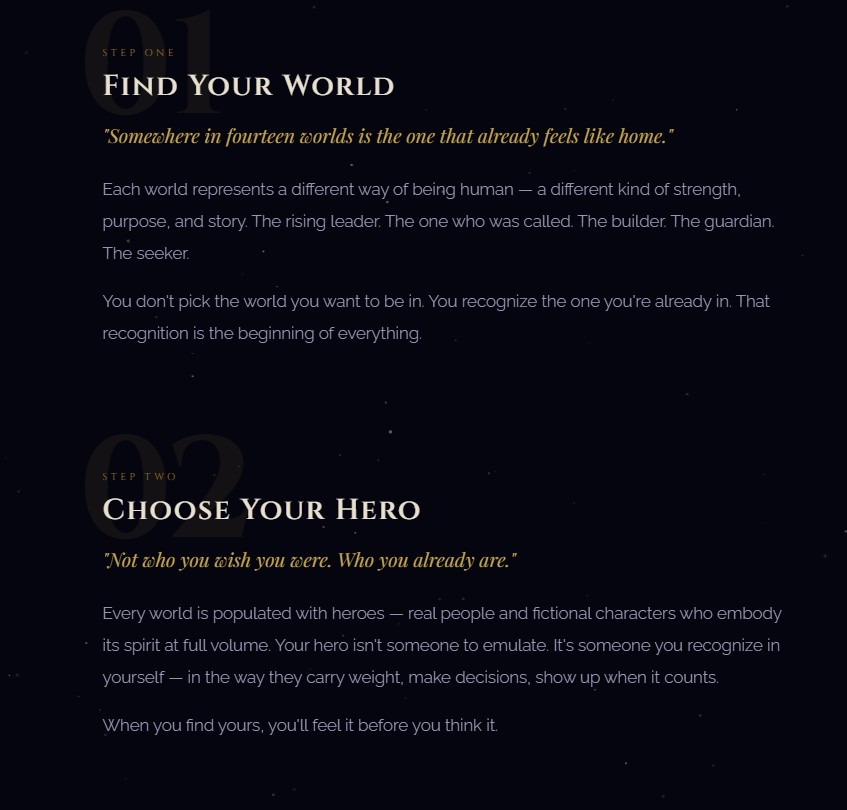
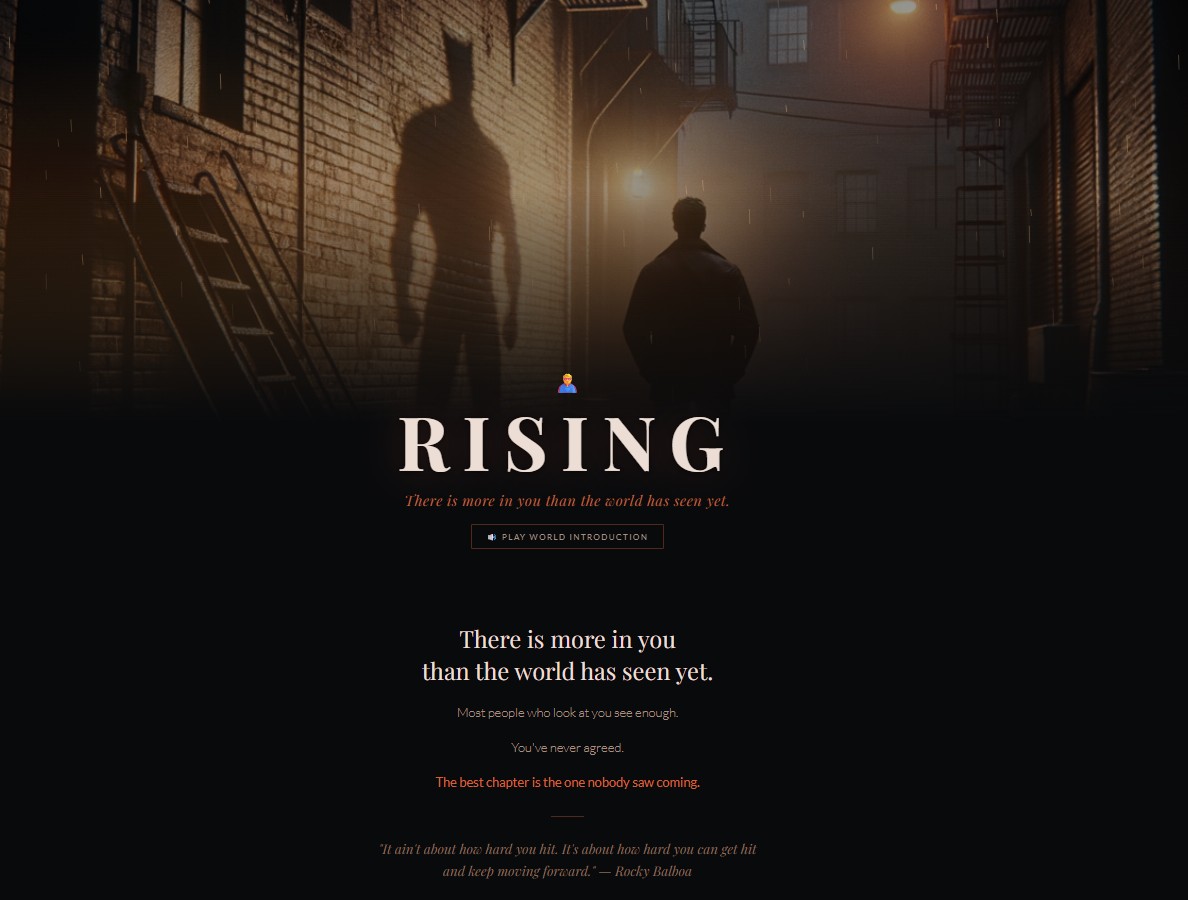
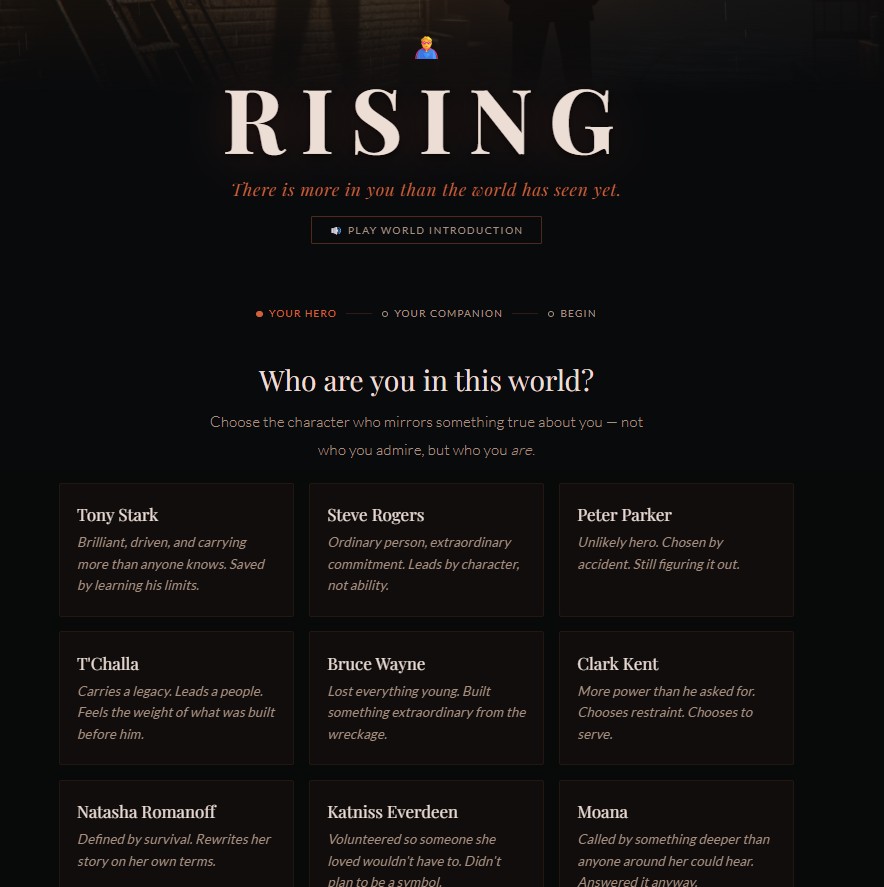
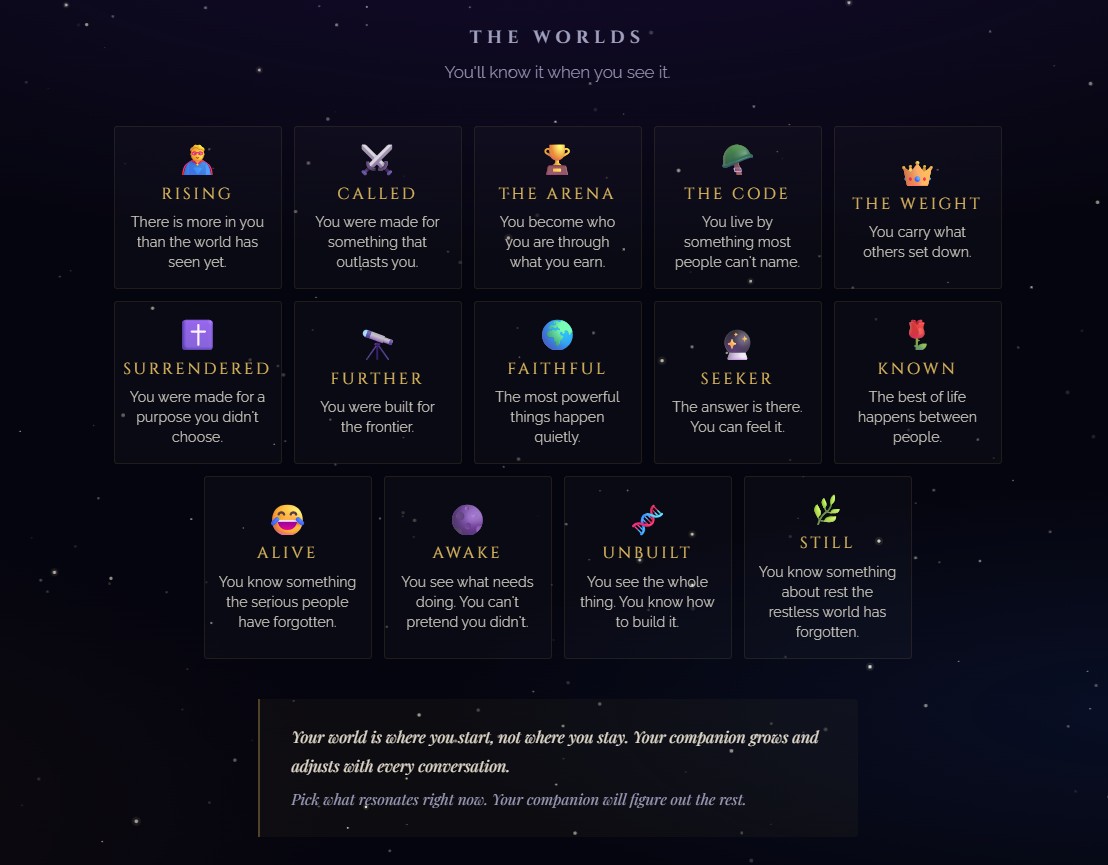
- A match to one of 14 PurposeMapped “worlds”
- A grounded narrative reflection
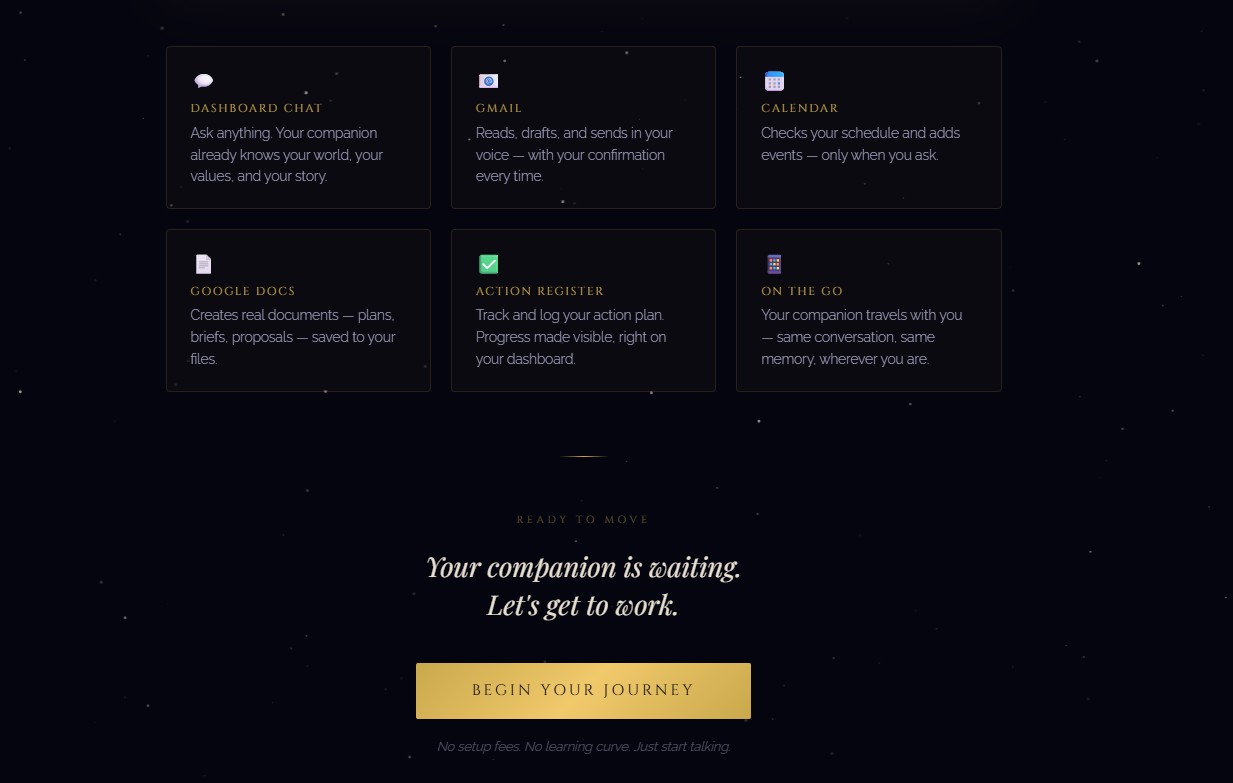
- A personalized companion brief for how PurposeMapped could support their next step
The goal is not to diagnose or categorize someone permanently. It is to help them recognize what is most alive in them right now and give them language for the journey ahead.
How We Built It
We built the assessment as a standalone FastAPI application with a lightweight HTML, CSS, and JavaScript frontend.
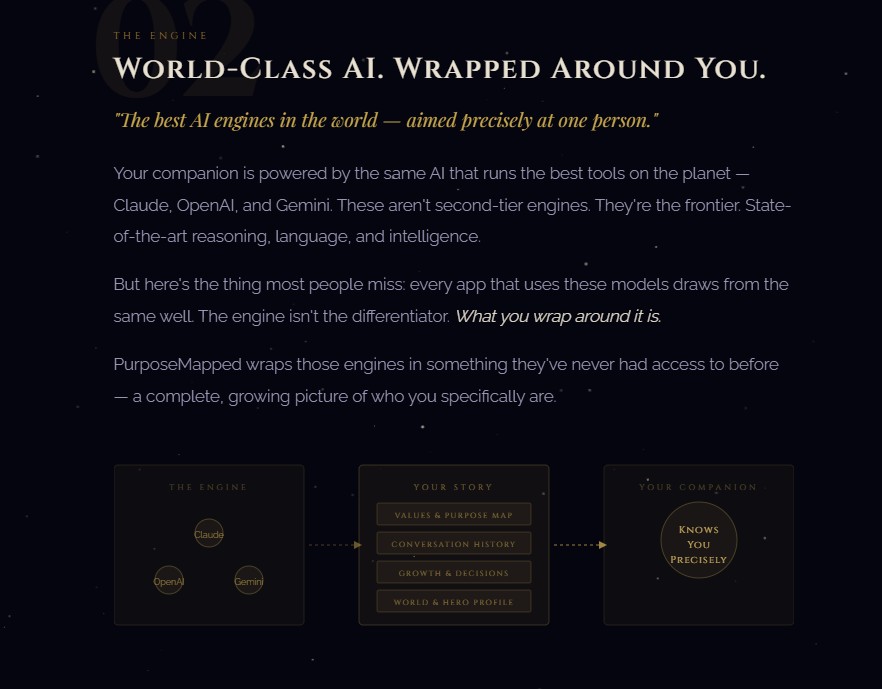
The backend uses the OpenAI Responses API with structured JSON output so the experience feels personal while still staying reliable in the UI. The assessment does not require accounts, does not store answers in a database, and only uses the submitted responses to generate the user’s report.
Codex helped accelerate the full build process: shaping the assessment flow, generating the FastAPI backend, designing the frontend, creating the structured output schema, refining prompts, adding email delivery, fixing deployment issues, and preparing the production app.
Challenges We Faced
The biggest challenge was balancing depth with clarity. We wanted the results to feel emotionally honest and useful without becoming vague, overreaching, or clinical.
We also had to keep the AI output constrained enough for a production UI. That meant using strict structured output, validating the response shape, and designing the interface around predictable fields.
Another challenge was positioning the Build Week work honestly. PurposeMapped existed as a broader concept before this project, but the Values Map Assessment was built during Build Week as a new public AI-powered experience within the product.
What We Learned
We learned that AI is strongest in this kind of product when it is not trying to replace human judgment, but helping someone reflect more clearly.
The best results came from giving the model a strong framework, clear boundaries, and a specific job: listen to the user’s reflection, identify values, and return something grounded, respectful, and actionable.
We also learned how quickly Codex can move a product from idea to deployed feature when the human side of the product is already clear. The technology mattered, but the real unlock was combining a thoughtful purpose framework with fast iteration.
What’s Next
The next step is to connect the assessment more deeply into the full PurposeMapped journey: richer companion experiences, saved reflections, progress over time, and more personalized paths through the 14 worlds.
The long-term vision is for PurposeMapped to move from just a companion for people trying to live with more clarity, courage, and alignment to a partner and executor helping individuals rise to their fullest potential and achieve more than they ever dreamed.
Built With
- amazon-web-services
- assessment
- automation
- codex
- css
- ec2
- fastapi
- gpt-5.6
- html
- javascript
- linux
- nginx
- openai
- personalization
- privacy
- python
- reflection
- uvicorn
- values

Log in or sign up for Devpost to join the conversation.