Inspiration
The inspiration for Legal Document Demystifier came from a universal frustration: legal documents are deliberately complex, yet we're expected to sign them anyway. Whether it's a rental lease, employment contract, or terms of service, these documents contain dense legal jargon that can hide significant financial risks and unfair terms.
I realized that while hiring a lawyer for every document review isn't feasible for most people, AI has reached a point where it can provide meaningful legal analysis at scale. The goal was to democratize legal document understanding - making professional-level contract analysis accessible to everyone, from college students signing their first lease to small business owners navigating partnership agreements.
What it does
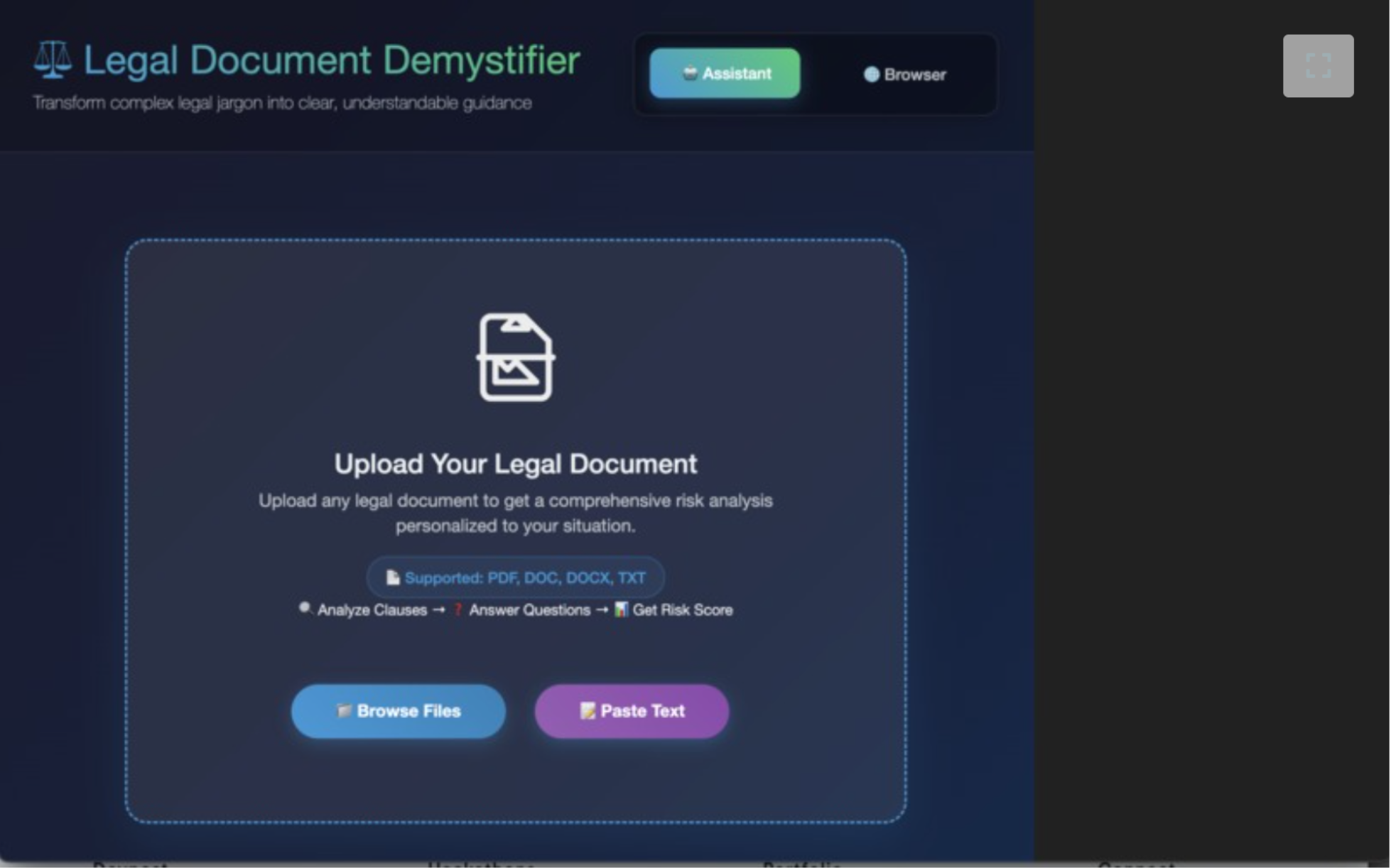
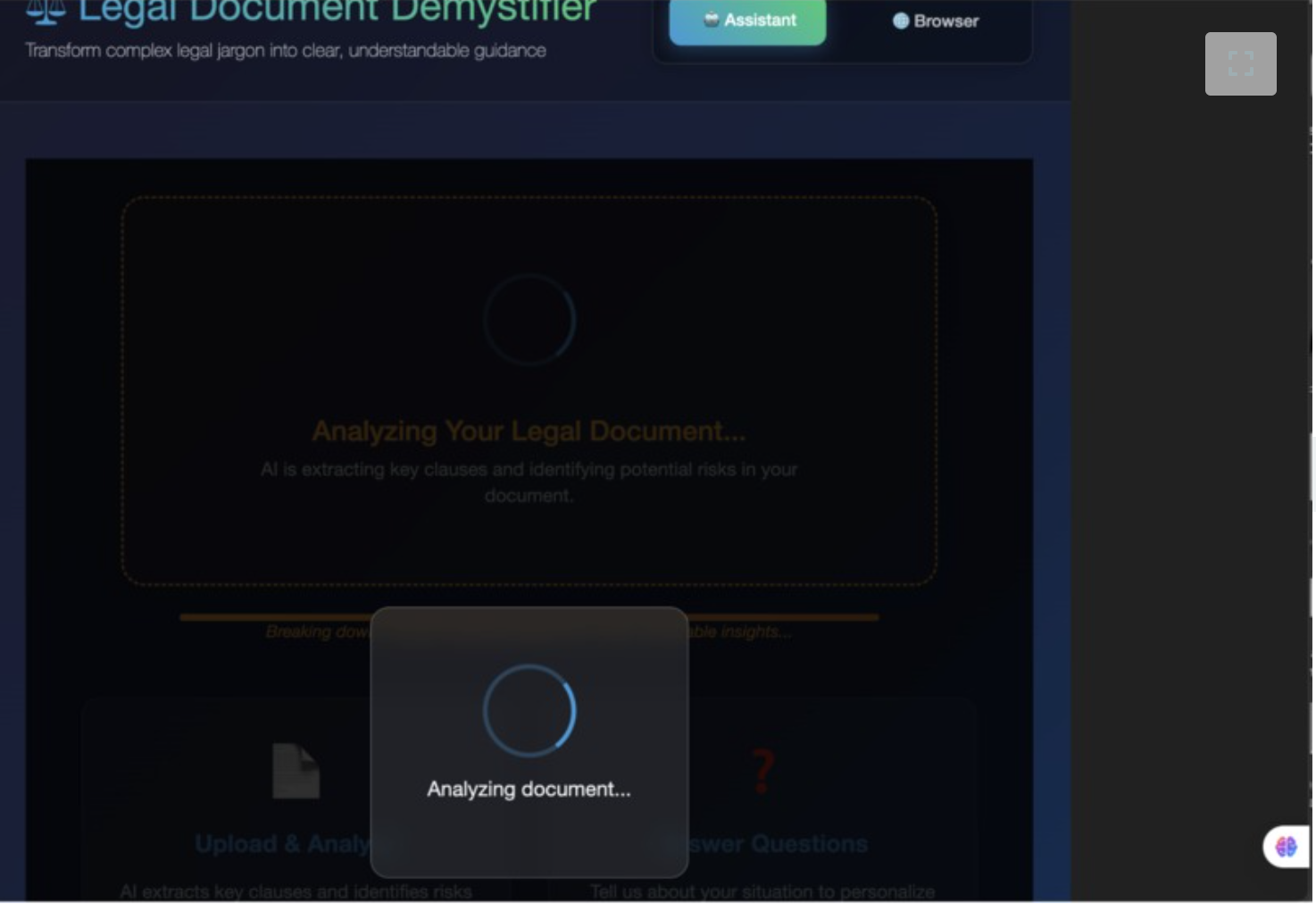
Legal Document Demystifier transforms complex legal documents into clear, actionable insights through AI-powered analysis. Users can upload any legal document (PDF, DOC, DOCX, TXT) and receive:
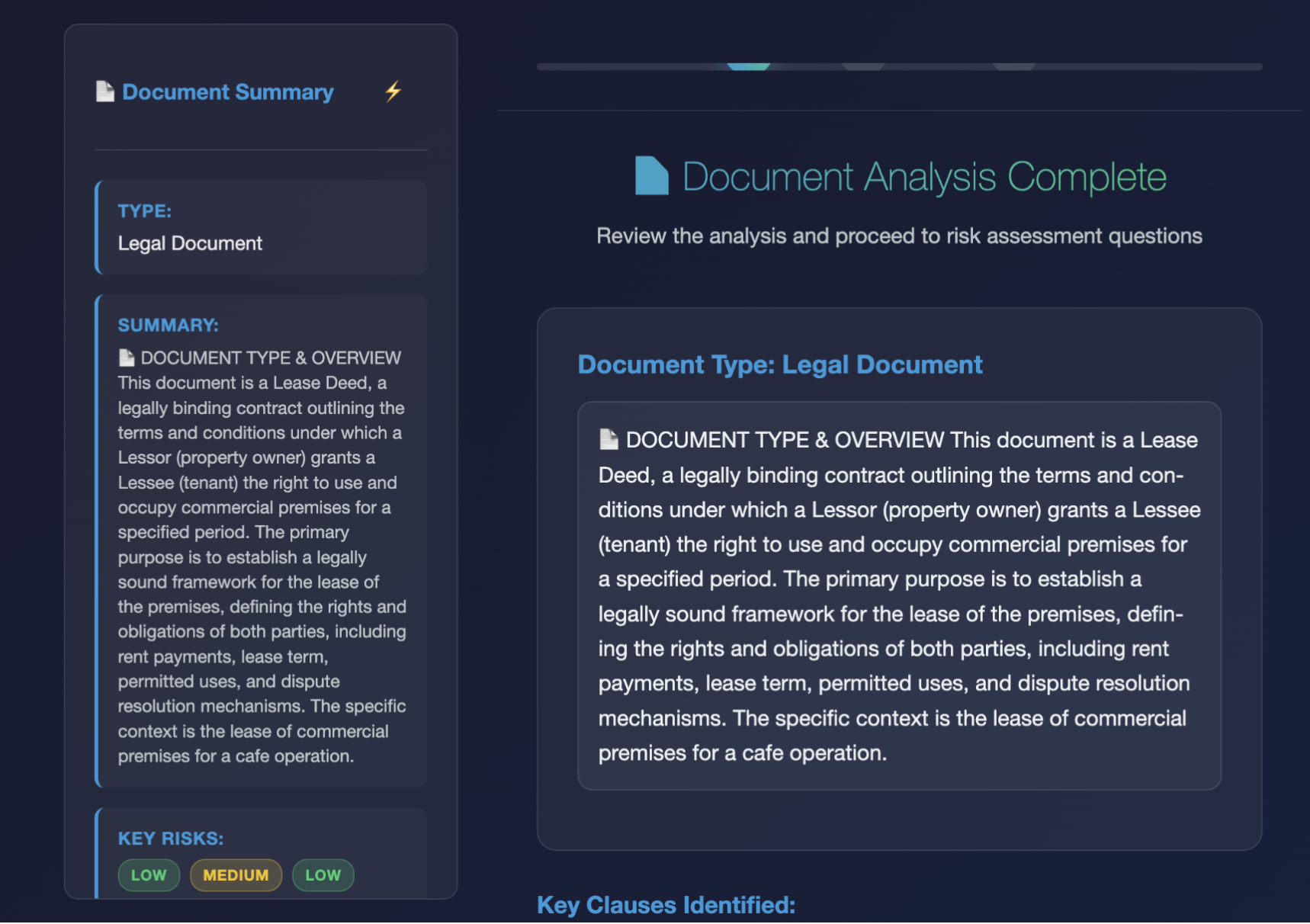
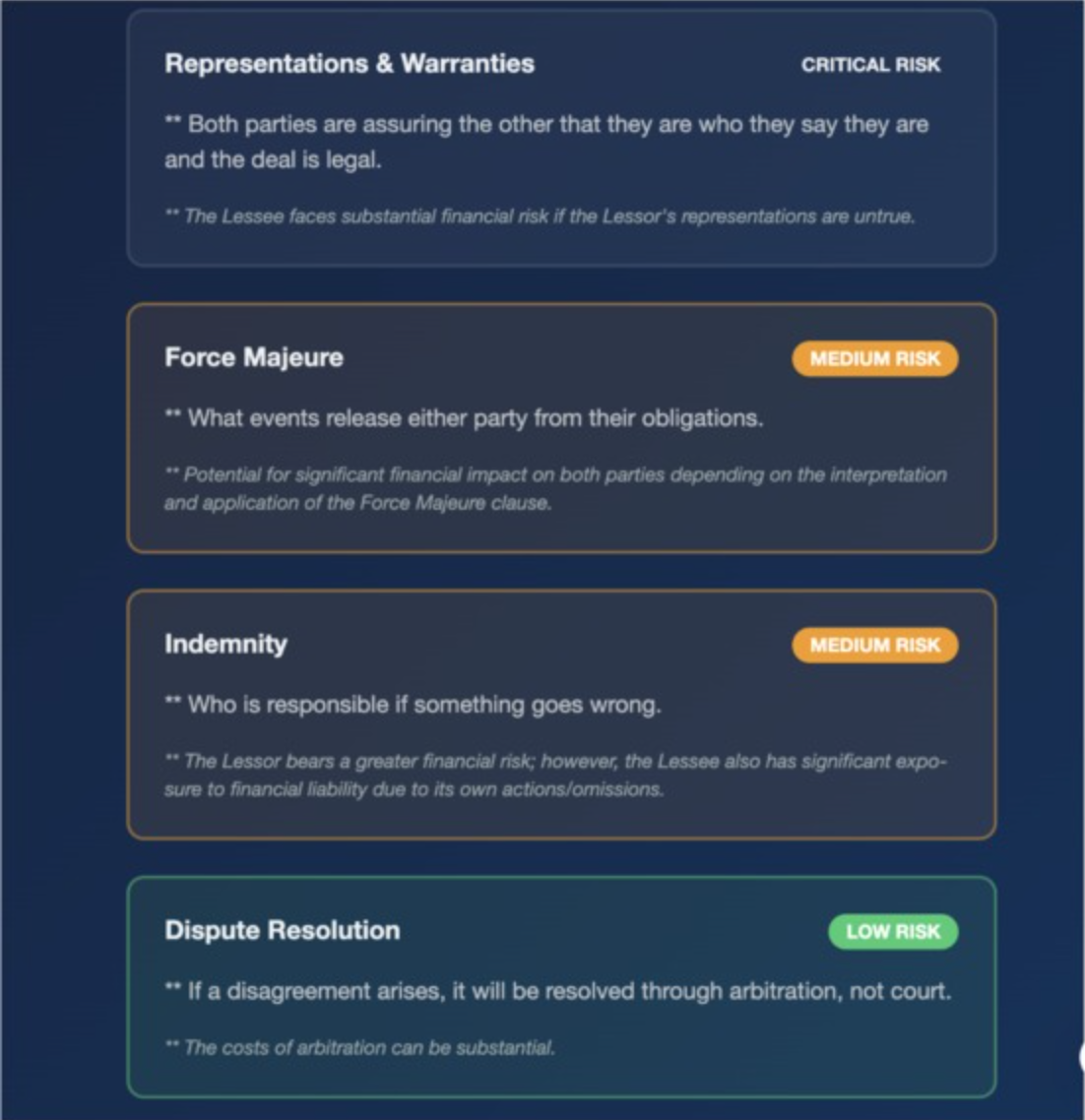
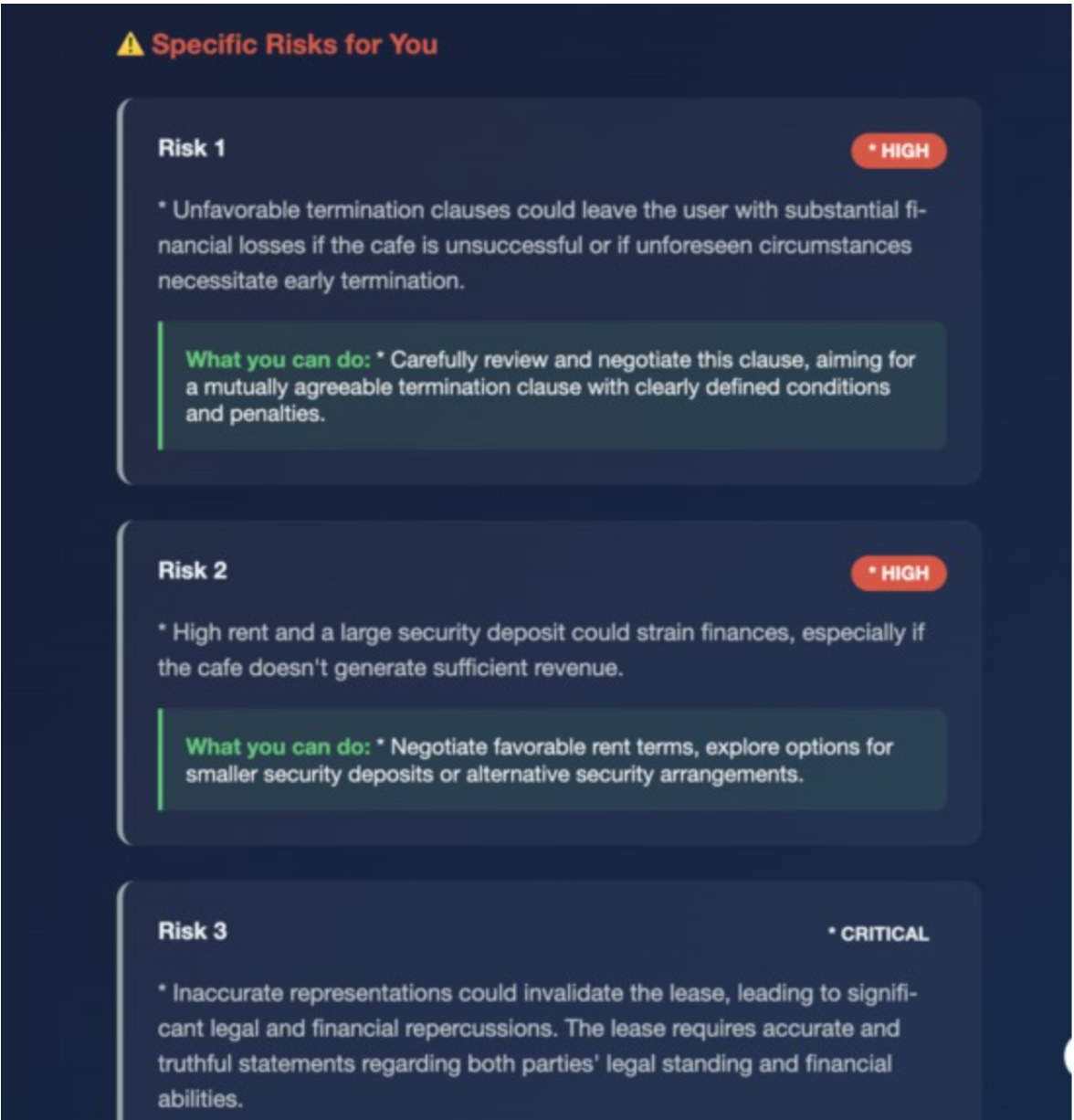
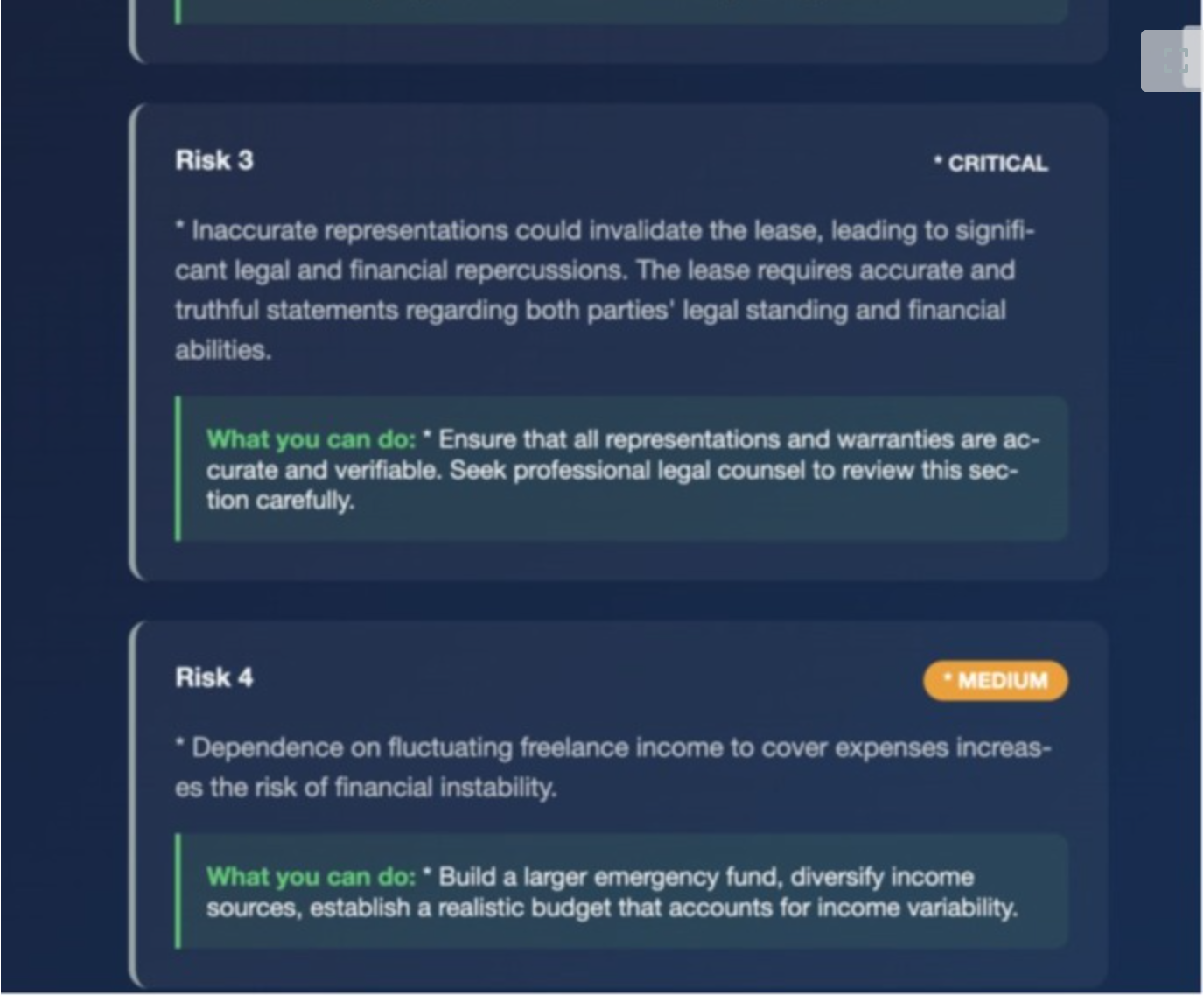
- Comprehensive clause-by-clause breakdown with risk assessments
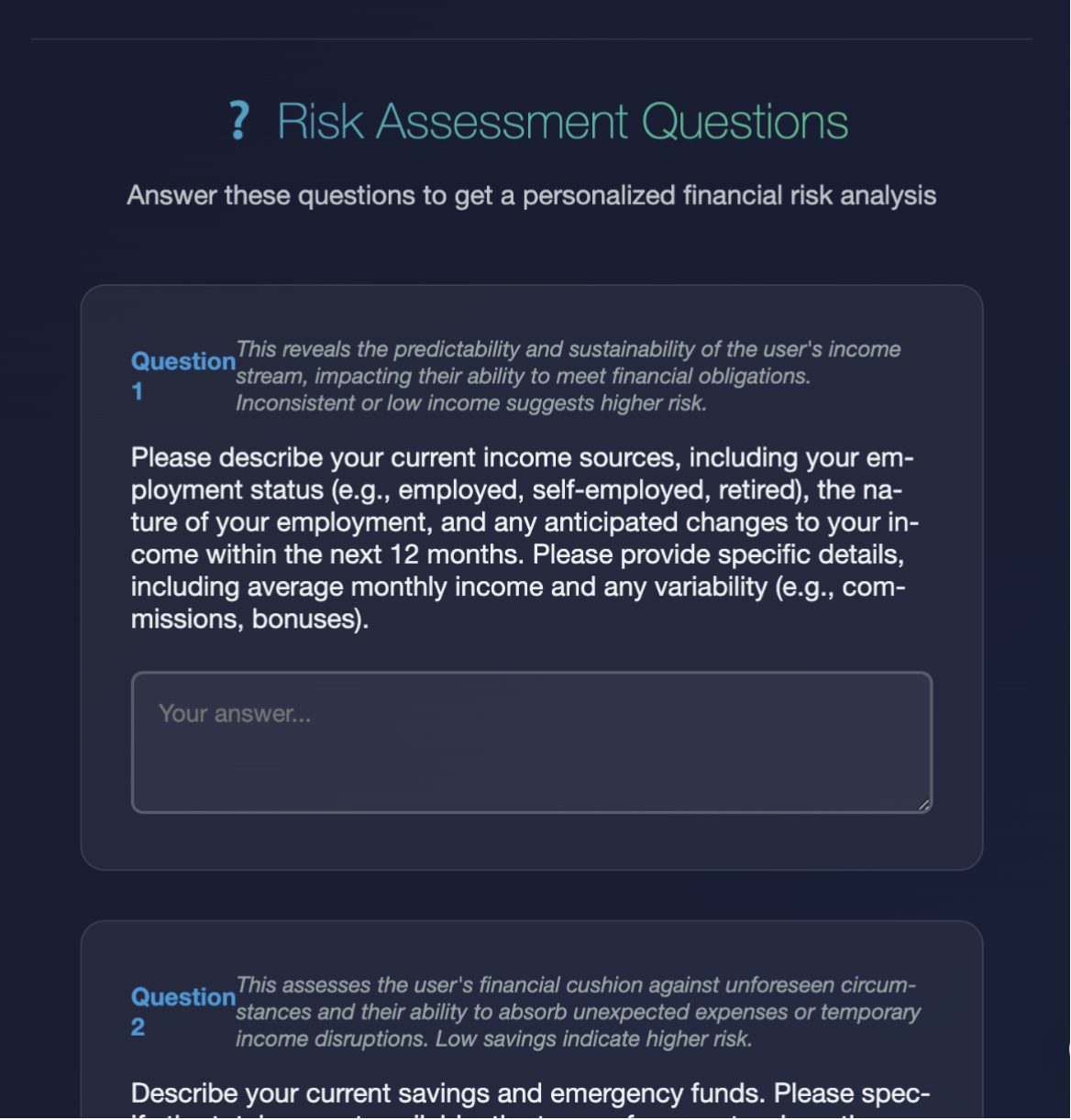
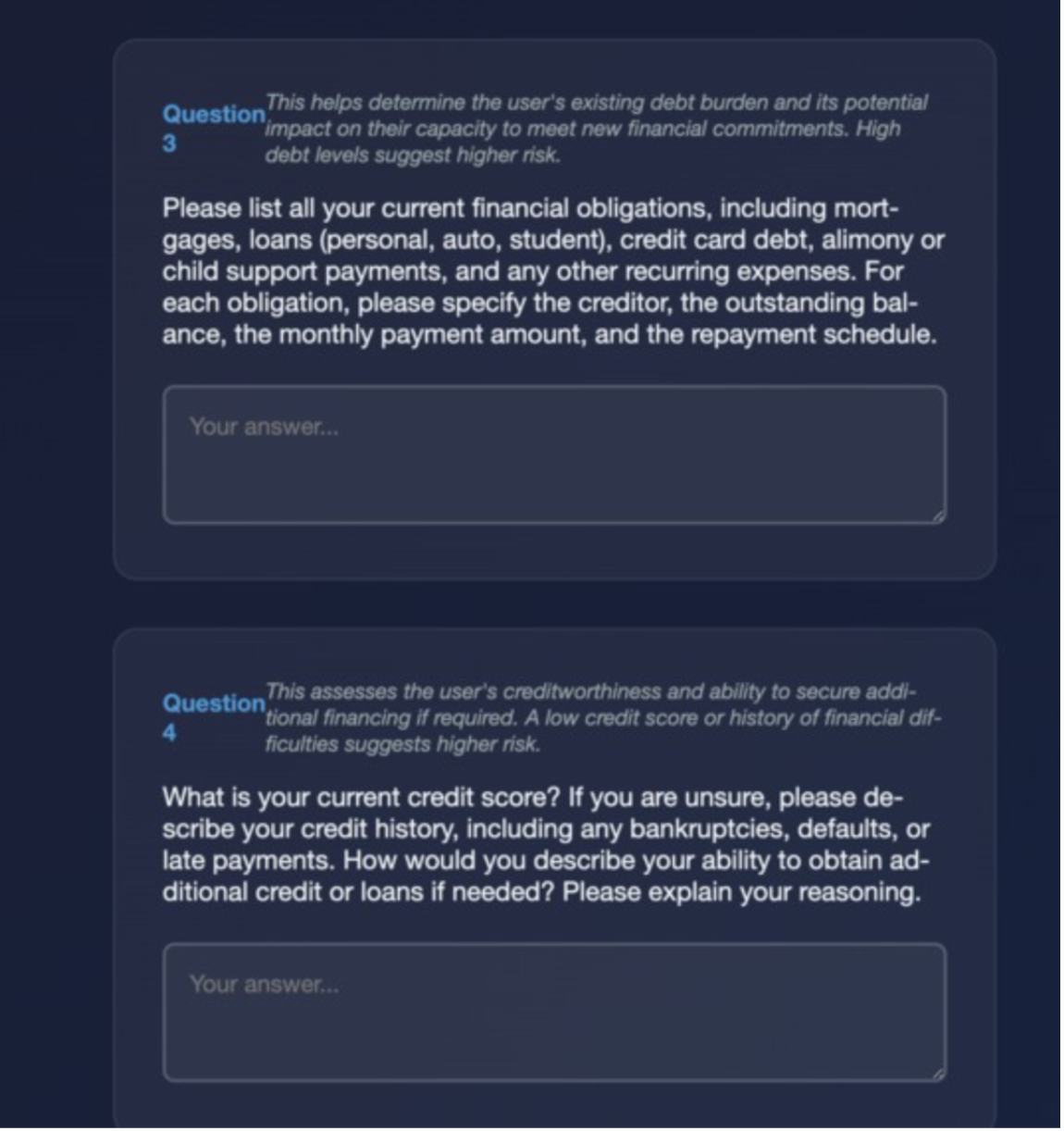
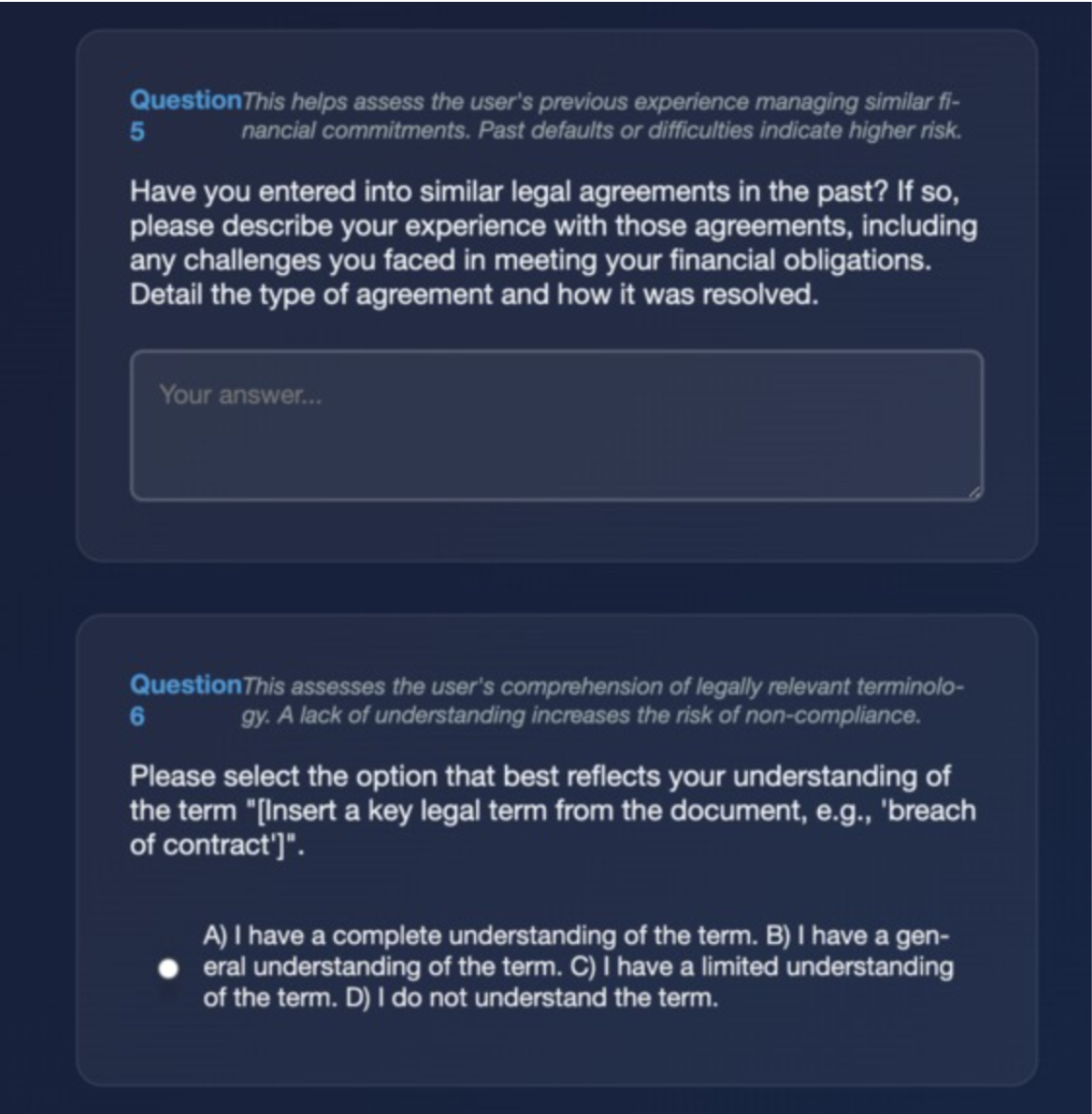
- Personalized risk scoring based on individual circumstances
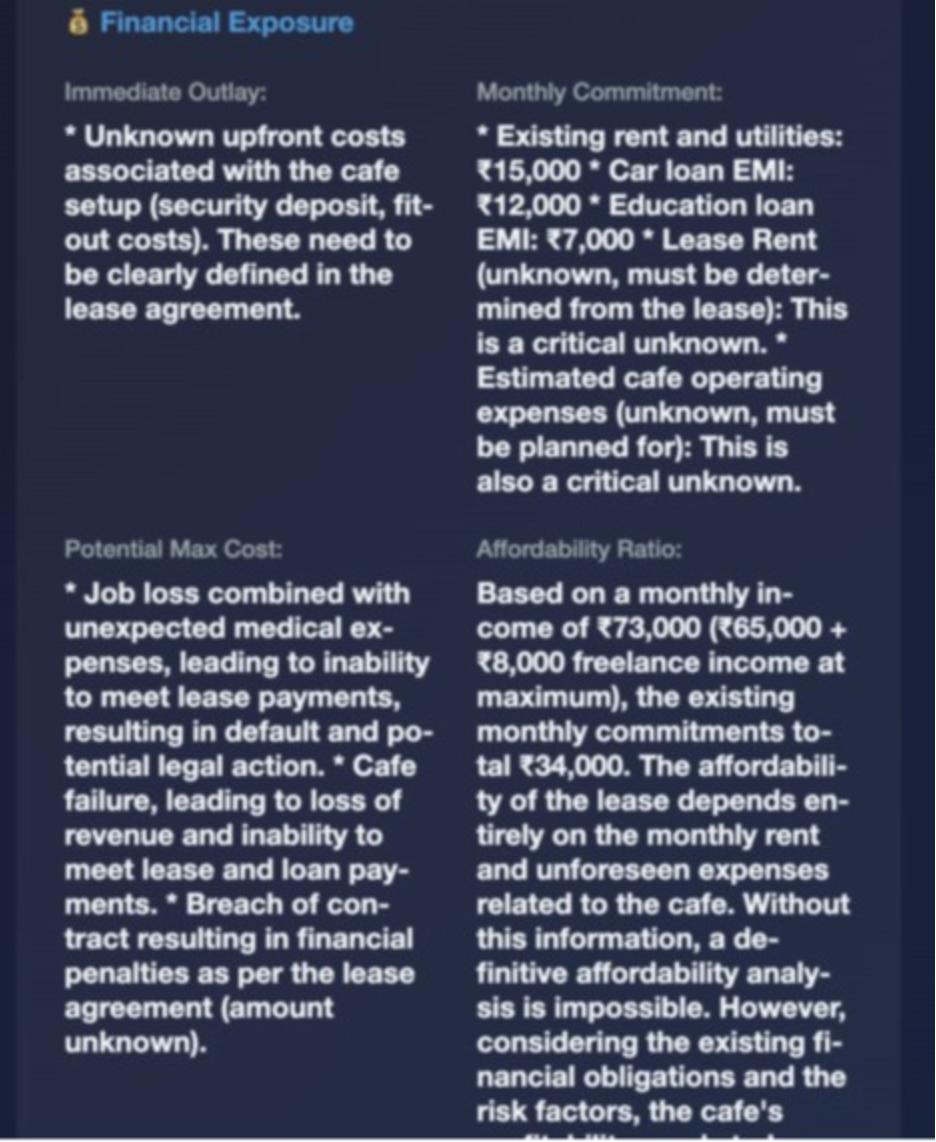
- Financial exposure analysis showing immediate, recurring, and worst-case costs
- Plain English explanations of complex legal terms
- Specific negotiation points and red flags to address
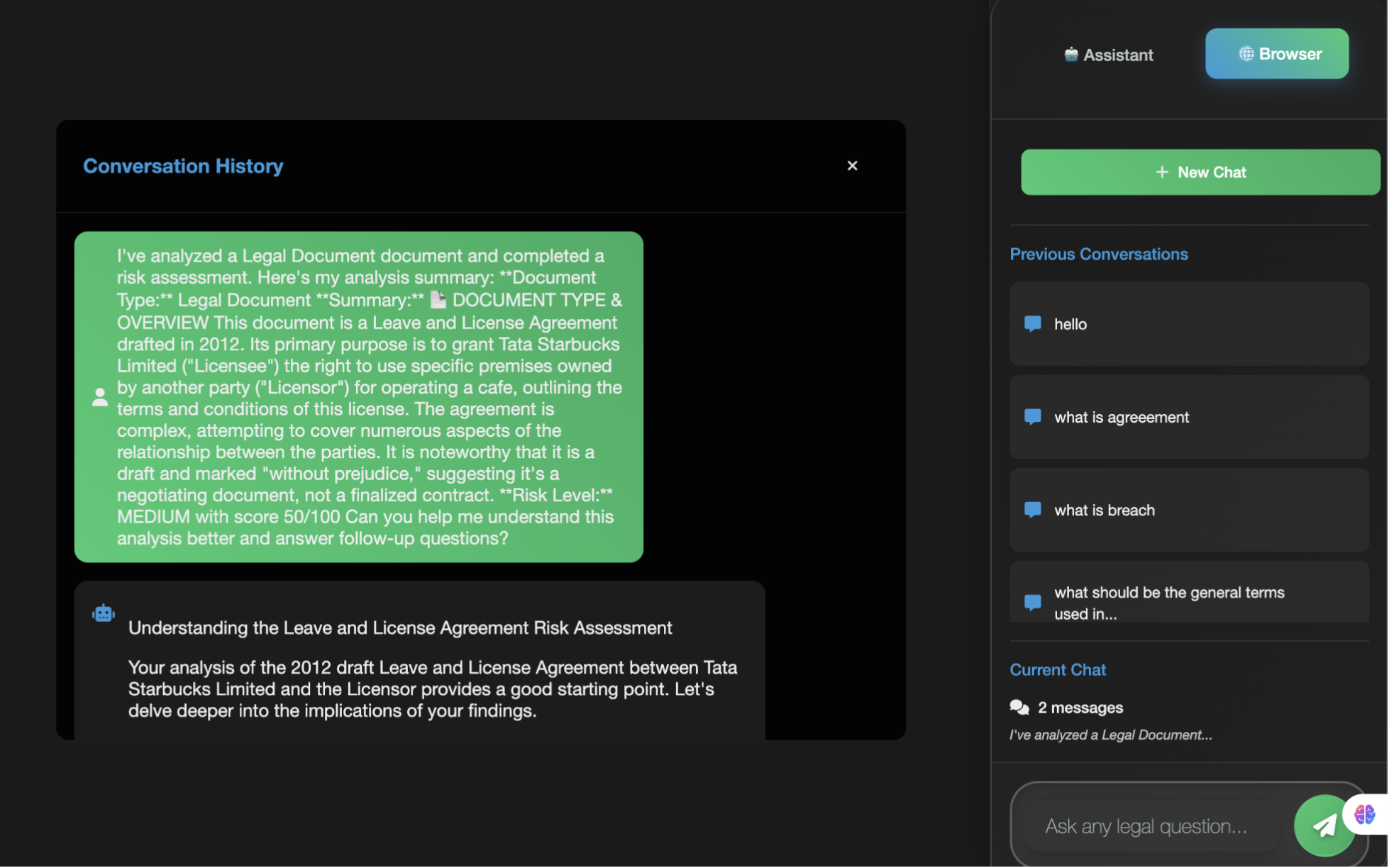
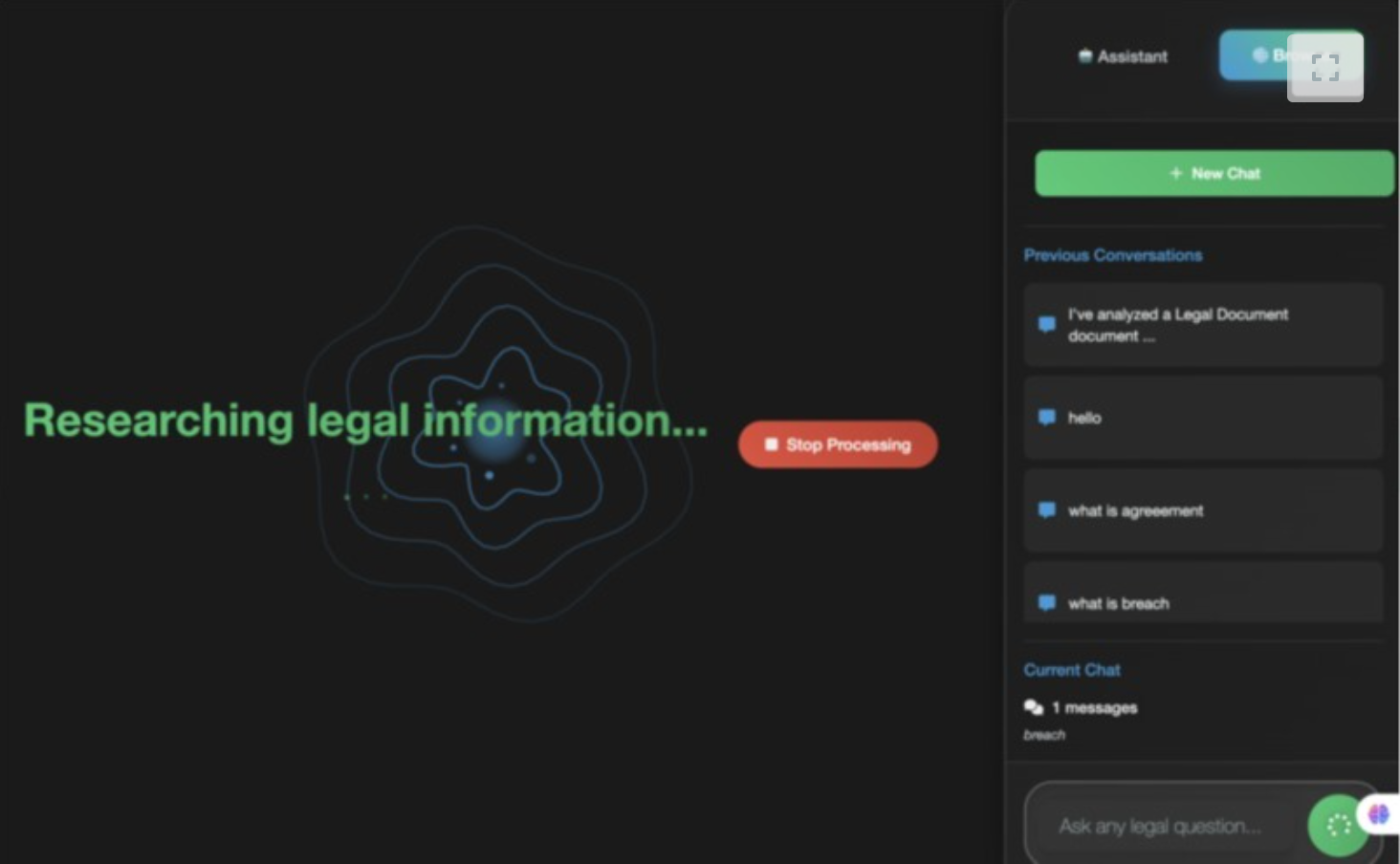
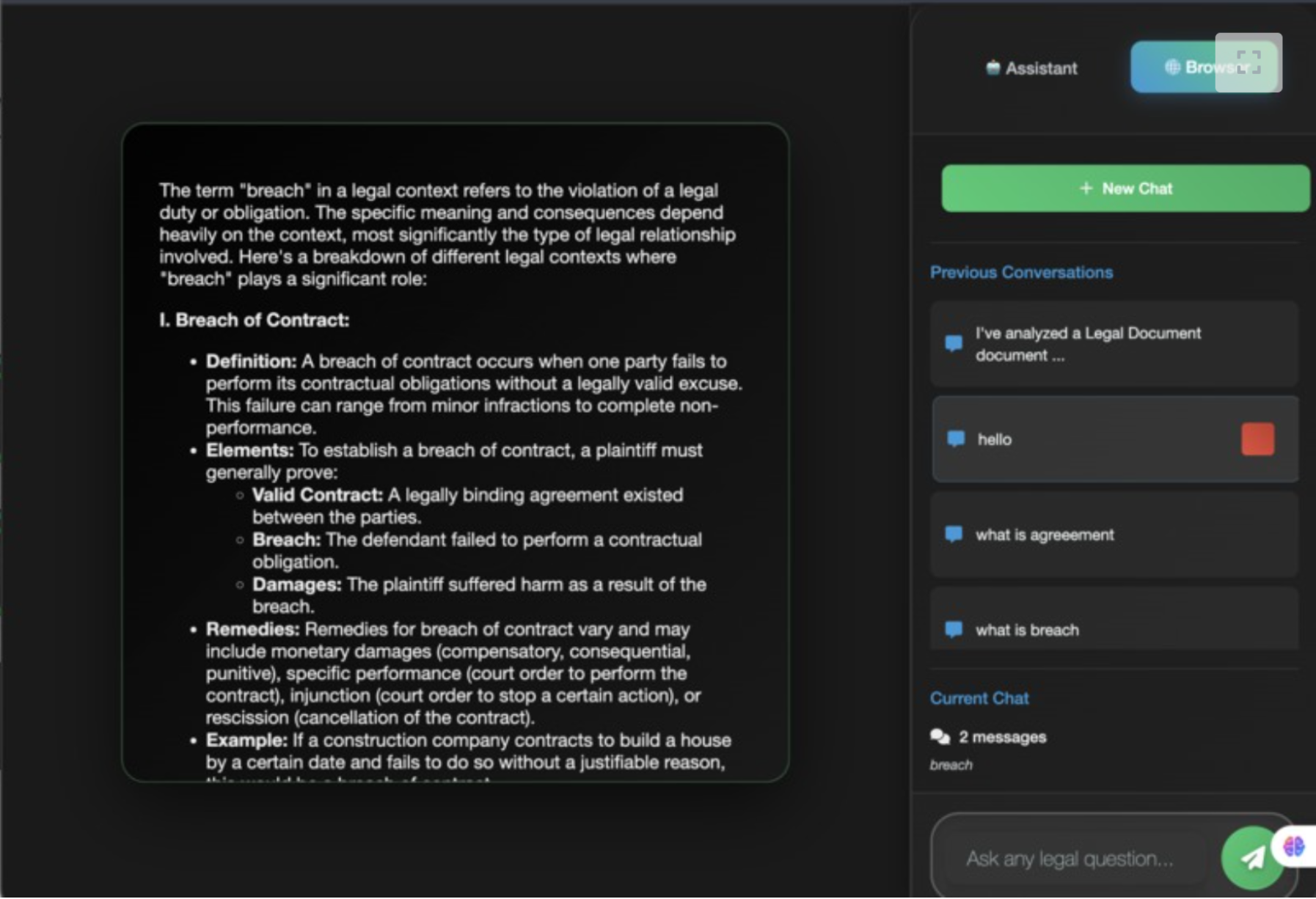
- Dual interface modes: Guided Assistant workflow or conversational Browser chat
The platform analyzes employment contracts, rental agreements, service contracts, loan documents, and terms of service - essentially any legal document someone might encounter in daily life.
How we built it
Architecture: Built as a full-stack application with React frontend, Node.js/Express backend, and MongoDB database.
Frontend: Modern React with custom hooks (useConversationManager, useVoiceAgent), Context API for state management, and performance-optimized CSS with GPU acceleration and containment properties.
Document Processing: Implemented multi-format parsing pipeline using mammoth.js for DOCX files, with fallback support for DOC, PDF, and TXT formats.
AI Integration: Leveraged Google's Gemini API with sophisticated prompt engineering to generate structured legal analysis, including clause identification, risk categorization, and personalized question generation.
Risk Assessment Algorithm: Developed multi-dimensional scoring system that weighs financial exposure, legal complexity, and personal circumstances to calculate individualized risk scores.
Challenges we ran into
Document Format Complexity: Supporting multiple file formats while maintaining text fidelity required building a robust parsing pipeline with intelligent fallbacks for corrupted or unsupported files.
AI Response Consistency: Getting structured, reliable responses from AI for complex legal analysis required extensive prompt engineering and natural language parsing functions with multiple extraction strategies.
Performance Optimization: Ensuring smooth scrolling and rendering with complex animations led to implementing modern browser optimization techniques like CSS containment and GPU acceleration.
State Management: Managing multi-step workflows with conversation history and document context required building custom hooks with optimized state updates and proper threadId generation.
Error Handling: Preventing crashes across document parsing, API calls, and speech synthesis meant implementing comprehensive error boundaries with graceful fallbacks.
Accomplishments that we're proud of
Professional-Grade Analysis: The AI successfully identifies critical contract risks that users typically miss, potentially saving thousands in avoided unfavorable agreements.
Intuitive User Experience: Created dual-interface design (Assistant vs Browser modes) that accommodates both novices and experienced users, making legal analysis truly accessible.
Performance Excellence: Achieved smooth, responsive performance despite complex document processing and AI analysis through modern optimization techniques.
Comprehensive Coverage: Built support for all major document formats and legal document types that people encounter in daily life.
Error Resilience: Implemented robust error handling that gracefully manages failures across the entire pipeline while maintaining user experience.
What we learned
Technical Skills: Mastered full-stack architecture integration, AI API optimization, and advanced React performance patterns including memoization and containment strategies.
Domain Knowledge: Gained deep understanding of legal document structure, risk assessment frameworks, and how to translate complex legal concepts into user-friendly interfaces.
AI Integration: Learned sophisticated prompt engineering techniques for generating structured, actionable insights from unstructured legal text.
User Experience Design: Discovered the importance of progressive disclosure and contextual guidance when dealing with complex, multi-step processes.
Performance Optimization: Applied modern browser APIs and CSS techniques to achieve smooth performance with complex document processing workflows.
What's next for purpose.ai
Multi-Language Support: Extend analysis capabilities beyond English legal documents to serve international users.
Document Comparison: Implement side-by-side analysis of contract versions to track changes and improvements during negotiations.
Legal Database Integration: Connect to case law and regulatory databases to provide specific legal precedents and jurisdiction-specific guidance.
Mobile Application: Develop native mobile apps for on-the-go document analysis and contract review.
Collaborative Features: Enable users to share analyses with advisors, lawyers, or colleagues for team-based contract review and decision-making.
Built With
- and
- backplane-javascript
- css3
- express.js
- fetch-api
- google-gemini
- javascript-(es6+)
- local-storage
- mammoth.js
- mongodb
- mongoose
- node.js
- pdf-parse
- pdfjs-dist
- react
- vite
- web


Log in or sign up for Devpost to join the conversation.