-
-
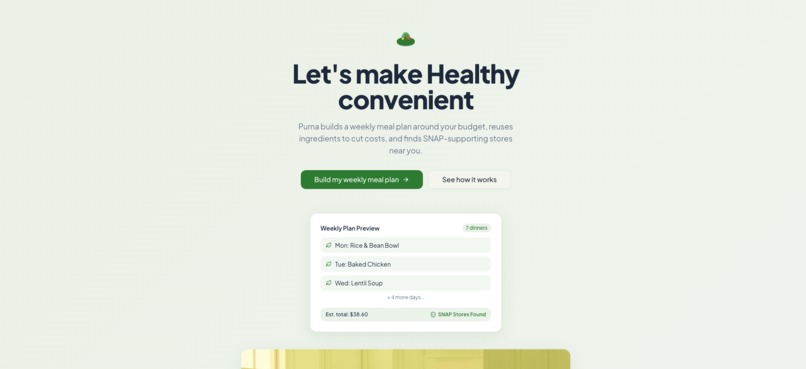
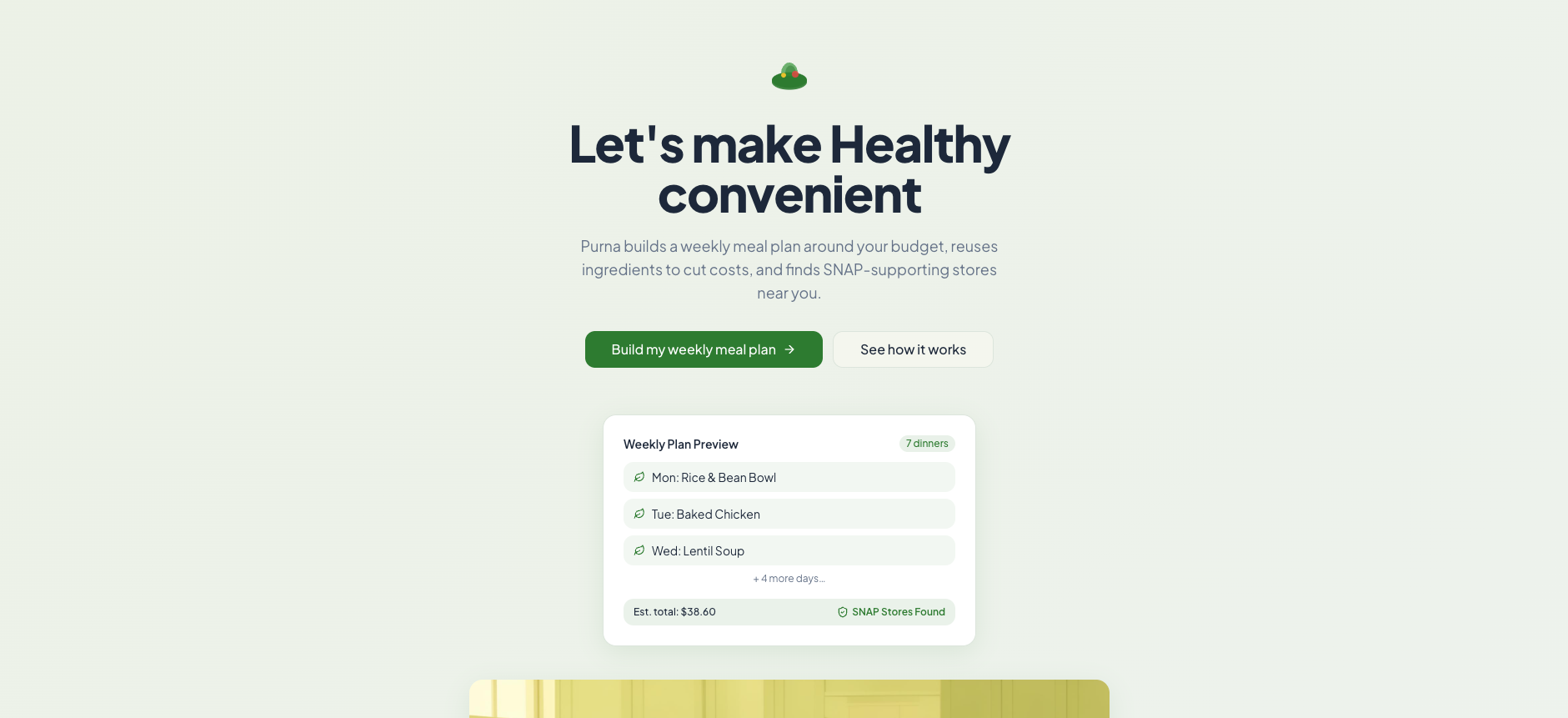
Homepage
-
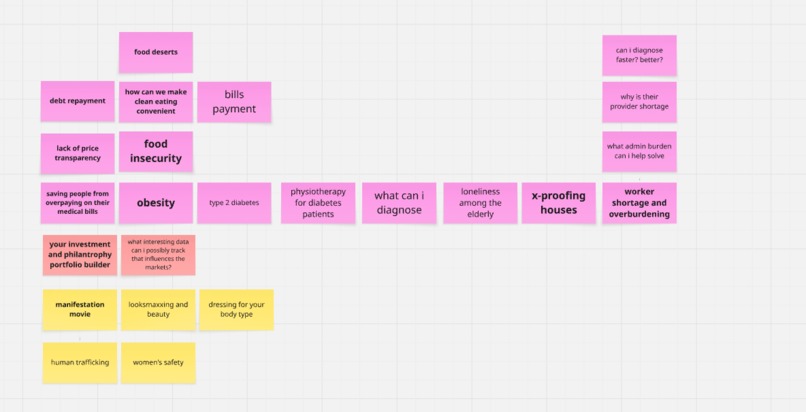
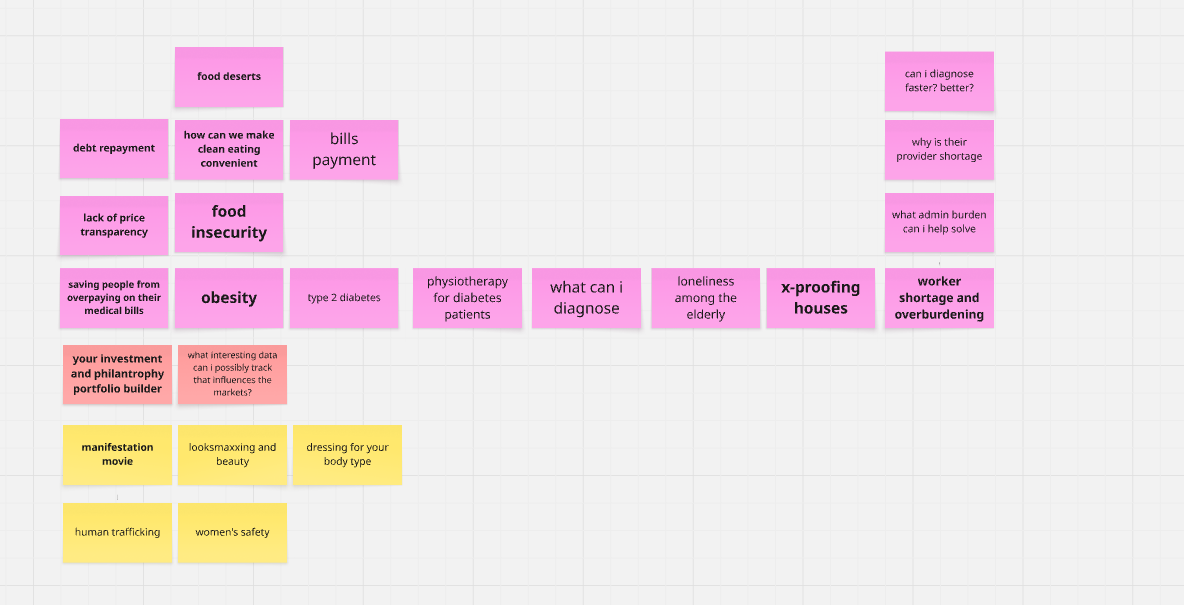
I was SUPER keen on tackling obesity, which is how i stumbled upon food deserts + realized how food insecurity exacerbates disease
-
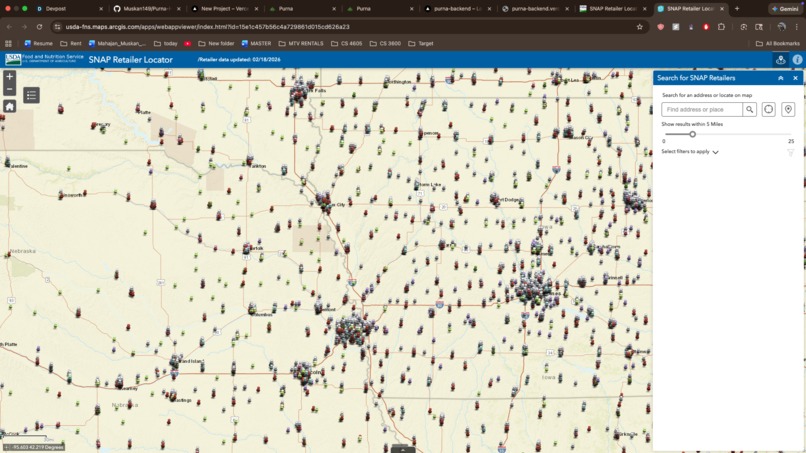
Building an API of the SNAP retailor locator from scratch
-
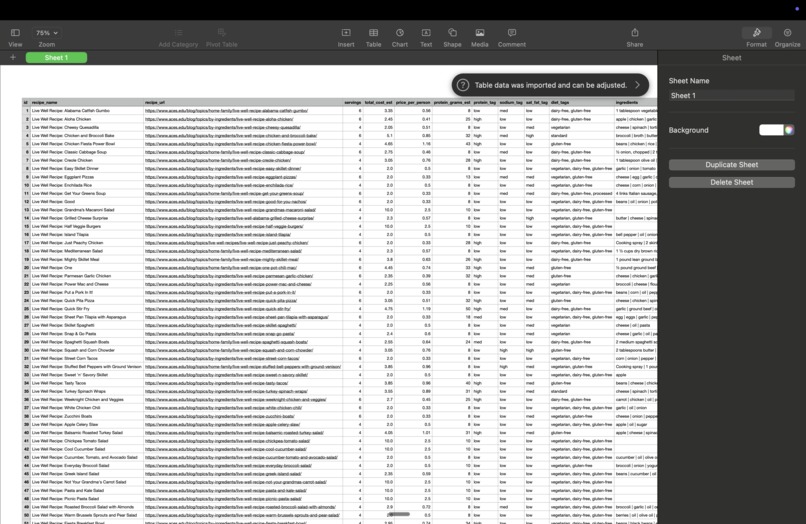
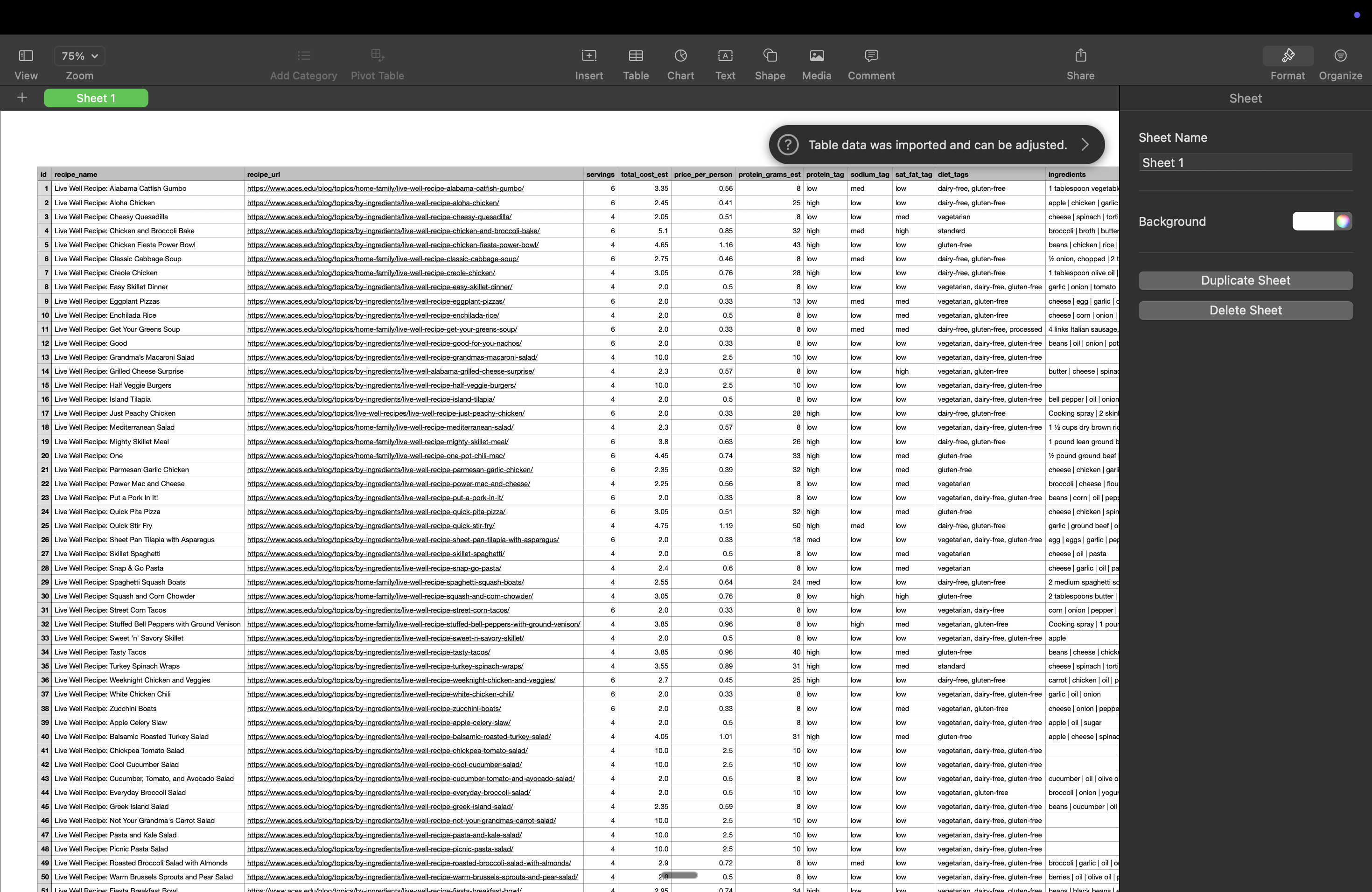
Scraped SNAP-friendly websites from the USDA website and manually tagged the for sodium, fat, protein scores
-
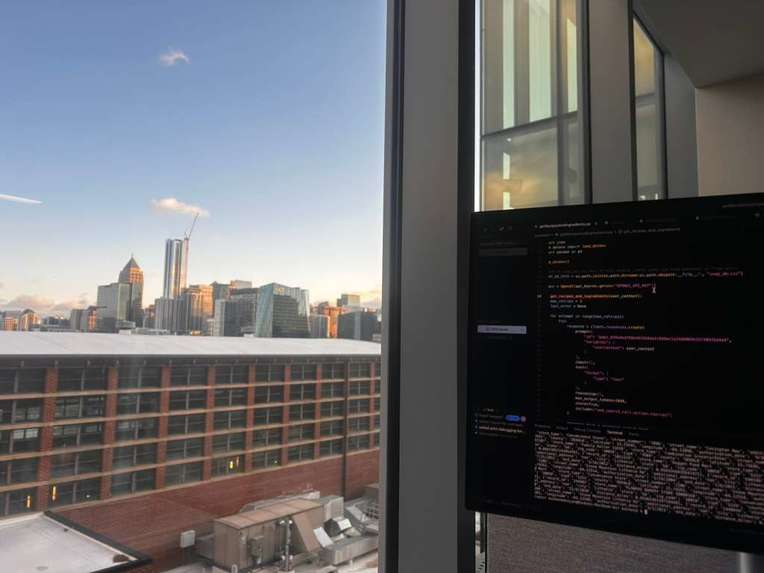
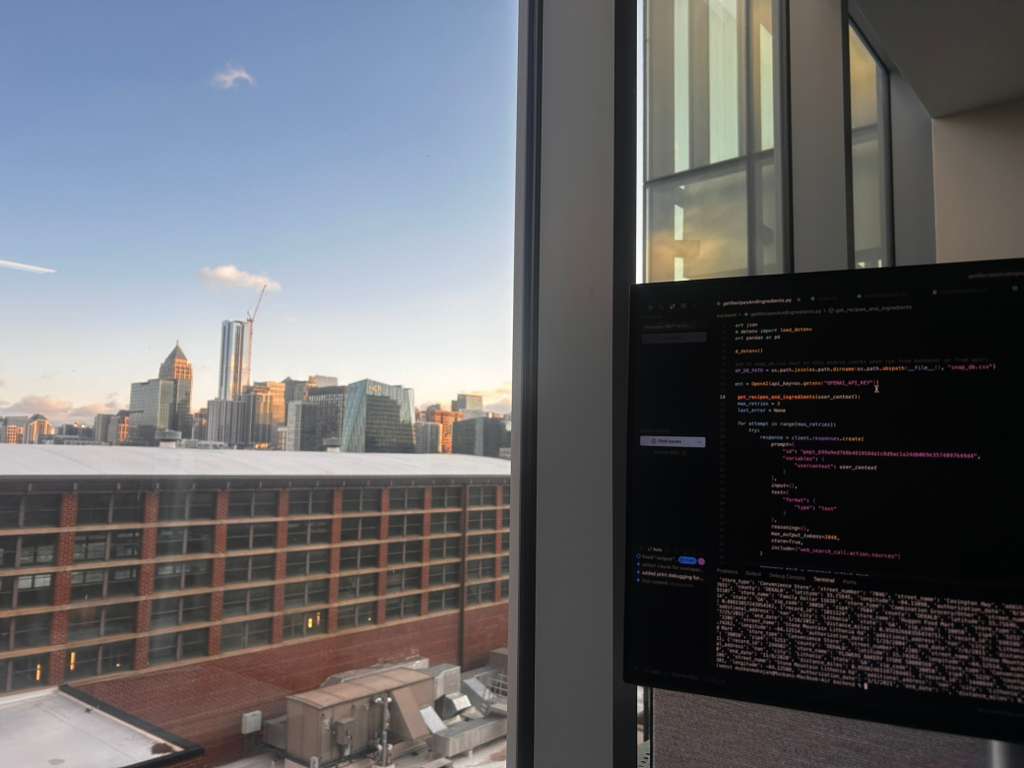
post all-nighter view

Purna
Inspiration
In Georgia, your ZIP code can determine whether your daily staple is fresh produce or roller hot dogs.
According to the USDA definition of low-income, low-access (LILA) census tracts, ~19 million Americans live in food deserts. That’s about 5–6% of the U.S. population, including roughly 6–7 million are children.
Food deserts are counties where the nearest grocery store is miles away, fresh produce is limited, and dollar stores with relatively unhealthy and ultra processed food items dominate. Owing to these conditions , chronic diseases like obesity, diabetes, and heart disease are hyper prevalent in these communities. Georgia, along with states like Mississippi, Alabama, Louisiana, suffers from a high density of food deserts in both rural, suburban and metro areas.
Healthy eating fails at food deserts for 2 reasons:
- Lack of grocery stores in a mile's radius. Only a high density of corner shops and dollar stores with cheap yet predominantly refined, ultra-processed, and unhealthy food.
- Lack of consumer education and incentive to research recipes even when cheap and SNAP-sponsored items like canned legumes, rice, pasta, and wheat are available at these dollar stores.
I built Purna to tackle these problems.
What it does
Purna is a smart, SNAP-friendly (Supplemental Nutrition Assistance Program) meal-planning and budgeting app built specifically for families and co-ops living in food deserts. Purna make "Healthy convenient."
The app builds a weekly meal plan around your budget – taking into consideration your unique health and dietary constraints – reuses ingredients to cut costs, prioritizes healthy ingredients that can even be found in corner shops, and finds SNAP-supporting stores near you.
Users input:
- Weekly grocery budget
- Number of family/coop members
- Dietary restrictions
- Health complications (e.g., diabetes, hypertension)
- Any special meal preferences
Purna then:
- Generates a 7-day optimized meal plan
- Within budget
- Respecting dietary restrictions
- Accounting for health complications
- Maximizing ingredient overlap to reduce waste and cost
- Our app does NOT use generic AI recipe generation – no sloppy recipes with inaccurate prices here. All the recipes have been manually scraped by yours truly from Snap-ED websites and labeled for sodium, protein and fat levels in order to look out for populations suffering from hypertension and cardiovascular diseases.
Produces an itemized grocery list with price estimates
Finds nearby SNAP-supporting stores, ordered by:
- SNAP availability
- Distance
- Ingredient availability (on the horizon)
This is constrained optimization for real families with real budgets.
How I built it
Purna combines data engineering, optimization, and retrieval systems:
1. SNAP-Ed Recipe Dataset (Not AI-generated)
Instead of generating recipes using LLMs (which can hallucinate ingredients or nutritional data), I scraped and structured 40+ vetted recipes from:
USDA SNAP-Ed Partners https://snaped.fns.usda.gov/resources/recipes-and-menus/snap-ed-recipes/recipes-snap-ed-partners
Each recipe was enhanced with:
- Protein analysis
- Sodium evaluation
- Saturated fat estimation
- Ingredient normalization for price modeling
This ensured nutritional reliability.
2. Optimization Algorithm
I built a constrained optimization system that:
- Filters recipes based on dietary restrictions
- Applies health constraints (e.g., low sodium for hypertension)
- Computes estimated recipe cost
Selects combinations of meals that:
- Stay within budget
- Maximize ingredient reuse
- Cover the full week
This required solving a combinatorial selection problem under multiple constraints — not just filtering.
3. SNAP Center API (Built From Scratch)
The only public SNAP Center API online was outdated (2013 data).
So I:
- Collected updated SNAP center location data
- Cleaned and structured it
Built a new API endpoint that:
- Accepts user latitude/longitude or ZIP code
- Returns nearest SNAP-supporting centers
- Ranks them by distance
This ensures users can actually use their benefits.
4. Full-Stack Build (Solo)
- React + Next.js frontend
- Custom API endpoints
- Optimization logic
- Recipe scraping & data cleaning
- Store lookup + sorting logic
Built entirely solo during the hackathon.
Challenges I ran into
1. Data reliability Healthy eating systems cannot rely on hallucinated recipes. Ensuring USDA-backed data was essential.
2. Nutritional tagging SNAP-Ed recipes don’t explicitly classify for “diabetes-friendly” or “heart-healthy,” so I had to infer constraints using sodium, protein, and fat thresholds.
3. Budget optimization Selecting recipes that:
- Fit under a weekly cap
- Reuse ingredients
- Satisfy multiple health constraints was a non-trivial optimization problem that required a mix of Retrieval Augmented Generation and scoring-based heuristics.
4. Outdated government data The only SNAP API available online was obsolete. I had to reconstruct a working version.
Accomplishments that I'm proud of
- Built a brand new SNAP center lookup API from scratch.
- Designed and implemented a multi-constraint optimization engine.
- Scraped and enhanced a USDA-vetted recipe dataset instead of relying on unreliable AI generation.
- Created an end-to-end functional system as a solo team.
What I learned
- Accessibility problems are rarely about motivation — they’re about infrastructure.
- Government data is often outdated, incomplete, or fragmented.
- Optimization for social good is more complex than optimization for profit.
- Constraints (budget, health, geography) make engineering harder — but also more meaningful.
What's next for Purna
- Integrate real-time inventory APIs (Walmart/Kroger)
- Expand the USDA-backed dataset beyond 40 recipes
- Add EBT-compatible store filtering with inventory APIs
- Deploy in partnership with Georgia community food banks
- Add mobile-first design for better accessibility
- Use APIs from ElevenLabs to build autonomous agents that call and negotiate with stores + confirms ingredient availability
Long term: Embedding Purna into US Department of Agriculture's website. Because healthy nutrition shouldn’t depend on your ZIP code.
Built With
- beautiful-soup
- fastapi
- openai
- pandas
- pinecone
- python
- react
- shadcn
- typescript
- vercel

Log in or sign up for Devpost to join the conversation.