-
-
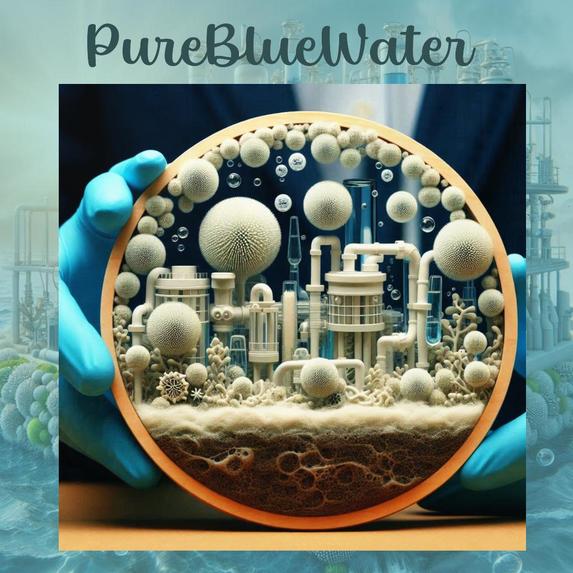
PureBlueWater Waste Treatment
-
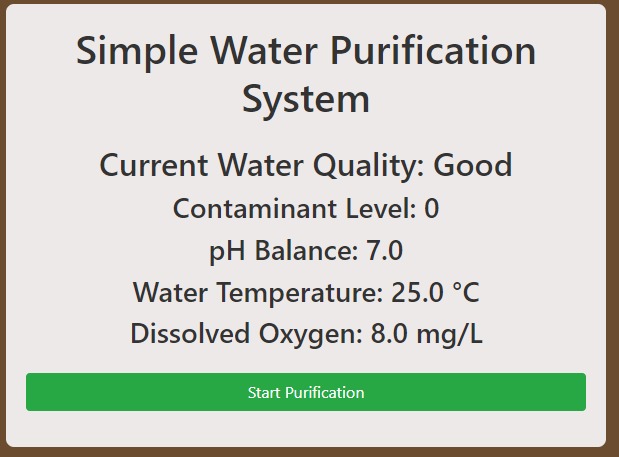
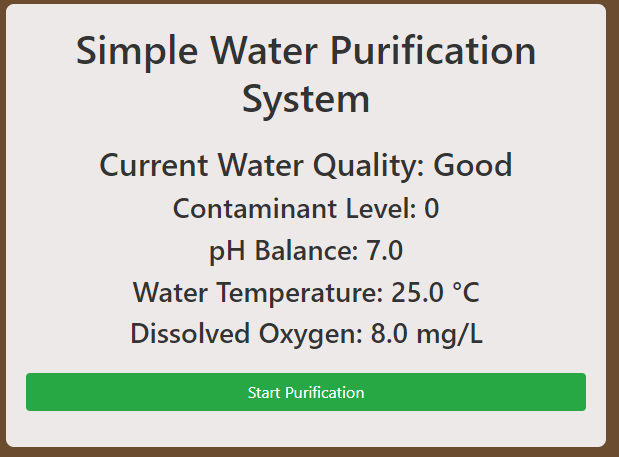
PureBlueWebApp
Inspiration
Wastewater contamination's growing environmental impact and the demand for more efficient and sustainable treatment techniques. The constraints of existing wastewater treatment technology prompted us to investigate novel biological solutions. We were motivated by microorganisms' innate capacity to degrade contaminants and aimed to harness that potential through cutting-edge engineering. A strong financial incentive to lower the expense and environmental impact of water treatment was also identified by us.
What it does
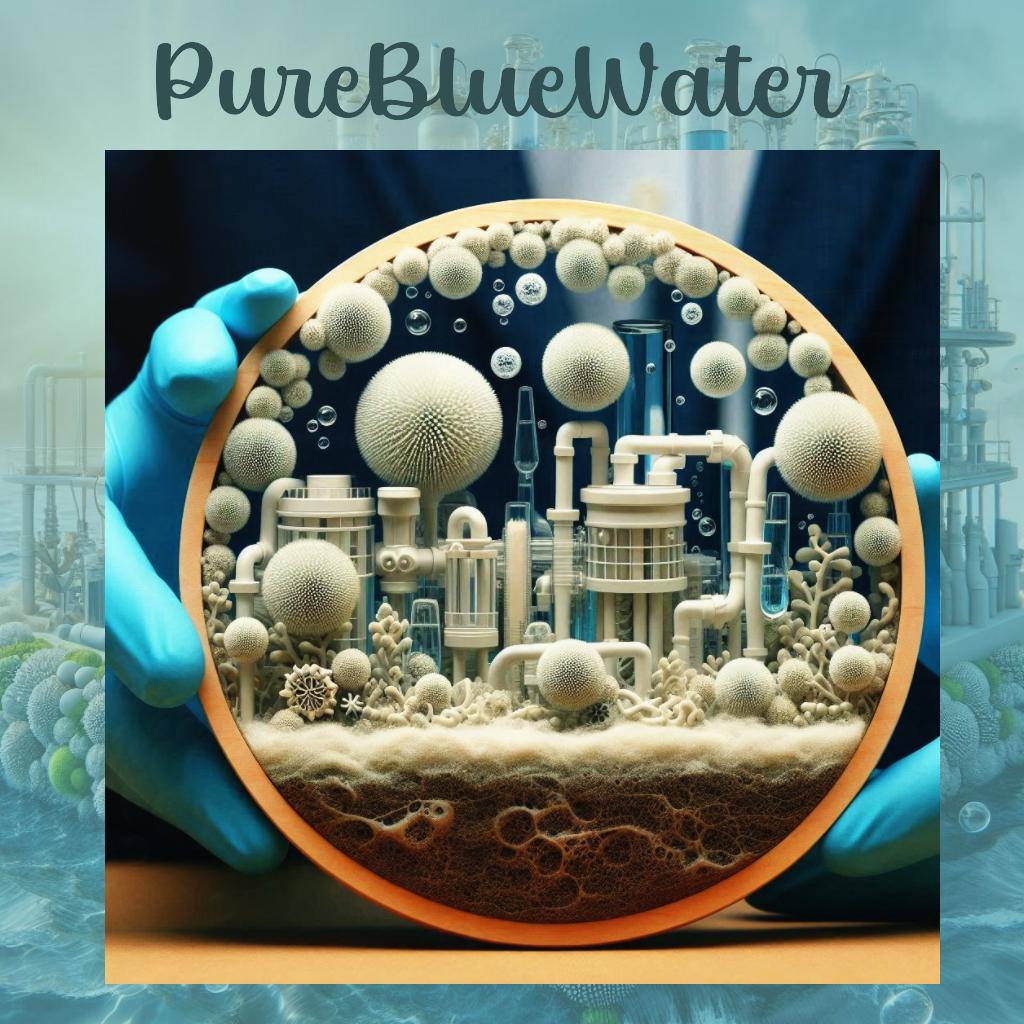
PureBlueWater creates and uses microbial biofilms that have been developed to treat wastewater effectively and sustainably. Our technique efficiently removes a variety of contaminants from wastewater streams, such as heavy metals, pesticides, and medicines, by using genetically modified and carefully chosen microbial communities. Cleaner water that can be safely released into the environment or utilized again results from this. We maximize efficiency and reduce energy usage by optimizing biofilm function within reactors that are specially constructed.
How we built it
Our process leverages a multi-pronged approach: 1.Microbial Engineering and Selection: To find and isolate microbial communities that are naturally able to break down contaminants, we use metagenomics. To improve their rates of degradation and increase their substrate specificity, these communities are subsequently exposed to directed evolution methods (such as phage display and CRISPR-Cas9). 2.Biofilm Design and Optimization: To promote the development and best performance of the engineered biofilms, we provide specialized bioreactor systems. Among these systems are intelligent monitoring and control systems that optimize efficiency by modifying parameters in response to real-time data. 3.Data-Driven Optimization: To maintain ideal biofilm health, forecast performance, and optimize bioreactor settings, sophisticated algorithms evaluate sensor data. Models of machine learning pick up on and adjust to certain wastewater properties.
Challenges we ran into
1.Genetic Engineering Optimization: There were challenges in ensuring that the modified microorganisms remained stable and functional under challenging environmental circumstances while still degrading pollutants effectively. 2.Biofilm Stability and Scalability: It proved challenging to scale the technique from laboratory to pilot and ultimately full-scale implementation while achieving stable and robust biofilm production across many wastewater streams.
- Data Integration and Control: Our success depended on creating a solid, dependable, and expandable system for collecting and processing data, which came with unexpected difficulties. In order to automate the process, we had to make sure that all of this data could be integrated. ## Accomplishments that we're proud of 1.Exhibited improved pollutant removal: When compared to traditional techniques, our pilot projects shown notable gains in the removal of particular target pollutants. 2.Scalable bioreactor system development: We have effectively developed a modular bioreactor system that can be tailored to different wastewater properties and treatment objectives. 3.Effective machine learning implementation: Our data-driven control systems greatly increased treatment process efficiency and decreased variability.
What we learned
1.The value of a data-driven strategy for biological process optimization.
2.The importance of scalability and adaptability in creating solutions for difficult environmental problems.
3.The need for cooperation between wastewater treatment experts, data scientists, and biological engineers.
What's next for PureBlueWater
1.Large-scale pilot projects: In order to confirm performance in practical situations and optimize the system's effectiveness, we are concentrating on implementing the technology on a bigger pilot scale.
2.Partnerships with wastewater treatment plants: Working together to incorporate our system into the infrastructure already in place.
3.Increasing the scope of the contaminants being targeted: investigating the use of our technology for a broader range of pollutants.
4.Market entry and commercialization: creating a viable business plan and introducing our technology to the public.
Built With
- databases
- machine-learning
- matlab
- sensors

Log in or sign up for Devpost to join the conversation.