-
-
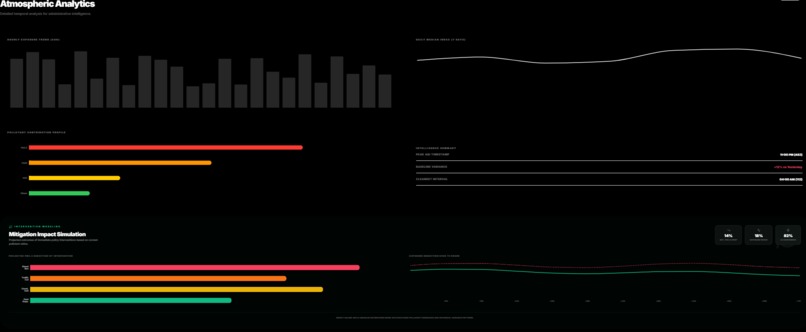
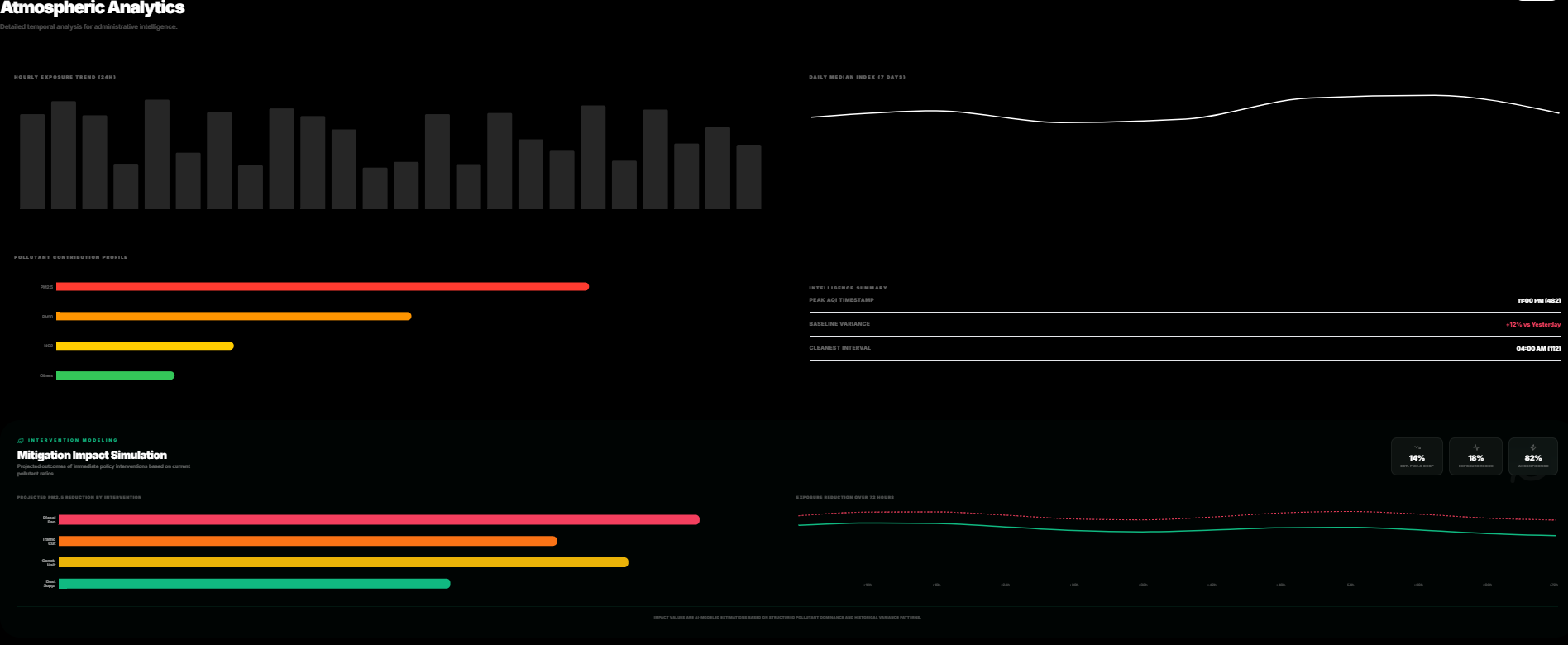
Real-time atmospheric analytics with pollutant breakdown, exposure trends, and intervention impact modeling.
-

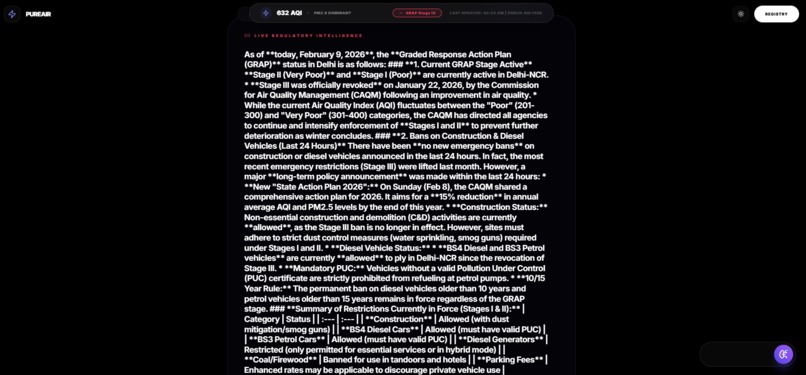
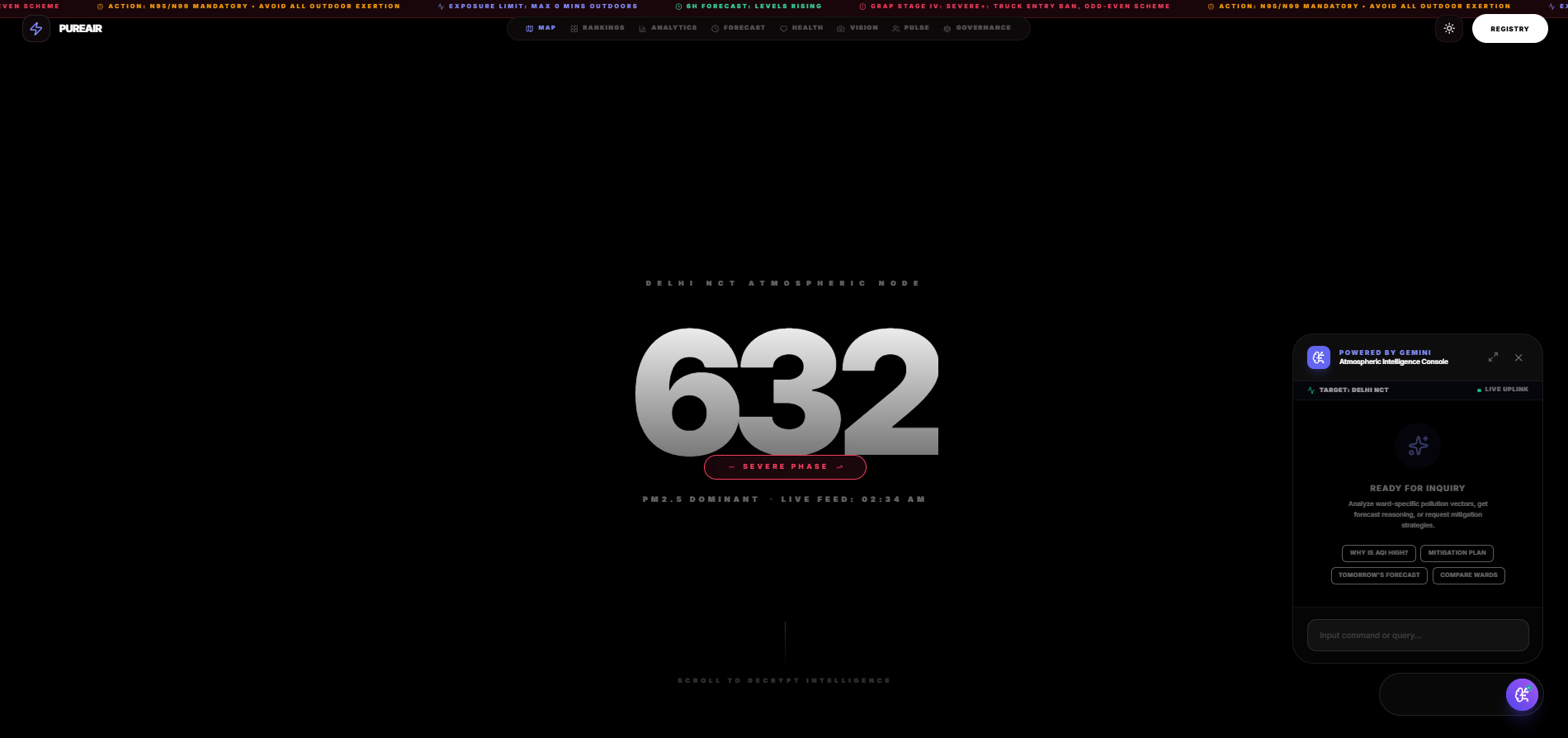
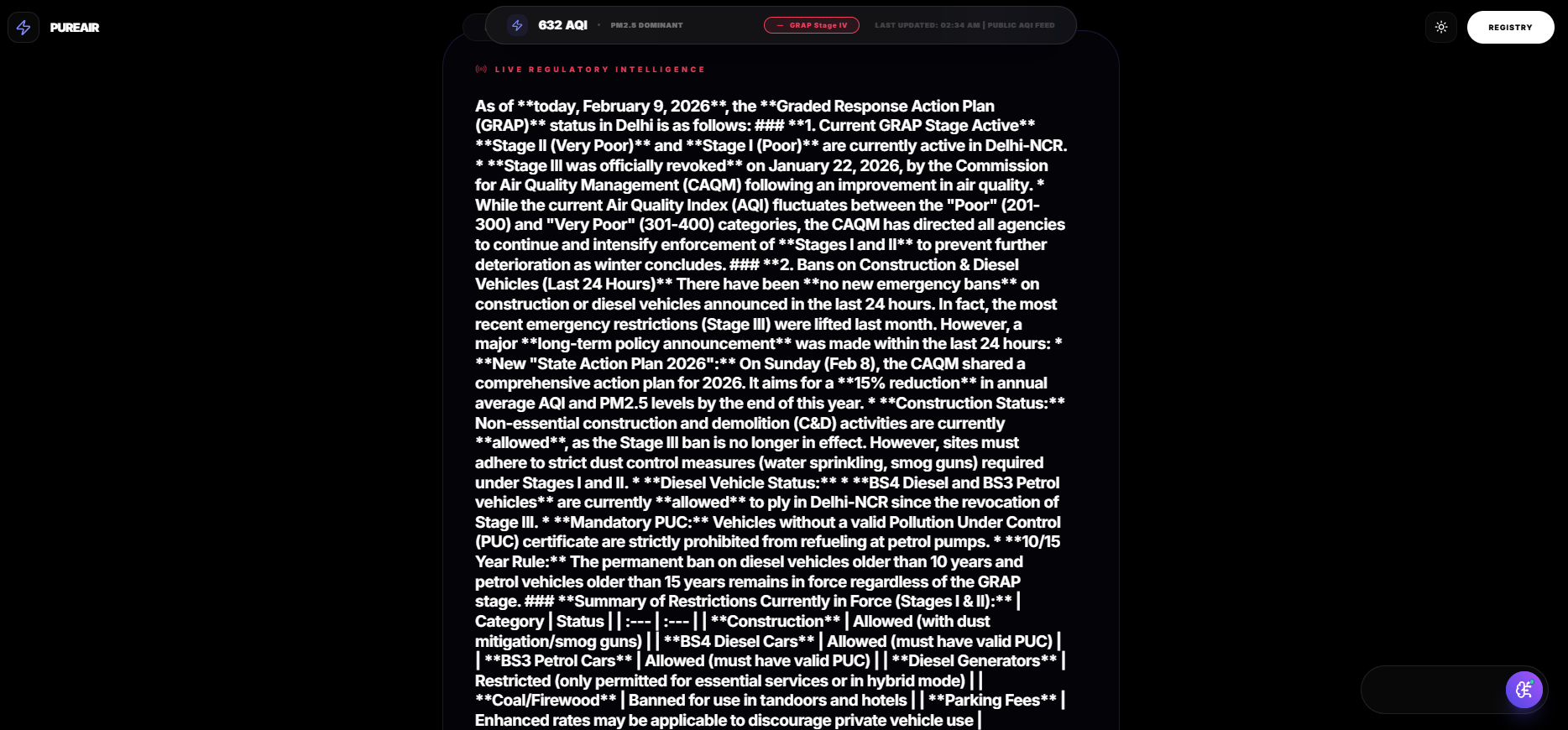
Live Delhi AQI command center showing GRAP stage, dominant pollutant, and emergency alert status.
-
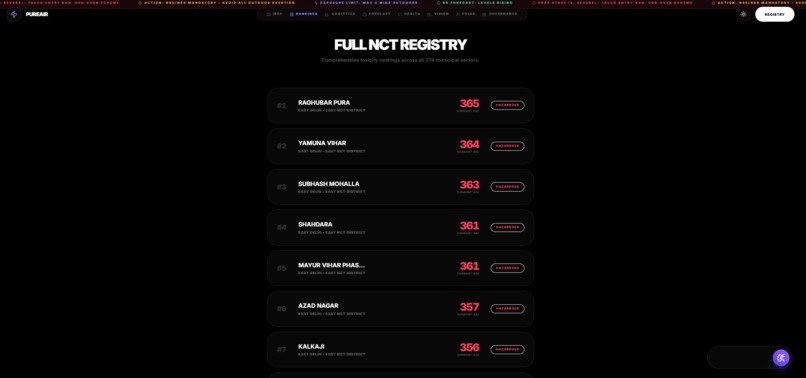
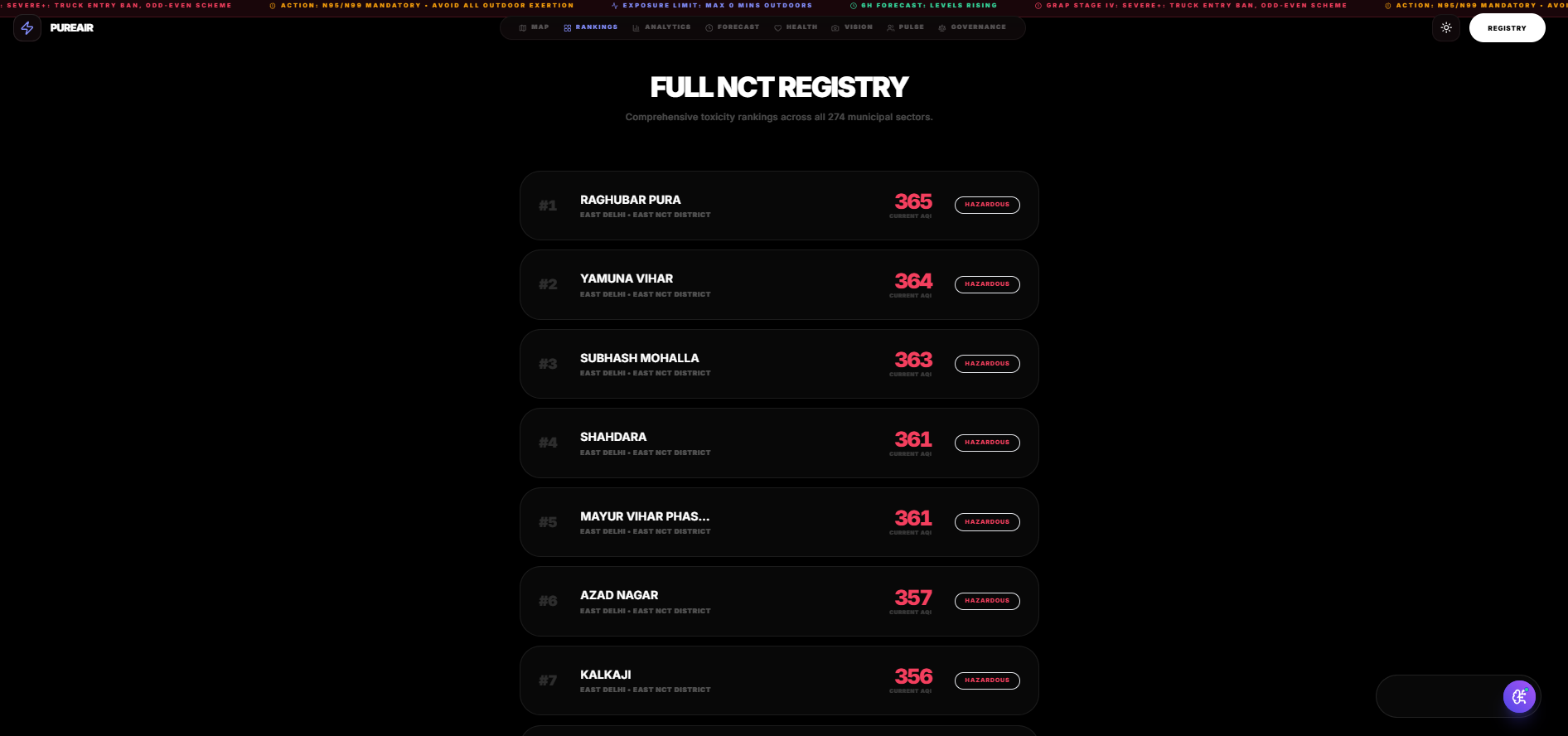
Ward wise aqi rankings shown in above pic
-
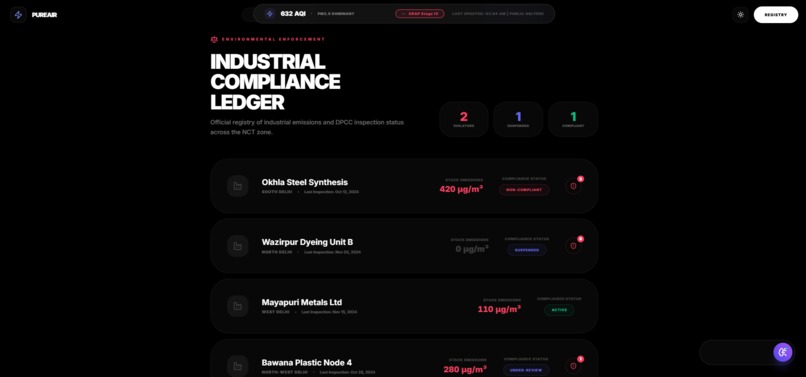
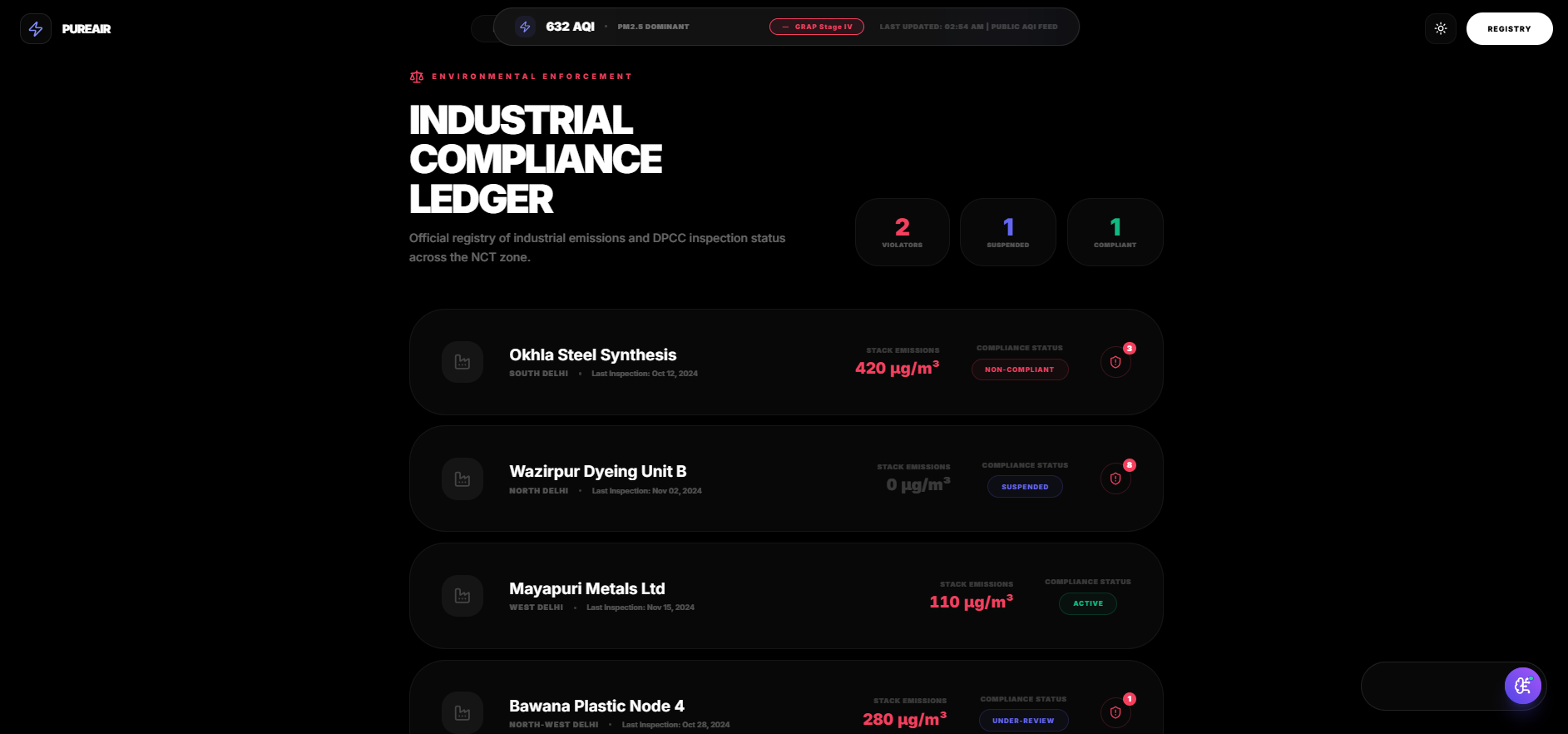
5️⃣ Industrial Compliance Ledger DPCC-linked industrial emissions tracker flagging violators, suspended units, and compliant facilities.
-
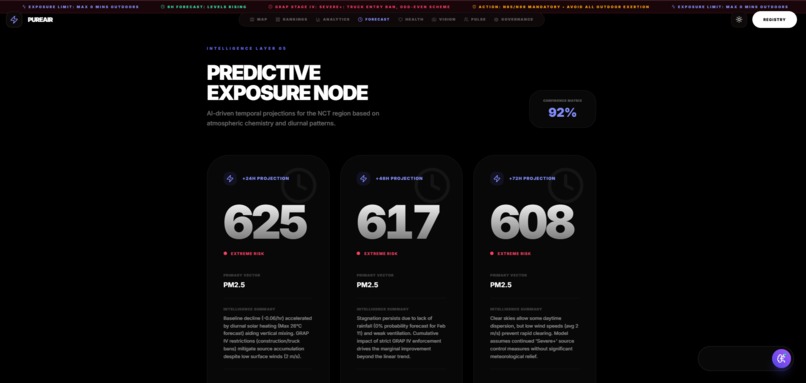
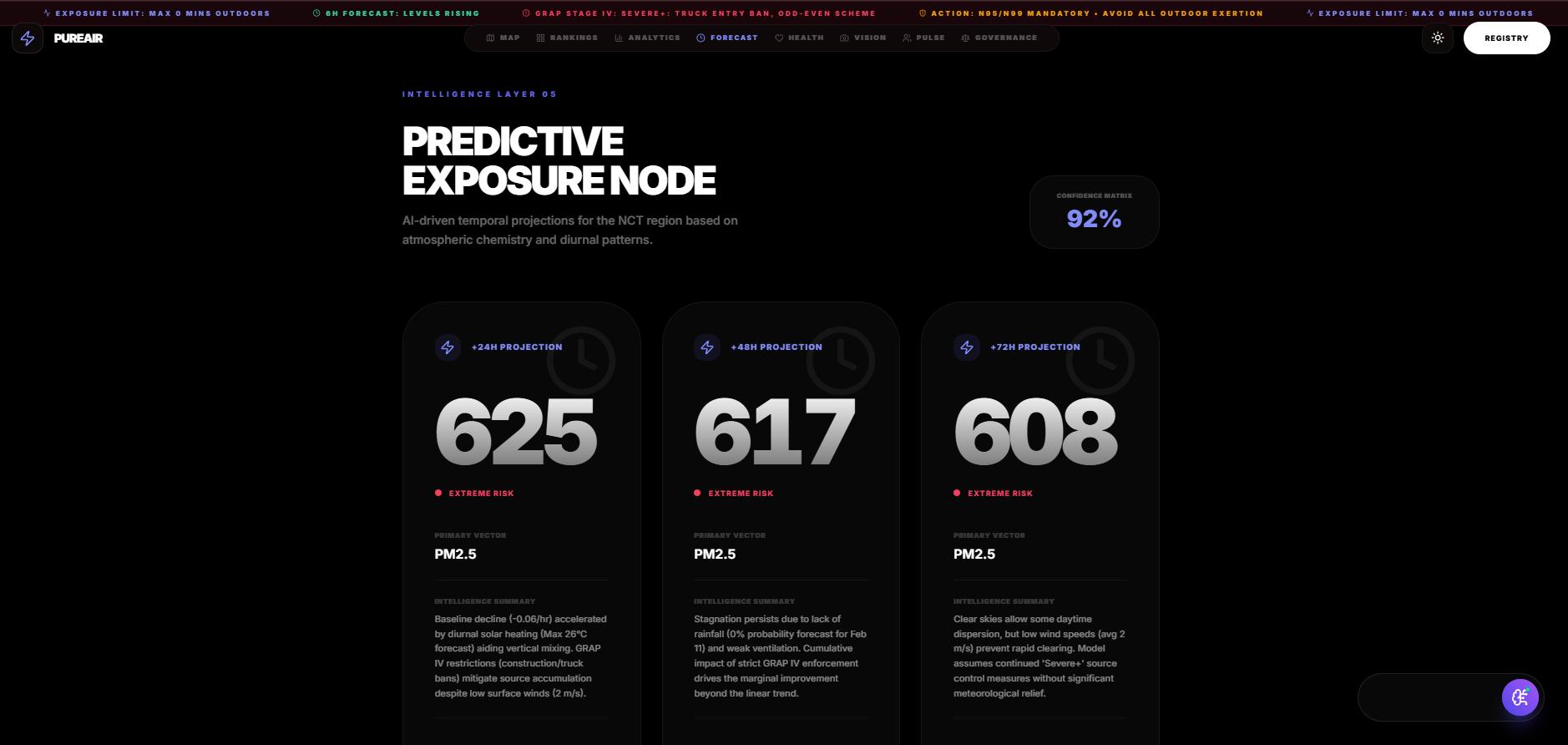
6️⃣ Predictive Exposure Node AI-based 24h, 48h, 72h AQI forecasting using atmospheric patterns and emission modeling.
-

its soci;a media based platform where citizens and gov can interact
-
its insight solutions crafterd for the gov what actions they can implement to tackle high aqi
-
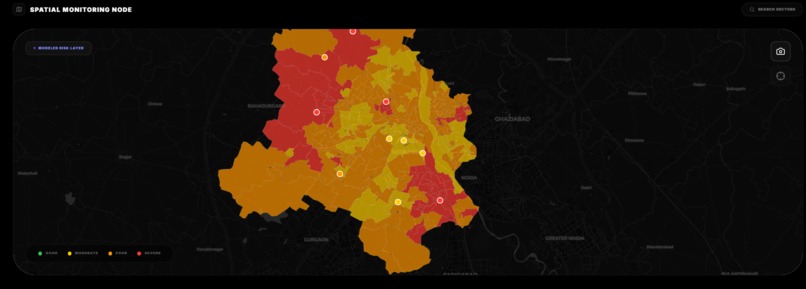
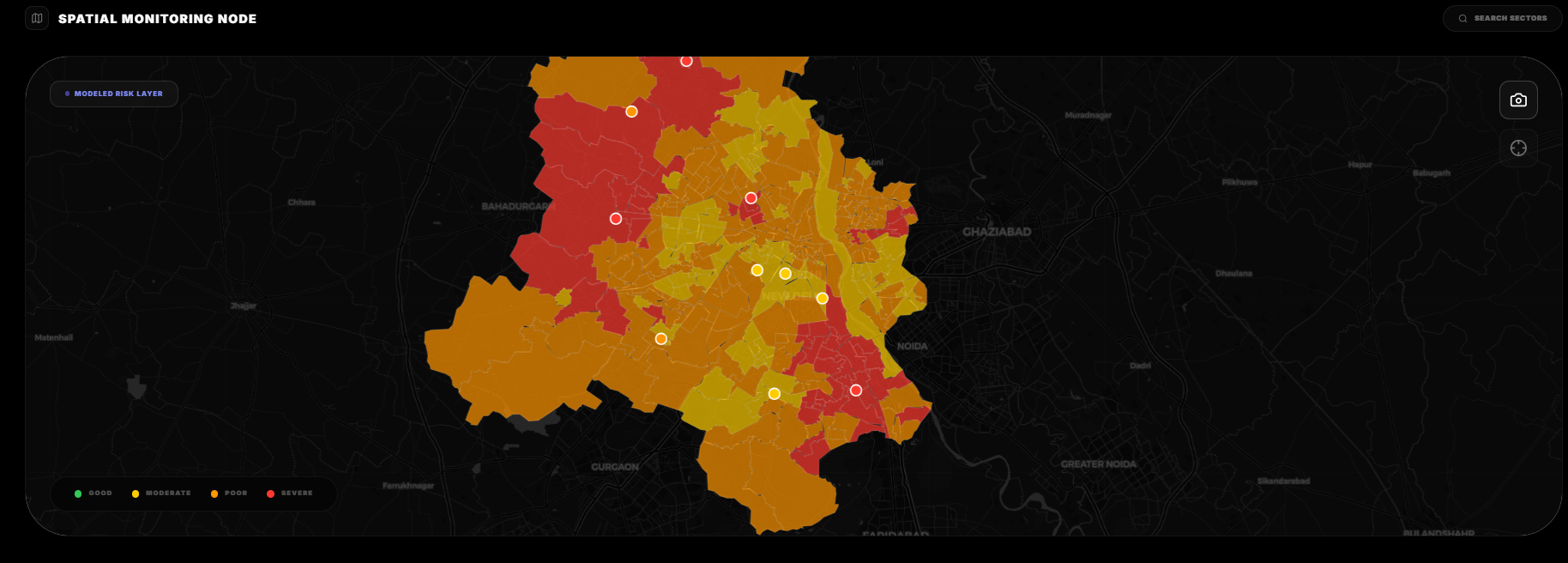
“Ward-wise spatial heatmap visualizing pollution intensity clusters across Delhi.”
-

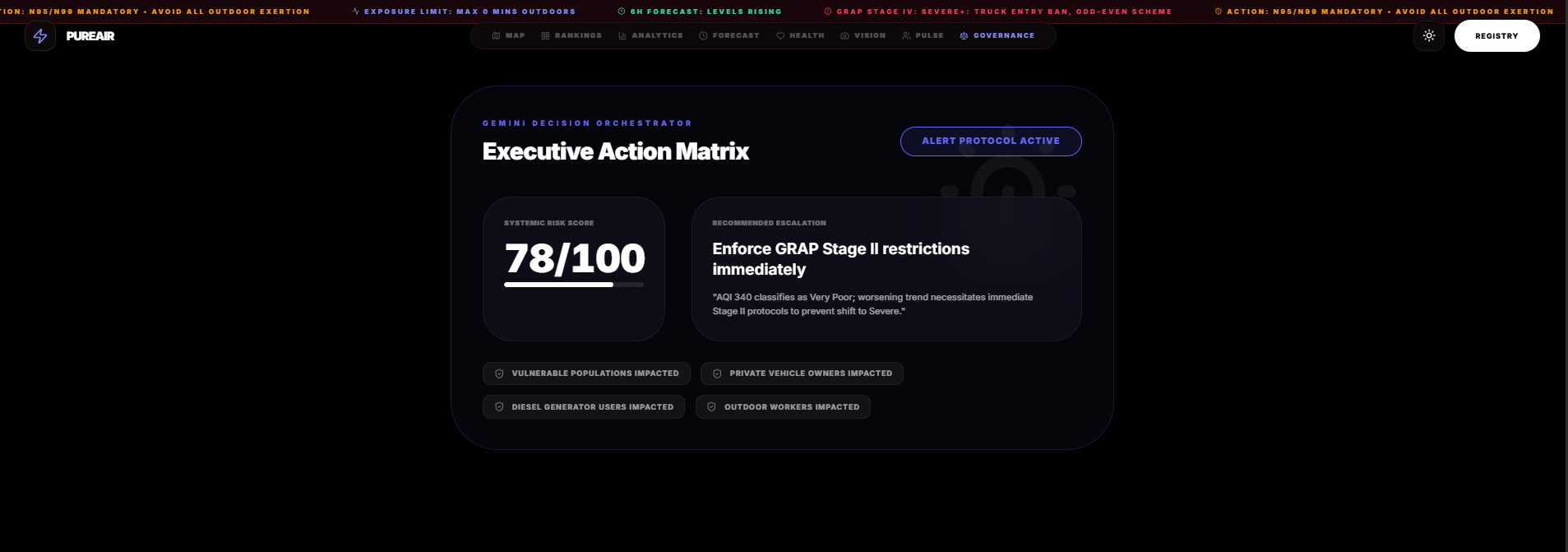
“Government decision dashboard with systemic risk scoring and GRAP enforcement recommendations.”
-

“AtmosScan Vision: AI detects dense smog, scores 85/100 pollution severity, and flags high anomaly risk in real-world Delhi conditions.”


Inspiration
Delhi frequently experiences hazardous air quality levels, directly impacting public health, productivity, and overall wellbeing. While official AQI portals provide data, they often lack intuitive design, actionable mitigation insights, and structured citizen-government interaction layers.
We observed two major gaps:
- Citizens struggle to understand what actions to take beyond viewing an AQI number.
- Government authorities lack structured, simulation-based decision support to evaluate intervention impact before enforcement.
There is no unified platform that bridges environmental data, policy escalation logic, emission modeling, and personalized exposure awareness.
PureAir Nexus was built to close this gap — serving both citizens and authorities through an AI-powered environmental intervention and decision intelligence platform.
What it does
PureAir Nexus transforms air-quality monitoring into actionable sustainability intelligence.
The platform:
- Analyzes regional and ward-level AQI signals
- Detects pollutant dominance and risk escalation stages (GRAP mapping)
- Simulates mitigation interventions (e.g., diesel generator bans, traffic reduction)
- Quantifies estimated emission and exposure reduction impact
- Provides personalized exposure insights via a Health Digital Twin
- Uses Gemini-powered reasoning to explain spikes, forecast trends, and recommend strategies
Instead of only reporting pollution levels, PureAir answers: What should we do next, and what will be the measurable impact?
How we built it
We designed PureAir as a layered intelligence system:
- Data Ingestion Layer – Public AQI feeds and pollutant telemetry
- Ward-Level Modeling Engine – Structured variance mapping for micro-regions
- Mitigation Simulation Module – Intervention-to-emission impact estimation
- GRAP Escalation Logic – Automated policy-stage mapping
- Health Digital Twin – Personalized exposure modeling based on age, condition, and planned exposure
- Gemini Reasoning Layer – Converts structured telemetry into contextual environmental insights and mitigation explanations
The system separates deterministic modeling (impact quantification) from generative reasoning (explanations and insights) to ensure reliability and clarity.
Challenges we ran into
- Limited availability of real-time granular ward-level APIs
- Ensuring mitigation impact estimates remain realistic and not exaggerated
- Avoiding medical diagnosis while still providing meaningful health risk insights
- Maintaining demo stability while integrating AI inference
To address API constraints, we implemented modeled ward-level variance mapping based on regional feeds and pollutant dominance weighting. We also introduced structured fallback logic to ensure stable operation during AI calls.
Accomplishments that we're proud of
- Successfully integrated environmental data with intervention simulation
- Built a dual-layer system serving both citizens and authorities
- Implemented emission reduction quantification instead of generic suggestions
- Designed a Health Digital Twin to personalize exposure risk
- Created a structured AI reasoning console powered by Gemini
PureAir moves beyond monitoring and into measurable intervention intelligence.
What we learned
We learned that environmental sustainability is not just a data problem — it is a decision-making problem.
Key insights:
- Raw environmental data is not enough without intervention modeling.
- Citizens require personalized context to act responsibly.
- Policymakers benefit from impact simulation before enforcement.
- Responsible AI requires clear separation between prediction, simulation, and advisory logic.
What's next for PureAir Nexus — AI for Sustainable Urban Action
Next, we plan to:
- Expand campus-level sustainability integrations (energy and water dashboards)
- Add long-term emission trend modeling
- Integrate multilingual citizen accessibility features
- Partner with campus sustainability cells for pilot testing
- Optimize low-power inference for continuous environmental monitoring
PureAir Nexus is designed to scale from campus deployments to city-scale sustainability intelligence systems.
Built With
- chart.js-analytics
- cloud-based
- geojson-mapping
- google-ai-studio
- google-gemini-api-(llm-integration)
- javascript
- node.js
- predictive-exposure-modeling
- react.js
- rest-apis


Log in or sign up for Devpost to join the conversation.