-
-
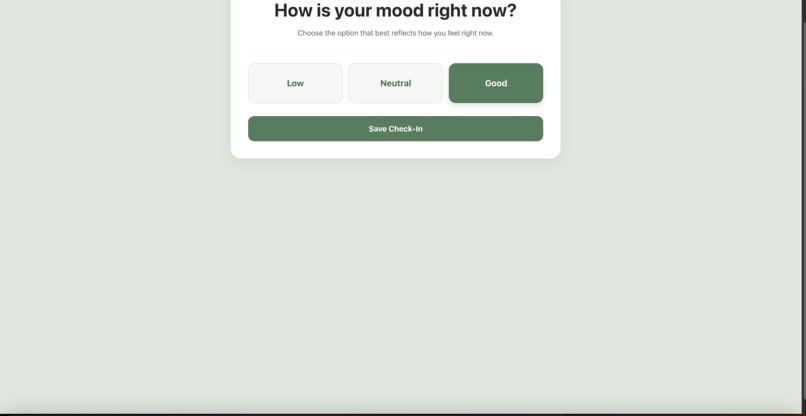
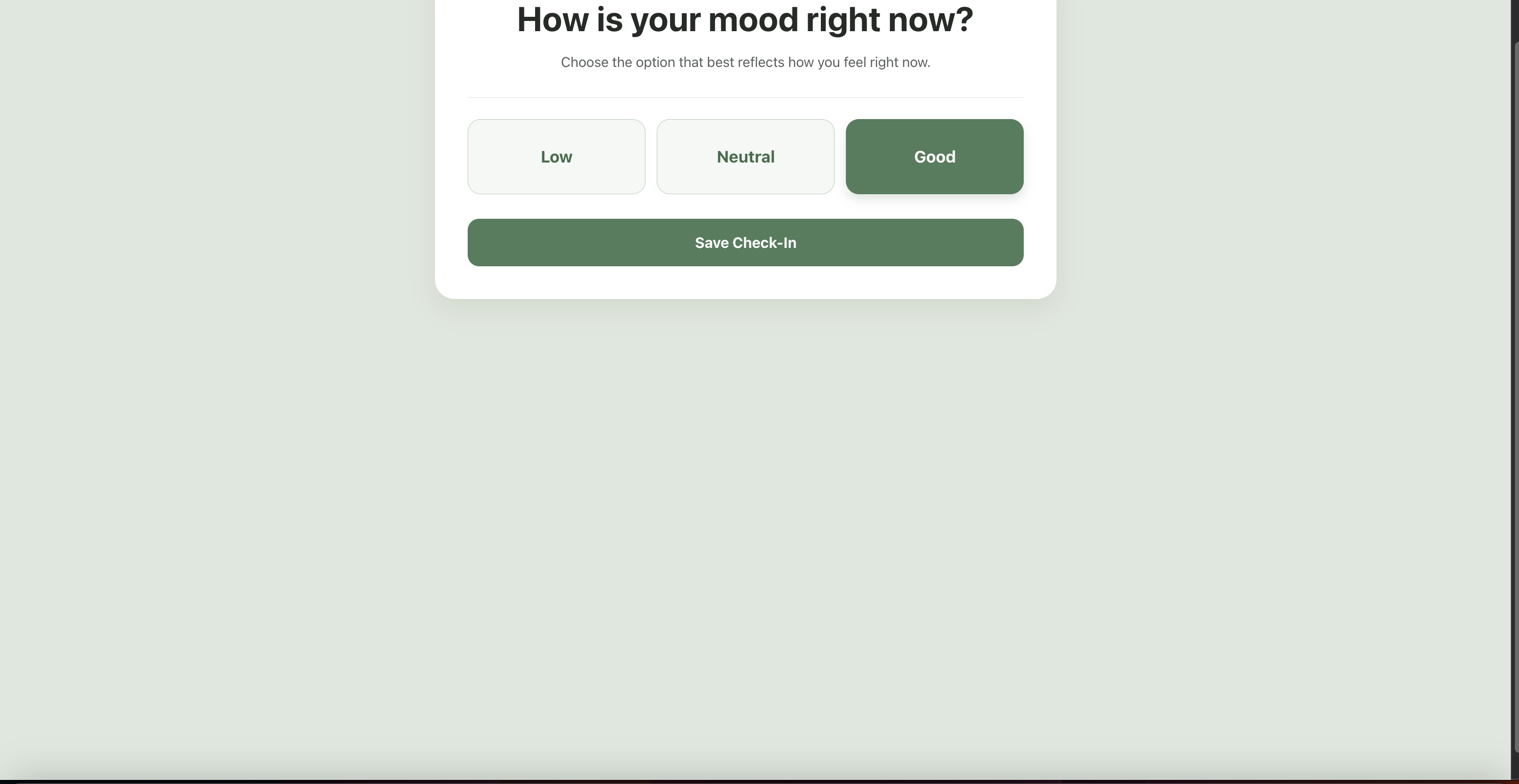
Mood
-
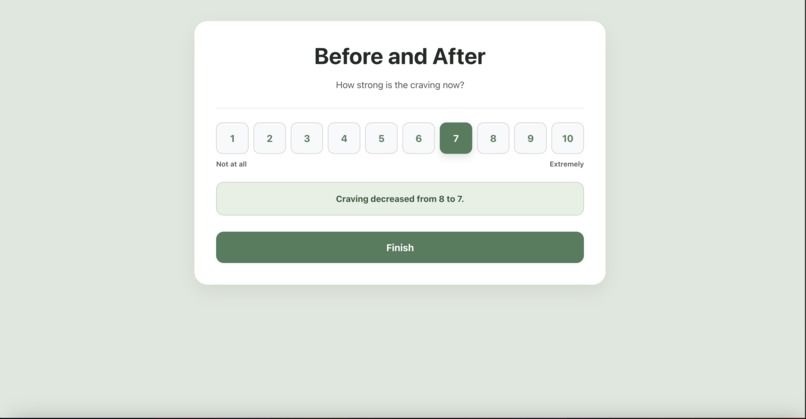
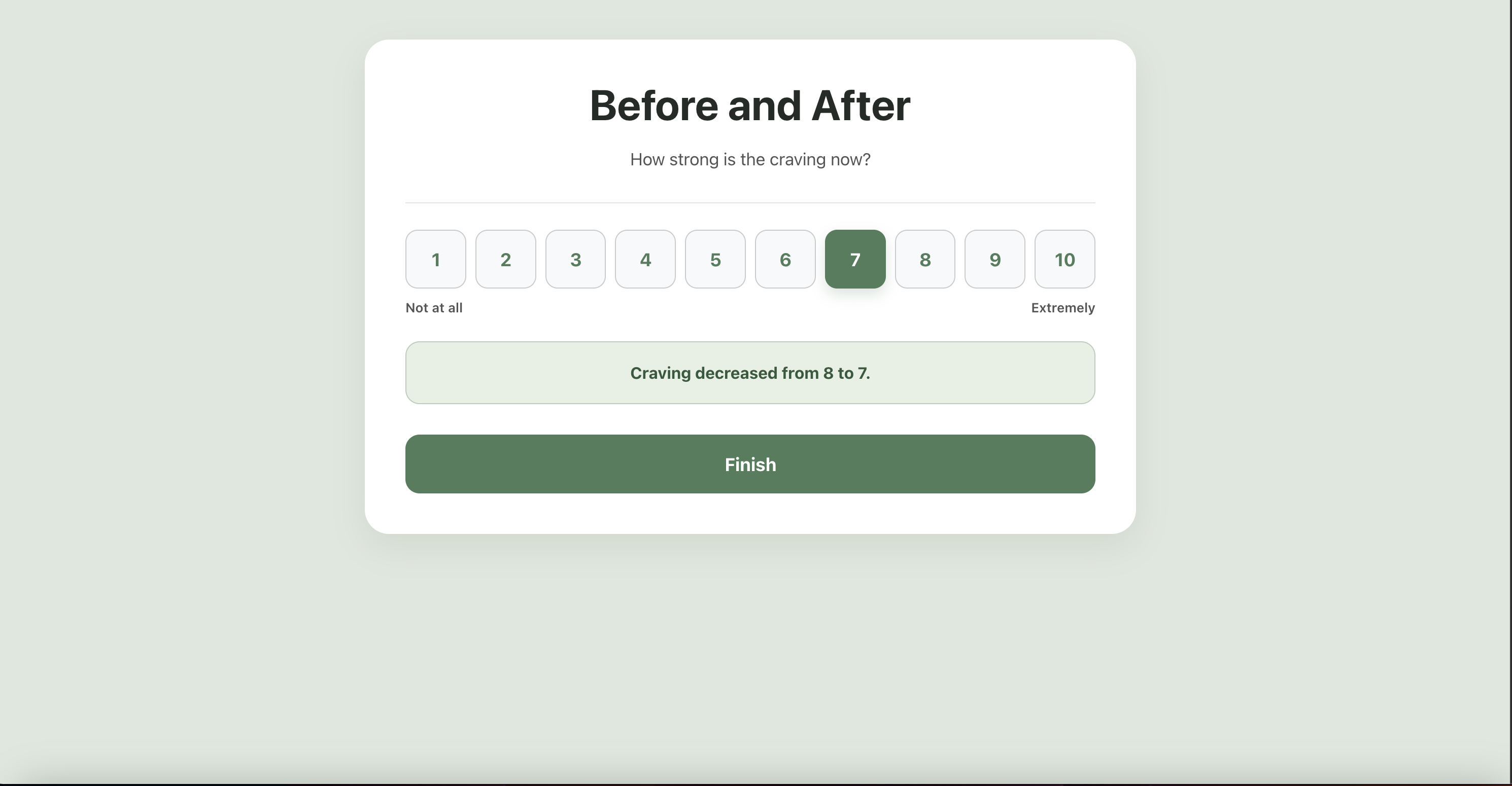
Craving rating
-
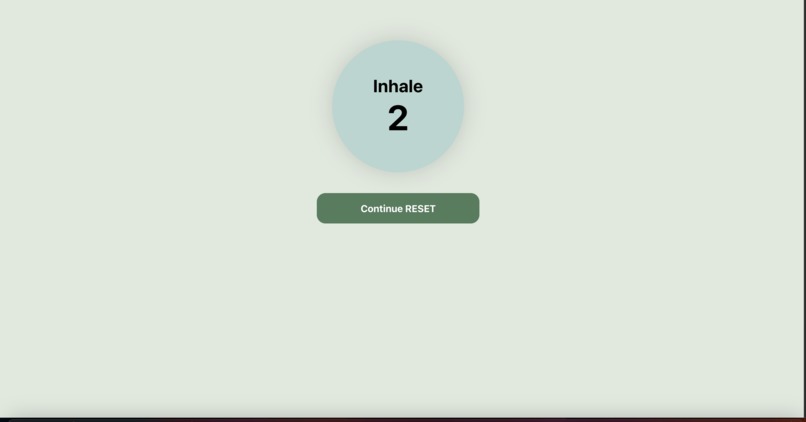
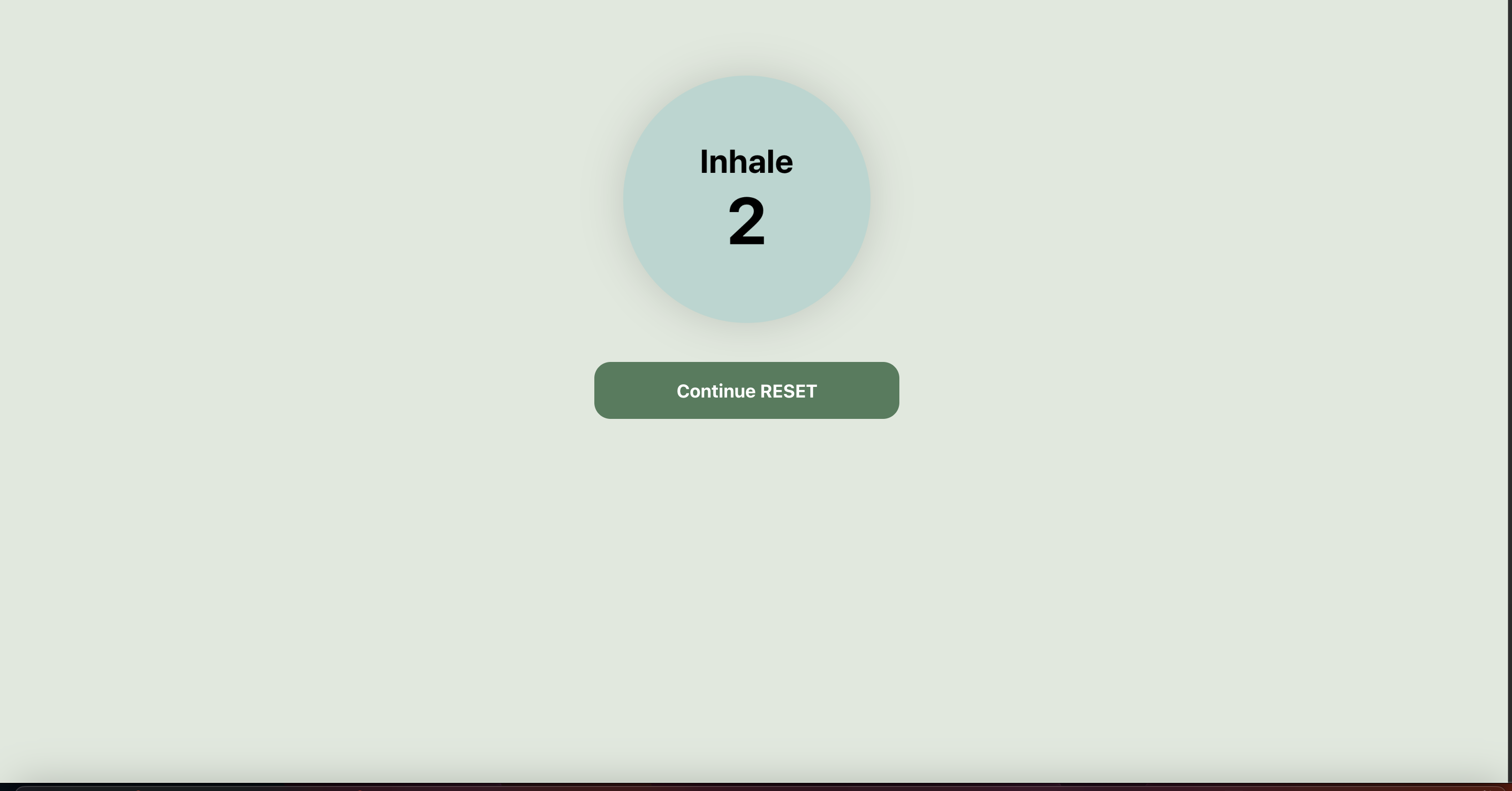
Breathing circle
-
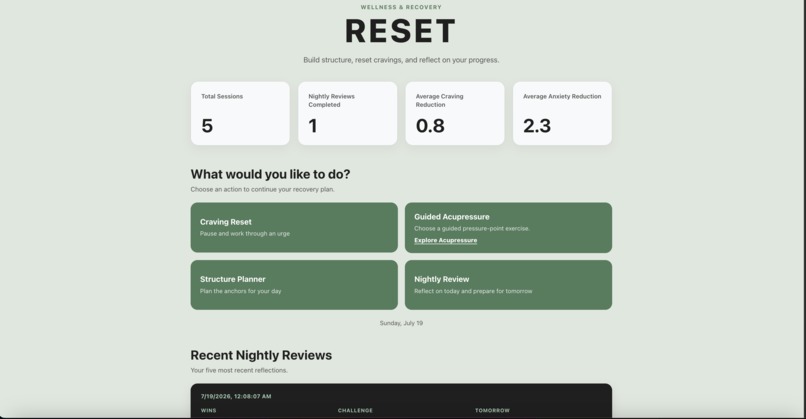
Dashboard
-
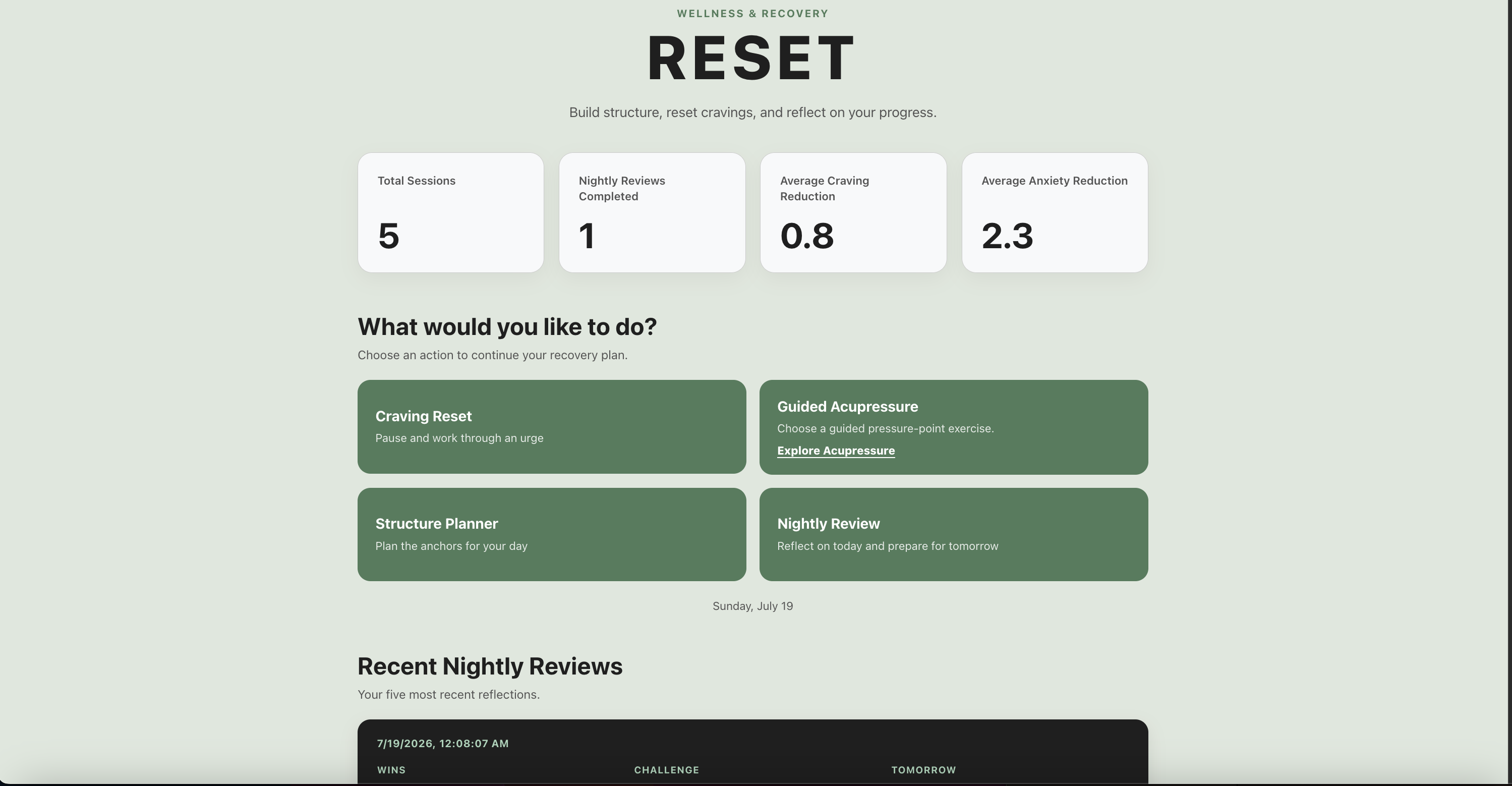
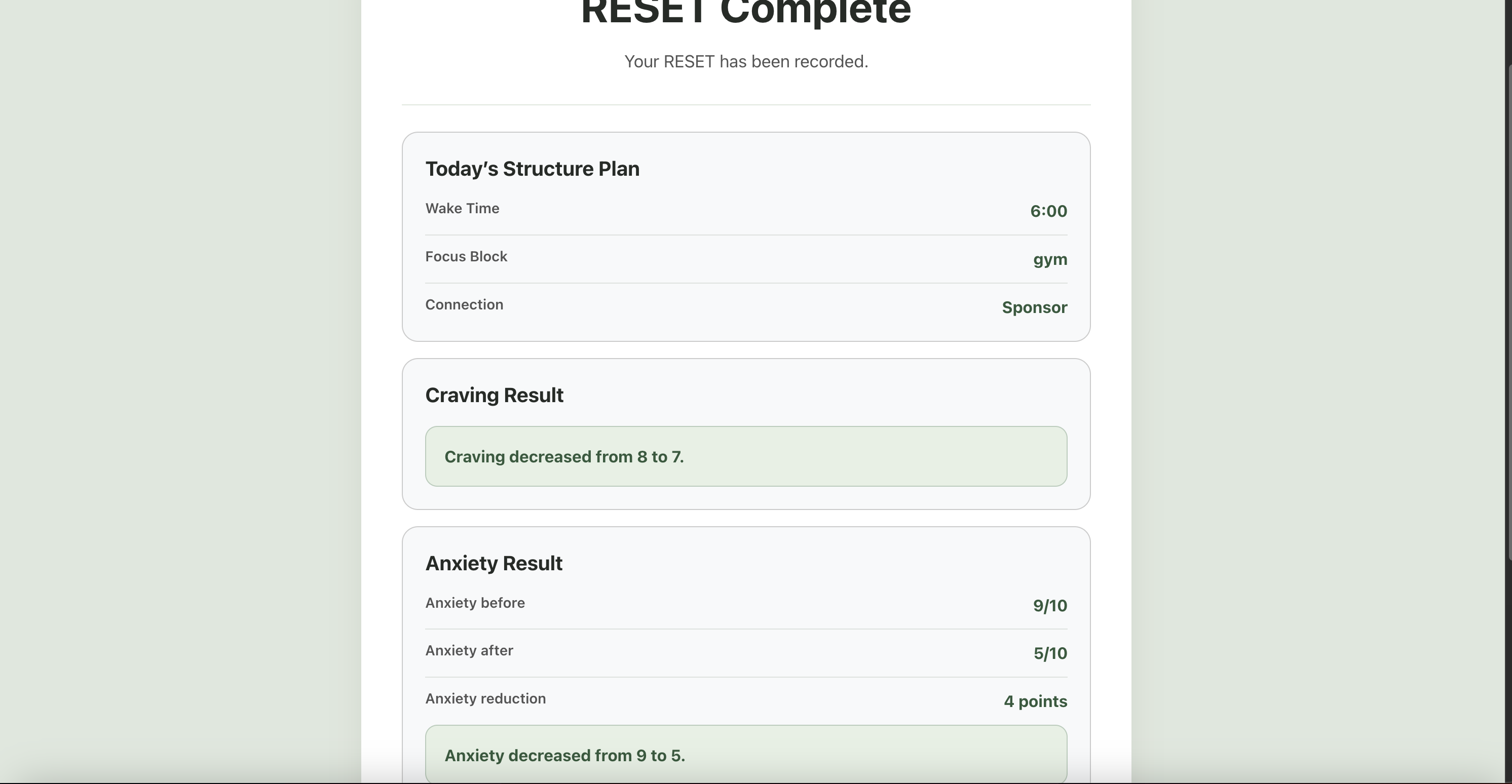
Summary
-
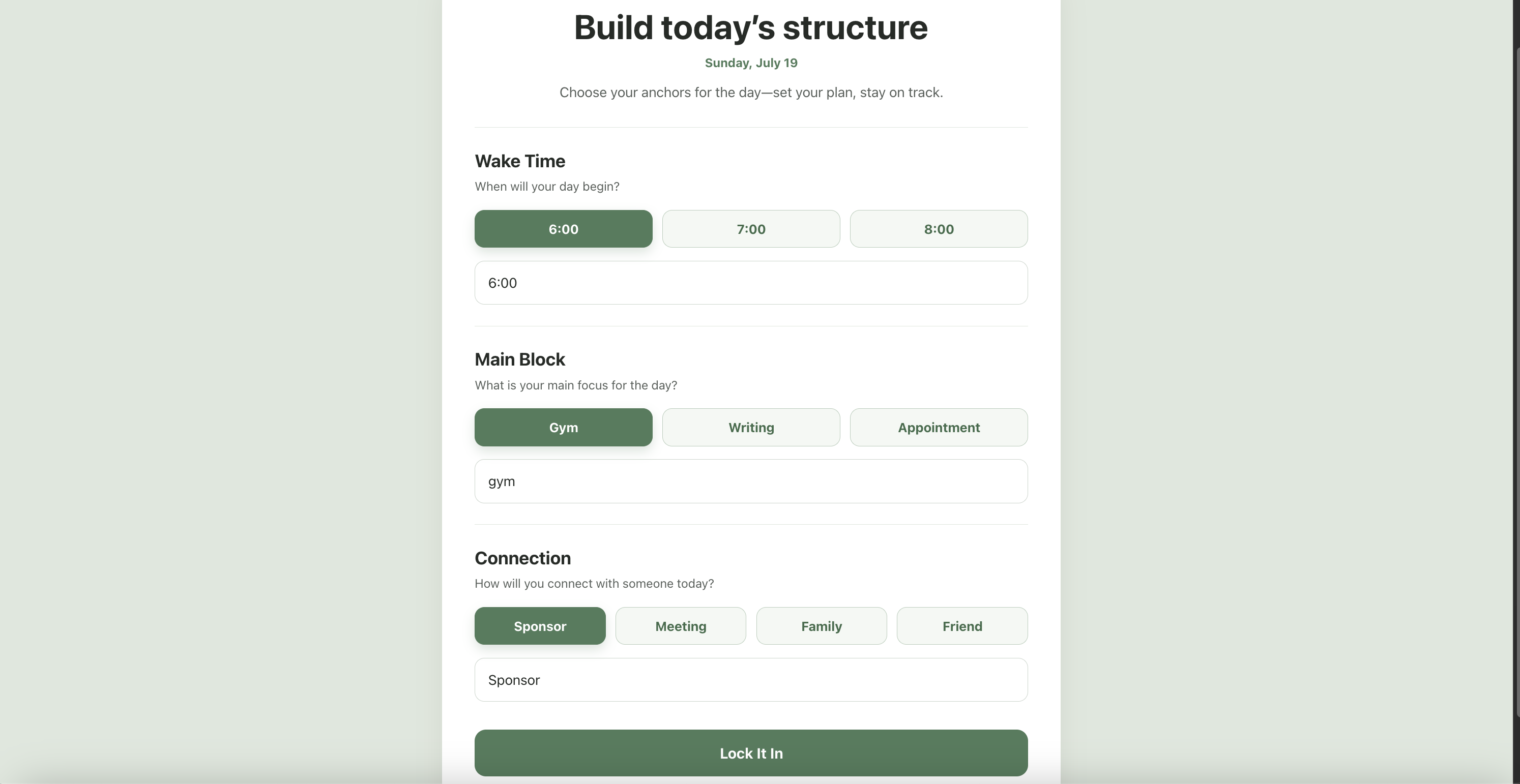
Structure
-
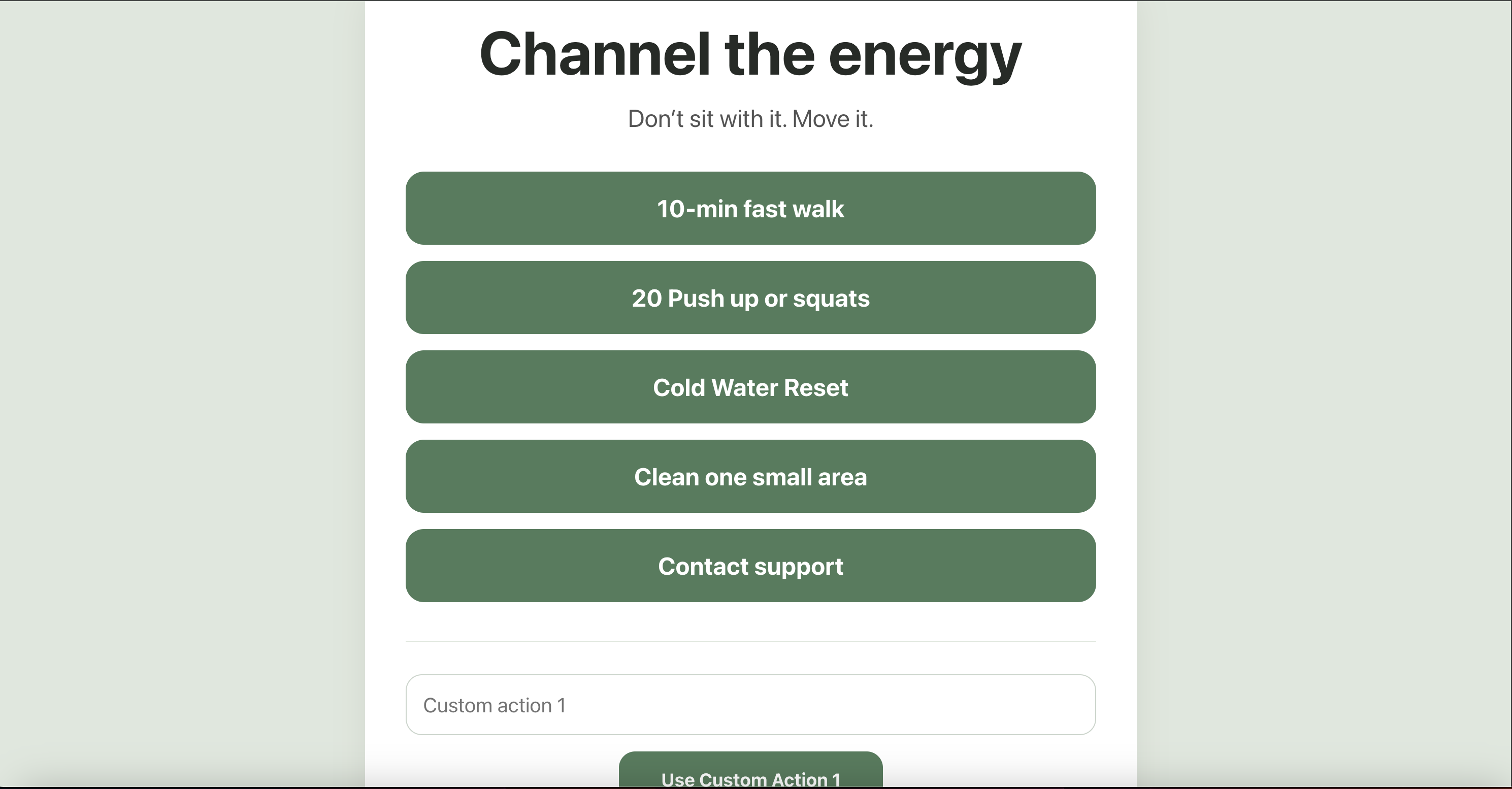
Channel EnergyCra
-
Acupressure 2
-
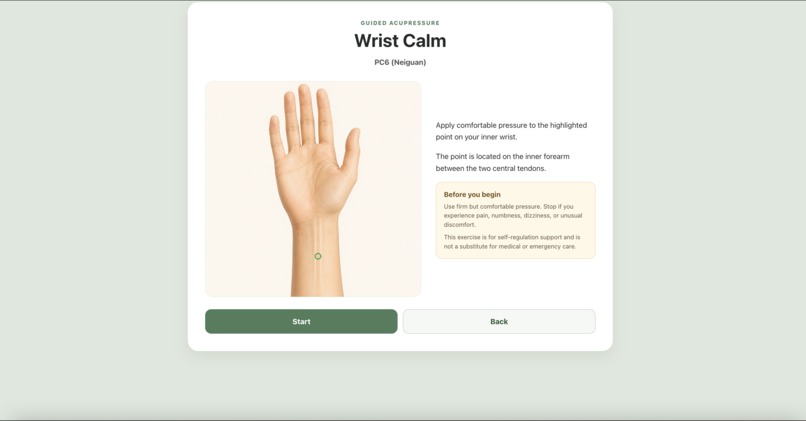
Acupressure 1
InspirationPulseWell RESET
Inspiration
As a physician working in addiction medicine, I've seen how difficult it can be for people to manage cravings and anxiety between appointments. Many individuals need immediate, practical support during moments of distress, yet existing tools often provide generic information rather than personalized guidance.
PulseWell RESET was created to provide an accessible, evidence-informed recovery support tool that helps users interrupt cravings, regulate anxiety, and regain clarity using simple interventions that can be completed in just a few minutes.
What it does
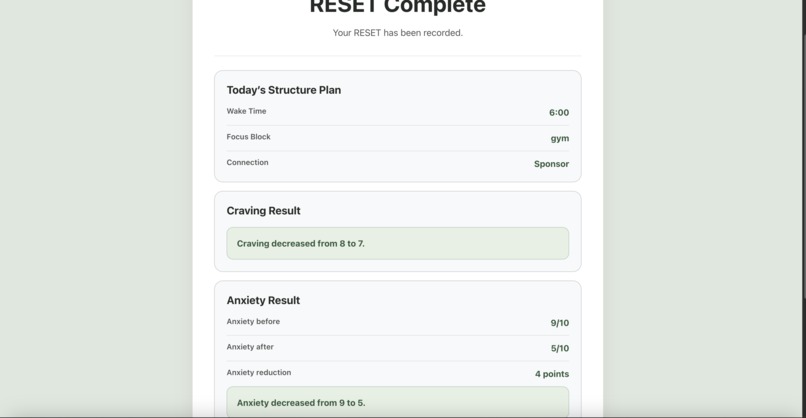
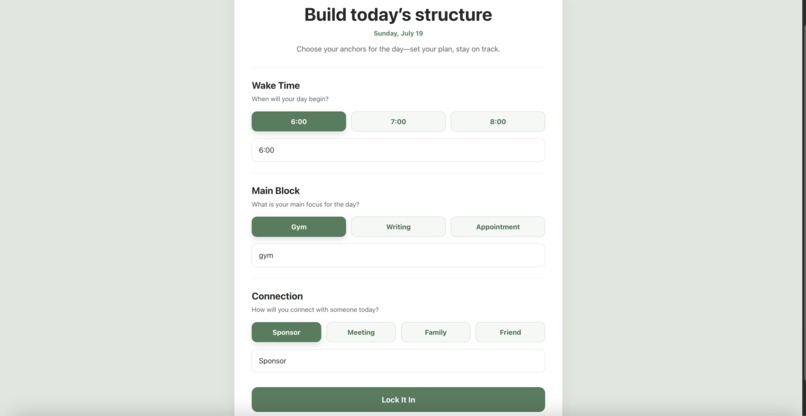
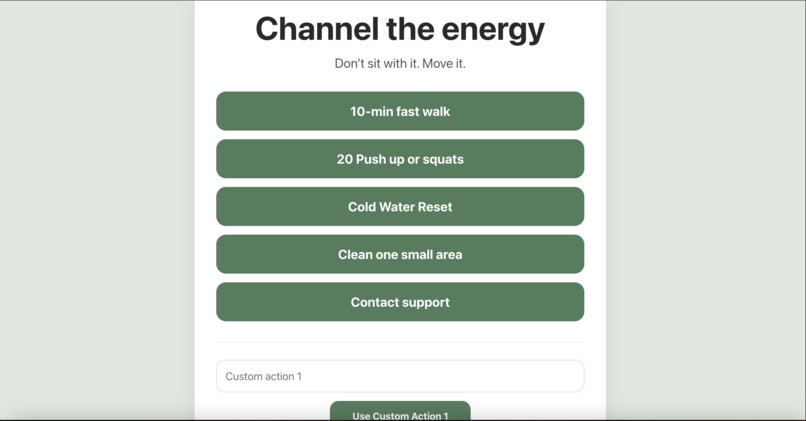
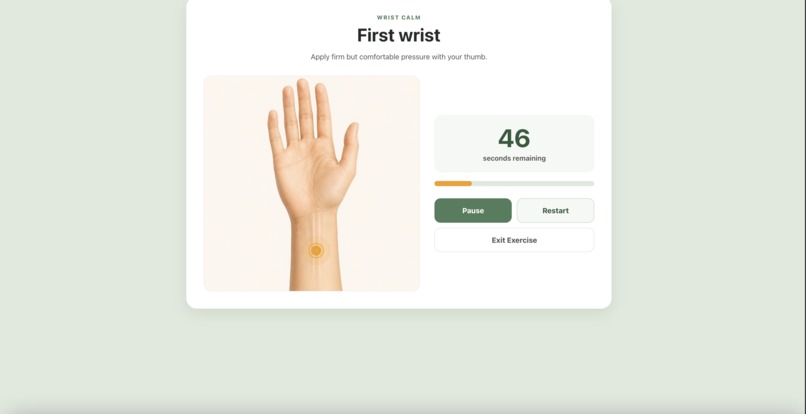
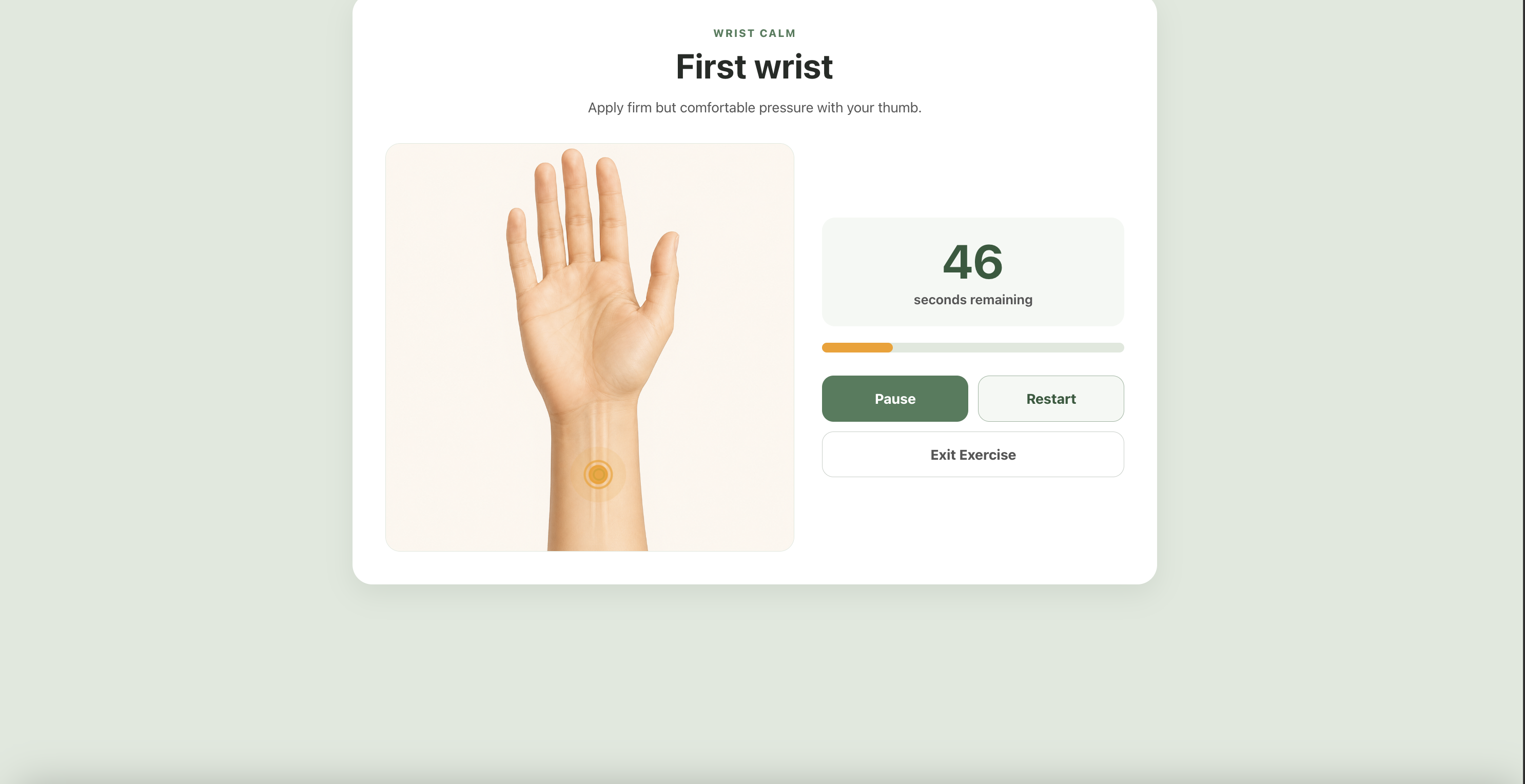
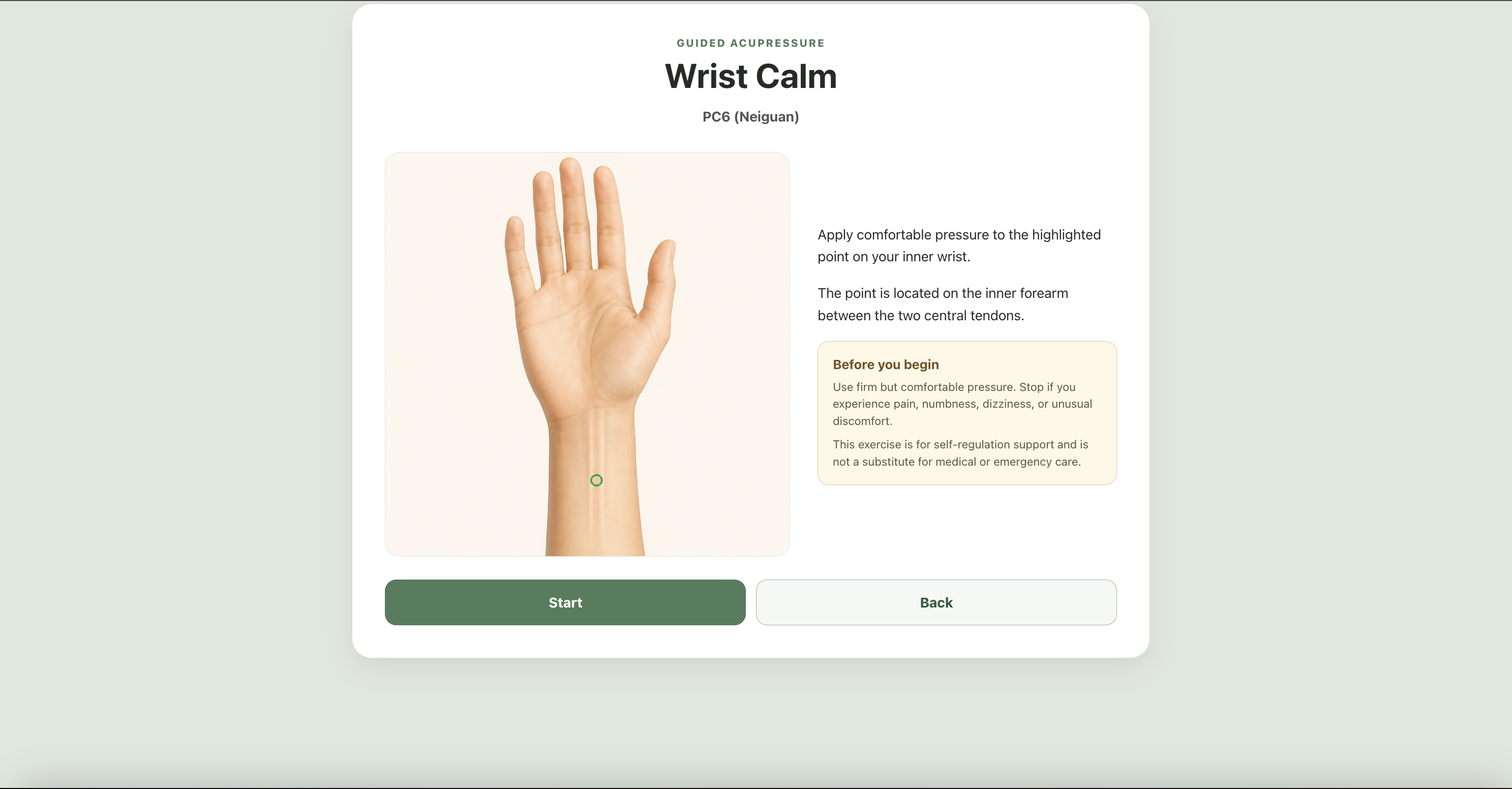
PulseWell RESET guides users through an adaptive recovery workflow. Users rate their craving intensity and anxiety, complete a guided breathing exercise, and then reassess their symptoms. If additional support is needed, the app recommends an optional guided acupressure intervention before presenting personalized results and tracking progress over time through an interactive dashboard.
The goal is to provide immediate support while helping users recognize measurable improvements in emotional regulation.
How I built it
The application was built as a React web application with Supabase providing authentication, data storage, and backend services.
Throughout development I collaborated extensively with OpenAI Codex and GPT-5.6.
Codex accelerated implementation by helping generate and refactor React components, debug issues, improve application architecture, and streamline development workflows. GPT-5.6 was used throughout product development to refine the user experience, improve the adaptive RESET workflow, evaluate design decisions, and help translate clinical concepts into an intuitive digital experience.
Challenges
The biggest challenge was balancing clinical accuracy with simplicity. Recovery interventions needed to remain evidence-informed while also being easy to complete during periods of high emotional distress.
Another challenge was integrating multiple components—including guided breathing, adaptive decision logic, optional acupressure guidance, progress tracking, and backend data storage—into a seamless user experience.
Publishing the application, preparing the demonstration, and documenting the collaboration with Codex were also important parts of delivering a complete project.
What I learned
This project demonstrated how modern AI-assisted development can dramatically accelerate software creation while still requiring thoughtful human oversight for product design, clinical reasoning, and user experience.
I also gained hands-on experience with GitHub, deployment workflows, React application architecture, and AI-assisted software engineering using Codex. What's next
Future development will focus on expanding personalization, incorporating additional evidence-based recovery interventions, providing longitudinal analytics, and evaluating PulseWell RESET in real-world clinical settings to further support individuals living with substance use disorders and other behavioral health challenges.


Log in or sign up for Devpost to join the conversation.