-
-
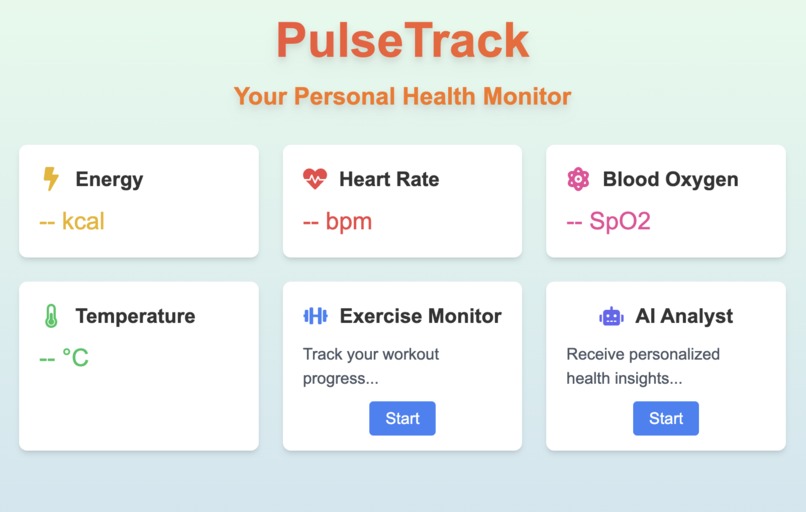
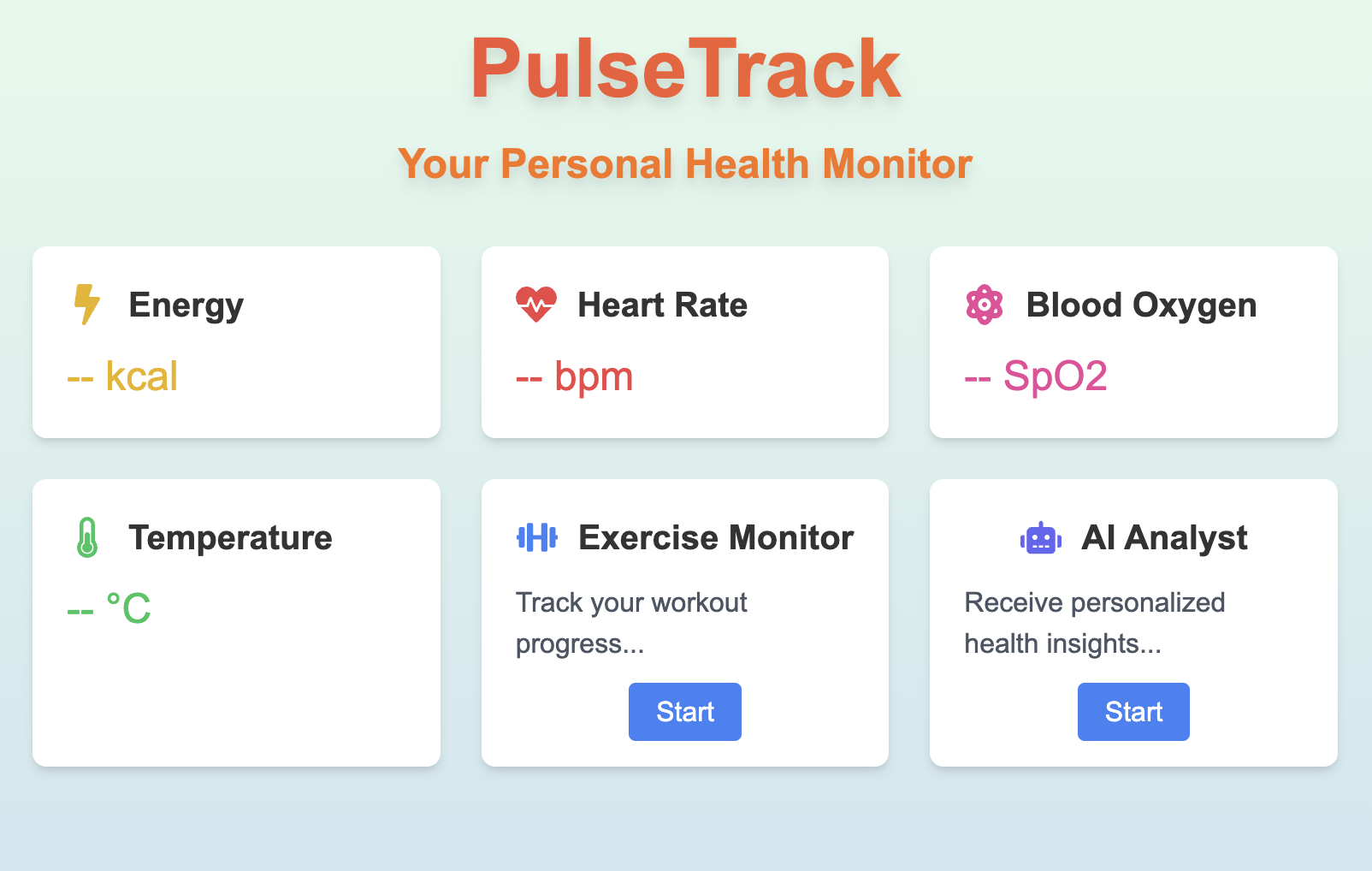
HomePage
-
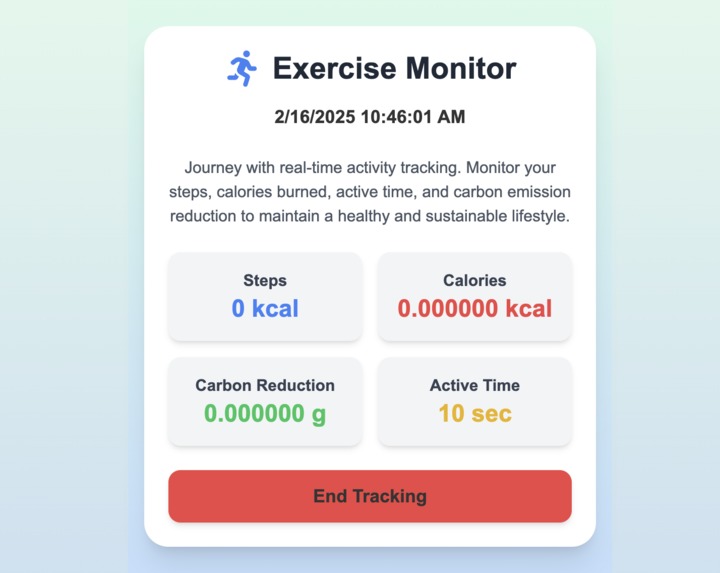
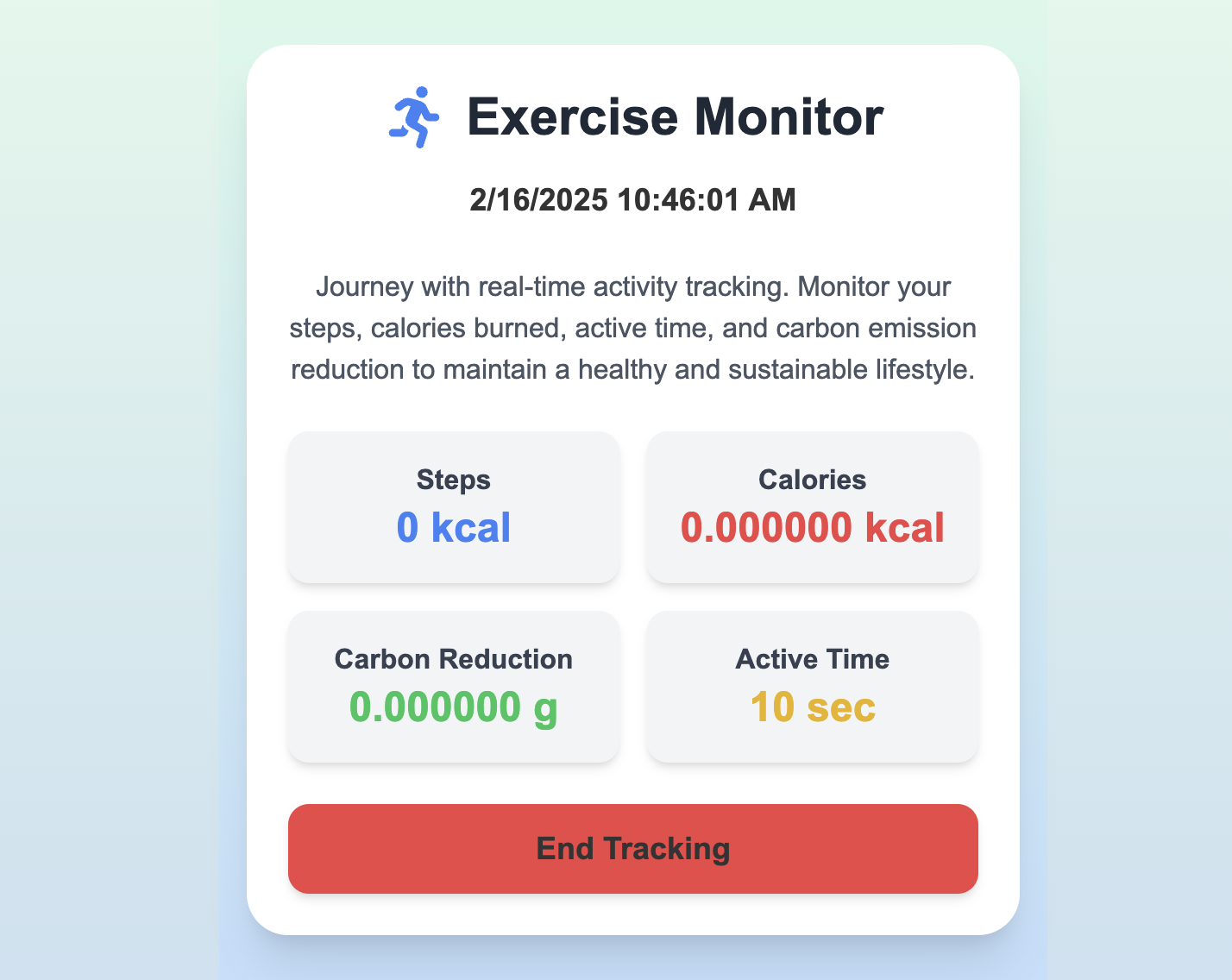
Exercise Monitor Page
-
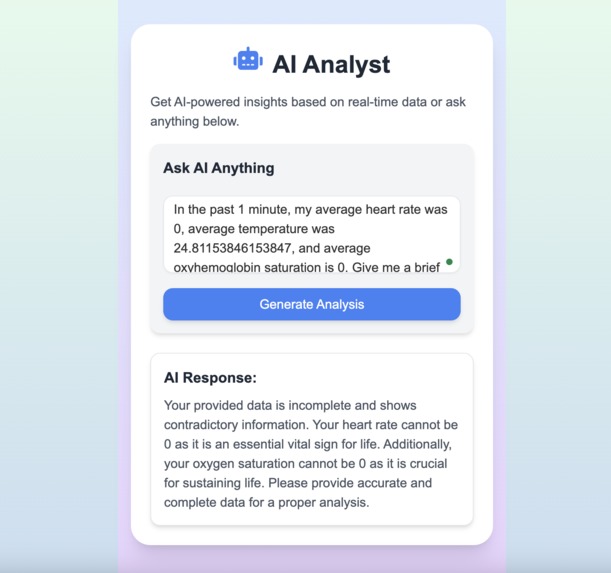
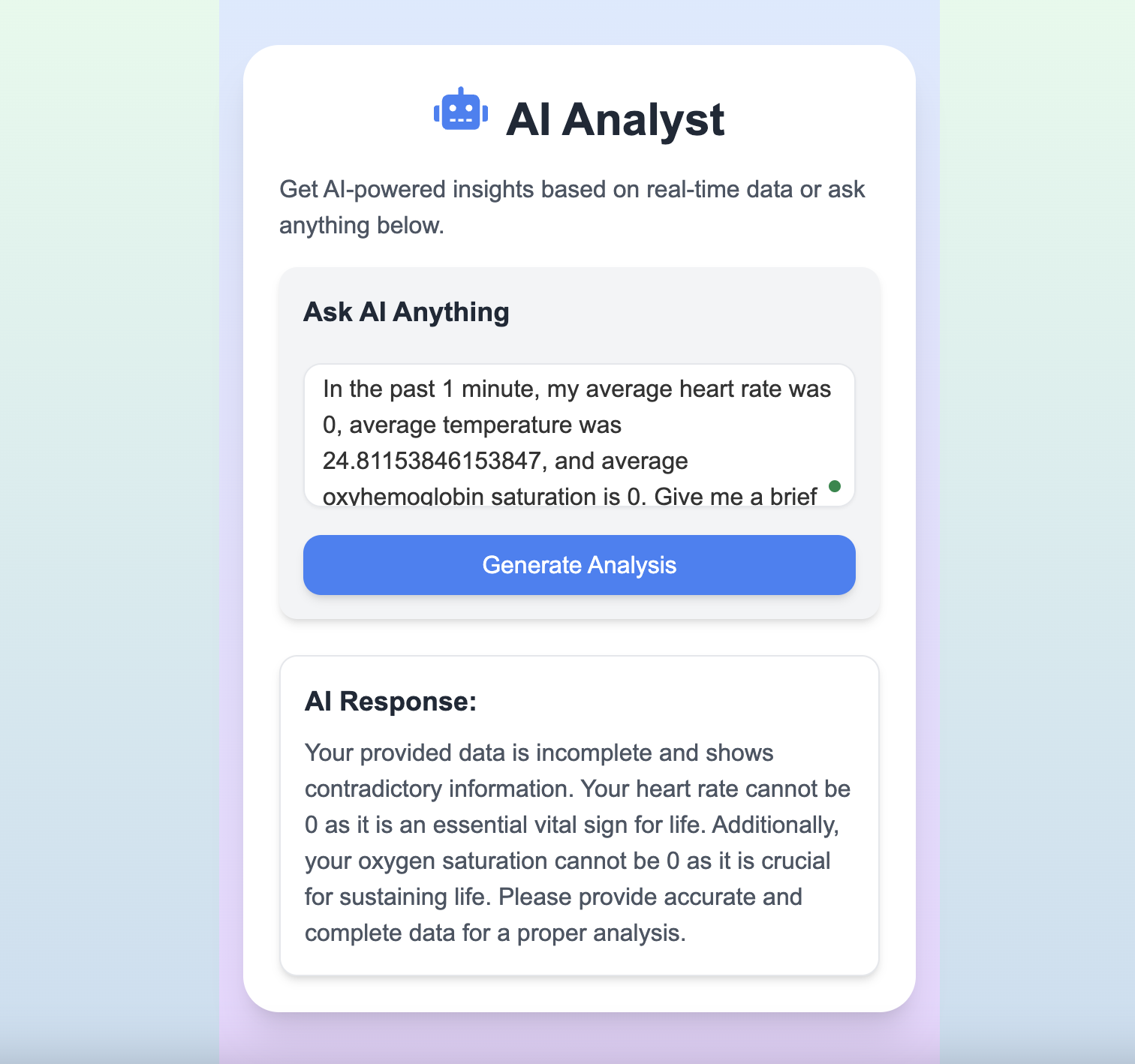
AI Analyst
-
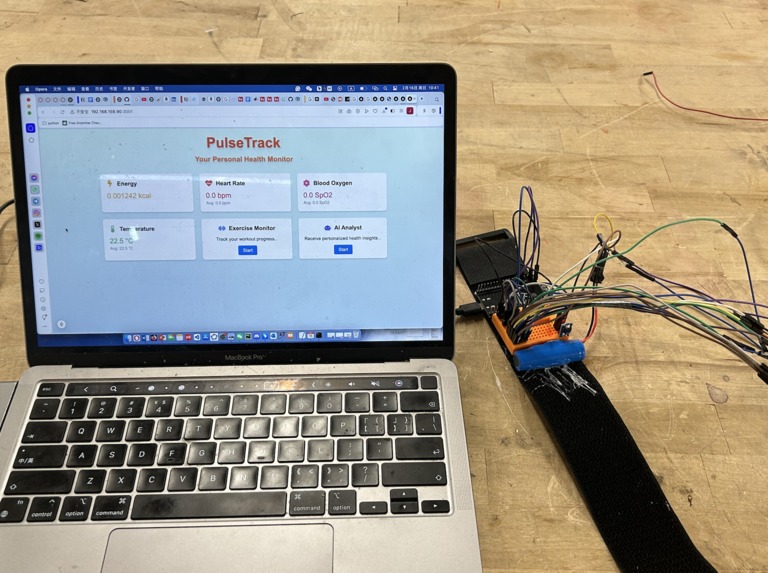
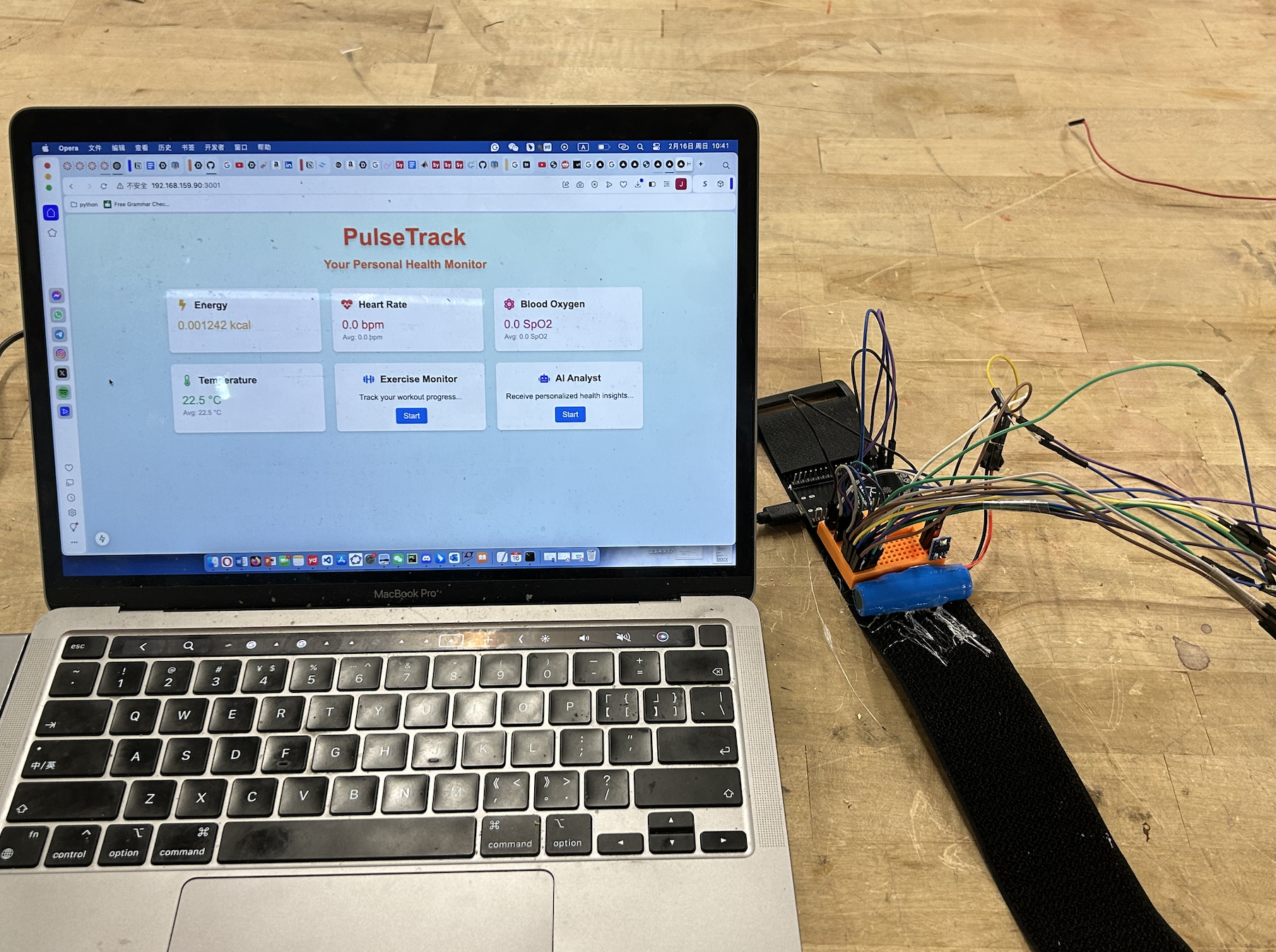
Set up
PulseTrack: Smart Wearable Health & Sustainability Tracker
Inspiration
We wanted to build a wearable that does more than just track health—it should empower users with real-time insights while promoting sustainability. The idea came from recognizing the importance of personal health monitoring and how daily activity, like walking, contributes to reducing carbon emissions. By integrating AI-driven analysis, we aimed to provide users with actionable insights for both their well-being and environmental impact.
What It Does
PulseTrack is a real-time wearable health and sustainability tracker that monitors:
- Heart rate & blood oxygen (MAX30100/02)
- Body temperature (MLX90614)
- Step count & motion analysis (MPU6050)
- Energy expenditure & carbon reduction based on steps
Data is transmitted from an ESP32 microcontroller to a Flask WebSocket server, where it is processed and displayed in a Next.js web application for real-time visualization. Additionally, Google Gemini AI provides personalized health insights and an "Ask AI" feature for user queries.
How We Built It
- Hardware Setup: Integrated sensors with the ESP32 for continuous data collection.
- Backend Development: Built a Flask WebSocket server to handle real-time data transmission and storage in SQLite.
- Frontend Development: Used Next.js for a dynamic and interactive web dashboard.
- AI Integration: Incorporated Google Gemini AI to analyze health data and provide personalized recommendations.
Challenges We Ran Into
The toughest challenge was establishing real-time communication between the ESP32 and the frontend. We spent 8+ hours debugging the data pipeline, ensuring smooth transmission from the microcontroller → Flask server → WebSocket → frontend UI. Additionally, making the hardware compact and wearable required careful planning in sensor placement and power management.
Accomplishments That We're Proud Of
- Successfully built a real-time health tracking system from scratch.
- Integrated AI-powered health insights using Google Gemini.
- Developed a seamless WebSocket-based data flow between hardware and software.
- Engineered a wearable device that balances functionality, efficiency, and usability.
What We Learned
- Hardware-to-software integration – Connecting ESP32 sensor data to a real-time web app.
- AI-powered analytics – Using GenAI to generate meaningful health insights.
- Making hardware wearable – Designing a compact, efficient, and user-friendly device.
What’s Next for PulseTrack
We plan to enhance PulseTrack with:
- Bluetooth support for mobile connectivity.
- Cloud storage for long-term health data tracking.
- More sensors for additional health metrics.
- Expanded AI capabilities for deeper predictive insights.
This hackathon has been an incredible journey, and we’re excited to keep pushing the boundaries of health tech and sustainability!


