
Inspiration
Modern professionals spend too much time switching between applications, searching for information, managing repetitive tasks, and manually coordinating workflows. While AI assistants have become more capable, most still operate as simple chatbots that require constant user guidance and have little understanding of long-term context.
We wanted to build an intelligent operating system for work—one that doesn't just answer questions, but actively helps users organize information, automate tasks, analyze documents, remember preferences, and serve as a central hub for productivity. Our goal was to create an AI agent that behaves like a proactive digital teammate rather than another standalone application.
What it does
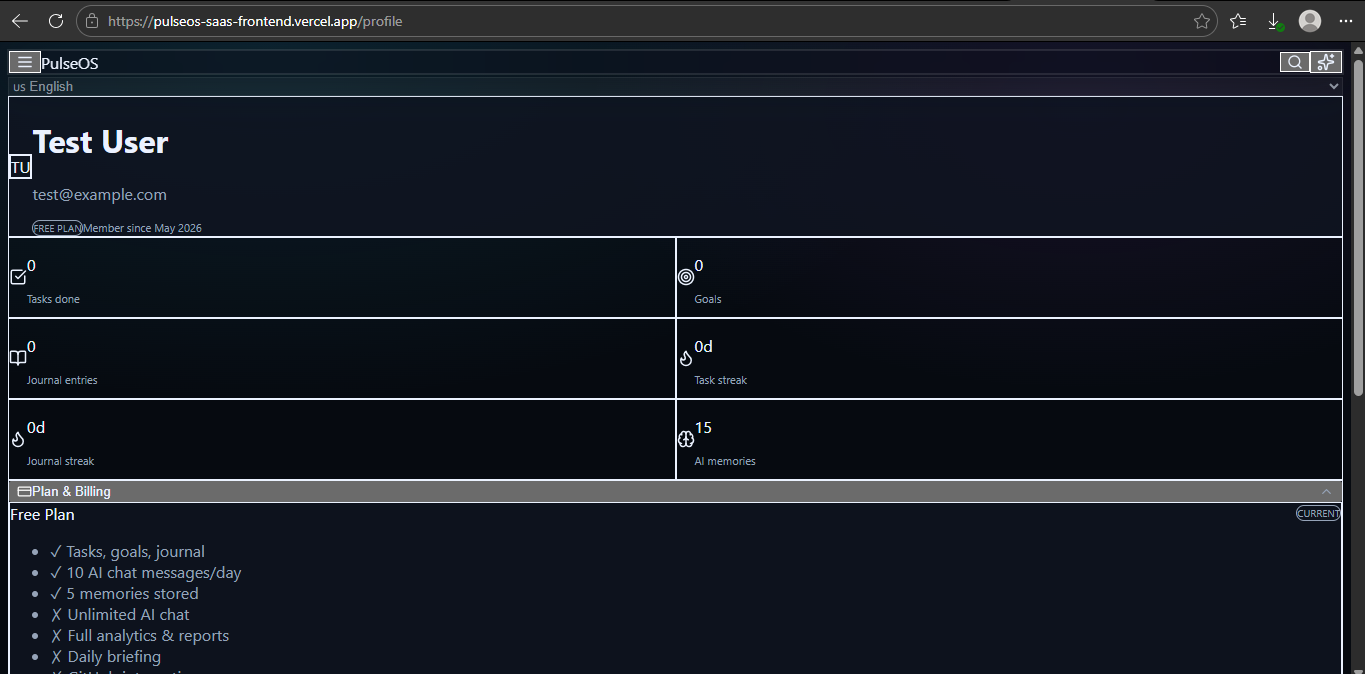
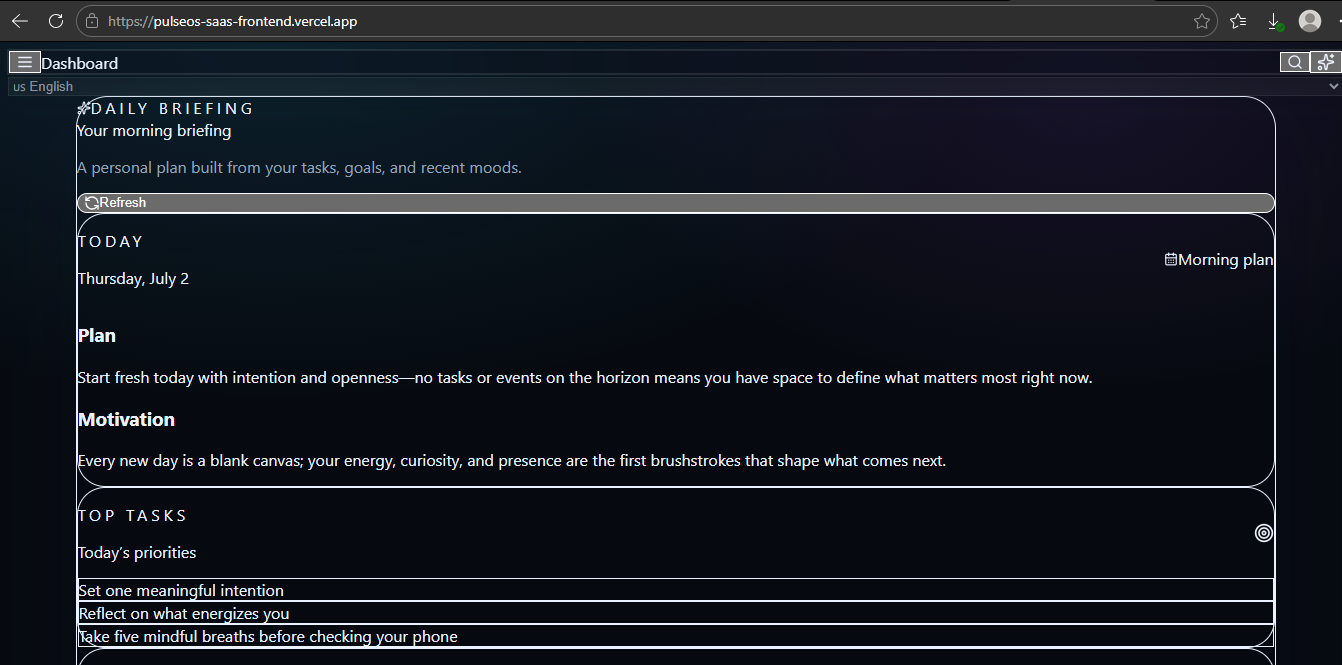
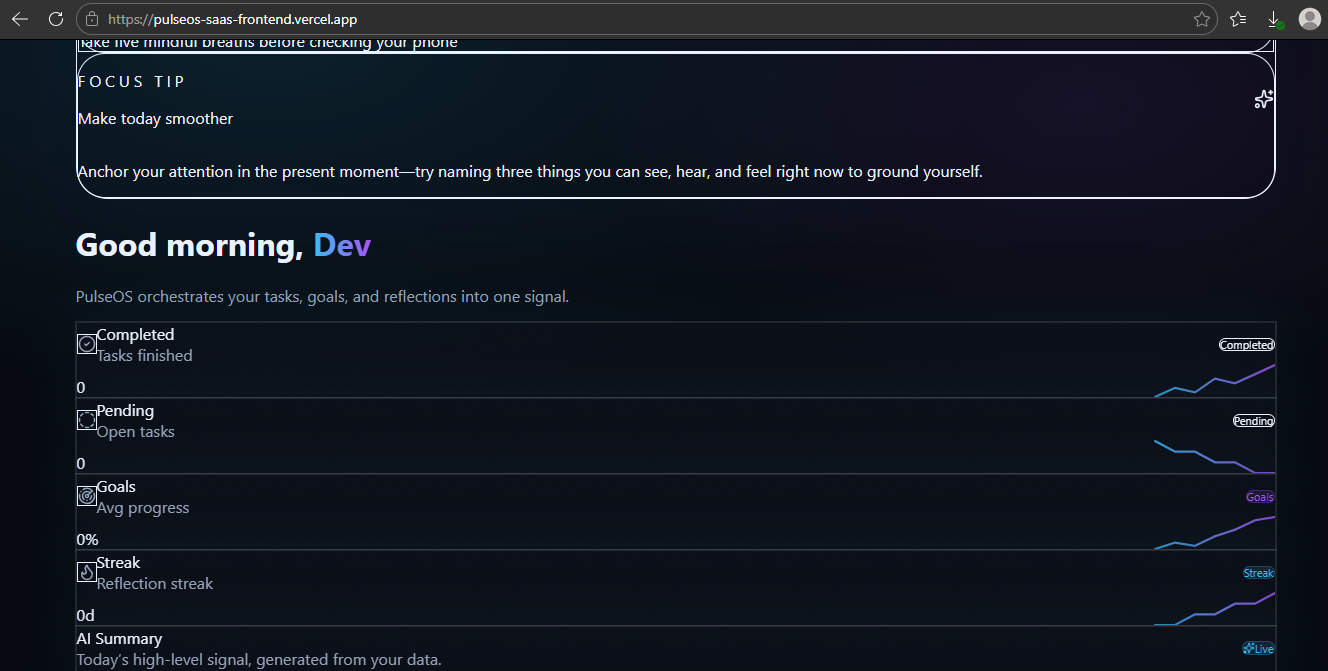
PulseOS SaaS is an AI-powered business operating system that helps users work more efficiently through intelligent automation and conversational AI.
Key capabilities include:
- Conversational AI assistant powered by large language models.
- Document analysis for PDFs and uploaded files.
- AI-powered summaries and information extraction.
- Persistent memory that personalizes future interactions.
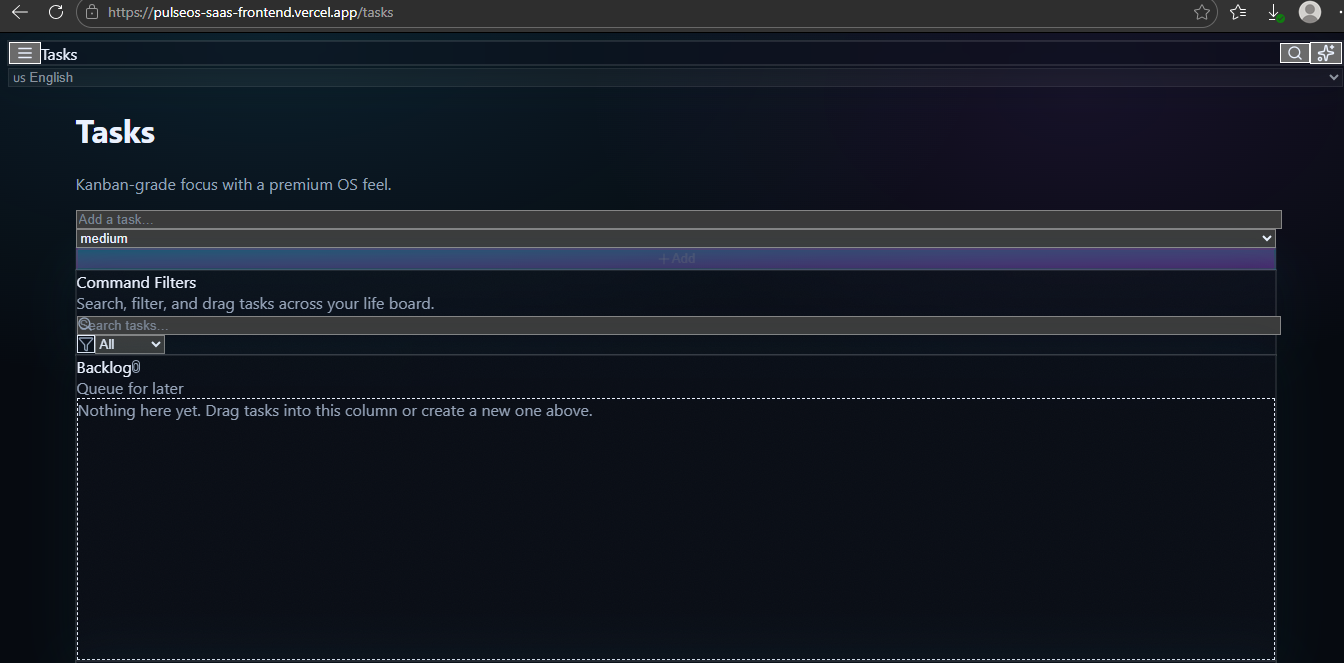
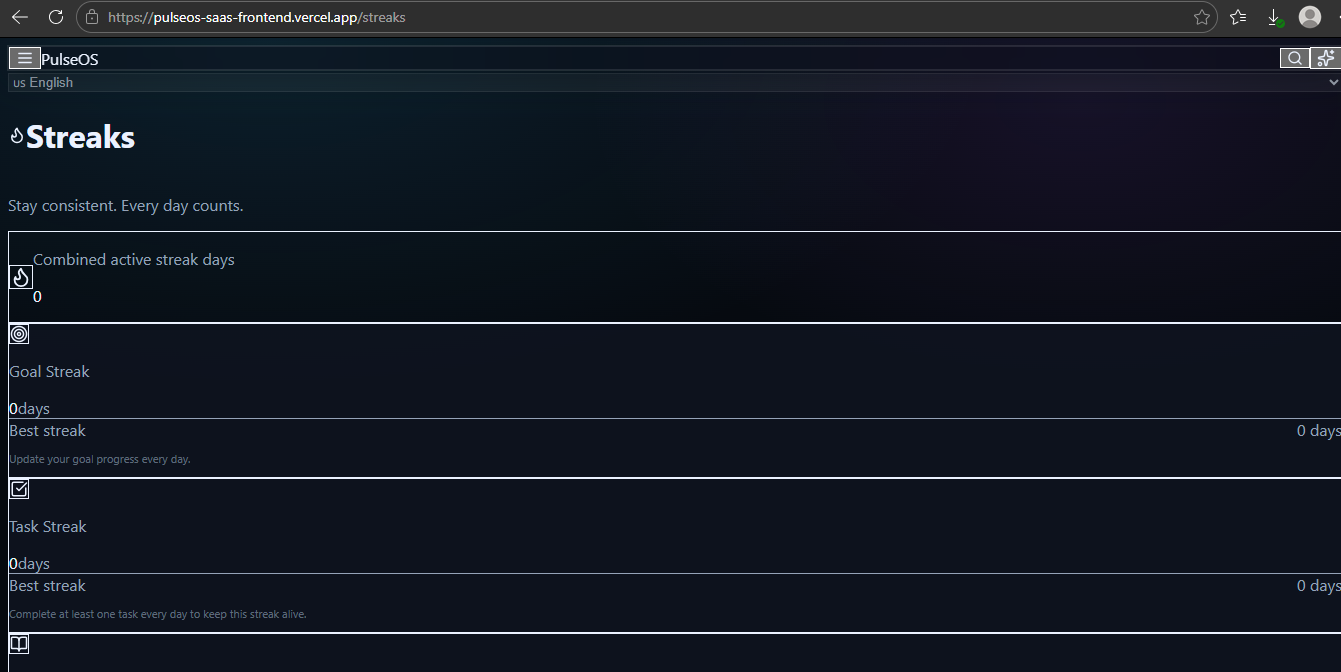
- Task and workflow management.
- Intelligent tool orchestration across multiple services.
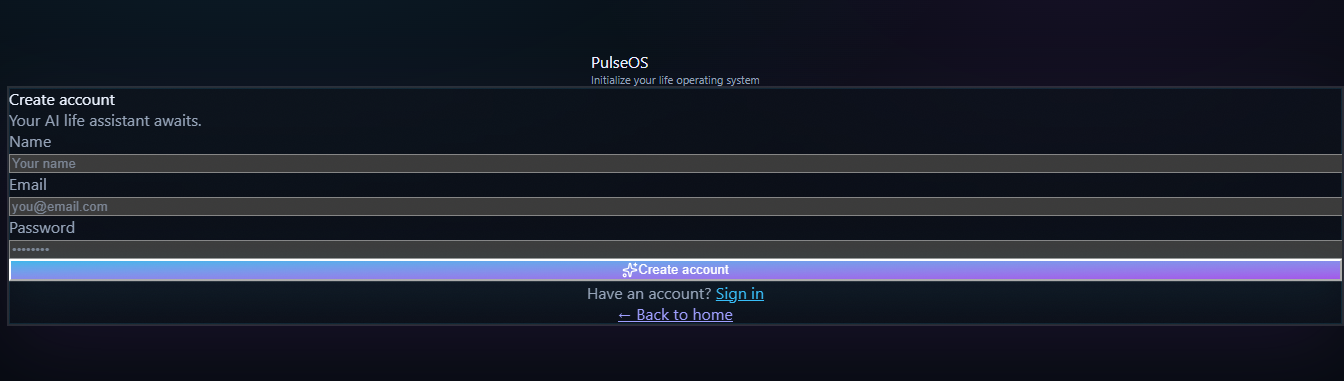
- Secure user authentication and cloud-based data storage.
- Responsive web interface accessible from desktop and mobile devices.
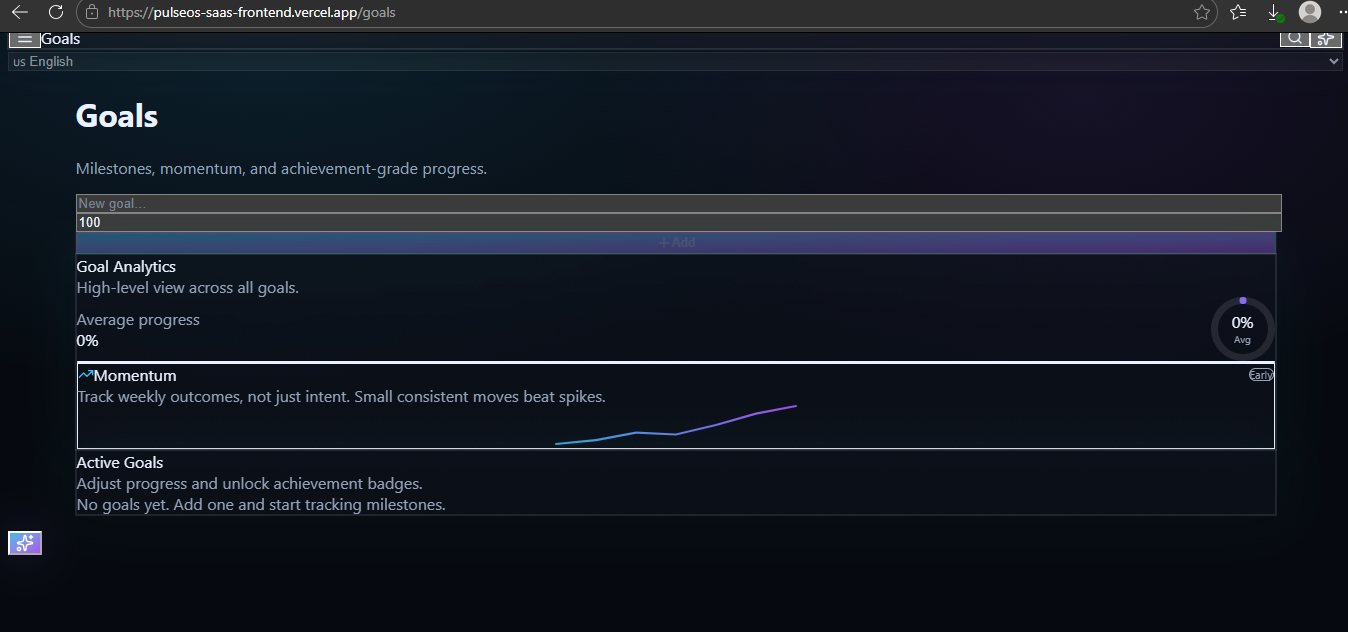
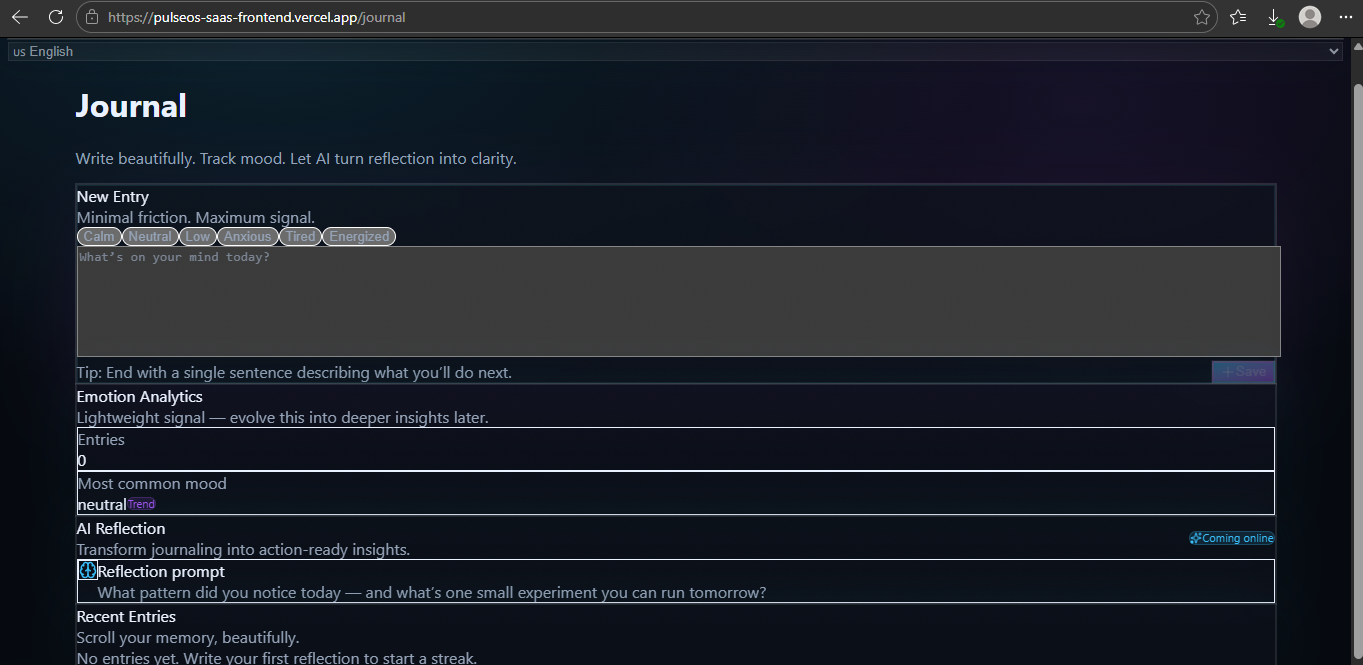
Instead of requiring users to move between multiple productivity tools, PulseOS provides a single AI-powered workspace capable of understanding requests, analyzing information, and helping automate everyday business operations.
How we built it
PulseOS was developed as a modern full-stack SaaS application.
The frontend was built using React and TypeScript to provide a responsive and interactive user experience.
The backend exposes secure APIs responsible for authentication, AI orchestration, workflow execution, document processing, and database operations.
For AI capabilities, the system integrates Qwen models hosted on Alibaba Cloud to provide reasoning, document understanding, and conversational intelligence. Additional APIs are used where appropriate to extend functionality while keeping Qwen as the primary reasoning engine.
The platform stores user data, conversations, and application state within a cloud database while maintaining secure authentication and authorization.
The overall architecture separates the frontend, backend, AI services, and persistent storage into modular components, making the platform easier to scale and extend.
Challenges we ran into
Building a production-ready AI platform introduced several engineering challenges.
One challenge was coordinating communication between the frontend, backend, AI services, and external APIs while maintaining fast response times.
Another challenge involved managing uploaded documents and ensuring reliable extraction of useful information for AI analysis.
We also spent significant time improving prompt engineering, error handling, authentication, deployment, and API integration to create a smooth user experience.
Designing the system to be modular enough for future agent expansion while remaining simple for users required several architectural iterations.
Accomplishments that we're proud of
We are proud of building an AI platform that goes beyond a traditional chatbot.
Highlights include:
- Developing a production-ready SaaS architecture.
- Successfully integrating advanced Qwen AI capabilities.
- Creating an intuitive user experience for interacting with AI.
- Building document intelligence directly into the platform.
- Implementing persistent user context for more personalized interactions.
- Designing a scalable architecture capable of supporting future autonomous agents and workflow automation.
- Deploying the application on cloud infrastructure for real-world accessibility.
What we learned
This project reinforced that building AI products is much more than integrating a language model.
We learned the importance of system architecture, prompt engineering, API reliability, cloud deployment, authentication, user experience design, and balancing AI capabilities with practical business workflows.
We also gained valuable experience building modular AI systems that can evolve from conversational assistants into autonomous workflow agents capable of assisting users across multiple tasks.
What's next for PulseOS SaaS
PulseOS is only the beginning.
Our roadmap includes:
- Expanding persistent memory across sessions.
- Supporting multi-agent collaboration for complex workflows.
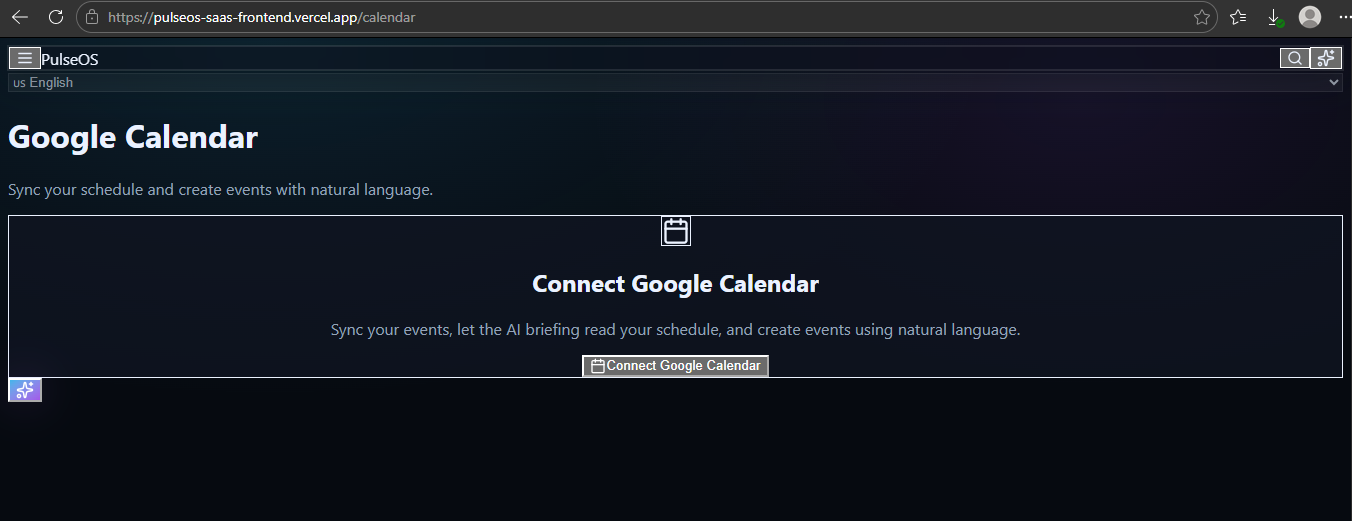
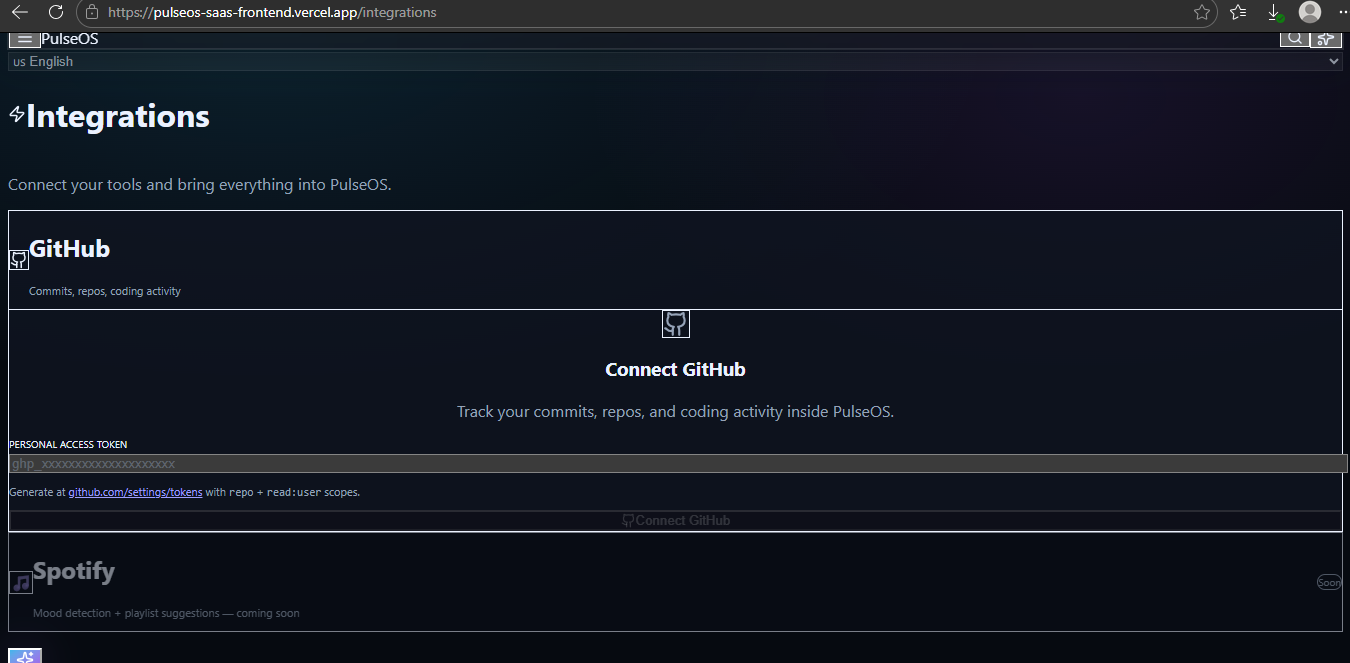
- Integrating email, calendar, CRM, and productivity platforms.
- Adding autonomous task execution with human approval checkpoints.
- Introducing voice interactions and multimodal capabilities.
- Building advanced workflow templates for business automation.
- Supporting enterprise deployments with team collaboration features.
- Expanding analytics and reporting to provide organizations with actionable operational insights.
Our long-term vision is to transform PulseOS into an AI-powered operating system that serves as the central intelligence layer for businesses—connecting people, data, and workflows into one intelligent platform.
Built With
- agents
- ai
- alibaba
- api
- authentication
- backend
- cloud
- css
- database
- deployment
- development
- docker
- engineering
- express.js
- firebase
- frontend
- git
- language
- large
- models
- node.js
- postgresql
- prompt
- qwen
- react
- render
- rest
- supabase
- tailwind
- tools
- typescript
- vercel
- vite


Log in or sign up for Devpost to join the conversation.