-
-
Introduction
-
Architecture
-
Python code
-
-
-
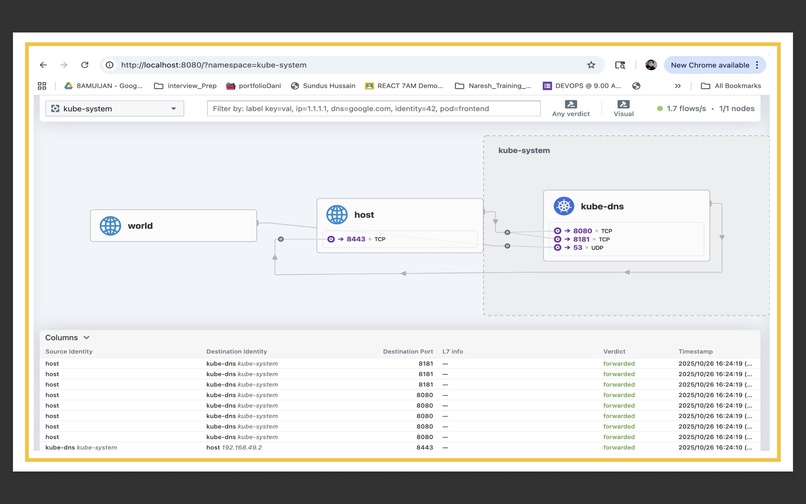
Hubble Dashboard
-
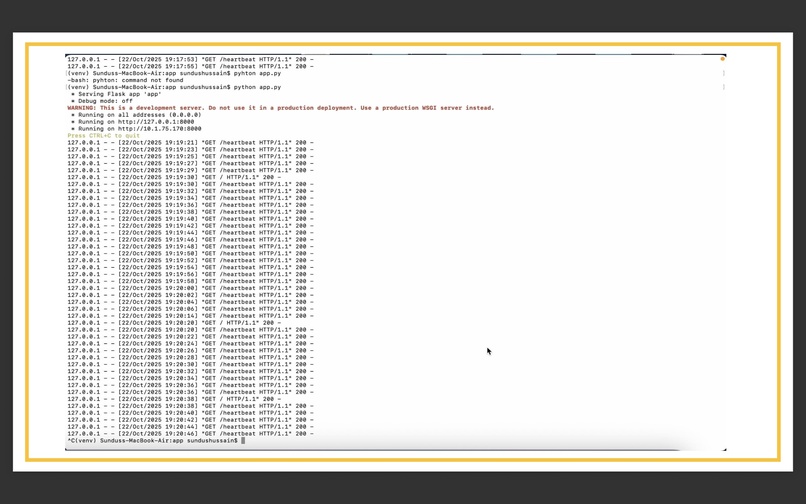
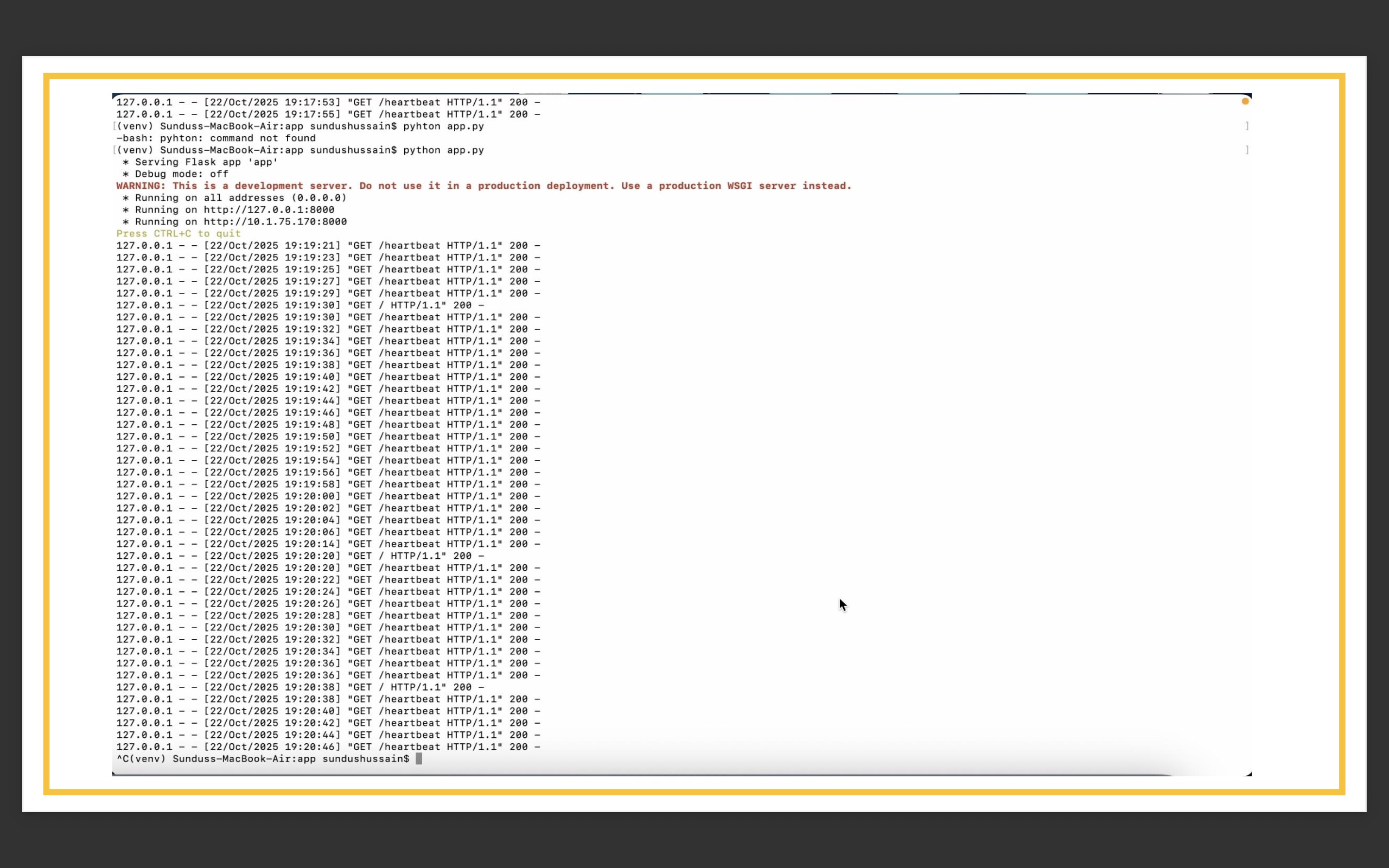
Terminal showing the heartbeats
-
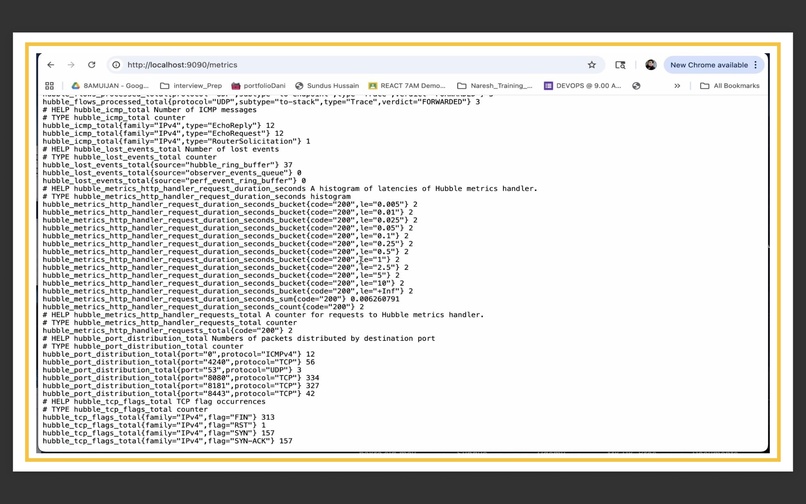
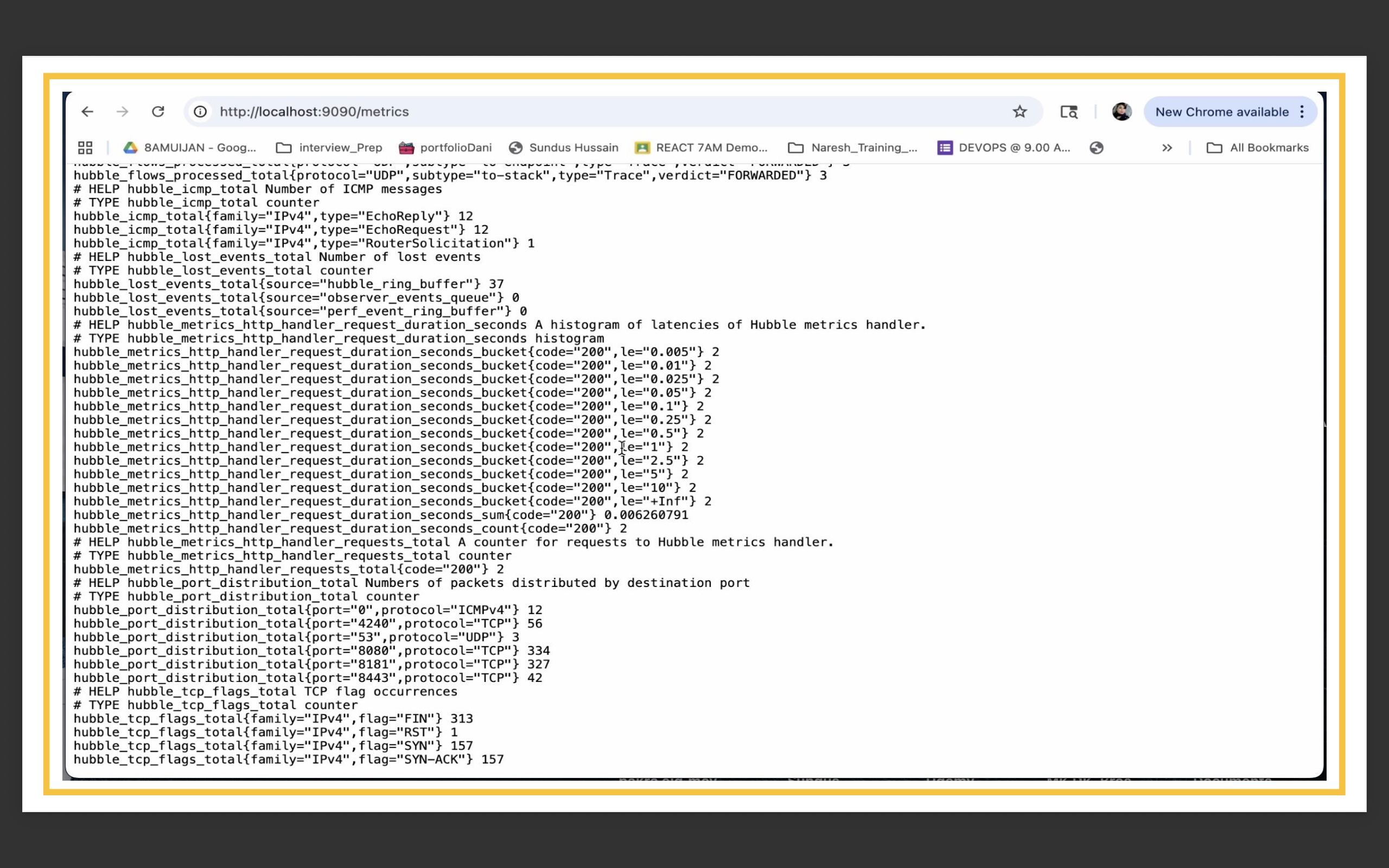
Hubble Dashboard
Inspiration
According to the World Health Organization, cardiovascular diseases are the leading cause of death globally, accounting for an estimated 19.8 million deaths in 2022. I have personally lost a very close family member to a heart attack, which has inspired me to create solutions that can make a real difference in society. I aim to leverage technology to prevent, detect, and manage heart-related conditions developing tools and systems that save lives, raise awareness, and empower people to take control of their cardiovascular health.
What it does
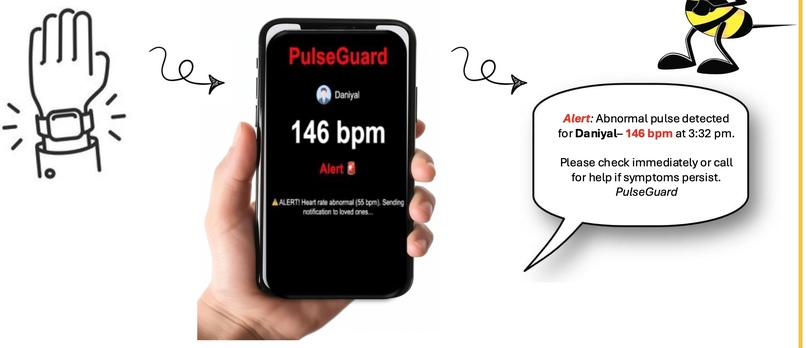
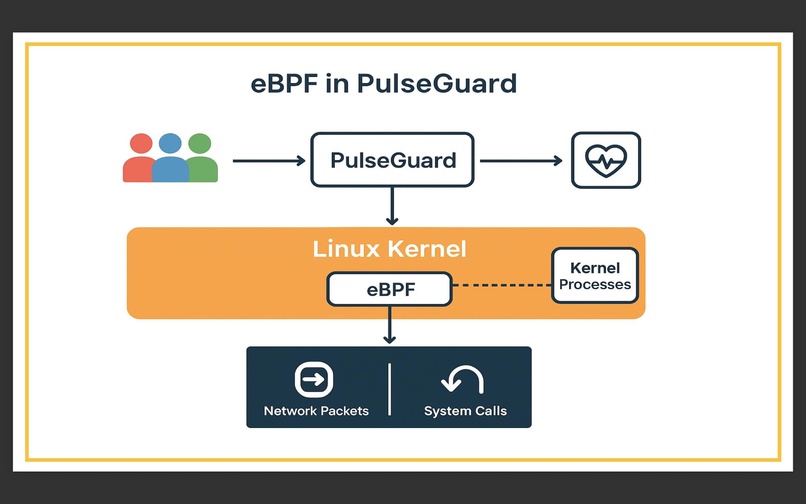
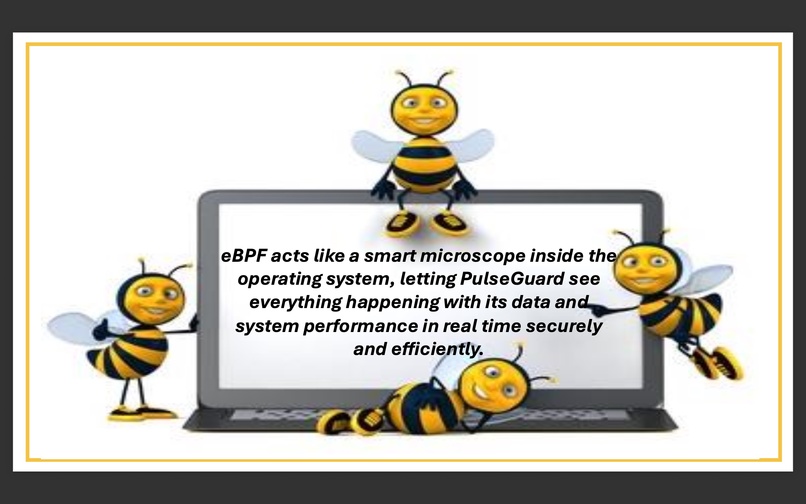
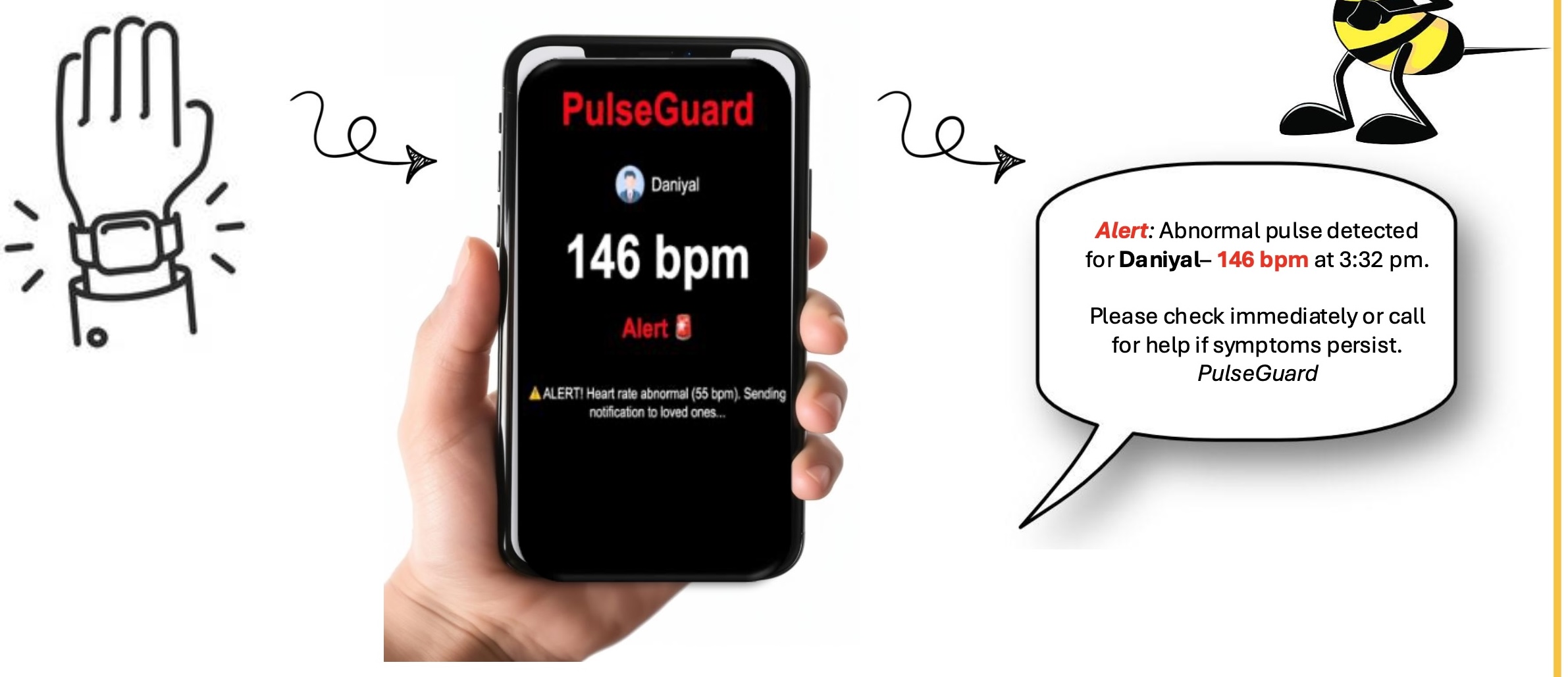
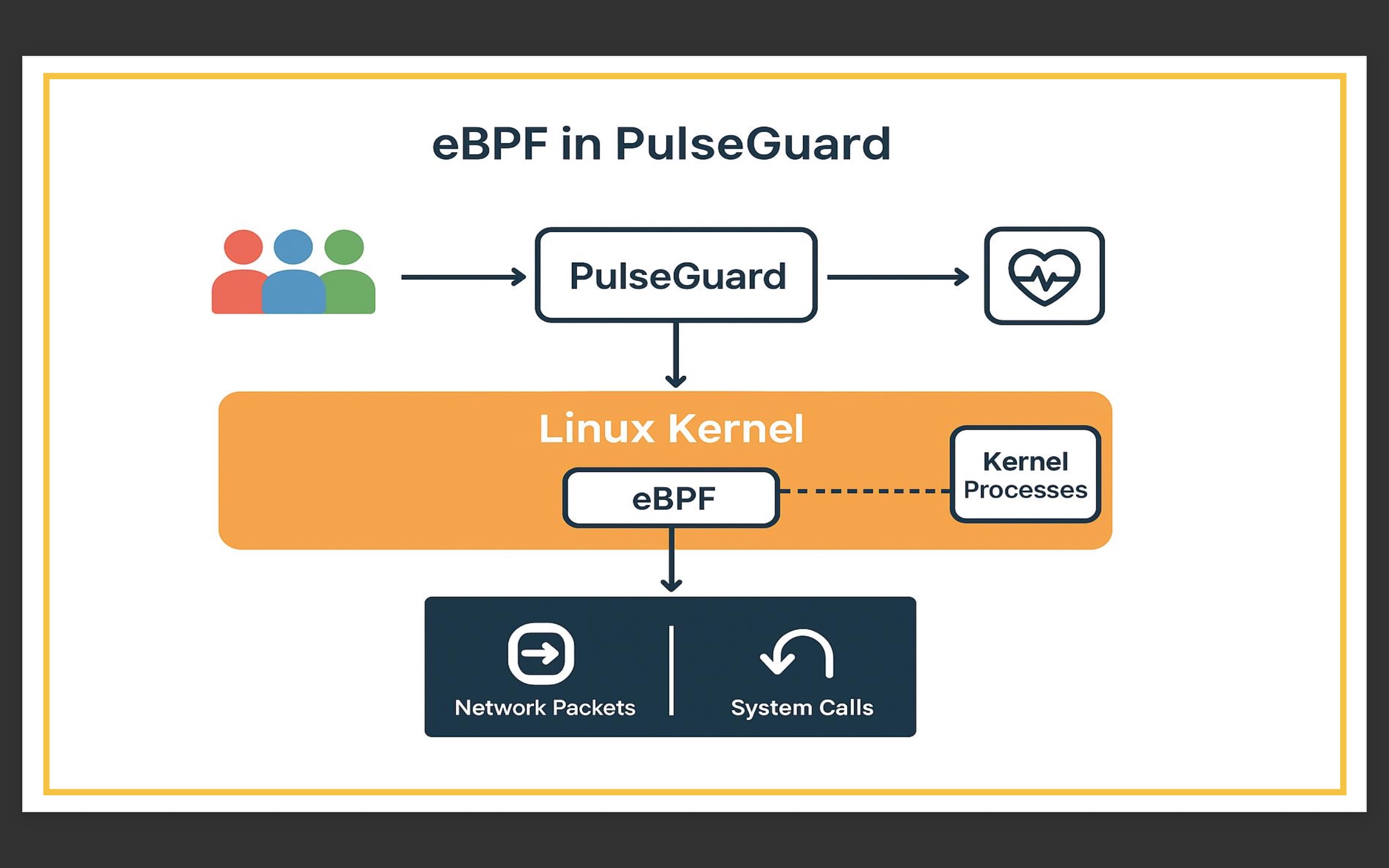
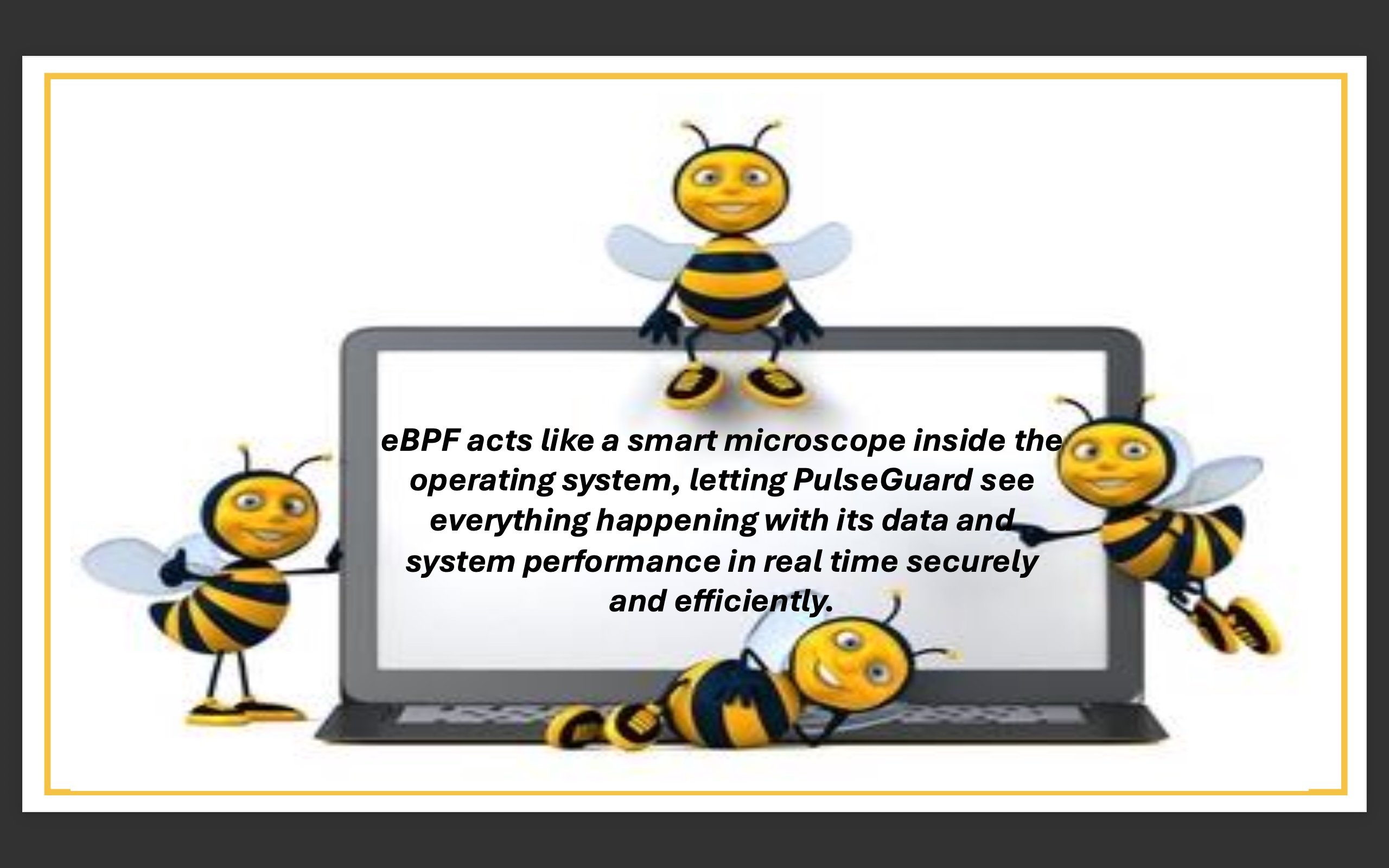
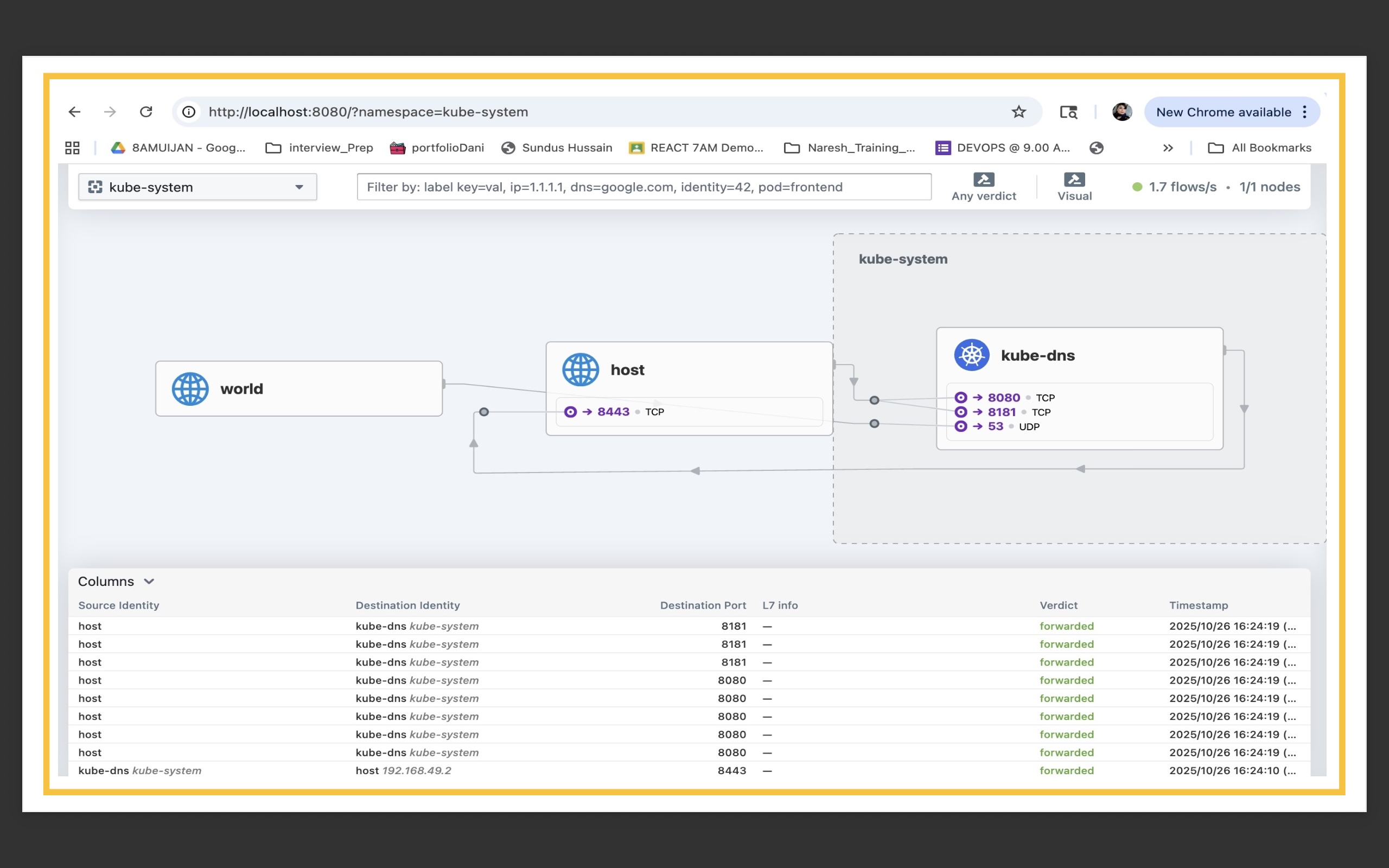
The PulseGuard smart band, worn on the wrist, continuously tracks the user’s heart rate in real time. The collected data is sent to a Flask web application, which acts as the backend server to receive, process, and visualize pulse readings. To ensure efficient performance and deep visibility, eBPF is integrated at the kernel level to monitor network and system metrics, such as data packet latency and response time between the device, API, and cloud services. Using Cilium and Hubble, PulseGuard provides advanced network observability and security insights. Hubble generates live charts and dashboards that display heartbeat data, latency trends, and alert frequency allowing both developers and healthcare providers to monitor system health in real time. When an abnormal pulse is detected, AWS Lambda processes the data and triggers AWS SNS to send instant notifications to the loved ones’ phones or emails. Meanwhile, CloudWatch tracks all alerts and ensures the entire pipeline from the wristband to notification runs smoothly and reliably.
How we built it
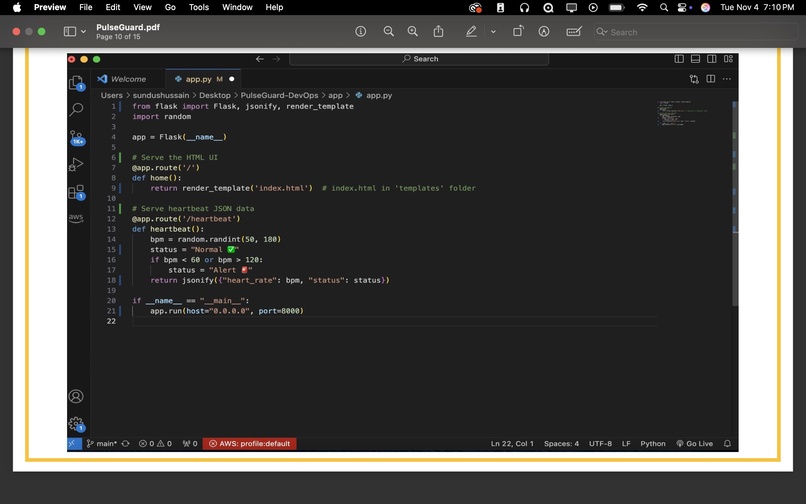
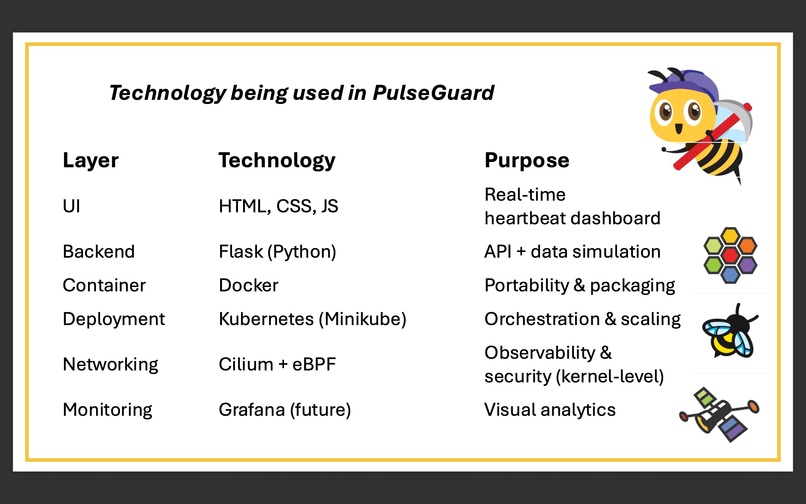
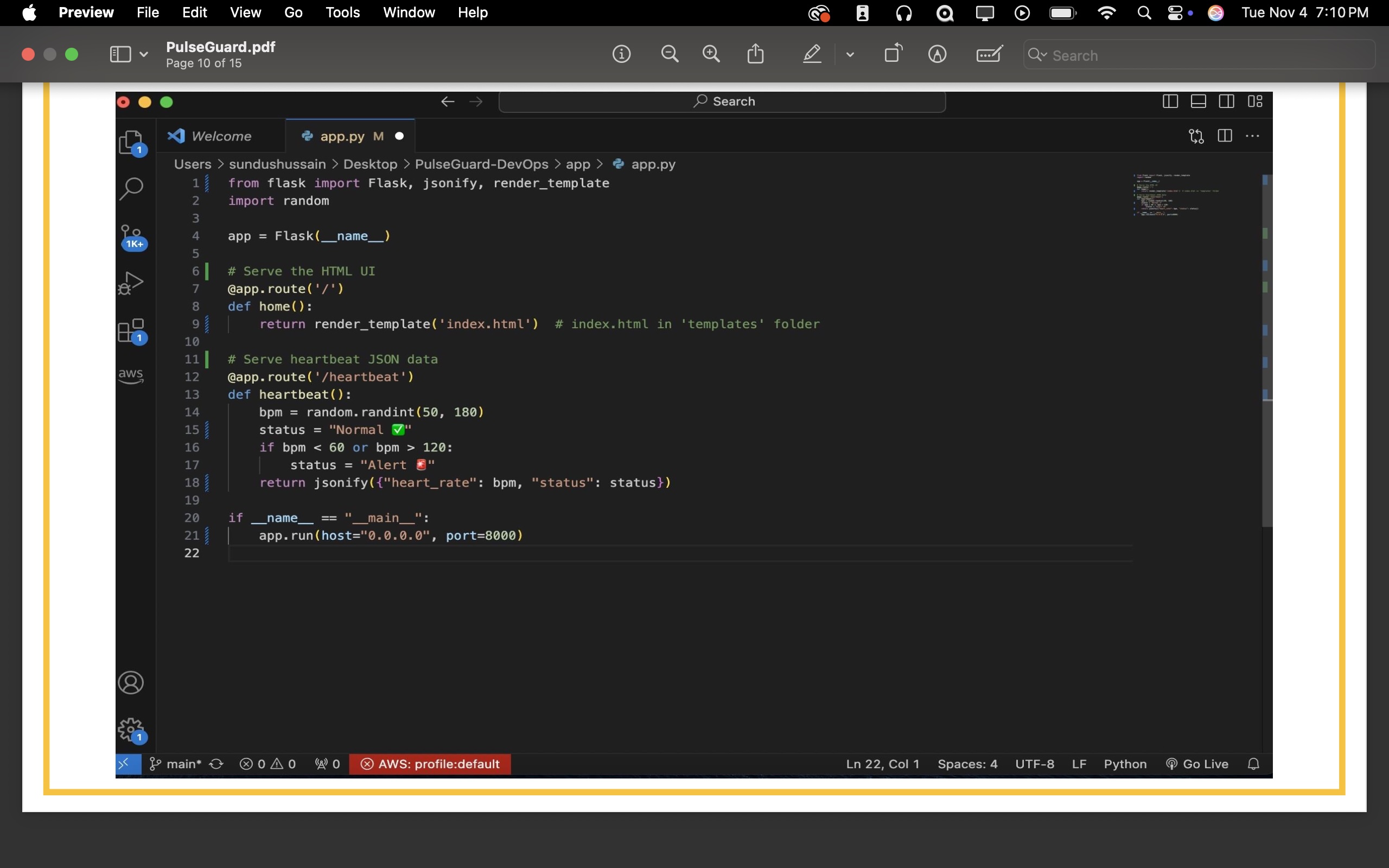
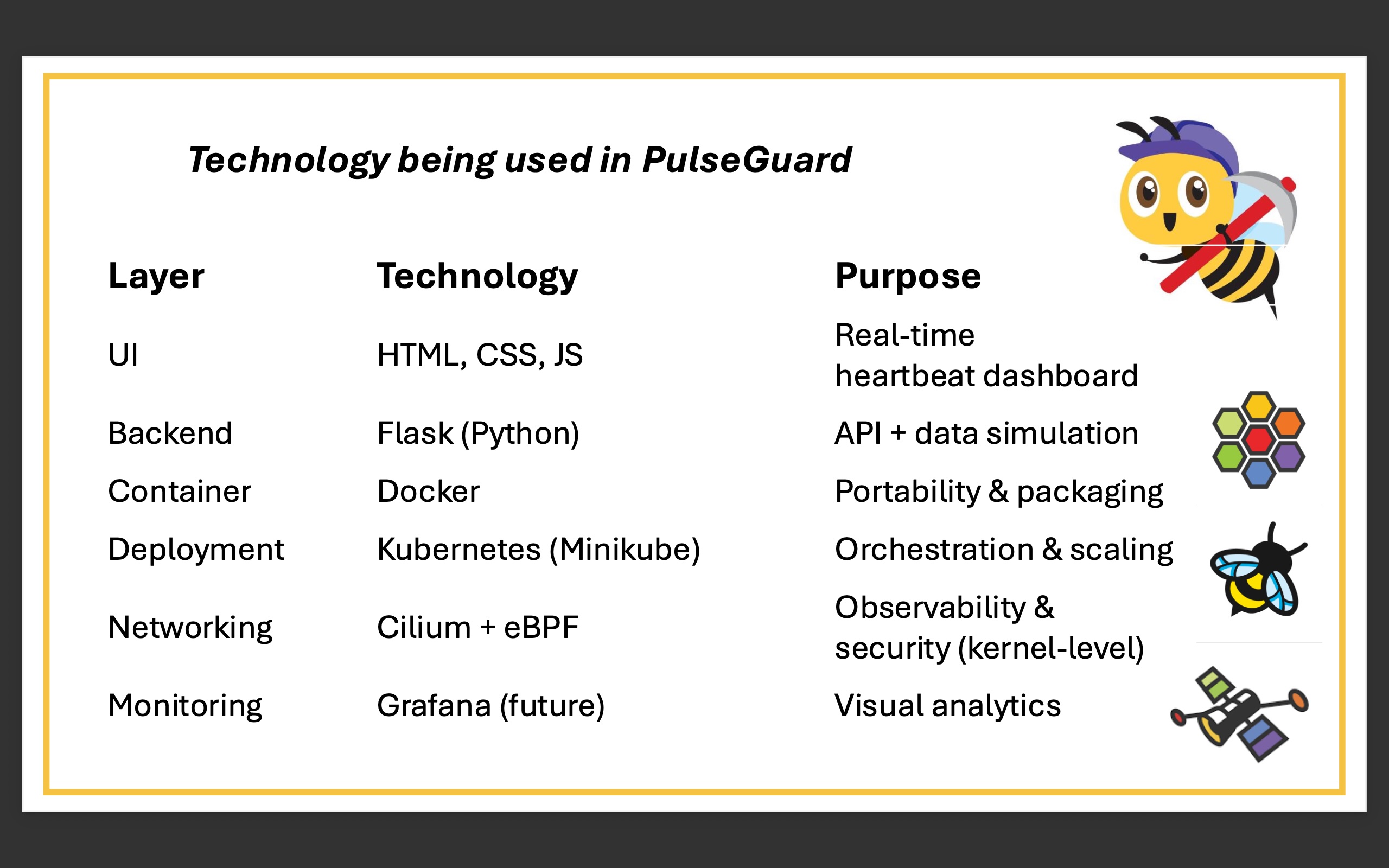
We built a real-time heartbeat dashboard by combining multiple technology layers for performance, portability, and observability. The frontend, developed with HTML, CSS, and JavaScript, displays live heartbeat data dynamically. A Flask (Python) backend simulates and serves the data through APIs, acting as the bridge between the source and the UI. The entire application is containerized using Docker to ensure portability and consistency across environments, and deployed on Kubernetes (Minikube) for orchestration, scaling, and efficient management. For networking and security, we integrated Cilium with eBPF, providing kernel-level observability and monitoring. In the future, Grafana will be added for visual analytics and detailed monitoring of heartbeat trends. This layered approach demonstrates how technology can be combined to build scalable, observable, and real-time health monitoring solutions.
Project Walkthrough
https://drive.google.com/file/d/1gtsNg6zpcRzT2yWsghh-JBA-r-hhPOVQ/view?usp=drive_link
Challenges we ran into
We faced several challenges while building the real-time heartbeat monitoring system. Ensuring smooth, real-time data simulation and updates between the Flask backend and the JavaScript frontend required careful optimization to avoid delays. Containerizing the application in Docker introduced configuration hurdles, and deploying it on Kubernetes (Minikube) added complexity in managing pods, services, and networking. Integrating Cilium with eBPF was particularly challenging due to kernel-level configurations and ensuring proper observability and security policies. We also encountered difficulties in scaling the system under load and debugging issues across multiple layers from UI to backend, containers, networking, and orchestration—which required coordinated troubleshooting and testing.
Accomplishments that we're proud of
We’re proud that we were able to build PulseGuard, a real-time heartbeat monitoring system that demonstrates how technology can truly save lives. Creating a solution that streams and processes data instantly and can be used easily by many people was a major achievement. We successfully integrated multiple technologies, from Flask and Docker to Kubernetes and Cilium, proving that a lightweight idea can be transformed into a powerful, scalable, and user-friendly system. Most importantly, this project showed us how innovation can directly contribute to early detection, preventive care, and improved health outcomes.
What we learned
Through this project, we gained a deep understanding of how modern cloud-native technologies can enhance real-time health applications. One of the biggest learnings was the power of Cilium and eBPF. We learned that Cilium uses eBPF to run programs directly inside the Linux kernel, giving us much deeper visibility into network traffic, extremely low-latency monitoring, and advanced security enforcement without slowing down the system. This helped us understand how kernel-level observability can improve reliability, detect anomalies faster, and secure microservices in a Kubernetes environment. We also learned how to containerize applications, deploy them on Kubernetes, and manage real-time data flows efficientlyskills that are essential for building scalable healthtech solutions like PulseGuard.
What's next for PulseGuard
Next, we plan to expand PulseGuard from a real-time dashboard into a more intelligent and life-saving health platform. The first step is integrating Grafana for advanced analytics, trend visualization, and alerting to detect abnormal heart patterns early. We also aim to replace simulated data with real sensor inputs from IoT wearables to bring the system closer to real-world use. Adding machine learning models for anomaly detection such as identifying early signs of arrhythmia will further enhance its predictive capabilities. On the infrastructure side, we plan to deploy PulseGuard on a full-scale cloud platform (AWS or GCP) for global scalability, improve its security with fine-grained Cilium policies, and build a mobile-friendly interface so users can monitor heart health anytime, anywhere. Ultimately, our goal is to transform PulseGuard into an accessible healthtech tool that can empower families, caregivers, and communities to save lives through technology.
Built with
HTML, CSS, JavaScript – For the real-time and user-friendly heartbeat monitoring dashboard.
Flask (Python) – Backend API for data simulation and communication with the UI.
Docker – Containerization to ensure portability and consistent deployment.
Kubernetes (Minikube) – Orchestration and scaling of the application across pods.
Cilium + eBPF – Kernel-level networking, observability, and enhanced security.
Grafana (future integration) – Planned for advanced visualization and health analytics.
Built With
- cilium
- css
- docker
- ebpf
- flask
- grafana
- html
- javascript
- kubernetes


Log in or sign up for Devpost to join the conversation.