-
-
-
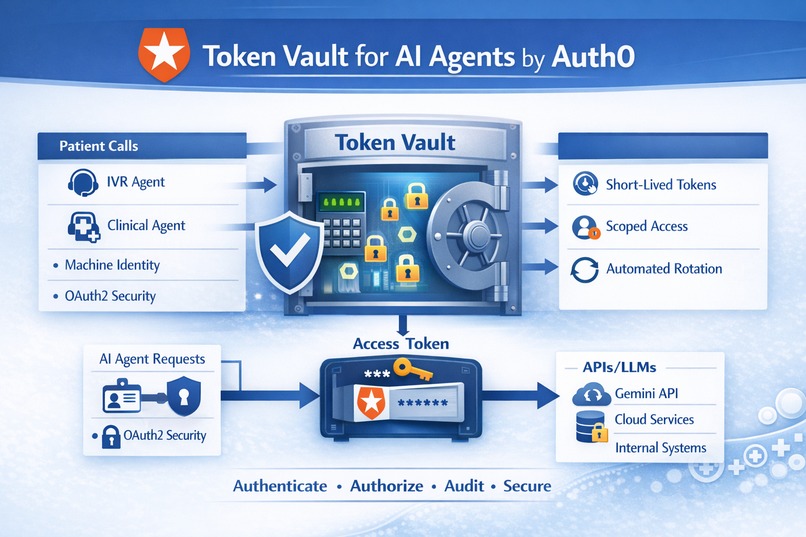
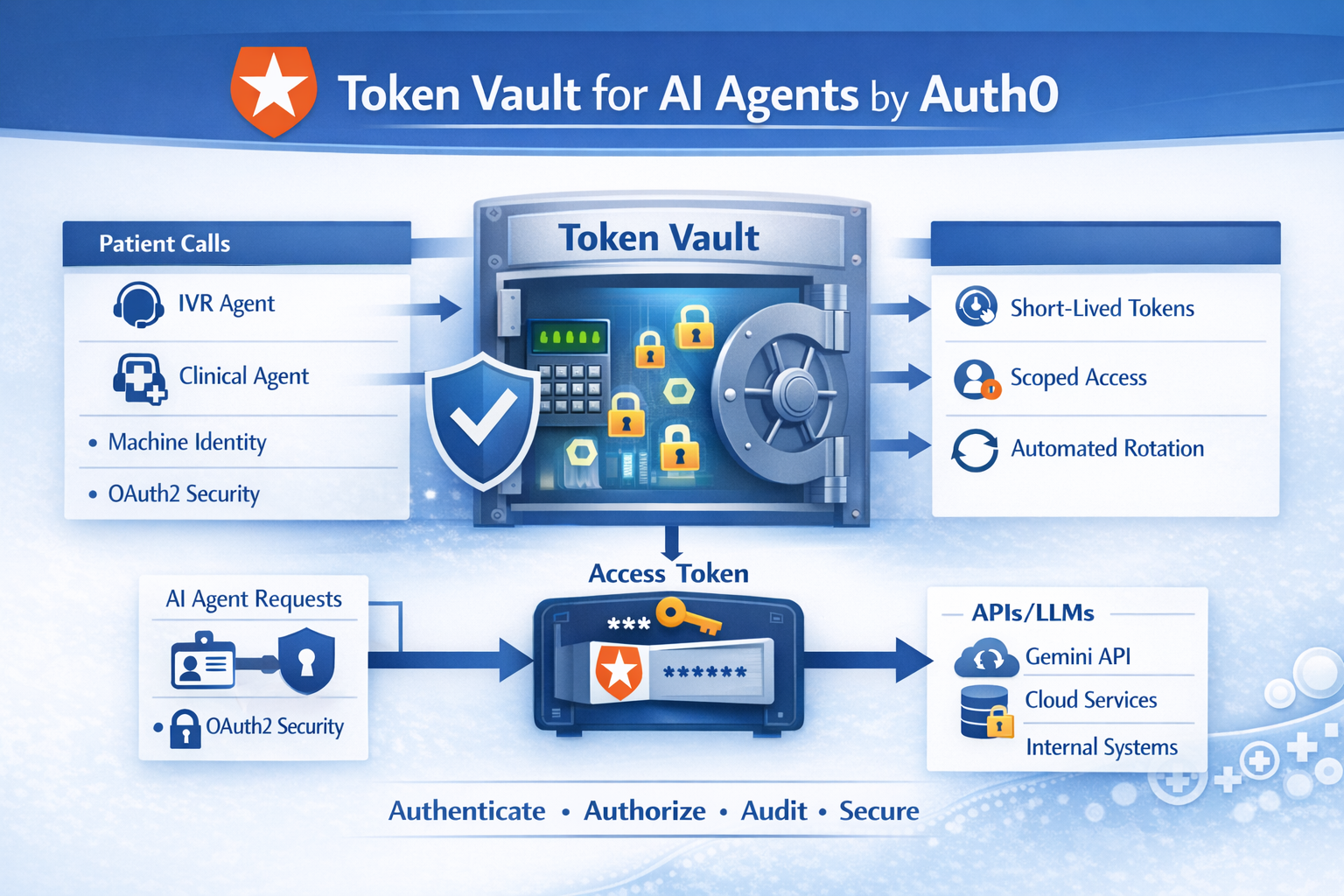
Token vault for AI agents
-
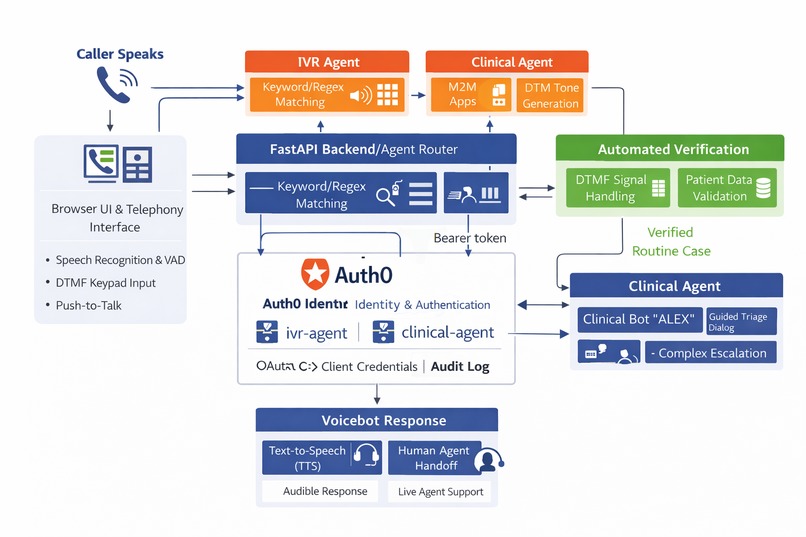
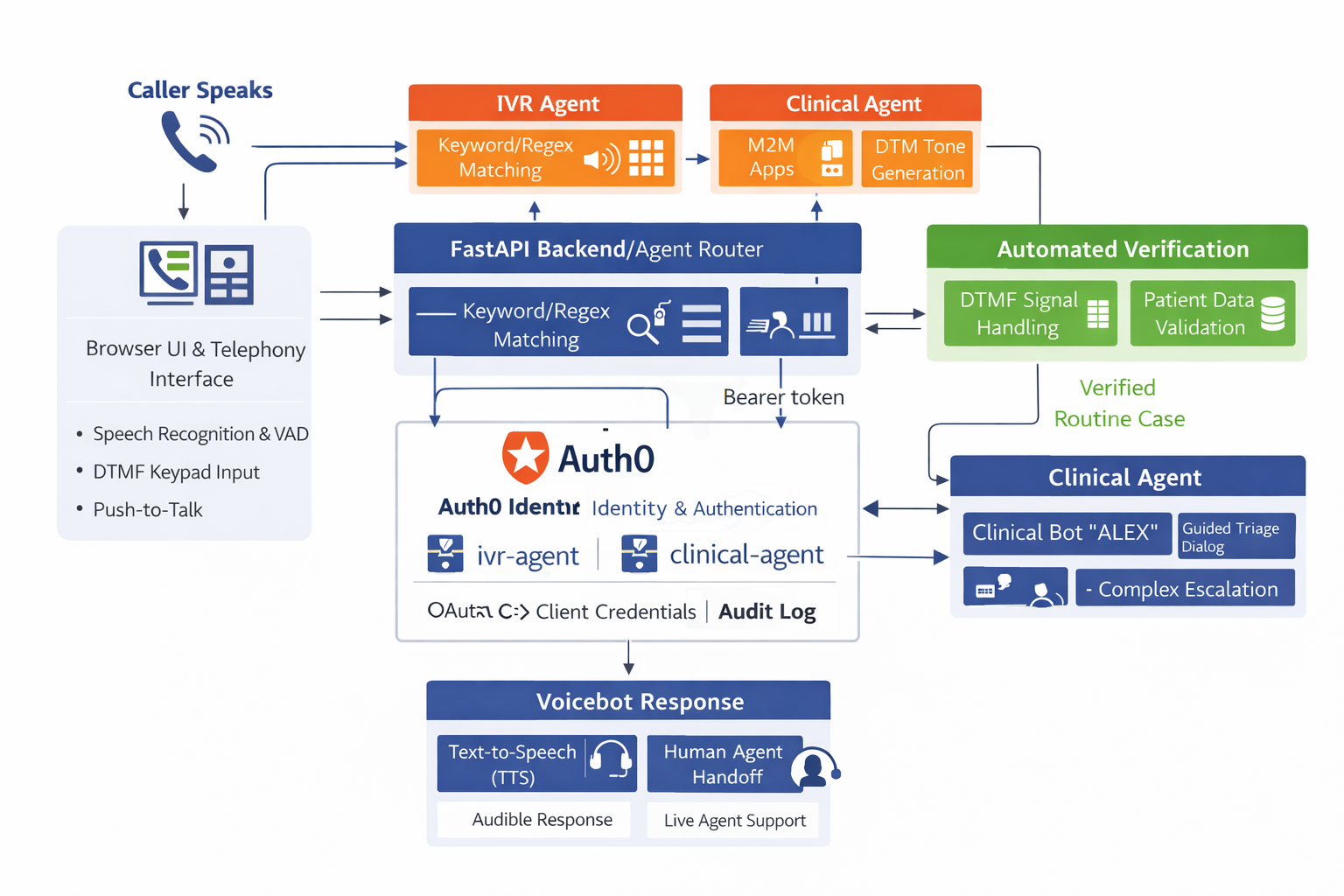
Architecture
-
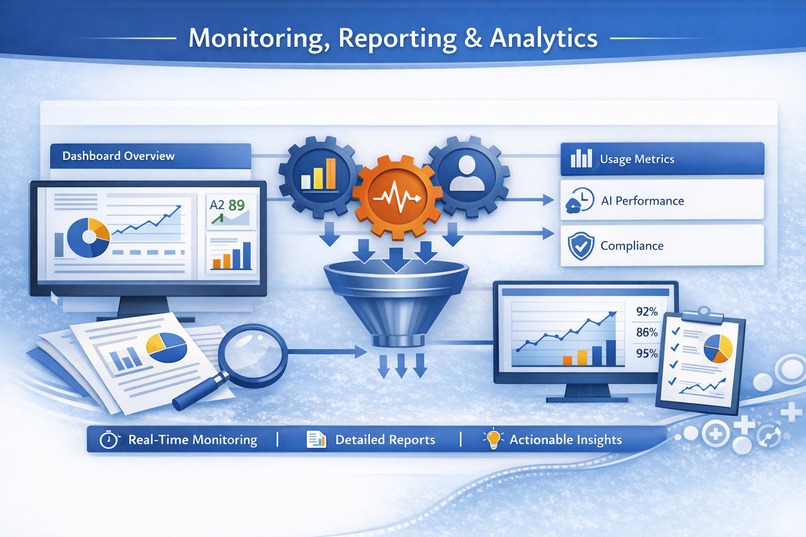
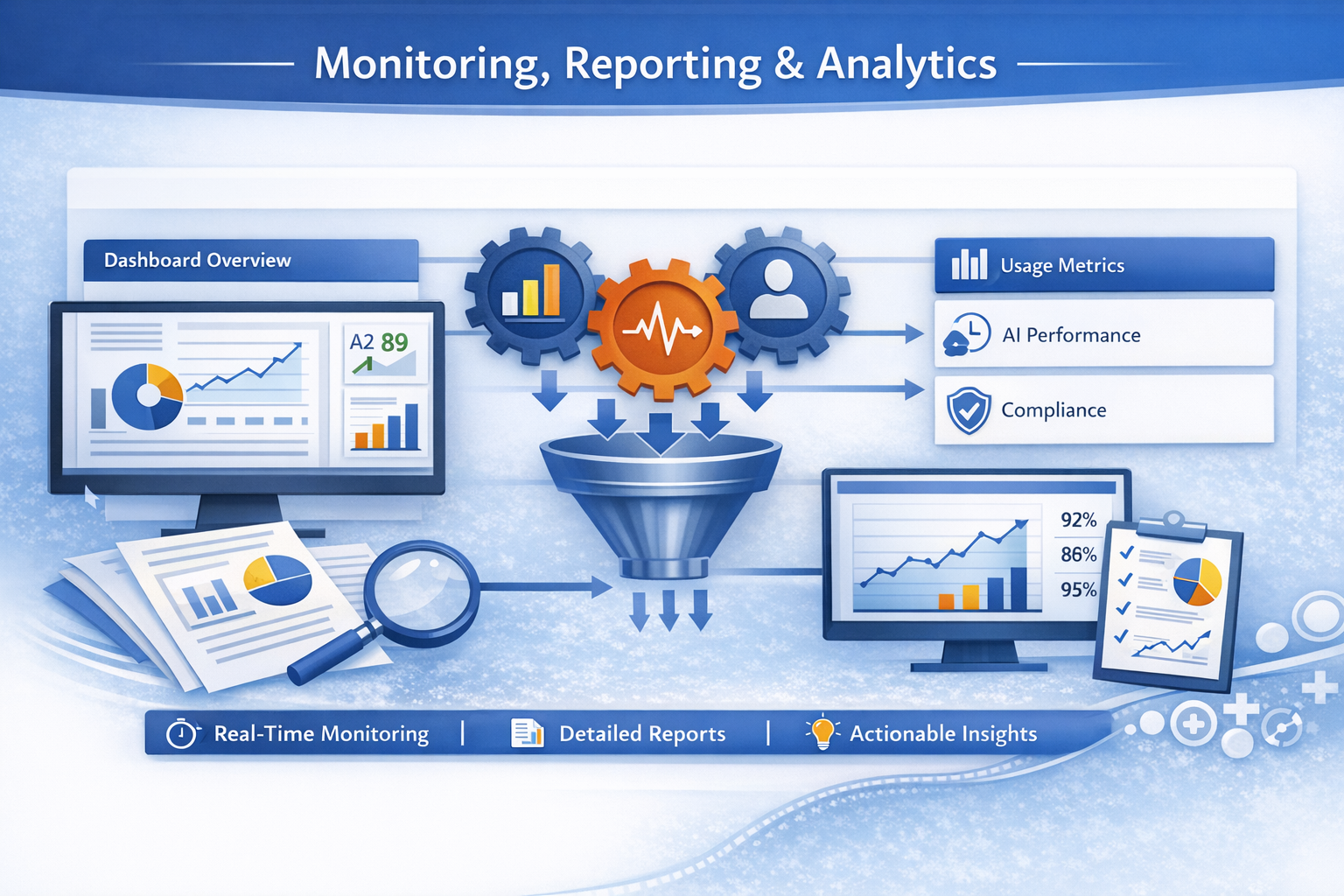
Monitoring, reporting and analytics
-
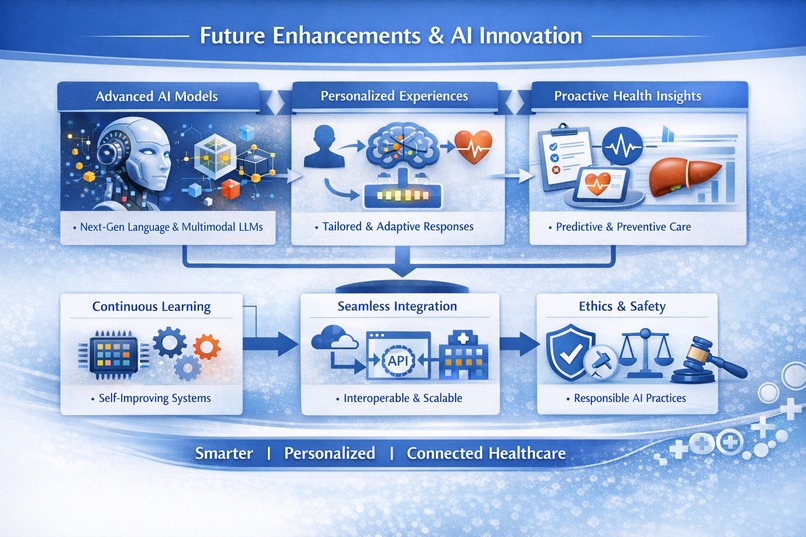
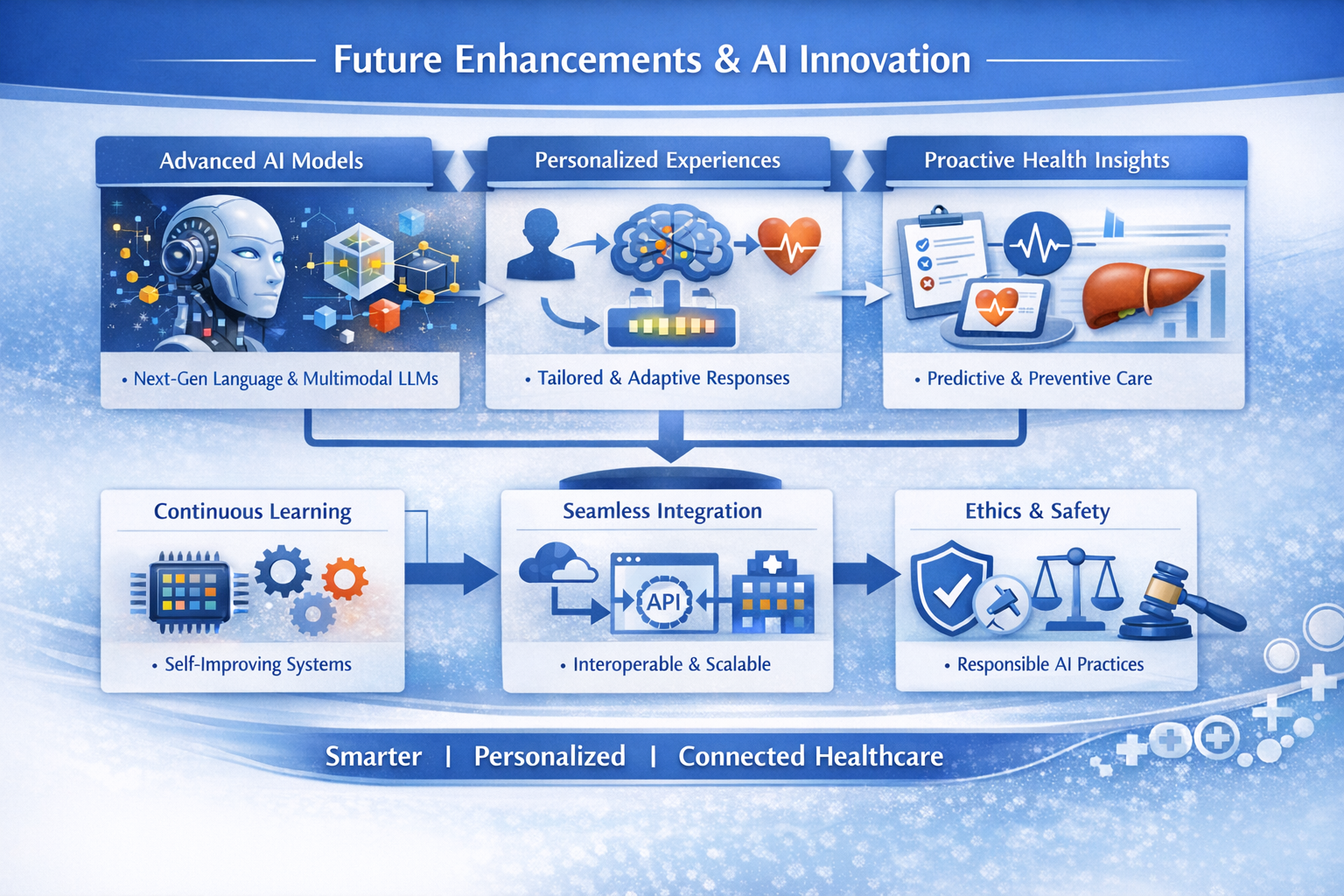
Future Enhancement

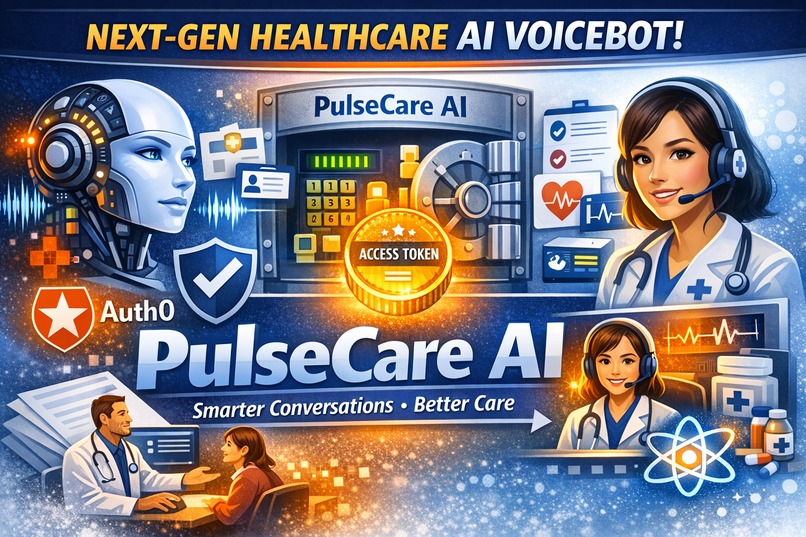
PulseCare AI
Smarter Conversations. Better Care.
What Inspired Us
Healthcare access often starts with a phone call—but that first touchpoint is frequently slow, frustrating, and overloaded with manual steps. Long IVR menus, repeated identity checks, and delayed escalations create stress for patients and inefficiency for care teams.
We were inspired to rethink this moment.
Our core belief was simple:
If humans need identity and trust to access healthcare systems, AI agents should too.
That idea led to PulseCare AI—a secure, identity‑driven voice automation platform designed to make patient interactions faster, safer, and more human‑like, even when handled by AI.
What We Built
PulseCare AI is an AI‑powered voice and IVR platform that intelligently routes patient calls using both deterministic logic and large language models—while treating AI agents as first‑class digital identities.
At a high level, the system works like this:
- Incoming patient calls are handled by an IVR fast‑path, using regex rules and DTMF to quickly resolve routine cases.
- When intent is unclear or complexity increases, the call is routed to an AI agent powered by Gemini.
- Each AI agent (IVR agent or Clinical agent) authenticates using Auth0 Token Vault via OAuth 2.0, receiving short‑lived, scoped access tokens.
- Routine cases are resolved automatically, while complex or clinical scenarios escalate to a clinical AI agent or a human handoff, with full context preserved.
This architecture allows us to balance speed, safety, and scalability without compromising patient trust.
What We Learned
Building PulseCare AI taught us several key lessons:
AI needs identity, not just intelligence
Without proper authentication and authorization, AI systems become risky at scale. Treating agents like users—using OAuth, scopes, and audit logs—changes that completely.Deterministic logic still matters
Not every problem needs an LLM. Regex, FSMs, and fast‑paths dramatically reduce latency and cost while improving reliability.Healthcare systems must be explainable
Judges, clinicians, and security teams care as much about how decisions are made as what decisions are made. Observability and transparency are not optional.
How We Built It
From a technical standpoint, PulseCare AI combines multiple layers:
- FastAPI backend acting as the central agent router
- IVR FSM + regex engine for deterministic handling
- Gemini LLM for intent classification and reasoning
- Auth0 for AI Agents providing:
- OAuth 2.0 client‑credentials authentication
- Short‑lived, scoped tokens per agent
- Full auditability and revocation control
- Text‑to‑Speech and voice response handling for natural interactions
Mathematically, our routing logic can be thought of as a confidence‑based decision function:
[ f(\text{input}) = \begin{cases} \text{Fast Path}, & \text{if } C \ge \theta \ \text{LLM Reasoning}, & \text{if } C < \theta \end{cases} ]
Where:
- (C) = confidence score from deterministic checks
- (\theta) = threshold for escalation
This hybrid approach ensures both predictability and intelligence.
Challenges We Faced
Designing secure AI identities
Moving away from static API keys required rethinking how AI agents authenticate, rotate credentials, and remain observable.Balancing latency vs intelligence
We had to carefully decide when to avoid LLM calls to keep call handling fast and cost‑effective.Maintaining clinical safety boundaries
Separating IVR and Clinical agents with distinct permissions was essential to prevent overreach and maintain PHI isolation.
Each challenge shaped the final architecture and made the system stronger.
Why PulseCare AI Matters
PulseCare AI isn’t just a demo—it’s a blueprint for how AI can safely operate in real‑world healthcare environments. By combining secure identity, smart automation, and thoughtful escalation paths, we reduce friction for patients while increasing trust for providers.
PulseCare AI brings intelligent automation to healthcare—from the very first conversation.
Built With
- aiml
- anyio
- auth0
- cloud
- css
- fastapi
- gemini
- genai
- html
- javascript
- llm
- machine-learning
- python
- regex
- restapi
- tts


Log in or sign up for Devpost to join the conversation.