-
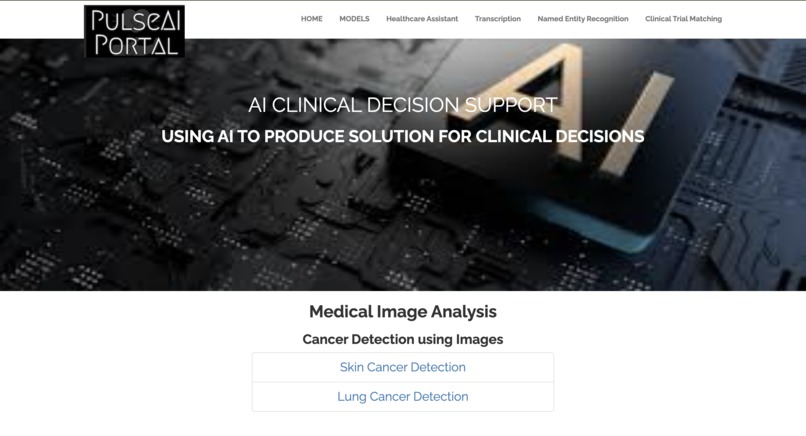
Home Page Clinical Decision Support System web app and cancer detection models
-
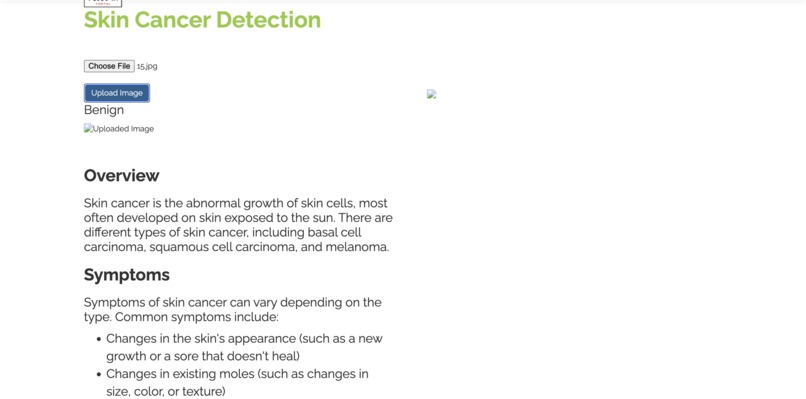
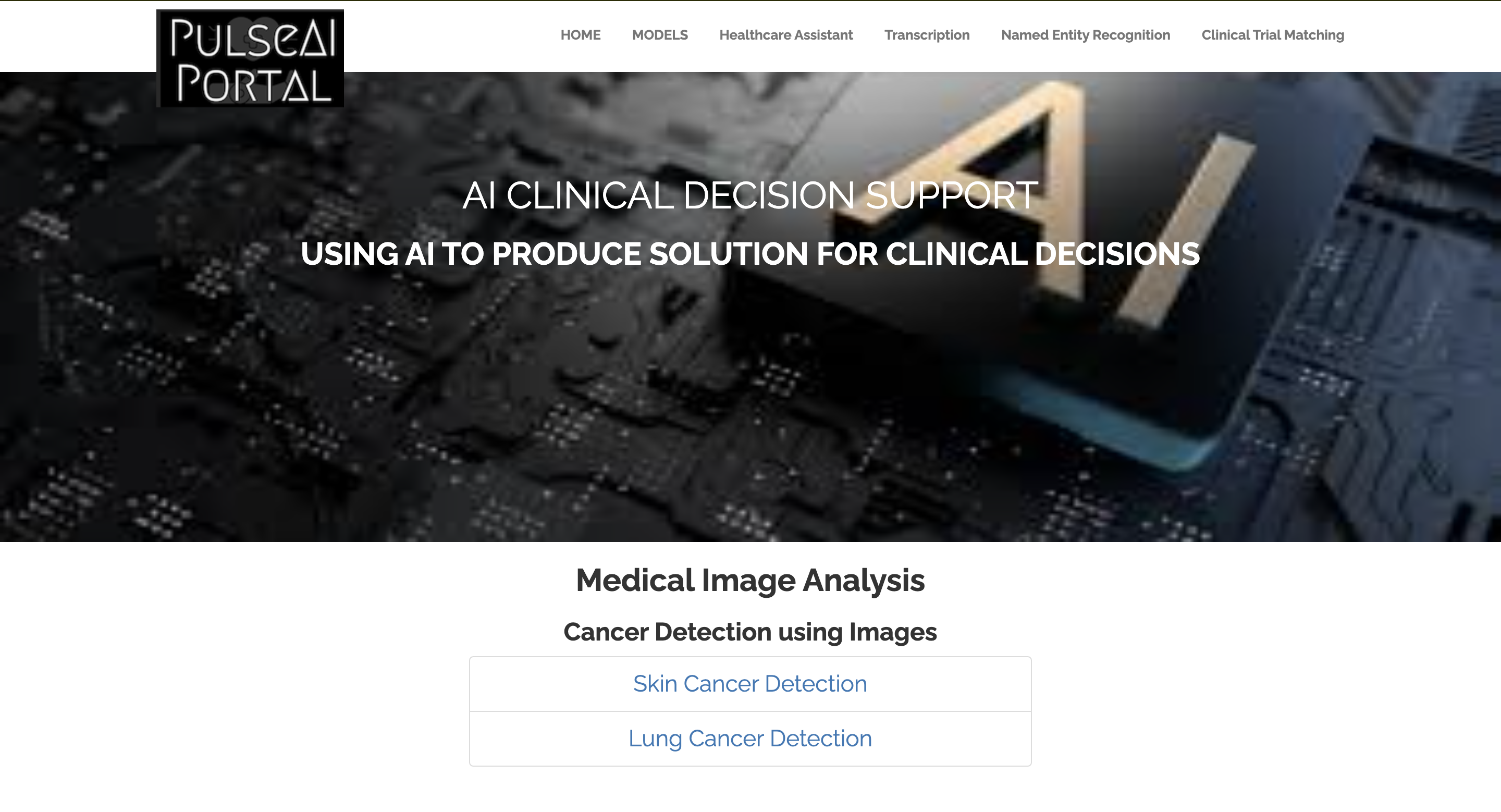
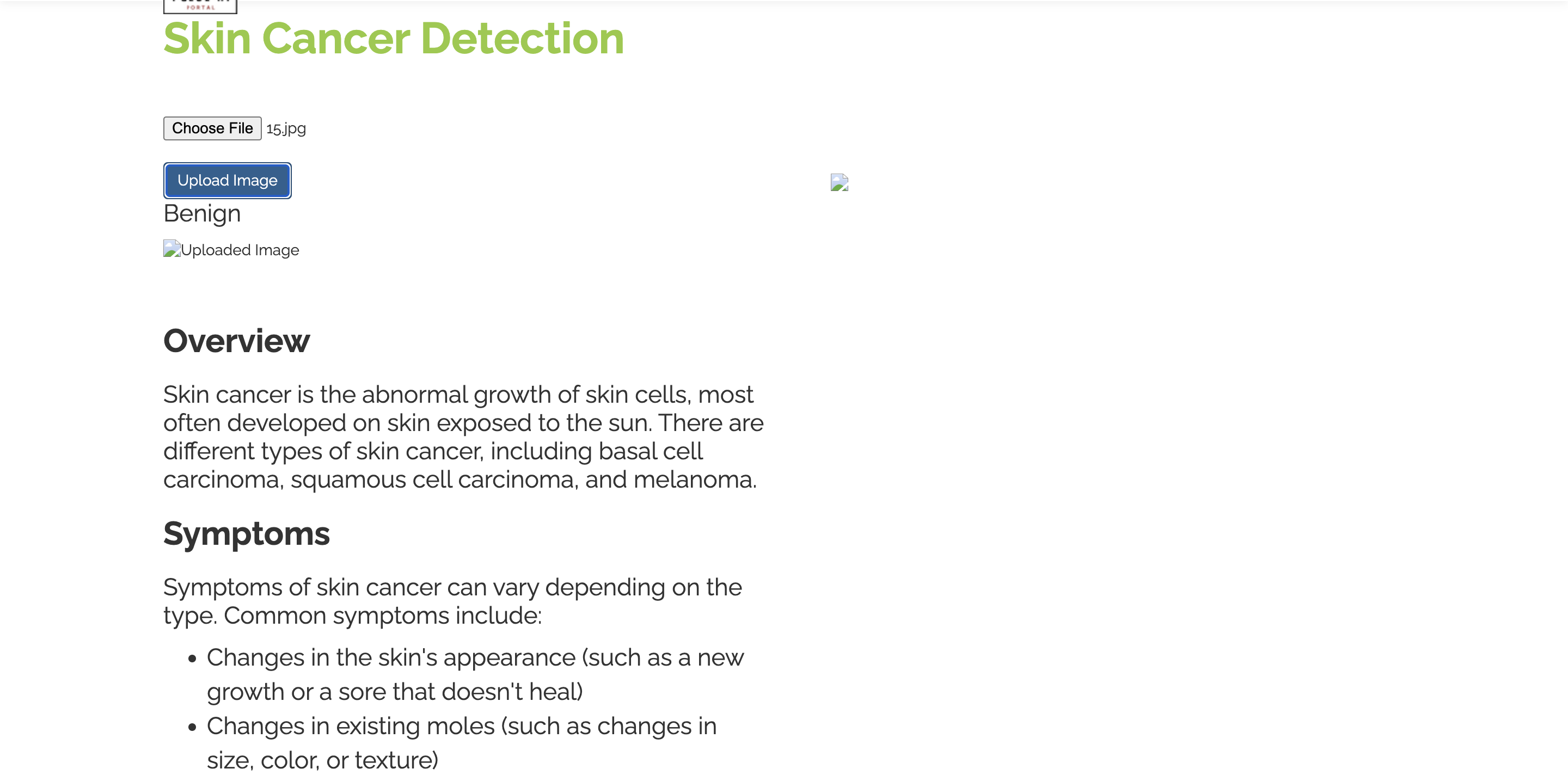
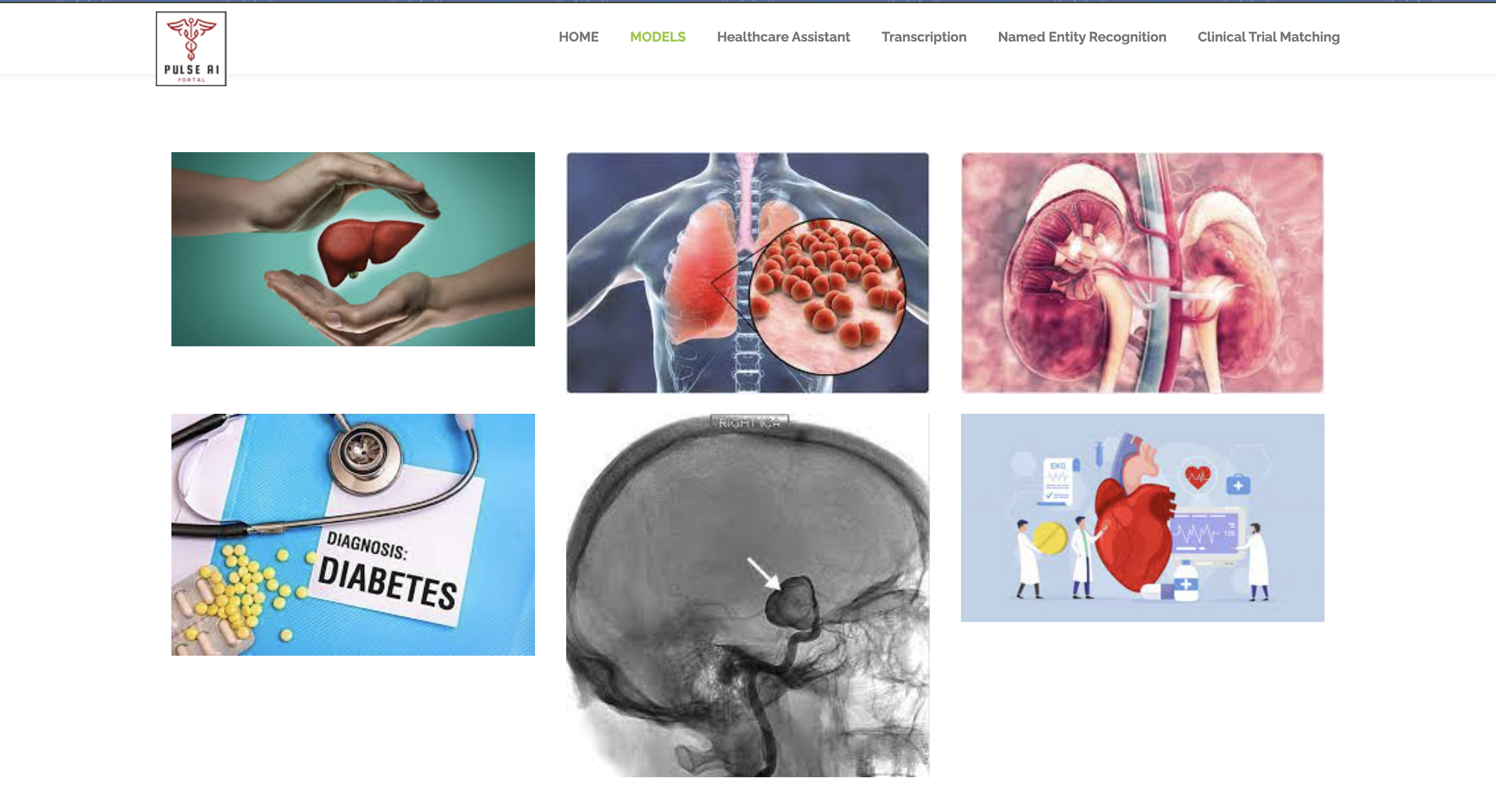
Skin cancer CNN output
-
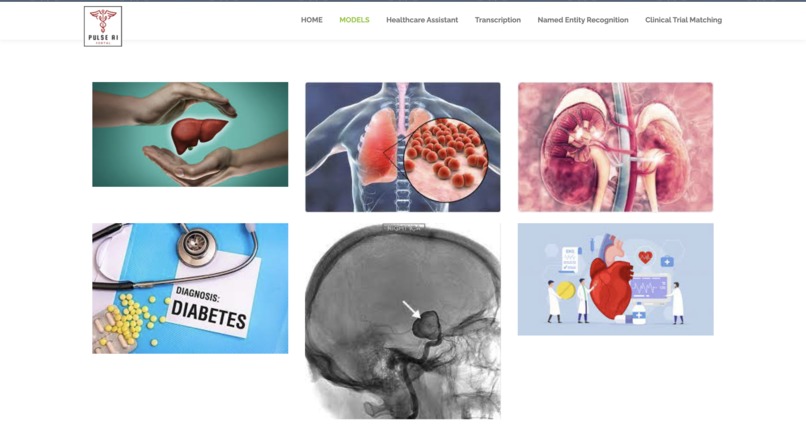
common disease detection machine learning model
-
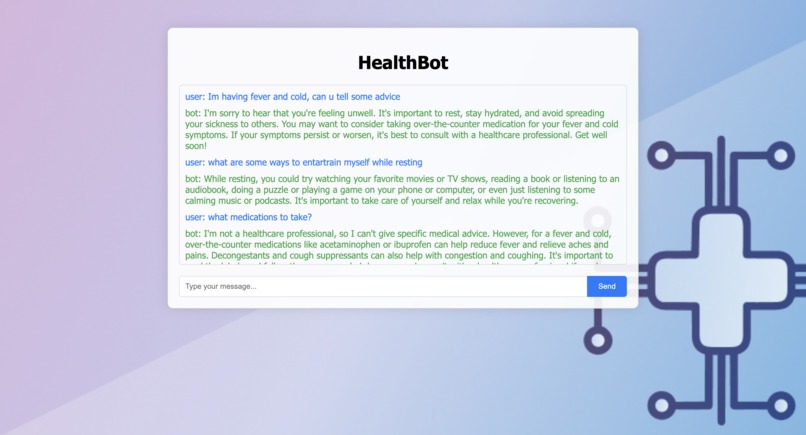
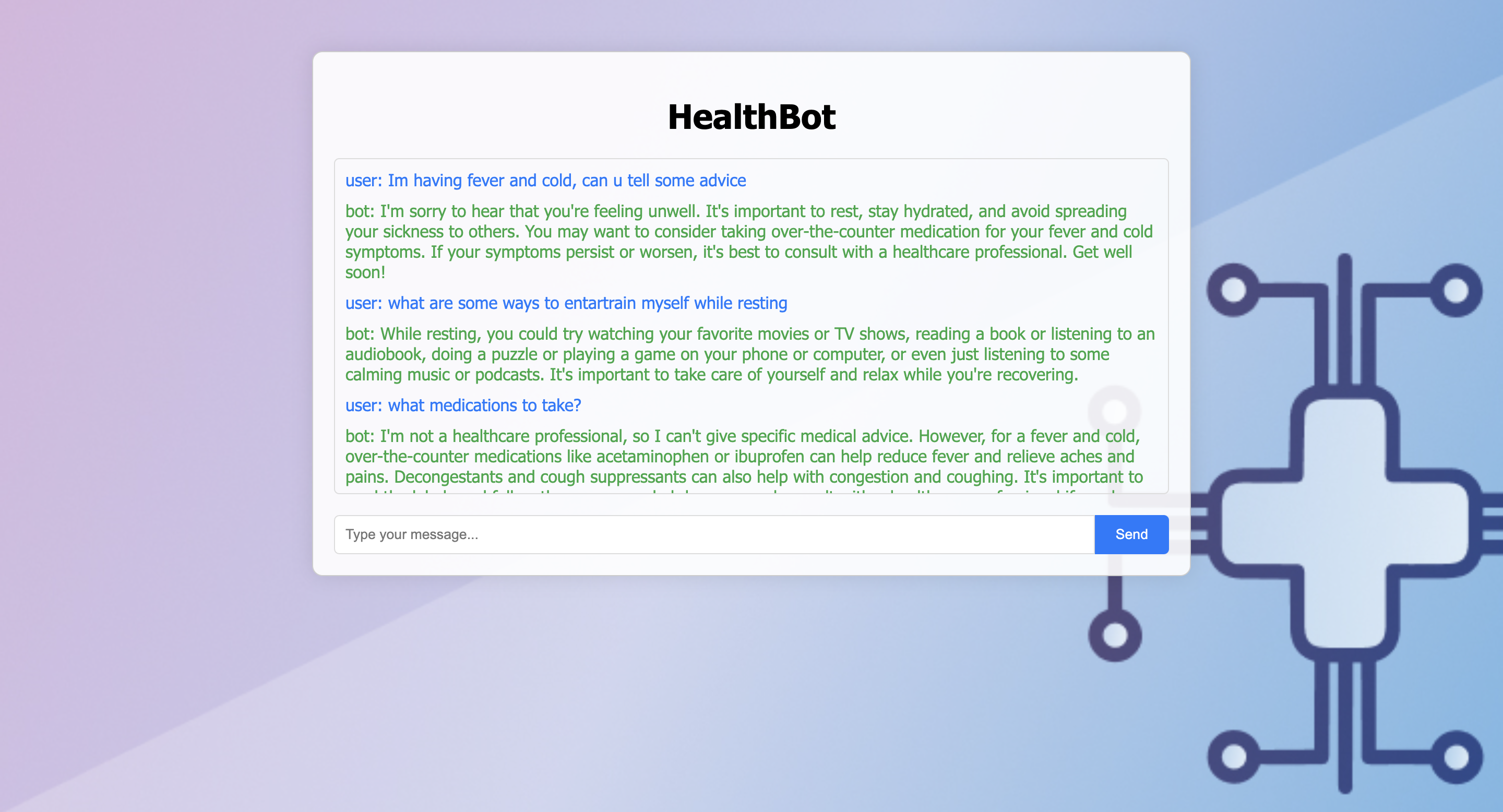
AI Powered Healthbot
-
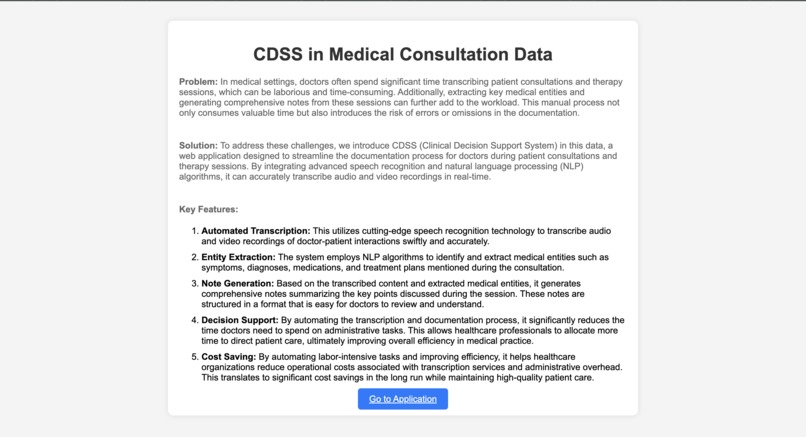
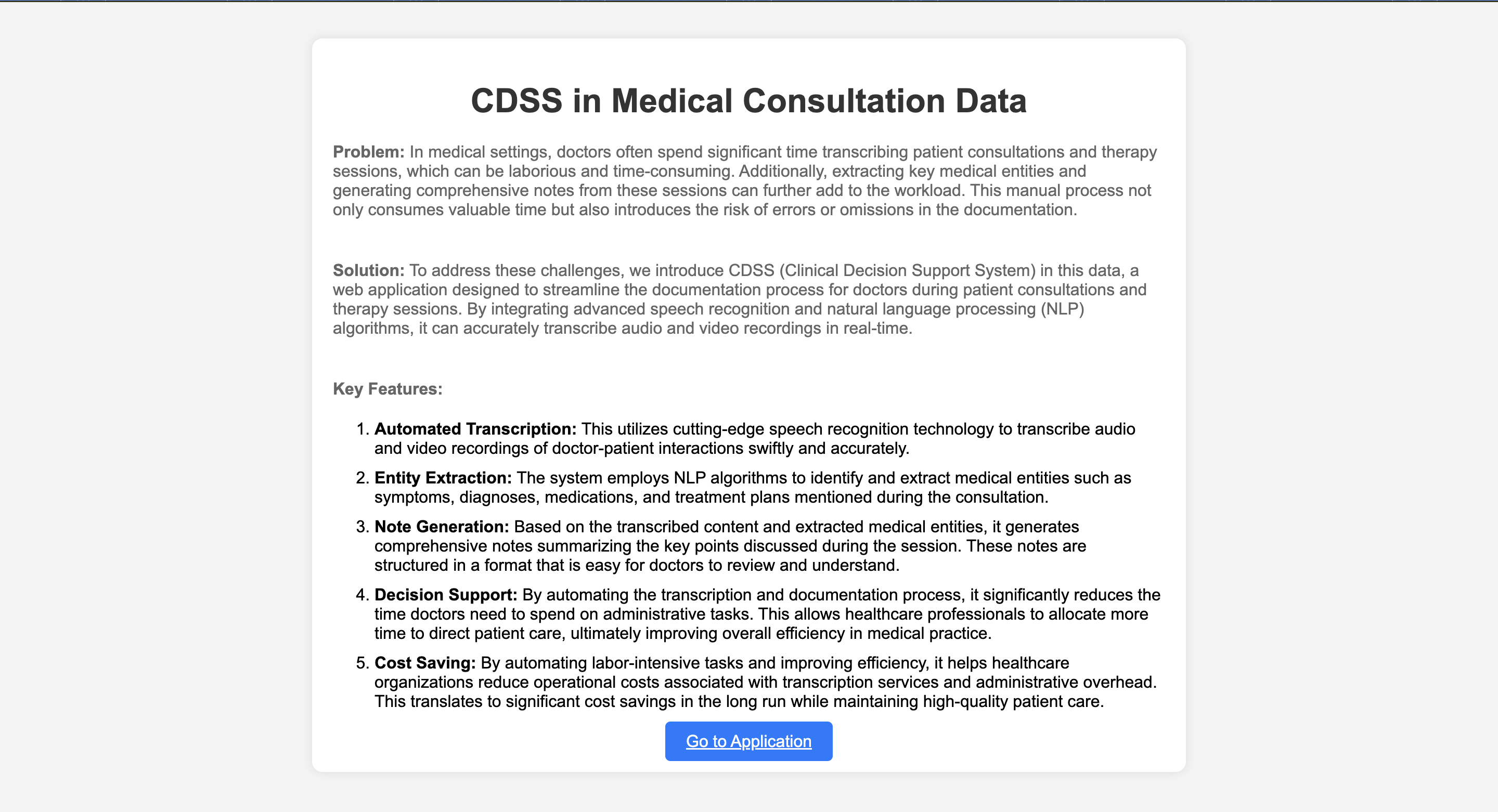
CDSS medical consultation data intro page
-
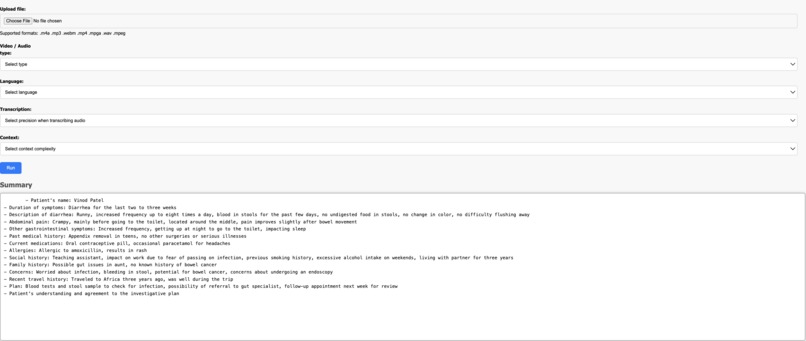
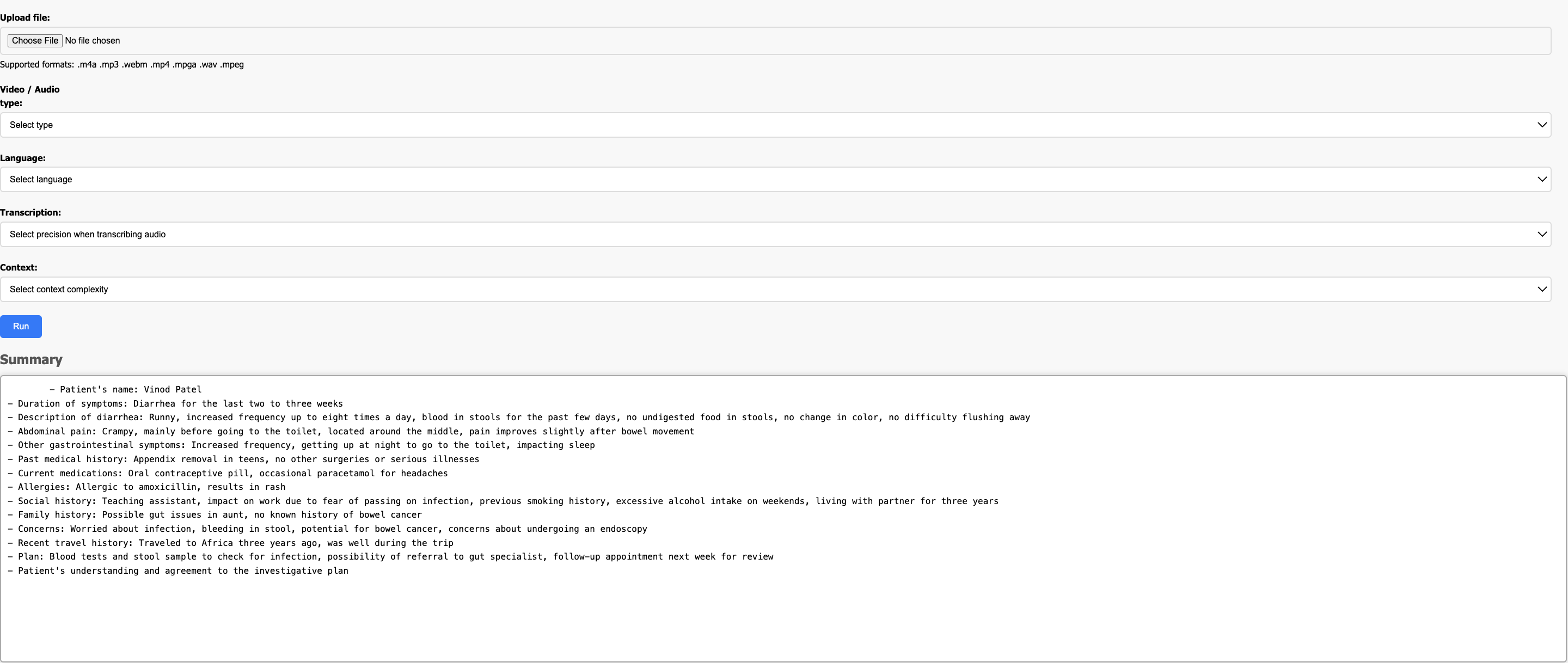
CDSS medical consultation data questionnaire
-
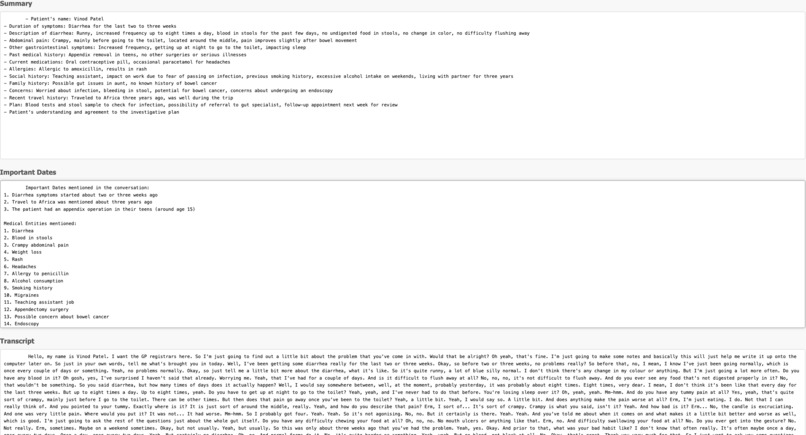
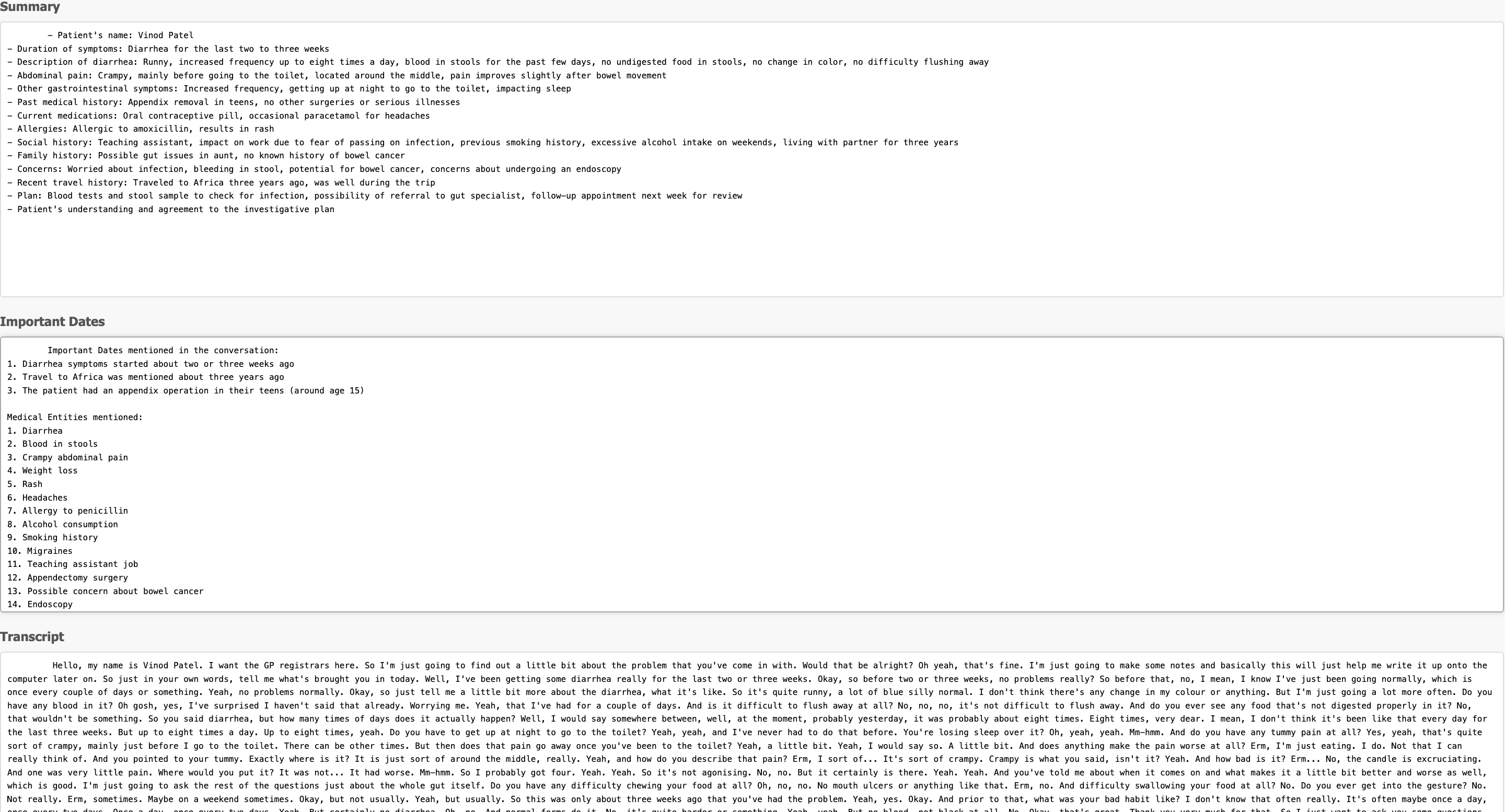
CDSS medical consultation data ouput from a video
-
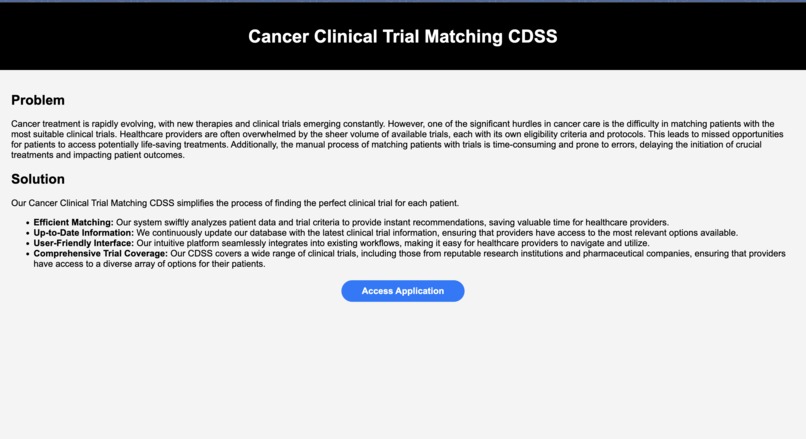
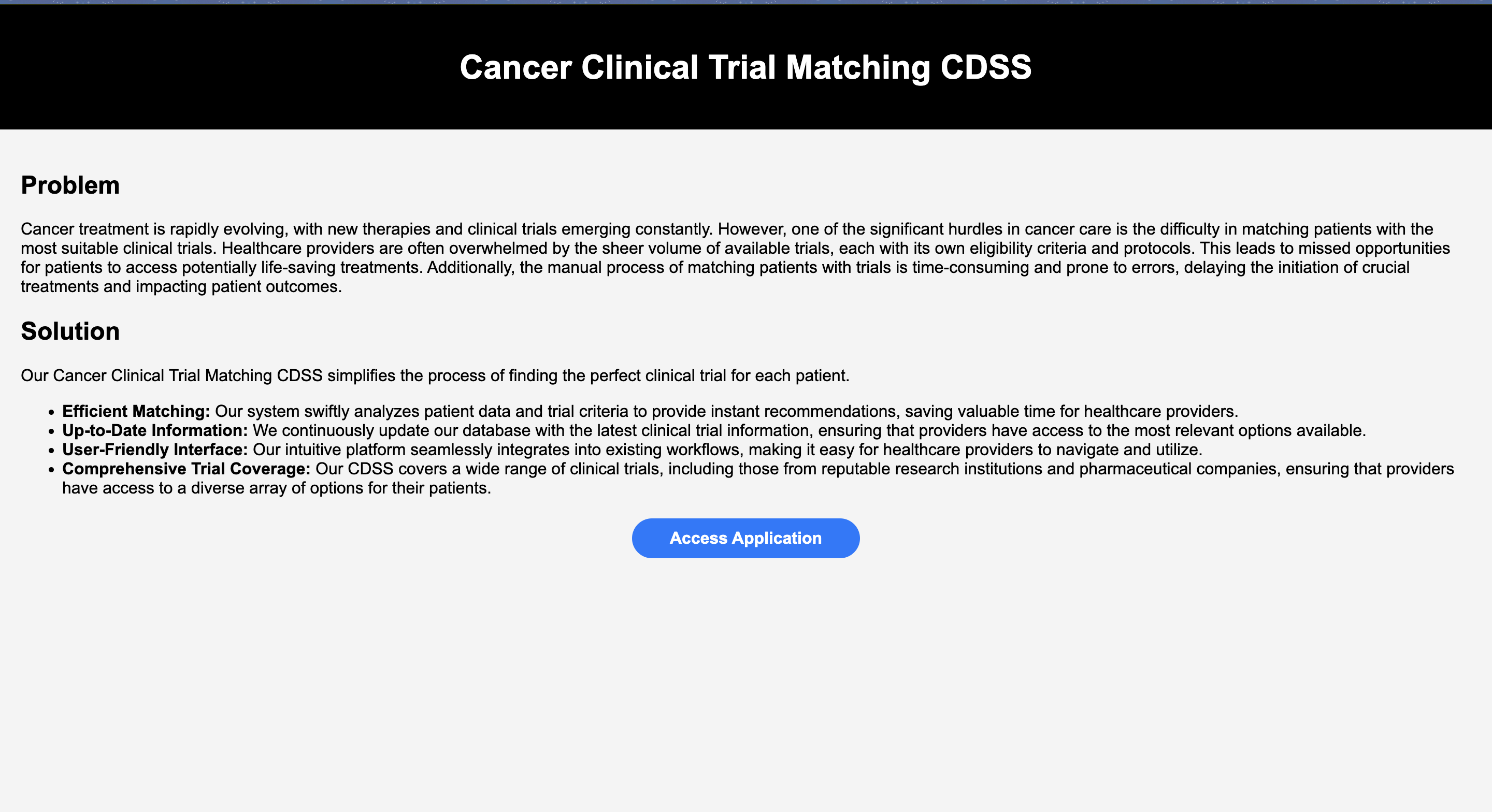
CDSS cancer clinical trial match intro page
-
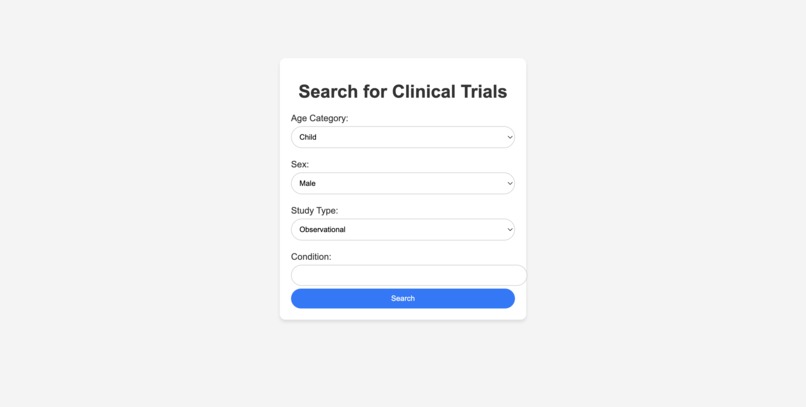
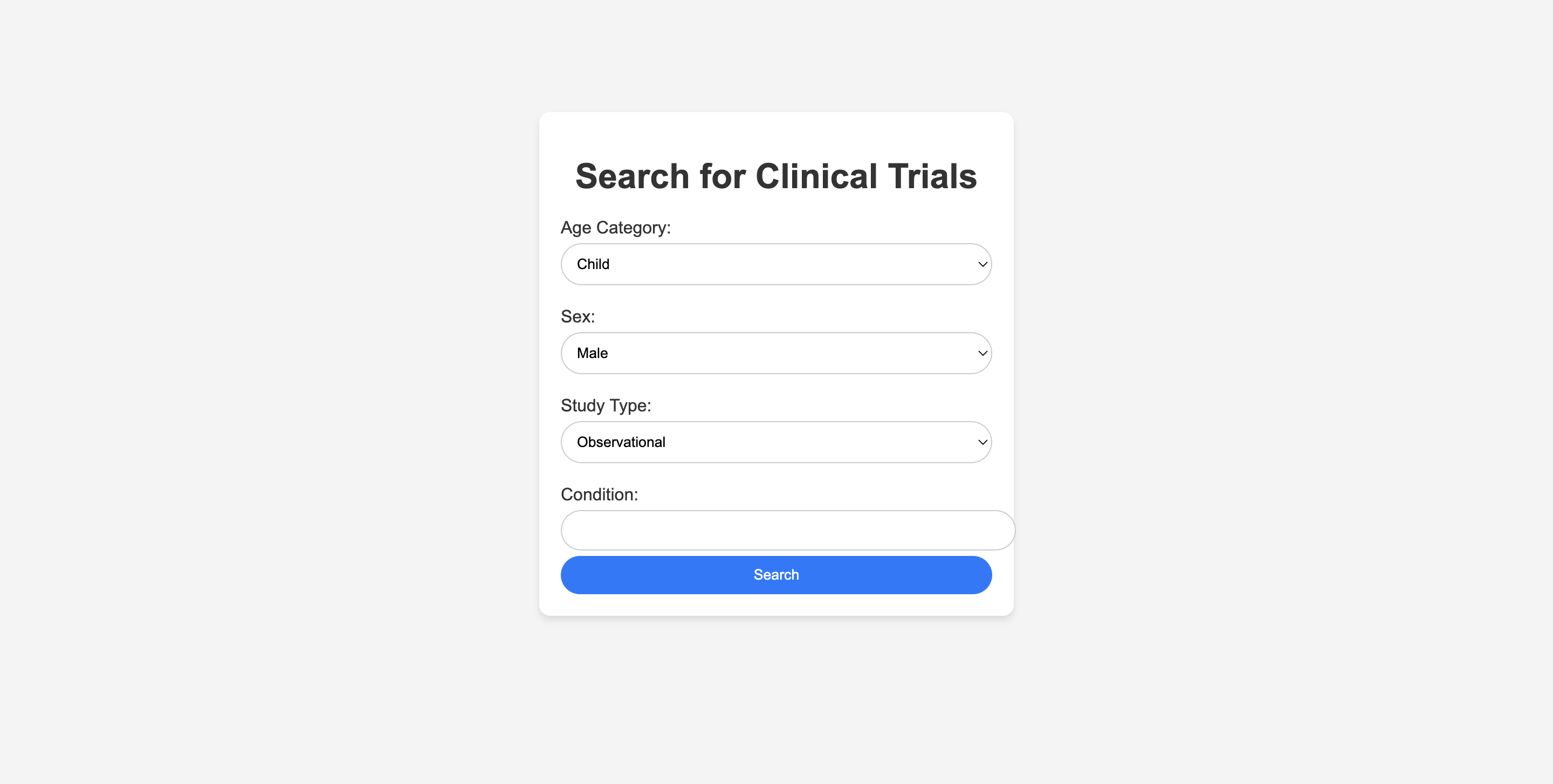
Questionnarie for CDSS cancer clinical trial
-
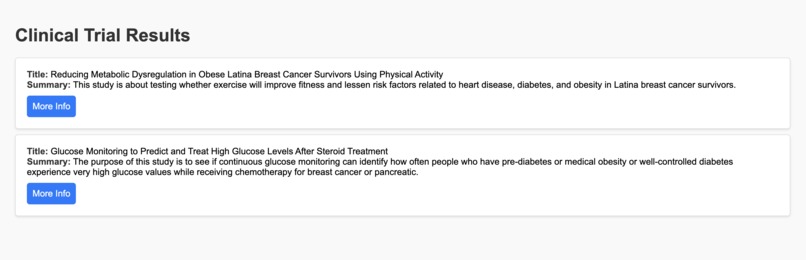
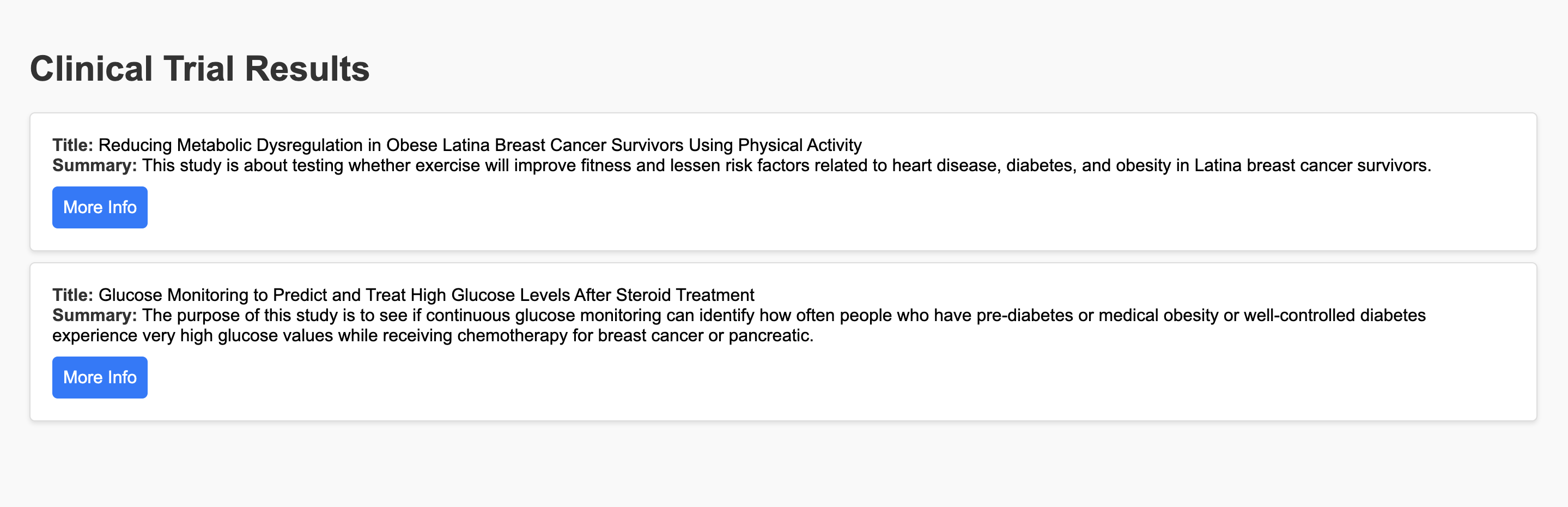
CDSS cancer clinical trial matched trials
-
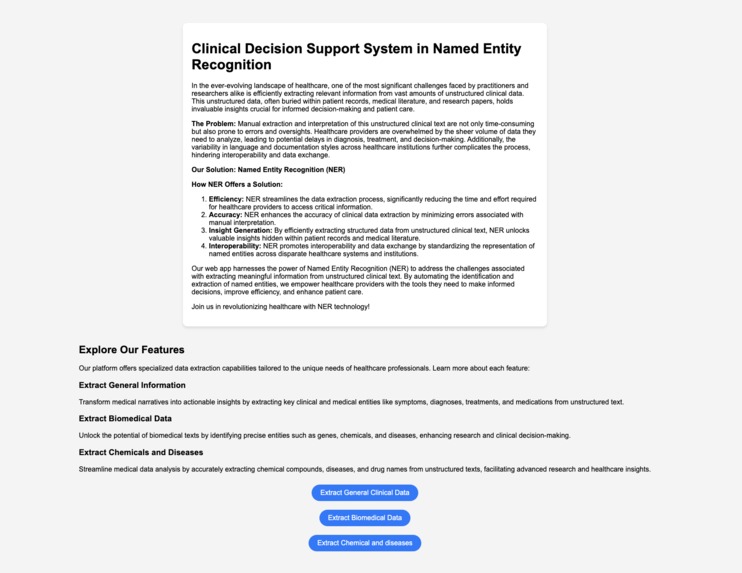
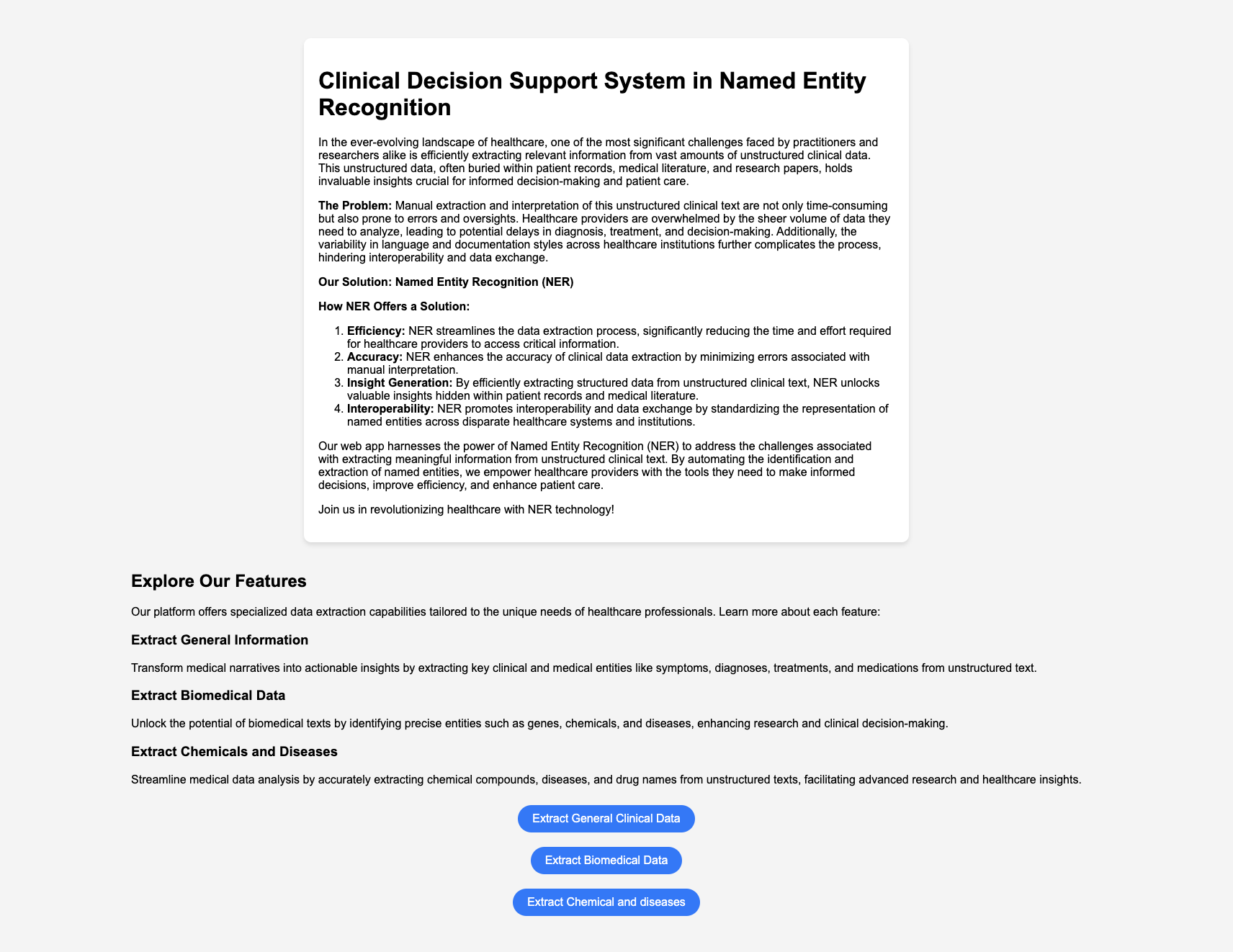
CDSS in Named Entity Recognition(NER) intro page
-
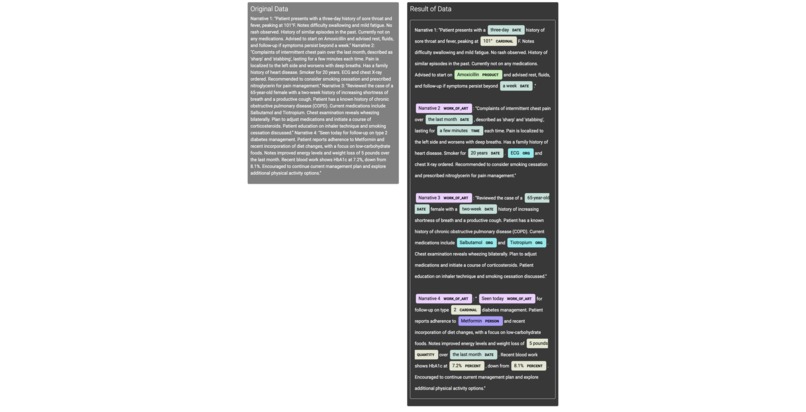
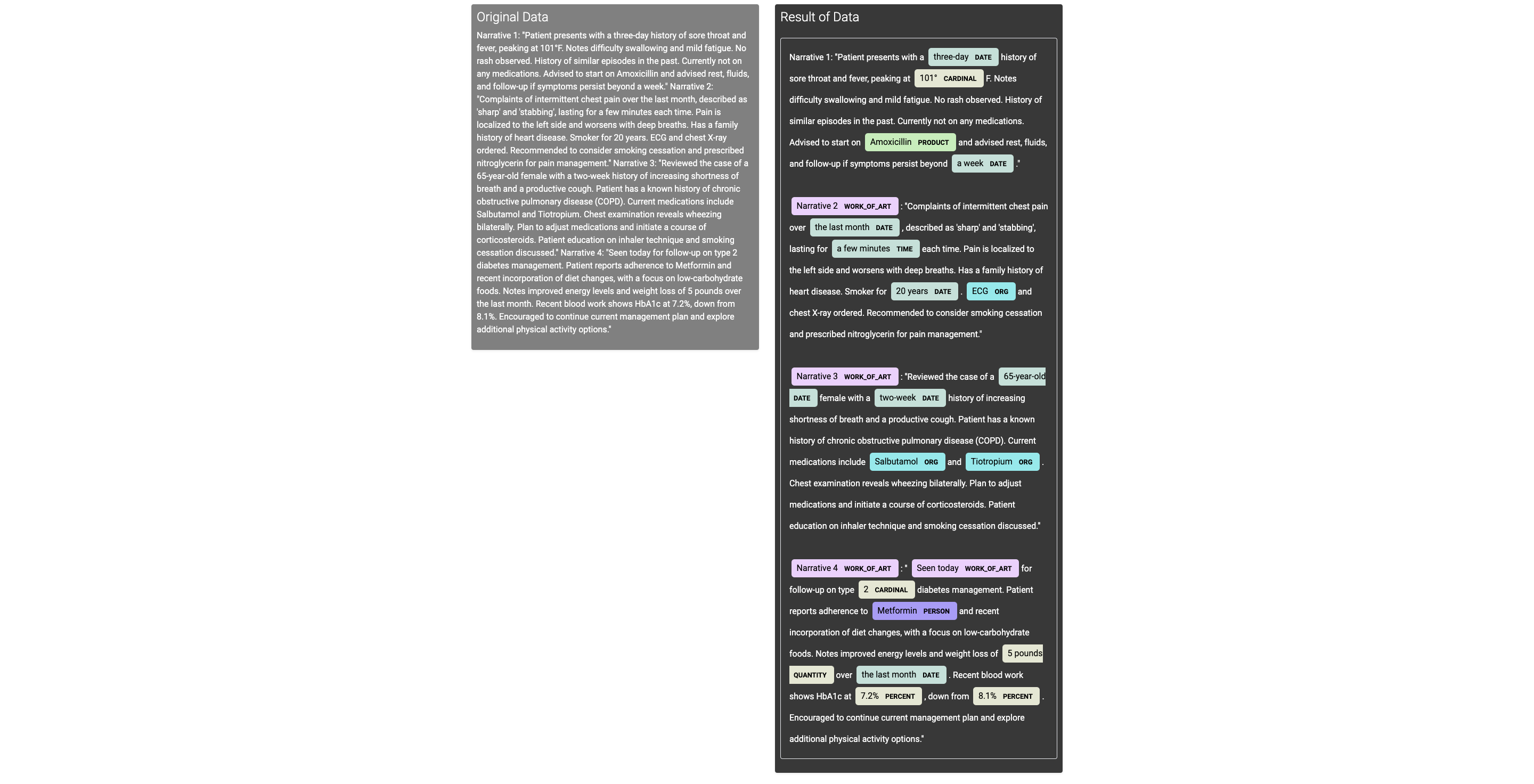
output of general info extraction in NER
-
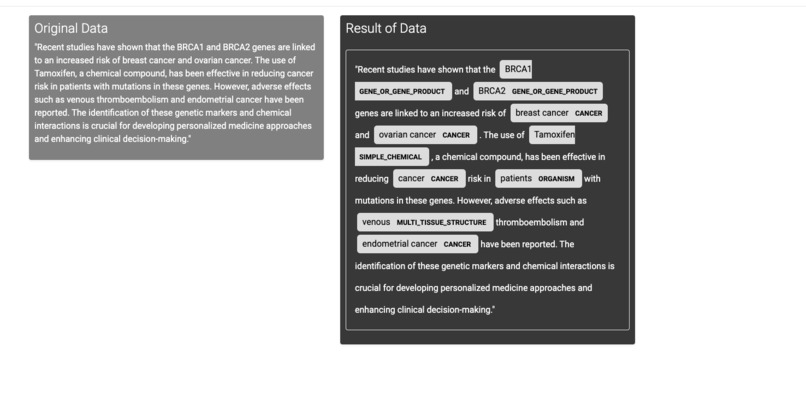
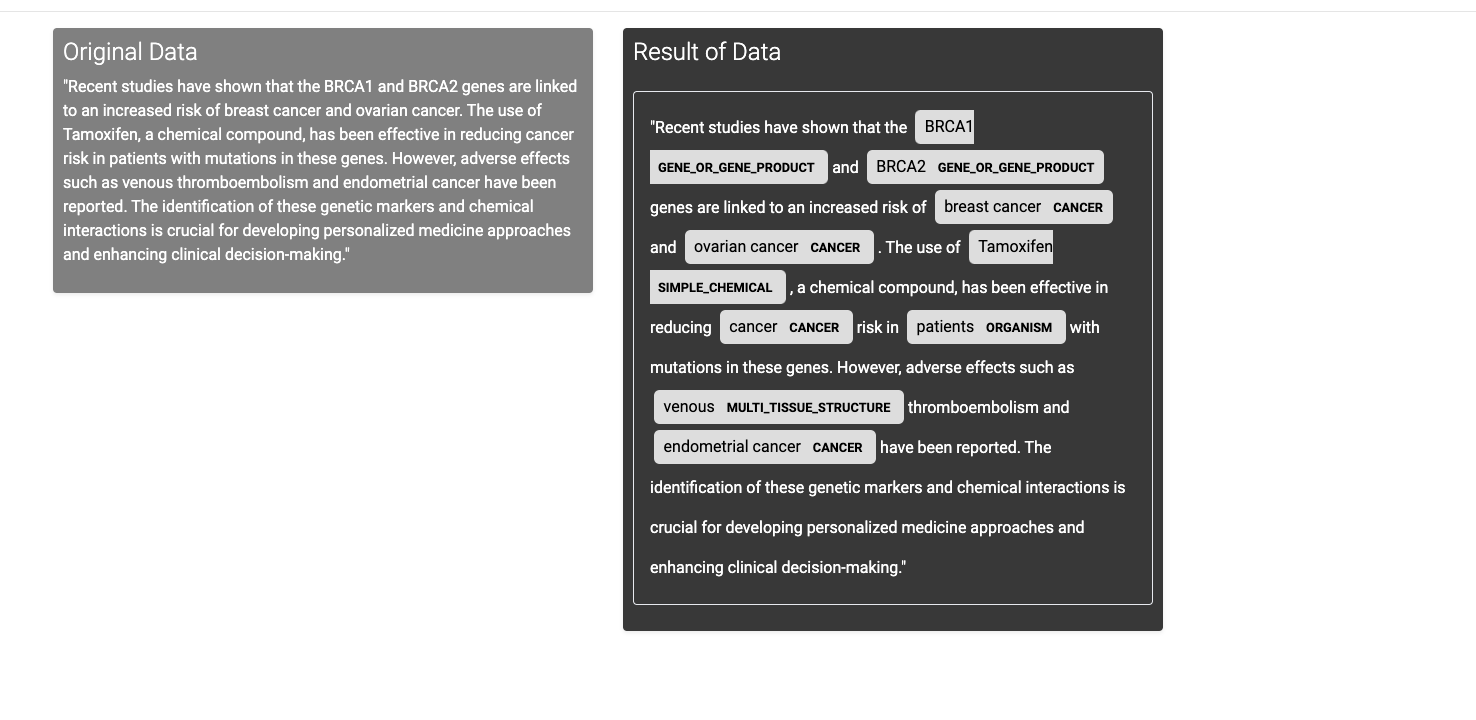
output of extracting Biomedical Data in NER
-
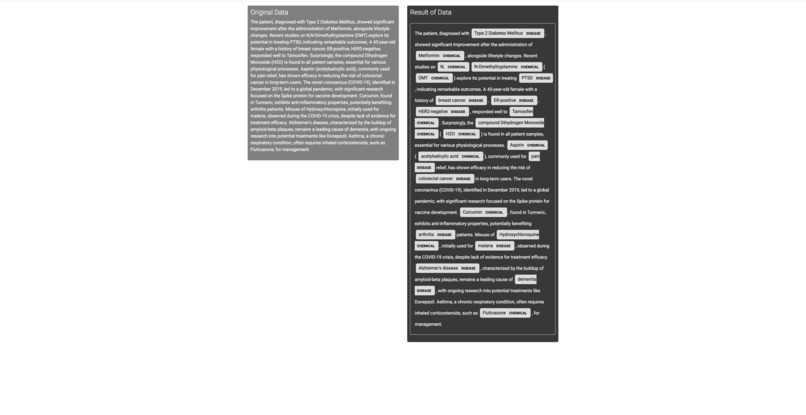
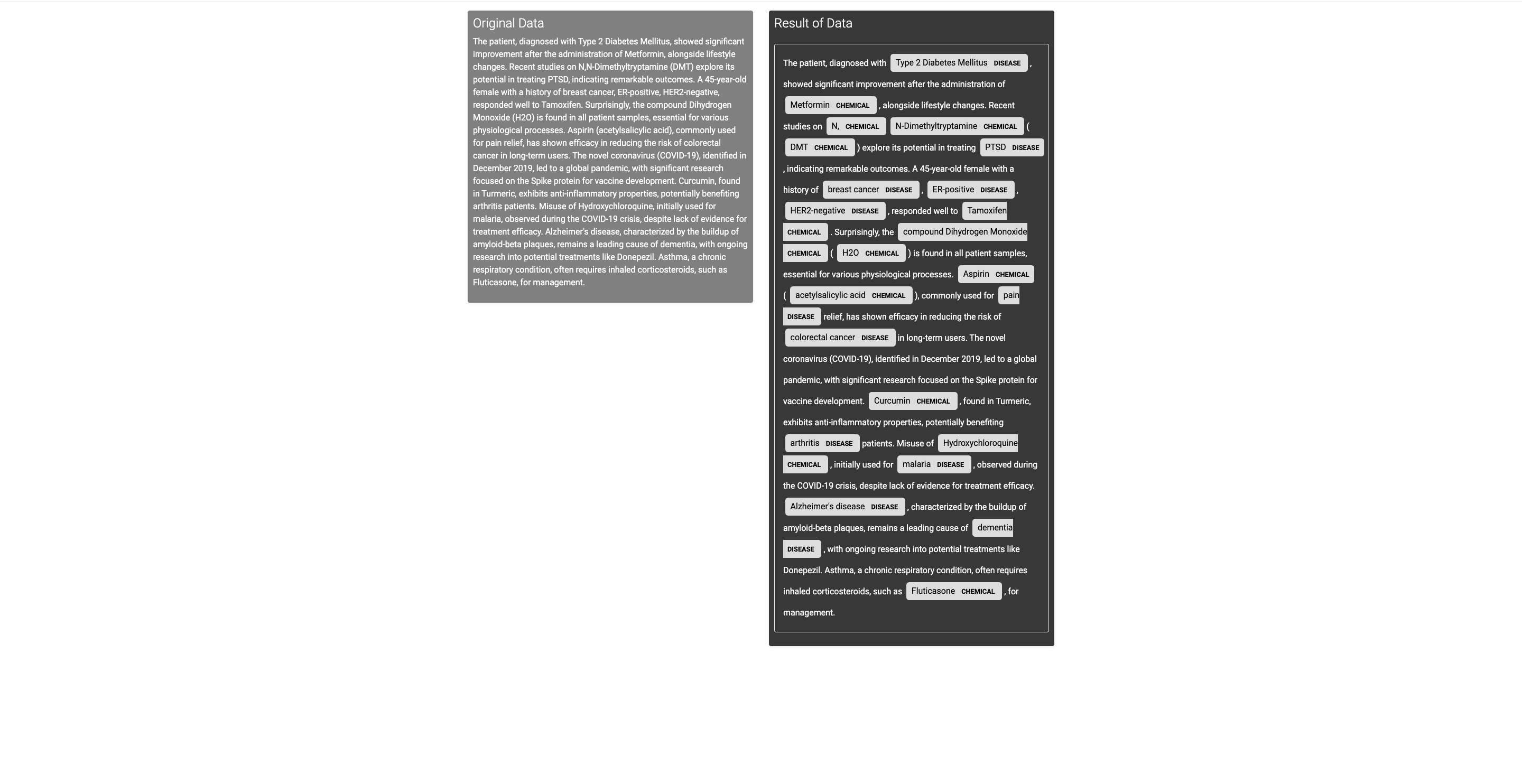
output of extracting chemical and disease data in NER
Inspiration
Our project was created from a deep understanding of the daily challenges faced by healthcare professionals and how long it takes to do simple tasks when that time can be used to save countless lives. For example the US alone is facing a shortage of 195,400 healthcare professionals by the year 2031. Therefore our goal is to harness the power of AI to elevate the precision and efficiency of patient care.
What it does
CDSS (Clinical Decision Support System)
The Web app is equipped with CDSS in disease diagnosis, medical data transcription, named entity recognition in unstructured data, clinical trial matching, a health bot that can help with generic health enquiries.
It has CDSS is diagnosis which has a machine learning model that can detect diseases such as Heart and liver disease and more. It can also recognize cancers like skin and lung cancer using deep learning models like Convolutional neural network (CNN).
Another major Clinical decision support system (CDSS) that can do automatic doctor note generation, auto summarizing technology and entity extraction of symptoms, diagnosis, medication and treatment plans from a video or audio recording of consultations or therapy sessions. By using these you get support, save costs, increase efficiency while still receiving high quality patient care.
CDSS in Clinical Data Extraction using Named Entity Recognition (NER) which specifically can extract meaningful information from the vast amounts of unstructured clinical text present in patient records. By automating the process of identifying and extracting key entities such as symptoms, diagnoses, treatments, medications, genes, chemicals, and diseases, the app enhances both efficiency and accuracy in data handling. It supports advanced research by making critical data readily accessible.
Cancer Clinical Trial Matching CDSS finds matching patients with suitable clinical trials. It compares patient data against trial criteria for recommendations, maintaining an up-to-date database of trials. It has a wide range of trials to ensure healthcare providers have diverse treatment options for their patients. This system simplifies the process, saving time and upgrading patient access to emerging therapies.
The AI-powered chatbot provides instant responses to any health-related queries, from advice to common tips for a healthier lifestyle. It offers general health information, and guidance on when to seek professional medical care. The Health bot creates a convenient and quick way to get health advice, anytime, anywhere.
How we built it
We used deep learning and machine learning to build the diagnostic models.
We built the medical data transcription using libraries like ffmpeg to transcribe video and audio inputs and used LLMs(Large language models) to make structured doctor notes.
We used SpaCy's NLP technology for building the Clinical Data Extraction using NER which parses and extracts crucial information from unstructured clinical texts.
For the clinical trial matching we used a comprehensive database from clinicaltrials.gov, incorporating the latest trials from top research institutions and pharmaceutical companies. It has algorithms to analyze patient data against trial criteria getting instant, accurate matches.
For the backend we used Flask, and the frontend we used HTML, css
Challenges we ran into
During development, we faced several challenges. Bringing together different ideas into one cohesive web app was hard. We had trouble with Spacy models not working due to version issues. Also, backend errors popped up while using Flask, so we had to reinstall Python to fix them. Deciding which features to include in the first version and which to save for later was tricky. Finding reliable data for fact-checking took a lot of time too.
Accomplishments that we're proud of
Even with these challenges, our team kept going at it and ended up creating a working web app. We're really proud of how we stuck with it, even staying up all night and losing sleep to make sure our idea came to life. Plus, we were happy to lend a hand to other teams as they worked on their projects while we were busy building our web app.
What we learned
We learned how to collaborate and bring new ideas to life, and as this was our first hackathon we had a lot of fun learning new things at the tech talks, API Demos, and speaking with the JPMC intern. And loved talking with like minded teams about projects and making new friends, and how to use LLMs in web applications, and also how to use ffmpeg to transcription.
What's next for PulseAI Portal
Looking forward, we're excited to use AI to tackle more healthcare challenges, especially in understanding genomic data. Our aim is to find new ways AI can help personalize treatments, detect diseases earlier, and improve healthcare for everyone. By using AI algorithms and machine learning, we hope to make big advancements in genomic research, leading to better healthcare for people everywhere.
Built With
- ai
- flask
- html
- natural-language-processing
- openai
- tensorflow


Log in or sign up for Devpost to join the conversation.