-
-
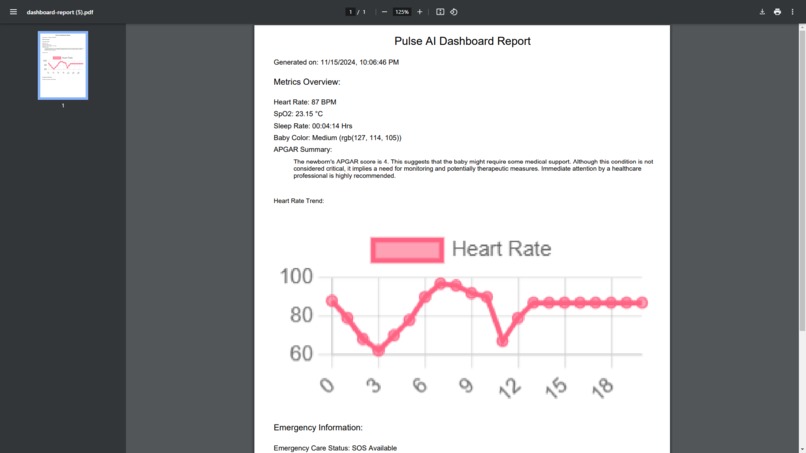
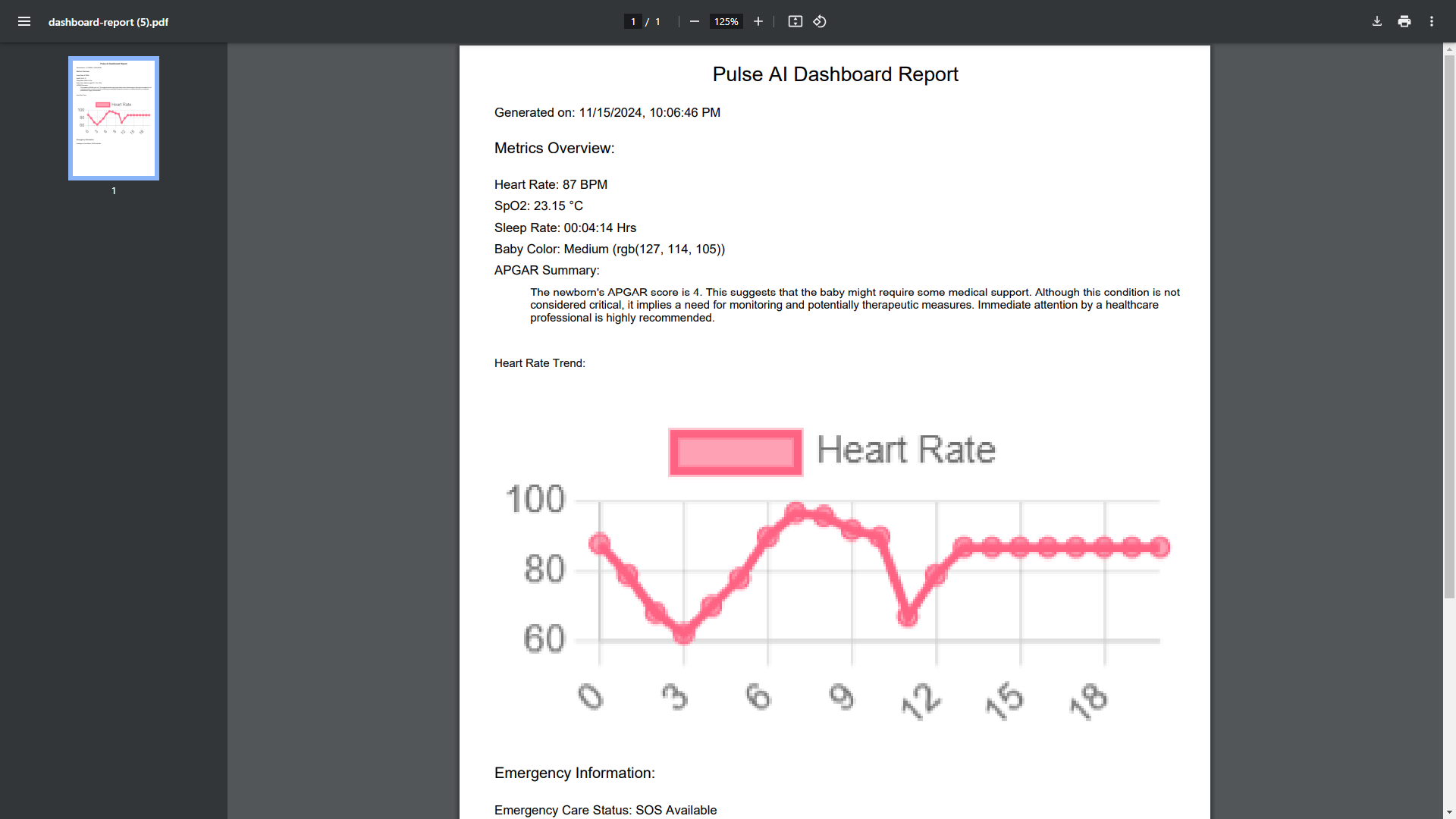
Report Generation
-
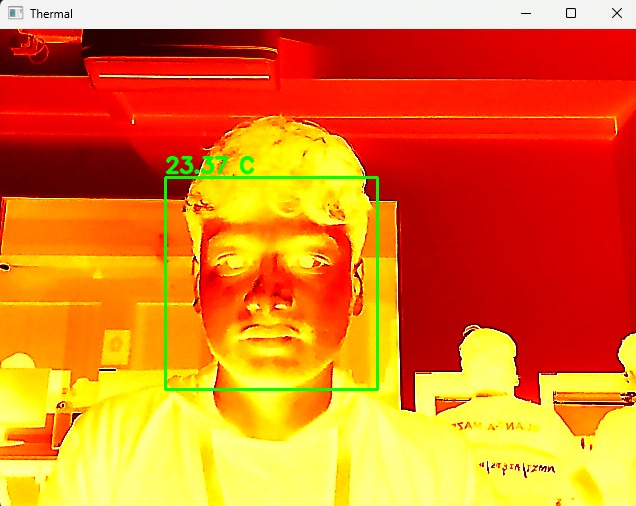
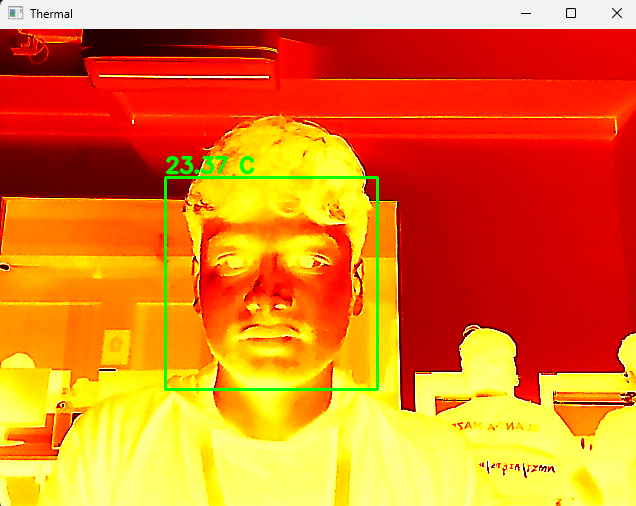
Temperature Analyzer
-
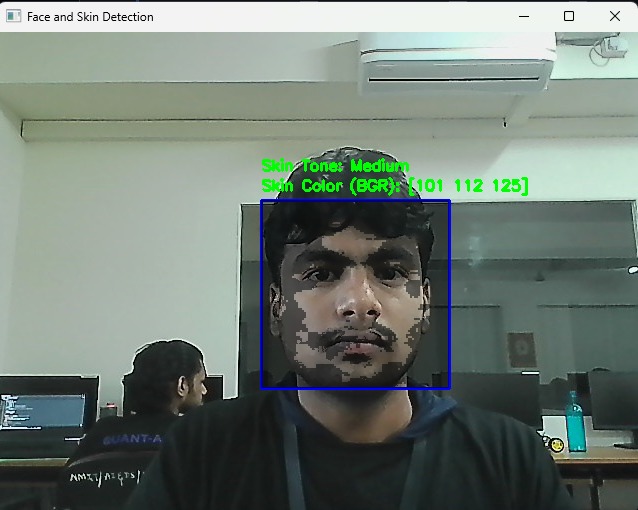
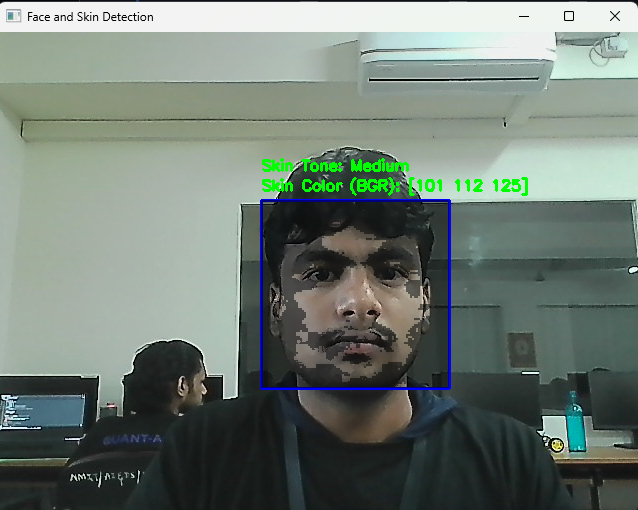
Color Detection
-
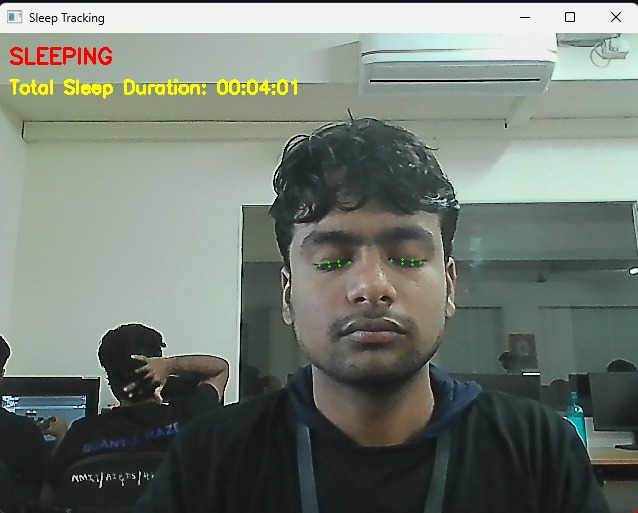
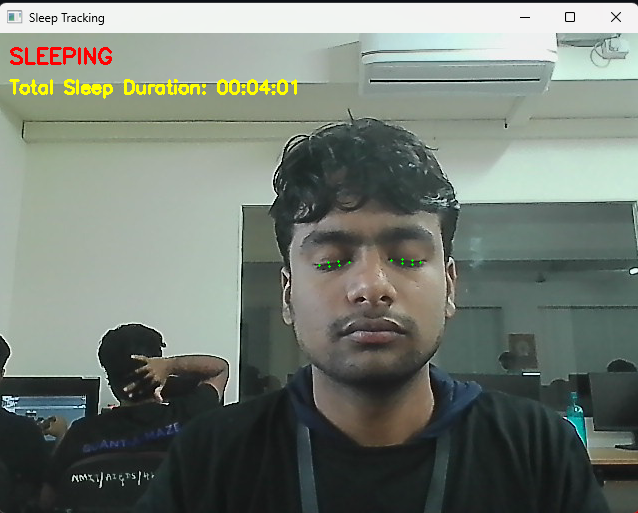
Sleep Tracking
-
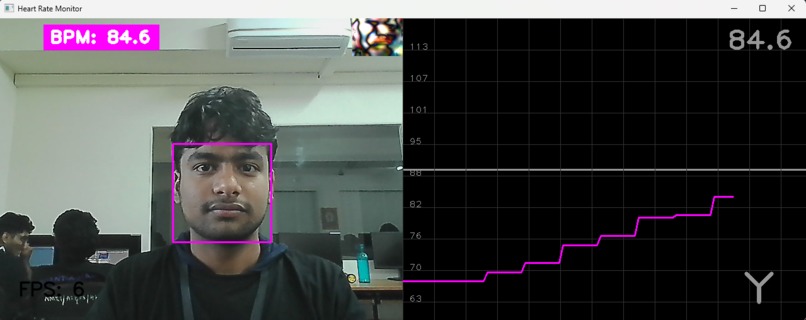
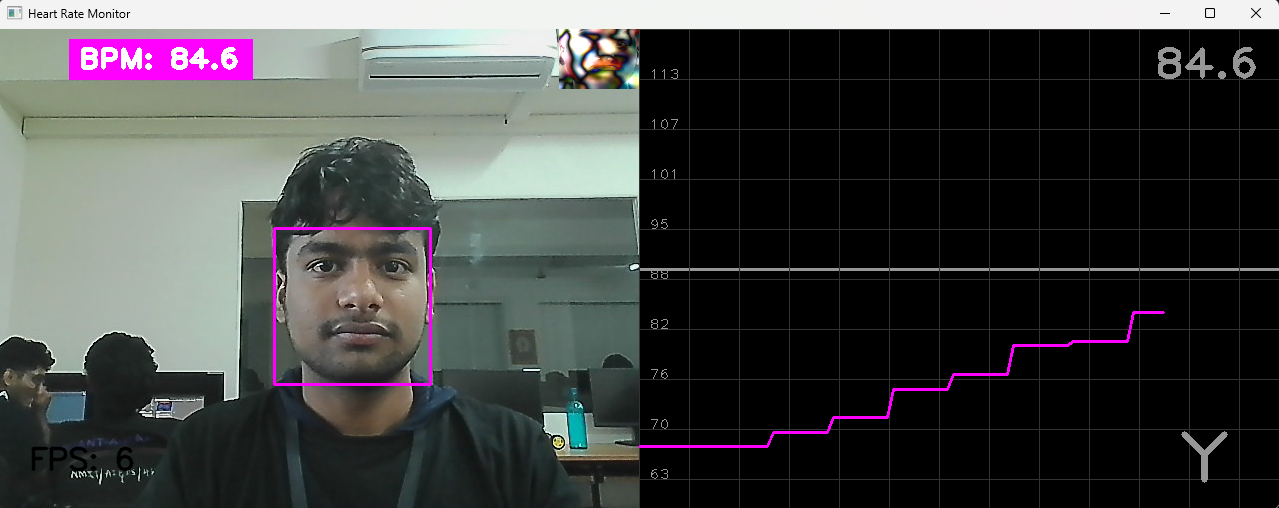
Heartrate Detection
-
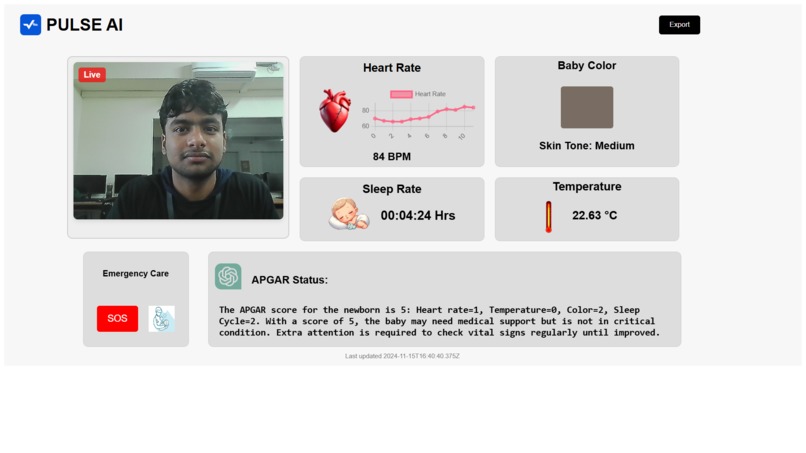
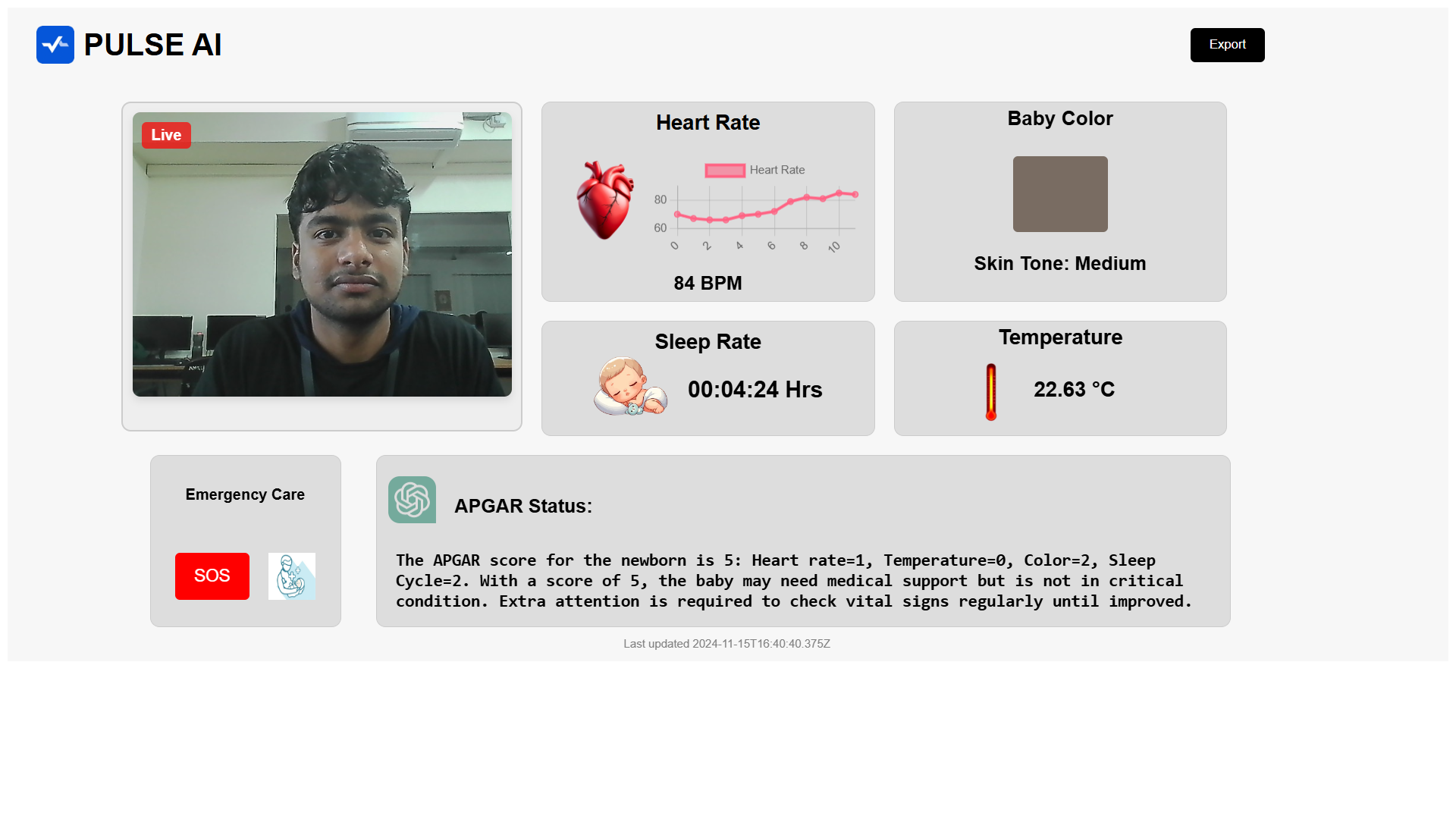
Main Dashboard
Inspiration
The inspiration behind Pulse AI stems from the need for non-invasive, real-time monitoring solutions for neonatal care in NICUs. Ensuring the well-being of vulnerable newborns with advanced, contactless AI-driven technologies became our mission.
What it does
Pulse AI continuously monitors vital signs like heart rate, temperature, respiratory rate, and SpO2. It analyzes sleep patterns, detects anomalies, and integrates APGAR scores for comprehensive health assessments, enhancing neonatal care with predictive insights.
How we built it
We used AI models like CNNs and LSTMs for real-time analysis and prediction. The tech stack includes Flutter for UI, Flask for backend, MediaPipe for video processing, MongoDB for storage, and OpenCV for non-invasive monitoring features.
Challenges we ran into
Integrating diverse data sources, such as video feeds and sensor readings, was complex. Training AI models on neonatal data required precision, and ensuring the system's accuracy for non-invasive monitoring posed additional challenges.
Accomplishments that we're proud of
We successfully developed a contactless monitoring system that tracks vital signs with precision. Integrating predictive analytics and real-time anomaly detection into a user-friendly dashboard is a significant milestone.
What we learned
We learned the importance of designing AI solutions tailored to sensitive use cases like neonatal care. Effective data integration, predictive modeling, and user-centric design were key takeaways from this project.
What's next for PULSE AI
We plan to expand features like more advanced sleep tracking and real-time skin tone analysis. Scaling the system to support wearable integrations and expanding the predictive model for broader neonatal conditions are also in the pipeline.

Log in or sign up for Devpost to join the conversation.