-
-
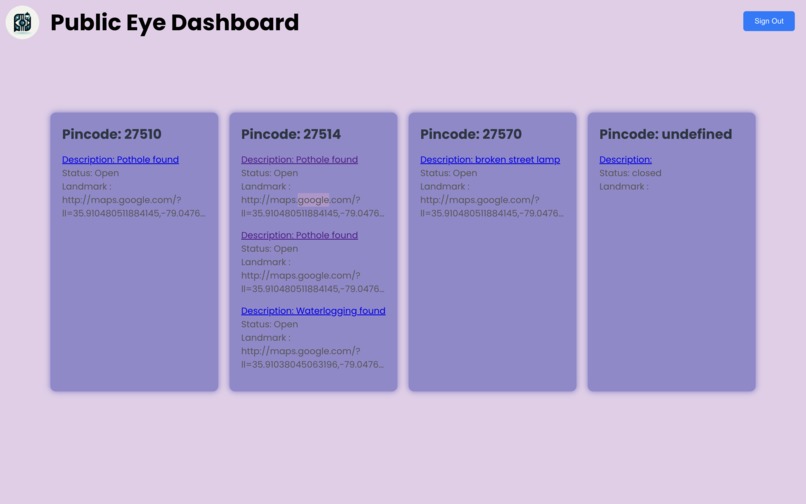
Web Dashboard
-
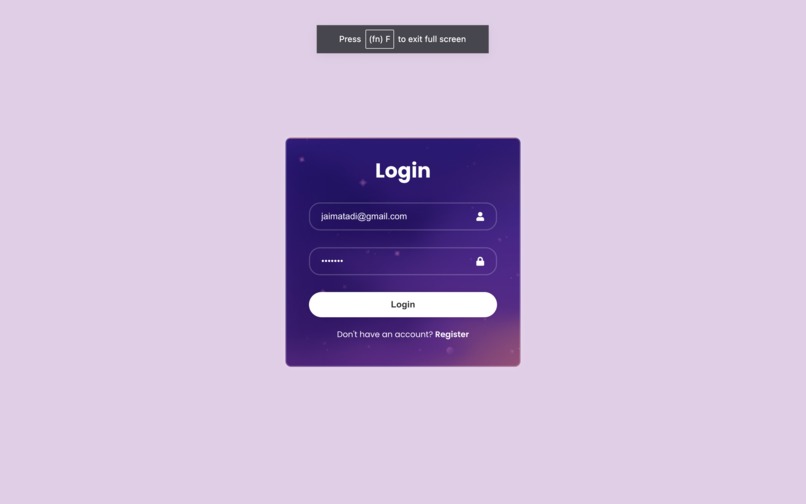
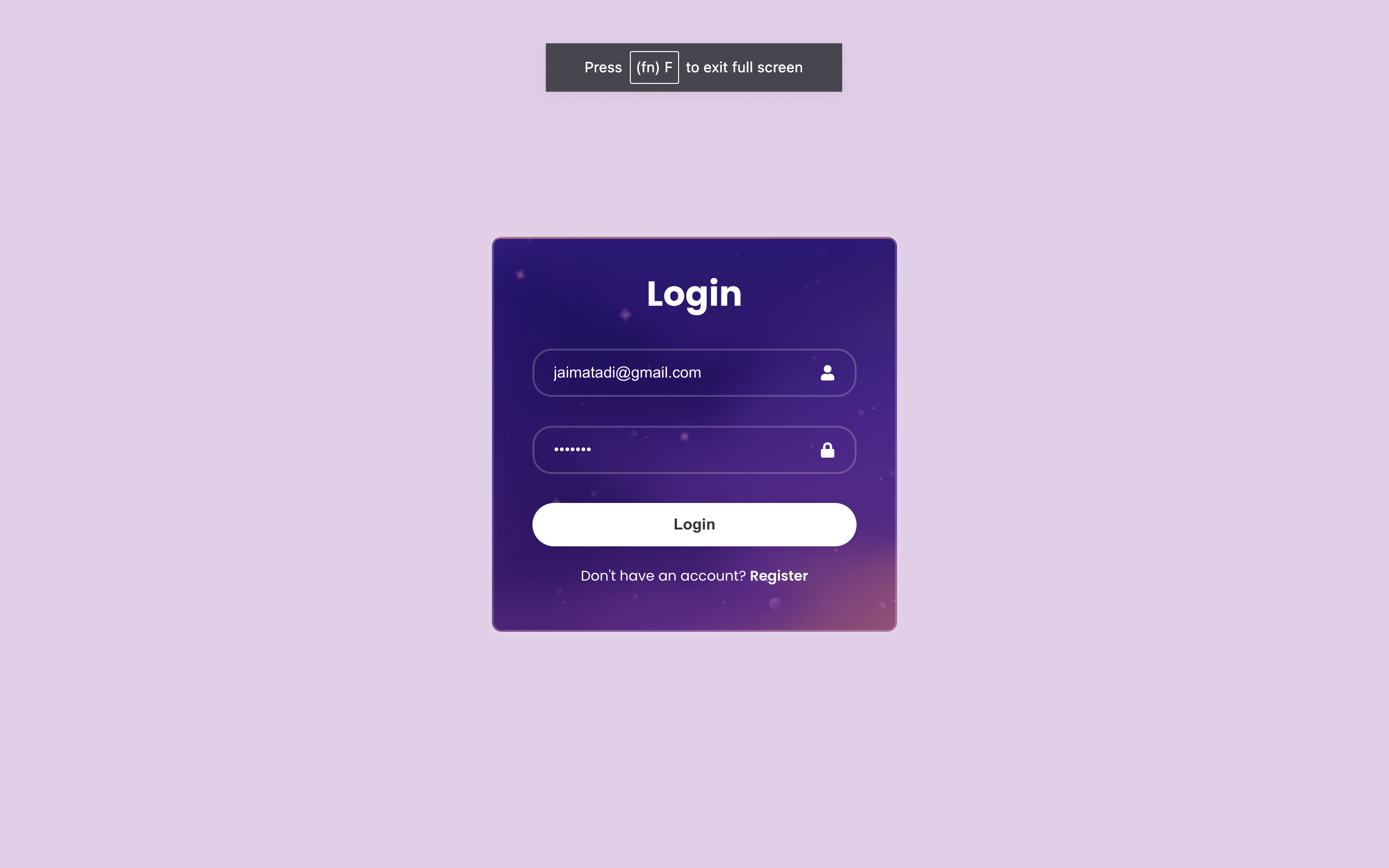
Web Login/Sign Up page
-
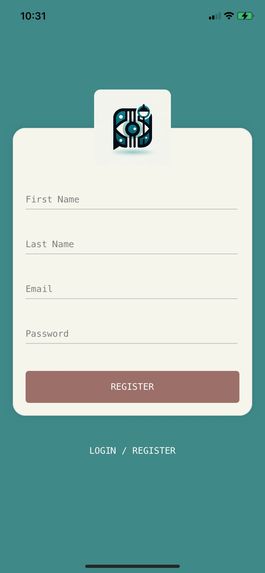
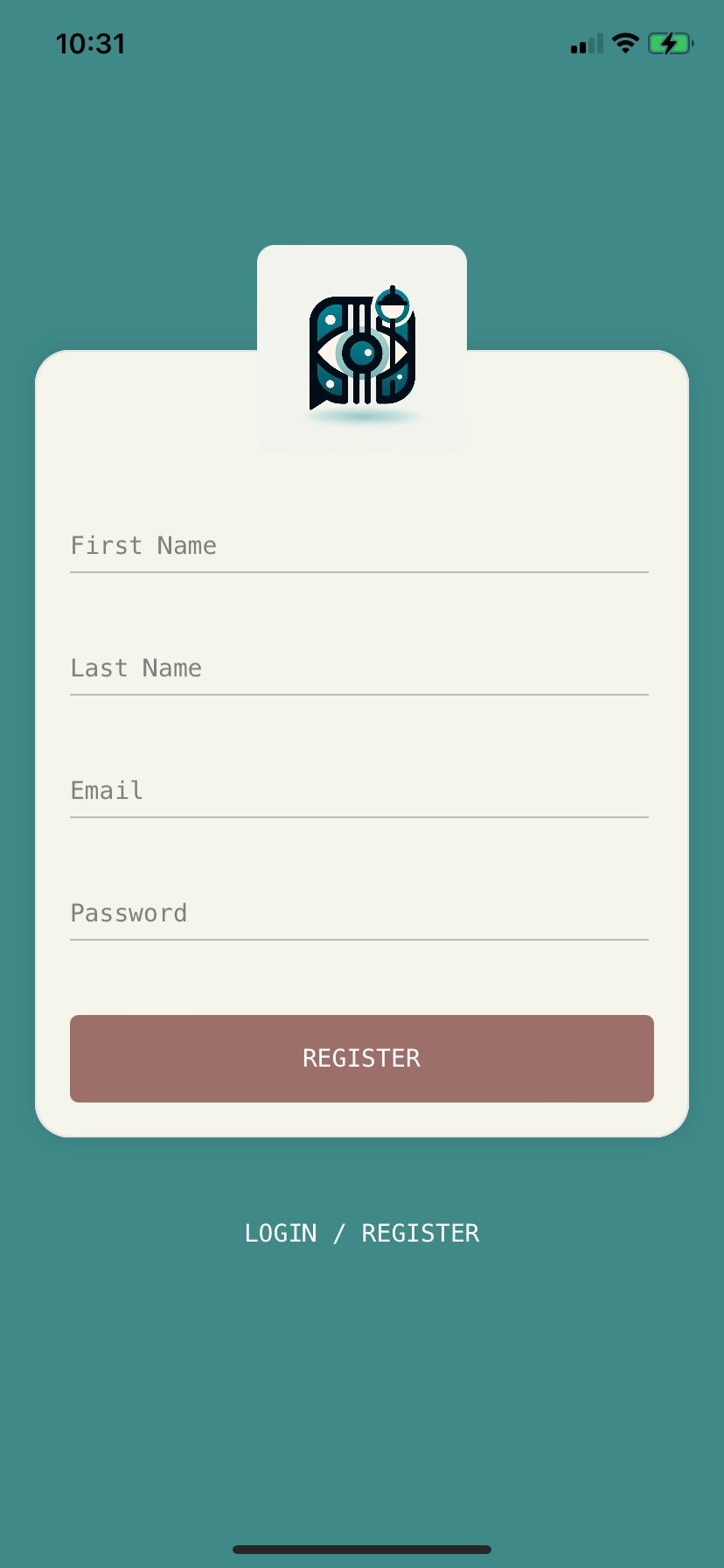
Signup page
-
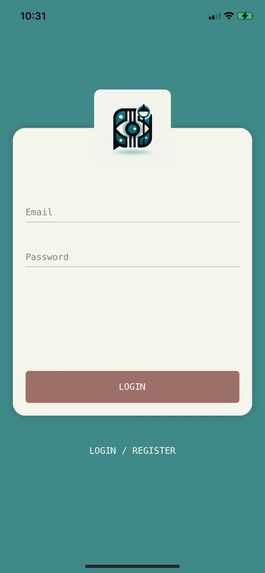
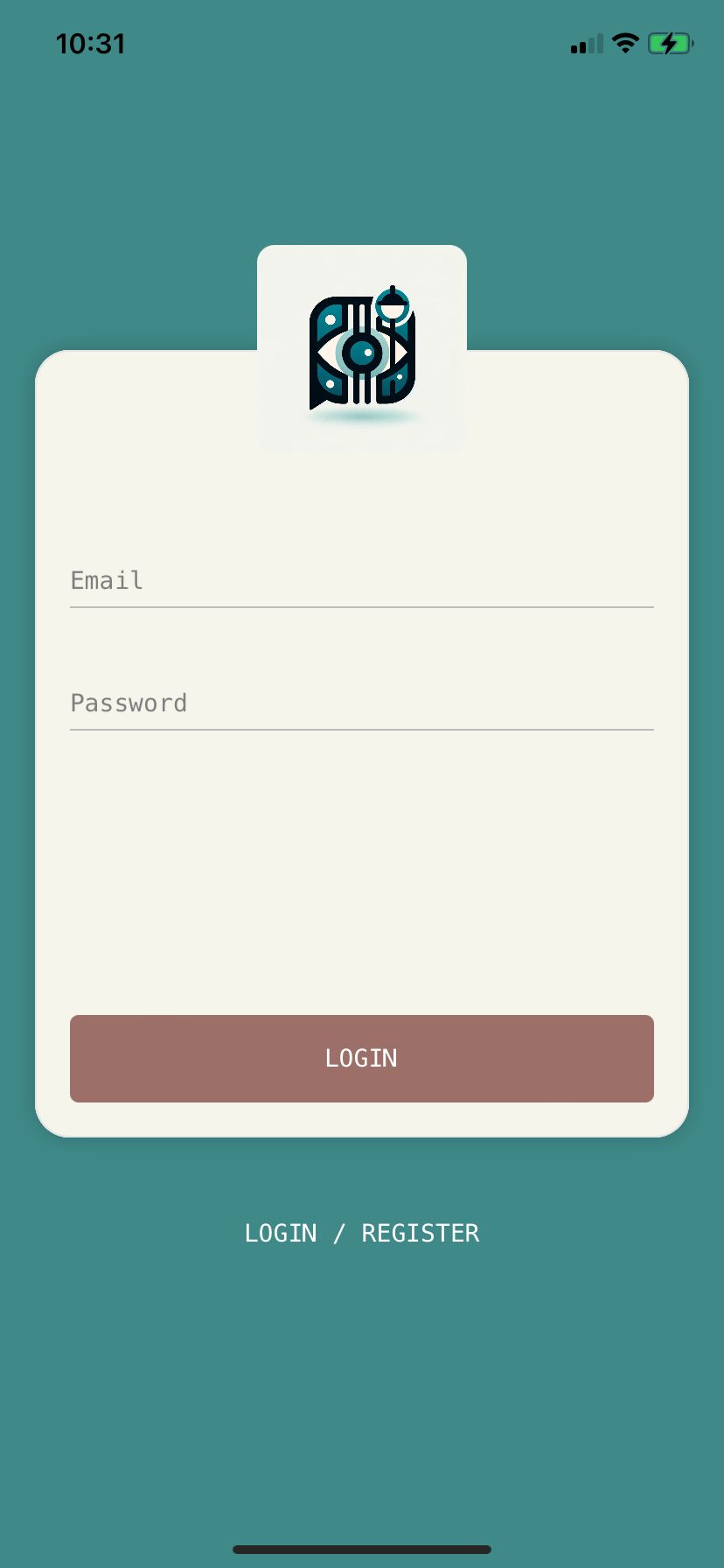
Login Page
-
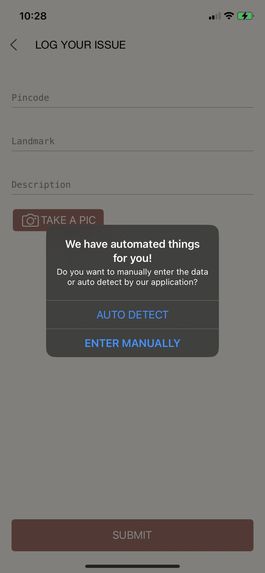
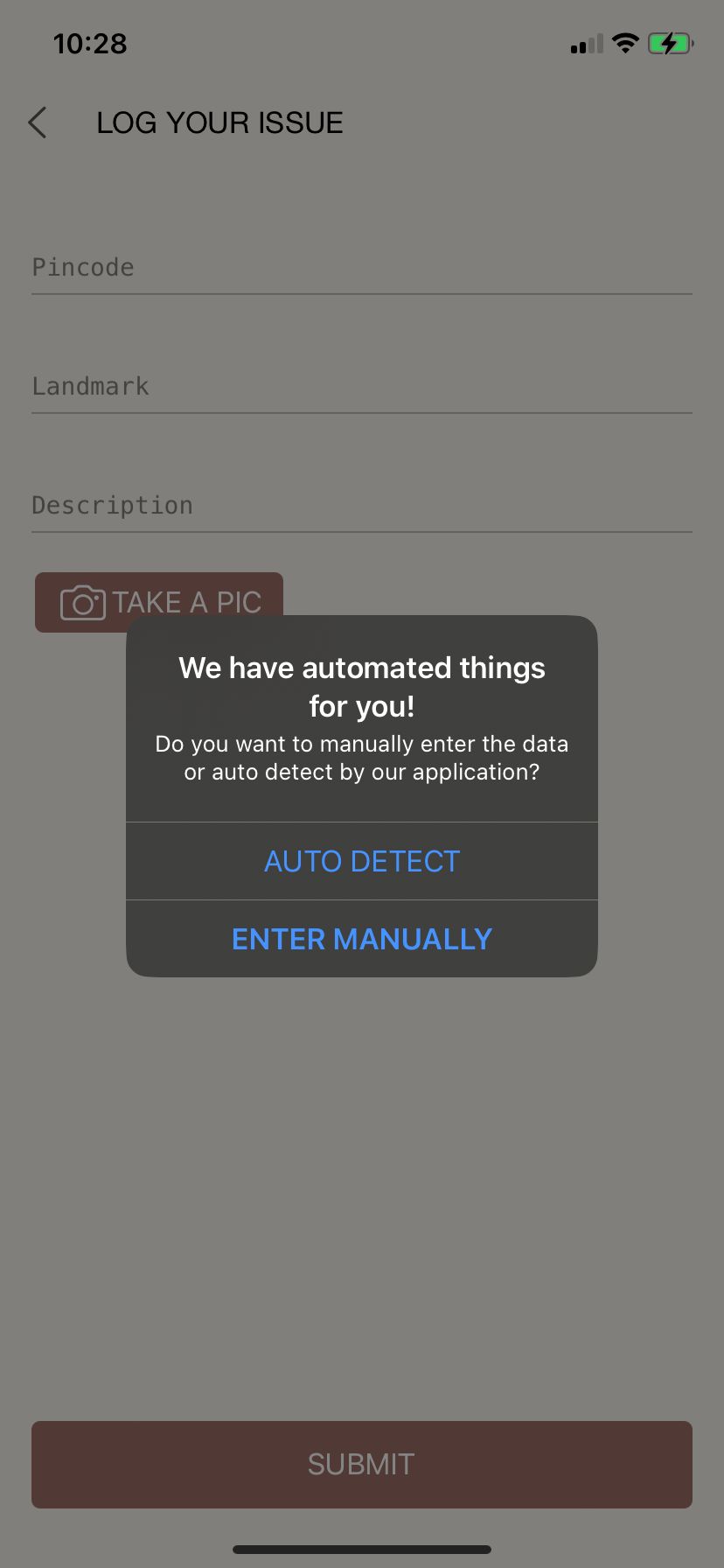
Logging issue manually or automatically
-
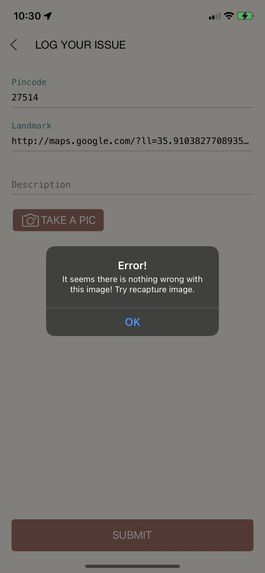
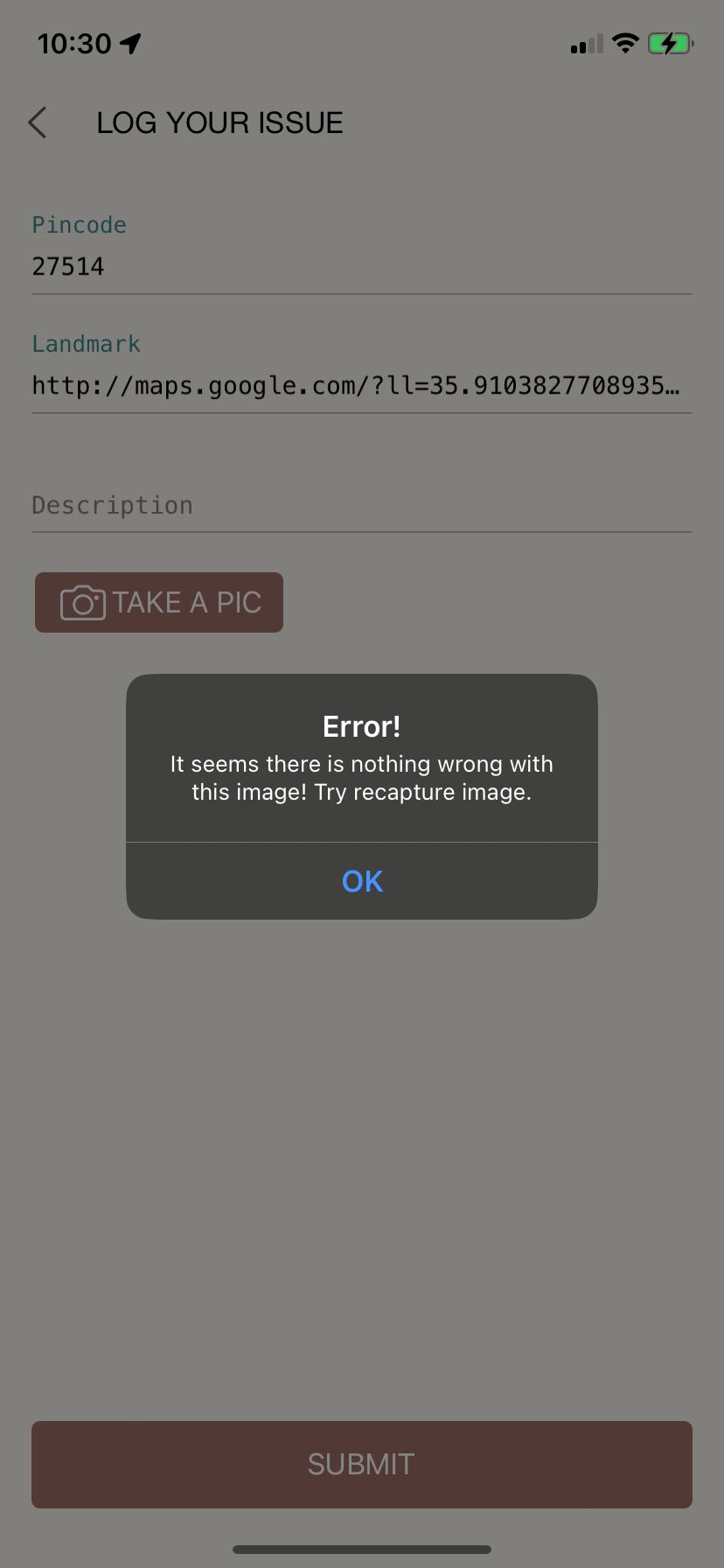
Error for no issue found in image
-

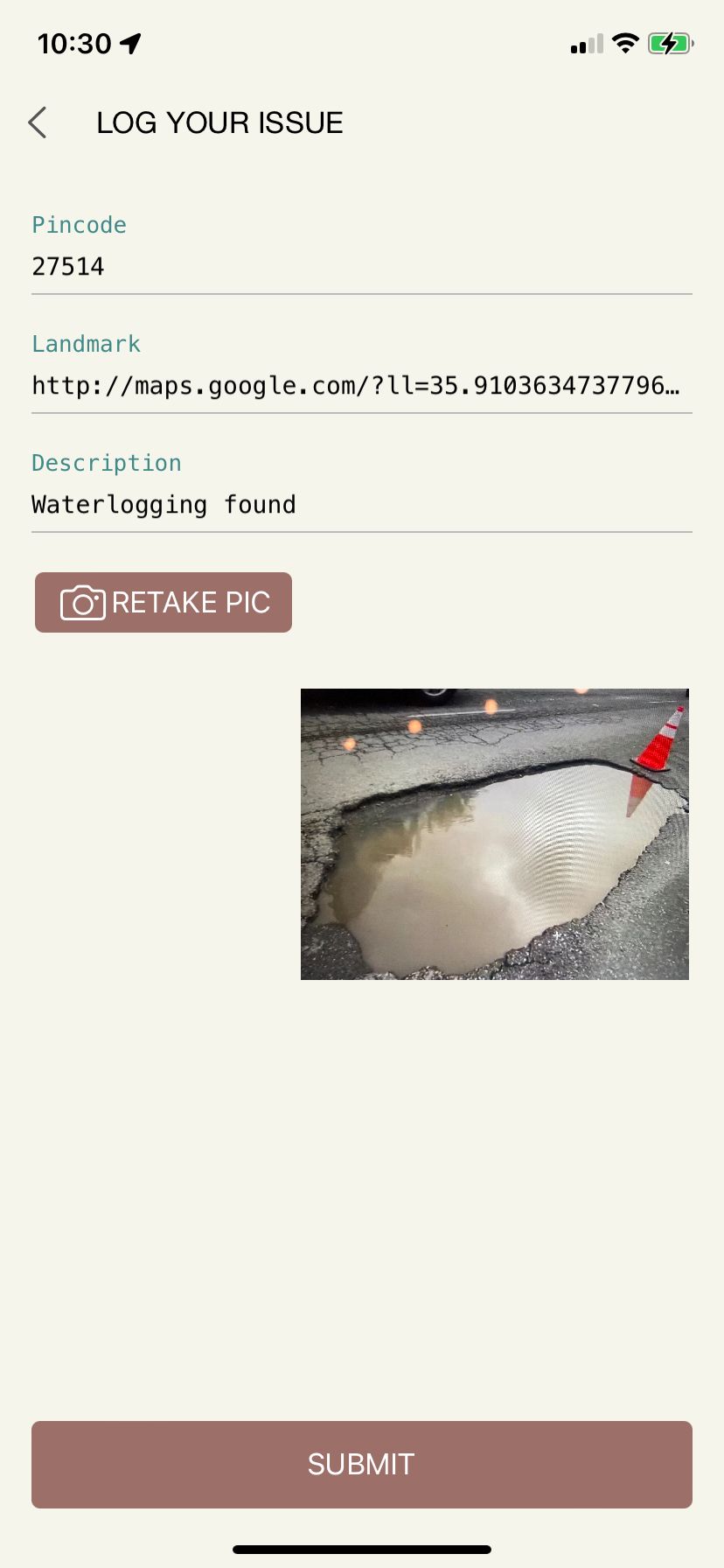
Auto-identification
-
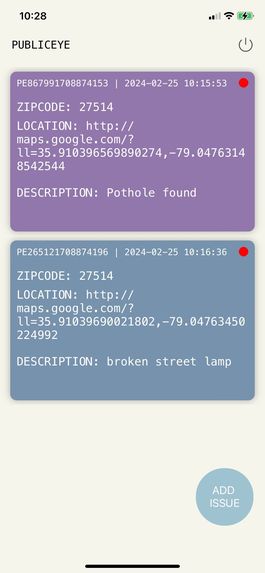
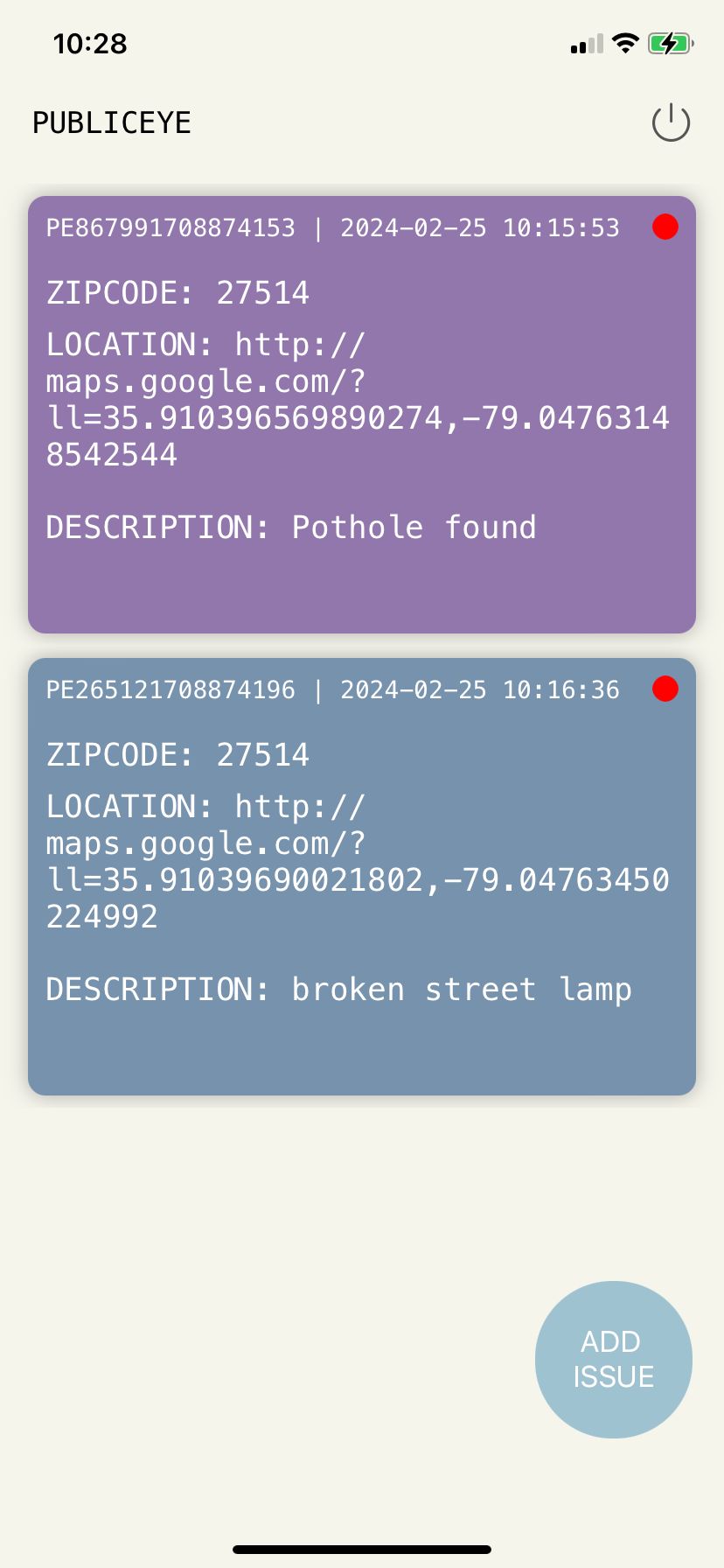
Issue logged by user
Inspiration
The inspiration behind PublicEye stemmed from a deep-rooted desire to harness the power of technology for social good. Recognizing the impact that damaged infrastructure, such as damaged roads and malfunctioning streetlights, can have on a community's safety and well-being, we envisioned a solution that would empower individuals to actively participate in improving their surroundings. We wanted to create a platform that not only addresses civic issues but also fosters a sense of community and shared responsibility.
What it does
PublicEye is a mobile app designed to bridge the gap between citizens and civic authorities. The app allows users to effortlessly report issues like damaged roads or malfunctioning streetlights by capturing and uploading photos of the problems directly from their smartphones. The heart of the system lies in its backend, where a combination of image processing using Python, and the best use of AI, helps identify and categorize the reported issues accurately.
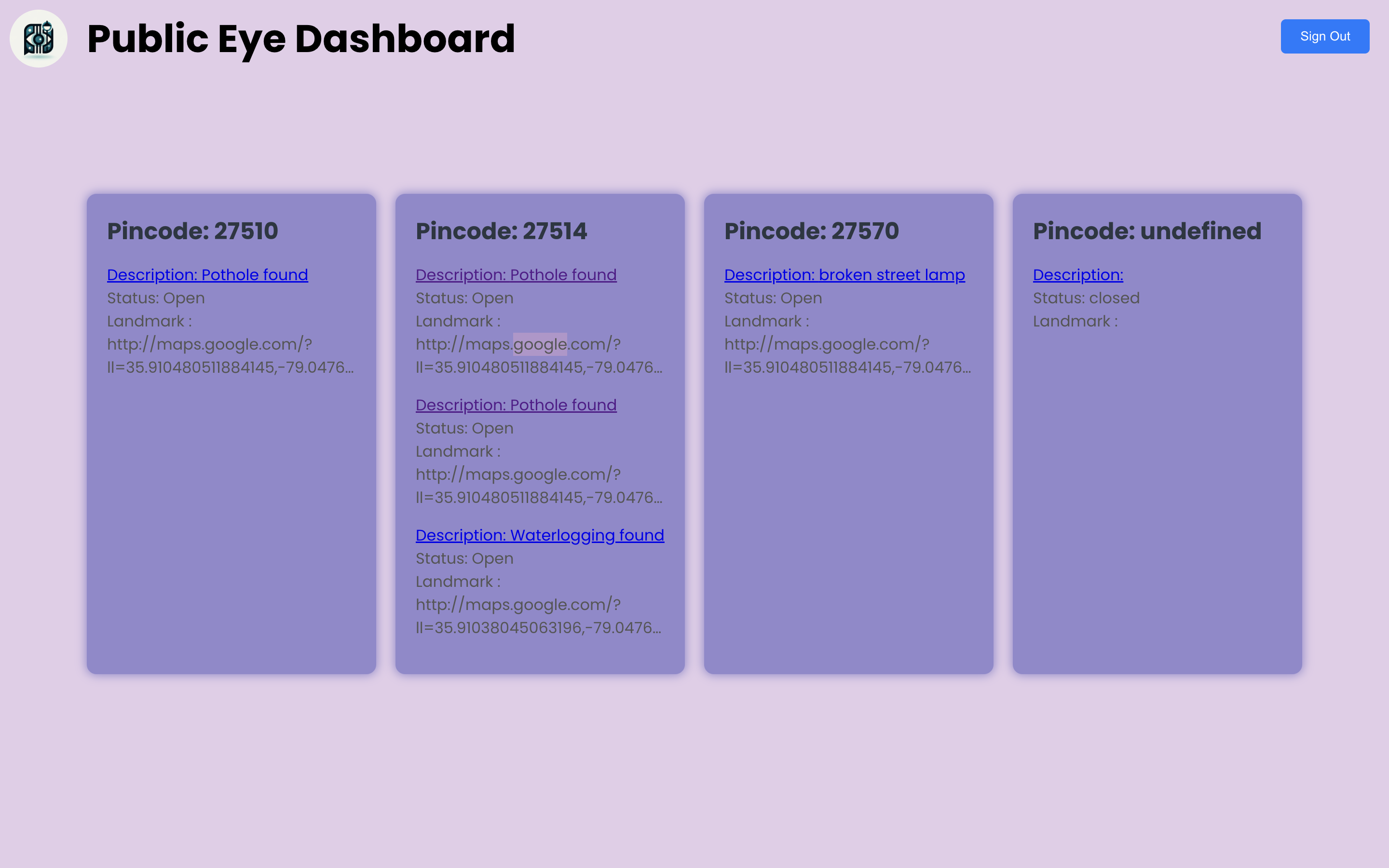
The issues are then organized on a dynamic dashboard accessible to administrators. To enhance communication and community engagement, issues are grouped based on pin codes. This ensures that problems within the same vicinity are consolidated into cards on the dashboard. Admins can review, update, and change the status of each issue, with three possible states: open, closed, and in progress. This customer-obsessed approach ensures that users are kept in the loop, promoting transparency and accountability.
How we built it
The foundation of PublicEye lies in its robust technology stack. For image processing and identification, we utilized Python, leveraging AI algorithms to understand and classify the reported issues accurately. The user interface was crafted using HTML, CSS, JSX, and React, ensuring a seamless and intuitive experience for both the app users and administrators. The cloud storage infrastructure is powered by Firebase, providing a scalable and reliable backend to store and manage the vast amount of data generated by user submissions.
Challenges we ran into
Building PublicEye presented its own set of challenges, from fine-tuning the image processing algorithms to ensuring real-time updates on the dashboard. Balancing the need for automation while keeping the human touch in issue categorization required meticulous effort. Additionally, integrating Firebase seamlessly with the rest of the technology stack posed a unique set of challenges that our team worked tirelessly to overcome.
Accomplishments that we're proud of
We take immense pride in achieving a seamless integration of image processing, AI, and cloud storage to create a user-friendly and effective platform. The dynamic dashboard, organized by pin codes, reflects our commitment to improving customer experience by streamlining issue management. The successful implementation of PublicEye stands as a testament to our dedication to social good and community welfare.
What we learned
The development of PublicEye was a learning journey that deepened our understanding of the intersection between technology and social impact. We gained insights into optimizing AI for issue identification, creating responsive and visually appealing dashboards, and harnessing the power of cloud storage for scalability. The importance of customer obsession in building solutions that truly resonate with users became evident throughout the process.
What's next for PublicEye
Looking ahead, PublicEye is committed to expanding its impact by addressing a broader spectrum of civic issues. While we currently focus on damaged roads and malfunctioning streetlights, our vision is to encompass a wider range of concerns affecting communities. We plan to introduce additional issue categories to cater to diverse challenges that citizens encounter in their daily lives.


Log in or sign up for Devpost to join the conversation.