-
PCS DB-01 by Dashawn R. Bledsoe, Inc.
-
DB-01 Parts
-
DB-01 Engineered Board
Inspiration
The Public Compute Standard (PCS) and the DB‑01 Distributed Board were born out of a real crisis: the sudden ban on Raspberry Pi hardware during our Tech+Ball deployment at NIBLS. What started as a sports diplomacy initiative — backed by AWS and Microsoft to build APIs, smart‑ball telemetry, and youth engagement tools — was derailed by administrative misclassification and political friction. Instead of stopping, we used the moment as fuel. If institutions could ban the very tools communities rely on, then we needed to build something unbannable, public, and infrastructure‑grade. PCS became the answer.
What it does
PCS defines a new category of hardware: Public Infrastructure Compute Nodes (PICNs). The DB‑01 is the first of its kind — a modular, open, civic‑safe compute board designed for:
STEM education
Sports diplomacy and performance analytics
International development
Community innovation labs
Public IoT and civic dashboards
DB‑01 provides compute power, sensor expansion, and cloud connectivity without being tied to any proprietary ecosystem or vulnerable to arbitrary bans. It is infrastructure — not a gadget.
How I built it
The journey began with the BIM‑APES platform, originally created to solve the limitations of proprietary smart‑ball systems. After the Raspberry Pi ban, we accelerated development of our own engineered hardware:
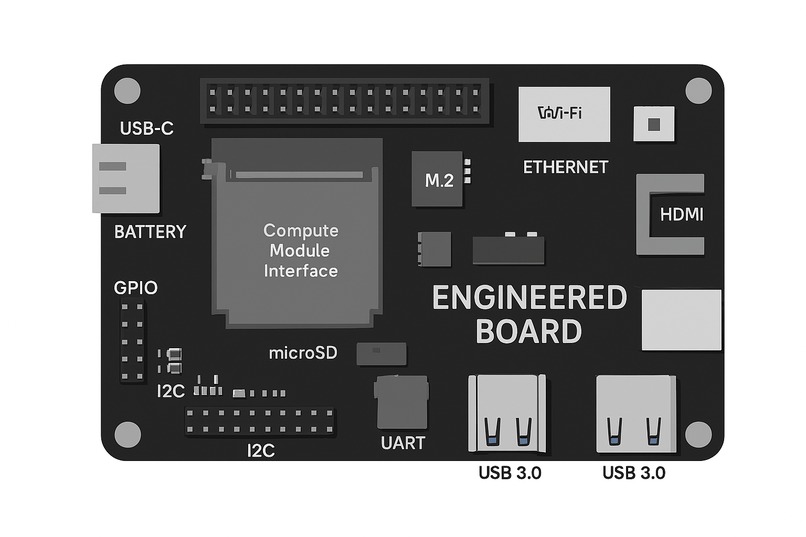
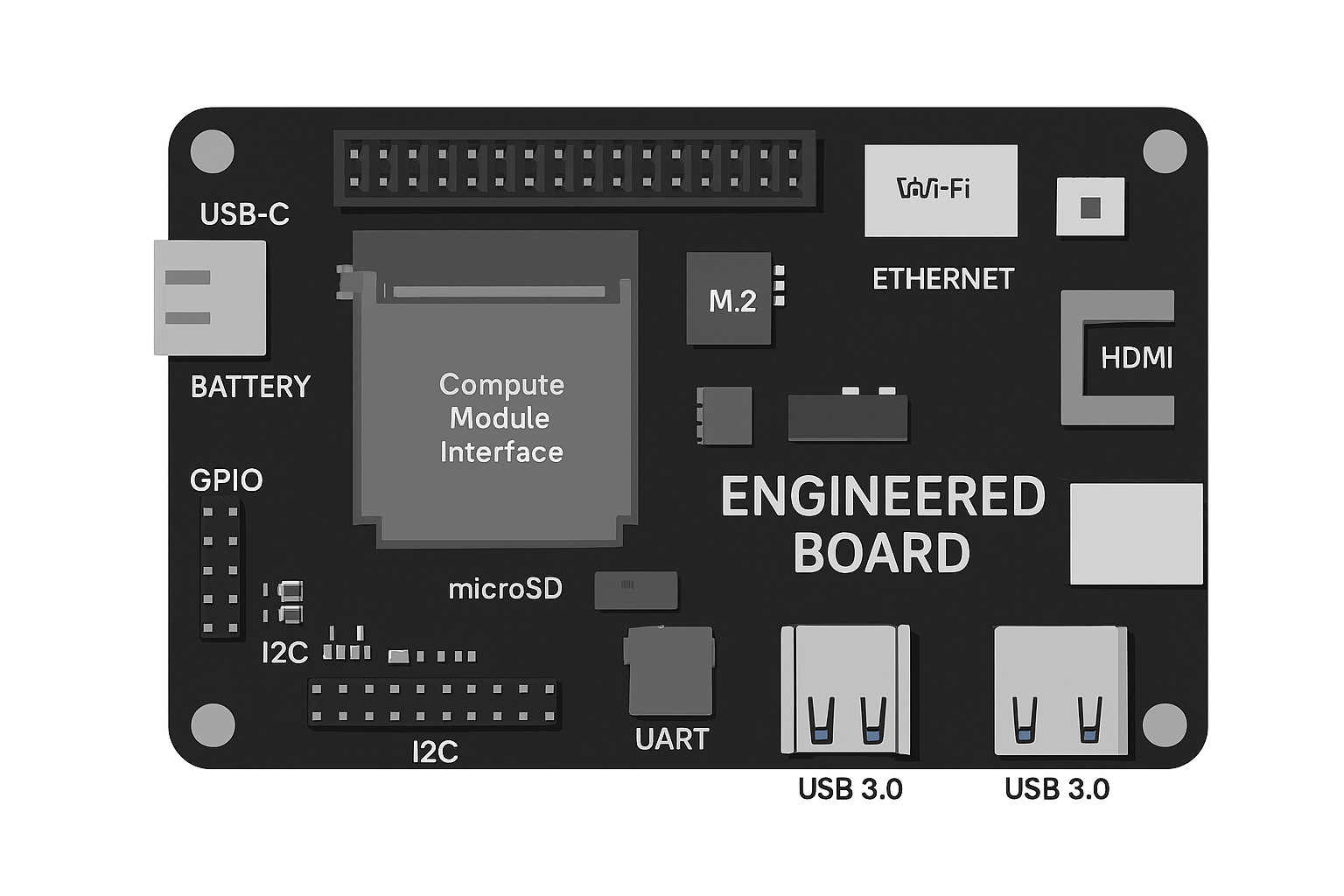
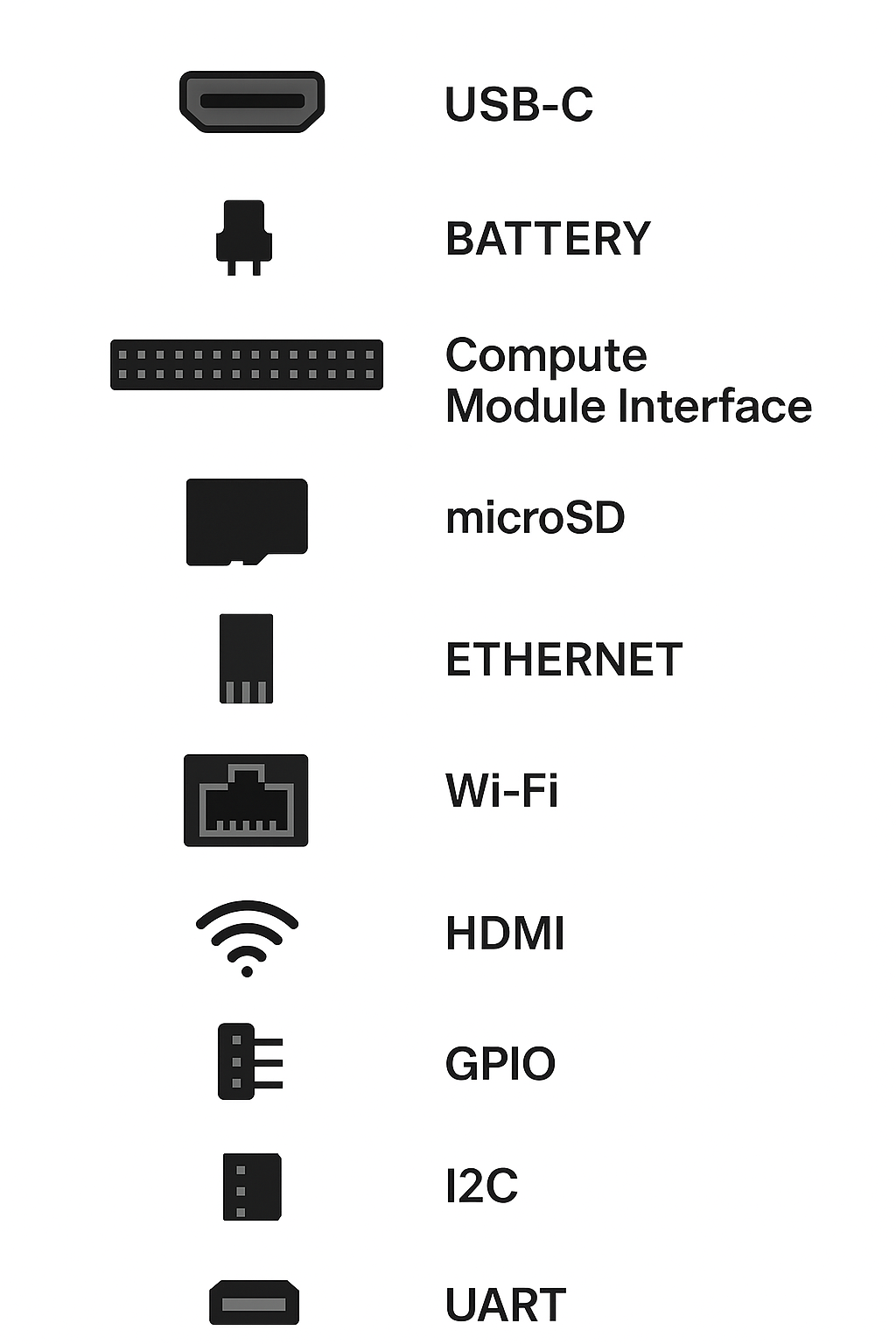
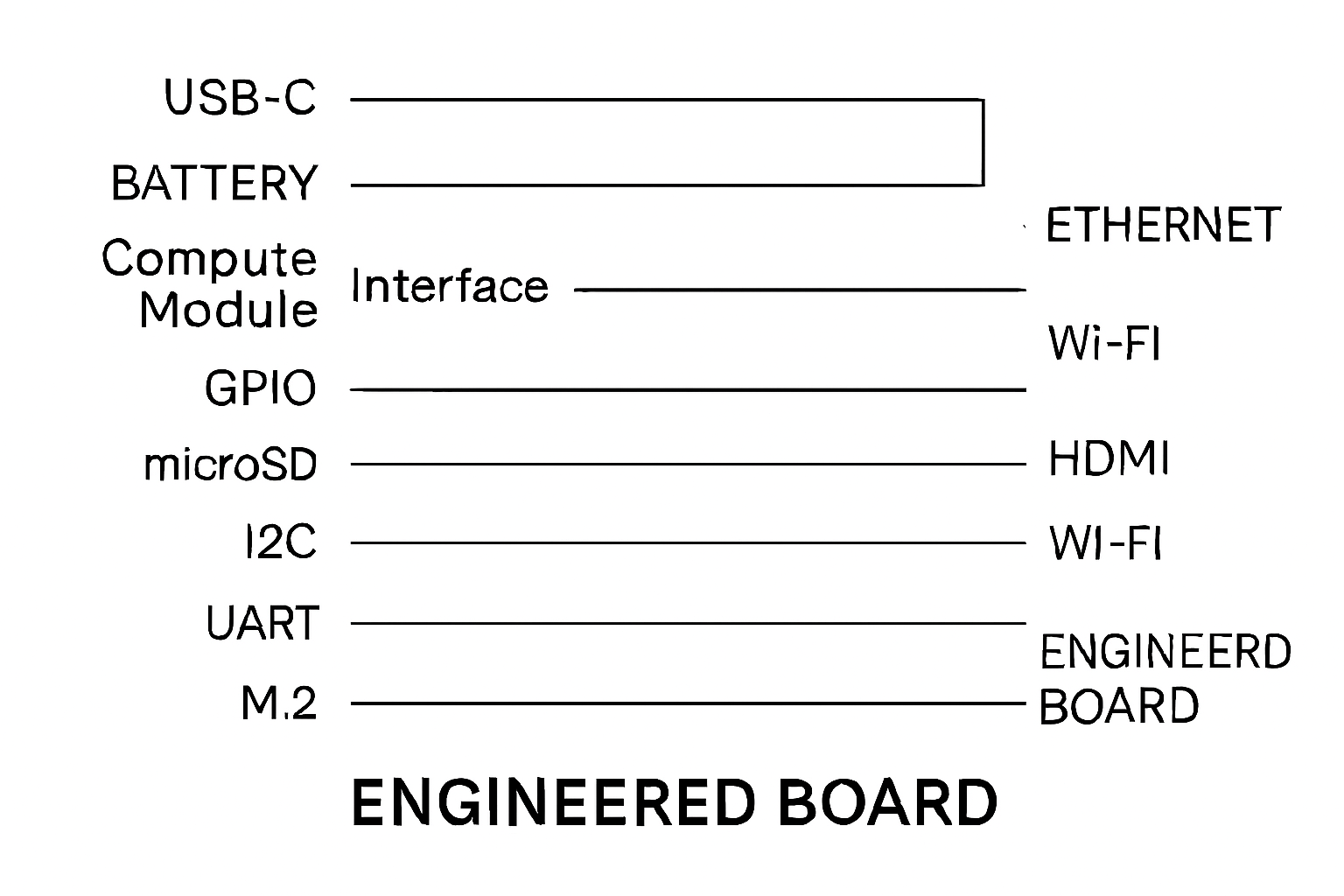
Designed the EB‑01 Engineered Board as a reference SBC
Evolved it into DB‑01, a distributed compute node aligned with PCS
Built a modular sensor layer with biometric, motion, and environmental modules
Integrated an ESP32‑S3 coprocessor for low‑power tasks
Developed cloud APIs with AWS and Microsoft foundations
Formalized PCS as a civic standard to protect compute access
Every layer — hardware, firmware, cloud, and governance — was built to serve public missions.
Challenges I ran into Institutional resistance: The Raspberry Pi ban at NIBLS halted our deployment overnight.
Misclassification: Hardware was labeled “restricted” without technical justification.
Smart‑ball limitations: Existing systems were proprietary, closed, and not NIL‑safe.
Diplomacy constraints: We needed hardware that could operate in low‑connectivity regions.
Supply chain volatility: Component shortages forced us to design for modularity and flexibility.
Each challenge pushed PCS and DB‑01 to become stronger, more resilient, and more civic‑aligned.
Accomplishments that I'm proud of
Creating the first Public Compute Standard (PCS)
Engineering DB‑01, a fully modular, unbannable compute node
Building a platform originally funded by AWS and Microsoft
Turning a failed deployment into a global‑ready innovation
Designing hardware that supports sports diplomacy, STEM education, and international development
Establishing a hardware taxonomy (DB‑Series, EB‑Series, SM‑Series, etc.)
Positioning DB‑01 for potential distribution with Adafruit
This is more than a board — it’s a movement.
What I learned
Innovation accelerates under pressure. The ban forced us to build something better.
Public infrastructure needs public standards. Without PCS, compute access is fragile.
Diplomacy and technology are deeply connected. Hardware can strengthen international relationships.
Open systems win. Transparency builds trust across borders and institutions.
You can’t rely on institutions to protect innovation. Sometimes you must build the protection yourself.
PCS is the result of engineering, diplomacy, and necessity converging.
What's next for Public Compute Standard (PCS) | DB‑01 Edition
Finalizing DB‑01 Rev A for manufacturing
Establishing a distribution partnership with Adafruit
Launching PCS‑compliant sensor modules (SM‑Series)
Deploying DB‑01 in sports diplomacy pilots across multiple countries
Creating STEM curriculum kits for schools and community centers
Publishing the PCS Master White Paper
Building a global coalition of civic‑tech partners
Developing DB‑02 (rugged outdoor node) and DB‑03 (cluster compute node)
PCS is not just a standard — it’s the foundation for a new era of public computing.

Log in or sign up for Devpost to join the conversation.