-
-
-
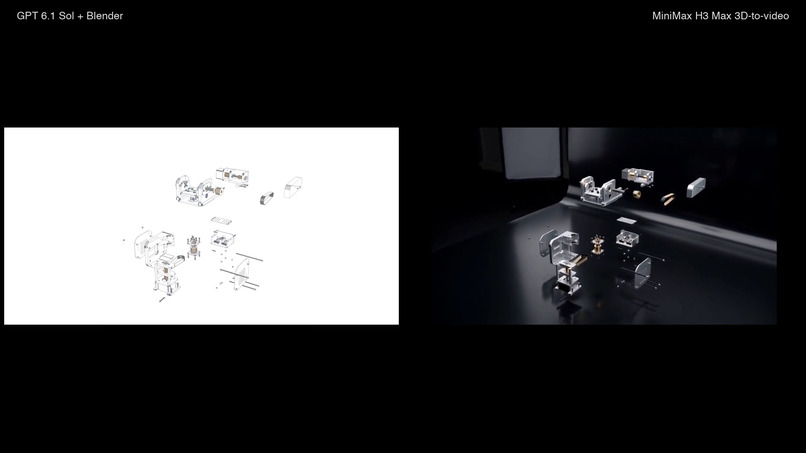
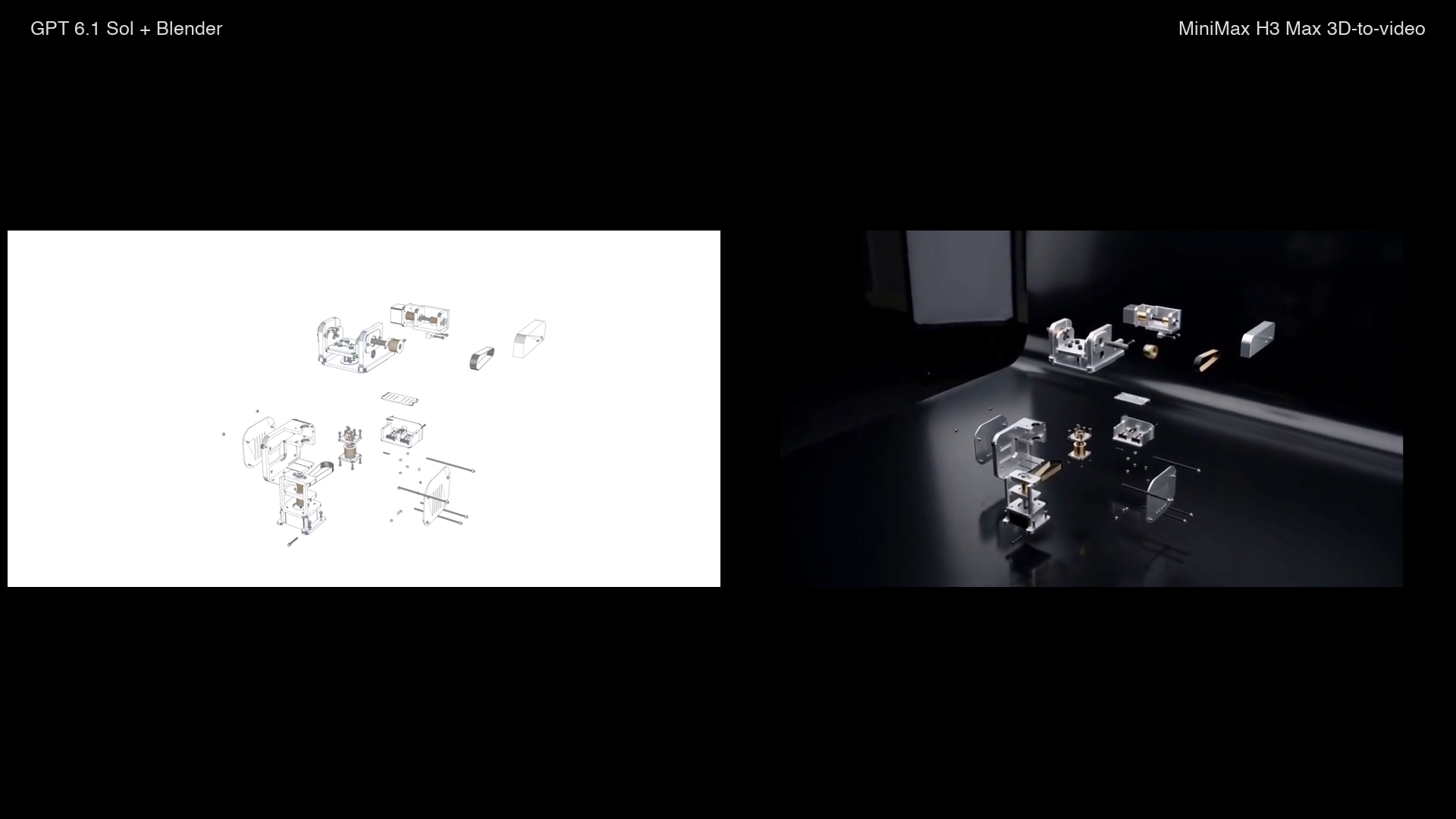
Reference and interpretation, side by side. Still from the synchronized comparison edit.
-
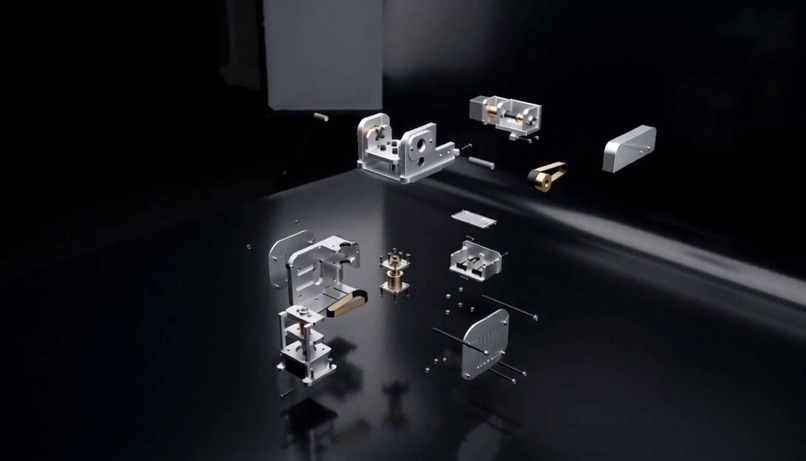
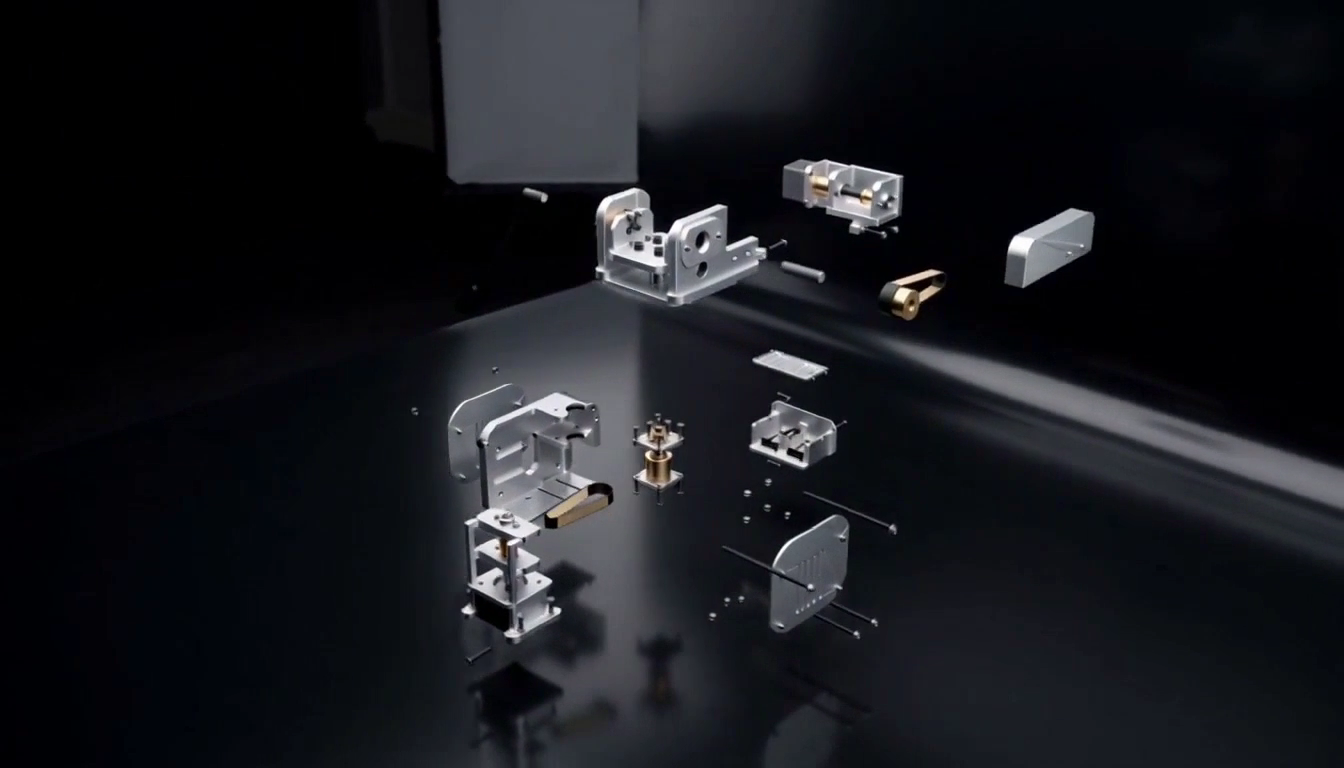
MiniMax H3 Max's interpretation of the Blender animation. Extracted from the generated video; this is not a photograph of built hardware
-
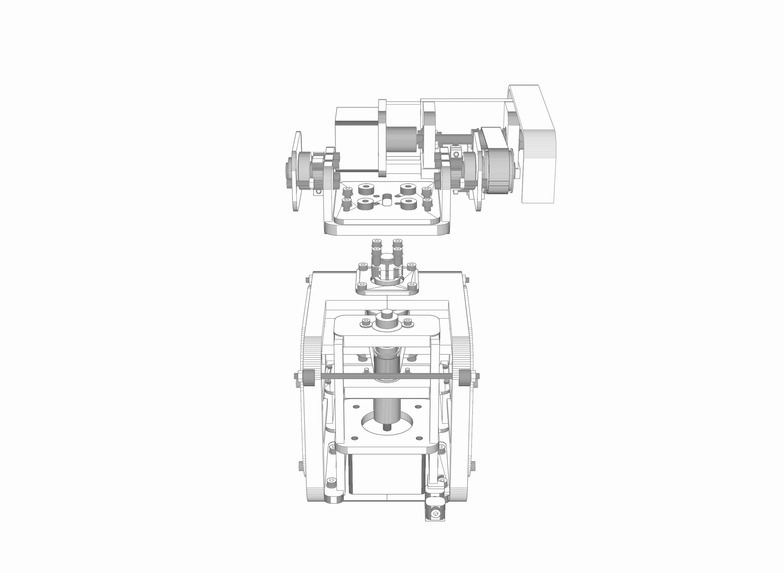
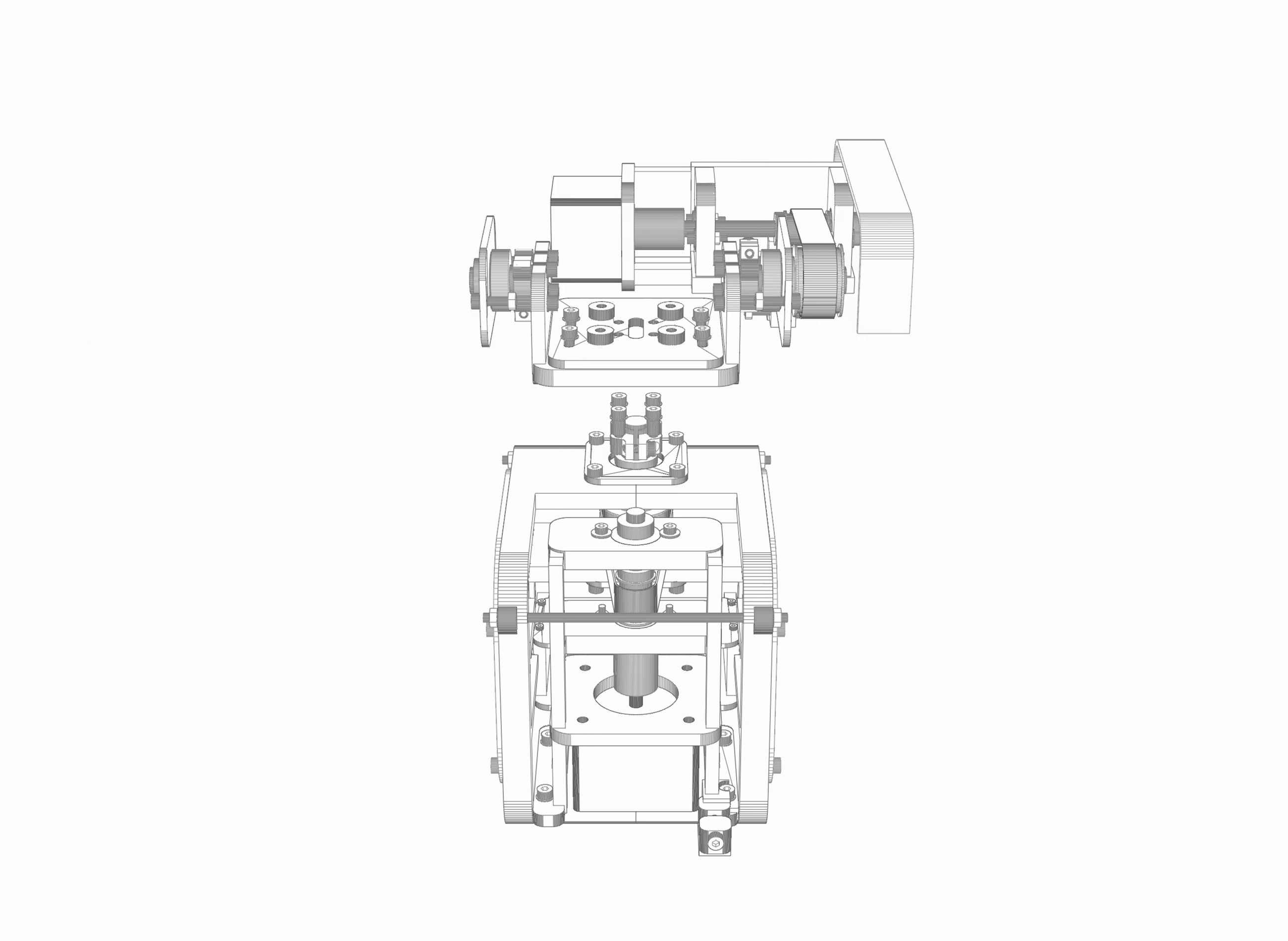
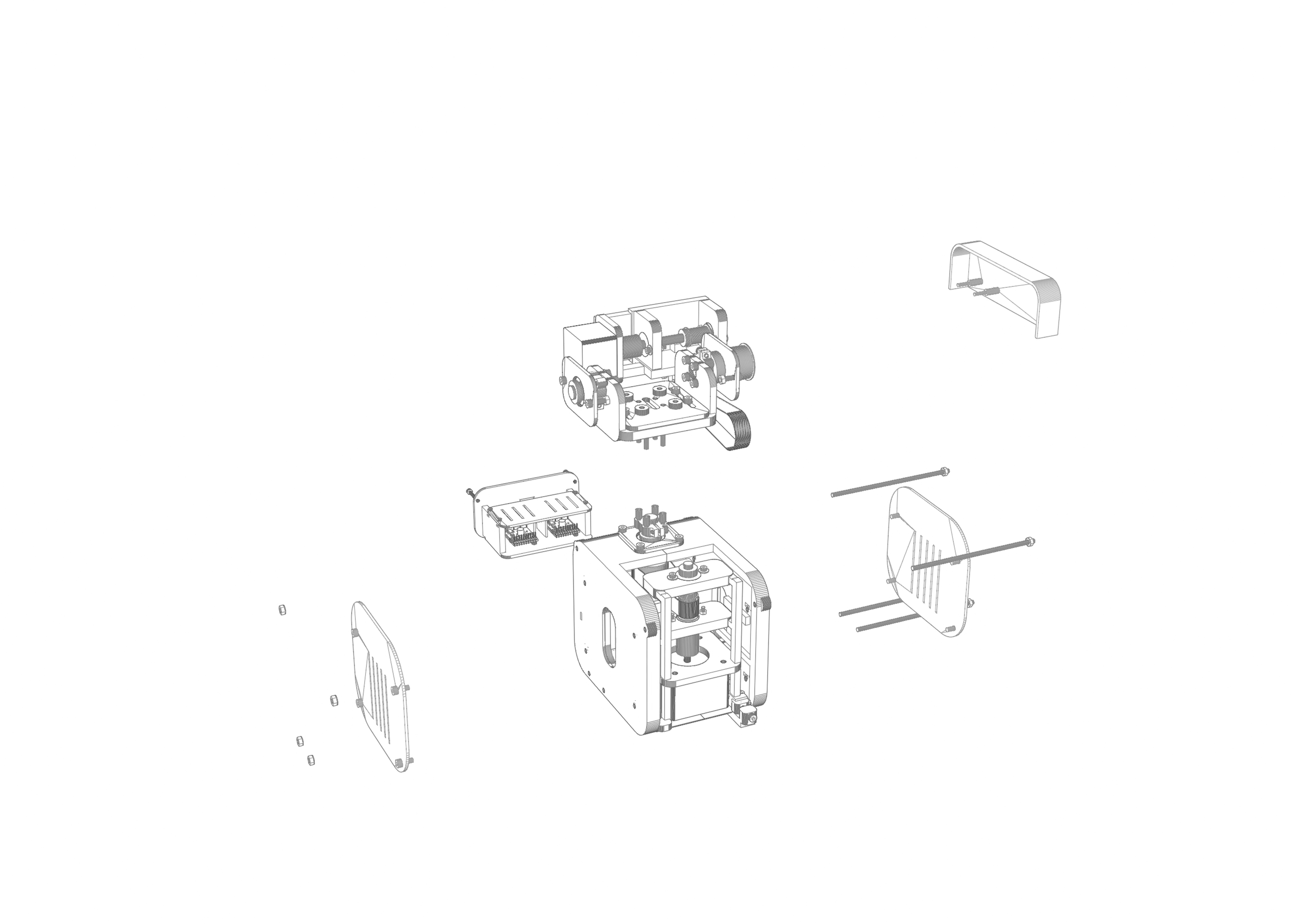
Opening front view of the mechanism
-
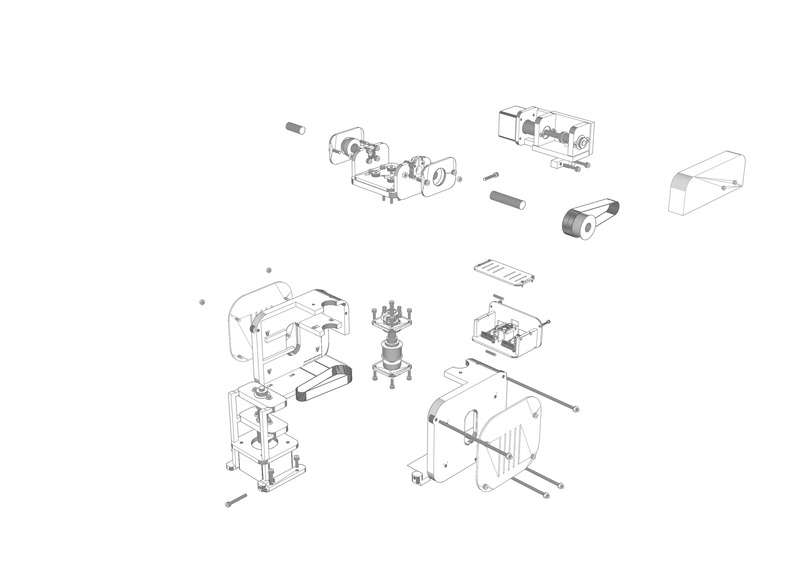
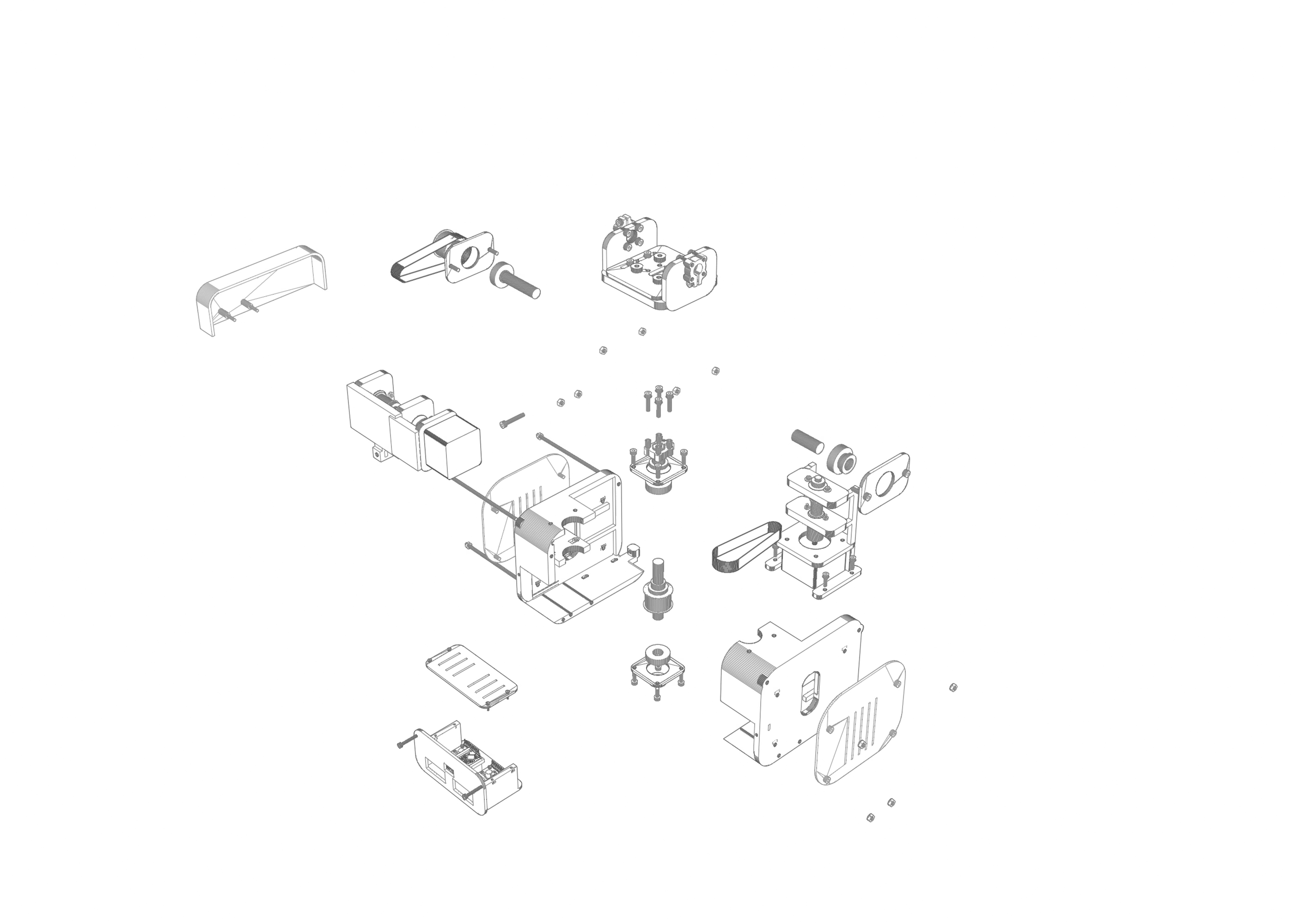
Another angle on the exploded mechanism
-
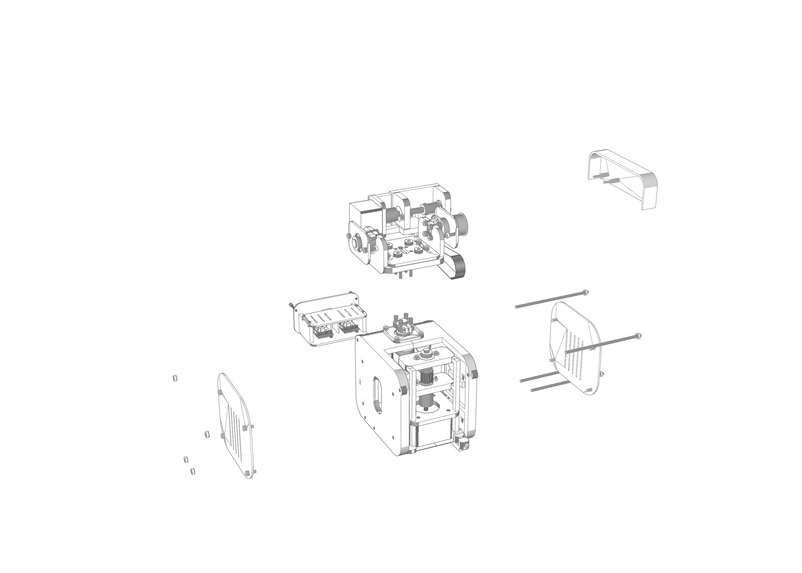
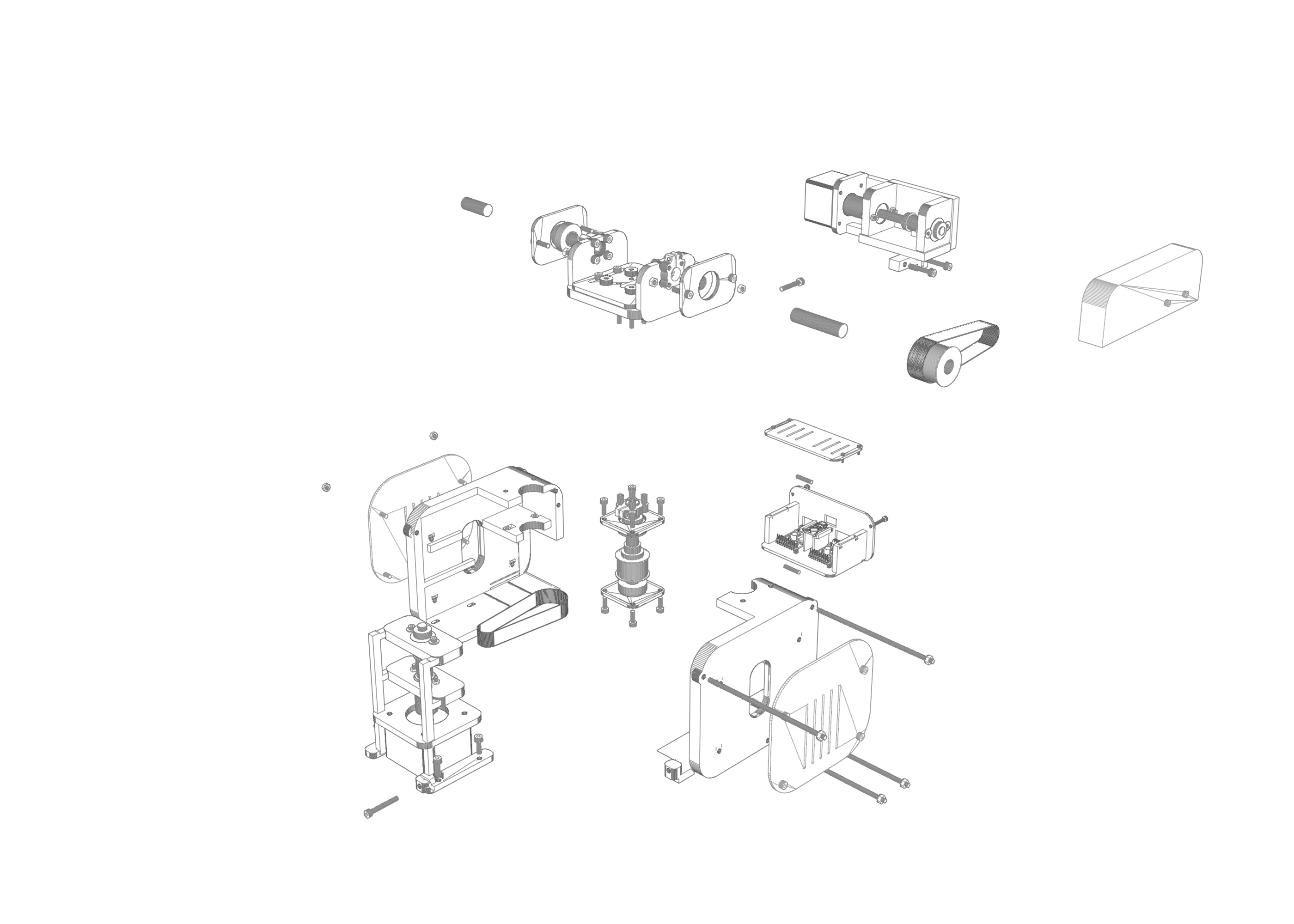
Assembly separating during the orbit animation
-
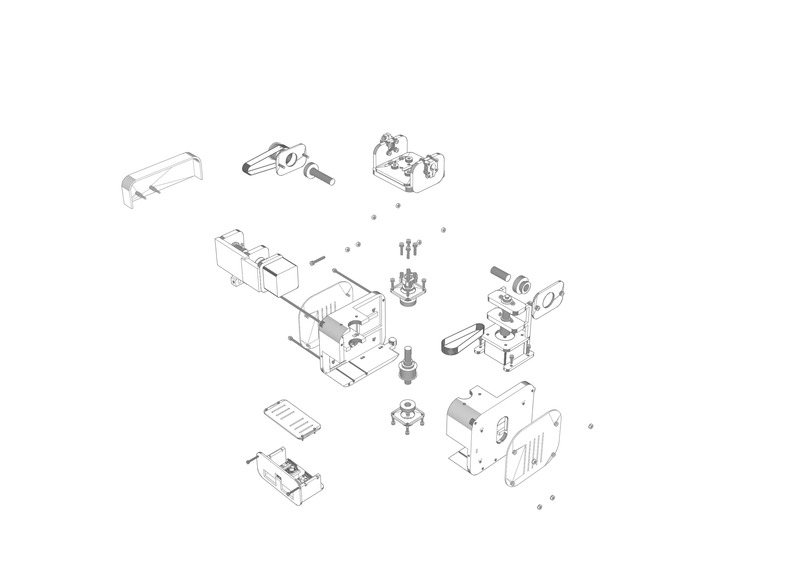
Some disassembly encouraged. Exploded assembly from the Blender previs
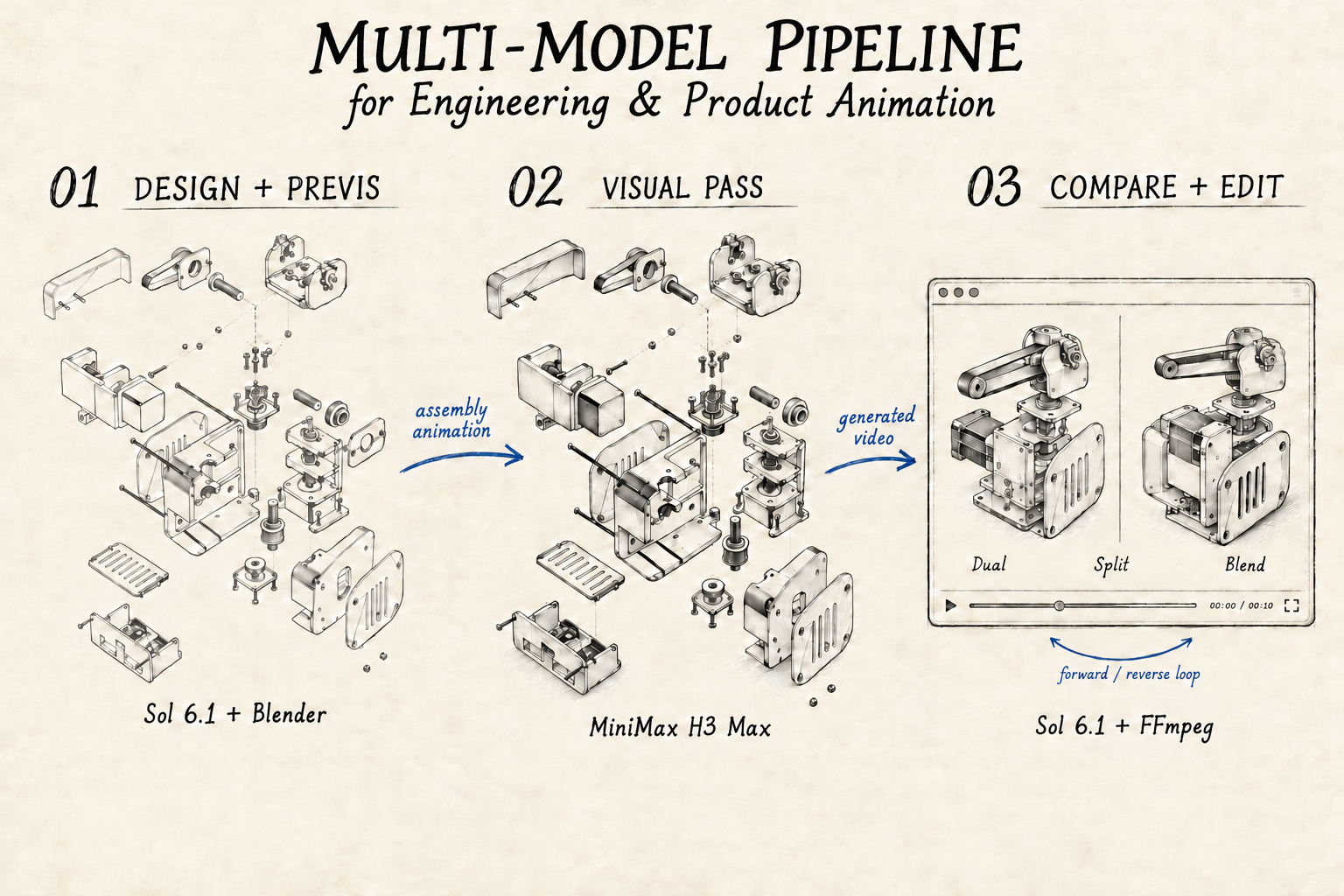
PTZ Rig
Some assembly required. Some disassembly encouraged.
Inspiration
Fixing dental mills and 3D printers gets you familiar with belts, bearings, motors—and screws that apparently went in before the rest of the machine existed.
This rig is a chance to apply that experience to a design of my own, with some salvaged hardware waiting for another job.
The timing helps. Agents like Sol 6.1 have gotten surprisingly capable at modelling and working in Blender. The Chinese labs' video models have been moving fast too. MiniMax H3 Max's 3D-to-video offered a tempting experiment: feed it the assembly previs and see how closely the mechanism survives the makeover.
What it does
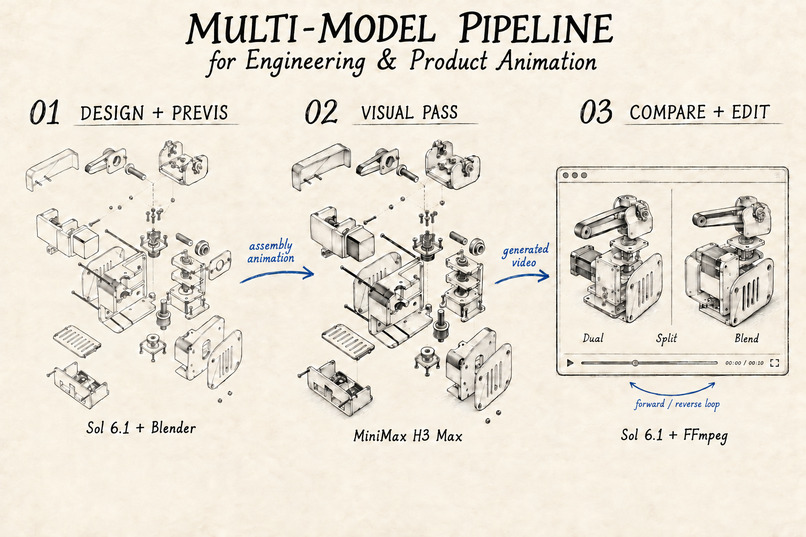
An editable Blender prototype explores belt-driven pan/tilt motion, replaceable payload mounts, and removable electronics. Its assembly animation feeds a MiniMax H3 Max visual pass.
A browser viewer compares the two in Dual, Split, and Blend modes. Automatic sweeps and fades handle the mixing; forward/reverse playback keeps the parts leaving their posts and returning to work.
How it was built
Sol 6.1 + Blender → previs → MiniMax H3 Max → comparison viewer → video.
Codex, Blender, and Python for geometry and animation. HTML, CSS, and JavaScript for the viewer. FFmpeg for retiming, reverse playback, and the final edit.
Challenges
The generated clip takes liberties, but I was impressed with how much it preserved. Framing shifts, parts move at different times, and matching runtimes doesn't match the motion.
Codex did some fancy footwork: motion landmarks, adaptive framing, and manual adjustments. The clips line up reasonably well. A few parts still have other plans.
Transferred learnings
Cleaner source clips would mean less repair work downstream. Superimposing the reference also reveals changes that realistic materials and lighting can disguise.
Looking plausible is easier than fitting together.
What's next
The rig is still mostly virtual, but there's a 3D printer taunting me to build it. Physical fit and motion tests with printed, salvaged, and purchased parts are next. CAD checks don't establish load capacity.
For the video: tighter choreography and higher-resolution generated output—1080p rather than 768p—before another round of cross-fader gymnastics.

Log in or sign up for Devpost to join the conversation.