Inspiration
I am a clinical medical student with no formal background in programming. Psython began with something I repeatedly observed in clinical practice. When medication-related adverse effects were well managed, patients were more likely to stay on treatment and avoid relapse. However, problems such as metabolic syndrome, constipation, sleep disturbances, and tardive dyskinesia could impair social functioning and lead some patients to stop medication. Recovery was also limited when patients remained functionally disabled after the acute phase, while overprotection and reduced participation in daily life reinforced passivity. I realized that recovery depends not only on symptom control, but also on whether patients can live with their treatment and gradually regain autonomy. This became the starting point for Psython: a tool to empower patients to take a more active role in caring for themselves.
What it does
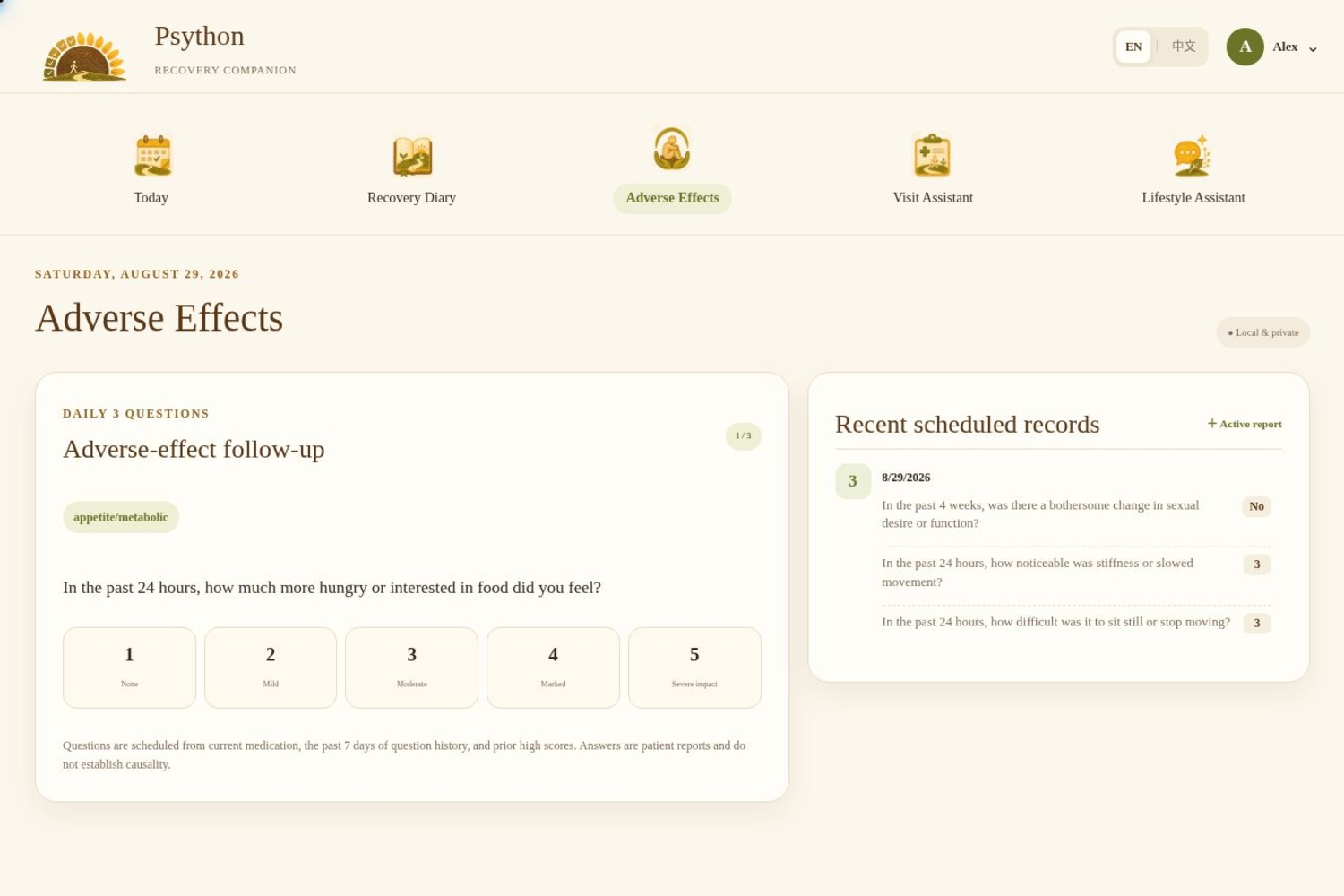
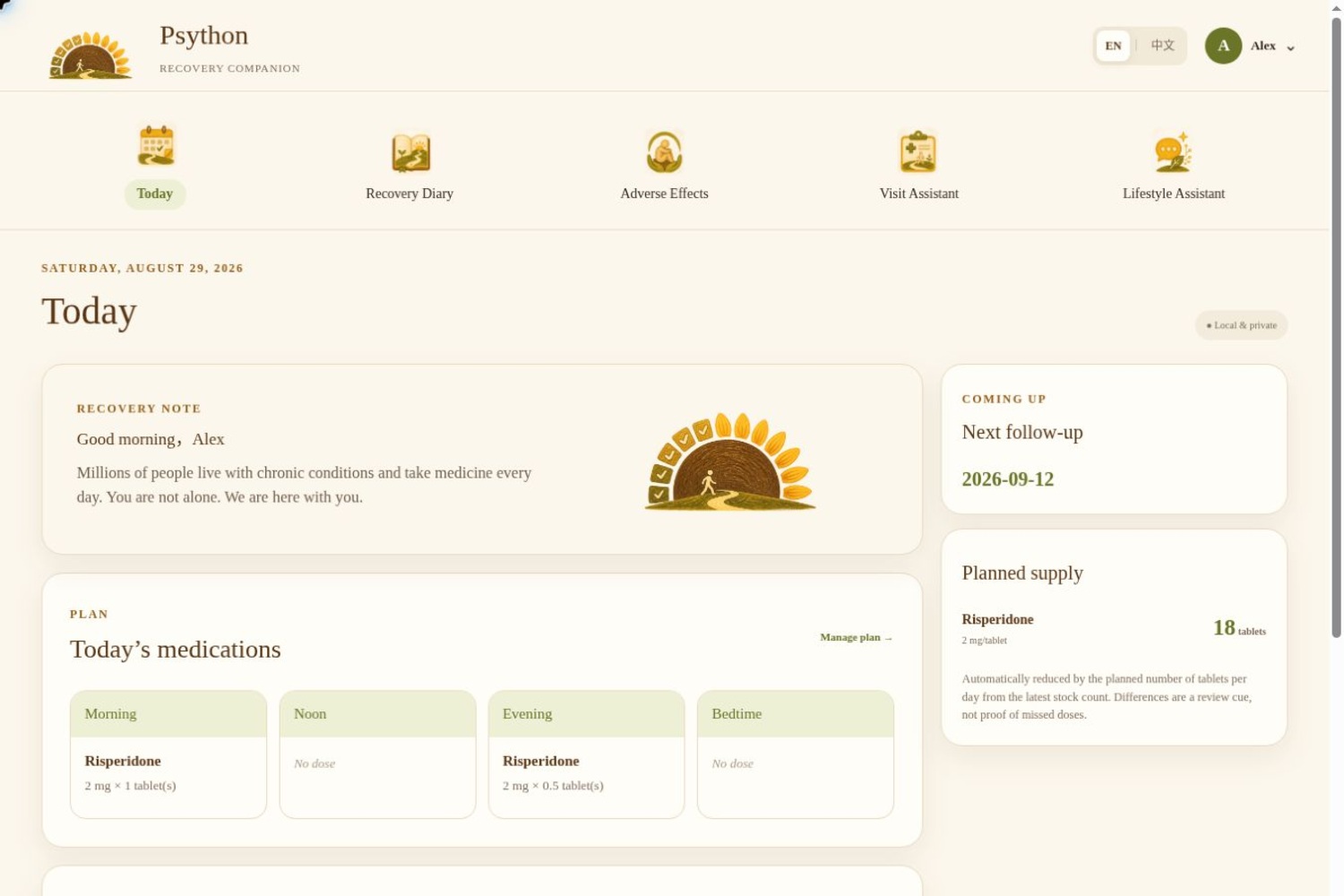
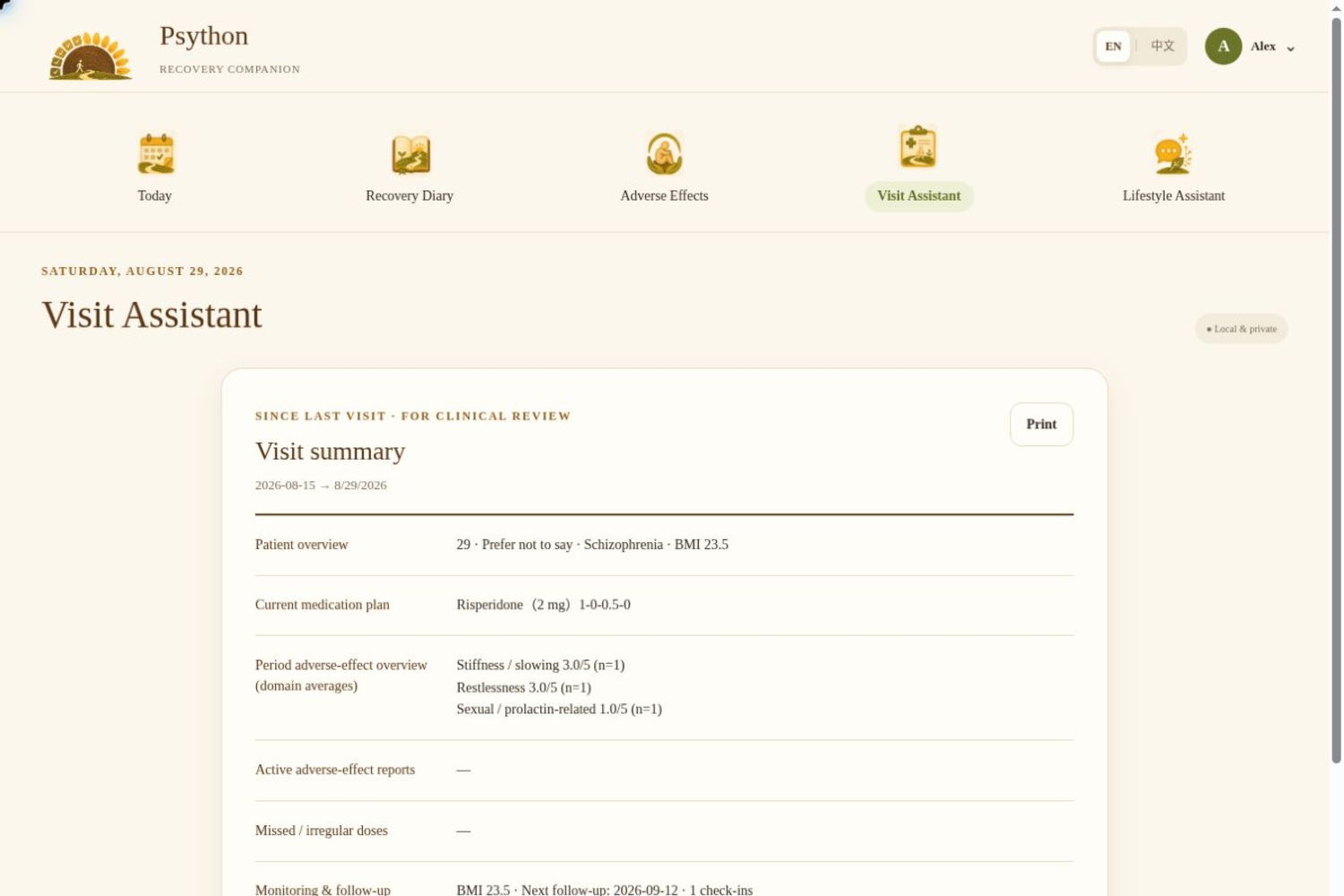
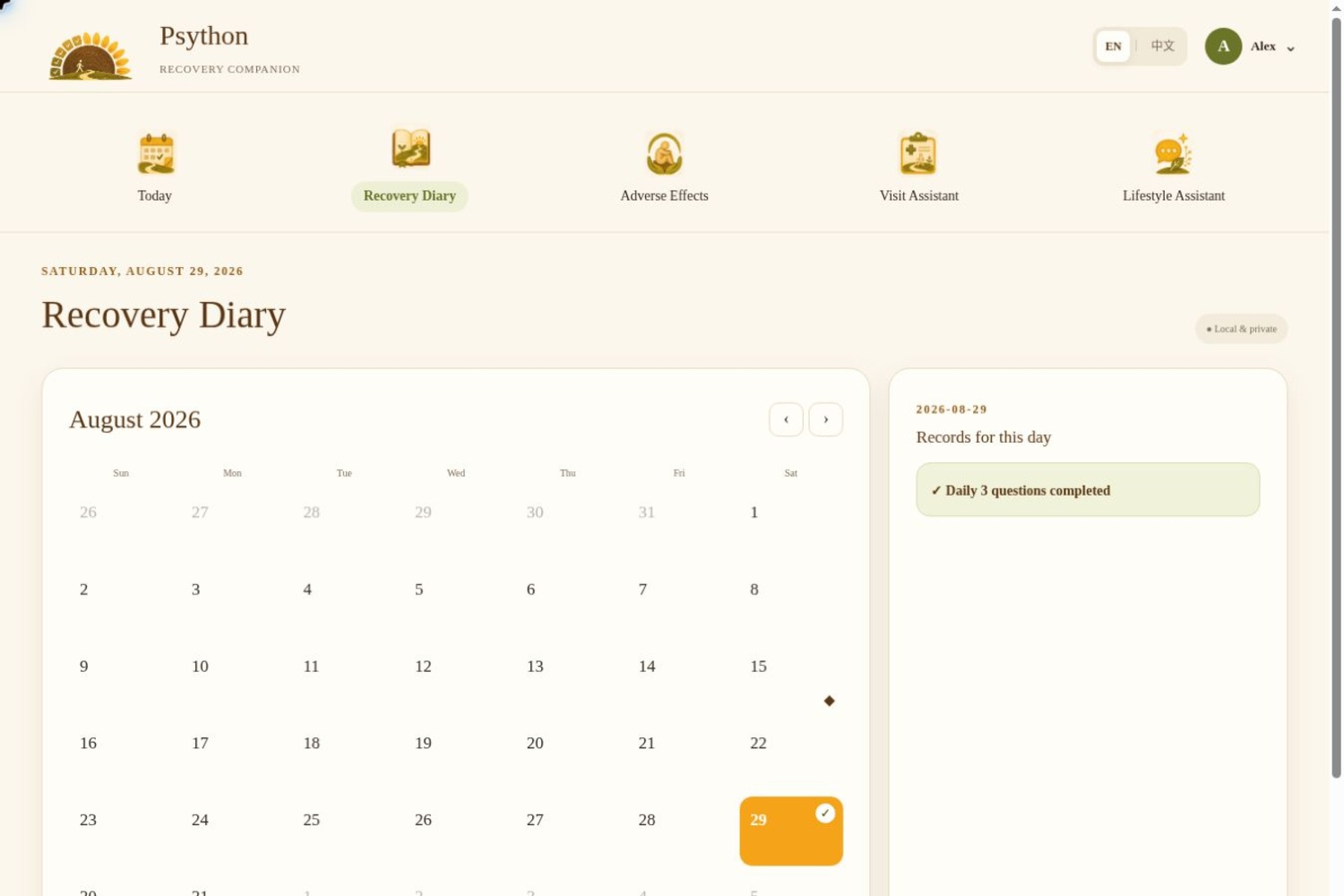
Psython is an AI-assisted recovery companion for people living with serious psychiatric illness after hospital discharge. It helps users track medication and adverse effects, follow personalized monitoring schedules, build healthier routines, prepare for follow-up visits, and communicate their concerns more clearly to clinicians. Its goal is not to replace clinical care, but to help patients participate more actively in their recovery. I initially wanted to connect Psython directly to a large language model so users could receive personalized suggestions for sleep, weight, bowel habits, and medication-related discomfort. However, patient-facing medical AI carries significant ethical and regulatory risks. I therefore redesigned the feature as a structured prompt generator. Psython transforms users’ fragmented daily reports into a longitudinal summary and generates a prompt based on their longer-term patterns, helping them discuss meaningful changes and concerns with clinicians. This is less technically ambitious, but more realistic and responsible.
How I built it
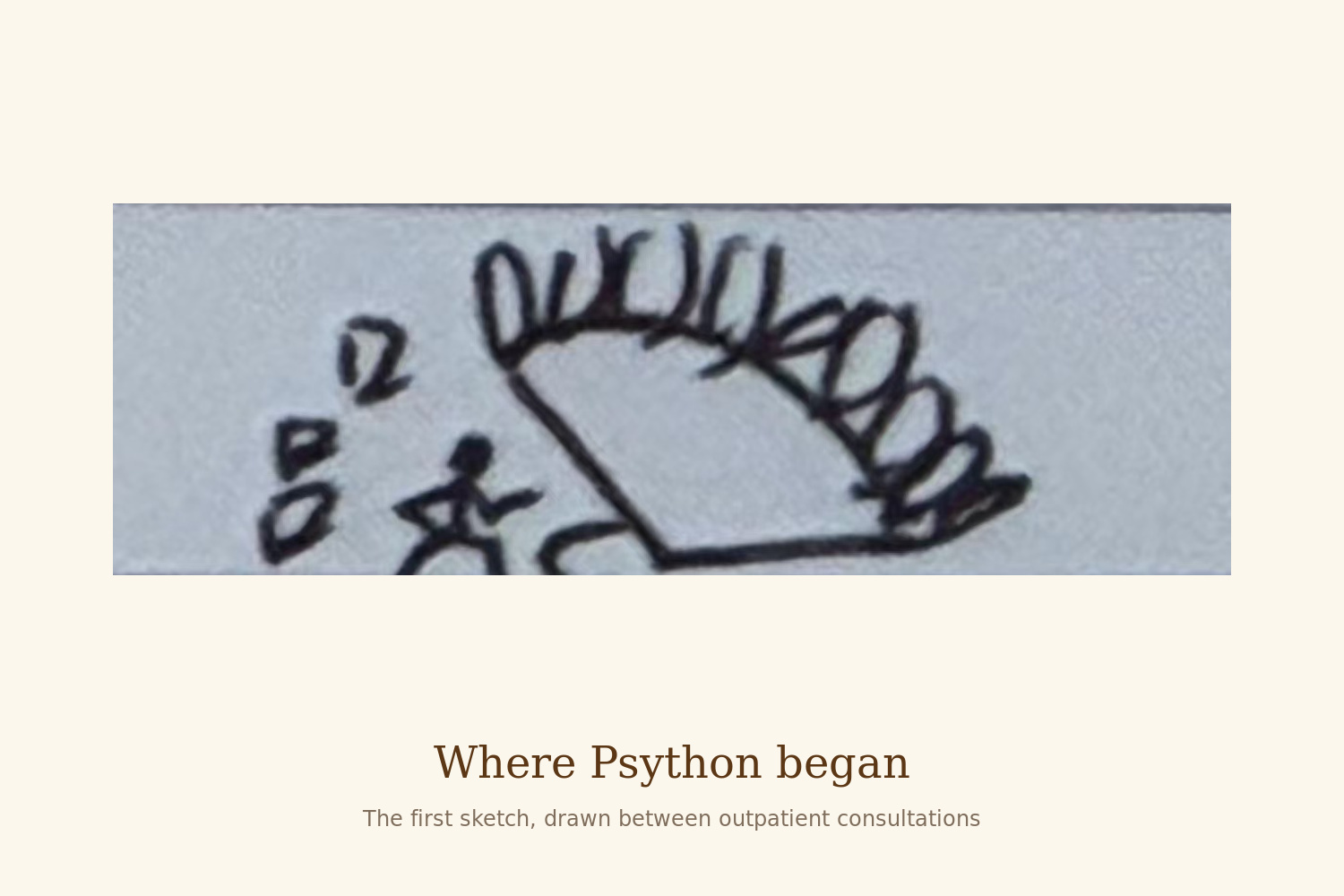
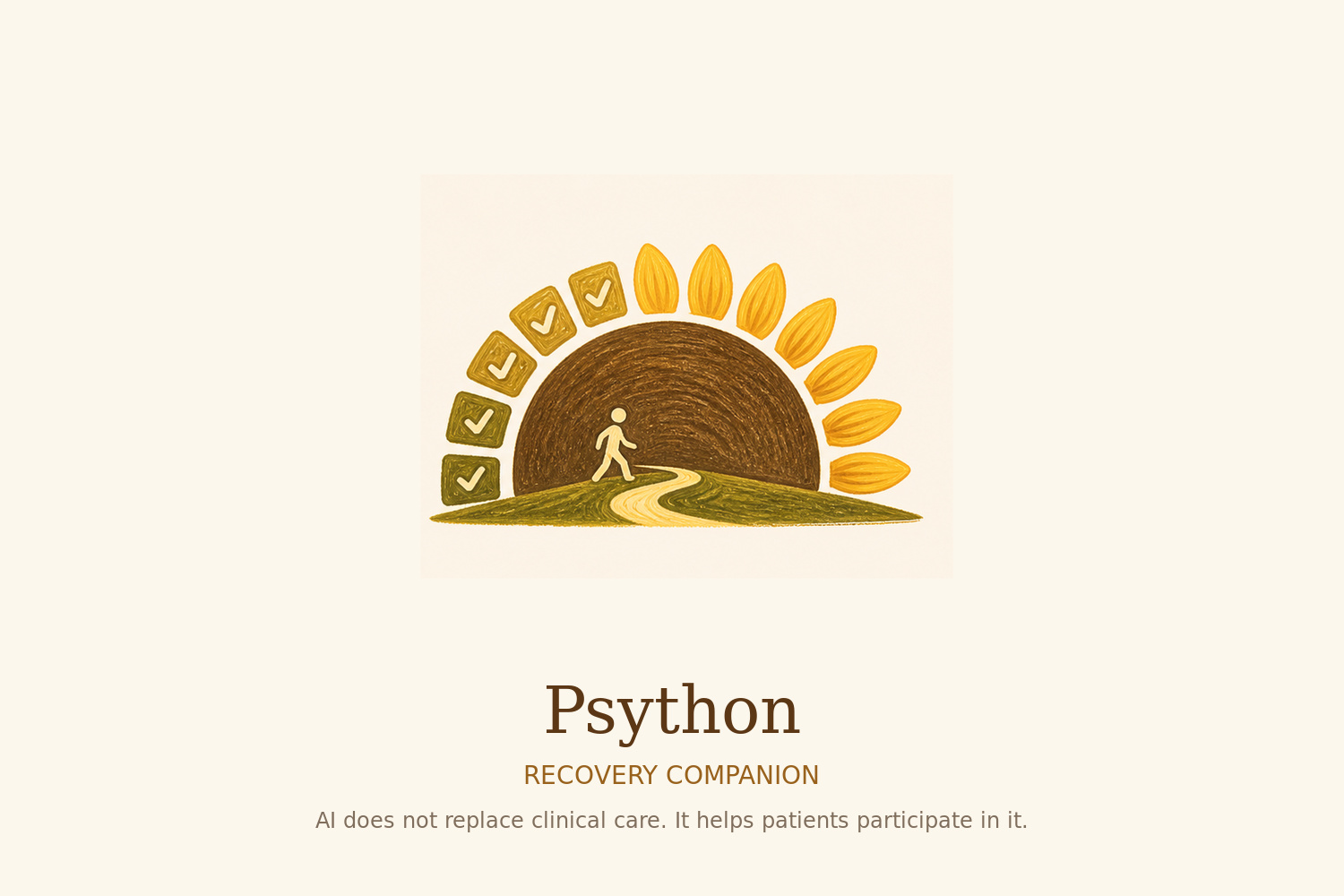
I started with almost no coding experience. I learned to write a product requirements document, map the patient journey, prototype interfaces in Figma, and create a visual identity. The logo began as an idea that came to me between outpatient consultations. With ChatGPT and Codex, I turned these ideas into a bilingual web platform built with React, TypeScript, Vinext, Vite, and CSS. User data remain in the browser, avoiding the collection of identifiable patient information on an external server. The biggest challenge in medical AI may be ethical—but for me, it was still technical. ChatGPT allowed me to move from clinical observations to a working product without first becoming a software engineer. I still had to define requirements, identify risks, evaluate outputs, and translate clinical reasoning into product logic, but I no longer had to write every line of code myself.
What I learned
Psython made me ask which healthcare problems should actually be solved with AI. For me, one answer is patient empowerment. Clinicians and families may prioritize symptom control and relapse prevention, while patients may care just as deeply about weight gain, fatigue, constipation, tremor, or returning to work. These concerns may appear secondary, yet they often determine whether treatment remains sustainable. Patients may temporarily lose autonomy during an acute episode, but that autonomy is not always fully returned after recovery. With Psython, I want to help people living with schizophrenia regain not only stability, but also agency: the ability to understand their treatment, express what matters to them, and rebuild their lives.
What's next for Psython | Recovery Companion
To be honest, I do not know whether Psython truly has a next step. I do not know whether it can genuinely help patients who have experienced a loss of autonomy regain a sense of agency, nor do I know whether patients would be willing to use it. At this stage, it remains only an initial attempt. There is still a long way to go before it can be accepted by patients, properly evaluated, and integrated into clinical practice.What I do know is that Psython has made me think more seriously about how medical AI should serve patients.
Built With
- browser-local-storage
- chatgpt
- chatgpt-sites
- codex
- css
- figma
- html
- prompt
- react
- responsive-web-design
- typescript
- vinext
- vite

