-
-
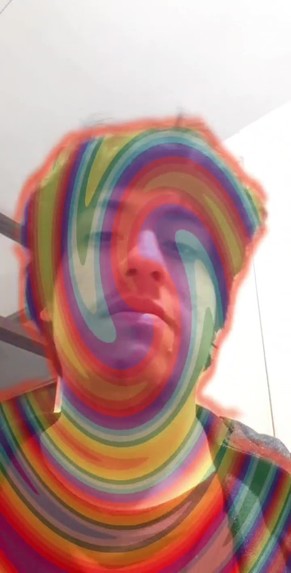
Camera Preview
-
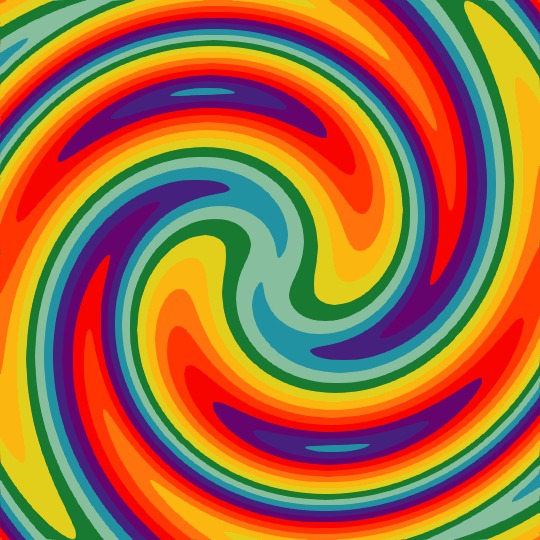
Pattern Rendered Preview
Inspiration
I love music and I wanted to make an effect that responds to it. I always see segmentation effects that change the background and I have never seen a segmentation effect that puts something over the segmented person.
What it does
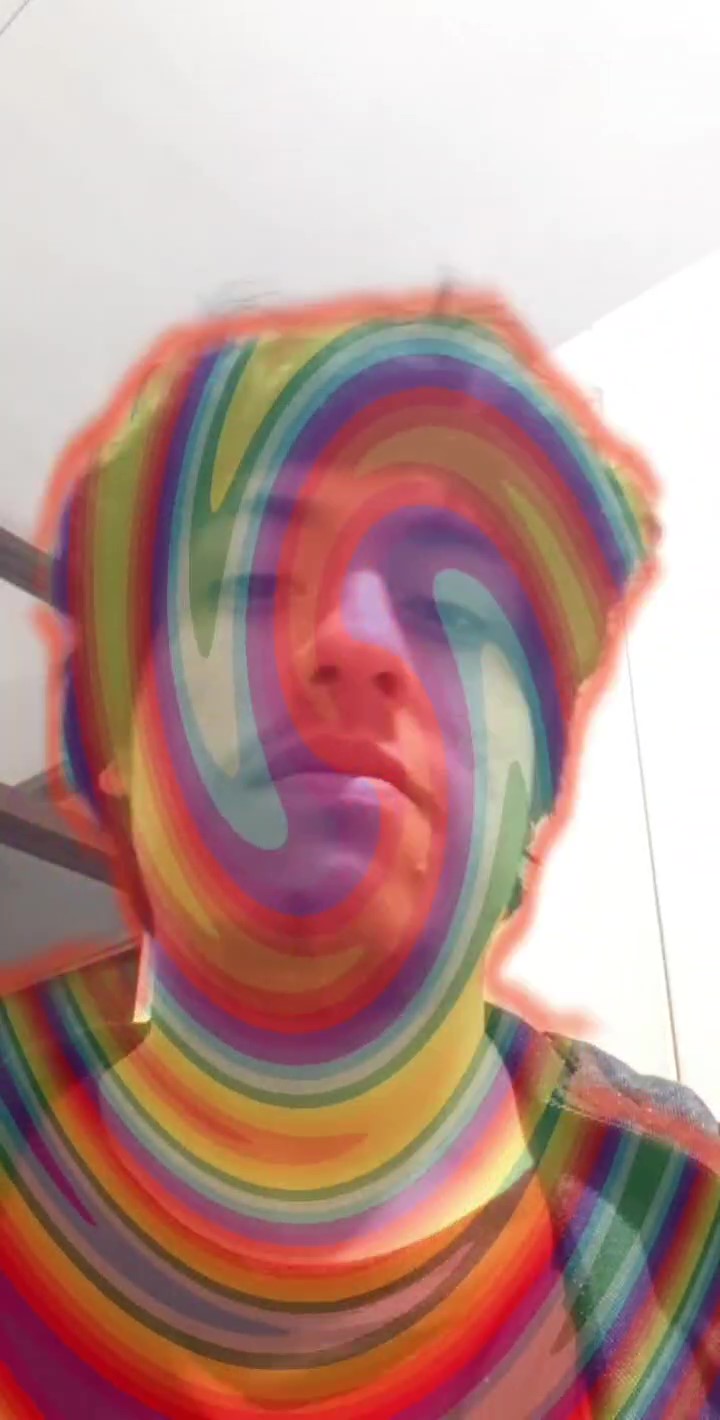
The effect puts a transparent colored pattern over the body. When the user picks a music track, the pattern starts to rotate, twist and shift its colors with the music.
How I built it
I used the SDF patches to create the pattern. That allowed me to control different aspects of the pattern in real-time that I can attach to the audio analyzer. Then I selected three features of the pattern to animate and I used a script to make the audio signals control the speed of these features. Finally, I used segmentation to show the pattern inside the user's silhouette.
Update 09/04/2020
I recently realized that Instagram Reels don't accept effects that use the "Instagram music" patch. As a workaround, I made another version that uses the input from the microphone as suggested in the spark ar community group on Facebook. I included the original version link as well just for fun.
Challenges I ran into
I've never used SDF patches before and they are a little bit hard to understand. But the hardest challenge was to use the audio analyzer and the energy meter to take the signals I wanted.
Accomplishments that I'm proud of
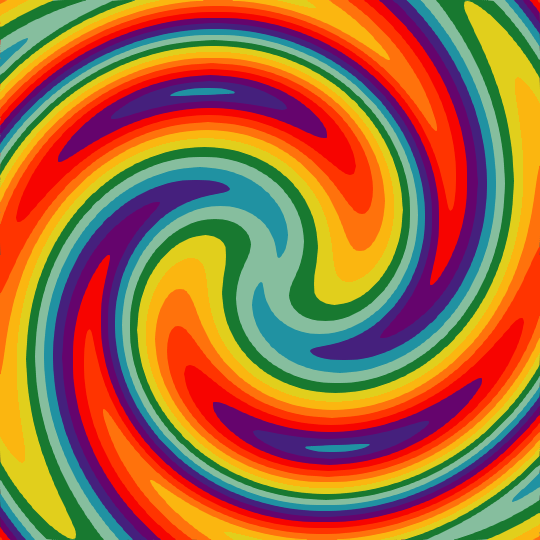
The huge complex multicolor pattern I produced with SDF patches and the math I used to convert the audio signal into three numeric signals.
What I learned
I learned to analyze audio, to use scripts to control the speed of animations, and to draw cool stuff with SDF patches.
What's next for Psychedelic Twist
I was thinking of adding preset color palettes to a UI picker so the user can choose a different set of colors for the pattern.
Built With
- sparkar


Log in or sign up for Devpost to join the conversation.