-
-
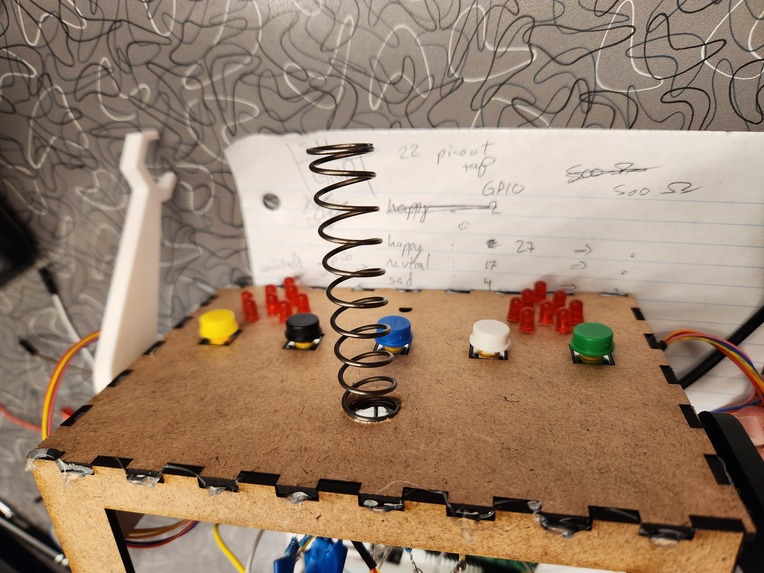
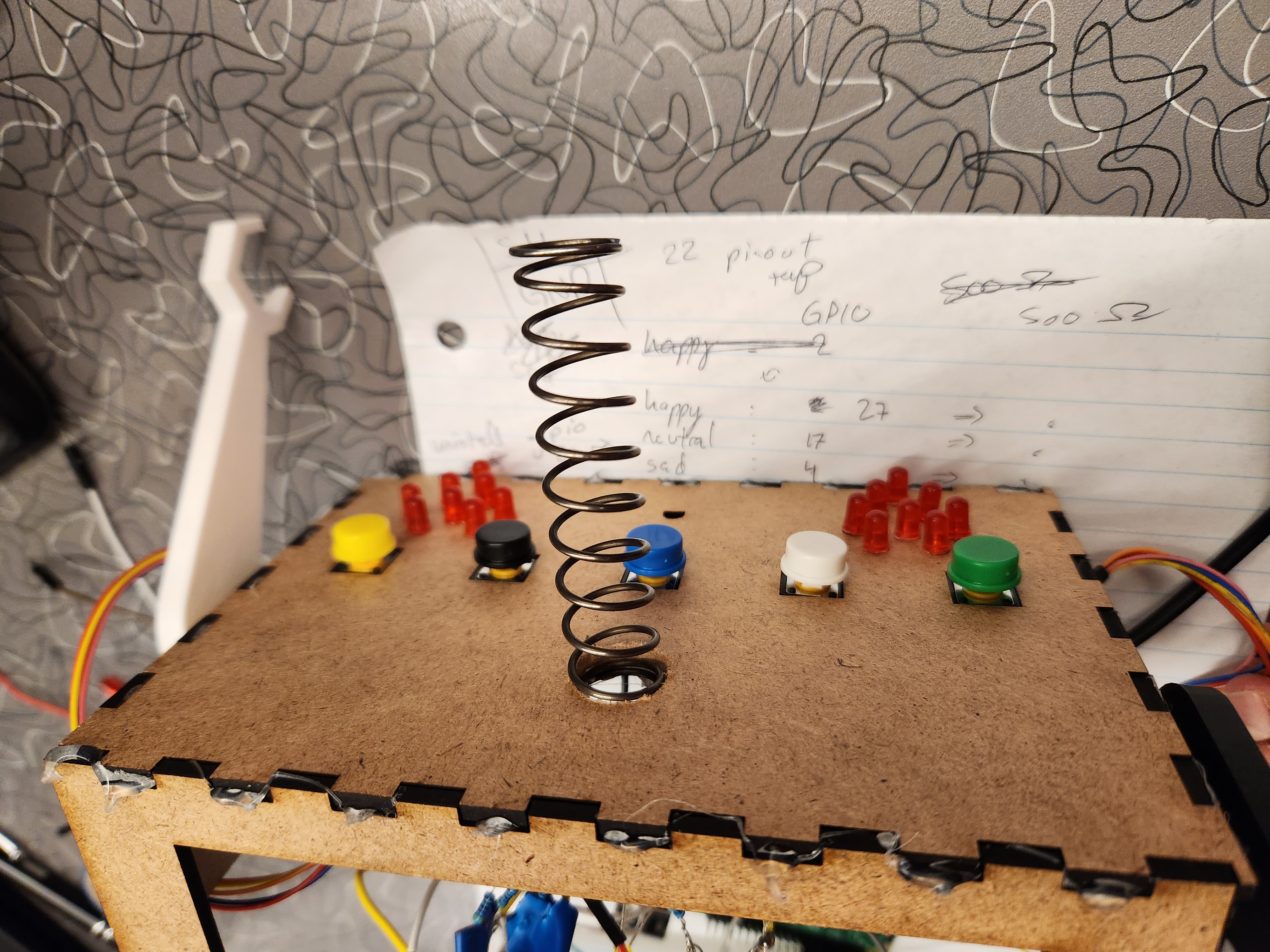
A preliminary view of the Psych Tracker's User Interface
-
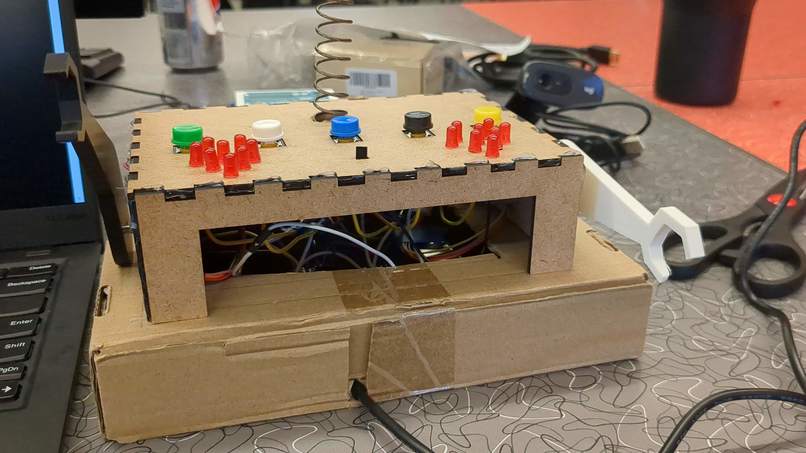
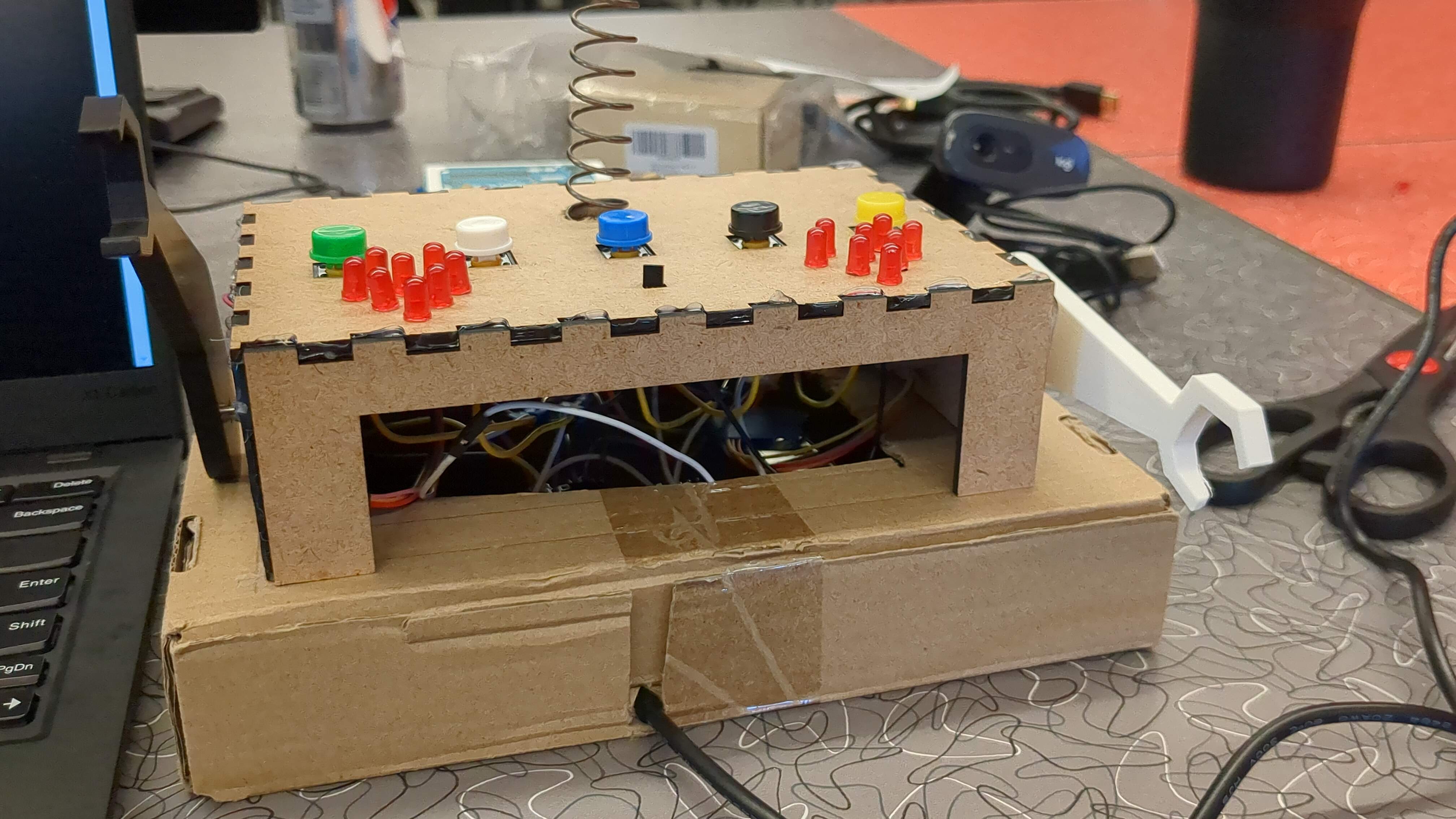
Psych Tracker Front View
-
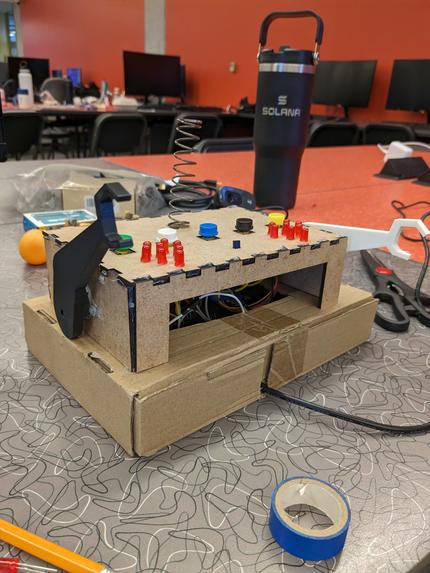
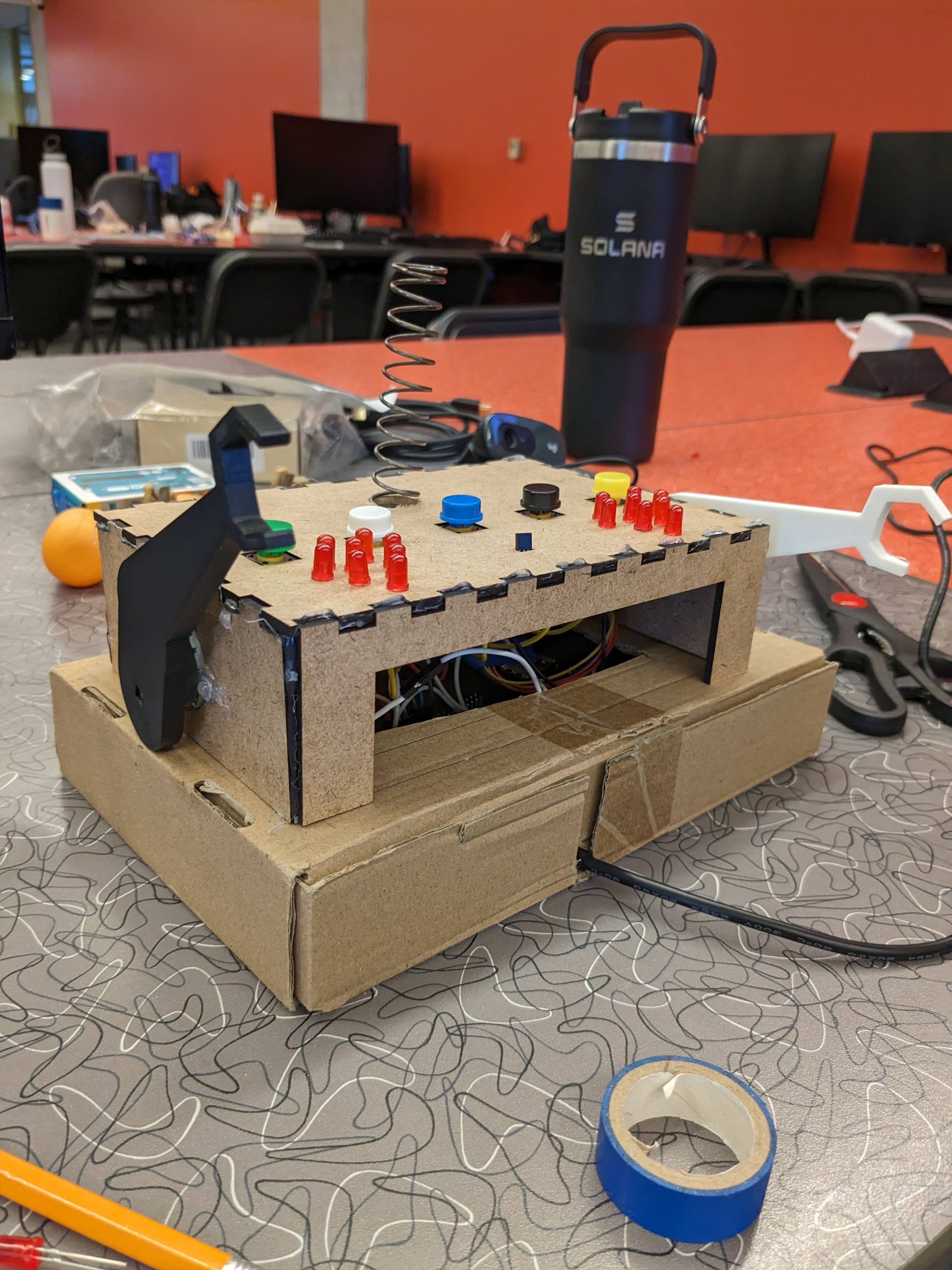
Showcasing the 3D printed arms of the PsychTracker
-
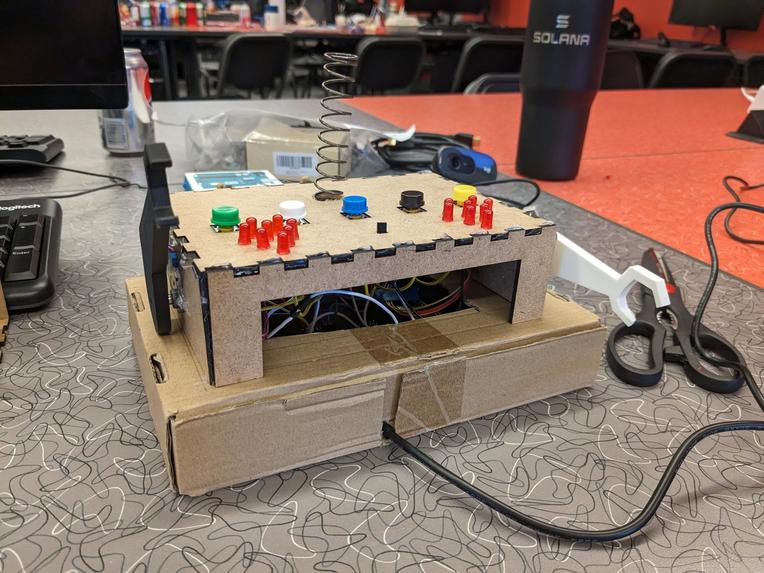
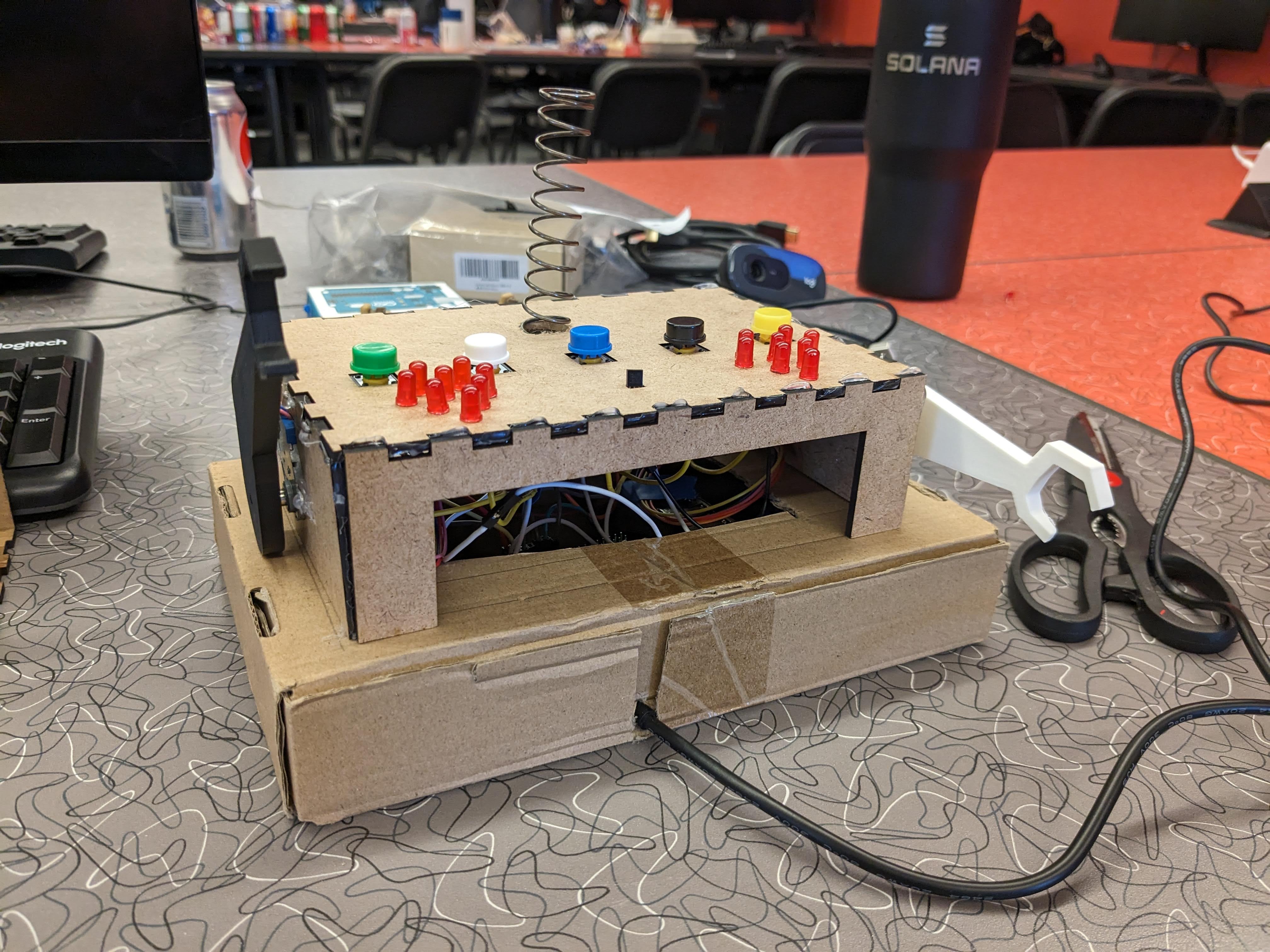
Housing of the PsychTracker
Inspiration
Mental health issues are difficult enough to feel, and another thing to try to actively address. There are many valid therapeutic methods of addressing mental health, but sometimes a simple metric is a great place to start. When I was struggling with my mental health, I wished I could know better how often I was actively struggling. When I got anxious, it felt like I had always been anxious and would always be anxious. I tried to get an official diagnosis but struggled to accurately convey how much my mental health was impacting my ability to operate. Experience can be subjective, but data can offer clarity.
What it does
This devices records your mood whenever you feel like recording it. There are three mood options to choose: high, neutral, and low. While this measure is coarse, it also allows the user to choose quickly without overthinking or being overwhelmed by options. This device also records this data with only the tap of a button that does not require the use of a cellphone. This was sought intentionally, as personal devices are often filled with distracting or distressing notifications. Sometimes it's useful just to check in without struggling to find the energy or wade through a sea of distractions.
The device also features two buttons related to focus. Another common mental health issue is feeling regularly unfocused. This can easily spiral into assuming it is impossible to focus, when perhaps there was a great deal of energy put towards focusing recently. This is also a valuable metric to track for a student's mental health.
This devices has a few additional data collection points. There is a mounted camera that has been trained to assess mood based on facial expression. There is also a temperature sensor meant to capture skin temperature during mood recording. Together, the mood, temperature, and facial expression are meant to feed into a larger algorithm. This data was stored using Mongo and then prepared for eventual use in a neural network as well as Mongo Atlas . Overtime, more associations could be made that will further aid in understanding the effects mental health has. How valuable would it be to gain insight as to ones mental state by a correlation with a non invasive temperature measurement?
How we built it
We focused on using open source materials so that we could focus on creating a cohesive unit. The system is controlled by a raspberry pi 3 and an arduino leonardo. The computer vision model was developed using tensorflow. The housing was created primarily with laser cut pieces with some fanciful 3d printed additions.
We wanted to make this device functional, but we also wanted to make it pleasant. The camera is mounted on a spring to create a "bobble head" to amuse the user during a mental health episode. There are LEDs in the shape of hearts that light up when the user indicates that their mood is low. The two robot arms have unique movements that respond to the neutral mood indicator and focus mode.
We wanted this device to feel like something of a companion. A cute enhancement to a desk space that provides valuable insights about the user.
Challenges we ran into
Primarily time. There are some integration steps not yet implemented due to a lack of time. We tried to dream feasibly, but still managed to get caught up in what we wanted this to be.
Specifically, the computer vision model took it's time to train. This is not surprising but difficult to mitigate. It is difficult to speed up training and maintain model integrity.
There were a few errors along the way! Design choices that were abandoned part way through because while they were desired, they were taking more time than could be allotted.
Accomplishments that we're proud of
We are proud of the functionality of our project and of how much we learned. Our design is well made given the time constraints and should already stand up to extended use. Furthermore, we set the ground work for alot of further development. The analysis of the harvested data could lead to much more exploration in the realm of passive mental health assessment.
We're proud of how we operated as a team. None of us knew eachother before this, but we were able to come together and communicate effectively to create a project we're all quite satisfied with.
What we learned
We learned how to generate ideas together. We learned new technologies that we hadn't used before - specifically implementing interrupts for the buttons was an interesting endeavour! We learned how to design mechanically well during a hackathon - and the answer is laser cutting. 3D printing is glamorous, but the speed of laser cutting simply can't be beat. We learned to get creative with what we had on hand. We found it difficult to check out the hardware items we were looking for and so we needed to get creative with what we had.
What's next for Psyche Tracker
More design iterations. There are little aspects of many parts of the build that could be improved. Finetuning what we have done so far will go a long way to elevate this project into something truly special. After that, the project would benefit from more sensors that have investigated links to mental health. Then, all of that data can come together to create the data set describing the physical effects of mental health on a day to day basis.
Built With
- arduino
- mongodb
- opencv
- python
- raspberry-pi
- solidworks
- tensorflow


Log in or sign up for Devpost to join the conversation.