-
-
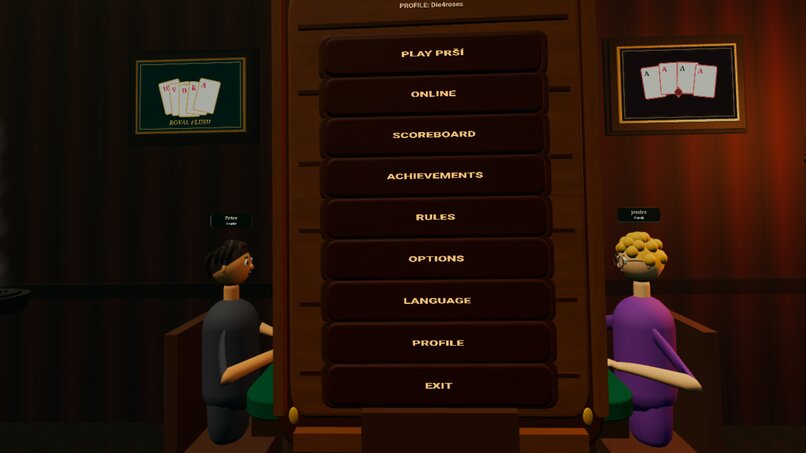
Menu
-
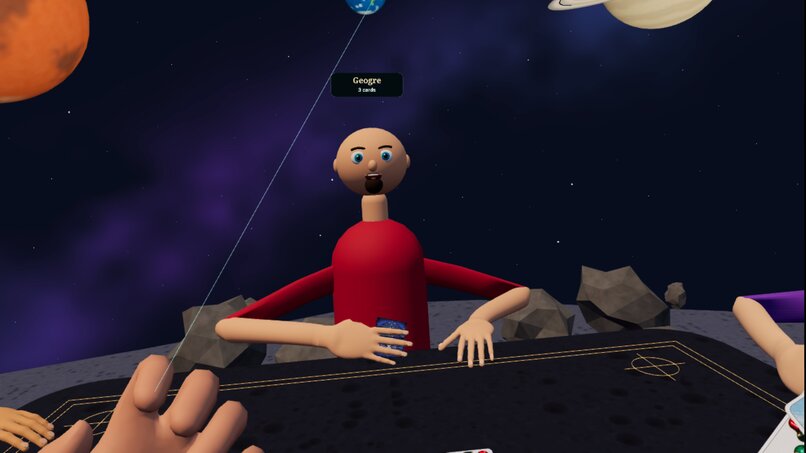
Space player
-
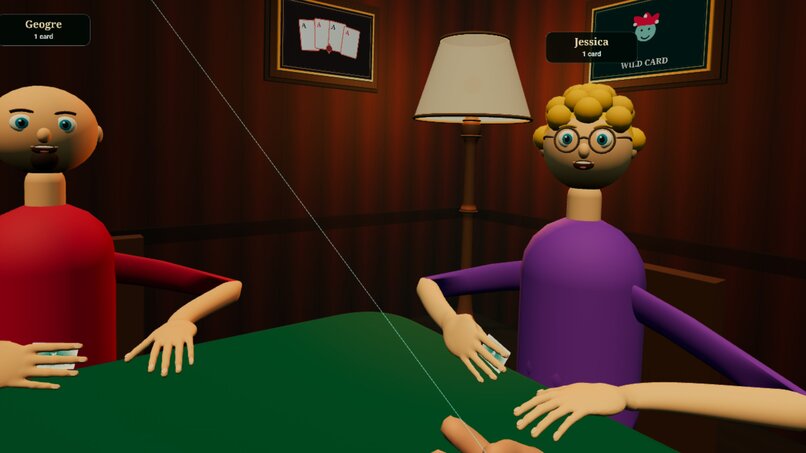
Players
-
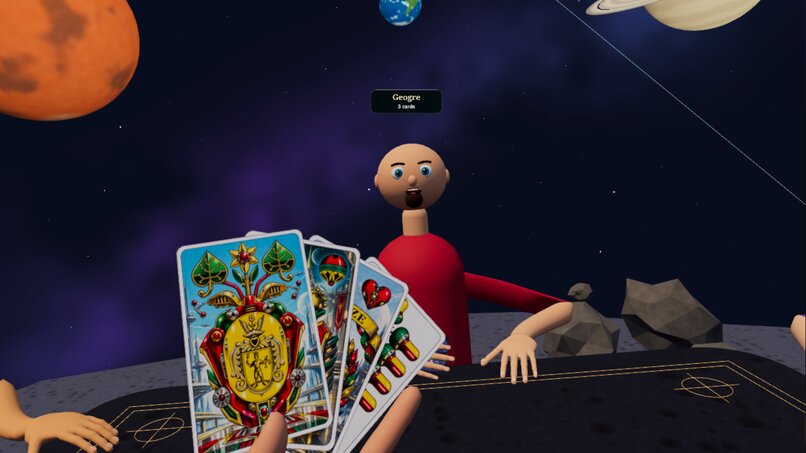
Cards in space
-
Cards in hand
-
Space menu
-
Room
-
Player and view
-
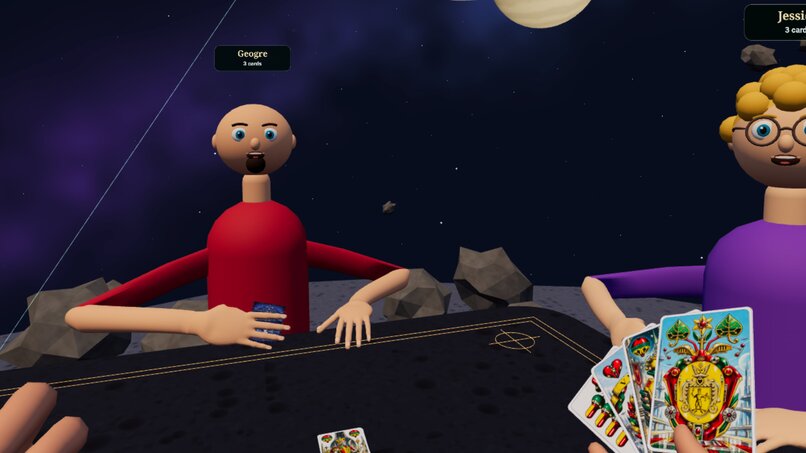
Space game
-
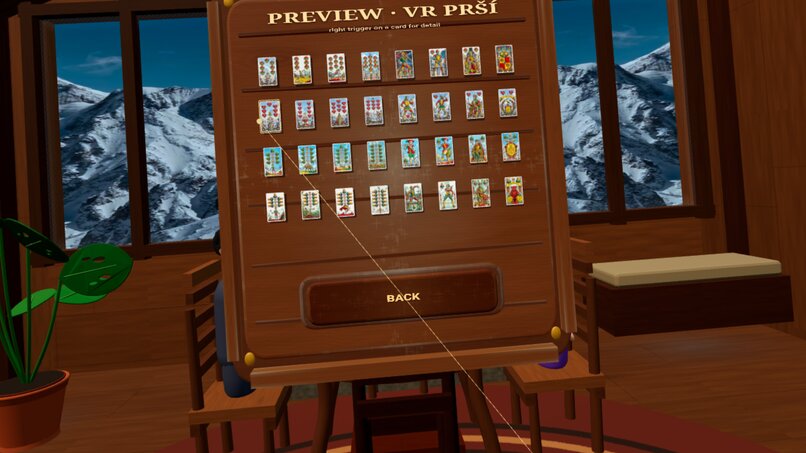
Cards
-
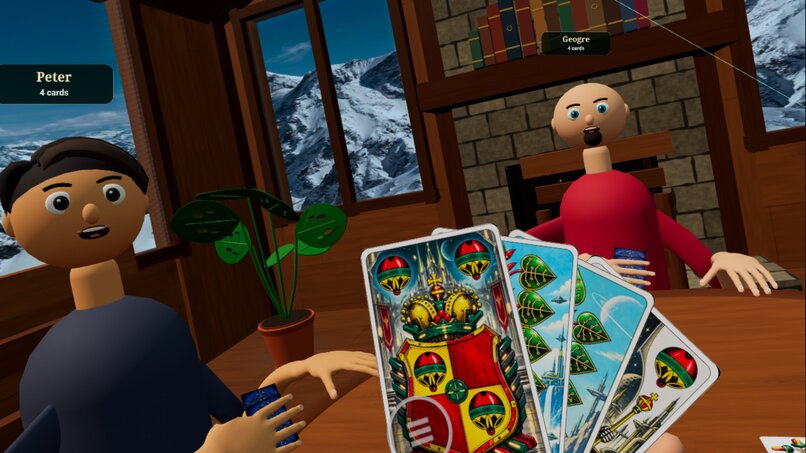
Cards in hand 2
-
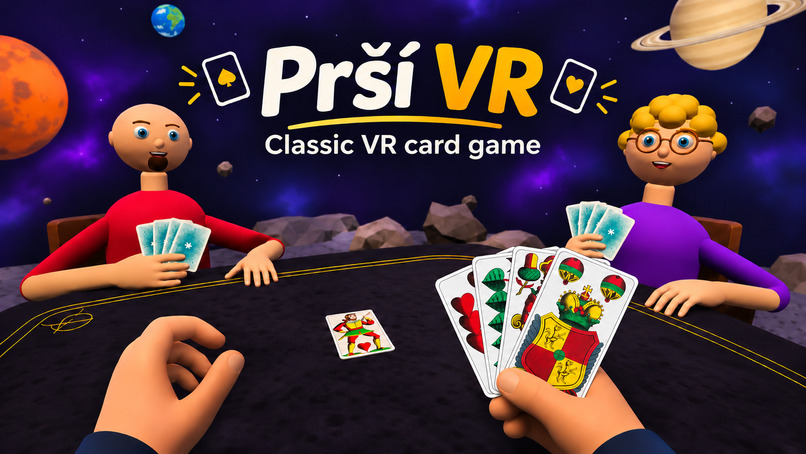
Thumb
Inspiration
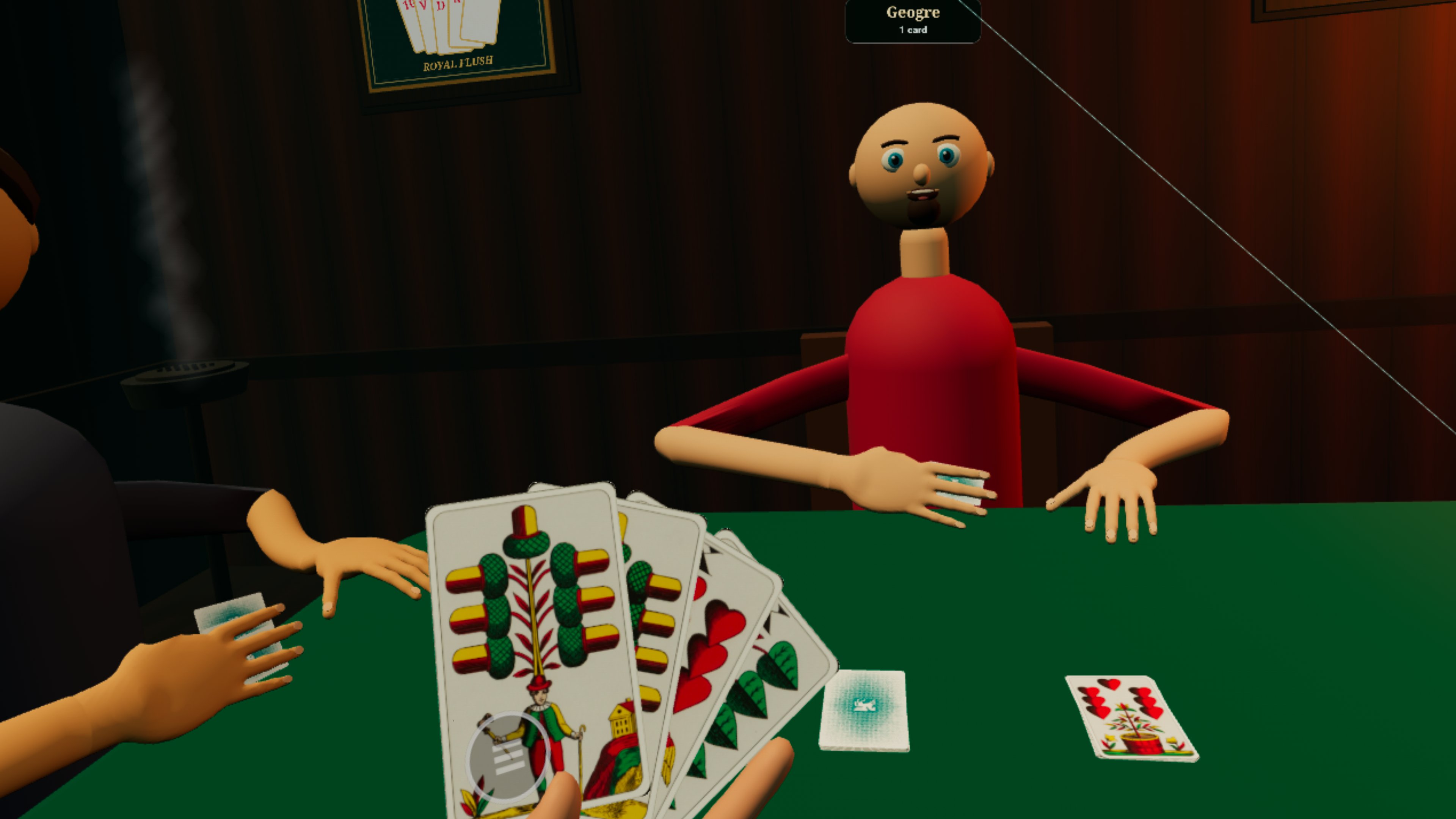
I wanted to bring a traditional Czech card game into virtual reality and recreate the feeling of sitting around a table, playing cards, and enjoying the atmosphere of being together.
Prší is a popular Czech card game that many people grow up playing. My goal was to take this familiar experience and give it a new dimension through immersive virtual environments, intelligent computer opponents, and natural hand interactions.
The idea was simple: What if a traditional card game could become an immersive experience, where you feel like you're truly sitting at the table?
What it does
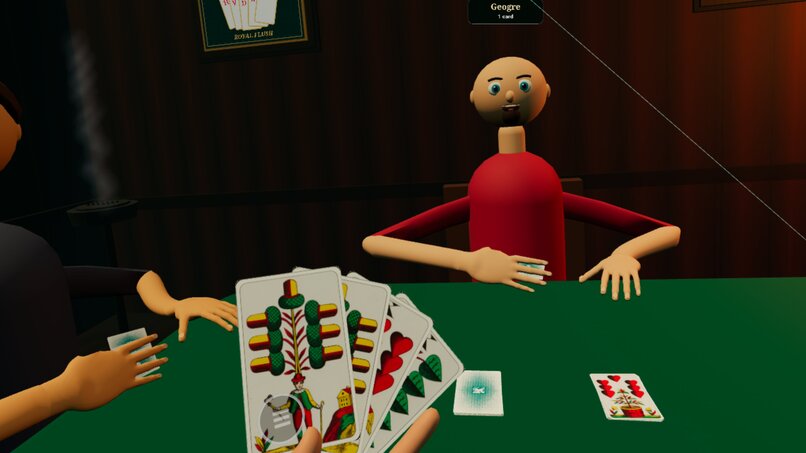
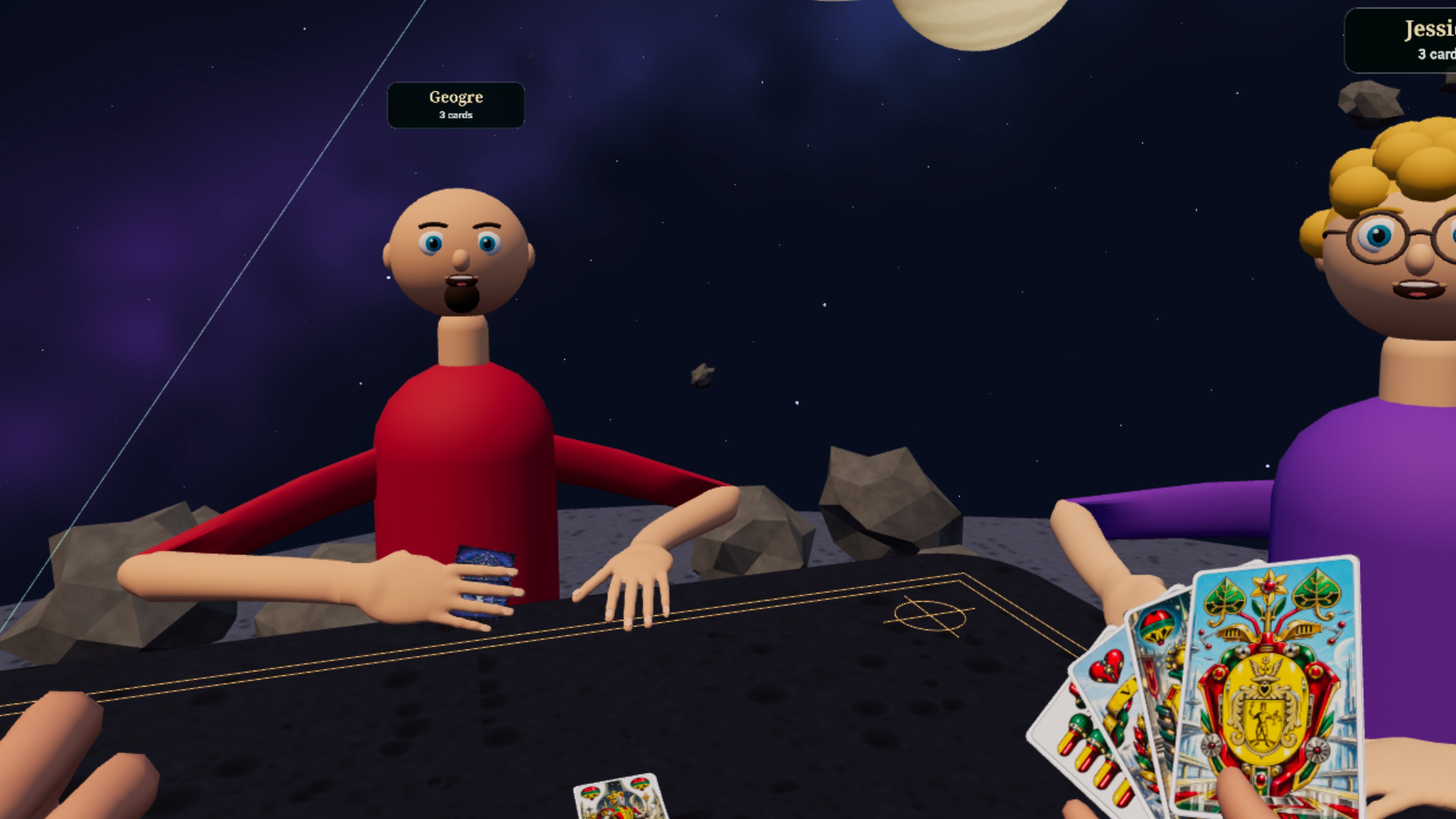
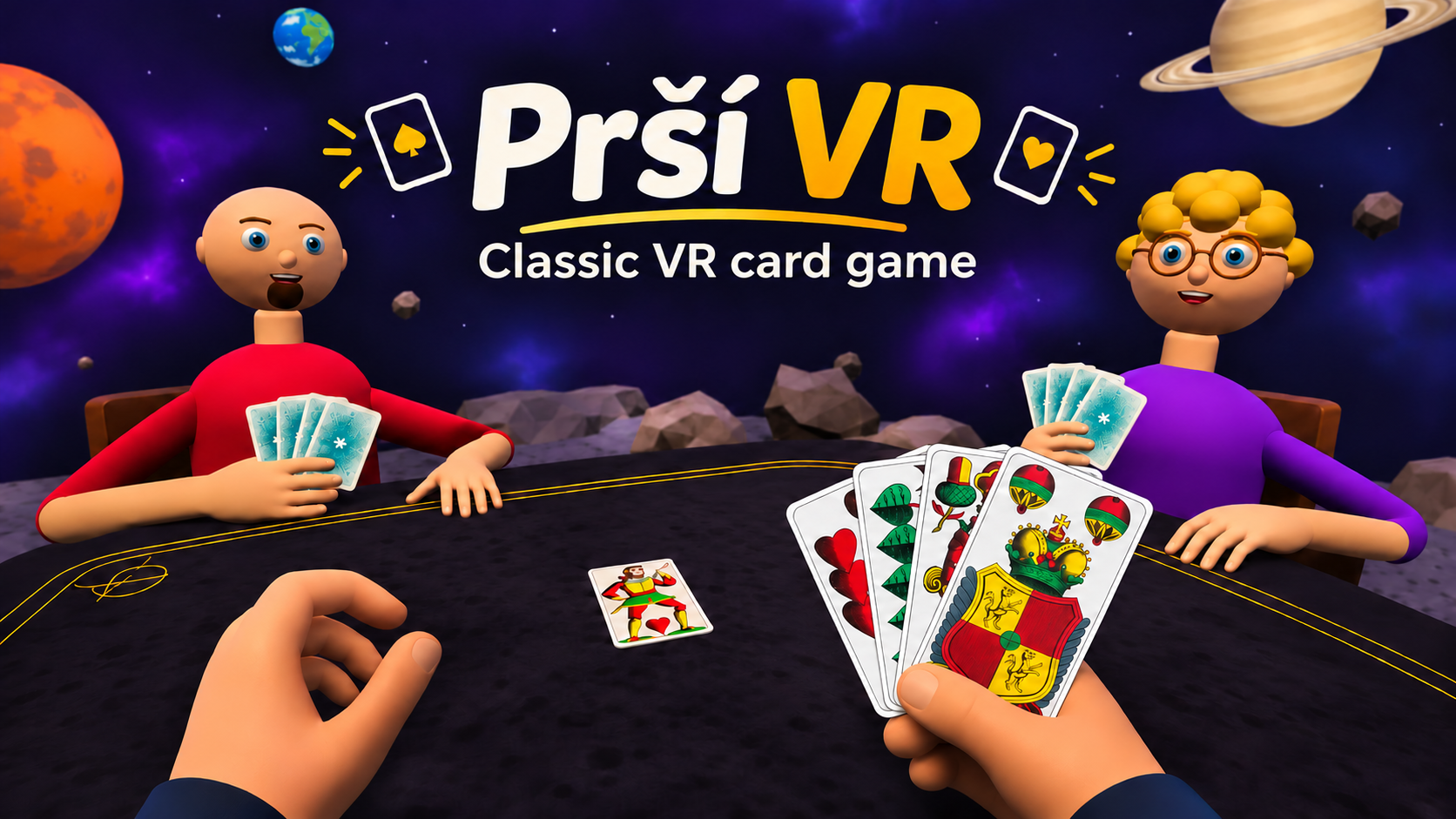
Prší VR is a virtual reality card game developed for Meta Quest, featuring a fully playable single-player experience against computer-controlled opponents.
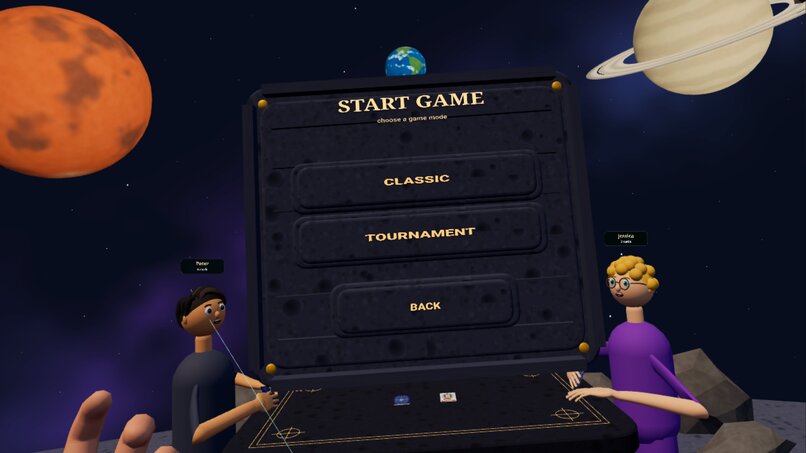
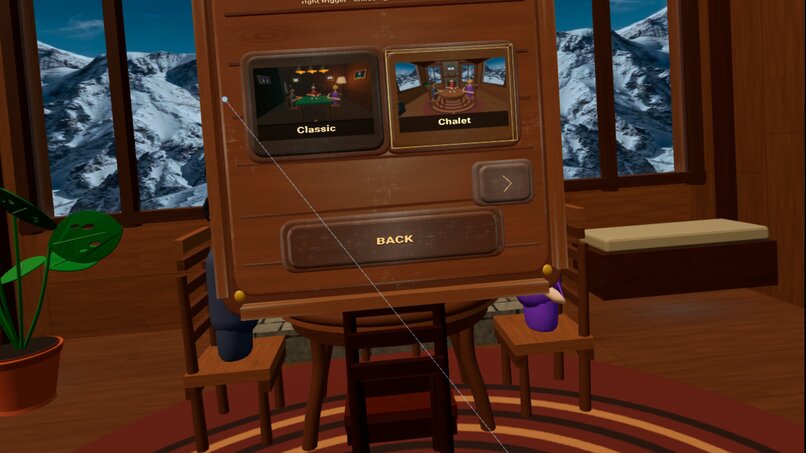
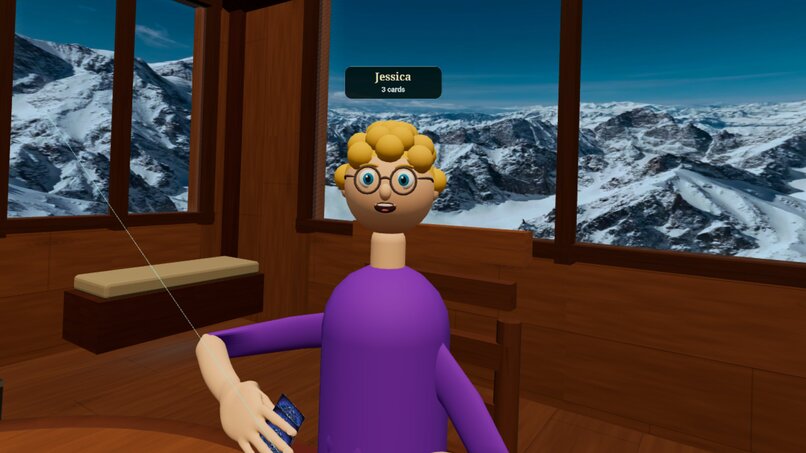
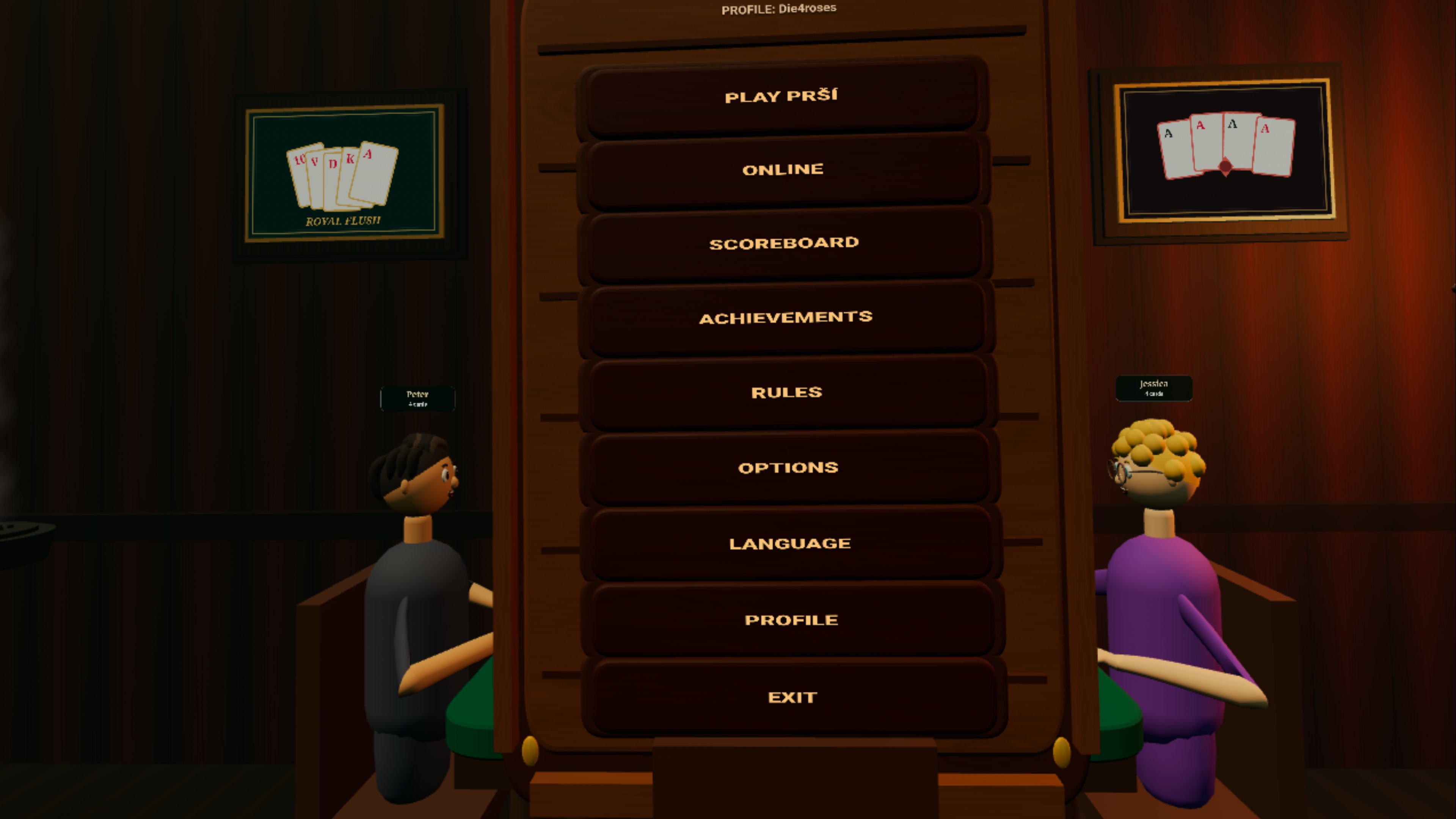
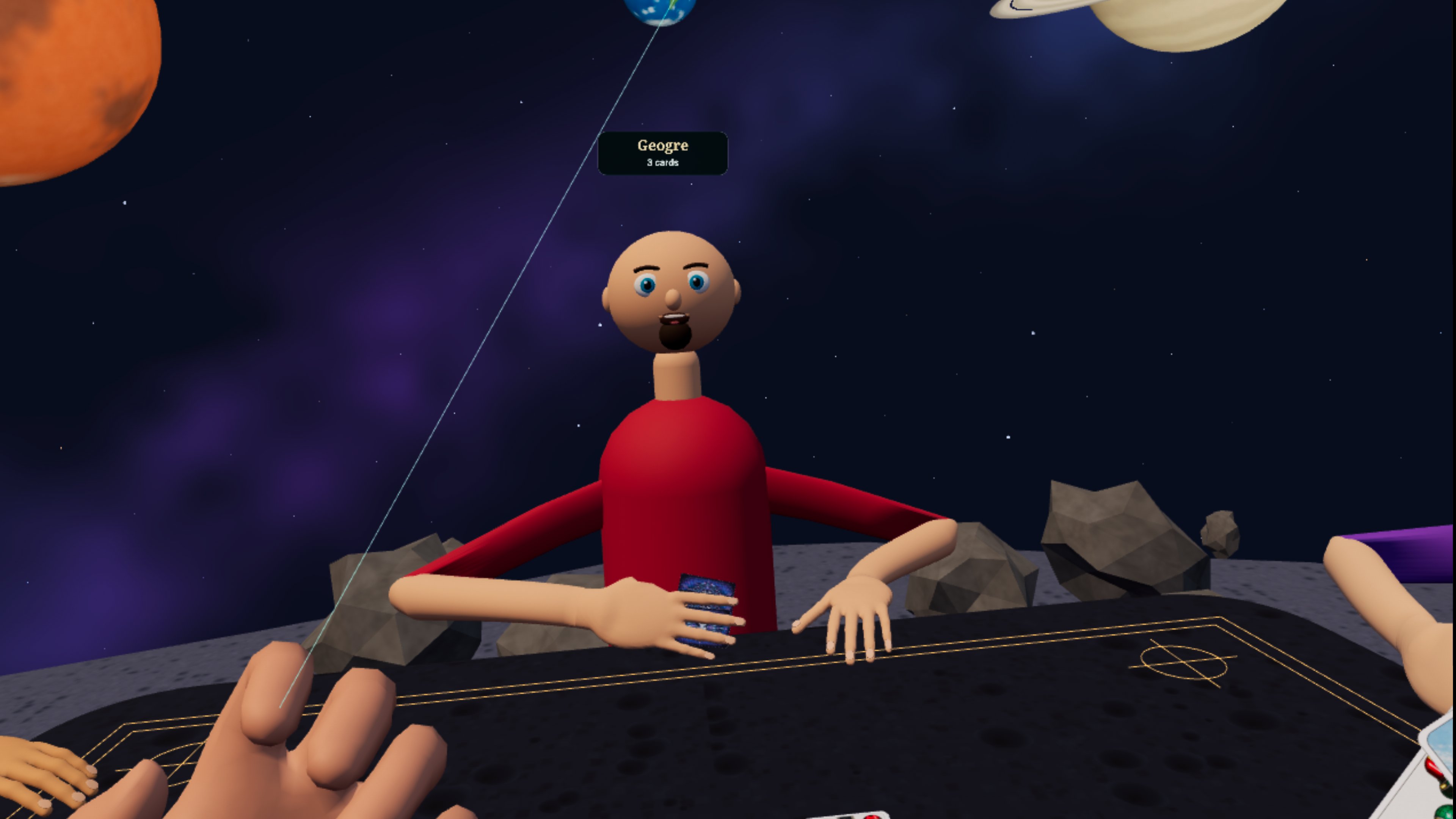
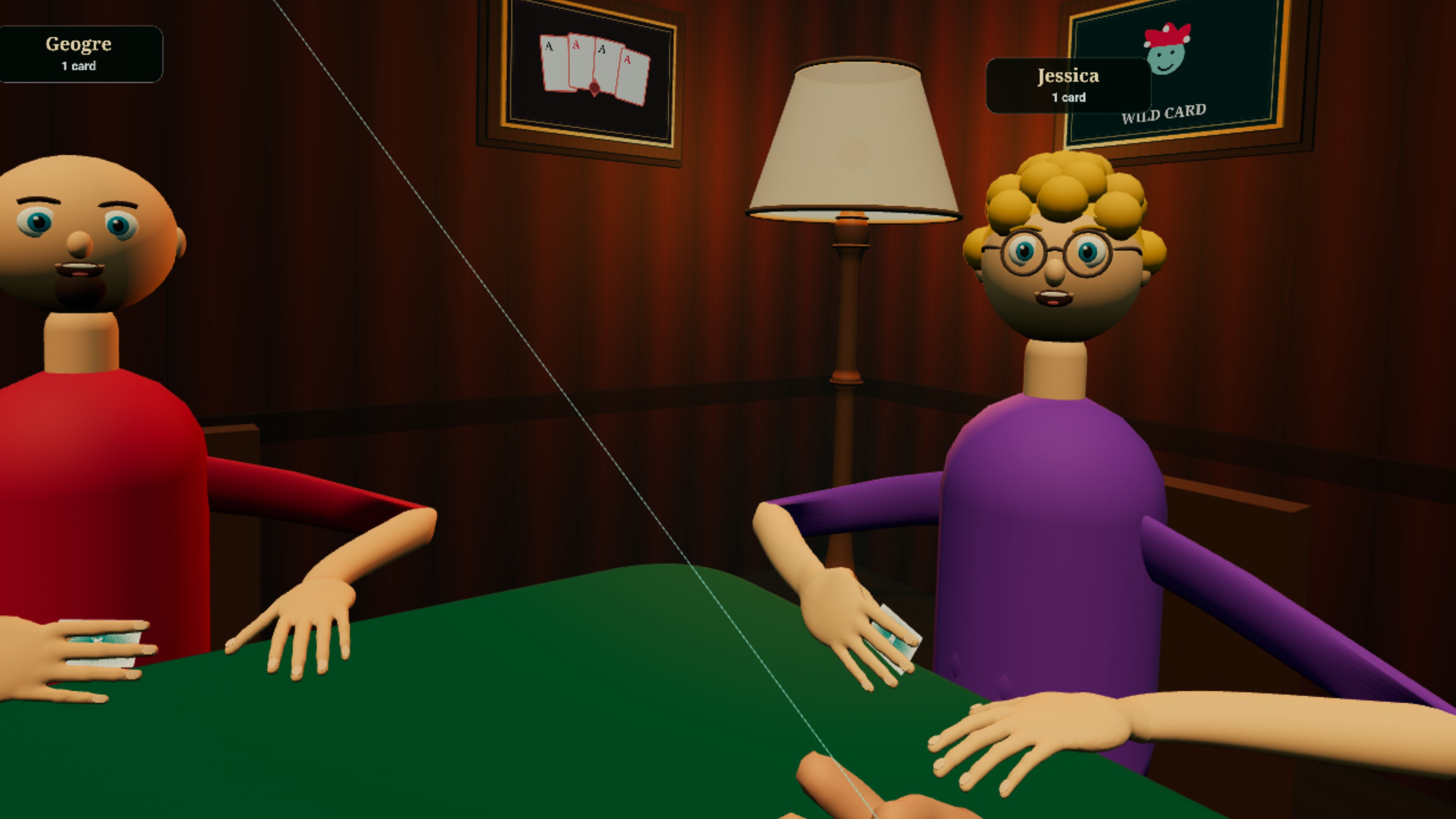
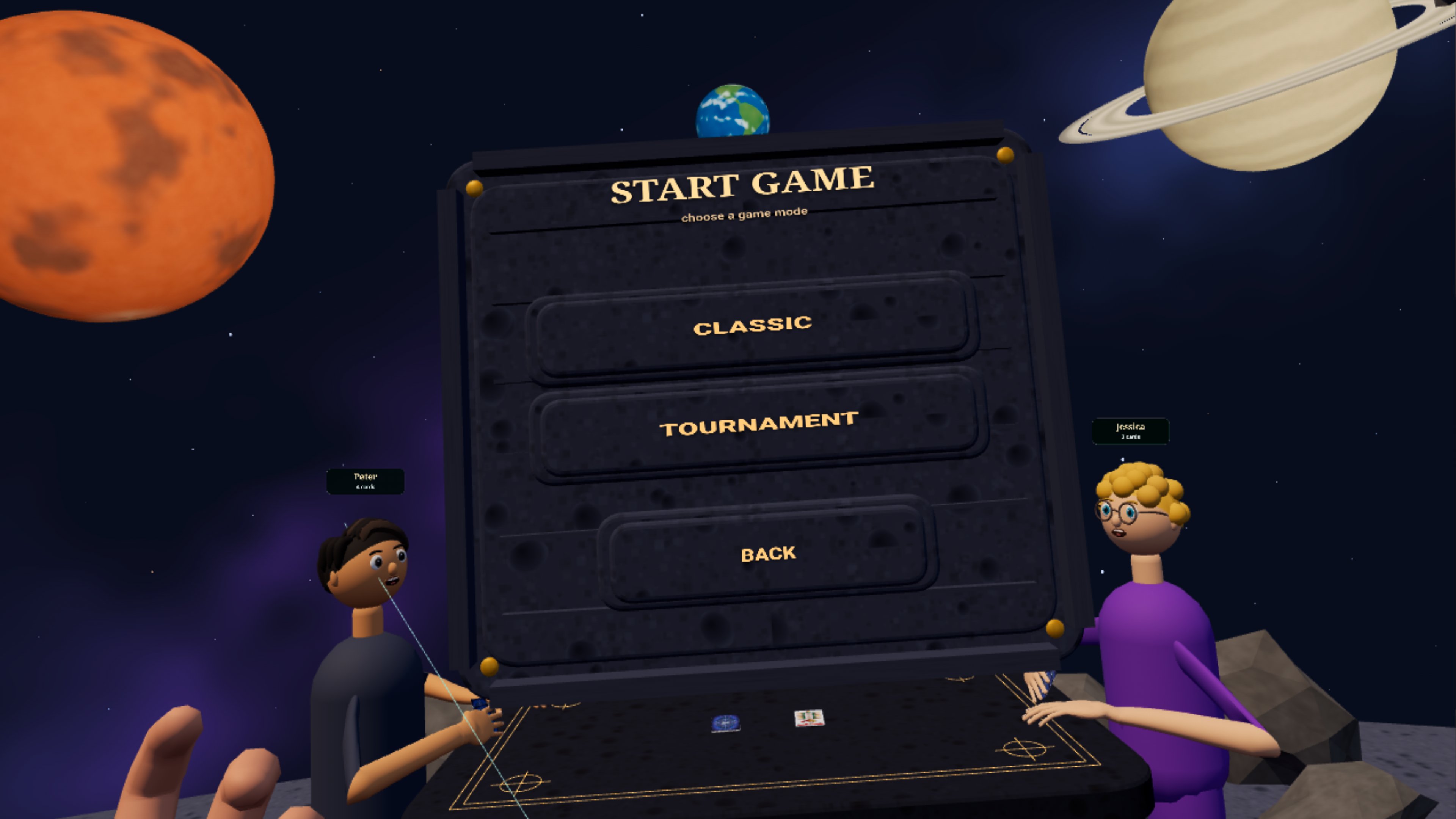
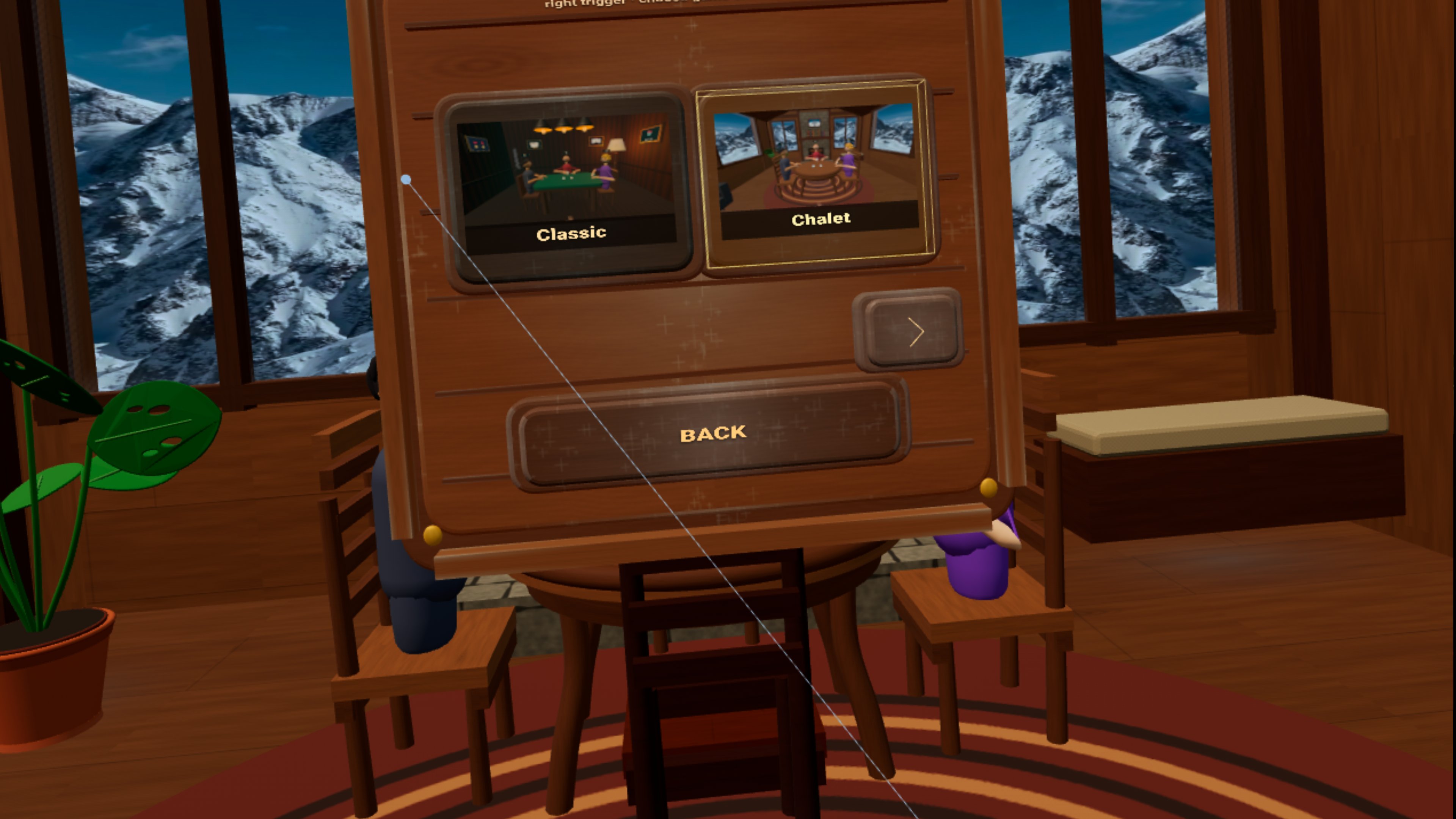
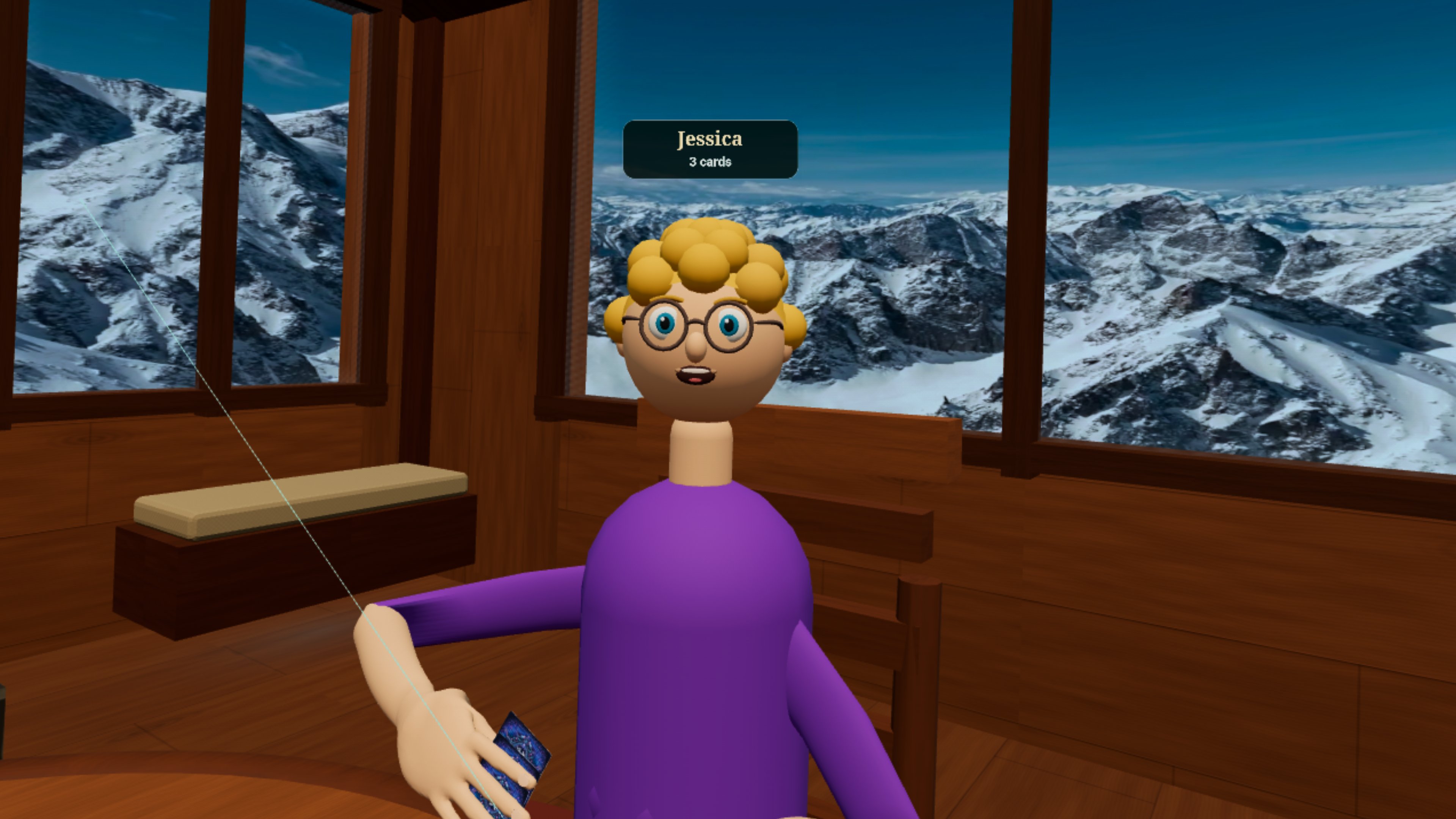
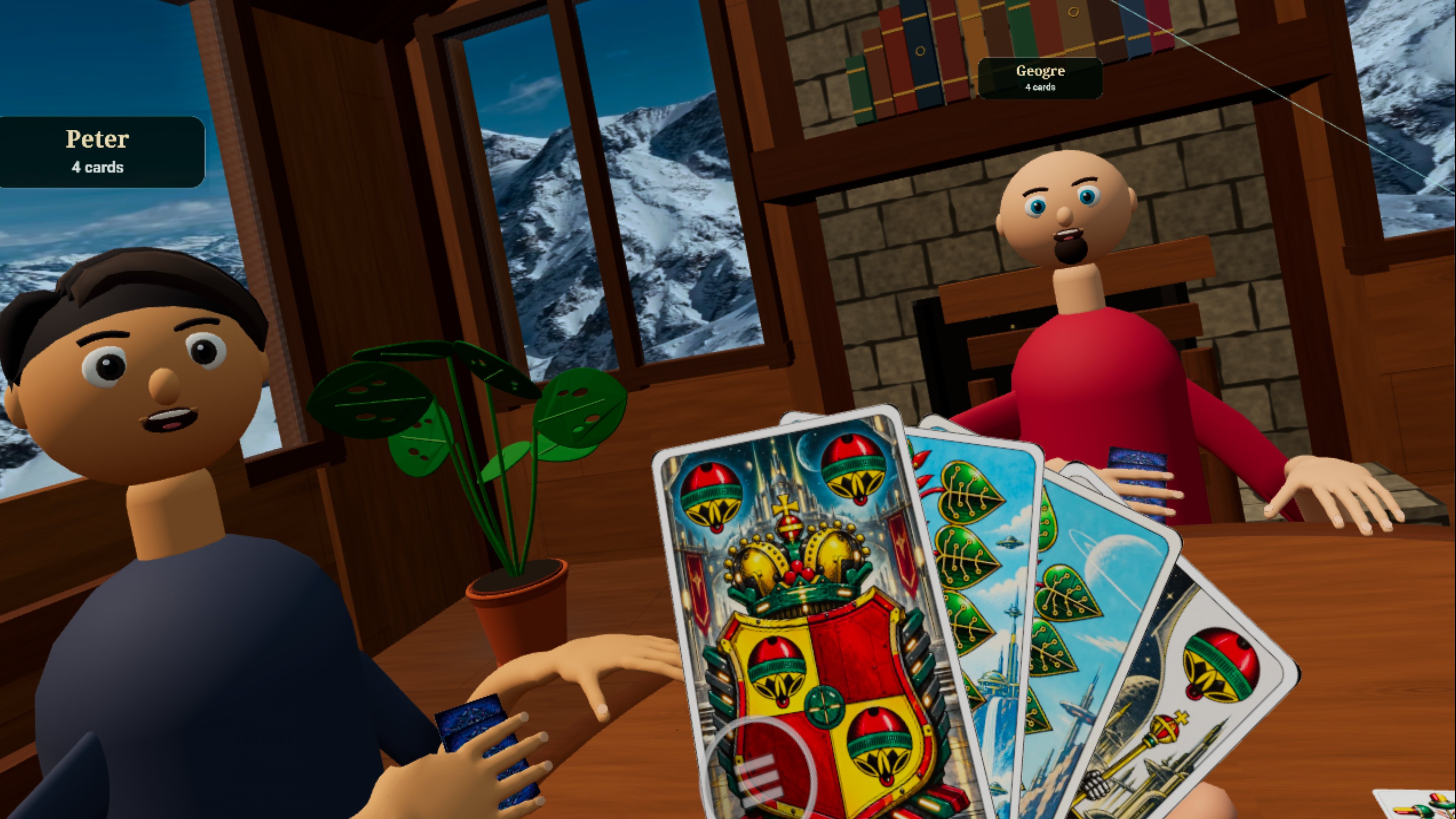
Players can enjoy traditional Czech card gameplay in different immersive environments, including a cozy winter cabin and imaginative science-fiction-inspired settings.
The game features:
Single-player gameplay against computer-controlled opponents.
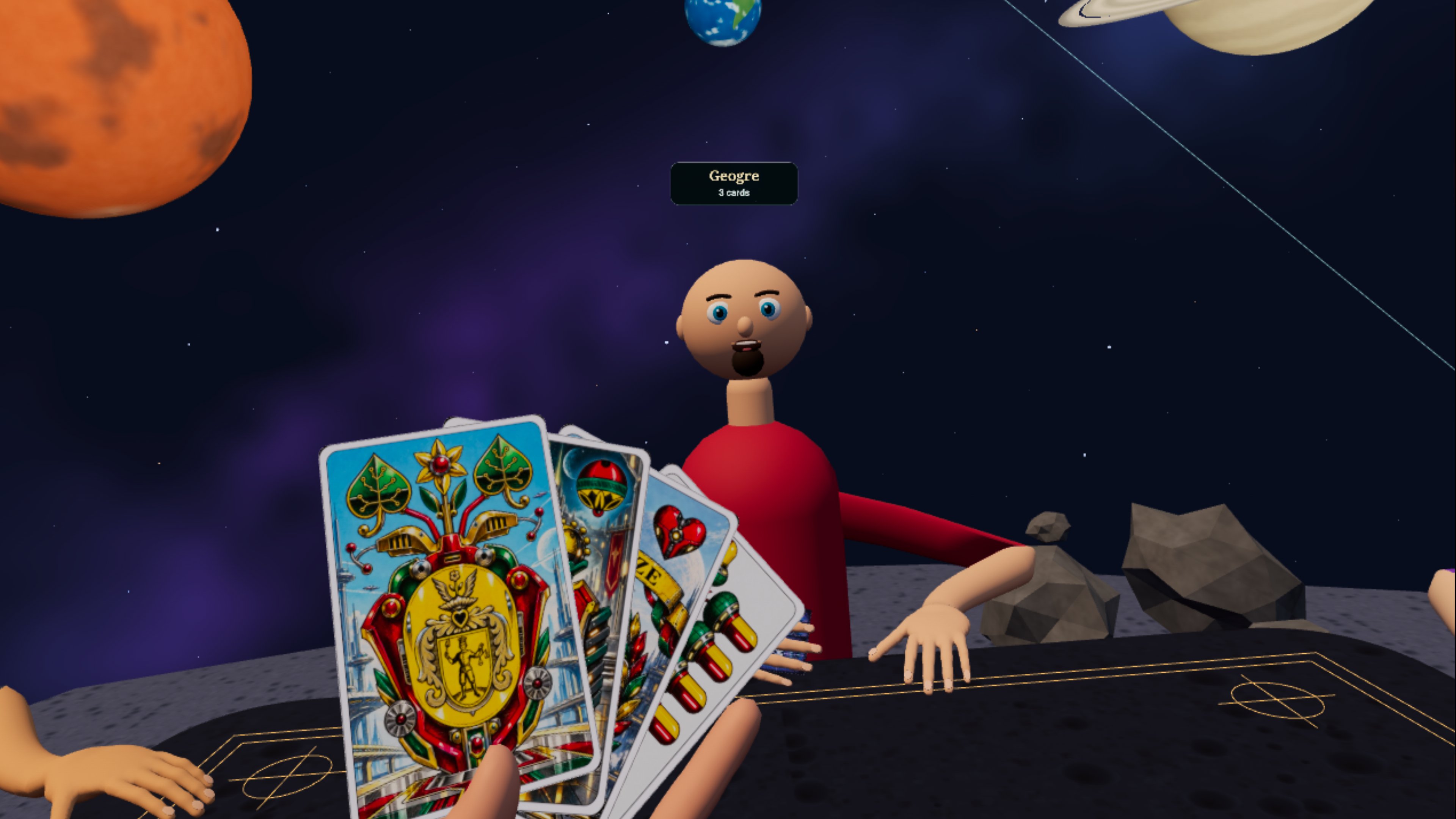
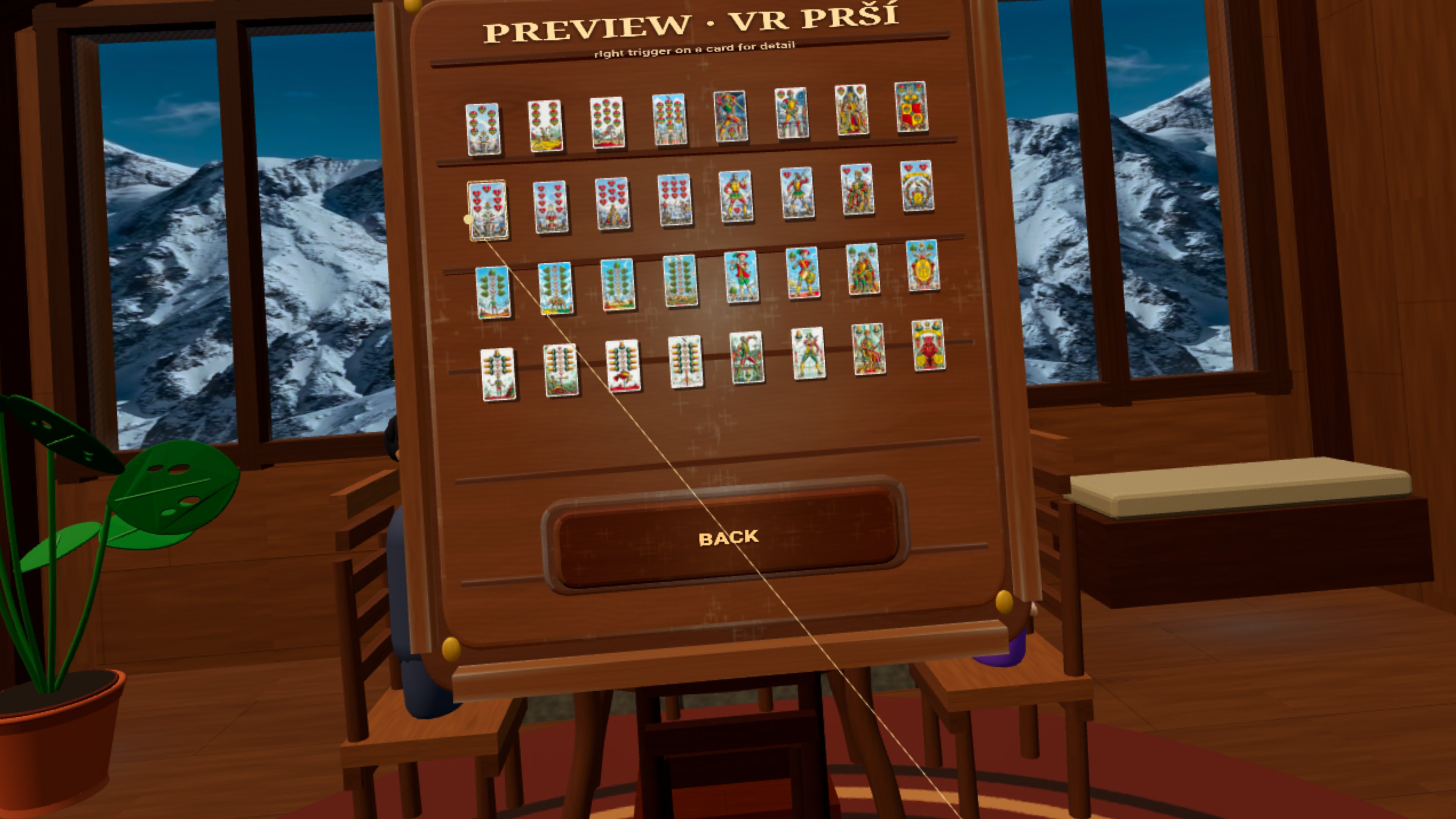
Traditional Prší rules and Czech-style playing cards.
Multiple immersive VR environments.
Virtual avatars and interactive 3D card tables.
Support for Meta Quest controllers.
Hand-tracking controls using natural finger movements and pinch gestures.
A multiplayer mode currently in development and testing.
Hand tracking allows players to interact with cards and menus using their own hands, making the experience more natural and immersive without requiring physical controllers.
How we built it
Prší VR was developed using WebXR, JavaScript, 3D graphics, and AI-assisted development tools.
I am an independent creator passionate about game design, storytelling, and virtual reality.
Rather than using a traditional programming workflow, I worked with generative AI to turn my ideas into a playable VR experience.
I designed the game's mechanics, environments, interactions, and overall player experience, while AI-assisted tools helped with programming, implementation, debugging, and technical development.
For the multiplayer features under development, the project uses a server hosted on Railway.
Challenges we ran into
One of the biggest challenges was making a traditional card game feel comfortable and intuitive in virtual reality.
Cards need to remain readable, easy to select, and naturally positioned in the player's hand.
Implementing optical hand tracking introduced additional challenges, including accurate finger tracking, reliable pinch detection, laser-based interactions, and switching between controller and hand-tracking modes.
Another challenge has been developing multiplayer synchronization while preserving the single-player experience and the game's traditional rules.
Accomplishments that we're proud of
One of my proudest achievements is turning an idea into a playable VR card game as an independent creator using generative AI.
I'm especially proud of:
- Bringing a traditional Czech card game into VR, with immersive 3D environments and computer-controlled opponents.
- Implementing hand tracking on Meta Quest 3, including animated 3D hands, finger tracking, laser-based interaction, and pinch controls.
- Supporting both controllers and hand tracking, allowing players to choose how they interact with the game.
- Creating multiple virtual environments, each offering a different atmosphere for playing cards.
- Building a multiplayer foundation, including player synchronization and server infrastructure, which is still undergoing testing.
- Using AI-assisted development to turn my creative ideas into working game mechanics, interactive environments, and a playable experience.
What makes me most proud is proving to myself that even without a traditional programming background, it's possible to create an ambitious VR project through creativity, persistence, experimentation, and modern AI tools.
What we learned
This project taught me a great deal about WebXR development, VR interaction design, game mechanics, and the possibilities and limitations of AI-assisted game development.
It also showed me how much testing and refinement are needed to turn an idea into an enjoyable interactive experience.
Most importantly, I learned that creating a game is not simply about writing code. It is about designing an experience that feels intuitive, engaging, and enjoyable.
What's next for Prší VR
My immediate priority is to continue polishing the single-player experience, refining hand-tracking interactions, and improving the overall comfort and presentation of the game.
Prší VR was originally designed primarily for Meta Quest controllers. While controller-based gameplay remains fully supported, my next major focus is to refine and prioritize hand tracking, making it the most natural and immersive way to play cards in virtual reality.
I also plan to complete multiplayer testing, improve synchronization between players, and expand the available virtual environments.
Looking further ahead, I would love to bring other internationally popular card games into these virtual environments, allowing players from different countries to enjoy familiar games together in VR.
My long-term vision is to transform Prší VR into a welcoming virtual card gaming platform where people can meet, relax, and play a variety of card games together, regardless of the physical distance between them.

