-
-
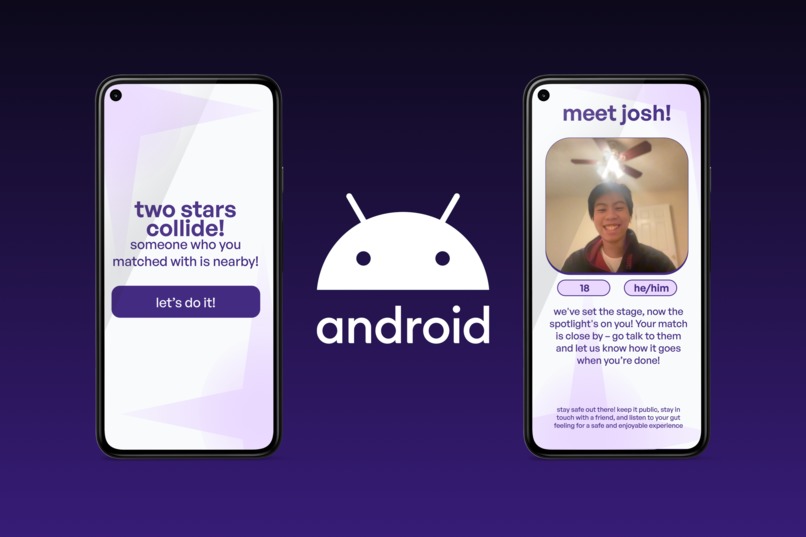
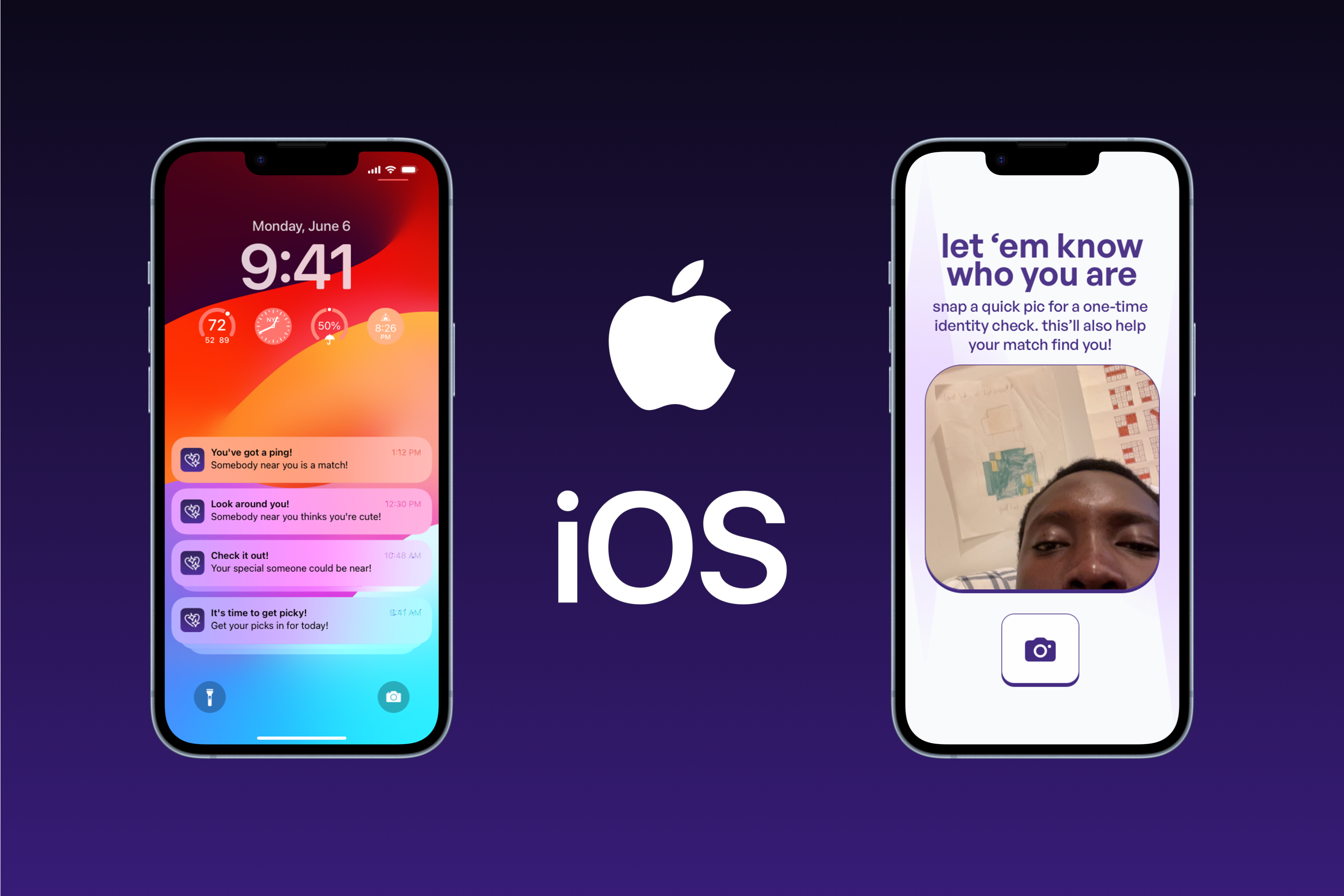
See your pings and matches live!
-
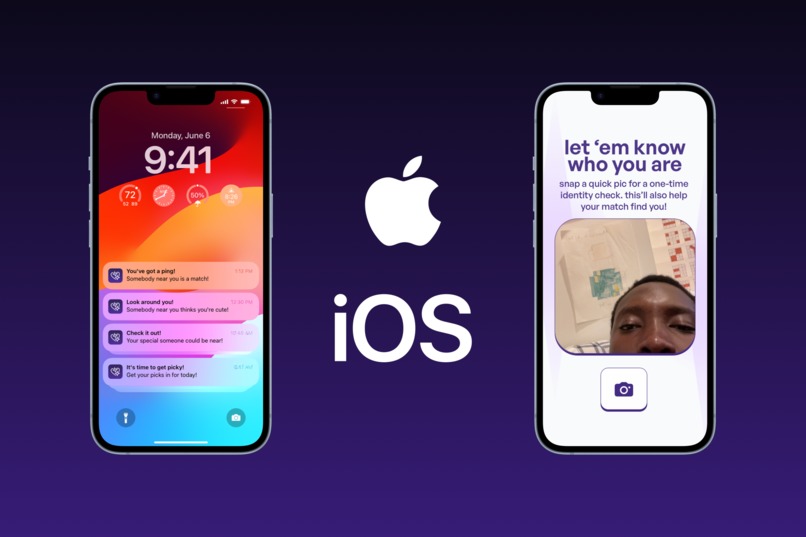
Verify every ping with a selfie
-
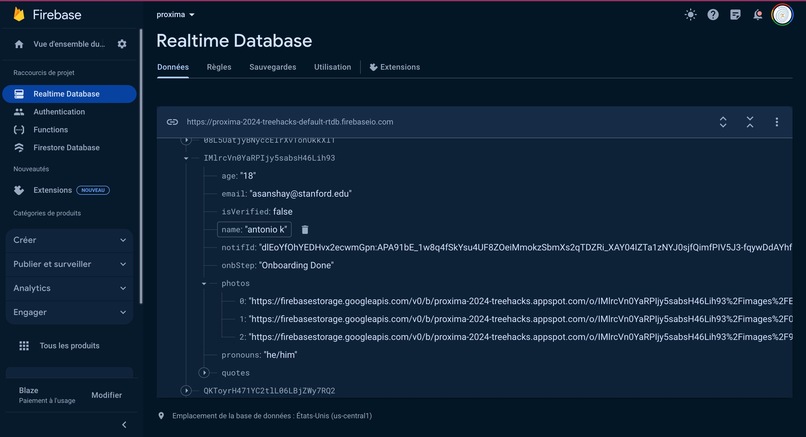
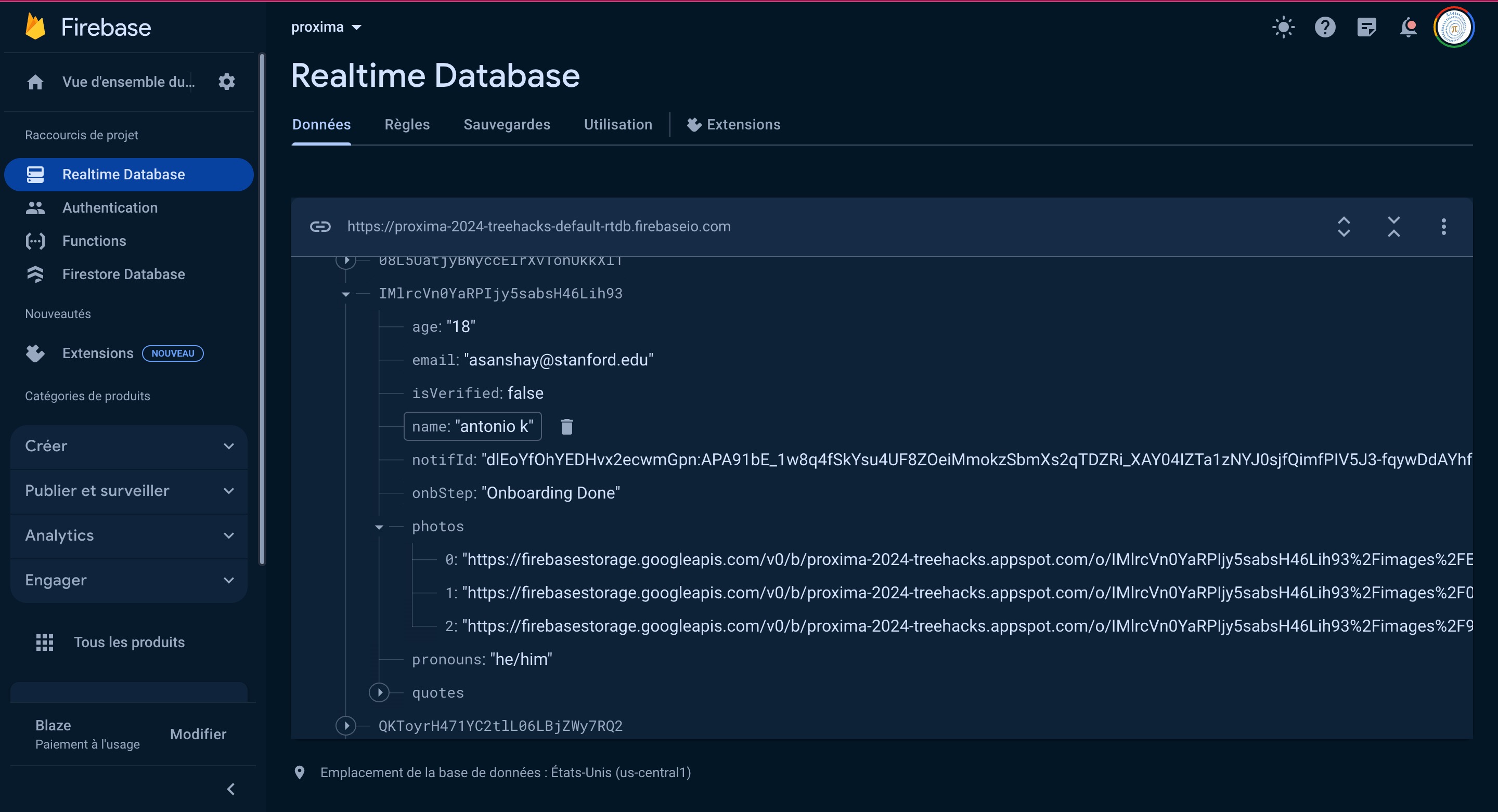
Firebase realtime location database
Inspiration
It happens to us all. You see a cute person at the dining hall, in class, or studying at the library. You want to say something, but you don't know if they are open to be approached, or even just single.
Many people, especially college students, wish they could know if another person is interested in meeting them. The predicament of not knowing if an attractive person is open to being approached has dissuaded billions from shooting their shot. On the flip side, having the power to know who you are mutually attracted with would be a game changer. Love Alarm, a popular Korean drama, is centered around a fictional app that tells people whether someone in their vicinity has romantic feelings towards them. Proxima turns this app from fiction to reality.
Proxima was also inspired by a desire to fix the toxic hookup culture that is pervasive in dating apps. Apps like Tinder encourage users to search for artificial and fleeting connections. How can you truly meet someone through a text messaging channel? We believe that each user is a star who deserves to collide with other stars in raw, authentic moments and places. Proxima meetings occur when two compatible people happen to be in the same place, at the same time. In an age dominated by social media, we want to bring back spontaneous romance.
What it does
Basically, Proxima notifies users when they cross paths with someone they are mutually attracted with.
Like in other popular dating apps, Proxima users swipe through potential partners on the app in their free time. In this way users will build up a group of people they'd like to meet. However, the similarities end there. Beyond swiping, the users spend very little time on the app. Even swiping is limited—you can only see three people a day.
Instead, users are encouraged to go about their daily lives and interact with their communities. By living their fullest lives, users increase their chances of meeting a match.
When two potential matches enter each others' proximity, they get a 'ping'. In that moment, they have no idea who their match is, only that they were mutually attracted with them. Both users then have the option to meet their match, or to decline the match with no stakes, since no information is shared. If they're both down to meet, they go through a camera-based verification process, then are given just enough information to meet up.
How we built it
After weeks of ideation, we decided on the concept for Proxima based on its relevance, scope, and challenge level, as it would expose us to things we had never done before. We started with a quite extensive planning process, which included user interviews (of fellow students), hand-drawn UI designs, and research into other similar products. We then combined the best of our hand-drawn ideas into a high-fidelity Sketch prototype, which let us see our own page flows and interactions in a realistic way.
Once the hackathon started, we used React Native along with Expo to build the product itself. We had a few key needs - authentication, user profiles, location data, and notifications, each of which presented unique challenges. Based on our previous experience, we decided on Firebase as a framework to support the key authentication and profile features, as well as the server off of which we'd trigger the pings. We also used expo's libraries for location and notifications, which took us quite a bit of time and effort to figure out!
Challenges we ran into
None of our members had done a hackathon before, so we had to figure a lot of logistics out for the first time. Using GitHub to manage the project was pretty new to us, especially working in such a small team with such tight turnarounds, so we all learnt the merits of committing often and the perils of large merge conflicts. It was also three of our members' first time developing an app using React Native, so there was quite a learning curve there. We also had a lot of trouble with writing locations to the database, since we needed a system that would update often enough not to miss potential pings but not too much that it would break down the database. Dealing with system features like notifications was also a big challenge, because of the vast differences between iOS and Android when developing a cross platform app that uses many system APIs like camera, location, notifications, and more.
Accomplishments that we're proud of
We were able to overcome most of the challenges that we encountered. Since we had never used React Native or Expo, we learned a ton about full stack app development throughout the hackathon. We also learned about how to generate pings based on data from a database. We also think we did a good job identifying the subproblems that we needed to solve and delegating tasks among ourselves. The entire event was an amazing learning experience for all of us.
What we learned
Building a fully functional app is really hard and really rewarding. There are so many different moving parts in a full stack mobile app, and so many APIs and challenges to deal with. We wish we had more time to really explore all the features of every library. Also, clean code is really important! We prioritized commenting and keeping legible code, which really came in clutch when we were low on time and hacking away. We learned that this a project that we're passionate about and committed to developing in the long term, so our hacking on this project won't end here!
What's next for Proxima
We think a college campus is the perfect place for Proxima to get started, because of the level of familiarity and close proximity of the students, so we hope to launch it at Stanford later this spring. In the future, we hope to expand beyond just Stanford to some of our peer institutions and see where it grows from there, maybe even towards a release for the general public!


Log in or sign up for Devpost to join the conversation.