-
-
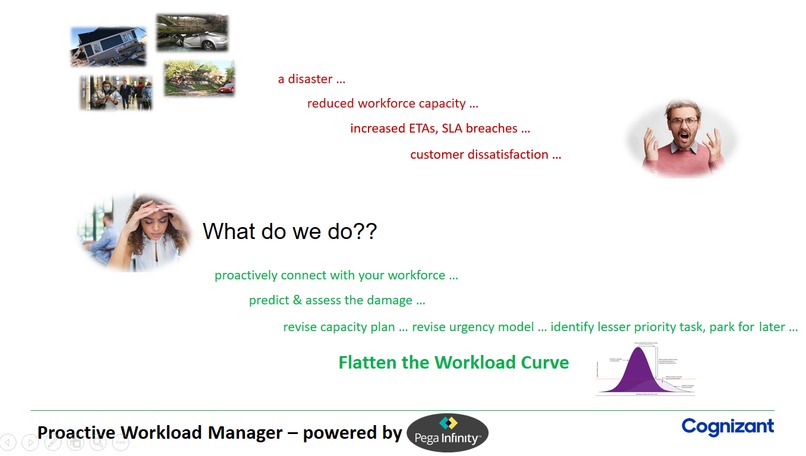
Concept
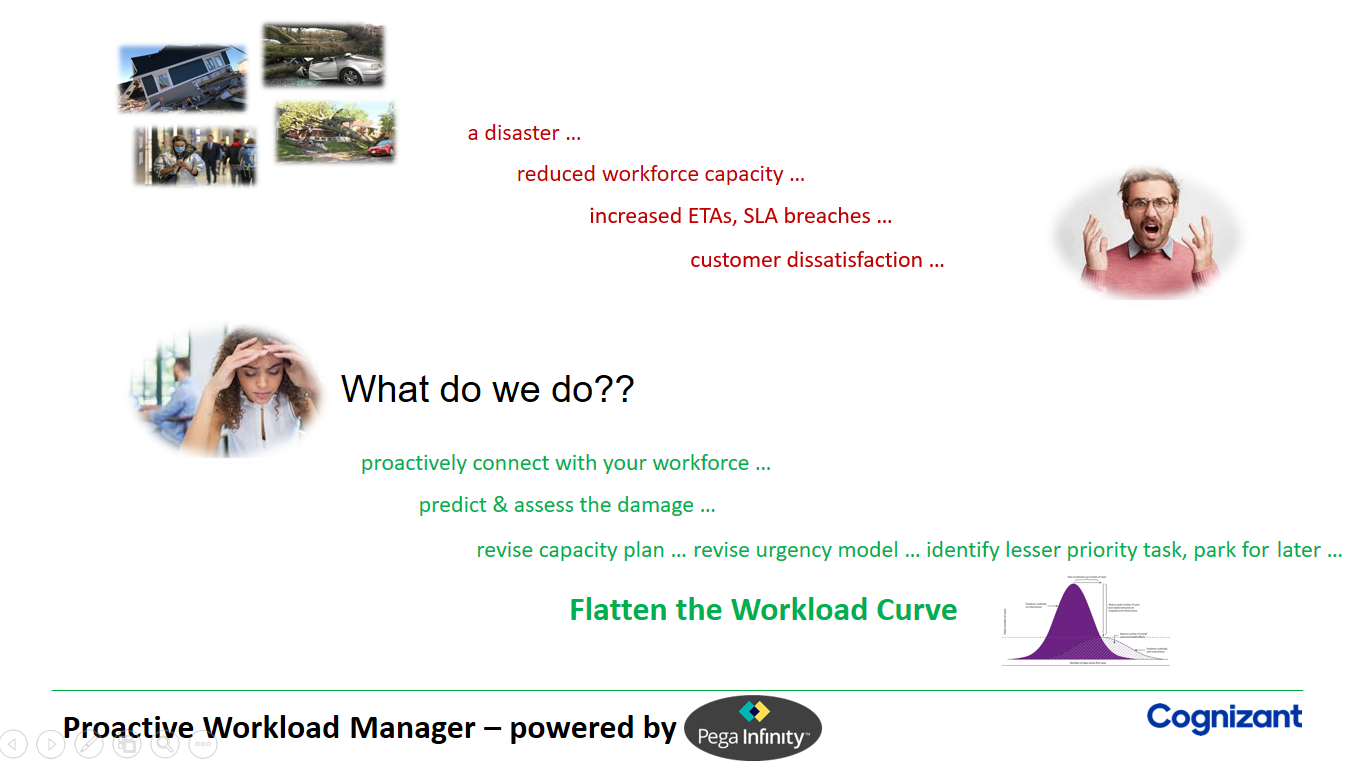
Access to Content
For accessing the demo URL or Vimeo Link, you would need credentials. The credentials are hosted in the given Github repository and invitation has been sent to [email protected] to access it. Please refer to the **ReadMe* document in GitHub for accessing all contents.*
Inspiration
Recently there has been a lot of discussion around distributed work environment, borderless, secure workplaces right from safety of home. It seemed that it solved all problems till recently the cyclone Amphan hit eastern coast of India on 16th May. It was like a wake up call for me. There was no electricity, internet, phone network for straight 4 days and I was completely out of network amid COVID lockdown.
Somehow, I informed my leadership and they were cooperative enough - there were some work that I had to delegate some work to others which couldn't be avoided, I cancelled few less important meetings, rescheduled some tasks for a later date etc.
This made me think that impact of a disaster can be in many ways and with a reduced work capacity, there's a need for a proactive work load planning and management is required so that system doesn't choke and keeps on delivering on the most important fronts while compromising on few.
What it does
ProactiveWorkloadManager intends to flattens to the Workload curve...
- It leverages Pega platform to switch on to a Business Continuity (BC) mode
- Predicts the availability status of associates based on their location information and the information of impacted locations
- Provides ability of connecting with the associates on a continual basis and listen to their response to update workforce availability status at real time
- Utilize a decision model which considers workforce availability status (reduced headcount) & workload trend to recommend revised Urgency model, SLA(s) & re-prioritized tasks
- Enable workforce leaders to review and implement the modified Urgency model so that the workload curve can be flattened and the reduced workforce doesn't get overwhelmed with an effective increased workload.
- Continue on the BC mode and notify to switch to BAU mode once the workforce members reports as Available and availability reaches a threshold to indicate restoration of normalcy
Being able to predict/ assess reduction in capacity and modulate workload based on systematic decision capability enables Business Continuity.
How we built it
The build process went pretty much like how a regular project.
- It started with the idea finalization round approx 3 weeks back
- We laid down the story line
- Each act in the story was translated into a technical user story
- It was a daily build-demo-feedback-build cycle
Challenges we ran into
- Amid the lockdown and this New Normal situation, the most difficult challenge was to get everybody together and on the same page
- Discussions which used to be closed within 1 hr of in-person meeting now requires multiple iterations over Webex & MS Teams meetings
- With a short timeline, it was difficult to visualize how we want to show case our idea - everyone in the team had their individual thought process and it was quite difficult to decide on a specific line of thought when we started discussing on virtual meetings. We lost a lot of productive hours in visualizing the final presentation.
- Each associate has their regular day-job, client deliverable, meetings etc. - it was challenging for everybody to put a consistent/ constant attention
Accomplishments that we're proud of
- In spite of the remote teams, short timeline, difference of opinions, client deliverable(s) we're able touch the finish line - that's gives a lot of satisfaction
- We did at least ~30 hours of virtual meetings
- We never did a video presentation before, it opened up a new skill area we never thought of - acting skills, dialog deliveries
What we learned
- Co-location is still one of most effective ways to achieve stuff
- Sometimes even a 15-min stopover at a fellow colleagues' desk can save a lot time by not letting the developers deviate from the aligned direction - whereas now the nearest stopover is the next virtual meeting
- To survive in the new normal we need to think of better ways of collaboration not just meeting virtually over a scheduled Outlook meeting
What's next for ProactiveWorkloadManager
- Currently it's a manual input for indicating the impacted locations, as a next step we would like to derive that from an official Weather Service API
- Include a more realistic (and potentially complicated) model taking in more real world parameters into consideration to evaluate the Urgency model


Log in or sign up for Devpost to join the conversation.