-
-
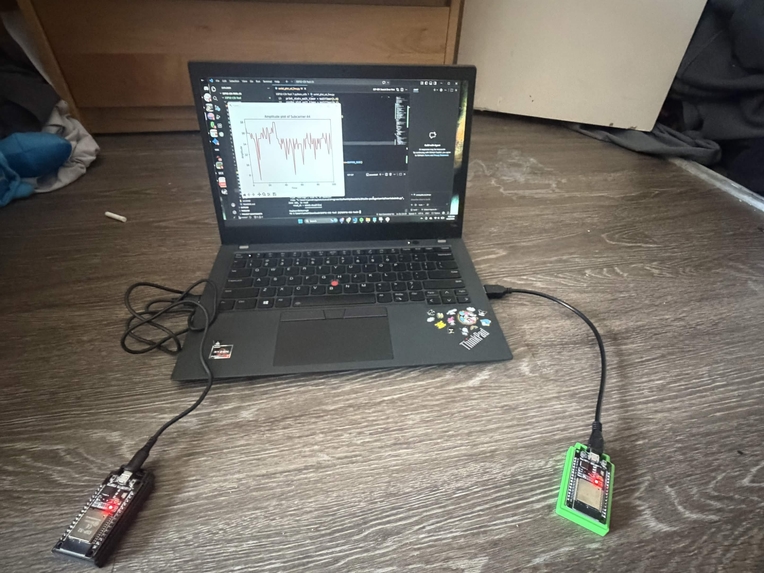
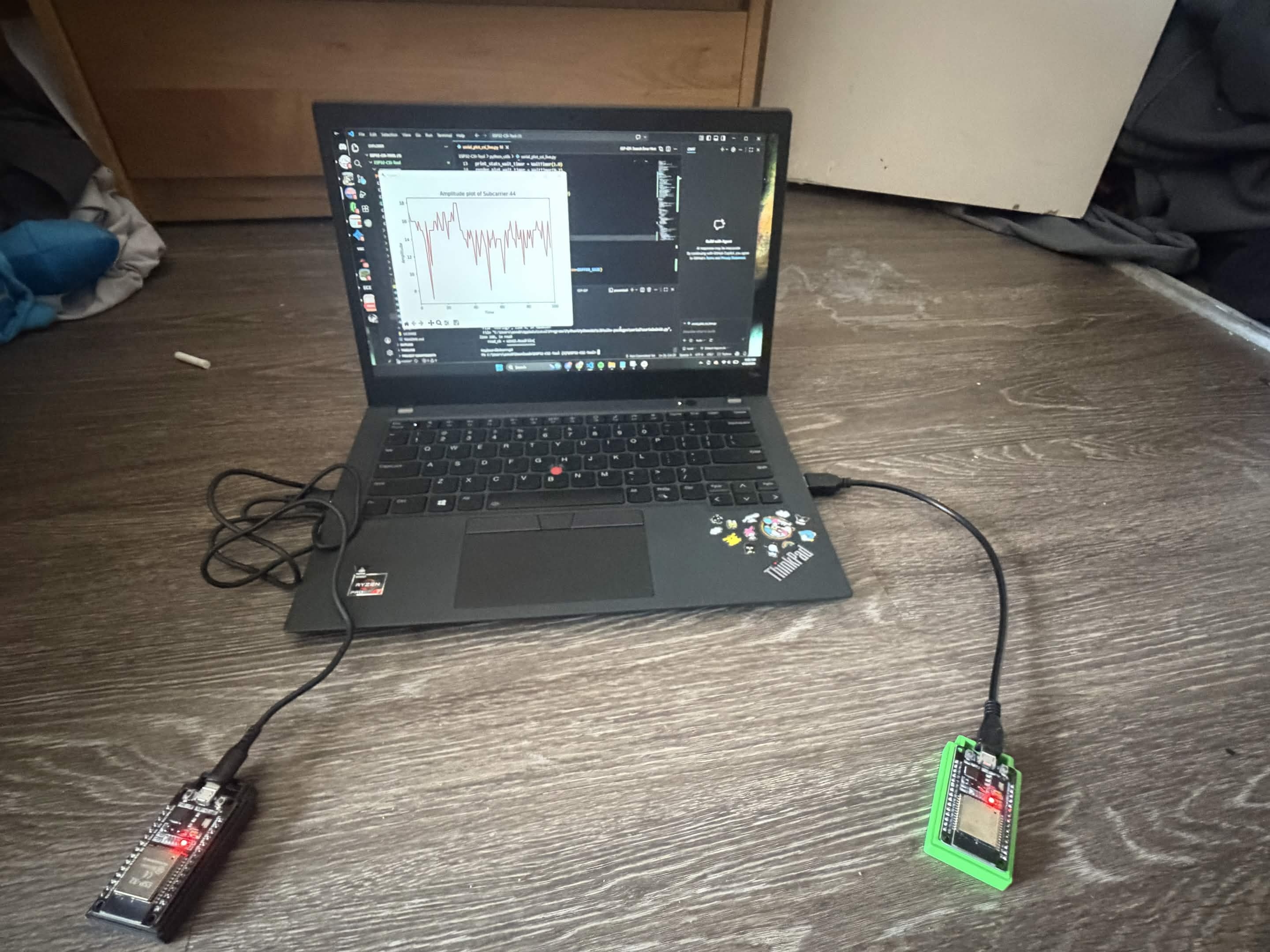
Powerstack actively working
-
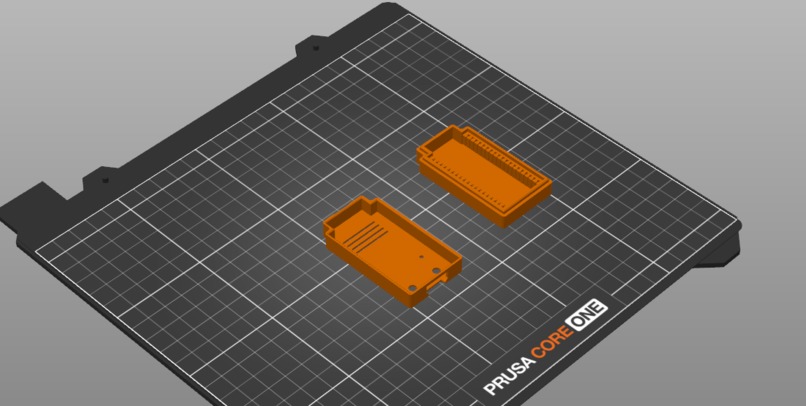
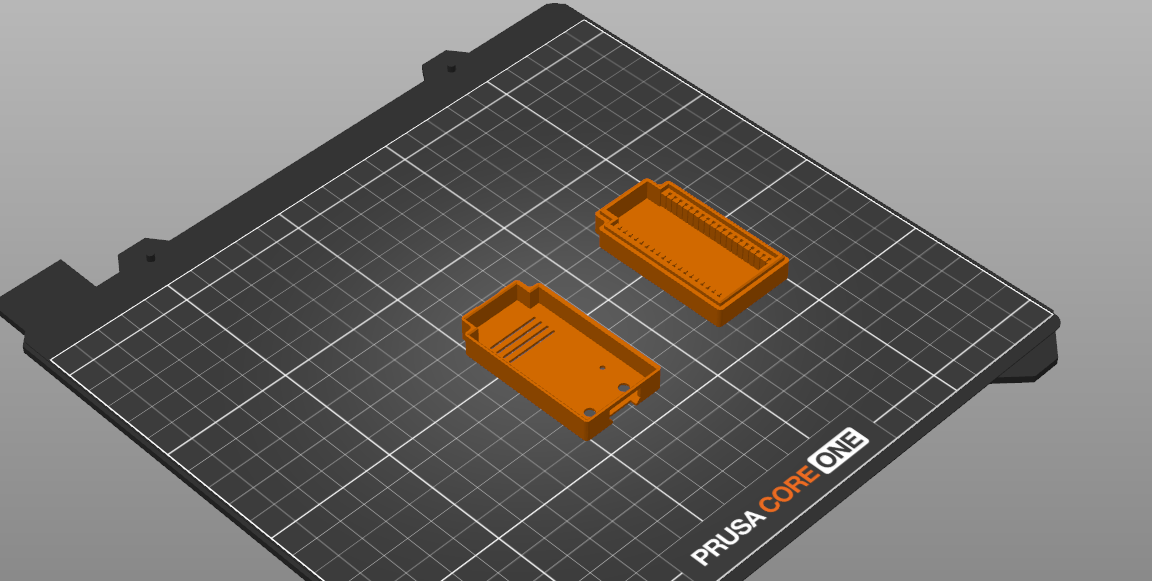
Cad model of case for ESP32S
Inspiration
Our team recognizes an ongoing issue with search and rescue technology during natural disasters. Current technology like thermal cameras become unreliable in high temperature situations and acoustic sensors struggle in noisy rubble. Something that not a lot of people realize is that Wifi signals are everywhere and can actually be used to map the exact location of survivors in these natural disasters and be able to aid first responders to arrive since every second counts when it comes to a rescue.
What it does
Using two ESP32 microcontrollers one sending wifi signals to another one that is receiving it, and when the signal is being disrupted, by subtle changes such as breathing or even heart beat, our system picks up on those tiny disturbances and analyzes where exactly they're occuring. This detection is all made possible due CSI which is Channel State Information and that's able to collect data on how a signal changes through the environment its placed in. These changes can be use to identify human presence more specifically victims trapped due to natural disasters and pinpoint their location, and send the information to first responders.
How we built it
Protostack is split between hardware and software. For hardware we programmed two esp32s one to send and the other to receive wifi signals and be able to access the CSI data. We then designed a custom case for the ESP32s designed on Inventor and 3D printed in PETG specifically for it's high impact resistance and heat tolerance. On the software side of things we used python to be able to read the CSI data that is processing the signal amplitudes and visualize the disturbances through a graph and detect patterns which would signal a victim's presence.
Challenges we ran into
Challenges we faced came from both sides of the build. More specifically the software side as we're still new to visual studio code and this came with a learning curve, to make sure the code ran perfectly. On the hardware side we ran into issues with the ESP32 the receiver as it kept crashing which caused for multiple reboots, but this ultimately comes with inconsistencies in the CSI data which made it difficult to get good visuals for the reading.
What we learned
We had very minor experience with ESP32s, but today showed us how complex they truly are. From being able to use wifi to collect CSI data to then convert that data using python into graphs which determine disturbances in the environment was truly eye opening. We've never used wifi to this extent to map so it was a huge learning curve. Besides the technology side we realized how important preparation is in hackathons. Although we accomplished a lot in one day and learned plenty, if we had prepared like other teams with cad models and code done we could've been much further ahead.
What's next for Protostack
Scale and mobility is what's up and coming for Protostack. Currently we are using two ESP32s and they act as towers which limits the coverage of what's being mapped. If we made these towers mobile on the other hand the coverage becomes a lot bigger being able to map and make a sweep of danger zones that need to be tended to first by first responders. Not to mention implementing multiple ESP32s could allow for us to make a mesh network and so they would be able to communicate with one another besides just being through wifi.
Built With
- c/c++
- inventor
- prusa
- python
- vs

Log in or sign up for Devpost to join the conversation.