


Inspiration
Imagine a world where everyone has access to the best possible medical care, regardless of their financial situation. A world where no one has to suffer from a disease that could be treated with a biologic medication, simply because they can't afford it.
This is the world that we at ProTep are working towards.
Biologic medications are a type of drug that is made from living organisms, such as bacteria, yeast, or cells. They are used to treat a wide range of diseases, including cancer, arthritis, and Crohn's disease.
However, biologic medications are also very expensive. This is because they are difficult and time-consuming to manufacture. As a result, many people who need biologic medications cannot afford them.
This is where ProTep comes in.
What it does
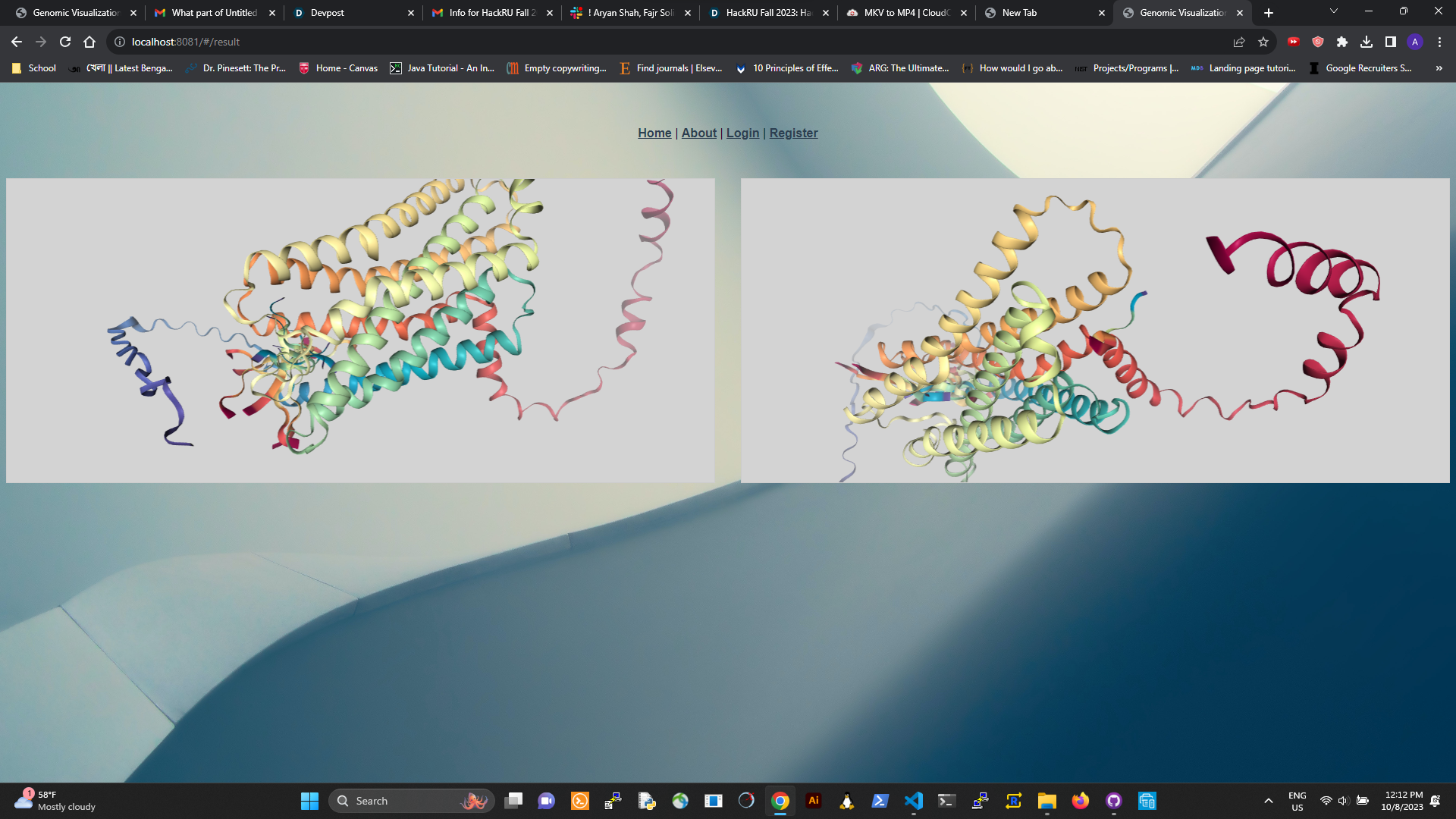
ProTep is a web application that uses artificial intelligence to predict whether a biologic medication will work for a particular patient.
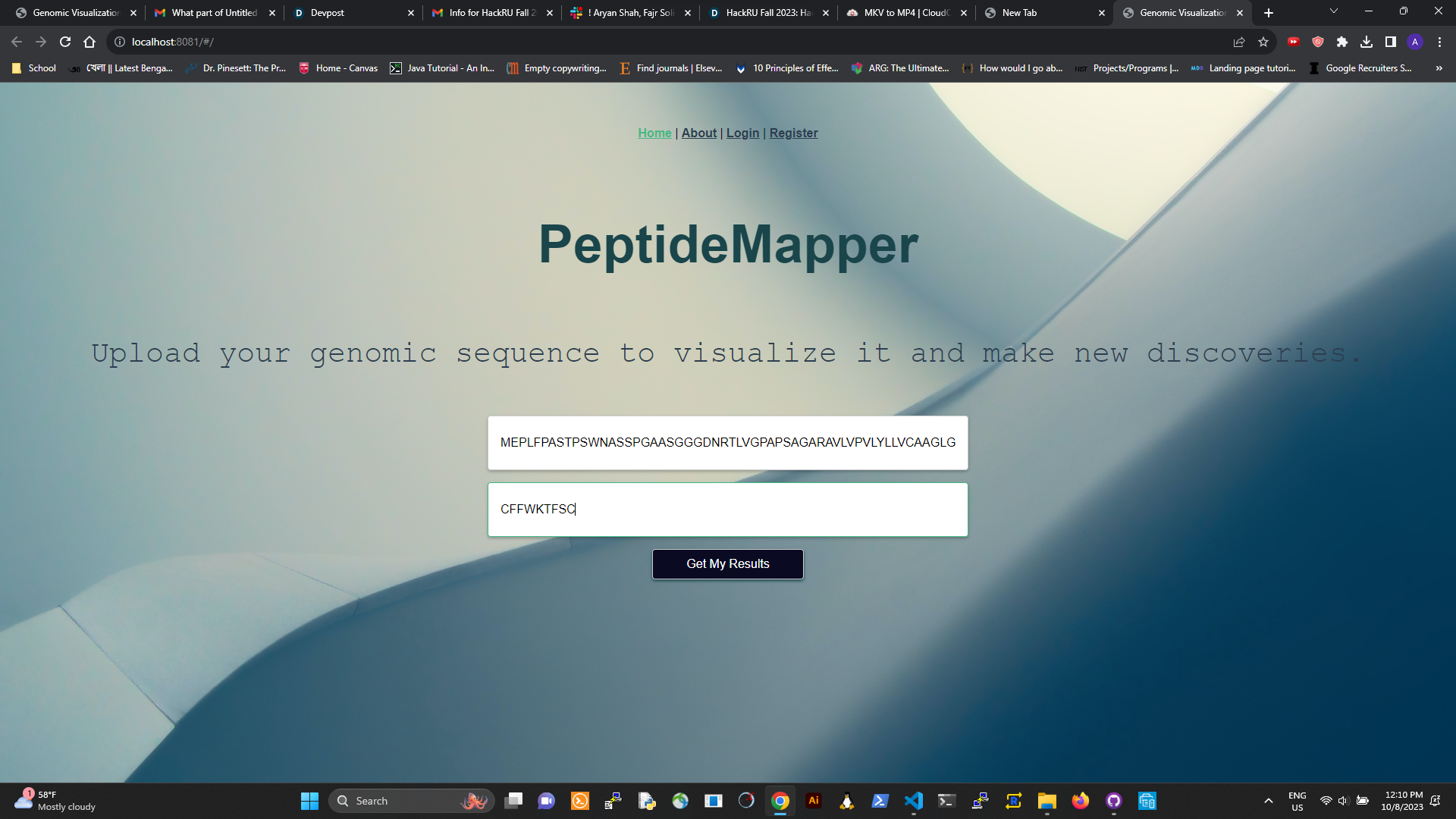
To use ProTep, simply enter your protein sequence and the protein sequence of the biologic medication. ProTep will then use its AI model to predict whether the two proteins will bind.
If the proteins bind, then it is likely that the biologic medication will be effective for the patient. However, if the proteins do not bind, then the biologic medication is unlikely to be effective.
How we built it
ProTep is built using a variety of technologies, including:
- Vue.js for the frontend
- Flask for the backend
- Bioinformatics software such as esmfold, hpepdoc, and clustalmnd
The Vue.js frontend provides a user-friendly interface for users to interact with ProTep. The Flask backend handles the logic of the application, including the communication with the bioinformatics software.
The bioinformatics software is used to model the proteins and to calculate the binding affinity between the two proteins.
Challenges we ran into
One of the biggest challenges we faced was developing an AI model that could accurately predict protein binding. This is a very complex problem, and there is no one-size-fits-all solution.
We also faced some challenges with integrating the different technologies that we were using. However, we were able to overcome these challenges by working together and by using our collective expertise.
Accomplishments that we're proud of
We are proud of the fact that we were able to develop a working prototype of ProTep in a relatively short period of time. We are also proud of the fact that ProTep is able to generate accurate predictions in a timely manner.
We believe that ProTep has the potential to make a real difference in the lives of many people. We are excited to continue developing ProTep and to make it more widely available.
What we learned
We learned a lot during the development of ProTep. We learned about:
- Architecture
- CI/CD
- Permissions
- Helping junior teammates
- Pivoting tech stacks
- Frontend design
- Cloud deployment
What's next for ProTep
We are currently working on:
- Deploying ProTep to the cloud
- Fixing some bugs
- Improving the user interface
In the future, we plan to:
- Add more features to ProTep, such as the ability to compare different medications and to generate personalized treatment plans
- Make ProTep available in more languages
We believe that ProTep has the potential to revolutionize the way that biologic medications are prescribed. We are excited to see how ProTep can be used to improve the lives of patients around the world.
Built With
- amazon-web-services
- clustalenmd
- css3
- django
- esmfold
- flask
- gcp
- hpepdoc
- html5
- javascript
- nglviewer
- vue.js

Log in or sign up for Devpost to join the conversation.