-
-
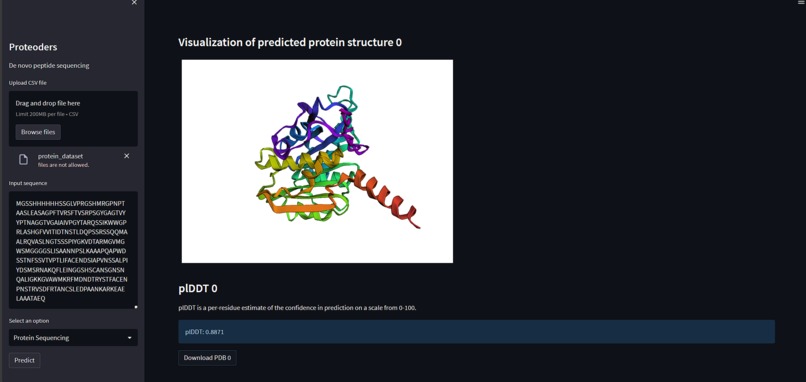
Protein Molecule Structuring of New Compounds
-
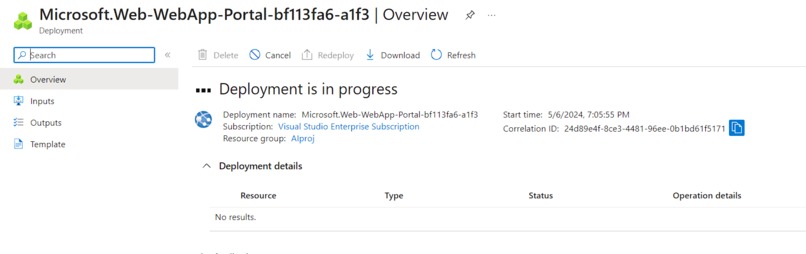
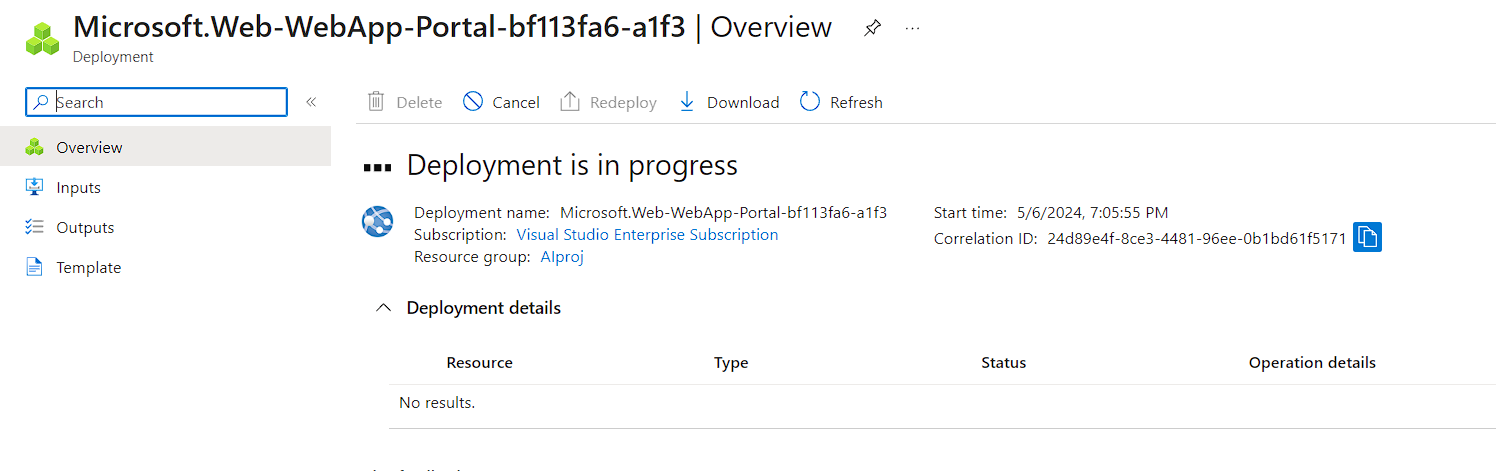
Deployment of Model was tried on Microsoft Azure
-
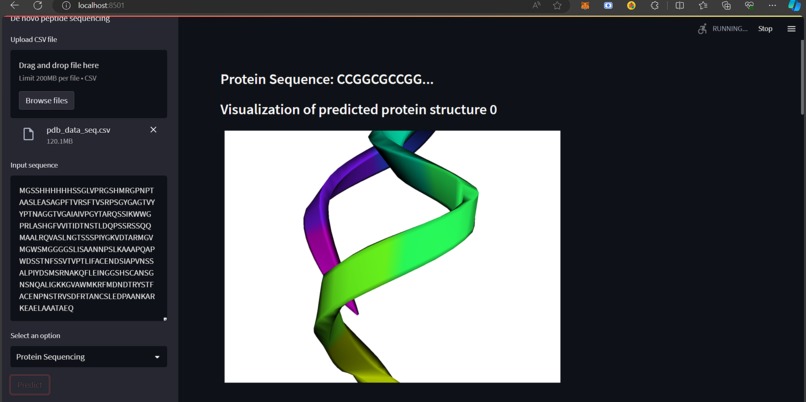
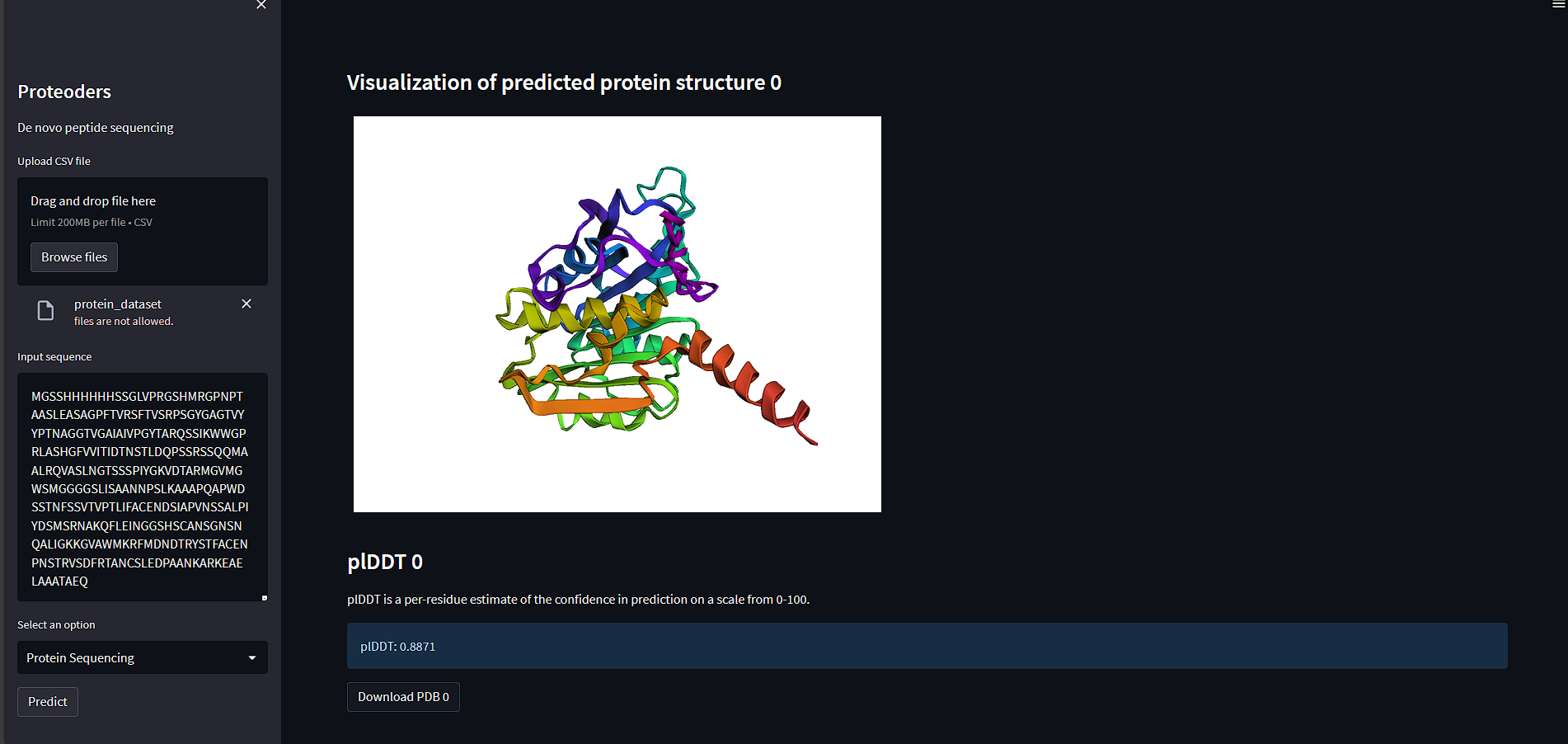
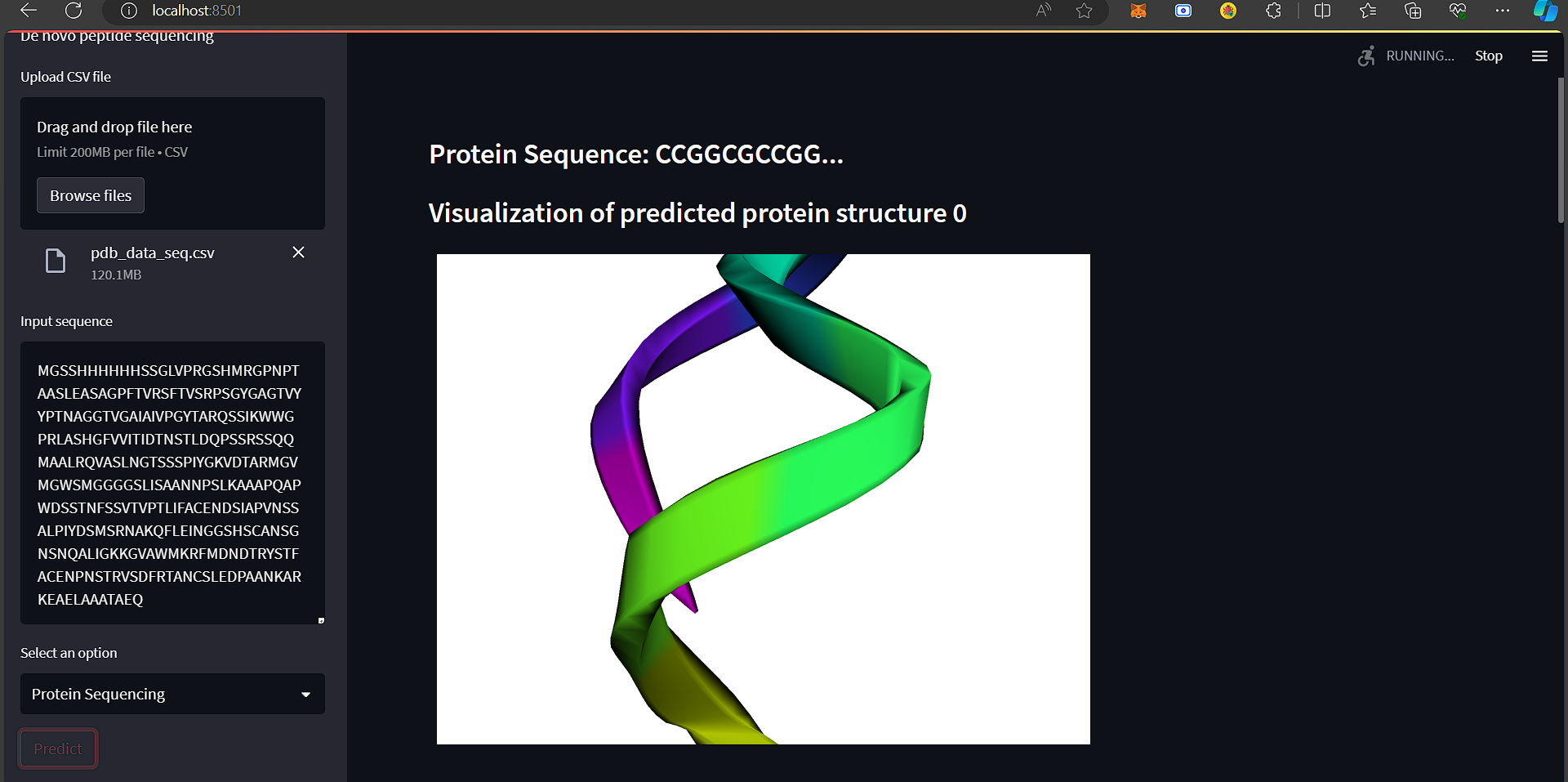
Protein Sequencing
-
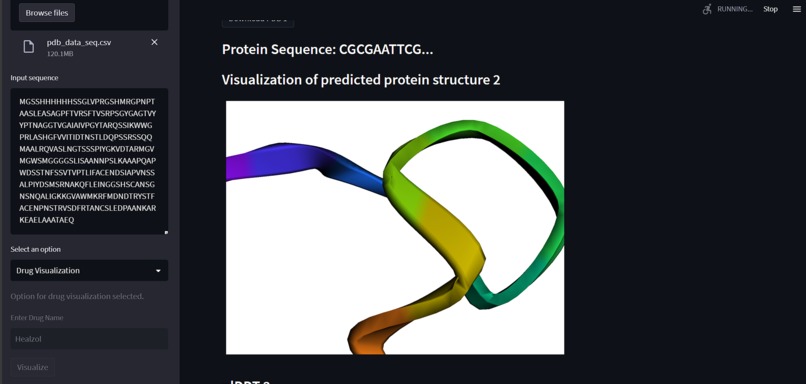
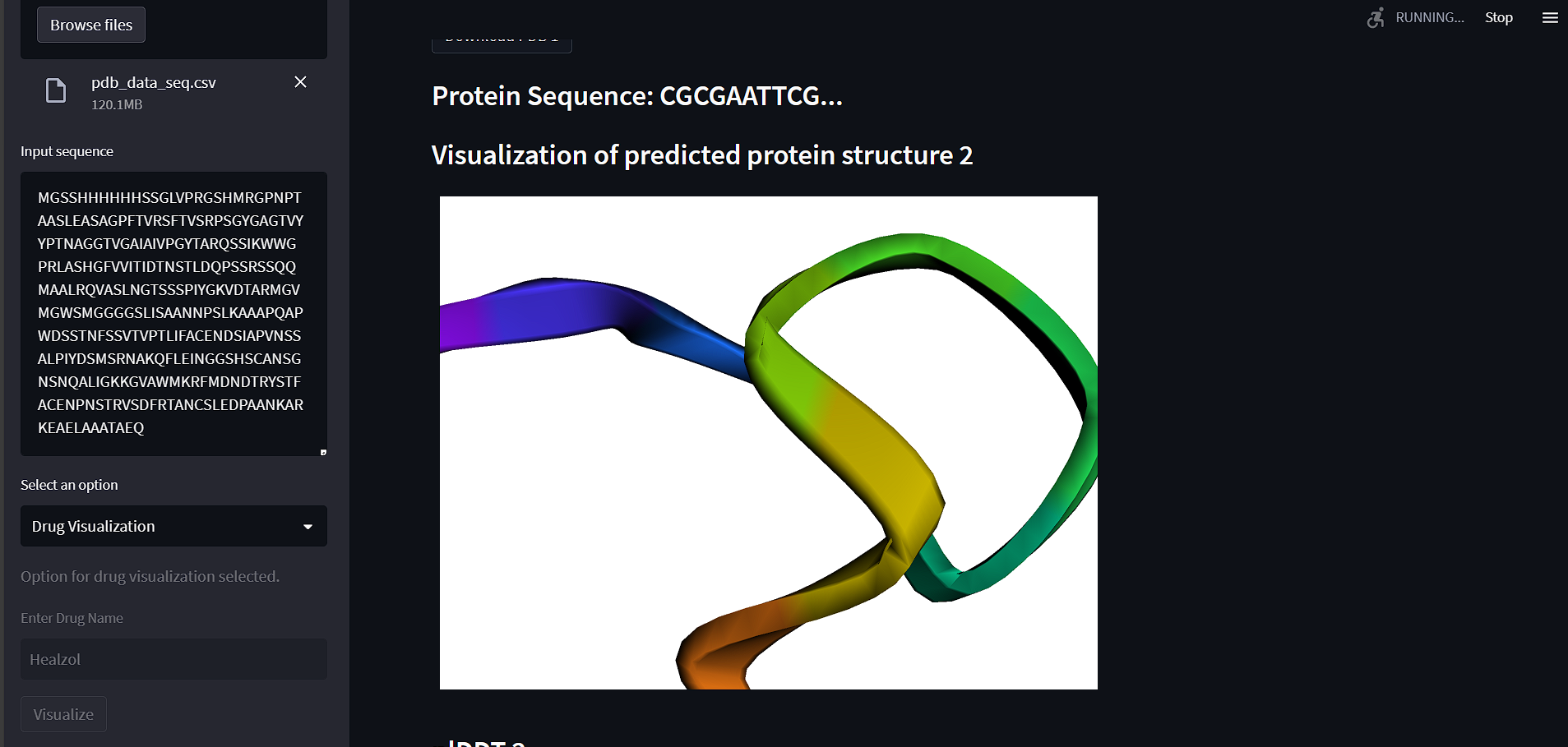
Drug Visualization
Inspiration
Our research draws inspiration from the evolving landscape of drug discovery and the pressing need for novel approaches to peptide generation. By integrating generative AI modules with conventional techniques like tandem mass spectrometry, we aim to revolutionize peptide discovery, enhancing bio-activity, selectivity, and therapeutic potential.
What it does
Our approach utilizes generative AI to generate diverse peptide sequences, optimizing their properties for drug development. We leverage tandem mass spectrometry for accurate peptide sequencing, overcoming limitations of traditional methods like Edman degradation.
How we built it
We integrated state-of-the-art generative AI models with tandem mass spectrometry techniques. The AI models were trained on large datasets of known peptide sequences and MS/MS spectra, enabling them to predict peptide sequences from unknown spectra accurately.
Challenges we ran into
Data Complexity: Handling large and complex datasets of peptide sequences and MS/MS spectra posed significant challenges in model training and interpretation.
Interpretation of Spectra: Deciphering complex fragmentation spectra from tandem mass spectrometry to reconstruct accurate peptide sequences required advanced computational techniques.
Model Optimization: Optimizing the generative AI models for peptide sequence generation and ensuring robustness and accuracy in predicting missing fragment ions were key challenges.
Accomplishments that we're proud of
Novel Methodology: Developing a groundbreaking methodology that combines AI-driven peptide generation with advanced spectroscopic techniques.
Enhanced Predictive Accuracy: Improving the accuracy and efficiency of peptide sequence determination compared to traditional methods.
Potential Impact: Enabling faster and more precise peptide discovery with implications for drug development and biomedical research.
What we learned
Integration of AI and Spectroscopy: Learned the intricacies of integrating generative AI models with experimental techniques like tandem mass spectrometry for peptide analysis.
Data Interpretation: Gained insights into interpreting complex MS/MS spectra and leveraging AI for spectral analysis.
What's next for Proteoders
Advanced AI Models: Continuously refining and developing AI models to enhance predictive accuracy and expand the scope of peptide design.
Application in Drug Development: Translating our research findings into practical applications for drug discovery, targeting specific diseases and therapeutic areas.
Collaboration and Validation: Collaborating with pharmaceutical companies and research institutions to validate our methodology and apply it to real-world drug development pipelines.
Built With
- 3dmodal
- ai
- azure
- esm
- llm

Log in or sign up for Devpost to join the conversation.