-
-
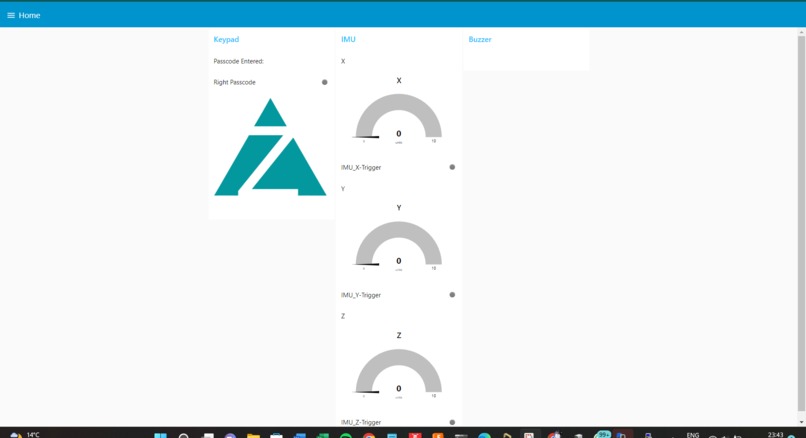
Node Red UI
-
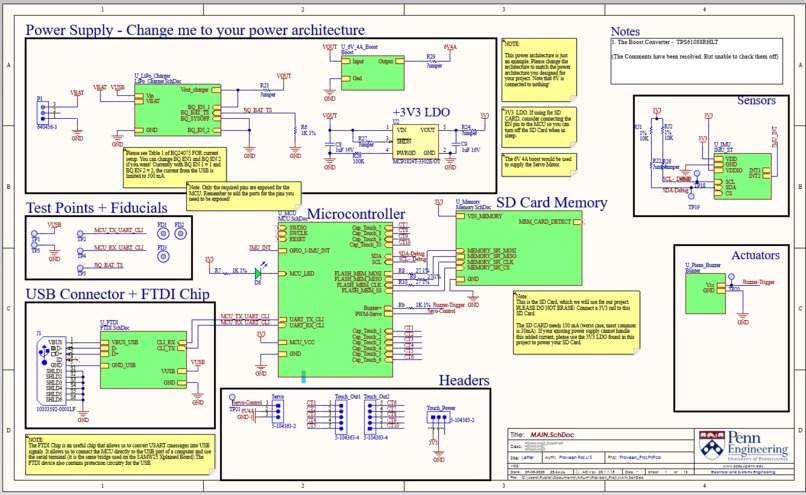
Altium Schematic
-
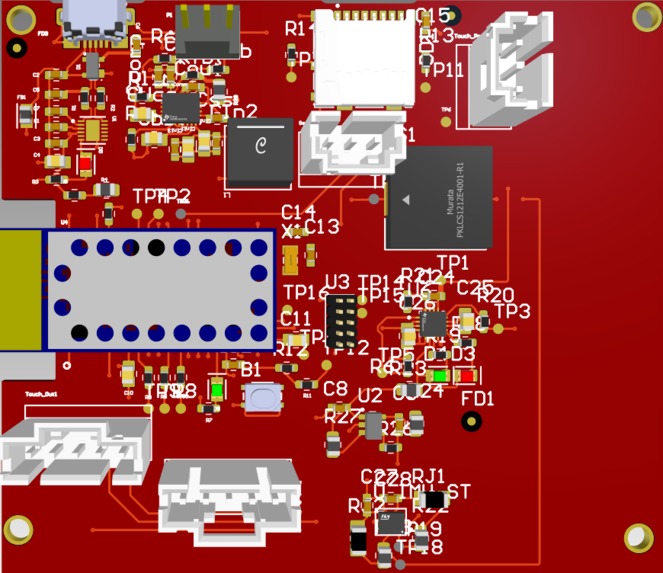
Custom PCB
-
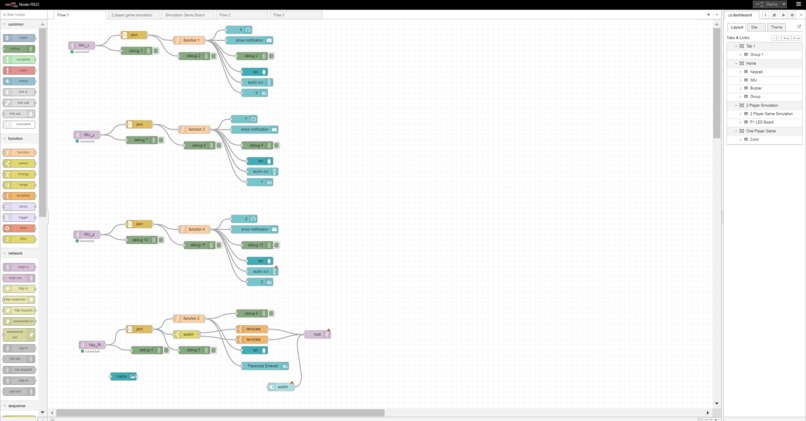
Node Red Backend
-
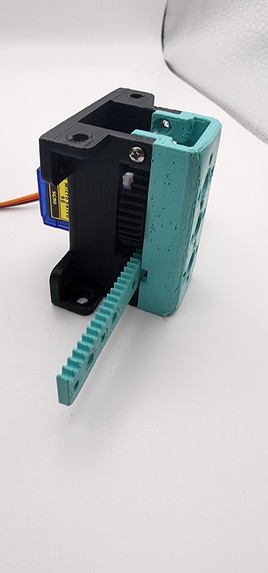
Servo Motor Mount & Circular to Linear Motion Converter
-
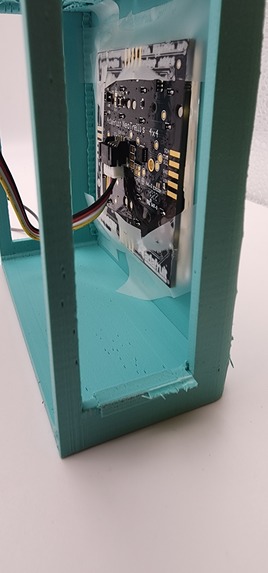
Neotrellis Keypad
-
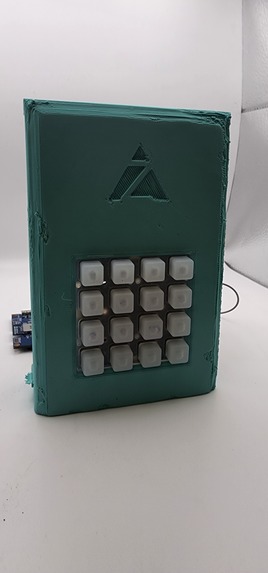
Protekt Door Lock
-
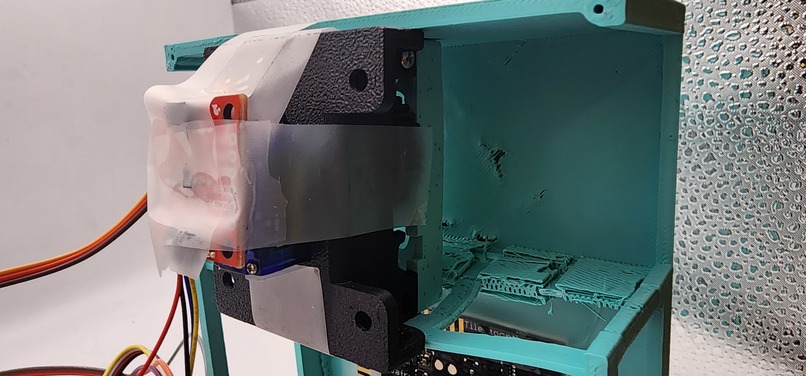
IMU Sensor Mounted to the Servo Motor Case


Inspiration
"Every week about 12000 attacks being posed on IoT Smart home devices" - This news article was the inspiration and the inception of our idea. While Smart devices are meant to make our lives easier, they are still at a stage where they are prone to a plethora of vulnerabilities. And one of the devices which handles the entry to our home - The Smart Door lock, should be highly secure right...!
And Therefore;
We are Introducing Protekt, the privacy-focused smart door lock that keeps your home secure in style. With an IMU sensor embedded in the lock, Protekt continuously measures the movements of the door and lock system, alerting you in case of any suspicious activity.
Protekt is designed to protect your home from unauthorized access and break-ins. The system's alarm will go off in case of any suspicious motions, such as someone trying to break the door lock to control the motors manually and actuate them to open the doors. The lock system can be vulnerable to physical attacks from someone with the knowledge and tools to bypass the system's electronic safeguards. However, Protekt's sensors will detect any such attempts and immediately alert the homeowner.
In addition to the alarm, Protekt sends a notification to your device to keep you informed of any unusual activity. The system's software is designed to identify and differentiate between normal and suspicious activity, ensuring that you are only alerted when it is necessary. Protekt is a retrofittable, easy-to-install and-use lock, making it the perfect solution for homeowners looking for an extra layer of security.
How we built it
The Brain of Protekt is a Atmel SamW21 Microcontroller. We developed all our code in 'C' in Atmel Microchip Studio.
Challenges we ran into
One of our Important actuators is a Servo Motor that controls the door lock motion. The reasons for our choice of Software PWM instead of hardware PWM are as follows;
i.) Greater flexibility: Software PWM offers greater flexibility in terms of customizing the PWM signal to meet specific requirements, such as changing the pulse width or frequency, to control the servo's speed and position.
ii.) Better control: By using Software PWM, we can achieve better control over the servo's movement, resulting in smoother and more accurate motion control. We can also fine-tune the control parameters to optimize the performance of the servo.
iii.) No noise or interference: Unlike some hardware-based PWM solutions, Software PWM doesn't generate any noise or electromagnetic interference, making it ideal for use in sensitive electronic applications like smart door locks.
iv.) Easier integration: Software PWM is easy to integrate into your software code, allowing us to quickly modify the control logic and adapt it to our specific application requirements. It also allows us to easily switch between different PWM pins without any significant code changes.
But above all, the Sofware PWM requires precise timing control for which the existing libraries such as the tc.h/tcc.h were not applicable.
Besides this, the Precise conversion of the circular output from the Servo into a linear motion was another challenge.
Accomplishments that we're proud of
I wrote our custom timing libraries and also calculated the duty cycle, Min and Max timings for designing the right pulse for our servo motor.
I also 3D-modelled a custom Circular to Linear motion converter.
What's next for Protekt - Privacy-Focused Smart Door Lock
Our next plan is to design a Semi-Internet isolated Edge Computing Smart-Door lock that would further enhance the privacy aspects of the door lock.
Built With
- altium
- autodesk-fusion-360
- azure
- c
- microchip
- nodered

Log in or sign up for Devpost to join the conversation.